Advertising disclosure: This page includes affiliate product links that may earn us a commission, as well as products from our own store.
Robert Timms returned to the winner’s circle at the Steve Karr Las Vegas Classic Pro on November 7, 2026, finishing first in a field of 23 Classic Physique competitors. The result is a good opportunity to look beyond the usual discussion of who has the widest shoulders or the biggest arms. A competitive physique is a combination of muscle development, proportions and the ability to present those qualities under demanding conditions.
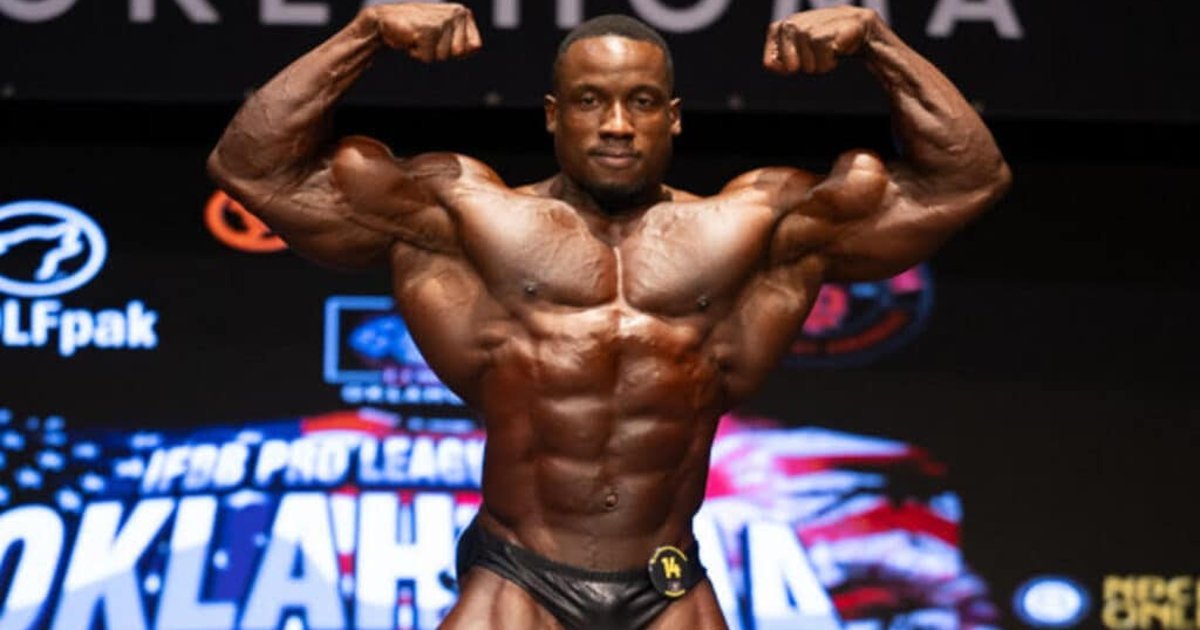
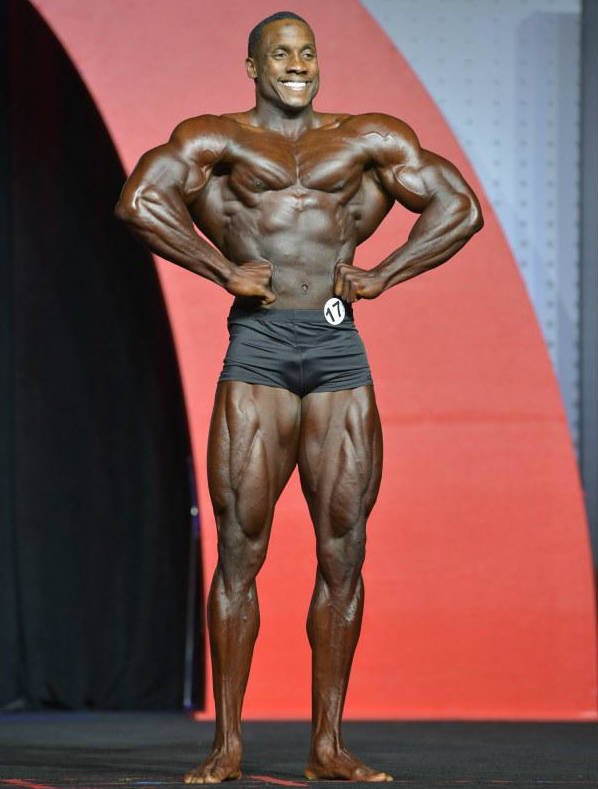
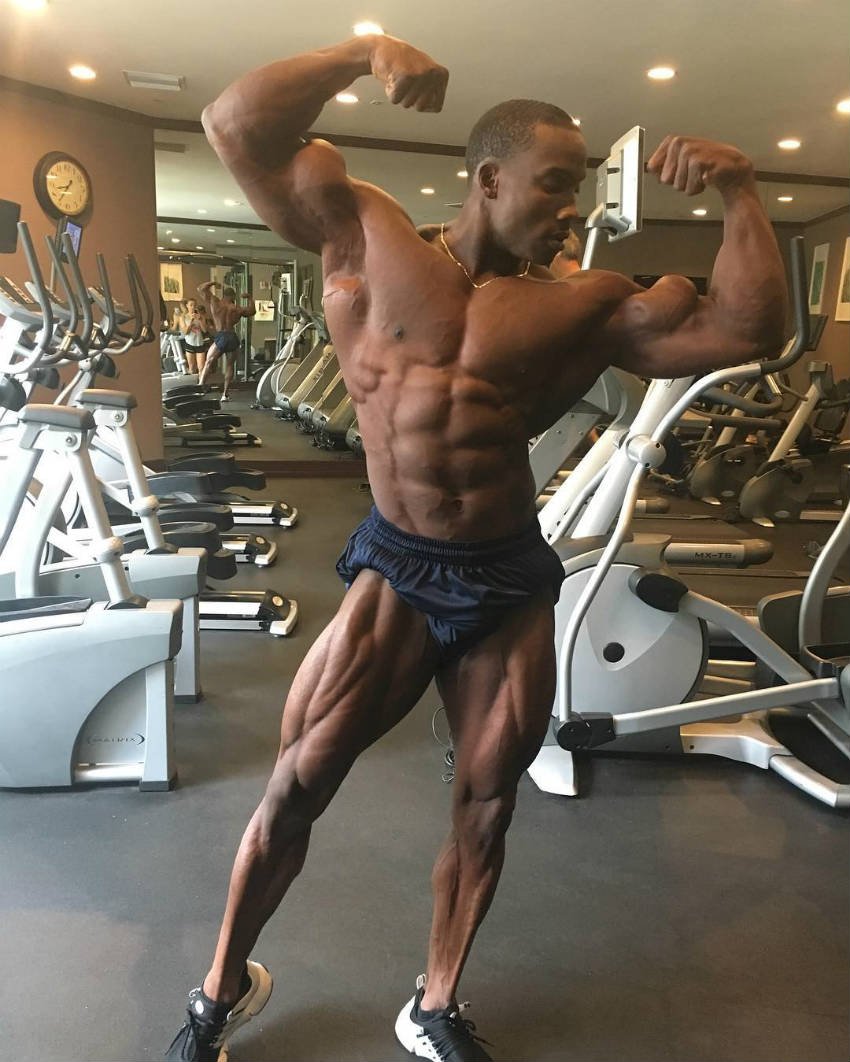
Most recreational lifters will never need to enter a bodybuilding contest to benefit from that approach. A training program that develops the entire body, measures progress consistently and pays attention to how individual muscle groups work together can be useful whether the goal is a first competition or simply a more balanced physique. The archival photographs here illustrate posing and training rather than documenting his November 2026 contest preparation.
What the Las Vegas result actually tells us
Timms took first ahead of Daniel Fabode and Zavier Adonnis Steward. The recorded judging totals for the three were three, six and nine respectively, with the lower total representing the better placing. These numbers reflect judges’ rankings, not measurements of muscle mass or a percentage difference in physique quality. A three-point difference does not establish that one athlete is three kilograms more muscular or has a particular body-fat percentage.
The victory was his first professional title since the 2024 Oklahoma Pro. Earlier in 2026 he placed third at the Lenda Murray Atlanta event. That sequence illustrates a useful distinction between a single competitive result and the long development of a physique. Placings can move up or down depending on the lineup and what is presented on the day. They cannot tell us precisely how a lifter trained, what changed in the intervening months, or what their recovery was like.
For your own training, replace comparisons against other people with repeatable indicators. Record performance on several exercises that suit your joints, check body measurements under consistent conditions and compare photographs taken at the same distance and lighting. A bigger row or a better controlled squat is evidence of progress, even if your body has not visibly changed in the mirror that week.
Stage photographs are useful for understanding presentation, but they are particularly poor tools for reverse-engineering a person’s diet or training. Lighting, camera position, muscular tension and the moment at which a photograph is taken all influence appearance. The result in Las Vegas establishes a victory; it does not establish a secret workout.
Classic Physique is judged from every angle
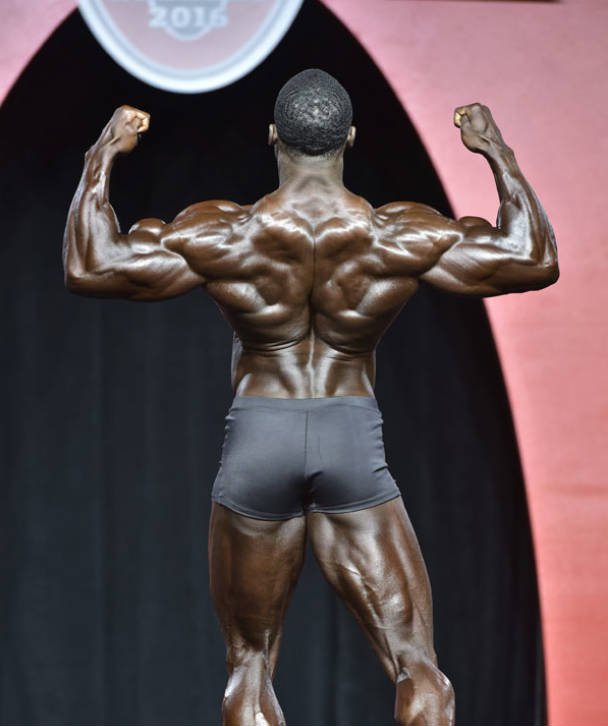
Classic Physique has a different constraint from unrestricted open bodybuilding: a competitor must meet a weight limit tied to height. That creates a reason to think about the distribution of muscular development rather than simply pursuing the heaviest possible bodyweight. The limit is an eligibility rule, not a recommended weight for recreational trainees or a guarantee of competitive success.
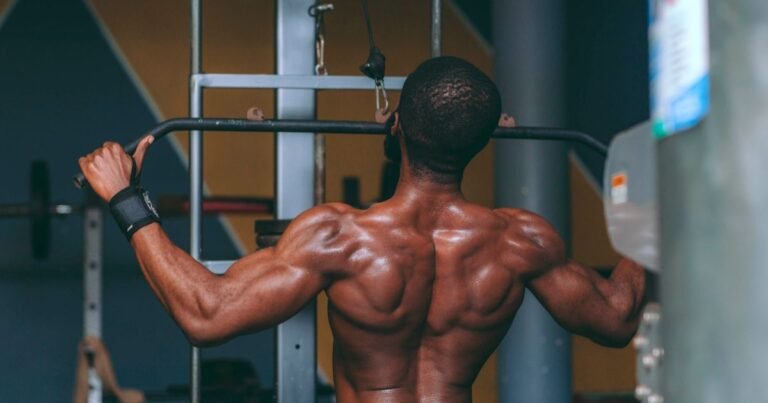
The required poses include front and rear double biceps, side chest, abdominals and thighs, and a favorite classic pose rather than the most muscular pose. Each asks the athlete to display different features. The front double biceps can reveal shoulder width and arm development, while the rear view also exposes how the upper and lower back work visually with the shoulders and legs. The side chest pose brings chest thickness and the side profile into the comparison.
This has practical consequences for exercise selection. Someone who only tracks bench press performance might neglect their rear deltoids and upper back. A person who trains arms enthusiastically but rarely performs knee flexion exercises might develop a physique that looks quite different from the rear than from the front. You do not need to chase a textbook body ratio, which may be impossible given your individual skeletal structure. Instead, make sure the training log reflects all of the major movement patterns.
Posing itself is a skill. Holding a position comfortably while breathing and controlling muscular tension takes practice. If you’re curious about bodybuilding poses, start with short relaxed practice sessions and avoid forcing a painful range of motion. Being able to see a muscle from several angles is more valuable than trying to replicate someone else’s exact stance.
Build the taper without neglecting the back
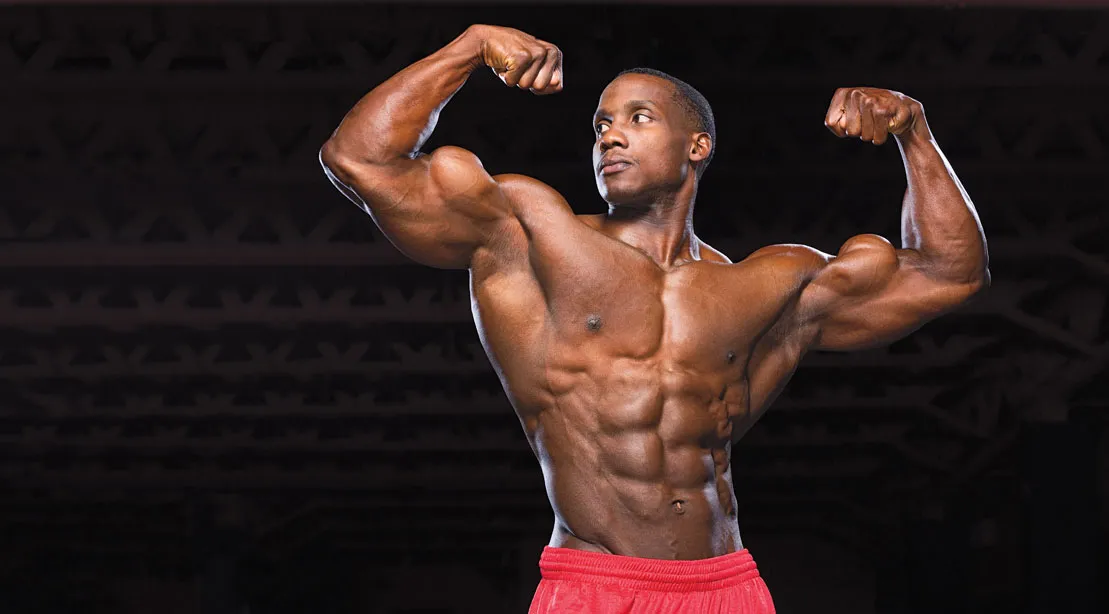
The visual taper associated with Classic Physique is influenced by shoulder and back development as well as the natural structure of the torso. It is worth building the lats, lateral deltoids and upper back without treating waist width as something that can be changed at will. Training cannot rearrange your bones, and severe dieting is not a prerequisite for developing a stronger upper body.
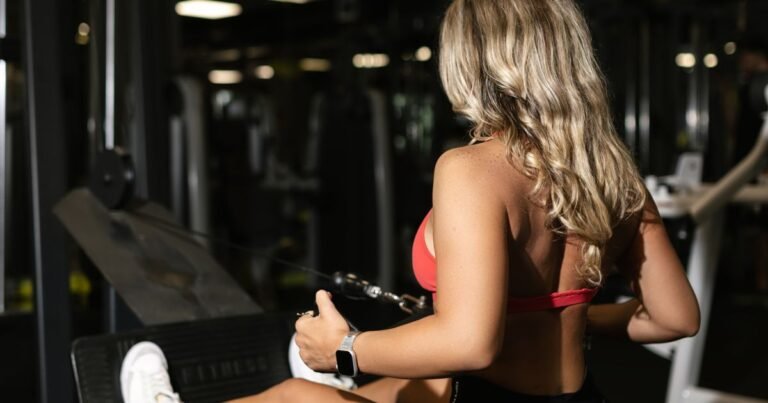
Start with a vertical pulling movement such as a pulldown or assisted pull-up. Choose a grip that allows you to move through a useful range without shoulder discomfort, and control the return instead of letting the weight jerk your arms overhead. A cable row or chest-supported row adds horizontal pulling. If you struggle to distinguish back effort from lower-back fatigue, a supported setup may help you focus on the target muscles.
For the shoulders, lateral raises are an economical way to add direct work. Dumbbells and cables both work; the best option is one you can repeat consistently and progressively. Keep the torso reasonably stable and choose a load that permits a controlled lift. Rear-delt work can complement rows, particularly when your pressing volume is already substantial.
A reasonable starting point is two upper-body sessions per week, each including three working sets of vertical pulls, three sets of rows and two sets of lateral raises. That’s an illustrative template, not a prescription for everyone. Adjust based on existing training volume and recovery. If your grip limits your back work, straps are an optional tool for some sets rather than an obligation. If your elbows become irritated, change the handle, reduce load or select a different movement instead of forcing the same pattern.

Equipment Worth Exploring
Explore equipment, accessories and gear from our carefully selected range.

Trinity Lat Machine LSW-850
Weight-stack pulldown tower offering three cable directions and adjustable seated support.

Linear Row LRX-750
Dual-sided rowing machine for supported rows, bent-over rows and varied pulling movements.

Lateral Row Machine LRM-720
Rowing machine with independent lever arms, an adjustable seat and chest support.

VForce Lat Tower
Wall-mounted cable tower with pivot arms and adjustable 1:1 or 2:1 pulley ratios.

48in Aluminum Lat Bar
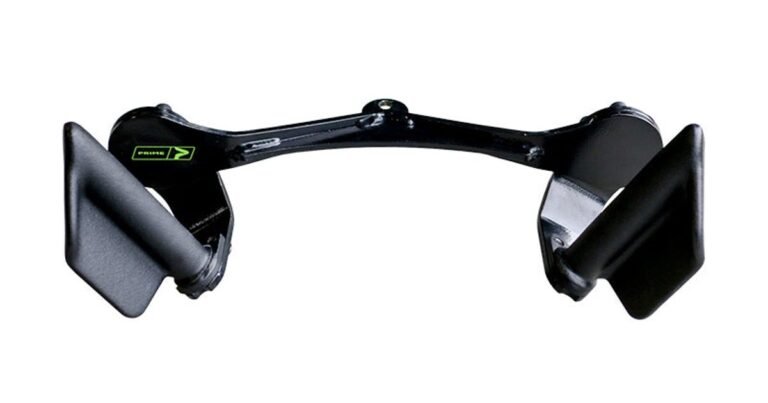
48-inch aluminum lat pulldown bar with knurled grip and rotating center swivel.

Lat Pulldown Set
Multi-grip cable attachment set for pulldowns, rows, and varied upper-body training.
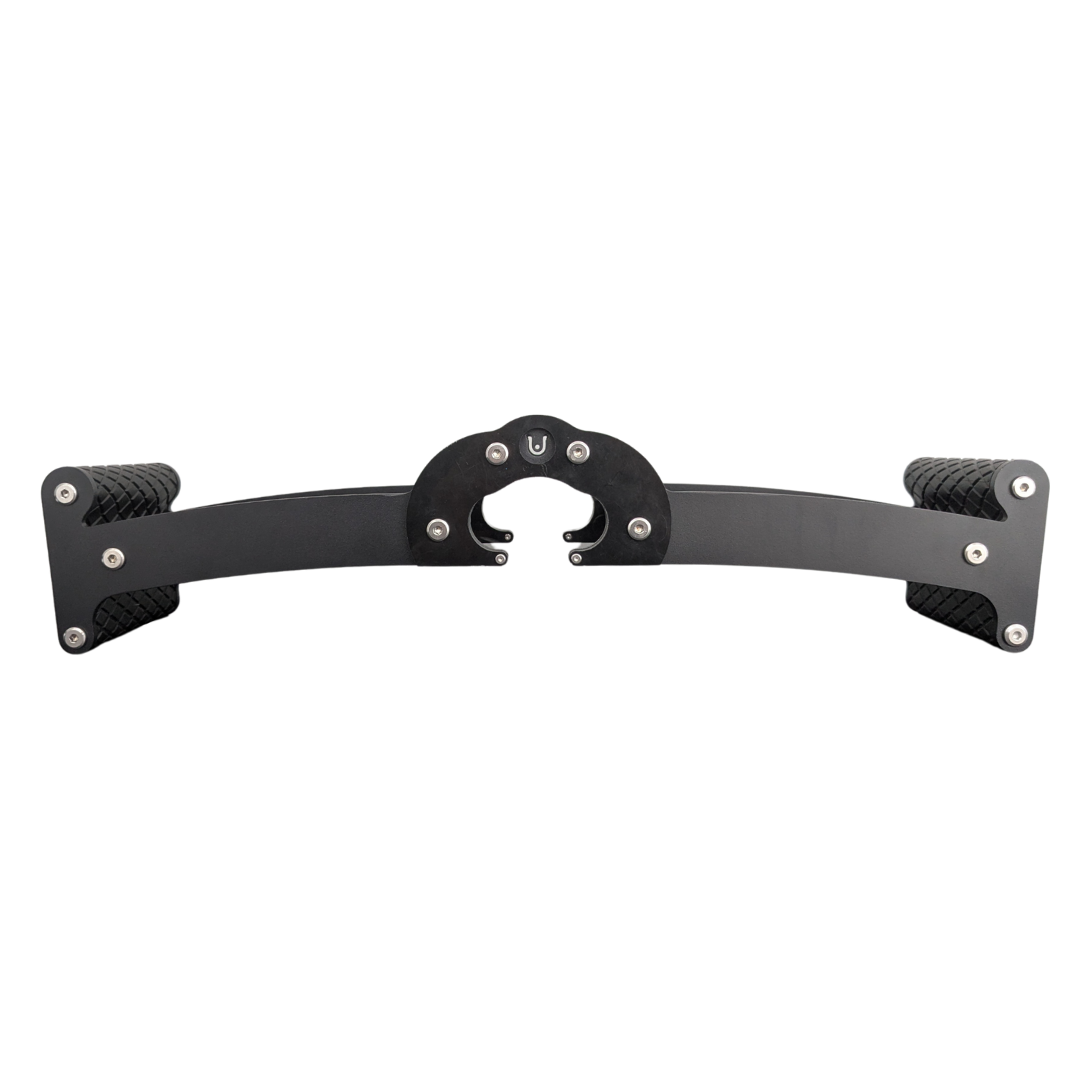
Back Bar
Multi-grip cable and landmine bar with a built-in deadlift jack.

T-Bar Row Attachment
Welded barbell attachment that connects a D-handle bar for landmine and T-bar rows.

Leather Lifting Straps
Padded leather straps support grip during heavy rows, deadlifts and pulling exercises.

Train legs and arms for balance, not a single pose
Balanced development includes muscles that receive less attention in everyday mirror checks. The quadriceps, hamstrings, glutes and calves deserve a deliberate place in the program. Leg training does not have to revolve around one specific barbell lift. A squat, hack squat or leg press can provide a demanding knee-dominant exercise, and the right choice depends on equipment, comfort and the ability to progress.
Add a hip hinge such as a Romanian deadlift, plus some knee-flexion work using a leg curl. These movements are complementary because the hamstrings contribute at both the hip and knee. A leg extension can supply additional quadriceps work without requiring the same amount of whole-body effort as another heavy squat. Calf raises are straightforward to include at the end of a session, and controlled repetitions are preferable to bouncing through a heavy load.
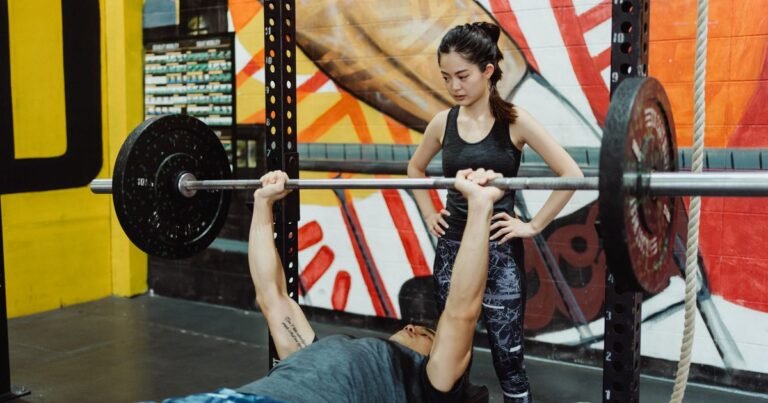
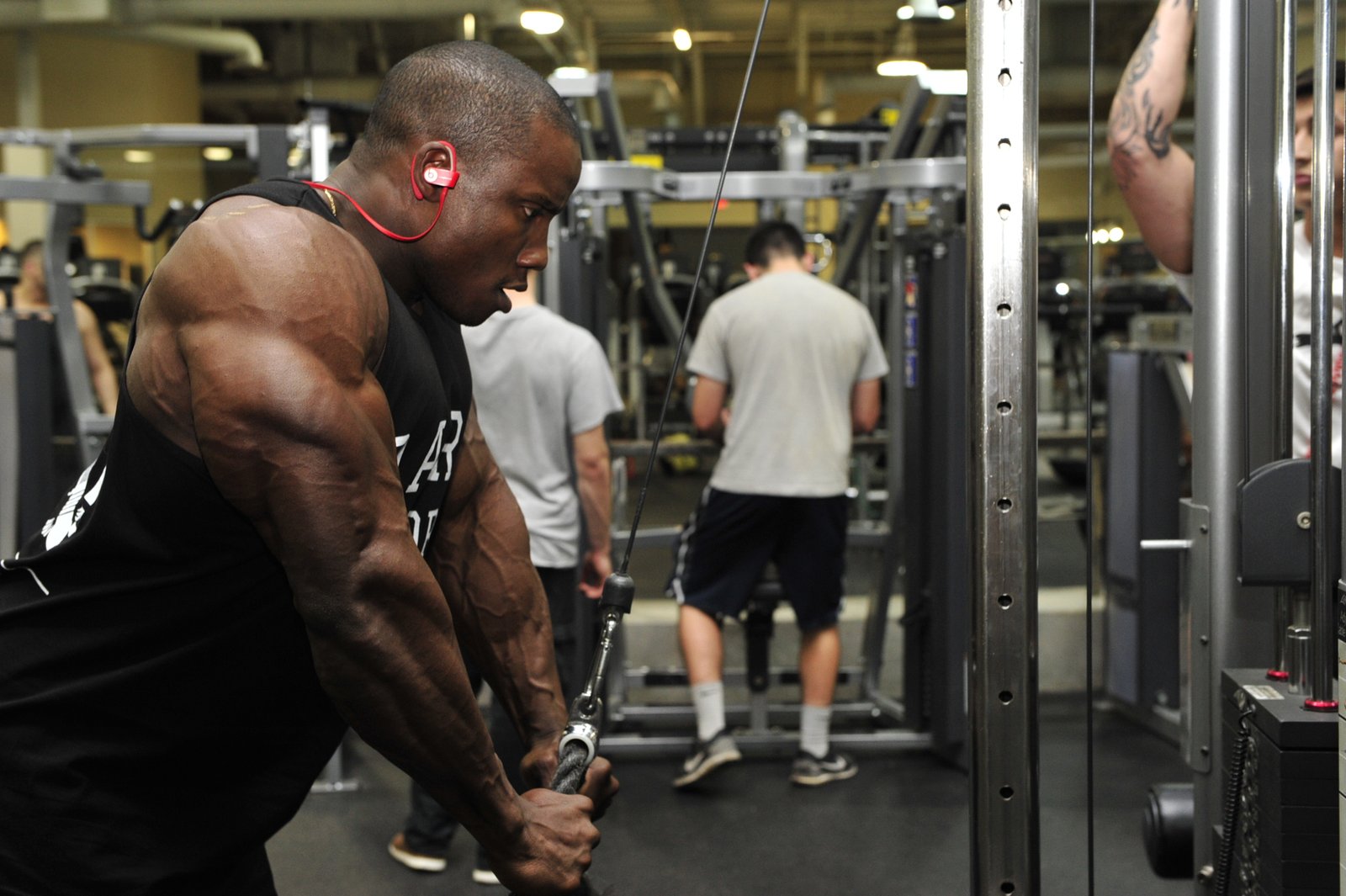
Upper-body balance also means training the chest and arms. A press and fly variation can provide chest work at different movement demands. Elbow flexion and extension exercises add direct stimulus to the biceps and triceps. A rope pushdown, for instance, allows the hands to move freely without requiring a fixed bar position. Pick a curl that feels comfortable at the wrist rather than assuming that one particular grip is universally superior.
Don’t change your entire routine after seeing a competition photograph. Identify a muscle group that consistently receives little work and introduce a modest amount of additional training. Monitor your performance over several weeks. Adding two quality sets that you recover from is often a more useful experiment than doubling your leg or arm session overnight.
Equipment Worth Exploring
Explore equipment, accessories and gear from our carefully selected range.

Standing Chest Press SCP-760
Standing chest-press machine with adjustable handle positions for chest and close-grip pressing.

Pec Fly/Rear Delt PEC-650
Combination machine with adjustable movement limits for chest fly and rear-delt exercises.

Leg Press/Hack Squat BPR-790
Convertible 45-degree leg press and hack squat machine with a broad footplate and band pegs.

Leg Extension/Curl BCO-780
Leg extension and lying leg curl combo with plate loading, band pegs and a cable-loading option.

Seated Leg Combo BCO-680
Adjustable seated leg extension and leg curl machine with band pegs for added resistance.

Studio V-Squat
Plate-loaded V-squat machine for supported lower-body strength training.


EZ Curl Barbell
Olympic EZ curl bar with angled grips for curls and triceps exercises.

Rubber Hex Dumbbells
Rubber-coated hex dumbbell pairs with a stable shape for home and commercial strength training.
Four weeks of physique-focused practice
Here is an original four-week training experiment inspired by the demands of physique development, not a reconstruction of Timms’ contest routine. Use four sessions each week, leaving at least one rest day between the two upper-body workouts and between the two lower-body workouts.
- Upper A: pulldown, chest-supported row and incline press for three sets each; lateral raise and curl for two sets each.
- Lower A: squat or hack squat and Romanian deadlift for three sets each; leg curl and calf raise for two sets each.
- Upper B: flat press, cable row and pulldown for three sets each; rear-delt fly, lateral raise and triceps extension for two sets each.
- Lower B: leg press and leg curl for three sets each; leg extension, glute-focused hinge and calf raise for two sets each.
In week one, select manageable working weights and record your repetitions. For the larger lifts, six to twelve repetitions is a practical range; for isolation movements, ten to twenty can work well. Most sets should finish with roughly two or three repetitions still possible. In week two, try adding repetitions while maintaining the same technique. In week three, increase the load slightly on exercises where you have reached the upper end of your chosen range. In week four, repeat the session structure and review the log. Reduce the amount of work if fatigue has accumulated rather than forcing a personal record.
Keep nutrition and sleep reasonably consistent during the experiment. If you photograph your progress, use the same lighting, distance and relaxed or posed position each time. Four weeks is enough to learn which exercises fit your schedule and how well you recover, but it is not enough to promise a particular visual transformation.
Timms’ win provides the competitive context. The takeaway for everyone else is to develop the entire physique with patience, track the work that actually gets done, and give less-developed areas enough attention without sacrificing recovery.

Bodybuilding Shirts & Workout Gear
Bodybuilding shirts, tanks and gym gear for lifters chasing muscle, size, symmetry and the pump.

Stoic Sigma Bodybuilder Marble Sculpture – Meme T-Shirt
Show some lifting attitude with a playful “Stoic Sigma Bodybuilder Marble Sculpture” tee.


LEGO Bodybuilder Gym | Funny Workout Decal for Water Bo Sticker
Give your everyday gear a playful “LEGO Bodybuilder” twist.

Bob The Bodybuilder & Memes Hooded Hoodie
Keep it laid-back with a little “Bob The Bodybuilder” attitude.

Metallica Heavy Metal Meme & Gymbros T-Shirt
Rep “Bodybuilding Metallica” humor in and out of the gym.

Lat Spread Mickey Mouse Meme Sweater T-Shirt
Bring “Lat Spread” humor to your everyday gym style.


Never Skip Leg Day – NSLD Fried Chicken Meme Vest Muscl Tank Top
Your gym-day look, with a playful “Never Skip Leg Day” twist.

Shirt for Chest Day | I Love Bench Press with Pink Weig T-Shirt
Show some gym-girl attitude with a playful “for Chest Day” tee.