Advertising disclosure: This page includes affiliate product links that may earn us a commission, as well as products from our own store.
A barbell that feels rough, sticky or reluctant to rotate does not automatically need replacing. It needs a sensible inspection before somebody attacks it with a wire brush or pours lubricant into every opening. Surface cleaning, corrosion protection and sleeve servicing are different jobs. Mixing them together can turn a small maintenance task into avoidable damage.
The useful starting point is the exact bar you own: manufacturer, model, shaft finish and sleeve construction. This guide explains a conservative maintenance workflow rather than prescribing one chemical treatment for every bar. It is not an MMP restoration test or a promise that a neglected bar can be made safe with household supplies.
Identify the surface before choosing the brush
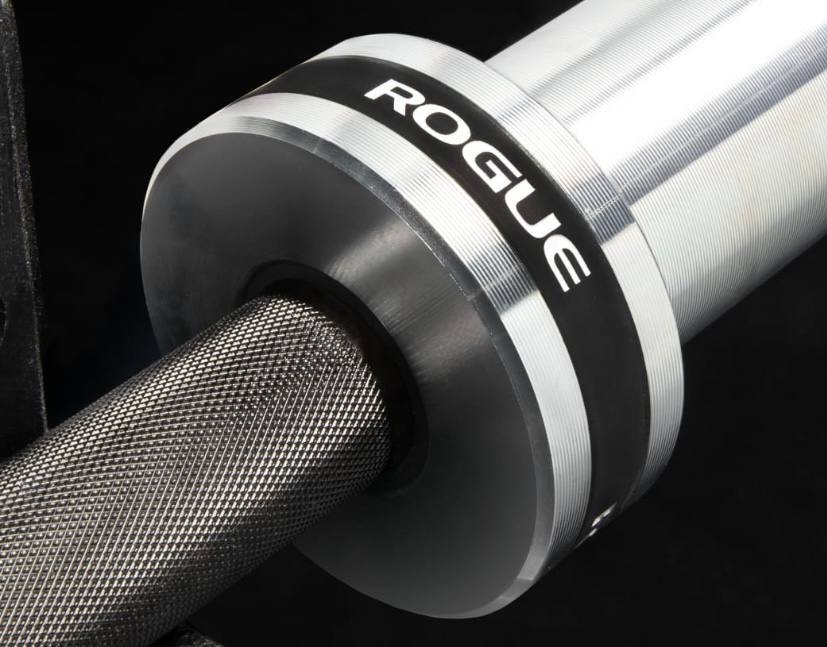
Find the model information before interpreting the colour. A dark shaft might have a coating, while a bright shaft might be stainless steel or plated steel. The shaft and sleeves can also have different finishes. A picture establishes appearance; it does not reliably identify the material underneath. Check the purchase record, product documentation or manufacturer support when the specification is uncertain.
Write down two separate entries: what covers the gripping shaft, and what covers the loading sleeves. Keep those notes with the bar’s care instructions. This small distinction prevents a treatment recommended for one exposed steel component from being applied automatically to a coated surface elsewhere on the same implement.
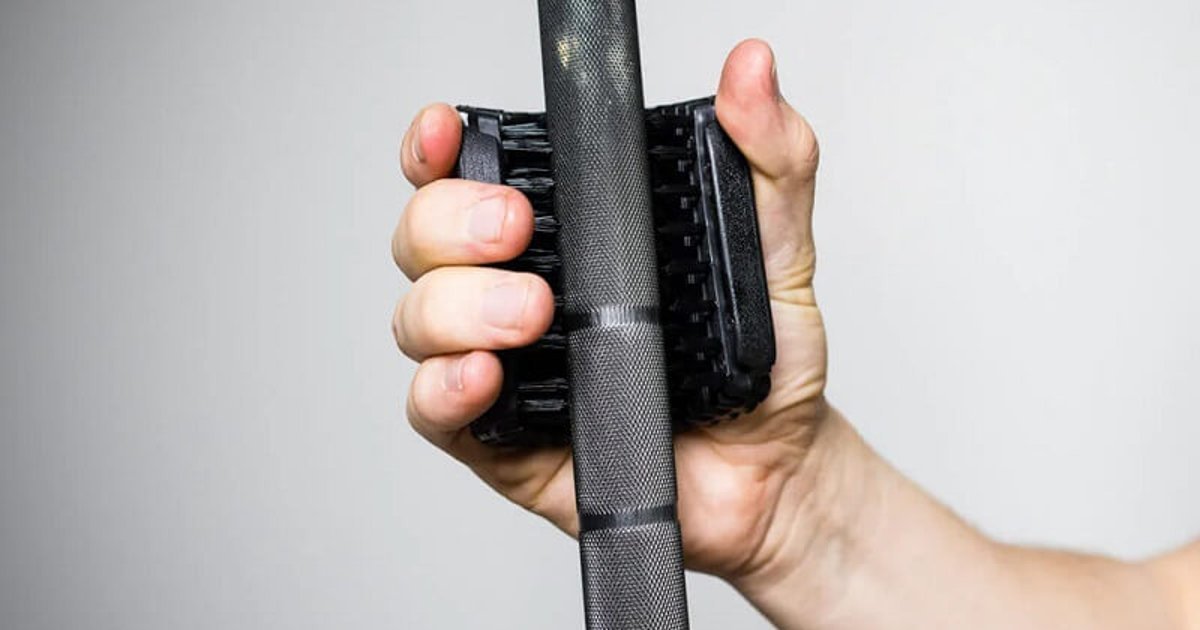
A nylon or other manufacturer-approved synthetic brush is a sensible starting tool for routine debris removal. Do not assume that harder bristles mean better cleaning. Different manufacturers give different permissions for metal brushes, including exceptions for particular uncoated models. The exact instruction matters more than an internet rule claiming that every stainless bar needs the same tool.
Check the brush itself before use. It should be clean enough that you are not rubbing grit from a previous job into the finish. Keep bar-care tools separate from brushes used on garden equipment, floors or rusty hardware. A dedicated brush and a clean cloth simplify the job without requiring a large maintenance kit.
Decide what you are trying to remove. Loose chalk, a sticky residue, a dull coating and suspected corrosion are not interchangeable. Brush away ordinary buildup first, then reassess in good light. A change in colour alone does not establish a structural problem, but neither does it prove that a second-hand bar is safe. Avoid promising a diagnosis from a photograph.
Equipment comparisons also need that surface information. Our specialist deadlift-bar buying guide explains why grip, finish and the complete implement belong in a purchase decision. Owning a more expensive bar does not remove the need to learn its particular care requirements.
Make chalk cleanup part of the session
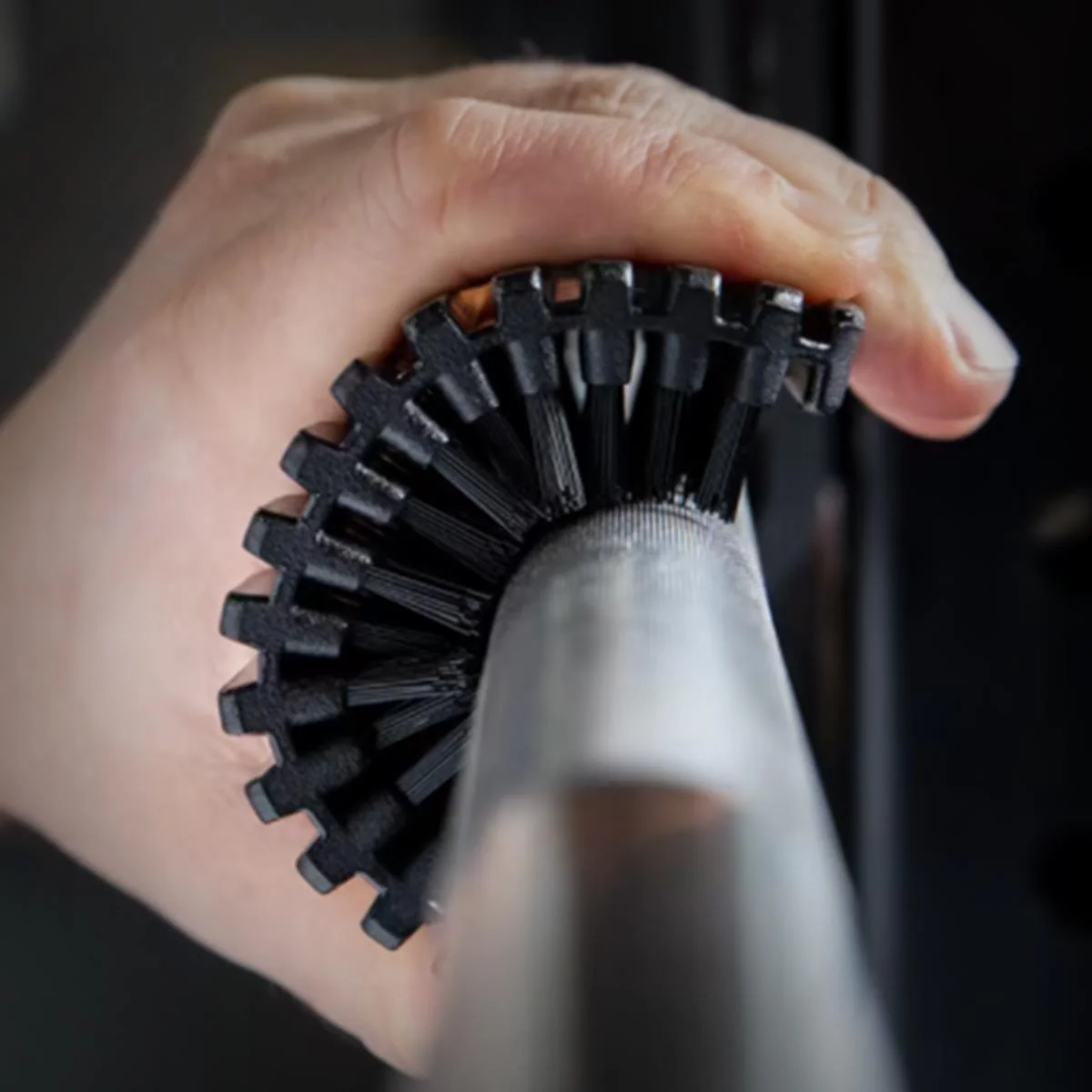
Unload the bar and support it securely before cleaning. Work somewhere you can reach the shaft without balancing it against a wall or leaving an end in a walkway. Remove loose material with a clean, dry cloth, then use the approved brush on the knurling. Keep the work controlled rather than scattering debris over the platform.
Pay attention to the areas your hands actually contact. Chalk can sit between the raised points of the knurl even when the bar looks tidy from across the room. The goal is to clear residue, not to grind the texture into a different shape. If ordinary brushing is not enough, stop and consult the finish-specific instructions before escalating to abrasives or chemicals.
A damp wipe, when permitted, is different from soaking the bar. Apply the approved cleaning solution to the cloth as directed, keep moisture away from sleeve openings and dry the surface thoroughly afterwards. Never assume a general gym disinfectant is compatible with every coating. Follow the equipment owner’s approved process in a shared facility.
Oil is also conditional. Some finishes need periodic protection; others mainly need brushing and ordinary cleaning. When the manufacturer specifies oil, use the named type and quantity rather than improvising from a product with a similar-looking bottle. Remove excess as instructed before the bar returns to use. A slippery gripping surface is not a successful cleaning result.
Keep an oily cloth away from the clean cloth used for the final check. That makes it easier to notice whether you have left residue behind. Store maintenance products according to their labels, and keep the cleaning area separate from food, drinks and loose chalk. There is no benefit in solving one mess by creating another.
How you apply chalk affects the cleanup waiting at the end. Our guide to chalk formats and gym cleanup compares practical handling choices. You can reduce unnecessary residue without treating a particular format as a guarantee of better strength or a substitute for equipment maintenance.
Separate sleeve inspection from a home repair experiment
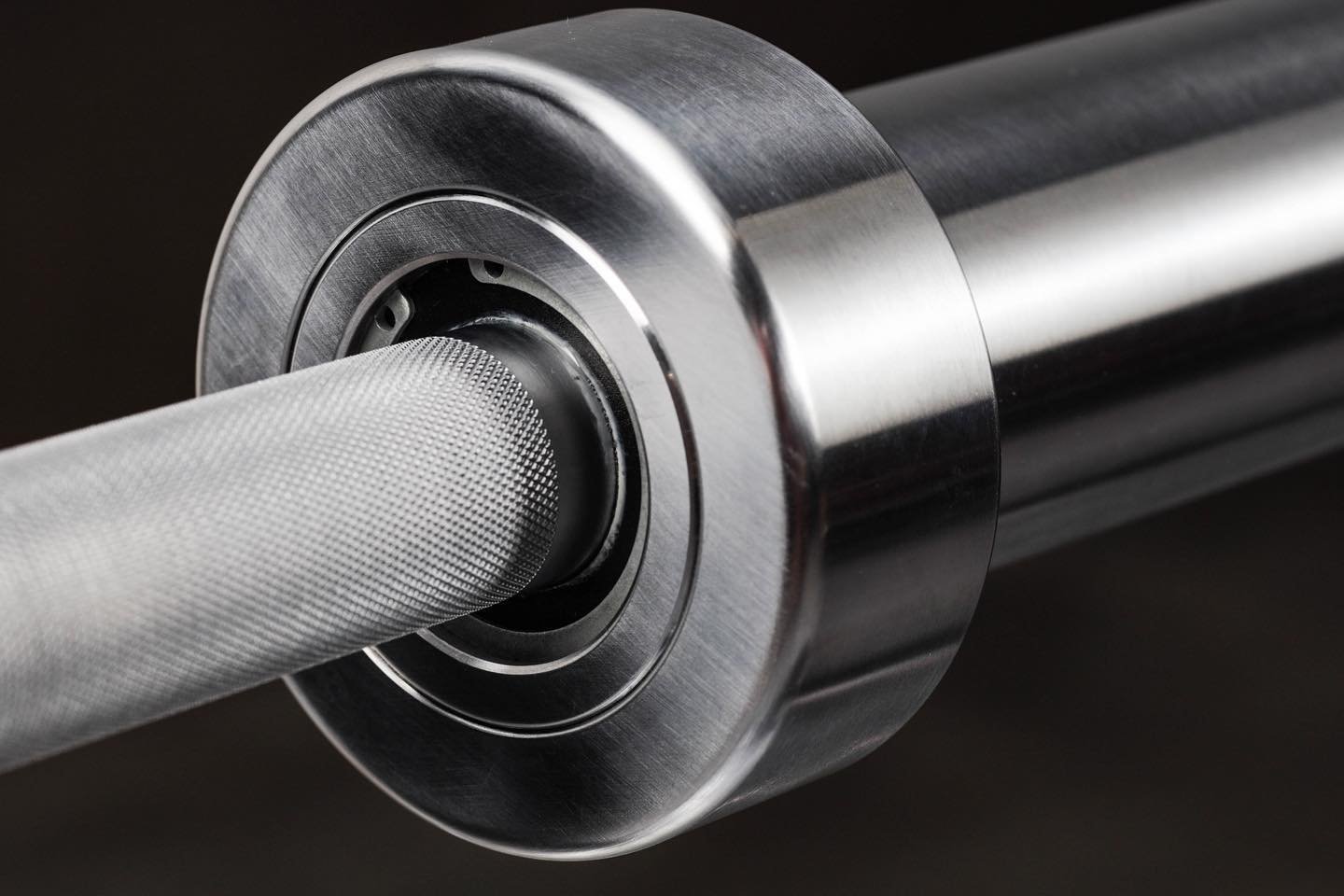
The sleeves carry the plates and rotate around the shaft. Start any inspection with the bar unloaded and securely supported. Turn each sleeve gently and note an obvious change from its usual behaviour. A power bar and a weightlifting bar may feel different by design, so a dramatic free-spin video is not a universal pass-or-fail test.
A useful observation is specific: one sleeve now catches at the same point, makes a new scraping sound or behaves differently from the other. “It doesn’t spin for long” is less informative without knowing the model and its normal behaviour. Record when the change appeared, including a recent drop, impact or period in damp storage.
Do not treat every rotation problem as proof that more oil will solve it. Contamination, lubrication and damaged components are different possibilities. Visible damage or an abrupt change calls for manufacturer guidance before another loaded session. Cleaning the outside cannot certify an internal mechanism, and a sleeve that moves again has not necessarily passed a complete safety inspection.
Service methods differ. Some manufacturers describe controlled external lubrication without disassembly; others give model-specific maintenance or support instructions. Use the procedure for your bar rather than combining steps from several brands. In particular, do not copy a lubricant choice, bar orientation or waiting period solely because it appeared in a convincing tutorial.
Avoid pulling end caps, snap rings or bearings apart as the first diagnostic step. Keep the serial number, purchase details and clear photographs available when contacting support. A short video of the unloaded sleeve’s behaviour can help explain the issue, provided you can capture it without creating an unstable setup. Ask which actions are appropriate before altering the assembly.
The equipment options below are bars, collars and storage to investigate for an existing setup. They are not cleaning products, replacement parts for the pictured bars or evidence that one model’s care instructions apply to another. Check fit, finish and the relevant manufacturer’s guidance separately before buying.

Equipment Worth Exploring
Explore equipment, accessories and gear from our carefully selected range.


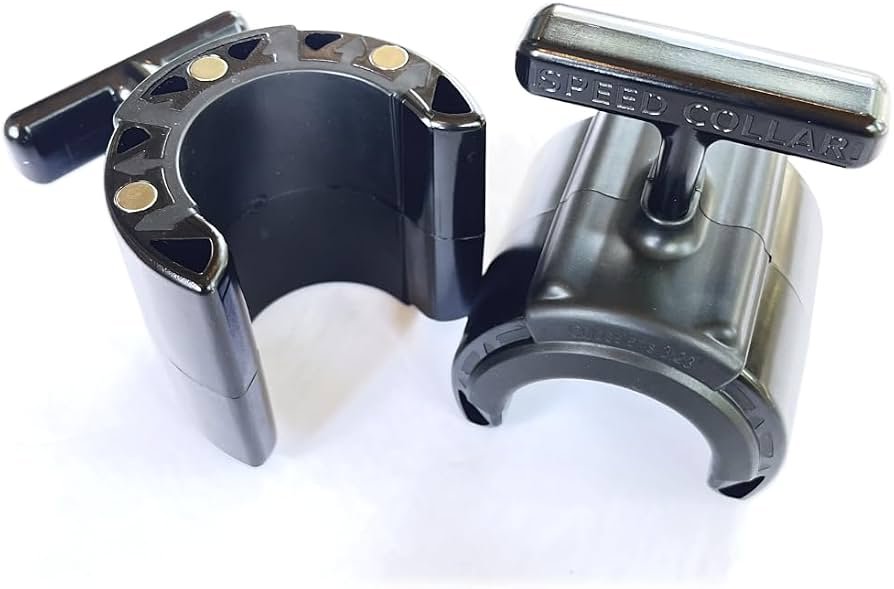
Speed Collar
Quick-release collars designed to secure weight plates on standard two-inch Olympic bars.
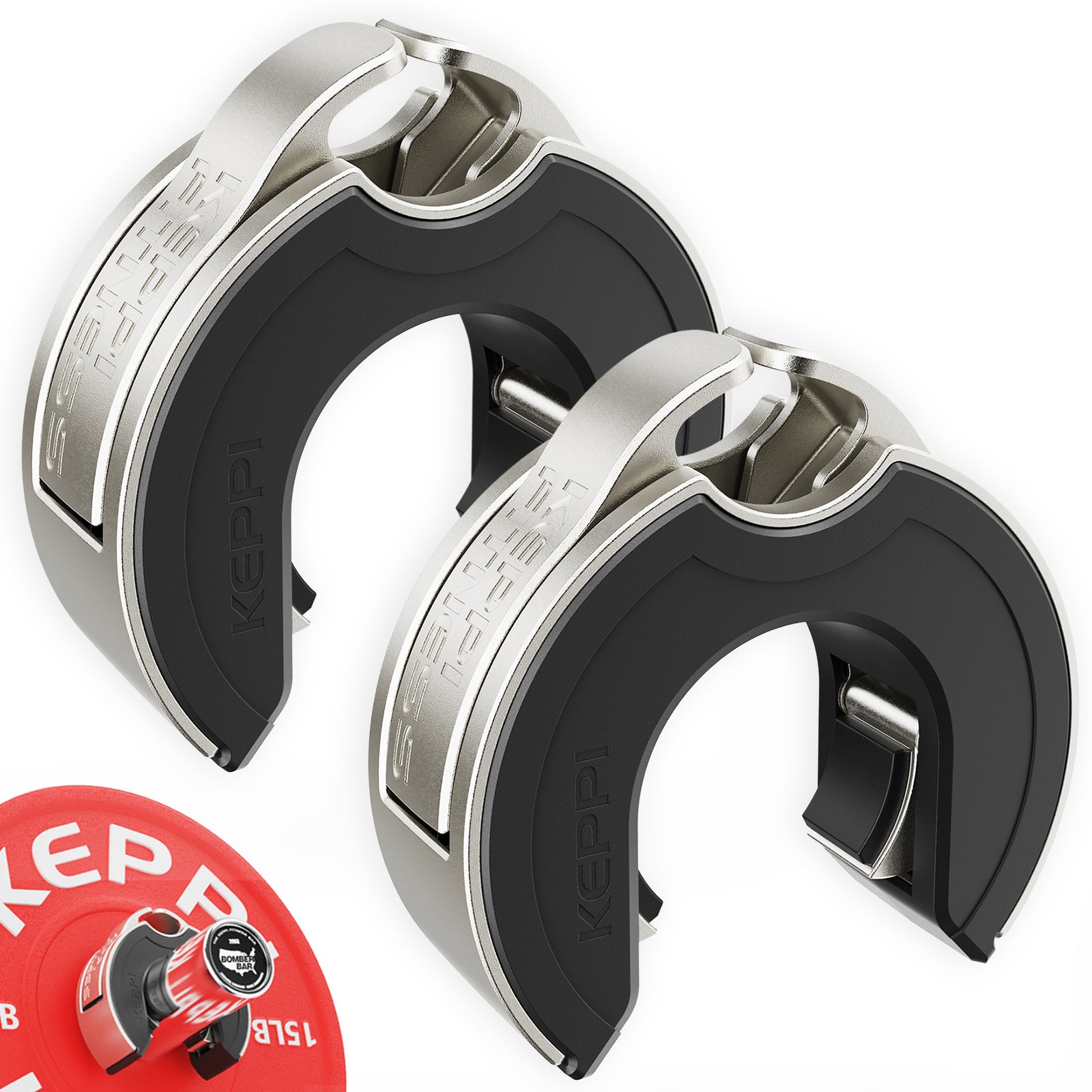
Keppi Open Collars
C-shaped magnetic Olympic barbell collars with a quick-lock mechanism and grippy lining.


EZ Curl Barbell
Olympic EZ curl bar with angled grips for curls and triceps exercises.


Store it unloaded and build a routine you will repeat
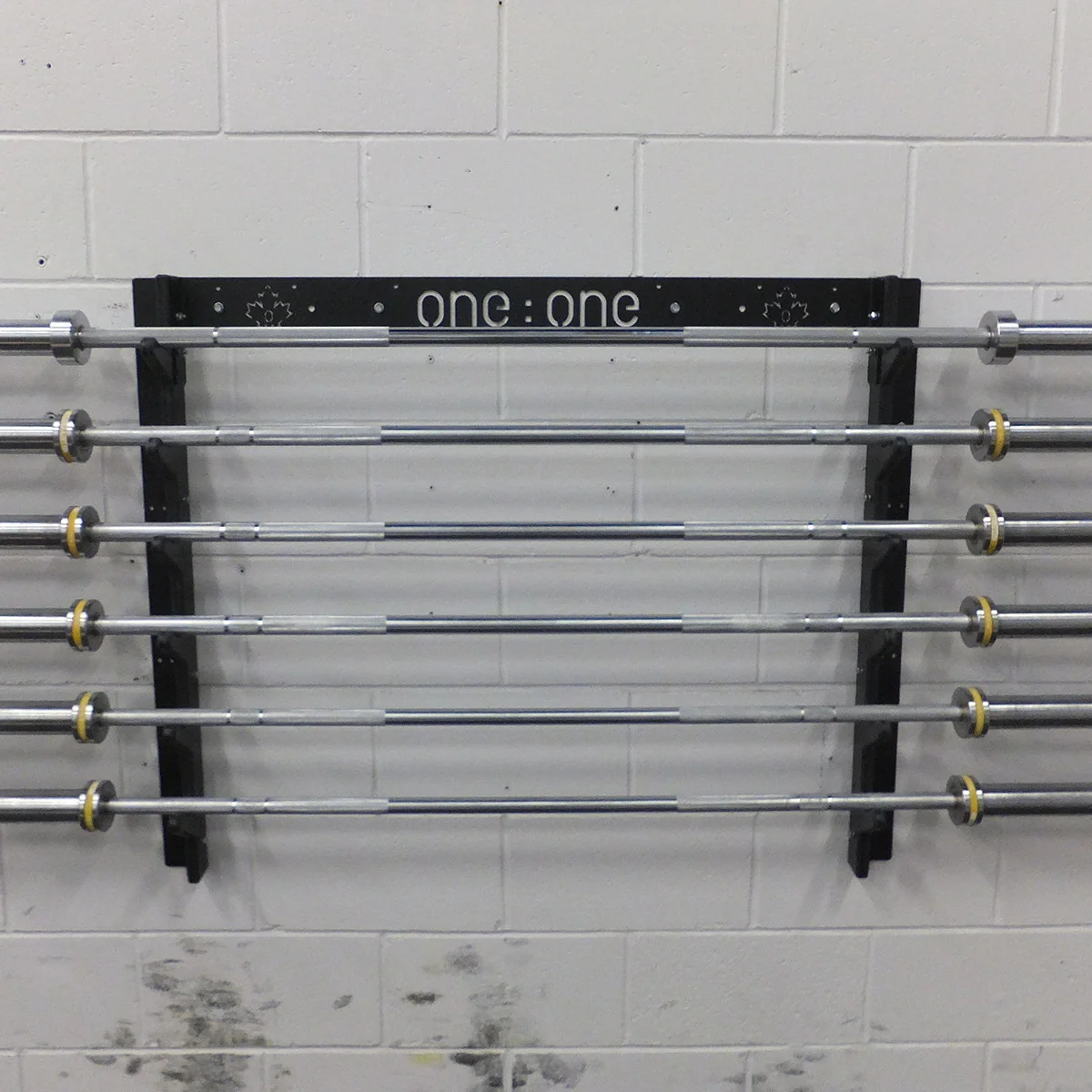
Remove the plates before putting a bar away for extended storage. Choose a proper holder or other manufacturer-approved support that keeps it secure and out of the walking route. Simply leaning a long bar into a corner leaves it vulnerable to being knocked over. Check the holder’s installation, rated use and contact points as carefully as the bar itself.
Horizontal and vertical storage are not universally interchangeable recommendations. Some bar makers permit both, while others prefer horizontal storage to limit debris moving towards internal components. Follow the instruction for the particular bar. A rotating multi-bar stand may solve a space problem, but it still needs suitable clearances and compatible holders.
Keep the storage area dry and inspect it after changes in temperature or humidity. A garage that looked dry in summer may behave differently in colder weather. Notice moisture on equipment and address the environment rather than relying on a more aggressive cleaning schedule to compensate indefinitely. Keep wet clothing and open chalk containers away from stored bars.
Build the routine around observations. After training, remove visible residue and leave the equipment dry. At a regular check, inspect the surface, supports and sleeve behaviour. Schedule any deeper finish-specific maintenance using the manufacturer’s guidance and the actual conditions. A lightly used bar in a dry room does not necessarily need the same schedule as shared equipment used throughout the day.
A simple log can contain the date, bar identity, observed issue and action taken. For example, “chalk removed with approved nylon brush; dry after wiping; no new sleeve change” records useful work without claiming a laboratory inspection. If a problem persists, that history gives support more to work with than a vague recollection that the bar has always been difficult.
The aim is dependable equipment for the next session. Learn the finish, remove ordinary buildup, keep moisture away from moving parts and escalate genuine concerns before loading the bar again. Consistent basic care is useful; aggressive restoration, unsupported safety claims and replacing a serviceable bar simply because it looks used are different decisions.

Powerlifting Shirts & Lifting Gear
Powerlifting shirts and gym gear for squat, bench and deadlift lifters who live for heavy numbers.

Shirt & 45LBs Metal Weight Plate & Barbell Meme Top T-Shirt
Show some metalhead attitude with a playful “Funny Gym Shirt & Pump Cover” tee.

Shirt Stack Of Weight Plates Meme & Gymbros Stacking T-Shirt
Rep “Stack Of Weight Plates Meme” humor in and out of the gym.

Addiction Meme Barbell Addict Top & Gymbros T-Shirt
Make gym days more fun with “Gym Addiction Funny Meme” style.

Barbell Cross Is My Religion & Bros T-Shirt
Rep “Barbell Cross Gym is My Religion” humor in and out of the gym.

Vitruvian Man With A Barbell Shirt – Leonardo Da T-Shirt
Show some powerlifting attitude with a playful “Vitruvian Man With A Barbell” tee.

5 Plates Deadlift Club Meme Shirt – Motivational T-Shirt
Bring “5 Plates Deadlift Club” humor to your next gym day.

Deadlift Melting Skull Graphic , Hardcore Workout Pullo Hoodie
Keep it laid-back with a little “Deadlift” attitude.

Deadlift Skull Pink Heavy Metal Gym Decal for Powerlift Sticker
Give your everyday gear a playful “Deadlift Skull” twist.

Deadlift Stone Skull Gym Decal for Powerlifters, Hardco Sticker
Stick a little “Deadlift” humor on your favorite gear.

Deadlift Cyberpunk Skull Muscle Shirt for Powerlifters, Tank Top
Train hard, laugh a little, and rep “Deadlift”.