Advertising disclosure: This page includes affiliate product links that may earn us a commission, as well as products from our own store.
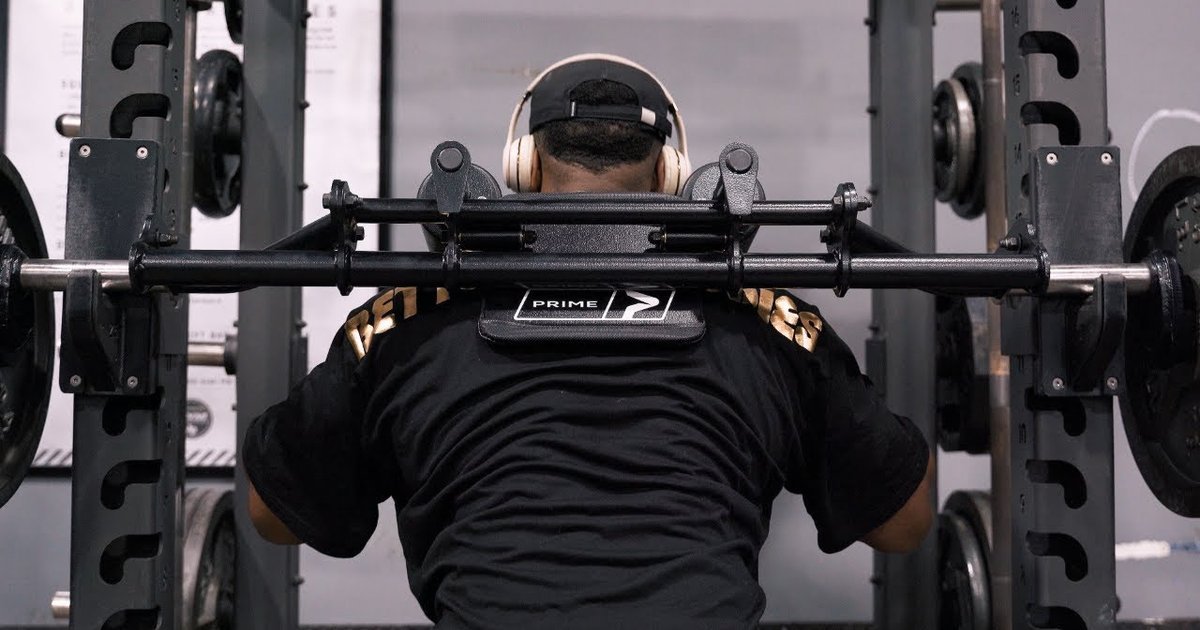
The PRIME Super Squat Bar is worth considering when the way you hold a straight bar limits the squat you want to train. Its forward handles and broad back support create a visibly different setup. The useful buying question is whether that setup solves a problem you actually have, while fitting your body, rack and training priorities.
This is a specification-led buying guide, not a hands-on MMP review. A specialty bar can change the exercise without automatically making it better. Before spending money, separate three questions: will it physically fit, can you use it comfortably, and does the resulting movement belong in your program?
Start with the physical bar, not the promise
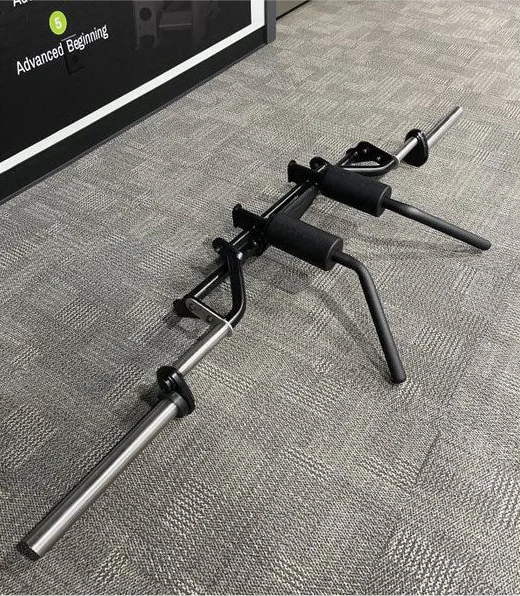
The Super Squat Bar is listed at 51 pounds, with overall dimensions of 87 inches long, 27 inches wide and 9 inches high. Each loadable sleeve is 15⅝ inches long and 49.5 millimetres in diameter. The published shoulder-pad inner width is 7¾ inches. These are useful starting measurements, not a guarantee of personal fit.
PRIME lists the bar as fixed rather than adjustable. Its back plate can self-adjust, but that should not be confused with an adjustable camber system. Ask exactly which component changes position when comparing it with another specialty bar. A moving contact surface and a configurable loading geometry are different features.
The manufacturer advertises a tested capacity of 1,000 pounds. Treat that as a product specification, not a target for your rack, safeties or lifting ability. The complete setup is limited by its individual components and their instructions. A capacity printed beside one component does not certify everything around it.
A useful pre-purchase note contains your intended exercise and the limitation you want to solve. Perhaps reaching back to hold a straight bar is awkward, or you want a separate squat variation for accessory work. Write that down before comparing equipment. It makes a demonstration more informative because you know what you are trying to assess.
Do not let the word super make that decision for you. If your current squat is comfortable and progressing, a specialty bar needs a clear additional role. A different feel can be interesting without being a reason to replace a working exercise.
Check shoulder contact and hand position together
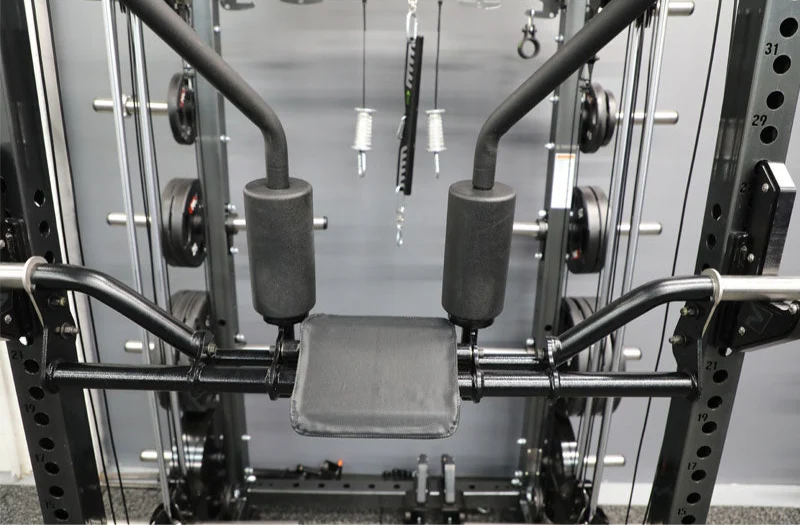
The elongated handles let the hands remain in front of the body. The back support spreads contact over a different area from a narrow straight bar. PRIME presents these features as comfort and positioning benefits, but your own fit still needs checking. A photograph cannot establish how pressure will feel on your shoulders.
If you can try the bar, start with the unloaded setup. Check where the pads contact you, whether the support sits consistently, and whether you can hold the handles without fighting the position. Look at how the assembly behaves as you move rather than judging it only while standing still.
Keeping your hands forward may make a particular setup more practical. That does not mean every shoulder problem is solved, or that pain should be ignored because the equipment is marketed as comfortable. New or persistent symptoms deserve appropriate assessment rather than a shopping-based diagnosis.
The handles are also part of the technique you need to standardise. If you pull, push or brace against them differently between sets, the repetitions may no longer be directly comparable. Record a consistent hand position and use an initial familiarisation period before chasing a loading milestone.
For a shared gym, test fit with more than one user where possible. A fixed arrangement that works well for one lifter can feel different to someone with another build. An adjustable back plate does not make every other dimension adjustable, so avoid treating one positive demonstration as a universal fitting test.

Leg Day Shirts & Workout Gear
Leg-day gym shirts and workout gear for lifters who never skip squats, lunges and lower-body punishment.


Quadzilla Massive Quads Sweater Leg Day Squatting T-Shirt
Keep things casual with a little “Quadzilla” attitude.

Never Skip Leg Day Chicken Legs Meme & Bros Tank Top
Bring “Never Skip Leg Day” humor to your next lifting session.

Leg Day Is Calling You Squats, Deadlifts & Gains T-Shirt
Rep “Leg Day Is Calling You” humor in and out of the gym.

Negative Leg Day Review Not Recommended 1 Star T-Shirt
Keep things casual with a little “Negative Leg Day Review” attitude.

My Leg Hurts Leg Day & Squat Meme Fans Vest Tank Top
Train hard, laugh a little, and rep “My Leg Hurts”.


Squatzilla Meme Leg Day & Squat Fans Hooded Hoodie
Show off your leg-day humor in a laid-back “Squatzilla” hoodie.

Leg Day No Thanks Skip Leg Day Meme Decal Water Sticker
Give your everyday gear a playful “Leg Day No Thanks” twist.

Shirt – Legendary Leg Day Meme Gymbros, & Fans T-Shirt
Make gym days more fun with “Legendary Leg Day Meme” style.
Measure the rack and the route back to it
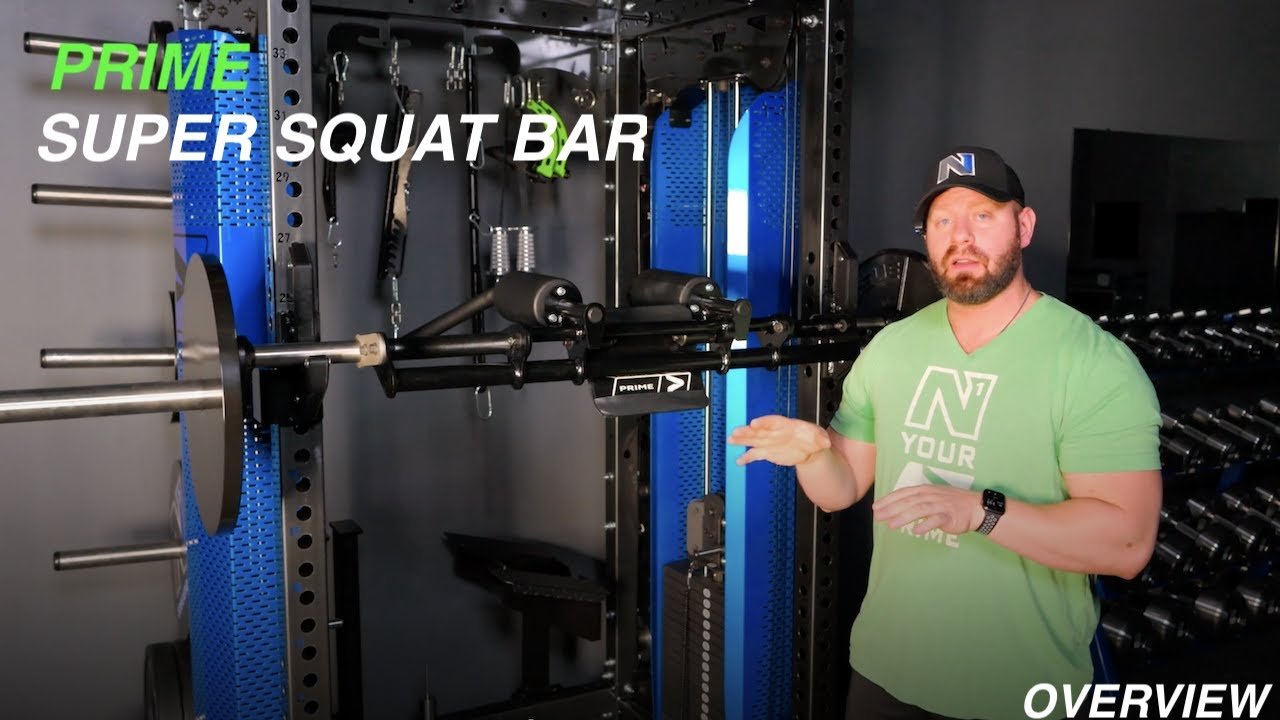
Overall length tells you how much room the bar occupies, but it does not answer every rack-compatibility question. Confirm the usable racking surfaces against the distance between your supports. Check where the handles, padding and cambered sections sit relative to uprights, J-cups and safety hardware.
Then consider the movement around the rack. You need space to load plates, stand under the bar, clear the hooks and return it deliberately. A bar can fit across the supports while still creating an awkward loading or walkout arrangement. Storage pegs, nearby machines and walls are part of that assessment.
Ask for the measurements you need instead of guessing from a showroom photograph. Rack width, hook shape and attachments vary. If you cannot establish compatibility from the published information, send the manufacturer your exact setup and request clarification before ordering. A successful fit on another rack is useful context, not confirmation of yours.
Plate thickness matters as well as sleeve length. Work out the space taken by your actual plates and collars. The nominal sleeve length does not tell you how many thick plates will fit while leaving the retention arrangement required by the equipment instructions.
For a conventional strength setup, racks, plates, collars and other bars each have separate jobs. Compare those components as a system rather than treating a specialty bar as a complete squat station. The options below are broader strength-equipment choices; they are not a claim of universal compatibility with the PRIME bar.

Equipment Worth Exploring
Explore equipment, accessories and gear from our carefully selected range.


Foldable Wall Rack
Wall-mounted folding squat rack designed to save floor space between workouts.


Competition Plates
Competition-style bumper plates for Olympic lifts and loaded strength training.

Grip Plates
Rubber-coated weight plates with handholds for loading barbells and machines.

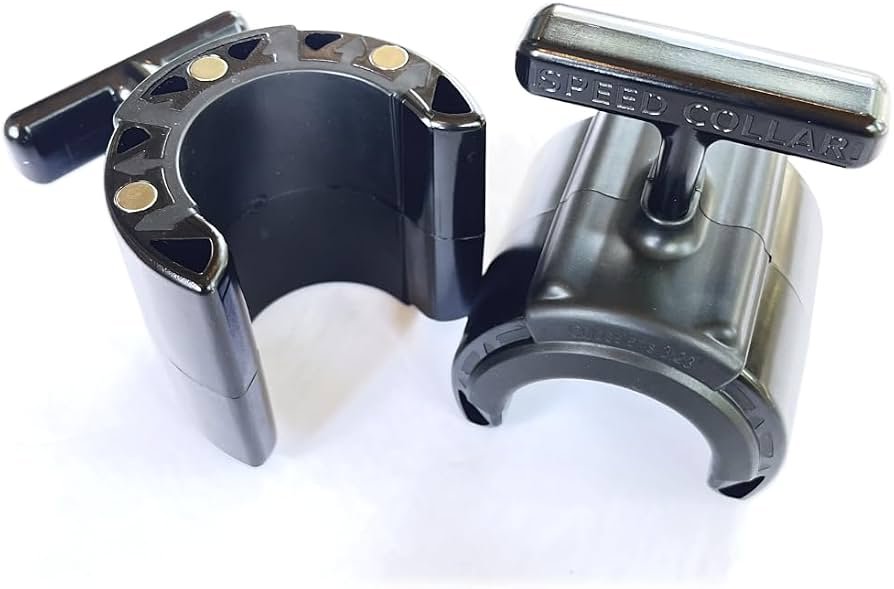
Speed Collar
Quick-release collars designed to secure weight plates on standard two-inch Olympic bars.
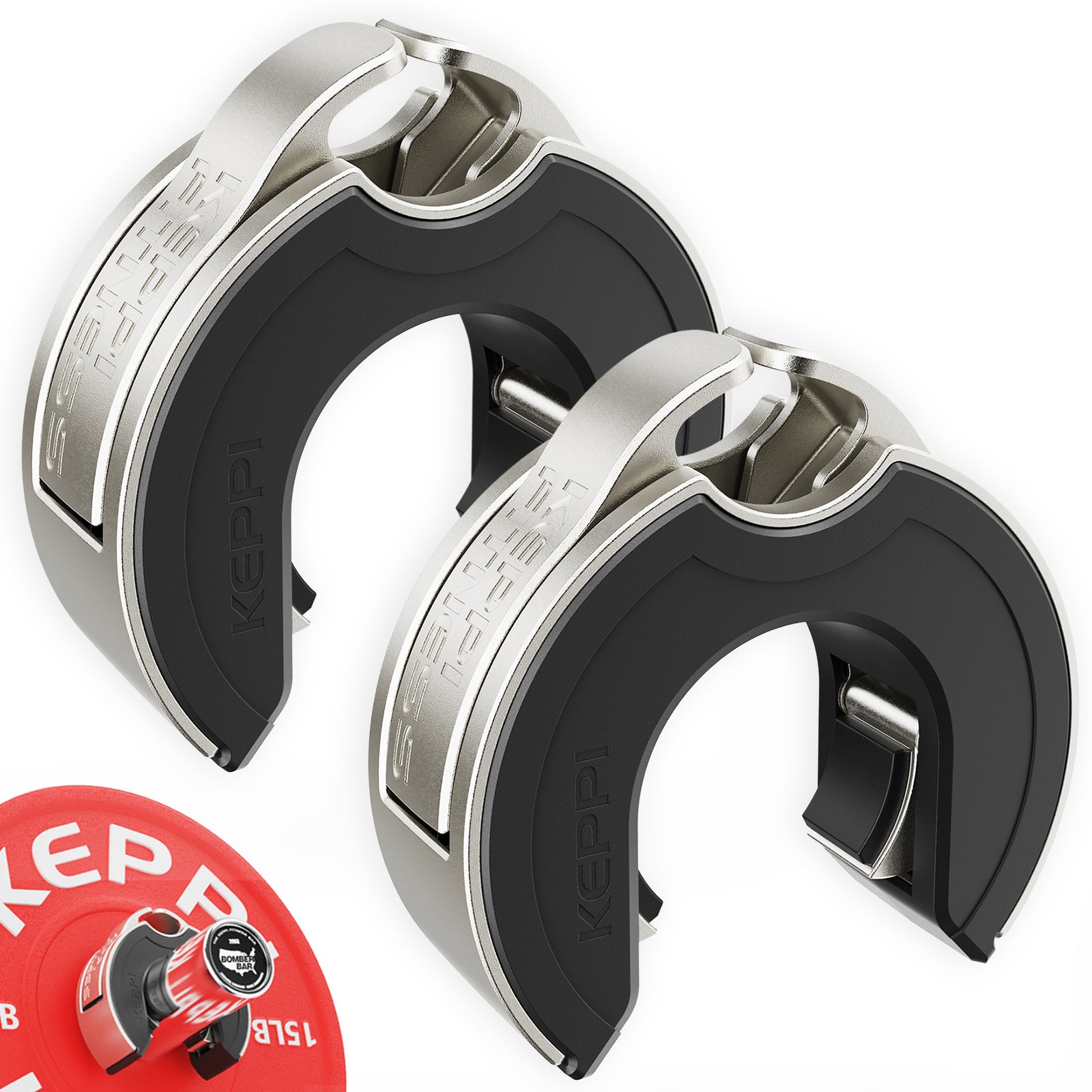
Keppi Open Collars
C-shaped magnetic Olympic barbell collars with a quick-lock mechanism and grippy lining.

GymPin Squat Wedges
Non-slip 15-degree squat wedges help elevate the heels for deeper quad-focused squats.
Keep its progress separate from straight-bar progress
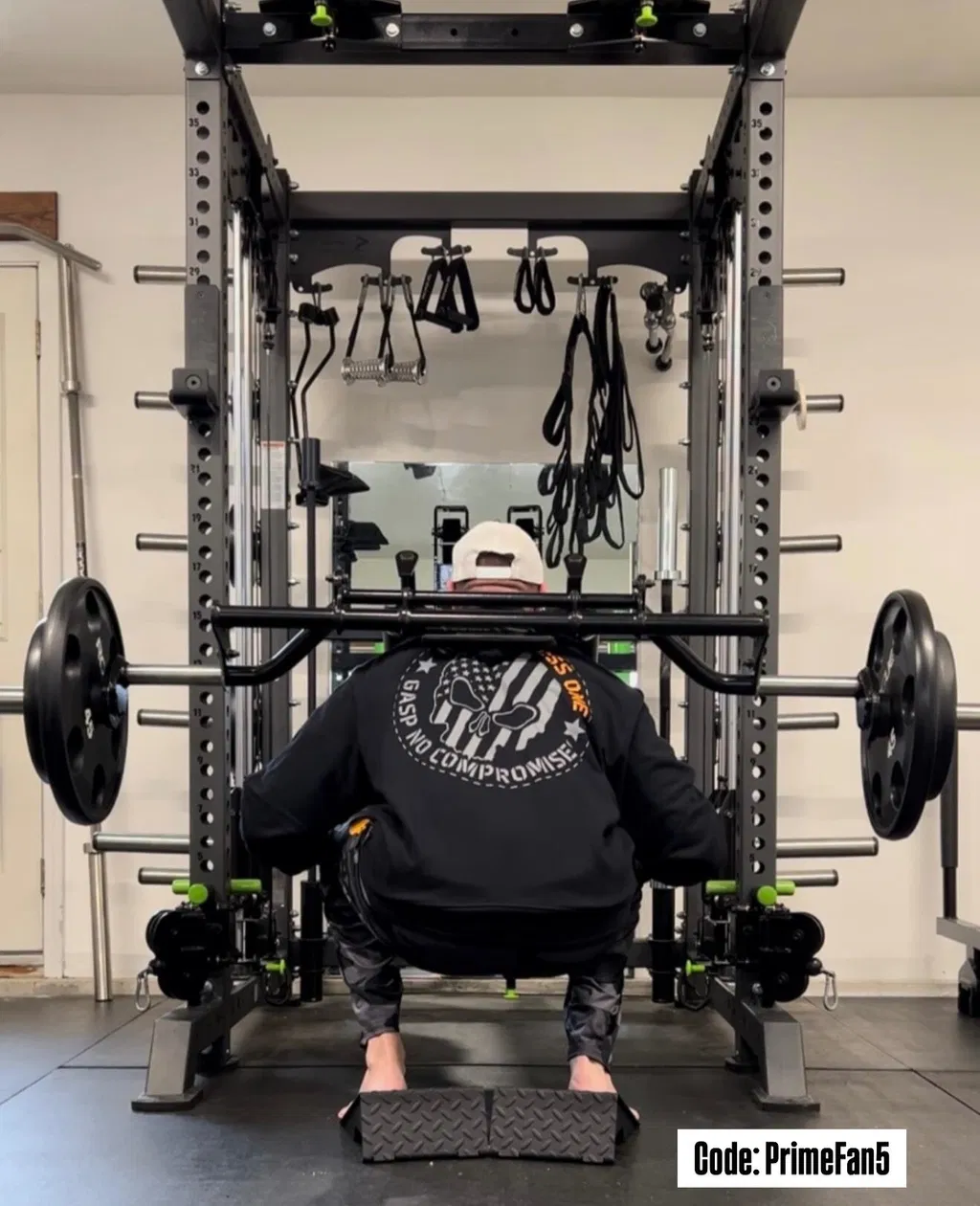
Changing the bar can change the squat. A 2019 comparison involving 12 competitive powerlifters found that a safety squat bar altered movement mechanics and produced a lower three-repetition maximum than a standard barbell. That was a short-term comparison of a different bar setup, not a trial establishing the effects of this PRIME model.
The useful implication is modest: do not assume equal load numbers mean equal performances across implements. Start a separate training record for the new variation. Include the total bar weight, repetitions, intended depth and how difficult the set felt. Keep the straight-bar record available for straight-bar comparisons.
Use familiarisation sessions to find a controllable working range. The goal is a repeatable exercise you can train, not an immediate demonstration that the new purchase preserves your old personal best. Avoid turning an initial reduction in load into proof that you suddenly became weaker.
In a shared training log, write the implement’s name beside the exercise rather than relying on a generic squat label. That small detail helps a coach or training partner understand the entry later and prevents two different movements from being merged into one misleading progression chart.
Decide what the variation is supposed to contribute. It might support lower-body training on a day when another grip arrangement is inconvenient, or provide an accessory squat alongside a competition-specific lift. If you compete with a straight bar, the specialty variation still needs to fit around practice of the actual competition task.
Leg presses, hack squats, Smith setups, leg developers and free weights offer other ways to organise lower-body work. They are different tools, not interchangeable tests. Choose based on the movement and workload you need, and keep comparisons within the same exercise before making claims about progress.
Equipment Worth Exploring
Explore equipment, accessories and gear from our carefully selected range.

Studio V-Squat
Plate-loaded V-squat machine for supported lower-body strength training.

Leg Press/Hack Squat BPR-790
Convertible 45-degree leg press and hack squat machine with a broad footplate and band pegs.

Compact Leg Press CLP-700
Compact reverse-style leg press with a moving seat carriage and an adjustable footplate.

Multi Pull Smith Rack MPHR-780
All-in-one rack with a Smith machine, functional trainer, lat pulldown and low row.

Leg Extension/Curl BCO-780
Leg extension and lying leg curl combo with plate loading, band pegs and a cable-loading option.

Seated Leg Combo BCO-680
Adjustable seated leg extension and leg curl machine with band pegs for added resistance.

Studio Glute Drive
Plate-loaded hip-thrust machine with supported back pad and adjustable foot platform.


Cast Iron Kettlebells
Textured cast-iron kettlebells for swings, squats, carries, and full-body training.
Make storage and ownership part of the buying decision
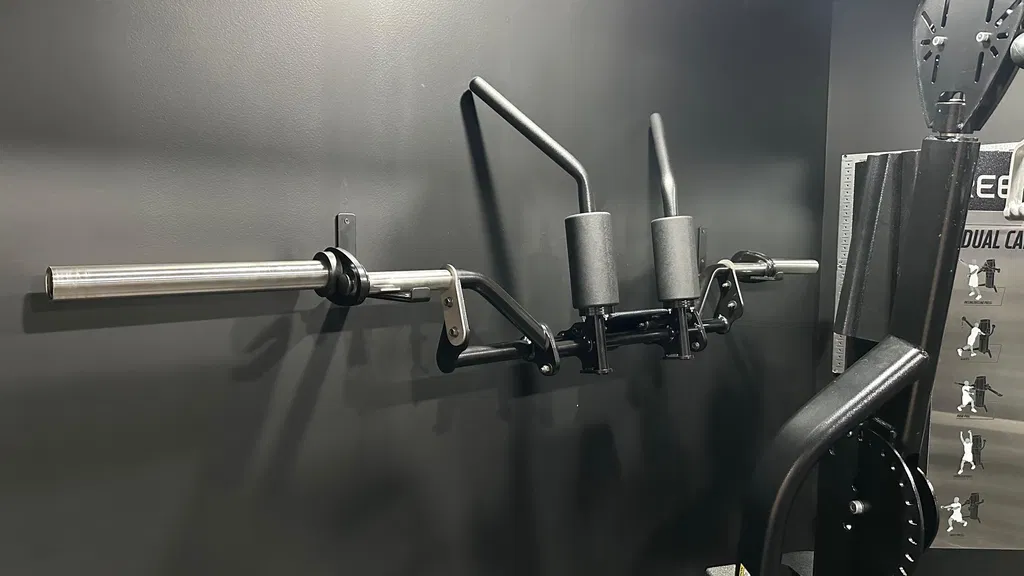
A padded bar with projecting handles needs a deliberate storage location. Check whether its supports and contact points suit the storage system you intend to use. Do not assume a wall bracket designed around another bar will hold this one securely merely because the shaft appears to fit.
Keep the storage position out of the lifting and walking route. Inspect padding, fastening points, collars and the surrounding floor as part of normal equipment care. Follow the manufacturer’s instructions for maintenance and remove damaged equipment from use rather than treating a loose component as a cosmetic issue.
Consider the delivered purchase as well as the headline item. Confirm current price, shipping, applicable taxes, lead time, return conditions and the practical route into your training space. These details can vary by destination and date. A price or lead time in an older video is not a current delivery commitment.
The strongest reason to buy is a specific fit between equipment and training. You have checked the dimensions, confirmed the rack arrangement, assessed the contact points and identified a useful programming role. The weakest reason is expecting a shaped bar to provide better results without changing anything about the consistency or quality of training.
If those checks are unresolved, a hands-on demonstration or a clear manufacturer answer is more valuable than another enthusiastic rating. Buy when you understand the tradeoff: a specialised squat setup, some extra space and expense, and a distinct movement you are prepared to learn and track.