Advertising disclosure: This page includes affiliate product links that may earn us a commission, as well as products from our own store.
A squat in orbit can look familiar while presenting a very different loading problem. The bar moves, the hips and knees bend, and the astronaut works against resistance. But the body is no longer supported against gravity in the way it is during a squat on Earth. That makes a machine setting an incomplete description of the task.
ARED Kinematics investigates that gap. A July 2026 experiment update described strength calibration, several squat variations and deadlift pulls, with measurements across different stages of a mission. The interesting question for lifters is how an external load becomes a demand on the body. The update described research procedures and aims; it did not establish a superior squat technique or publish a muscle-growth result.
Why a load number means something different in orbit
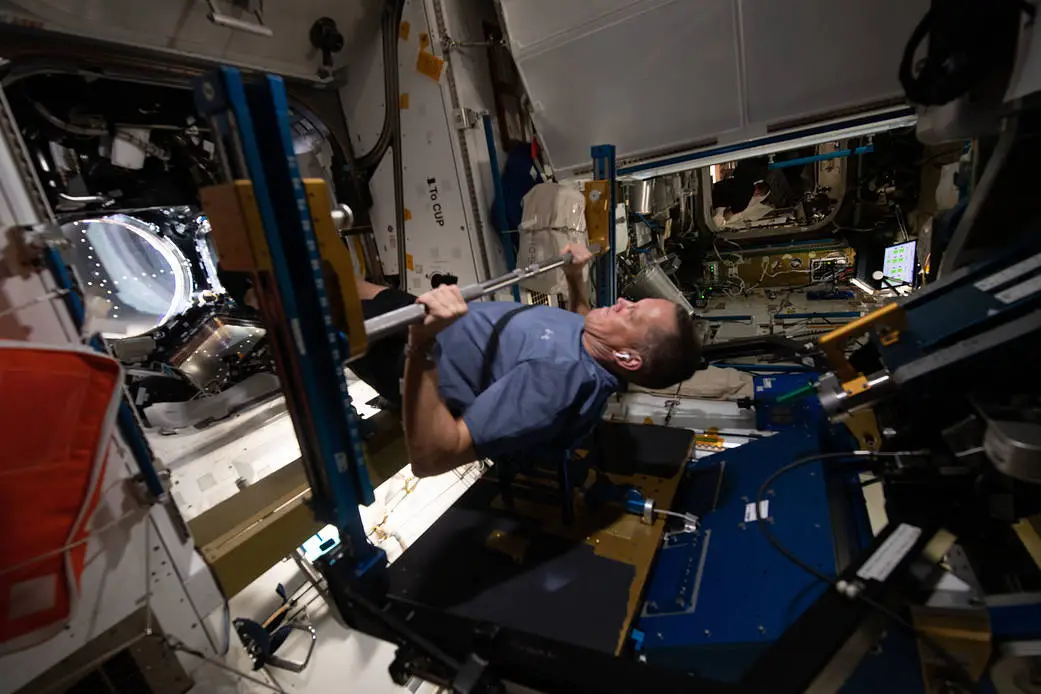
On Earth, your legs support and move your body as well as any external weight. In microgravity, that familiar contribution changes. A resistance device must supply forces that ordinary gravity would otherwise provide. Simply matching the number written beside an Earthbound lift does not recreate the same physical situation.
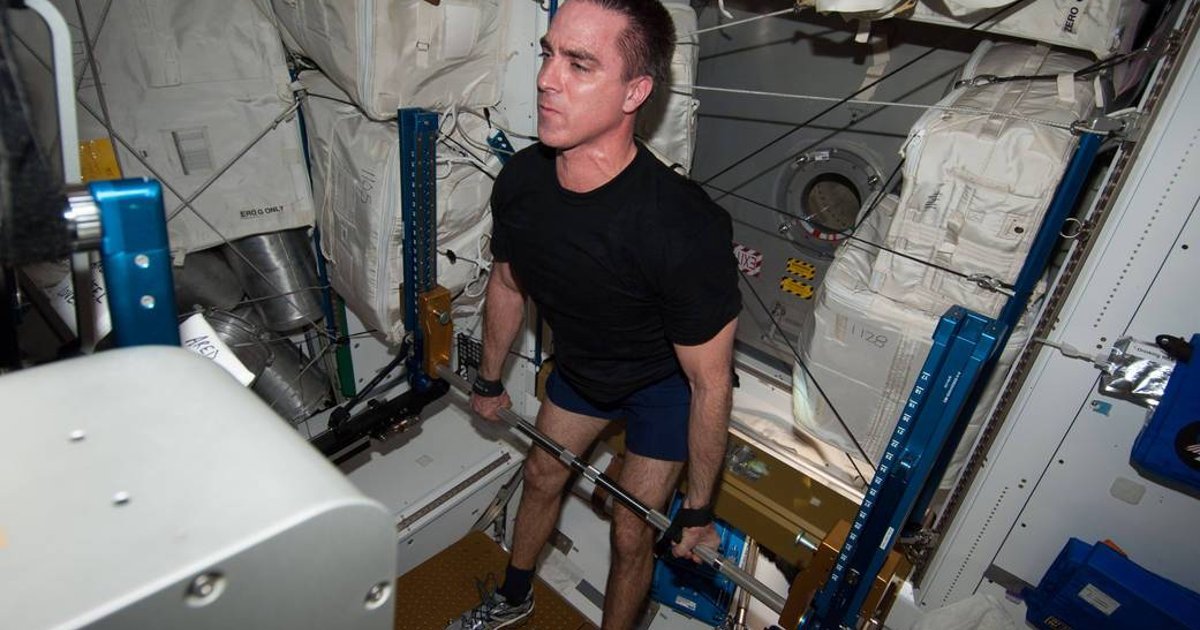
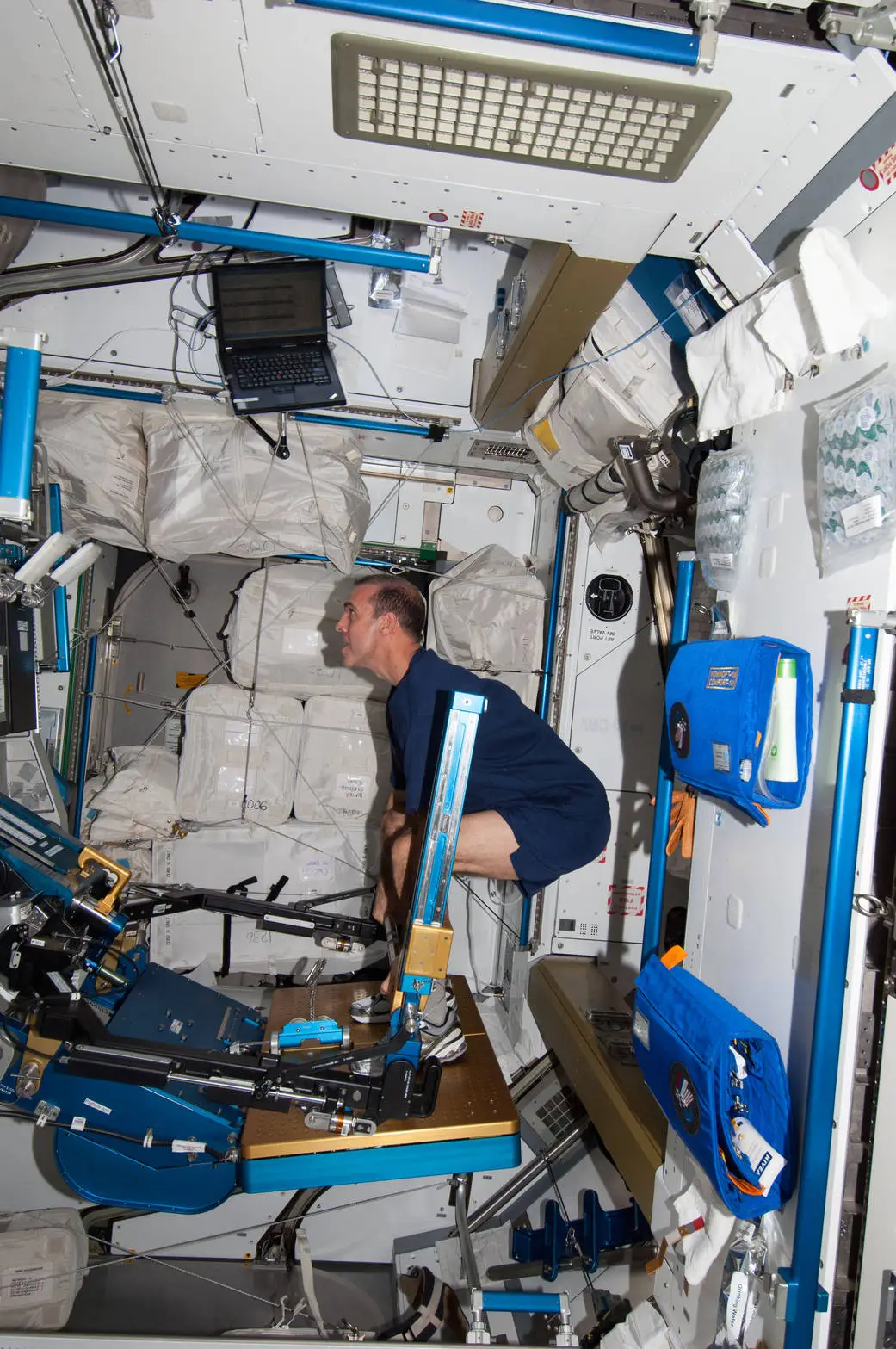
The Advanced Resistive Exercise Device, or ARED, uses vacuum cylinders to provide resistance through a bar or cable. It allows familiar movement patterns, including squats, heel raises and deadlifts, aboard the International Space Station. That resemblance helps explain its purpose, but it does not make it a rack full of floating weight plates.
There are also several questions hiding inside the word load. The resistance delivered by the device is one thing. The forces experienced by a joint, muscle or bone are another. Body position and movement determine how forces travel through the system. Recording one external number cannot tell the whole story.
A useful Earthbound comparison is changing exercises without changing the displayed kilograms. A dumbbell held at the chest, a bar on the back and a cable pulling from below create different tasks. This is an illustration of why setup matters, rather than a conversion formula between those exercises and ARED.
That distinction should also slow down social-media comparisons. An impressive machine setting is meaningful within its own setup. Before comparing it with a free-weight personal best, ask what equipment, body position and movement standard produced it. Without those details, the comparison is mostly a number looking for context.
Calibration comes before the exercise comparison
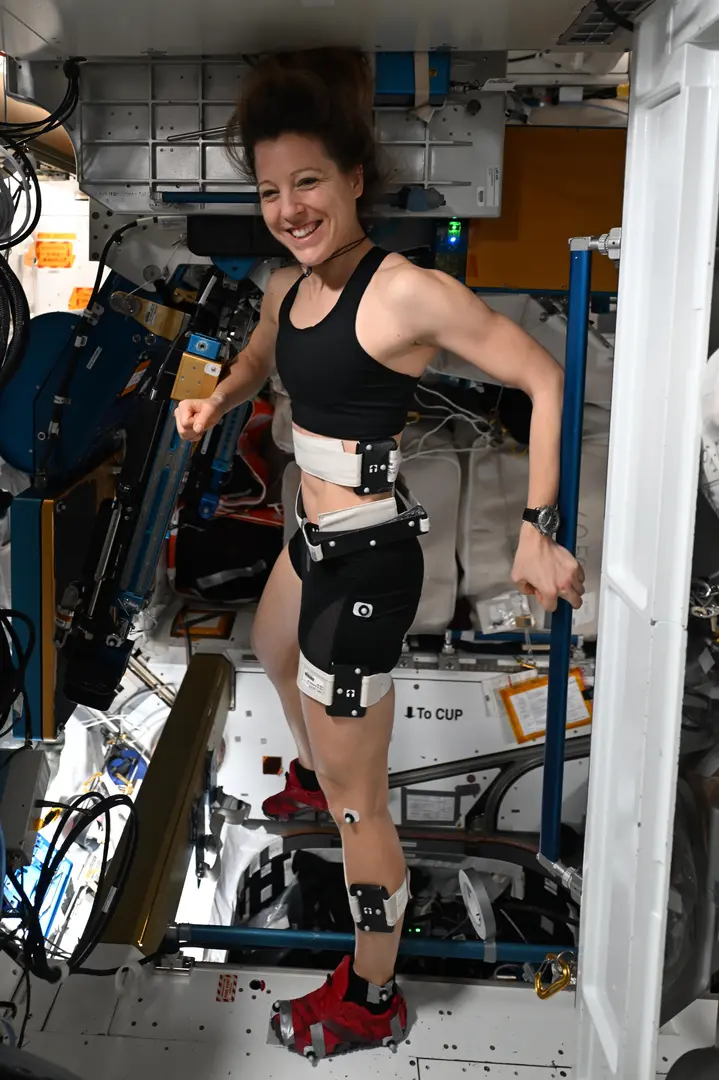
The 2026 ARED Kinematics description starts each session with a strength calibration test. Participants then perform standard, single-leg and wide-stance squats, plus deadlift pulls, at different resistance levels. The planned comparison includes measurements before flight, in orbit and roughly a week after splashdown.
This structure helps separate the question being studied from an attractive workout montage. Changing stance or using one leg is part of an investigation. It is not evidence that one variation has already won. Likewise, taking measurements after landing does not establish that everyone has recovered by that date.
Earlier ARED-K operations in December 2023 included motion-capture calibration and the installation of markers on equipment and the body. The investigation addresses uncertainty about internal bone and muscle forces, including the consequences of adding resistance to replace the missing contribution of body weight.
For an ordinary lifter, calibration offers a useful habit: establish a repeatable starting condition before judging progress. Keep the exercise, equipment setting, stance and intended depth clear in your log. If you change several of those at once, treat the next session as a new baseline rather than announcing an automatic strength gain.
This does not require laboratory instruments. A brief setup note and a consistent side-view recording can make your own comparisons more honest. They cannot measure internal joint forces, and a video cannot diagnose a problem, but they can reveal that two supposedly identical sets were performed differently.

Bodybuilding Shirts & Workout Gear
Bodybuilding shirts, tanks and gym gear for lifters chasing muscle, size, symmetry and the pump.


Nice Try Gravity Astronaut Workout | Funny Space Gym Pu T-Shirt
Bring “Nice Try Gravity Astronaut” humor to your everyday gym style.

– Flex Armstrong Astronaut Moon Huge Arms Pullover Hoodie
Show off your bodybuilding humor in a laid-back “Flex Armstrong Astronaut Moon Huge Arms” hoodie.

Defy Gravity Isaac Newton Deadlift Meme Science T-Shirt
Heavy lifts, good laughs, and a little “Defy Gravity” energy.


Lift Smart Brain Weight Plate Mind Muscle Connection 45 Tank Top
Add some lifting attitude to training with “Lift Smart Brain Weight Plate”.

Gymhead Meme Mind Muscle Connection Decal Water Sticker
A fun “Gymhead” touch for bottles, laptops, and lockers.

Mind Muscle Perfection Brain and Biceps Gym for Science T-Shirt
Show some gym-day personality with “Mind Muscle Perfection Brain and Biceps”.

Shirt – Deadlift – Meme Gains & Bros T-Shirt
Heavy lifts, good laughs, and a little “Deadlift” energy.

| Pencilneck Science-Based Lifting Pullover for Gym Ner T-Shirt
Keep things casual with a little “Pencilneck Science-Based Lifting” attitude.
What a squat-versus-deadlift comparison can actually answer
A useful comparison begins with a defined outcome. Are you interested in movement consistency, the resistance used, a particular joint-loading estimate or performance after returning to gravity? Those are related questions, but they are not interchangeable. A result about one outcome should not silently become a claim about all of them.
Consider stance width. If a wider stance changes how someone moves, the next question is what changed and why it matters for the specific task. A more upright-looking torso, a different depth or a heavier setting does not by itself identify the best option for every lifter.
The same restraint applies to single-leg work. It changes the support conditions and coordination demands. That makes it interesting to examine, without proving that instability is automatically beneficial or that bilateral squats should disappear from a training plan. Exercise selection still needs an actual purpose.
For your own squat or deadlift, choose a comparison you can repeat. Record the variation and implement, the load and repetitions, and the range of movement you intended to use. Note a change in footwear, support or equipment instead of allowing it to disappear behind the headline weight.
For example, a log entry that says only eight repetitions at 80 kilograms leaves important questions unanswered. Add that it was a barbell back squat, identify the stance you used and note the intended depth. If the next entry uses a different bar or a different range, keep it in a separate comparison. This is record keeping, not a recommended starting weight or a test of joint loading.
Barbells, trap bars, dumbbells, kettlebells, racks, plates and collars can support different Earthbound strength setups. Choose them for the movement you can perform and progress consistently. None of the commercial options below is ARED, a replacement for spacecraft hardware or evidence of astronaut endorsement.

Equipment Worth Exploring
Explore equipment, accessories and gear from our carefully selected range.


Foldable Wall Rack
Wall-mounted folding squat rack designed to save floor space between workouts.
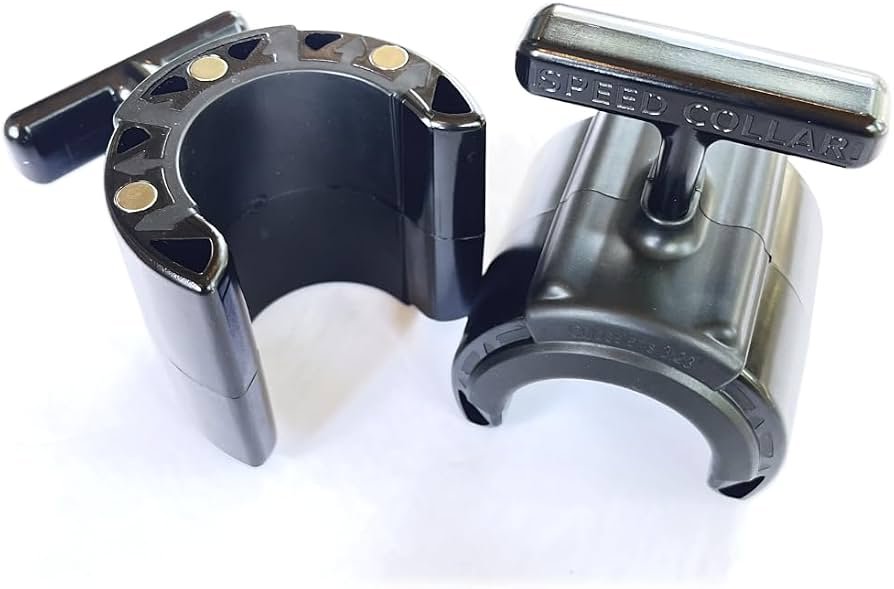
Speed Collar
Quick-release collars designed to secure weight plates on standard two-inch Olympic bars.
Why doing plenty of exercise does not settle the question
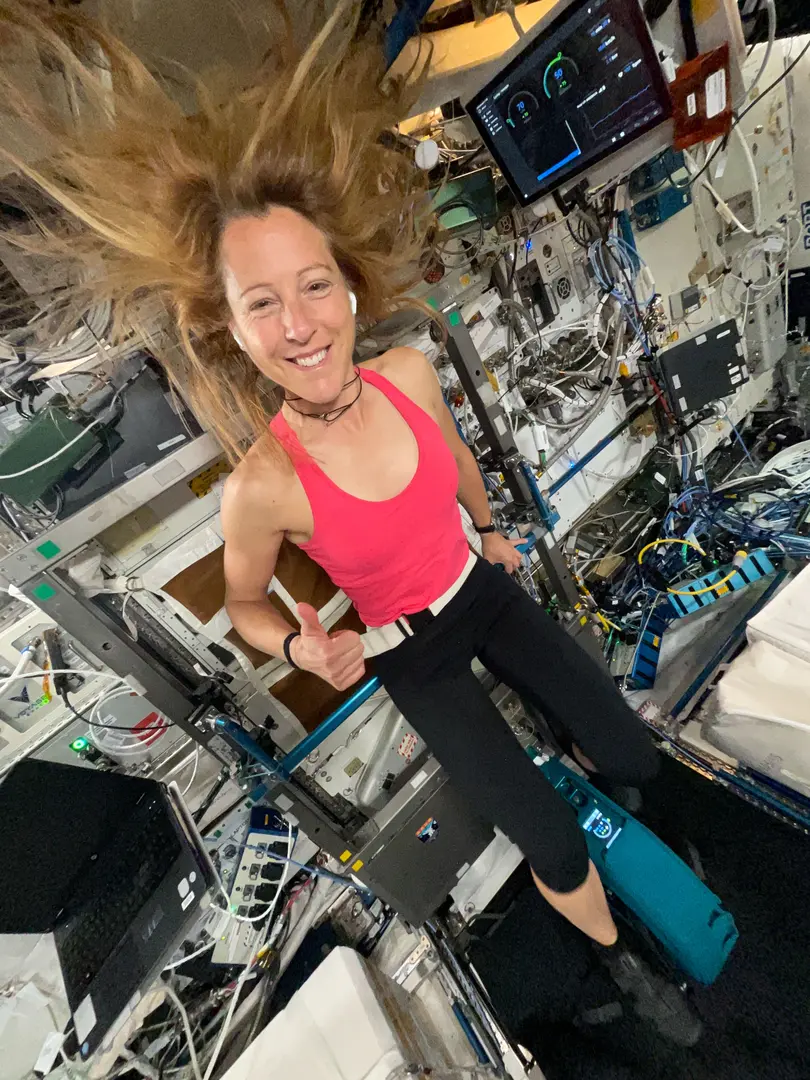
The station’s exercise system includes resistance work alongside treadmill running and cycling. Each addresses a different part of physical capacity. Seeing a crew member training hard is therefore useful context, but it cannot establish that every physiological system is fully protected throughout a mission.
A 2023 analysis examined 46 astronauts on long-duration missions averaging 178 days. Around 600 minutes of weekly aerobic and resistance exercise did not completely prevent deconditioning across the systems assessed. Responses varied substantially between individuals. This was a separate investigation, not a result from Sophie Adenot’s 2026 ARED Kinematics sessions.
The distinction matters. Existing evidence can explain why researchers keep refining exercise countermeasures. It cannot supply the missing results of a different experiment. Nor should a finding from months in microgravity become a prediction that your normal gym routine will produce the same changes.
It also shows the limits of using workout duration as a score. Time spent training does not describe the exercise prescription, the environment or the response of the person doing it. For lifters, a better review asks what improved, what stayed stable and whether the chosen work still matches the goal.
More minutes can be appropriate for a particular purpose. They are not a substitute for deciding what those minutes are supposed to accomplish. A long session and a productive session sometimes overlap, but the clock alone cannot establish that relationship.
Borrow the measurement habit for your next training block
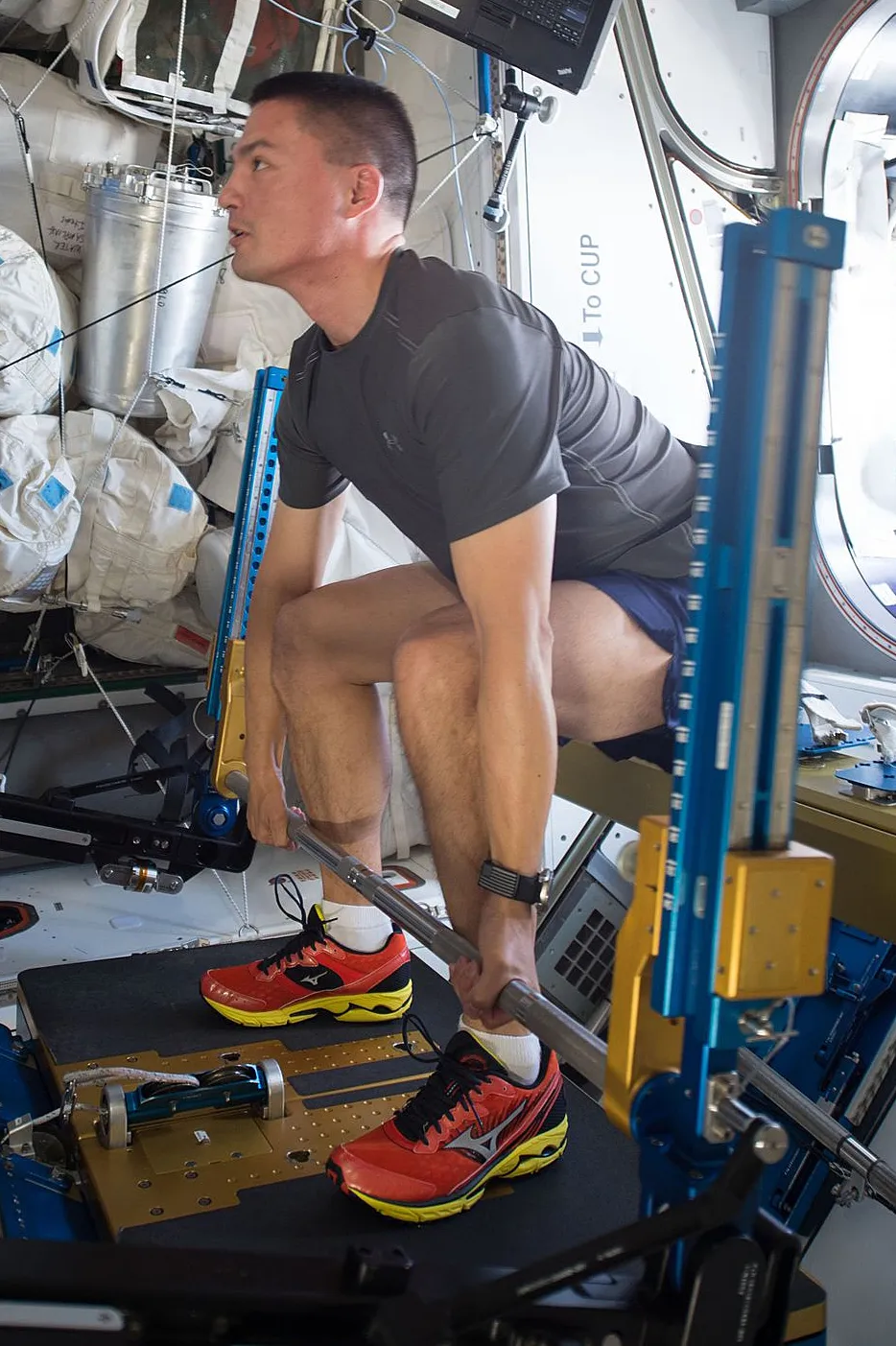
Astronaut exercise involves coordinated support before, during and after flight. Reconditioning is part of that process. It would make little sense to lift a few exercises out of this setting and sell them as a universal astronaut program for bigger legs or faster recovery.
A more useful adaptation is a short review of one lift you already perform. Choose the squat or deadlift variation that fits your current training. Write down the implement, starting position and movement standard. Use a manageable working load and leave enough control to reproduce the exercise next time.
After the session, record the completed repetitions and how difficult the set felt. At the next comparable session, check those details before changing the load. A small increase means more when the movement remains comparable. A heavier but substantially shortened repetition should be recorded as a changed task.
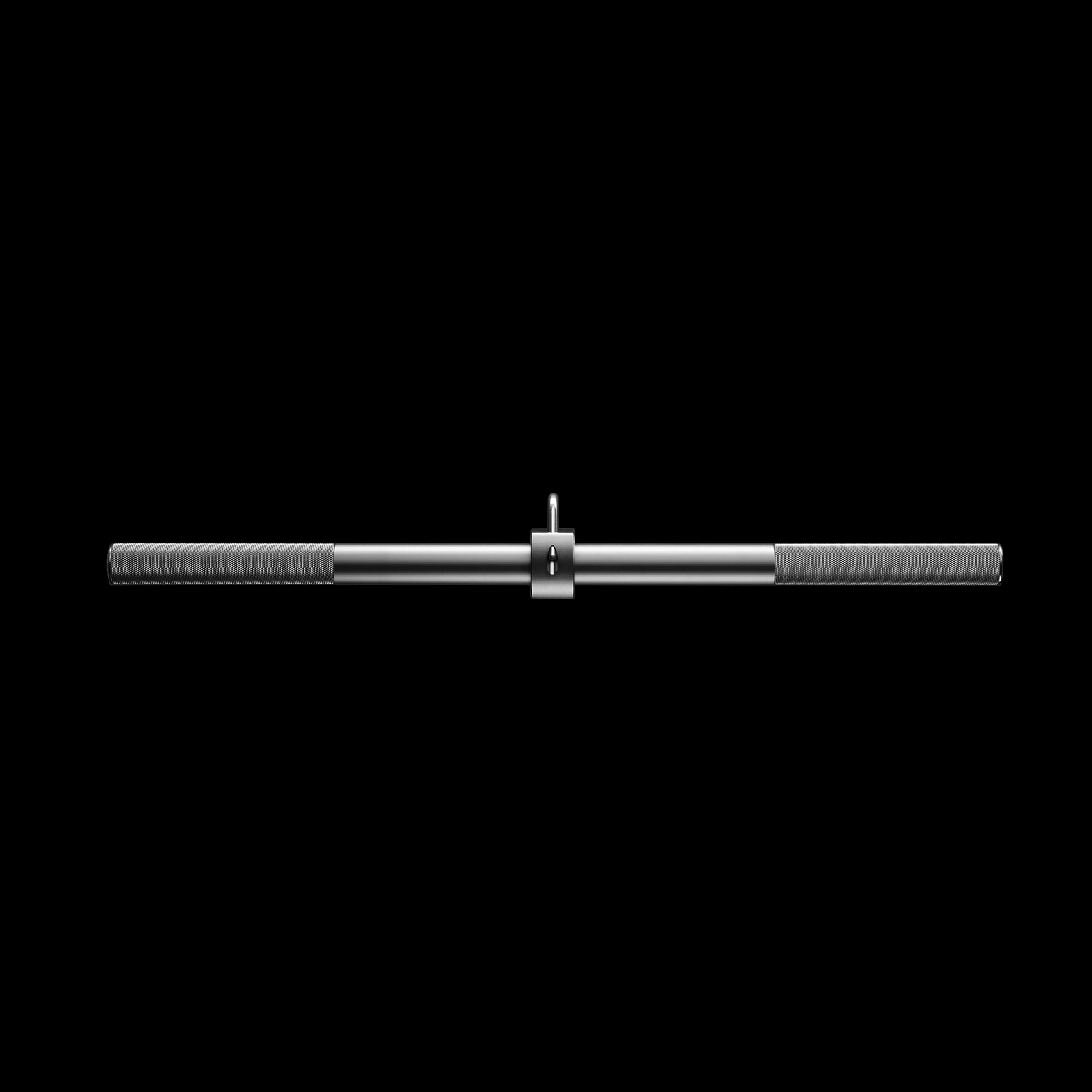
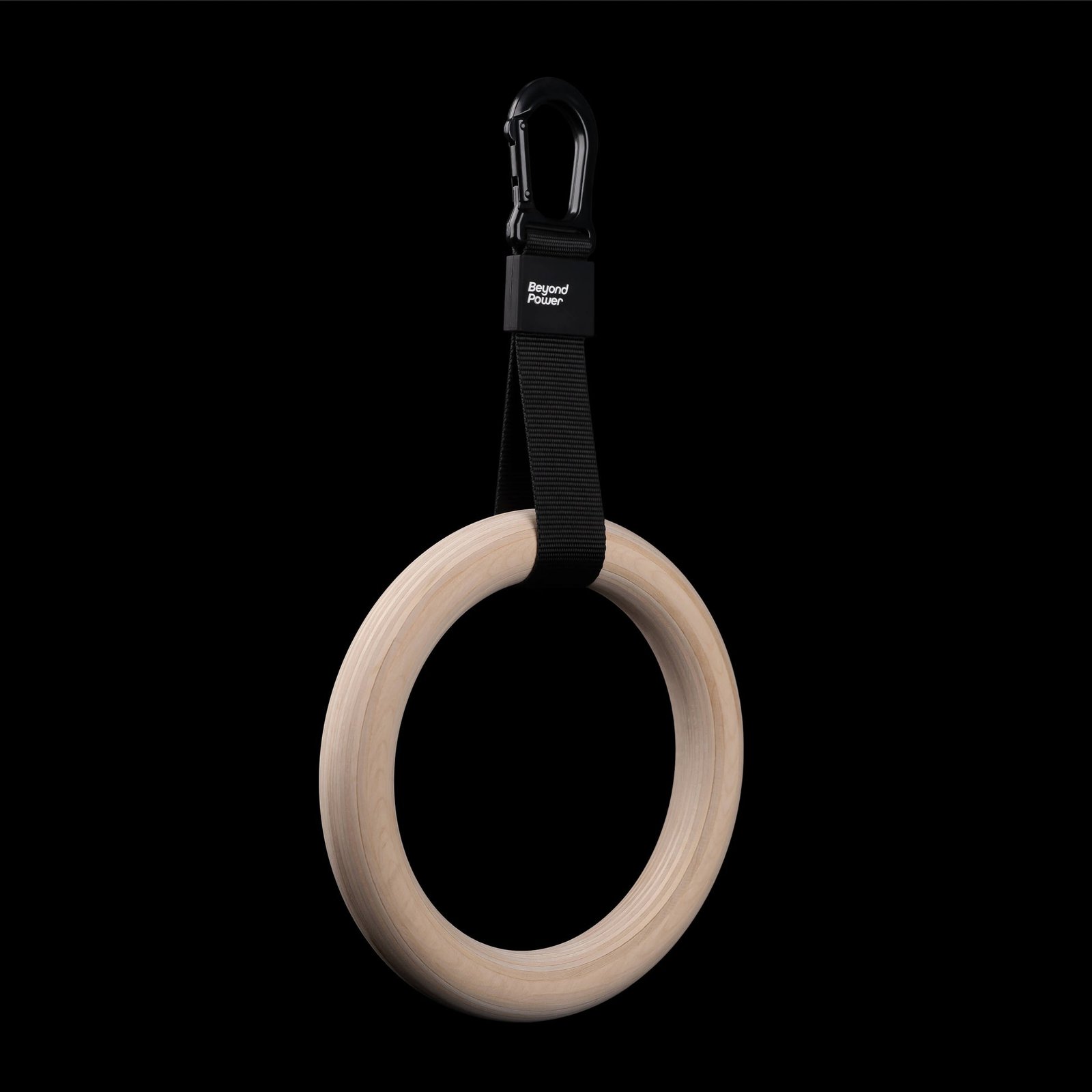
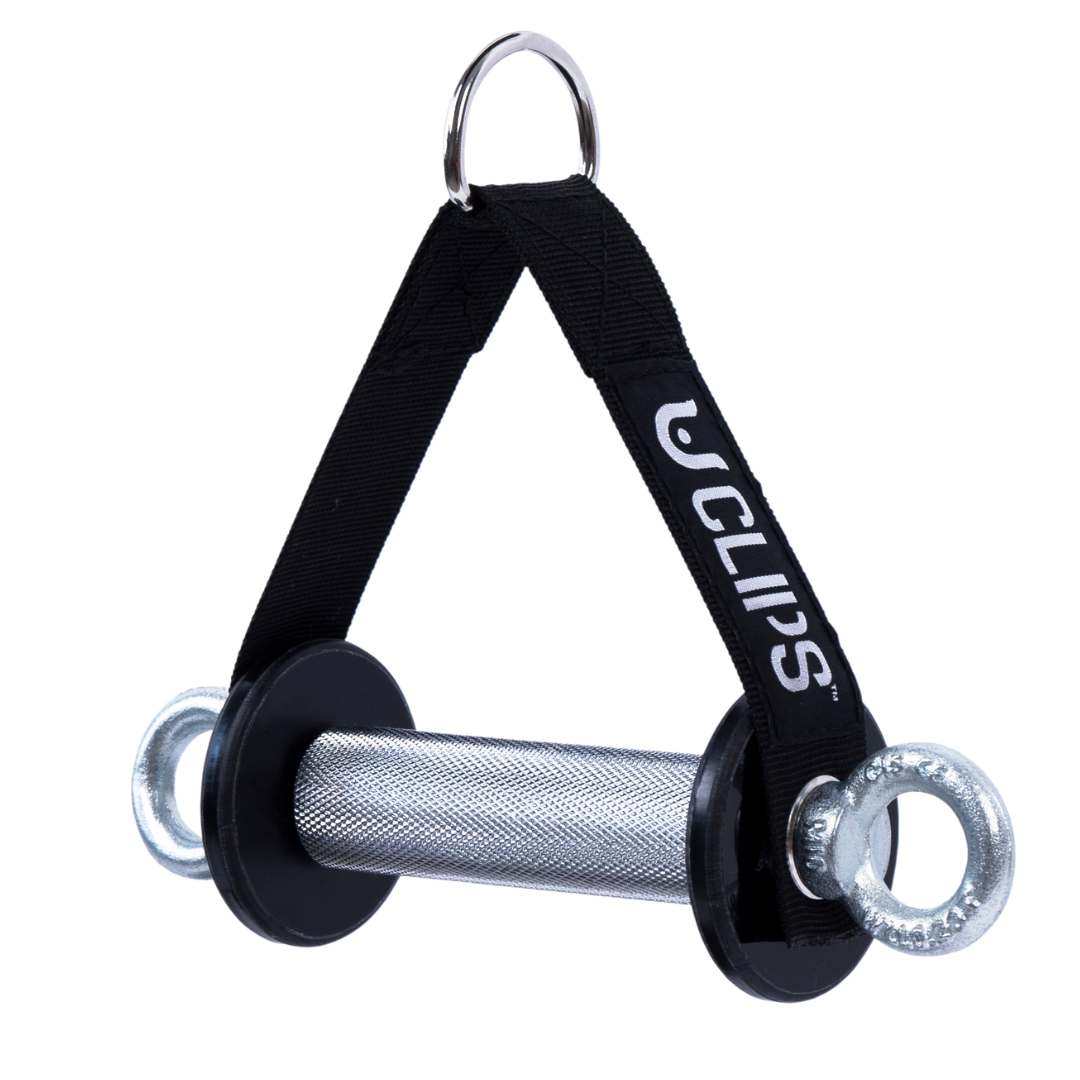
Apply the same discipline if you use a portable resistance unit, cable bar, handles, cuffs, belt or squat harness. Attachment choice and body position belong in the record. The equipment below offers Earthbound ways to arrange resistance; it does not reproduce a spaceflight experiment or prove equivalence between devices.
The useful question is specific: can you explain what changed between two sessions? If the answer is only that the number went up, add the missing setup details. That gives you a stronger basis for the next training decision, while leaving the experiment’s unanswered questions open.
Equipment Worth Exploring
Explore equipment, accessories and gear from our carefully selected range.
VOLTRA
Compact digital cable trainer with smooth, adjustable resistance.

Go-Tone Pro
Portable digital cable trainer with up to 66 lb (30 kg) of adjustable resistance.
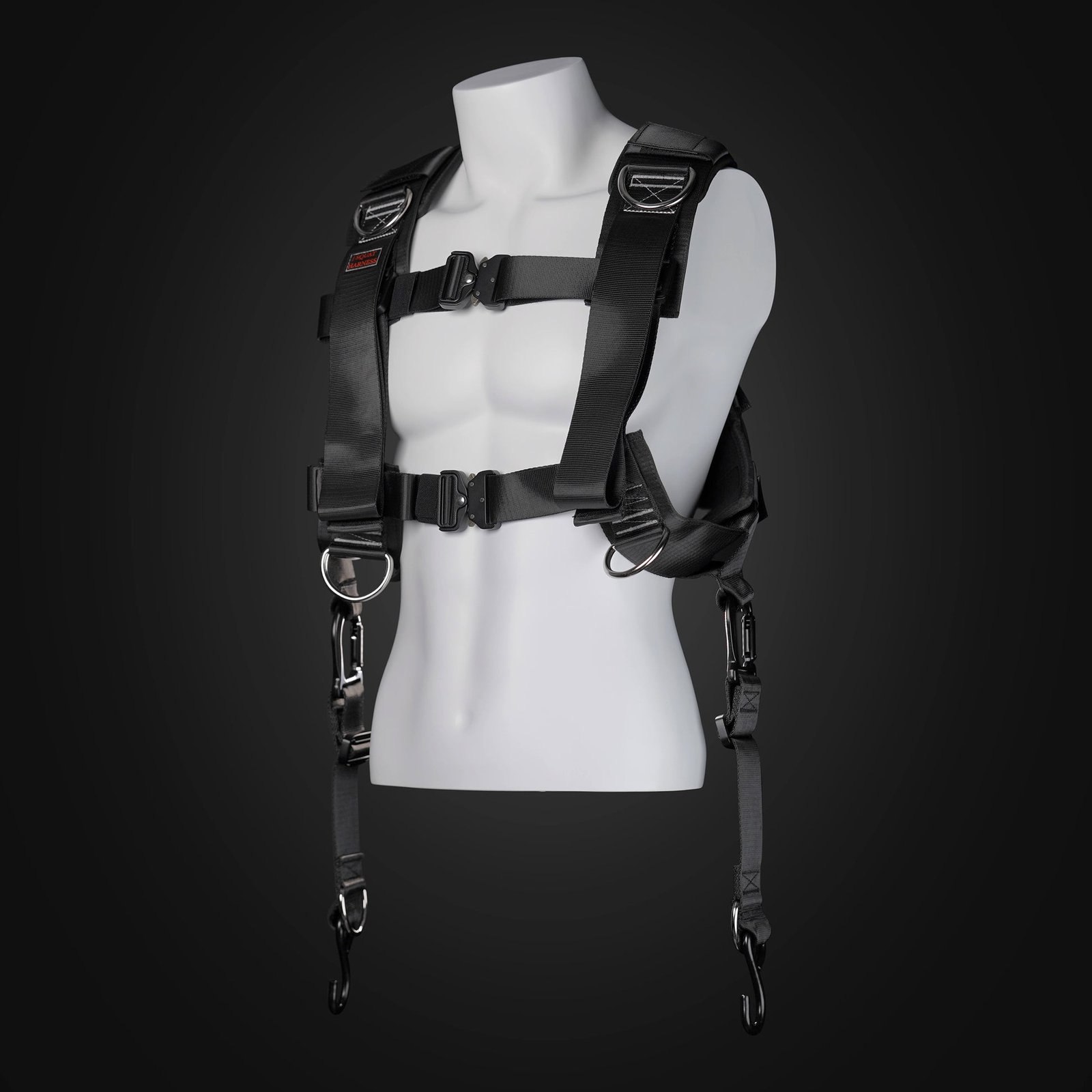
Squat Harness
Wearable harness for hands-free cable squats, sled work, and lower-body training.

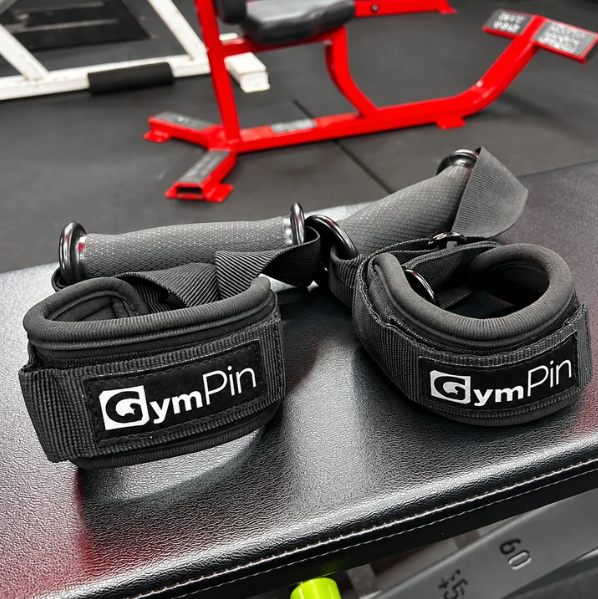
GymPin D Cuffs
Adjustable wrist cuffs with textured grips for supported cable-machine exercises.
Back Bar
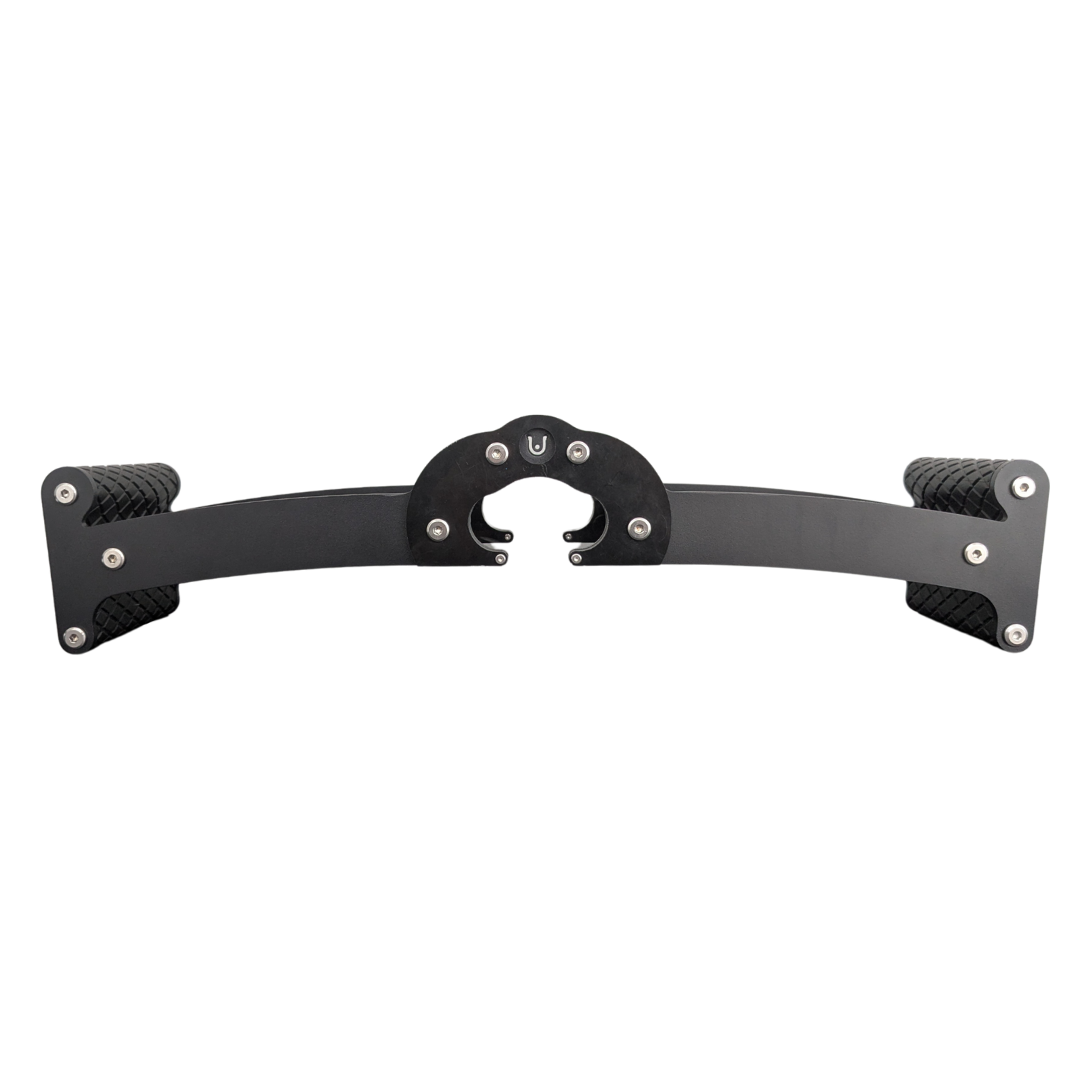
Multi-grip cable and landmine bar with a built-in deadlift jack.
W Grip
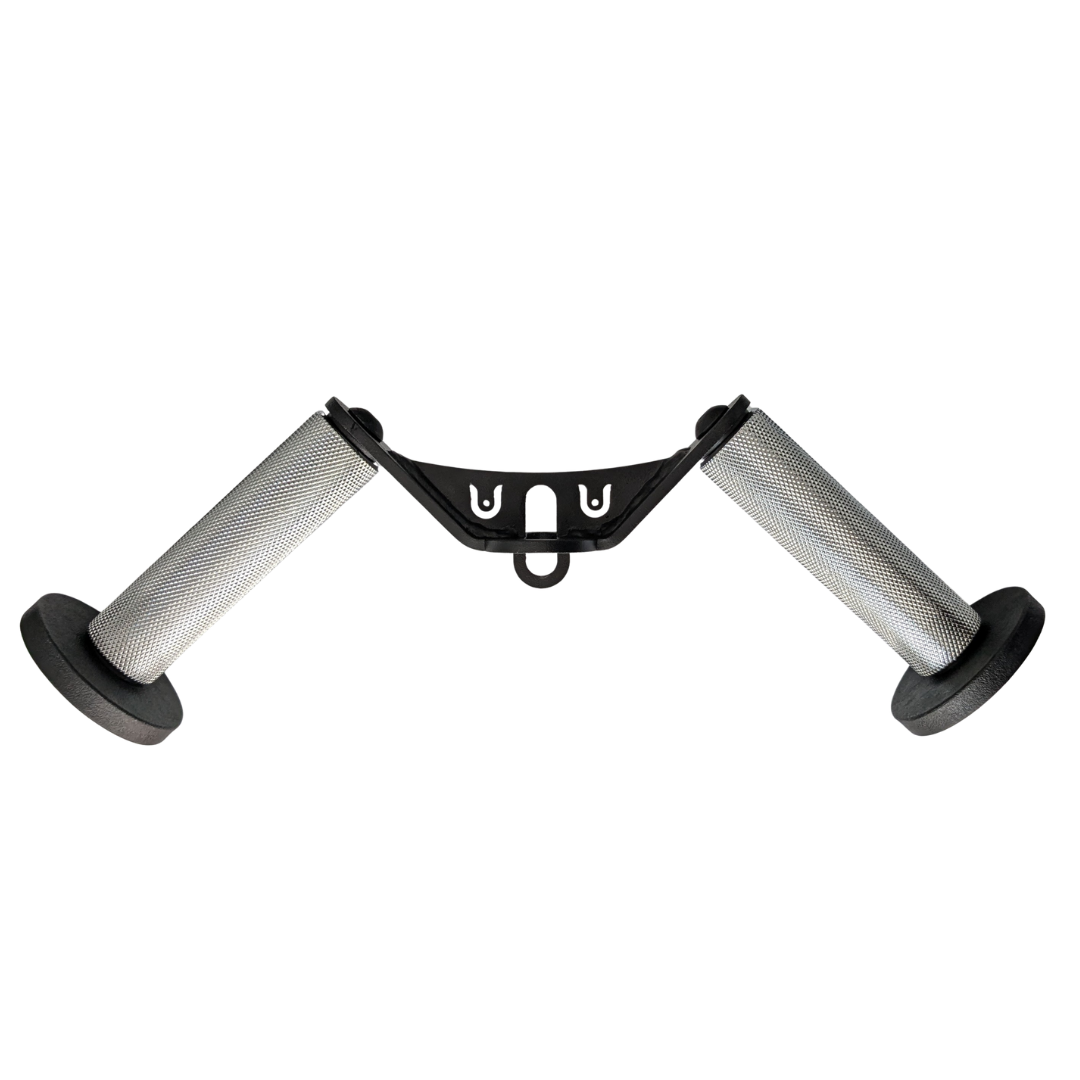
Angled cable grip for comfortable rows, pushdowns, and curls.