Advertising disclosure: This page includes affiliate product links that may earn us a commission, as well as products from our own store.
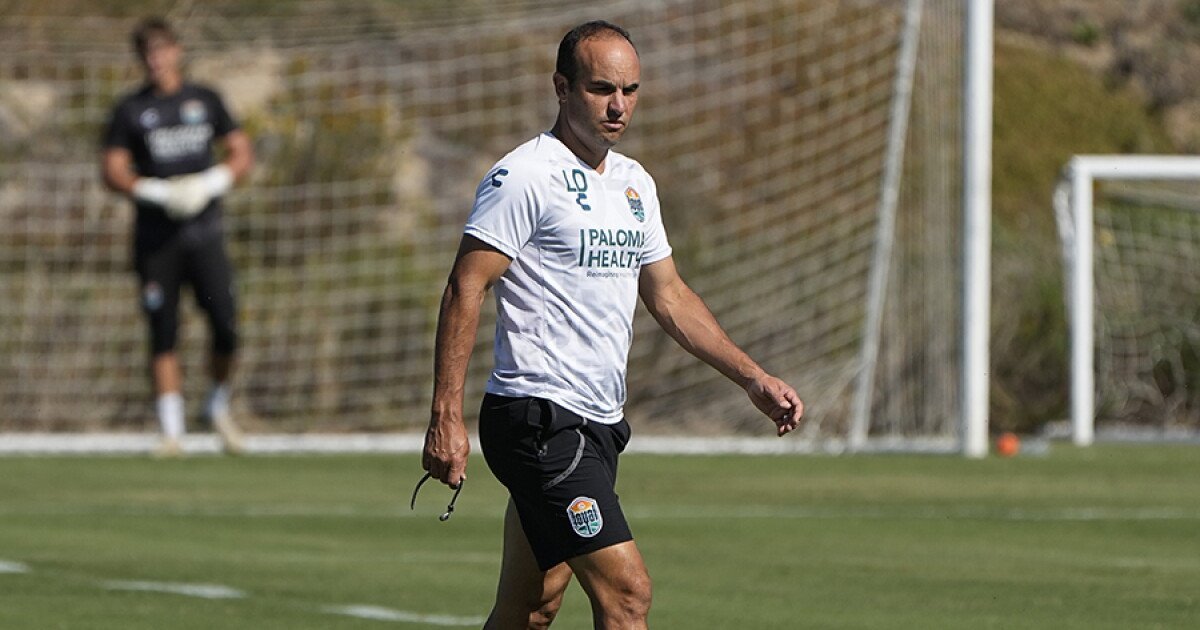
America’s joint-record international goal scorer is no longer training for a World Cup start. At 44, Landon Donovan has described a gym session built around six familiar strength movements, punctuated by short spells on a stationary bike. Here is the actual structure he shared in March 2026, where it makes sense, and where an ordinary lifter should adjust the intensity.
From elite soccer to strength that fits everyday life
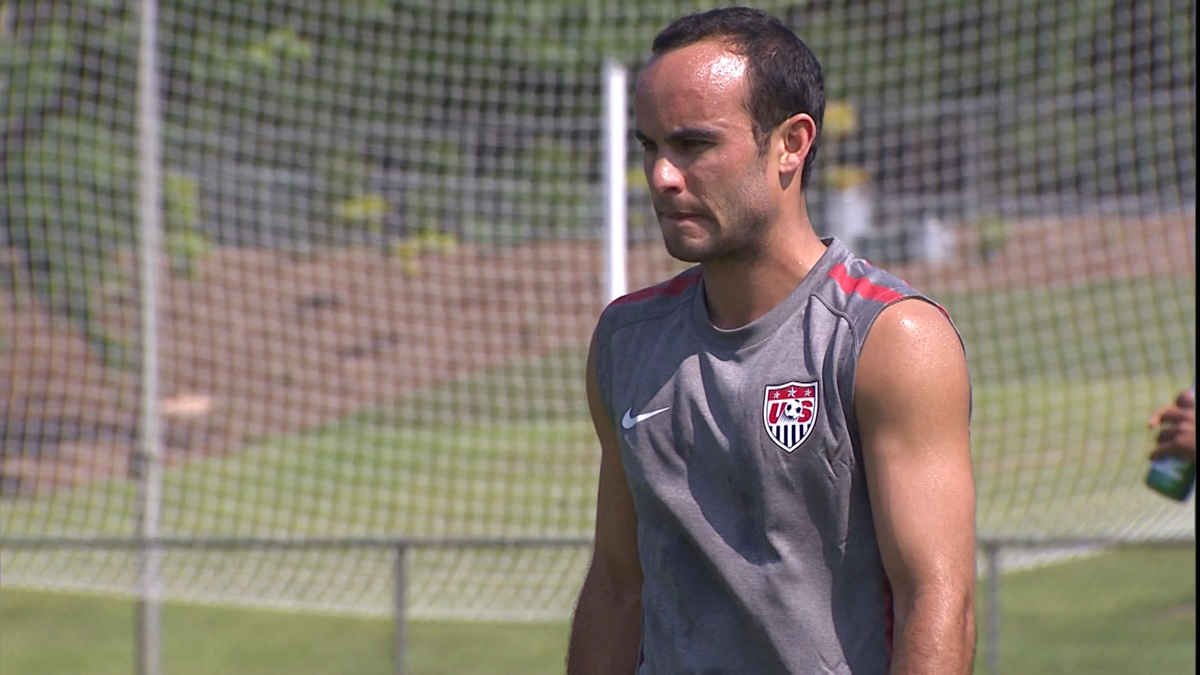
Donovan’s playing resume is enormous: 57 goals in 157 U.S. men’s national team appearances, tied with Clint Dempsey for the national scoring record. He also collected six MLS Cup titles. Those achievements do not mean everyone should train like a retired professional footballer. His contemporary goals are more relatable: keep strength, retain enough stamina for recreational sports and have a repeatable outlet in a busy life.
His March 2026 account of training explicitly connected exercise to his own mental well-being. That is an individual experience, not proof that a particular pulse rate, bike interval or strength circuit treats depression. Research supports physical activity as a helpful option for many people experiencing depressive symptoms, but treatment decisions remain personal and clinical. No one needs to chase a former professional’s reported heart-rate numbers to benefit from movement.
The six exercises and how the bike breaks work
Donovan described starting with a dog walk and then roughly three to five minutes of brisk stationary cycling. He follows this with three sets apiece of six movements. The prescription for most lifting sets is to finish around two repetitions before technical failure, a useful effort target that still leaves room to control technique. Between sets he pedals for about one minute rather than taking a passive rest.
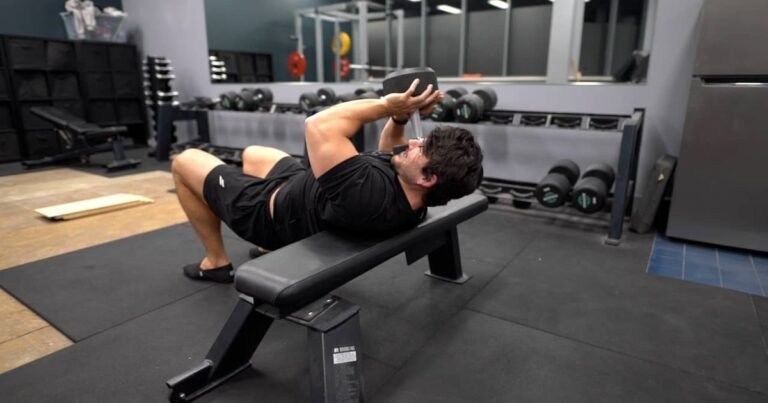
- Dumbbell bench press: horizontal pressing for chest, shoulders and triceps.
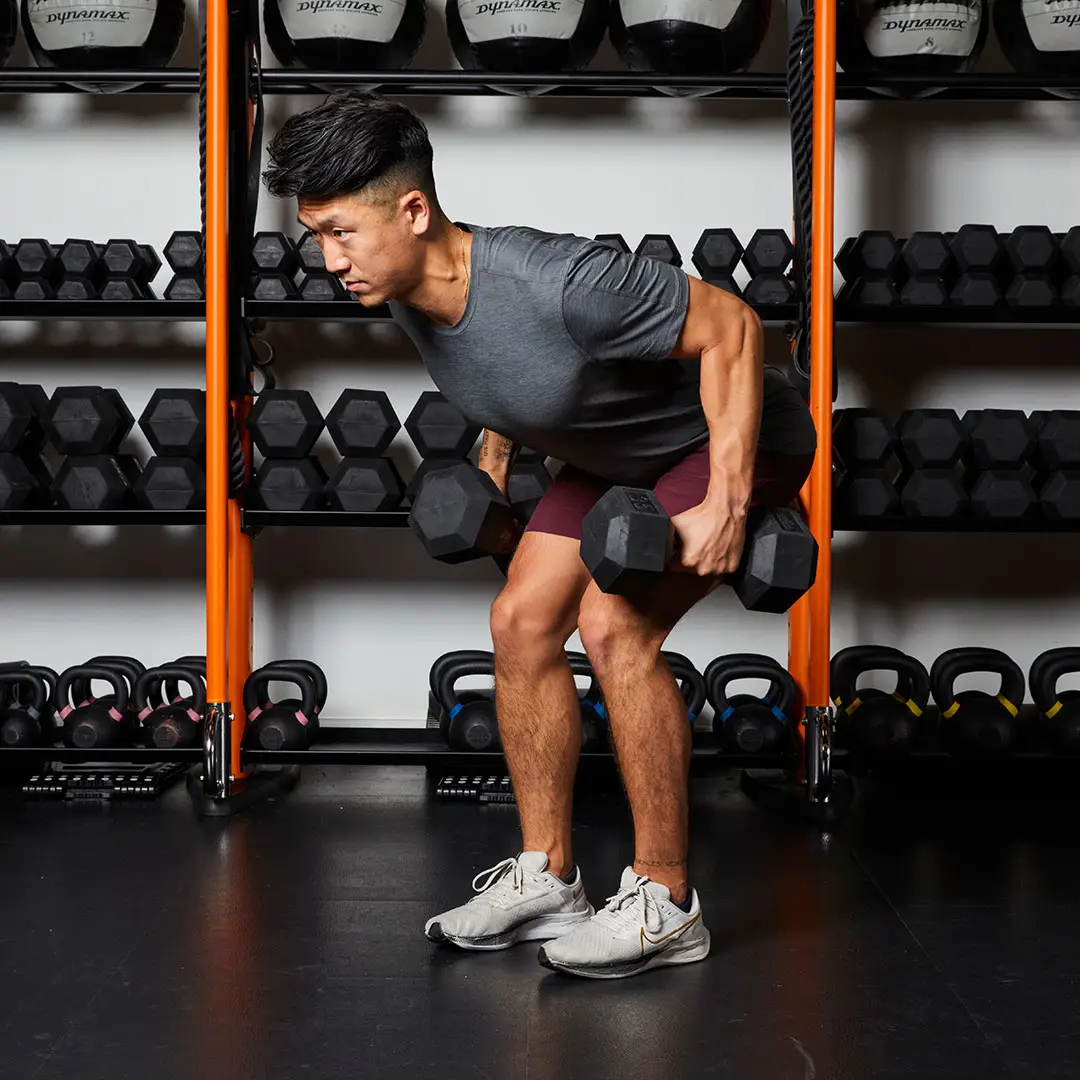
- Bent-over dumbbell row: a hip-hinged pull emphasizing upper back.
- Dumbbell curl: direct elbow-flexor work.
- Wall sit: an isometric knee-bent hold, tracked by duration rather than repetitions.
- Prone Y–T–W raises: controlled shoulder-blade movement through three arm positions.
- Dumbbell Romanian deadlift: hip-hinge loading of glutes and hamstrings.
The cycling intervals are part of the arrangement, not an extra maximal sprint assigned after each lift. He offered quick marching in place as a simple substitute when a bike is unavailable. The distinction matters: a moderate minute of movement can raise the session’s conditioning demand while preserving some lifting quality; a breathless all-out minute can make the next bench or row unnecessarily sloppy.
Why the press, row and curl belong together
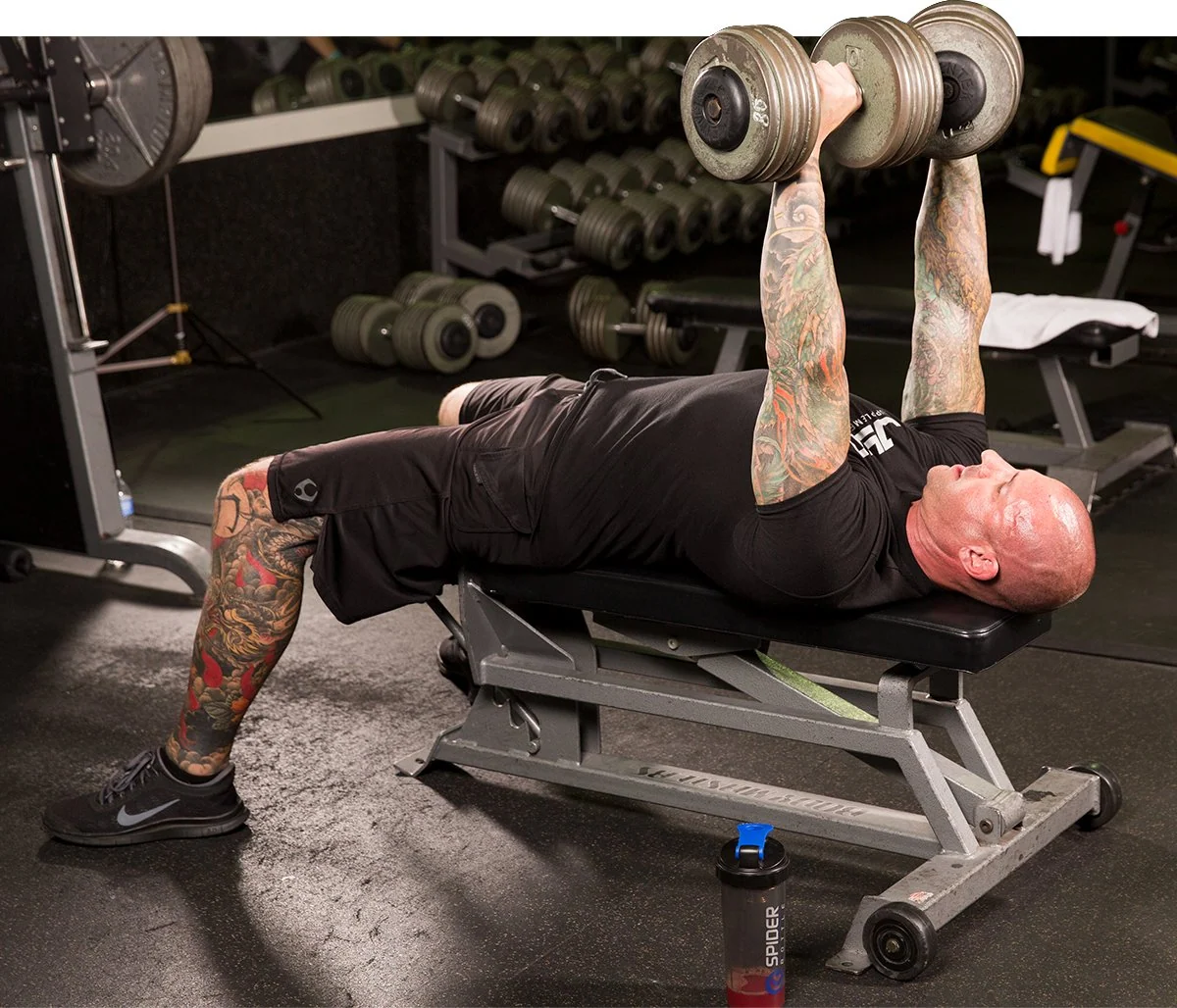
A dumbbell bench press supplies a straightforward upper-body push. Set the shoulder blades on a stable bench, keep both feet planted, lower under control and use a range that feels sound at the shoulder. For a hybrid circuit, the best weight is one that remains steady after the bike interval, not one that forces an awkward last repetition. If the final sets become markedly shorter, either reduce the load or ease the cycling.
The bent-over row provides the opposing pull, although it adds a hidden challenge: the lower back must maintain a hip-hinged torso. That bracing demand can rise when breathing is already hard. A chest-supported row is an entirely reasonable MMP adaptation for someone whose low back fatigues before the lats. One arm at a time also works, but it changes the timing and should not be mistaken for Donovan’s exact sequence.
Curls look like the least athletic exercise in the group. Yet simple elbow-flexor work is easy to learn, light on equipment and useful when the larger pressing and rowing tasks already cover the big muscles. Keep the upper arms reasonably still and let the weight move rather than the torso. A compact setup can use an adjustable pair of dumbbells and a flat bench for all three exercises, so there is no need to buy a machine for each station.
The equipment below covers these specific movement patterns and their practical home-gym alternatives. It is not an endorsement or a claim that Donovan uses those products.

Equipment Worth Exploring
Explore equipment, accessories and gear from our carefully selected range.


Rubber Hex Dumbbells
Rubber-coated hex dumbbell pairs with a stable shape for home and commercial strength training.

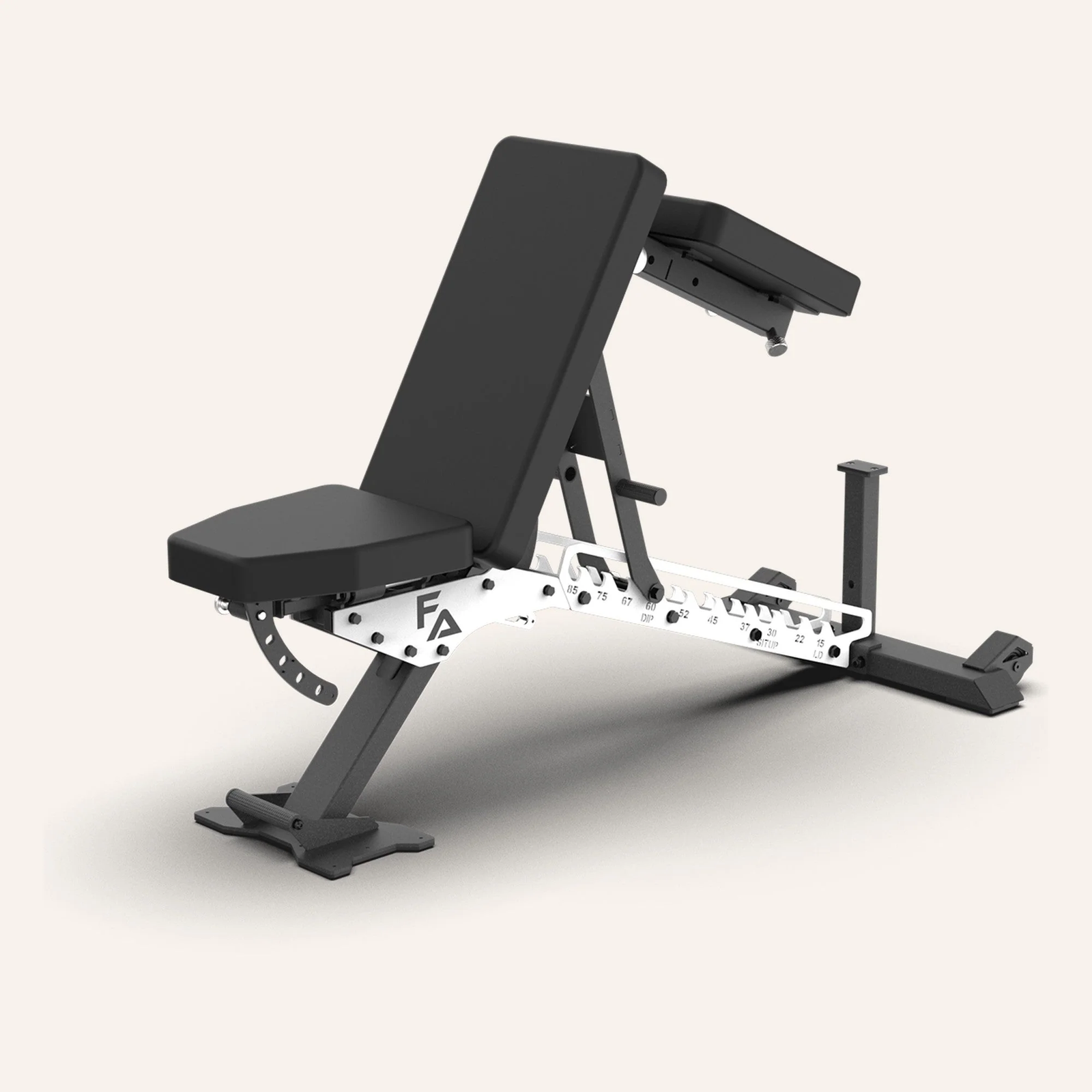

FID Bench MAX
Adjustable bench offering flat, incline, and decline positions + adjustable headrest.

Multi Bench MBX-650 2.0
Adjustable multi-bench with roller adjustment, 15 backrest positions and accessory mounts.

Cast Iron Kettlebells
Textured cast-iron kettlebells for swings, squats, carries, and full-body training.


Wall sits and Y–T–W raises are not filler
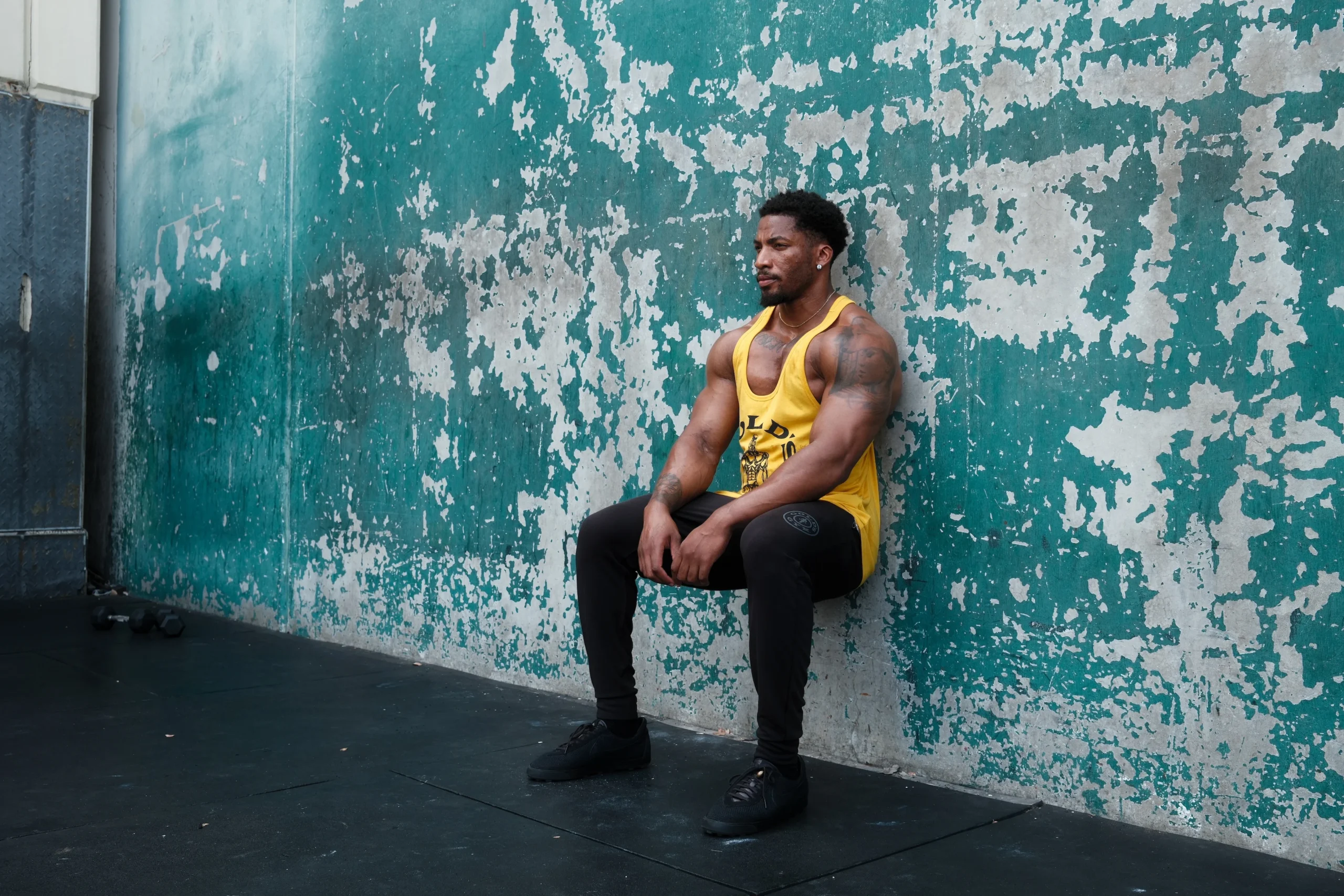
After three upper-body movements, the wall sit introduces a different sort of effort. Instead of chasing repetitions, you slide down a wall into a tolerable knee bend and hold the position while breathing steadily. Start by timing a comfortable, controlled effort. Donovan’s described approach is to establish a duration and try to match or improve it later; that is more sensible than copying an arbitrary record-length hold while form collapses.
Then come the prone shoulder raises. Picture three letter shapes: arms angled overhead in a Y, extended sideways in a T and bent beside the ribs in a W. The purpose is deliberate motion around the shoulder blades, not the largest possible dumbbells. Many people should begin unloaded. Small movements, a stable torso and a relaxed neck matter more than dramatic elevation. If a position pinches, reduce the range or choose an easier variation.
These two exercises also show why a circuit should not be described as a pure bodybuilding plan. One develops local isometric tolerance; the other prioritizes shoulder control. Neither is a direct substitute for progressive heavy squatting or robust back training. For people who sit much of the day or play recreational sport, though, short accessible movements can add useful variety without a second room of equipment.
The cycling twist: conditioning without wrecking the lifts
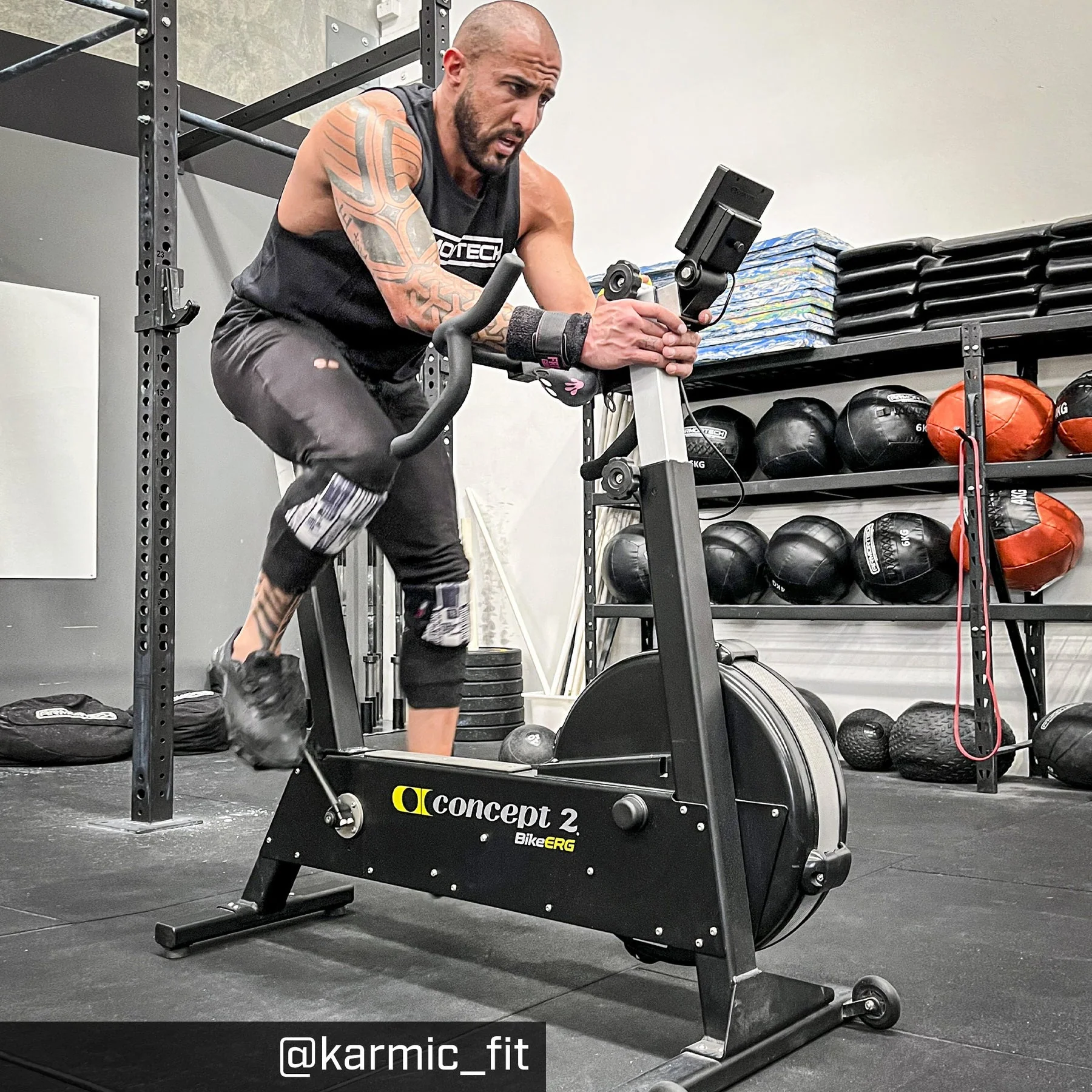
There is a trade-off hidden inside every moving rest interval. Keeping the pedals turning makes the session feel continuous and can improve its cardiovascular stimulus, but it also reduces the quiet recovery available before the next set. Three sets of bench press after an easy spin are not necessarily equivalent to three sets after several minutes of full rest. The correct version depends on whether the goal is performance on the dumbbells or doing more general work in the available time.
Longer-term evidence on combining endurance and lifting is encouraging: well-designed mixed training generally can develop both strength and muscle. Some findings suggest a possible trade-off for explosive-strength gains when strenuous endurance work shares the same session. That does not turn every stationary bike into a muscle-loss machine. It simply means a power athlete and a recreational gym user may require different sequencing and effort.
A useful personal check is whether a 60-second cycling interval still allows clear breathing and a stable lifting position by the start of the following set. If not, pedal more gently, lengthen recovery or alternate with normal rest. Avoid treating a celebrity’s personal heart-rate experience as a universal training target. For an additional real-world option, brisk marching can take the place of a stationary bike; just keep it controlled enough that dumbbell technique remains the priority.

Cardio Shirts & Workout Gear
Cardio and conditioning gym gear for runners, endurance athletes and anyone who earns the sweat.

Gym Dost Thou Even Pedal Medieval Air Bike Humor for Cr Tank Top
Bring “Dost Thou Even Pedal Medieval Air Bike” humor to your next lifting session.

Hybrid Athlete – HYROX Training Crewneck for Strength & T-Shirt
Show some gym-day personality with “Hybrid Athlete”.

Cardio Heartbeat Hoodie
Show off your cardio humor in a laid-back “Cardio Heartbeat” hoodie.

Jigsaw'S Spin Bike Horror Killer Cardio T-Shirt
Make gym days more fun with “Jigsaw's Spin Bike Horror” style.

Dumb And Dumber Gymbro Meme Top Cardio & Lifting T-Shirt
Bring “Gym T” humor to your next gym day.

Funny Uncle Sam Gym – I Want You To Do Cardio Patriotic Sticker
Stick a little “Uncle Sam” humor on your favorite gear.

Exercise Your Demons | Cardio Workout From Hell Graphic T-Shirt
Show some cardio attitude with a playful “Exercise Your Demons” tee.

Iron Man Triathlon Muscle Shirt Athletic Vest for Swim Tank Top
Your gym-day look, with a playful “Iron Man Triathlon” twist.

Hero Jump Rope Cardio Speed Flash Inspired Gym Pullover T-Shirt
For laid-back days and cardio humor: “Gym Hero Jump Rope Cardio Speed”.

Shirt & – Avengers Superhero Bros & Gains T-Shirt
Show some superhero attitude with a playful “for Athletes & Lifters” tee.
A practical two-day version for a compact gym
Rather than treating all eighteen sets as compulsory on day one, begin with an MMP-style progression that preserves the idea while controlling fatigue. Week one: use two sets per movement, comfortable loads and easy 45-second bike spells or marching breaks. Finish with enough energy that you could have done another set. Week two: add a third set to two or three lifts that feel well recovered. Weeks three and four: build toward three sets on all six exercises, or keep two sets if time and recovery make that more sustainable.
Train this template on two non-consecutive days, leaving other days for walking, hobbies or sport. Choose a rep range you can control—perhaps eight to twelve for the large dumbbell moves, eight to fifteen for curls, and small deliberate cycles for the shoulder sequence. Keep the wall sit measured by a repeatable time. These ranges are editorial suggestions for everyday lifters, not undisclosed details from Donovan’s personal log.
Progress one variable at a time. Adding a small amount of weight, one clean repetition, five seconds to a wall sit or a slightly smoother bike minute is enough; you do not need to increase every measure in the same session. If the row hinge or Romanian deadlift suffers when cycling follows it, do the hinge before the bike or insert a longer break. A bench-supported row, lighter dumbbells and walking instead of pedaling are reasonable substitutions, not failures.
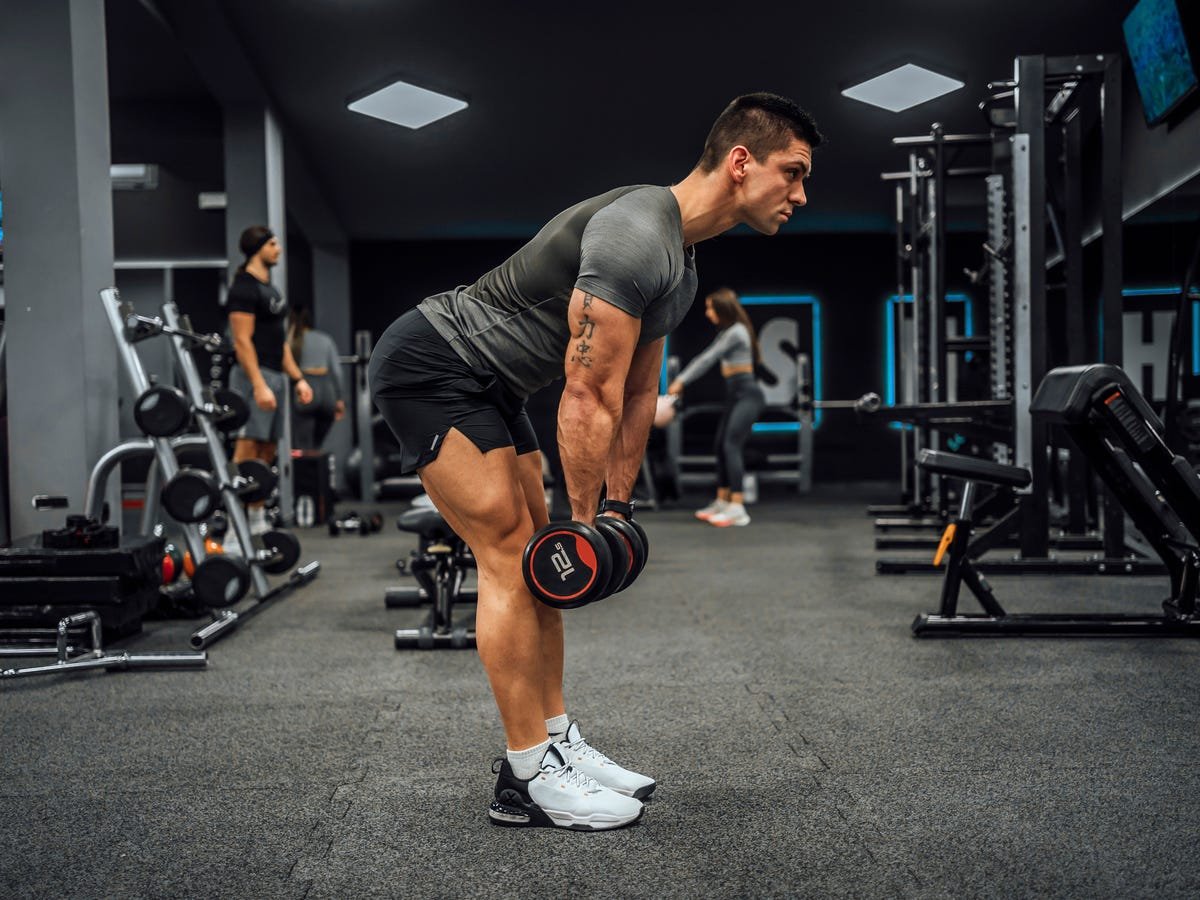
The Romanian deadlift closes the loop on the posterior chain. Keep the weights close, soften the knees, move the hips back and stop the descent when you can no longer maintain a controlled trunk. A simple pair of adjustable dumbbells, a stable bench and optional cycle can cover most of the original approach. Cable handles or compact resistance machines offer variations, but they are not prerequisites. Select the gear for the movement you will actually repeat, then let consistency—not celebrity-level intensity—do the work.
Equipment Worth Exploring
Explore equipment, accessories and gear from our carefully selected range.
VOLTRA
Compact digital cable trainer with smooth, adjustable resistance.

Go-Tone Pro
Portable digital cable trainer with up to 66 lb (30 kg) of adjustable resistance.

VForce Wall Trainer
Space-saving wall-mounted functional trainer with pivoting cable arms and variable resistance ratios.

VForce Lat Tower
Wall-mounted cable tower with pivot arms and adjustable 1:1 or 2:1 pulley ratios.
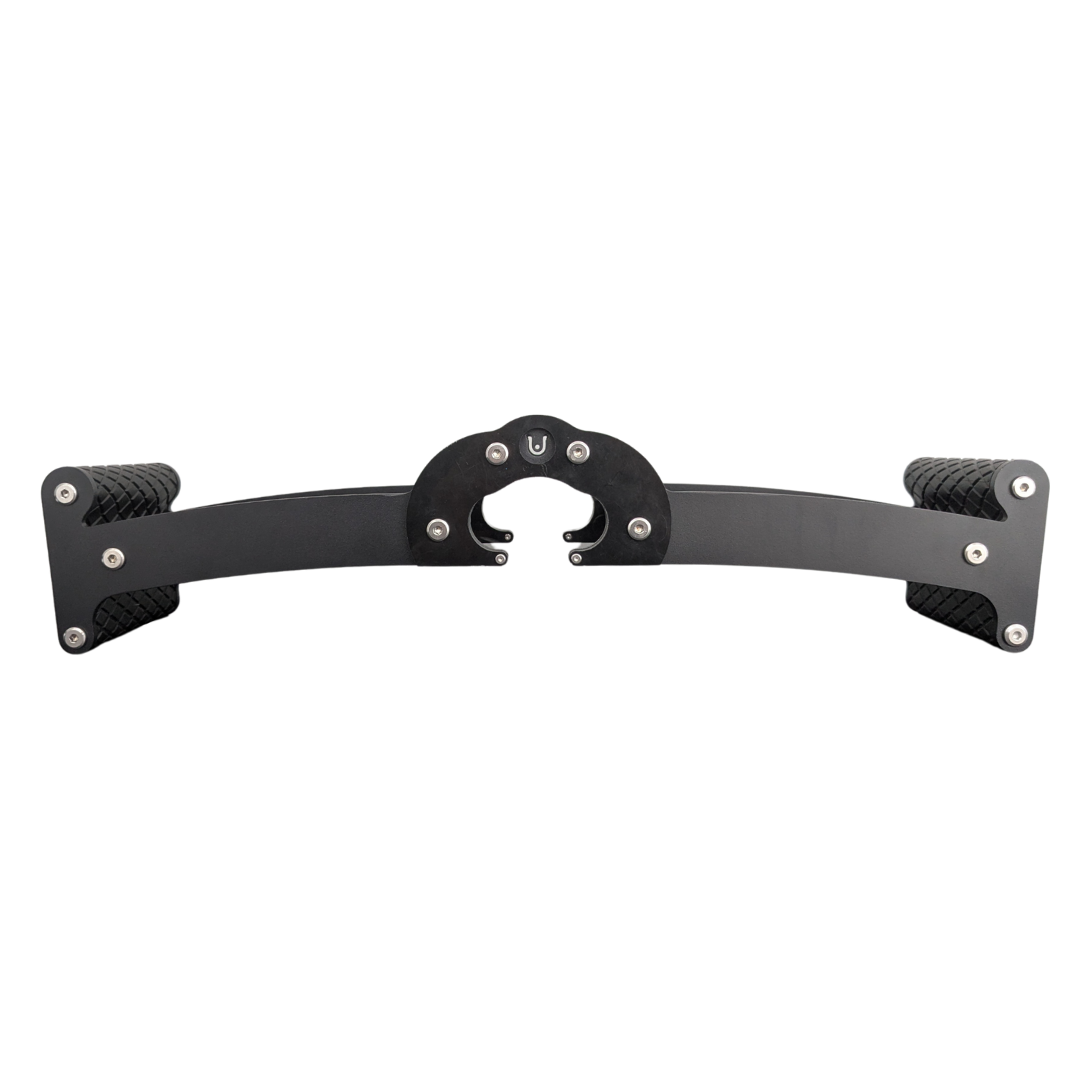
Back Bar
Multi-grip cable and landmine bar with a built-in deadlift jack.

GymPin Ergo Handles
Pair of ergonomic cable handles shaped for comfortable triceps and pulling exercises.

Dual Hook EZ Curl Bar
Angled aluminum dual-hook cable bar for biceps curls and pulldown variations.

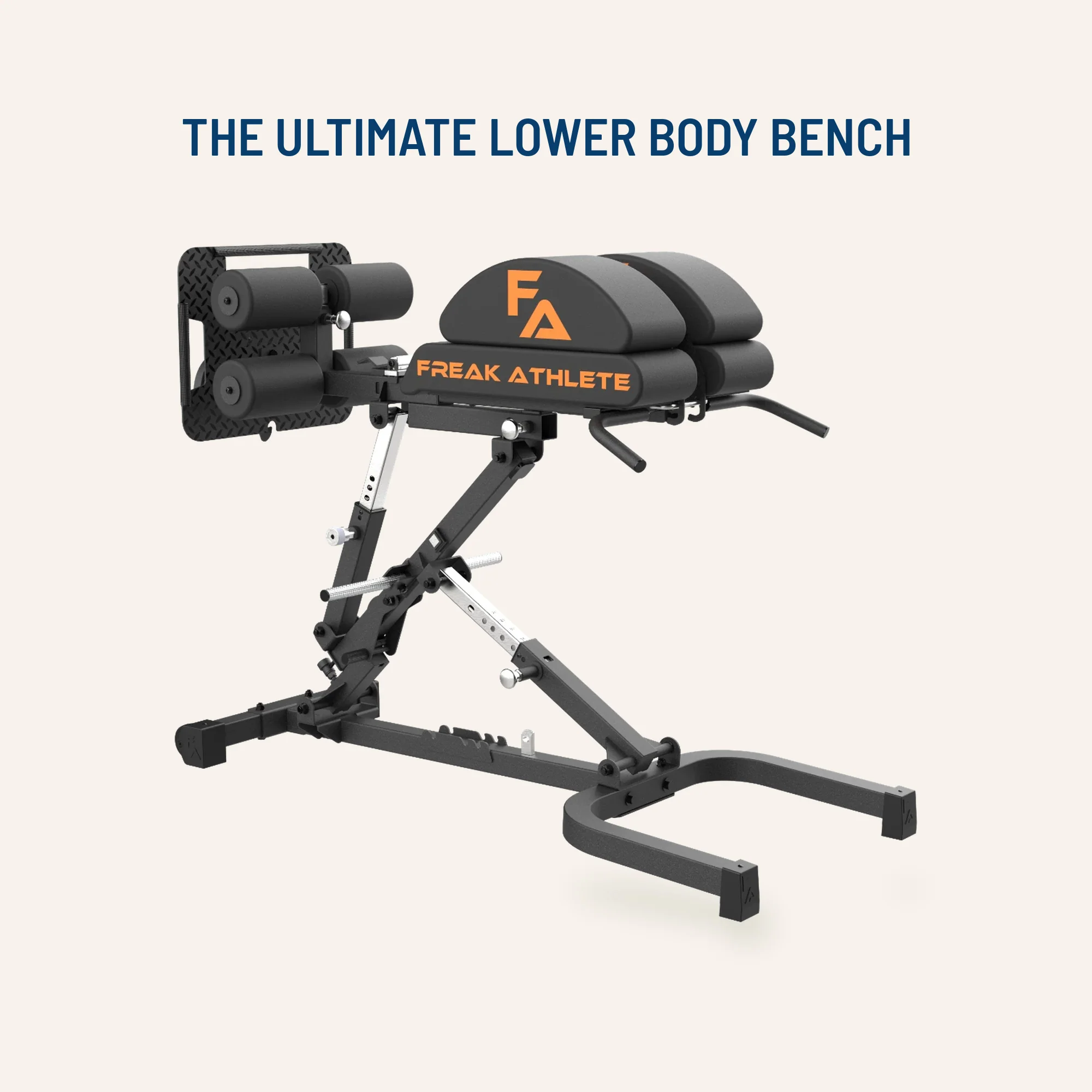

GymPin Barbell Row Handle
Heavy-duty handle attachment for barbell, landmine and T-bar rows.
Bottom line: Donovan’s six-move routine is an interesting example of lifting blended with active recovery, not a secret footballer workout that guarantees longevity or mental health. The transferable lesson is to make training practical enough to keep doing it, adjust the bike intensity to protect good repetitions and distinguish your own goal from the athlete’s.