Advertising disclosure: This page includes affiliate product links that may earn us a commission, as well as products from our own store.
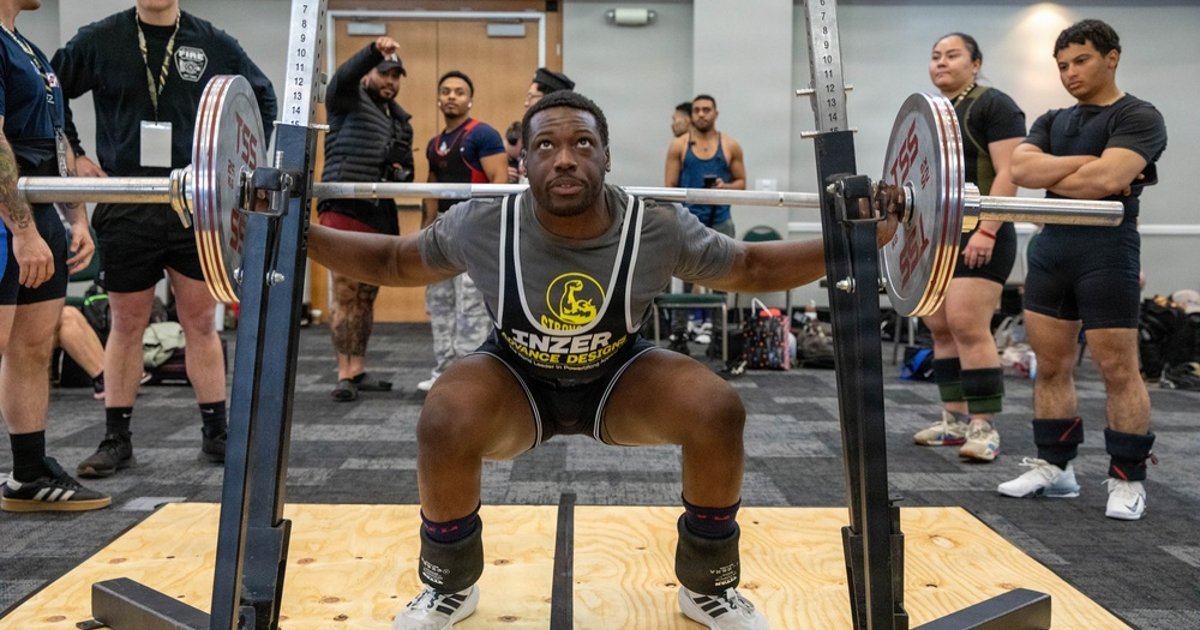
At 55 years old, Grant Higa squatted 310kg at the 2026 USA Powerlifting Olympia Prime Time meet. That’s about 683 pounds, and the result is on the competition record rather than just a social-media caption. His October interview also offered a glimpse at something more valuable for the average lifter: how he manages heavy training decades into his career.
Higa’s story is not a promise that everyone will squat close to 700 pounds at 55. Genetics, experience and years of preparation matter. It is a case study in attempt selection, six-week preparation, strongman crossover and staying capable without treating every workout as a test.
What Higa actually lifted in Las Vegas
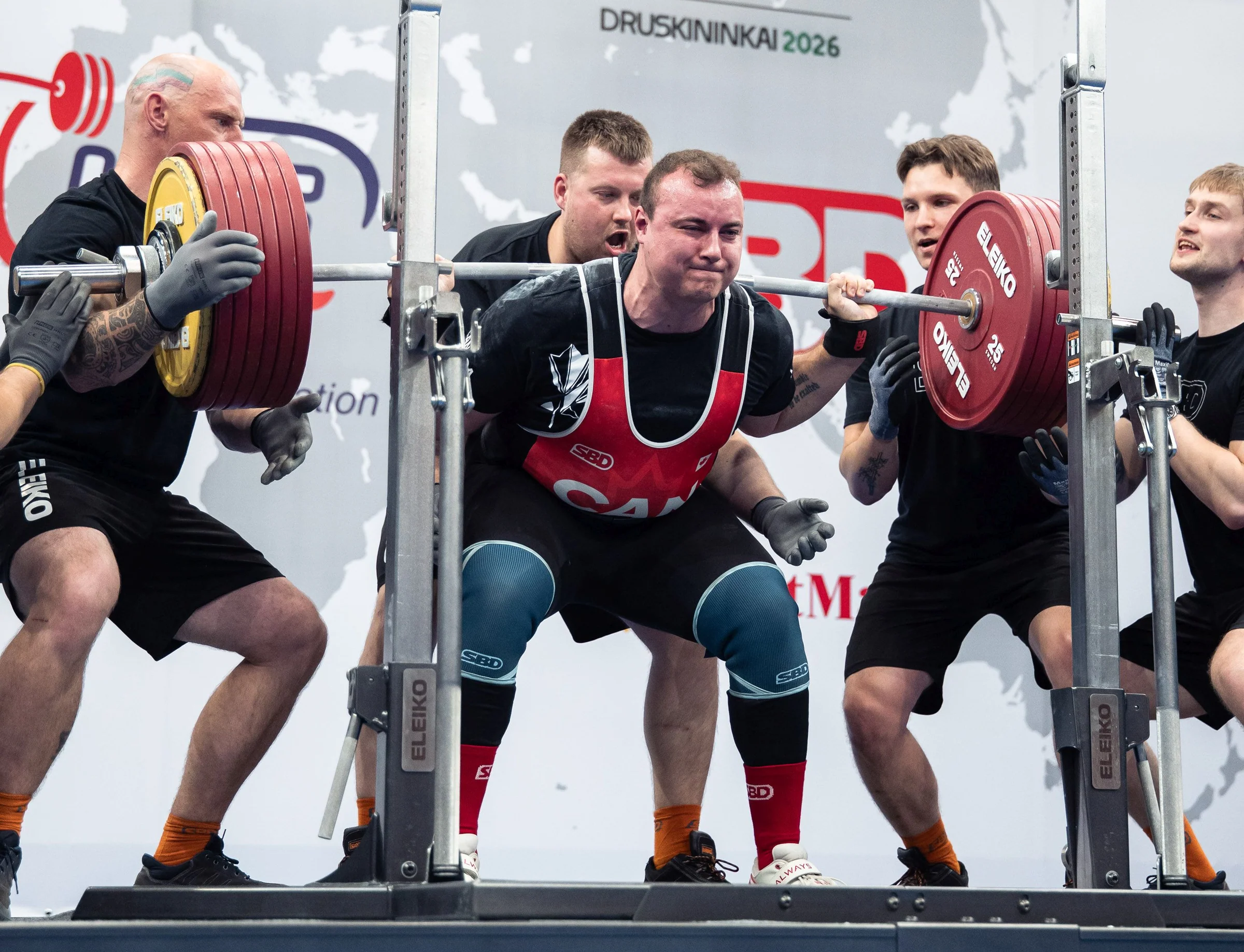
Grant Higa’s 310kg squat at the September 26, 2026 USA Powerlifting Olympia Prime Time meet in Nevada is not just a large number attached to an age. At 55, he competed in the men’s raw Masters 2 division at 140kg, weighing approximately 135.2kg. The results list a successful 310kg squat, 182.5kg bench press and 290kg deadlift: a 782.5kg total. These are three separate judged lifts, not a training-room estimate.
His squat attempt sequence was unusually assertive: 277.5kg, 292.5kg, then 310kg. The final jump was 17.5kg, substantially larger than the previous 15kg increase. In an October interview, Higa described feeling excited by the chance to lift alongside younger competitors and said the last squat became a grind after he took extra walkout steps before setting himself. The meet record confirms the completed lift; the account of how it felt comes from Higa himself.
The category matters. A Masters 2 result is not an all-age world record, and a winner in one masters weight class is not necessarily the strongest lifter in the whole meet. Higa also discussed four American masters records in the interview. That is his account of the achievement, distinct from treating the 310kg squat as a universal mark across federations.
The 683-pound headline is only part of the total
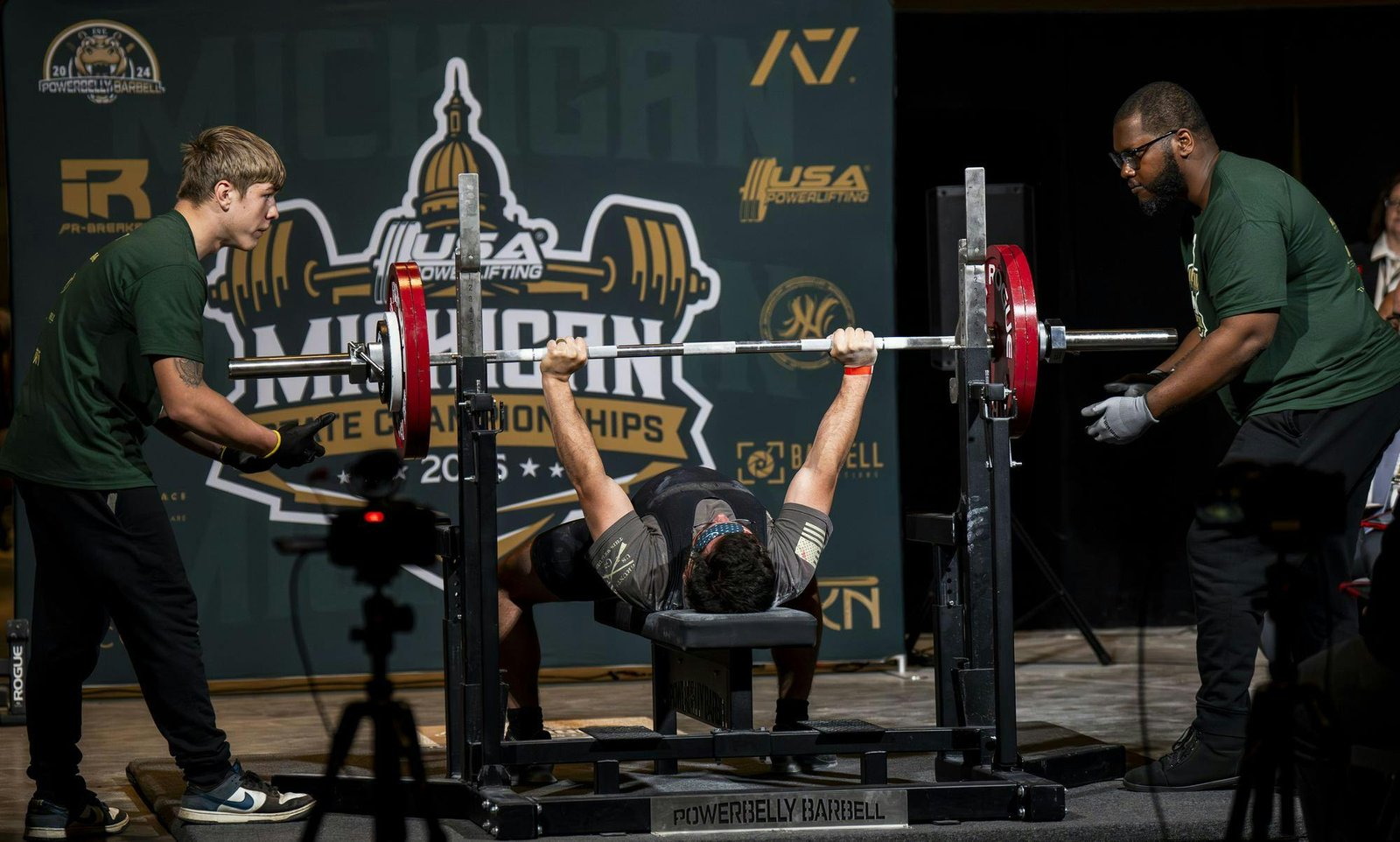
Convert 310 kilograms to pounds and the result is approximately 683.4. Higa also benched 182.5kg, about 402 pounds, and pulled 290kg, approximately 639 pounds. Adding the three best successful lifts produces the verified 782.5kg total, around 1,725 pounds. An article that mentions only the squat misses how much work was required to finish the competition.
The raw designation also needs context. It indicates the equipment category used by the meet’s rules; it does not imply the athlete lifted without a belt, knee sleeves or other permitted accessories. By contrast, an old personal best recorded in a different equipment category or federation may not be directly comparable. The most useful apples-to-apples questions are date, federation, age division, bodyweight class and successful attempts.
His public competition history stretches back to the early 1990s. The 2026 result does not eclipse all of Higa’s younger-day lifetime bests; it demonstrates that he has remained an effective competitive lifter despite decades of changing training and recovery demands. For a recreational lifter, that makes the consistency behind the performance more instructive than attempting to duplicate 310kg.

Equipment Worth Exploring
Explore equipment, accessories and gear from our carefully selected range.


GymPin Squat Wedges
Non-slip 15-degree squat wedges help elevate the heels for deeper quad-focused squats.

Safety Squat Handles
Barbell squat handles that reduce shoulder positioning demands during high-bar squats.

FID Bench MAX
Adjustable bench offering flat, incline, and decline positions + adjustable headrest.

Competition Plates
Competition-style bumper plates for Olympic lifts and loaded strength training.

Foldable Wall Rack
Wall-mounted folding squat rack designed to save floor space between workouts.
Why he now prefers six-week preparation blocks
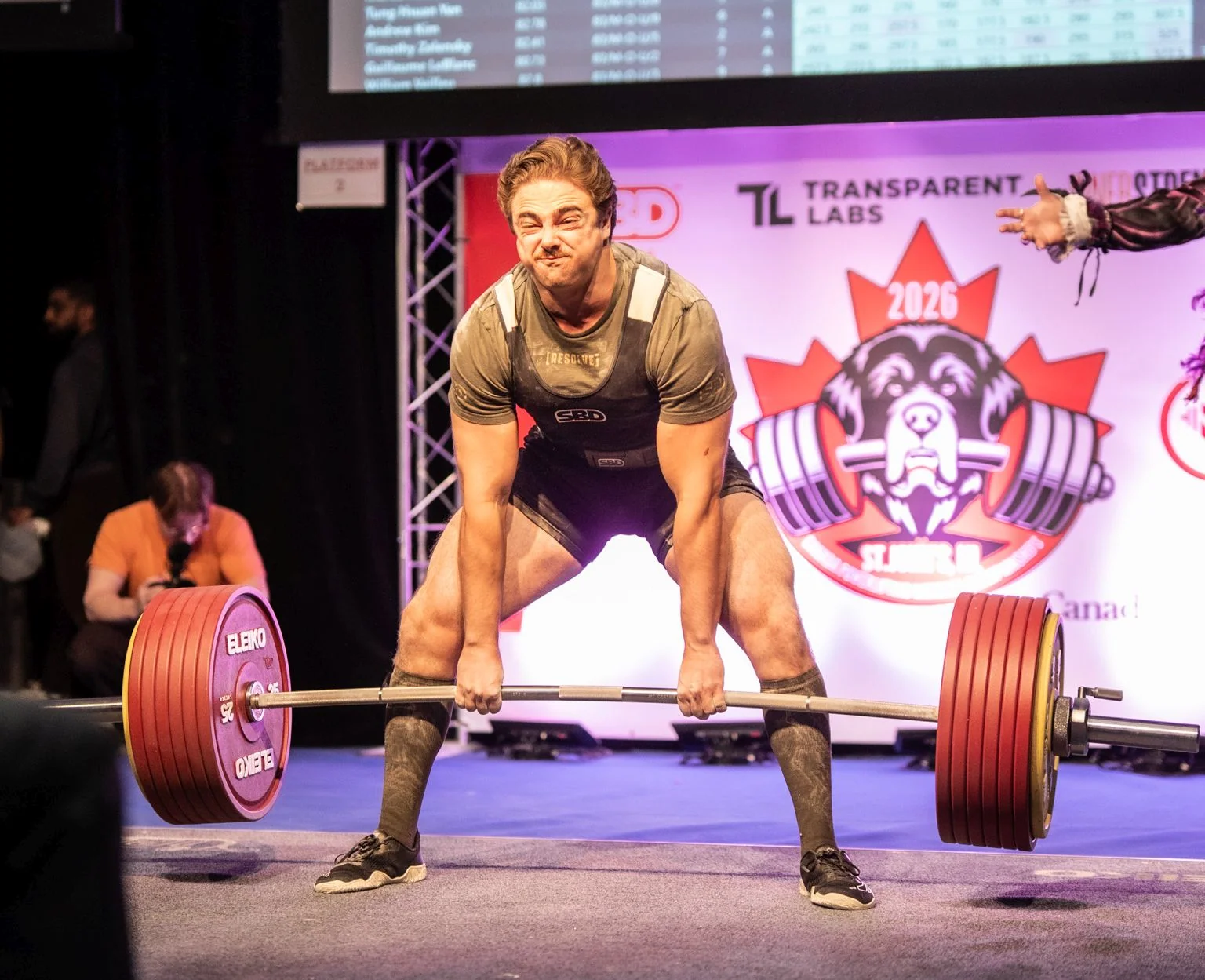
Higa described an important change in his October conversation: where longer ten-to-twelve-week peaking periods once seemed normal, he now favors six-week preparations. He specifically emphasized that this length suits him, not that it is a proven universal solution. That distinction matters because athletes differ in training age, injury history, outside stress and how quickly fatigue accumulates.
He said he currently uses four weekly lifting days, with a heavy and a lighter or technical deadlift exposure spread across the week. Squats and pressing receive their own space. He has previously worked with coach Bryce Lewis and adapted a familiar template rather than inventing a wholly new program each season. The principle is to retain exercises and loading structures that have repeatedly produced usable results.
Shorter blocks may be useful when the athlete arrives already conditioned and technically competent. Six weeks is not enough to build an untrained person’s work capacity, maximal strength and meet readiness from nothing. Higa’s decades of practice make the block a final preparation period built on an existing base. For someone newer, a longer, less aggressive progression will usually be more suitable.
Heavy squats demand efficient setup, not theatrics
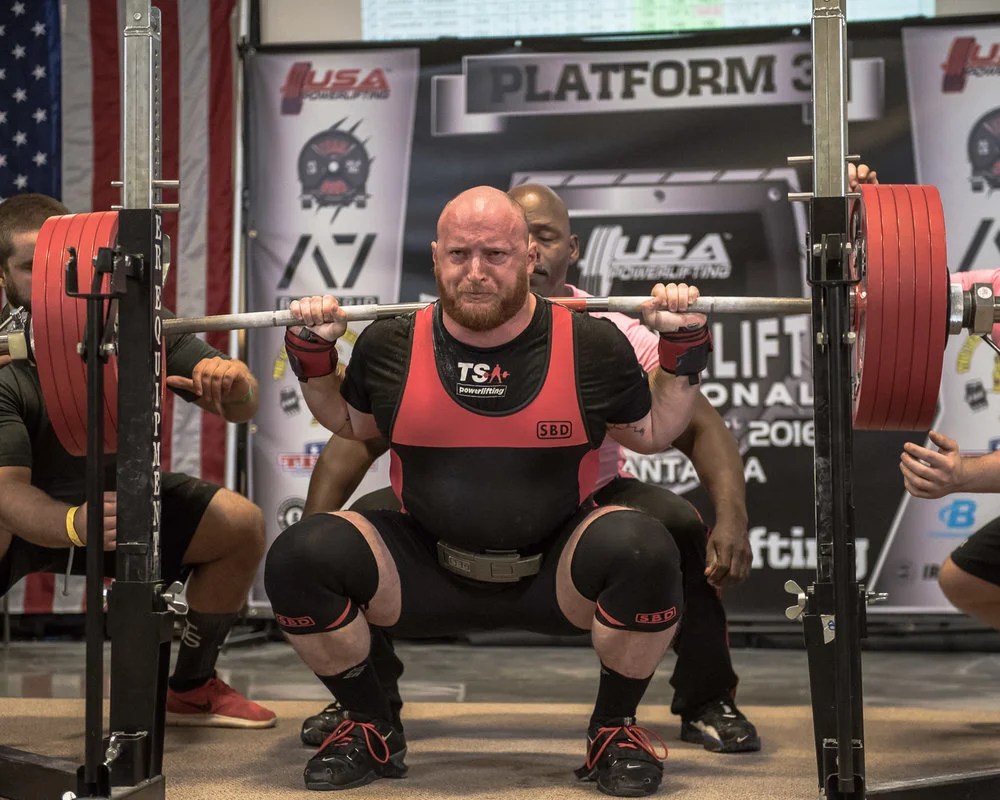
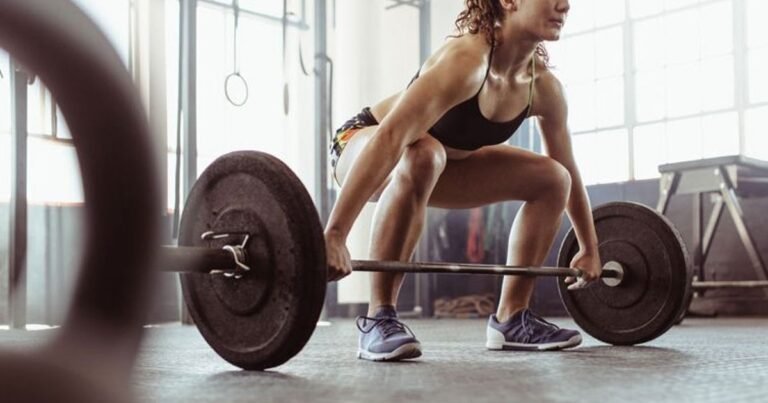
The extra steps Higa recalled during his final squat reveal a detail that rarely makes the headline. With a heavy bar on the back, walking it out takes energy, time and concentration. An efficient walkout gives the lifter a predictable starting stance and minimizes unnecessary movement before the descent. This is a skill worth rehearsing with lighter weights rather than improvising at a personal-record attempt.
Bench press and deadlift need the same kind of repeatable setup. On the bench, establish contact points, control the descent and follow the commands used by the competition you enter. For the deadlift, organize stance and grip before pulling, then achieve a controlled lockout. Anyone training at home should use appropriate spotter arms or safeties for squats and have a clear way to abandon a failed attempt.
One lesson is easy to miss: the goal of a competition attempt is a legal, repeatable lift, not merely the largest number that appears possible in an optimistic warmup. Higa’s opening squat was already exceptionally heavy; it was followed by two successful increases. Sensible attempt selection creates a total before gambling on a last-lift personal best. That logic scales down to ordinary gym sessions.
Equipment Worth Exploring
Explore equipment, accessories and gear from our carefully selected range.

Multi Bench MBX-650 2.0
Adjustable multi-bench with roller adjustment, 15 backrest positions and accessory mounts.


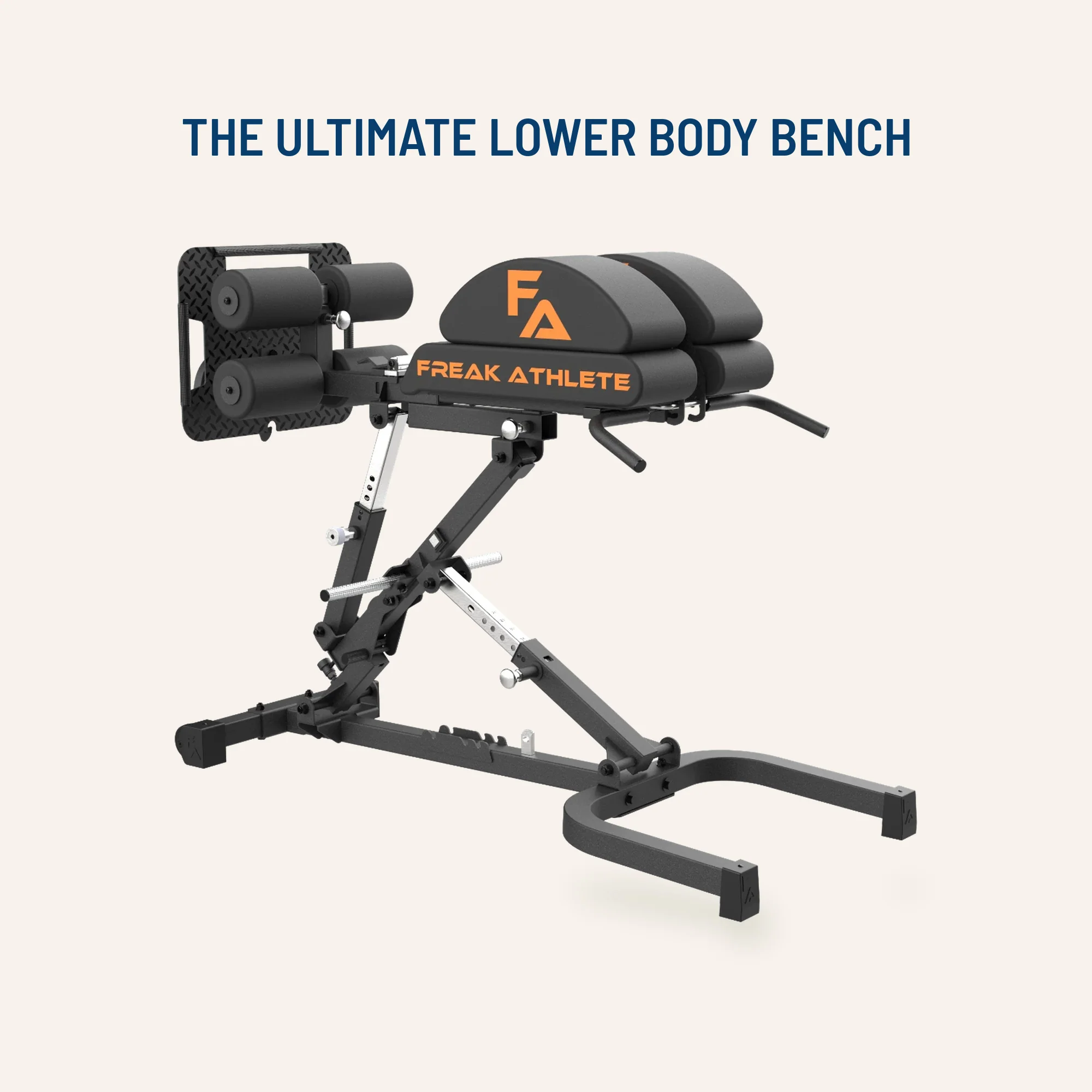

Glute Ham Developer GHD-820
Adjustable glute-ham developer with contoured pads and a fold-out knee support.

Leg Press/Hack Squat BPR-790
Convertible 45-degree leg press and hack squat machine with a broad footplate and band pegs.

Open Hex Bar
Open-frame trap bar with multiple handles for deadlifts, carries, and lower-body training.

Cast Iron Kettlebells
Textured cast-iron kettlebells for swings, squats, carries, and full-body training.

Pro Sled System
Heavy-duty push-pull training sled for loaded conditioning, speed, and strength work.
Strongman variety and recovery can coexist with powerlifting
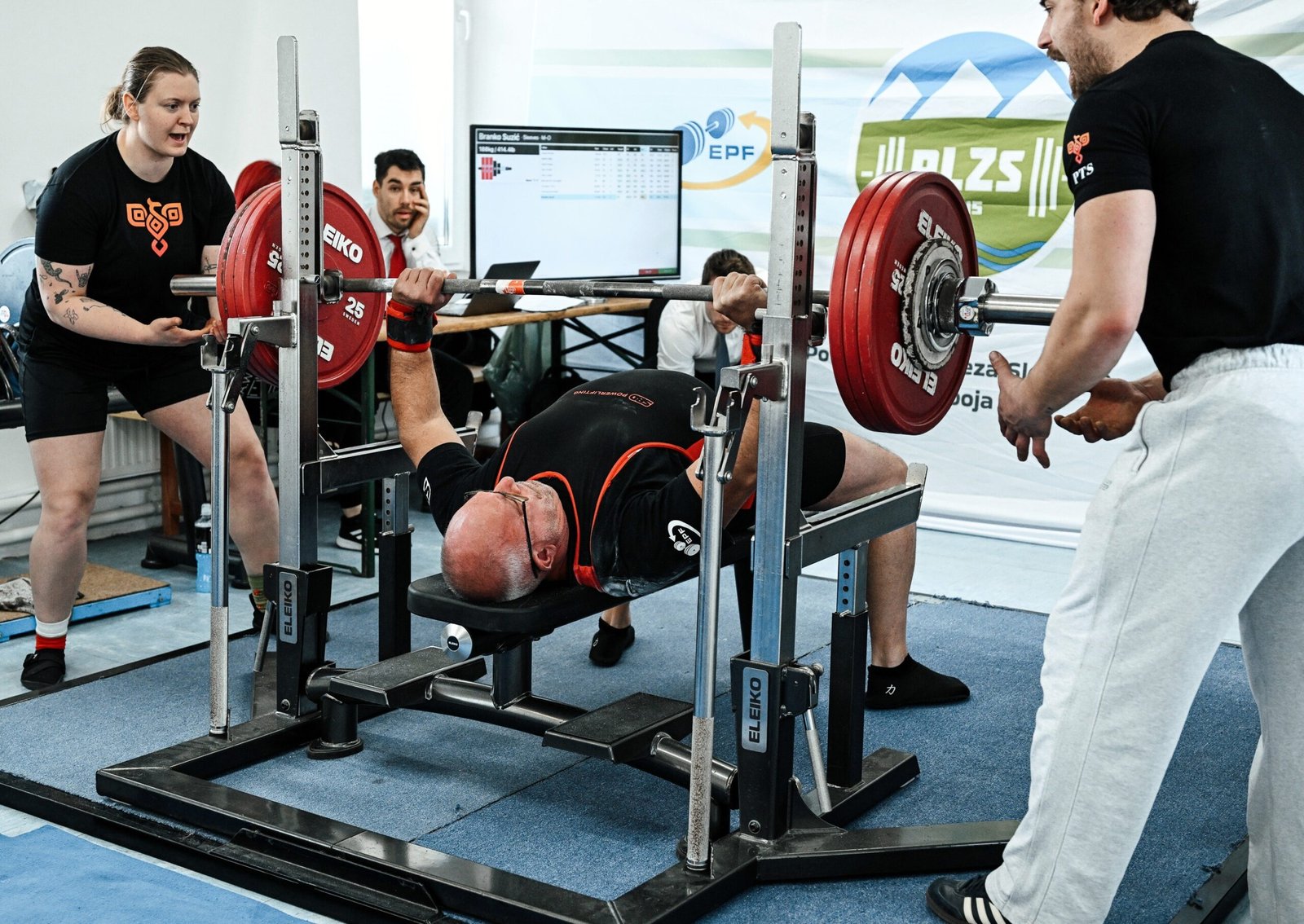
Higa has also spent years in strongman, a sport that asks athletes to carry, push, pull and load unusual objects. In his interview, he discussed enjoying that variety and wanting to stay ready for more than one narrow test. A sled, loaded carry or awkward-object lift challenges the trunk, grip and work capacity differently from a barbell squat, even if they share some underlying strength demands.
But variety is not a license to stack maximal events on top of four hard powerlifting days. Heavy carries can exhaust grip and spinal erectors before deadlift training. High-repetition sled work can leave the legs flat ahead of a squat session. Training stress is cumulative even when movements look different. The practical approach is to use modest exposures that complement, rather than compete with, the main lifts.
Recovery is similarly individual. Higa talked about spreading heavy work across the week and using massage and other recovery routines. Those preferences are not proof that a specific device causes his strength or prevents injury. Sleep, overall workload, adequate food and appropriate rest remain the major factors most lifters can influence. Persistent pain, worsening technique or unusual fatigue should trigger a reduction in loading and, when necessary, professional assessment.
A realistic six-week idea for experienced lifters

A useful way to borrow from Higa without copying his numbers is to treat six weeks as a structured checkpoint. This example is for an already competent, healthy lifter, not someone learning to squat for the first time. In weeks one and two, repeat the same squat, bench and deadlift variations with manageable effort, leaving a few repetitions in reserve. Record videos and note technique, sleep and soreness.
In weeks three and four, build gradually by adding a little load or one controlled set if recovery is good, not both automatically. Keep the heaviest deadlift and squat days separated by enough recovery. A light technique exposure can reinforce positioning without the fatigue of another maximal session. Accessories such as rows, unilateral leg work and controlled carries should support a specific weakness.
Week five can include a few heavier but technically clean sets with reduced accessory volume. Week six is for reviewing progress: either complete a small, well-planned test or repeat a demanding but submaximal set to compare speed and consistency. No 310kg imitation is required. If sessions deteriorate, extend the block, back off or rebuild the base. Higa’s strongest lesson is less glamorous than his 683-pound squat: durable strength is the product of adapting the plan so you can keep training for years.

Powerlifting Shirts & Lifting Gear
Powerlifting shirts and gym gear for squat, bench and deadlift lifters who live for heavy numbers.

45LB Metal Weight Plate Funny Gym T
Show some metalhead attitude with a playful “45LB Metal Weight Plate” tee.

Pizza Weight Plate Tee
Show some pizza-loving attitude with a playful “Pizza Weight Plate” tee.

Deadlift Skull Cyberpunk Gym Shirt for Powerlifting Leg T-Shirt
Make gym days more fun with “Deadlift Skull” style.

The Lifting King | Bodybuilding Lion Meme Graphic Worko T-Shirt
Bring “The Lifting King” humor to your next gym day.

Be Happy Lift Heavy Happy Weights Smiley Face Weight Pl T-Shirt
Show some gym-day personality with “Be Happy Lift”.

Deadlift Skull Gym Gold Heavy Metal Crewneck for Powerl T-Shirt
Show some gym-day personality with “Deadlift Skull”.

Iron Is My Therapy – Lifting Bodybuilding Powerlifting Hoodie
Stay casual and show some powerlifting attitude with “Iron Is My Therapy”.

I’m Strong Barbell Heartbeat Muscle Shirt for Powerlift Tank Top
Show some personality between sets with “I’m Strong Barbell Heartbeat”.

Barbell Heartbeat Decal for Water Bottles Laptops Power Sticker
Stick a little “Barbell Heartbeat” humor on your favorite gear.

Lift Heavy – Hardcore Heavy Metal Gym Decal for Powerli Sticker
Give your everyday gear a playful “Lift Heavy” twist.