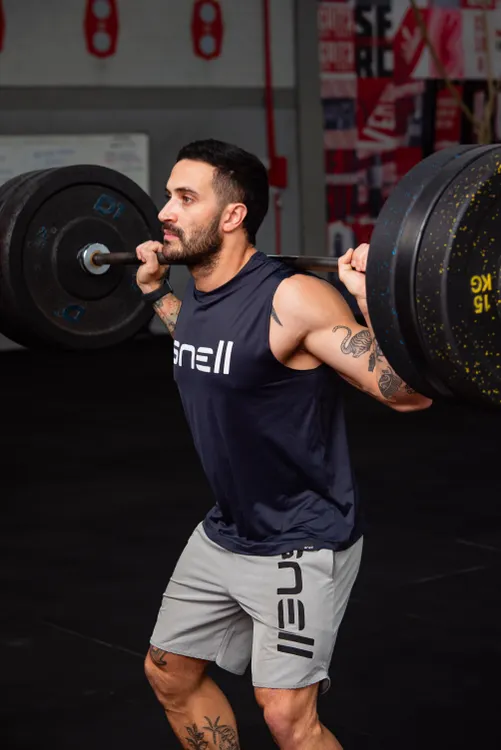
Blood-flow restriction training sounds like a shortcut: wrap a cuff around an arm or leg, lift a fraction of your usual weight, and still give your muscles a reason to grow. That promise is appealing when joints are irritated, heavy training has to be reduced, or an athlete is already carrying a demanding sport schedule. But the method is more technical than simply making a workout feel harder.
A 2026 analysis of twelve studies involving 859 team-sport athletes found small advantages in muscle size and strength when blood-flow restriction was added to resistance training. It did not find a clear improvement in sprinting or jumping. The distinction matters: bigger muscles, stronger lifts and better sport performance are related goals, but they are not interchangeable.
What blood-flow restriction actually changes
Blood-flow restriction, often shortened to BFR, uses a specialized cuff positioned high on an arm or thigh. The cuff is adjusted to limit blood leaving the working limb while preserving some blood entering it. That is different from completely shutting off circulation. With the cuff in place, relatively light exercise can create pronounced local fatigue, even when the external weight looks unimpressive.
The working muscle has to operate under conditions that accelerate the buildup of fatigue-related metabolites. Repetitions become difficult sooner, and more motor units may be recruited as the set continues. These effects can make low-load training more productive than the same low-load exercise performed without restriction. They do not turn a tiny dumbbell into a literal substitute for a maximal squat, nor do they guarantee identical adaptations in every muscle or athlete.
Placement and pressure are crucial. A cuff belongs near the top of the limb, not over the knee, elbow or muscle belly. The appropriate pressure depends on cuff width, limb size, individual blood pressure and the device itself. Because these variables change from person to person, copying somebody else’s pressure number or tightening an ordinary strap by feel is not a reliable method.
The simplest way to understand BFR is as a way to change the stimulus from a given load. The muscles experience high local effort with less external resistance, while the cardiovascular and vascular responses still deserve respect. It is an optional training tool, not an essential part of lifting.
What the 2026 team-sport analysis actually found
The 2026 synthesis pooled twelve studies that enrolled 859 athletes across team sports including football, basketball, volleyball, rugby and netball. The interventions varied: some used lighter resistance, some added restriction to broader strength programs, and the training frequency was generally two or three sessions per week. The athletes were mostly young, so these findings should not be treated as a universal prescription for older lifters or people with medical conditions.
Compared with resistance training without BFR, the combined approach produced a small positive effect on muscle hypertrophy, with a standardized mean difference of 0.32. Strength showed a somewhat larger but still modest advantage, at 0.42. The confidence intervals supported positive pooled effects, but an effect size is not a promise that every participant will add a particular percentage of muscle or kilograms to a lift.
When researchers looked at explosive outcomes, the story changed. Sprint and jump performance did not show statistically clear advantages. That result makes physiological sense: sprinting and jumping demand skill, rapid force production, coordination and tendon behavior that a locally fatiguing cuff session may not train particularly well. Building muscle is useful, but it does not automatically improve the exact qualities measured on a track or court.
There are also important reasons for caution. Most interventions were relatively short, some studies estimated muscle size with circumference measurements rather than more direct imaging, and cuff pressure protocols were inconsistent. Many studies had unavoidable blinding limitations. In short, the average signal is encouraging for muscle and strength, but it is not proof that adding BFR is better for every athlete, every lift or every training block.
For a recreational lifter, the most useful takeaway is narrower than the headline: BFR may add a productive stimulus when ordinary training volume or loading is constrained. It should not displace effective heavy training simply because the cuff session produces an intense burn.

Equipment Worth Exploring
Explore equipment, accessories and gear from our carefully selected range.
VOLTRA
Compact digital cable trainer with smooth, adjustable resistance.

Go-Tone Pro
Portable digital cable trainer with up to 66 lb (30 kg) of adjustable resistance.


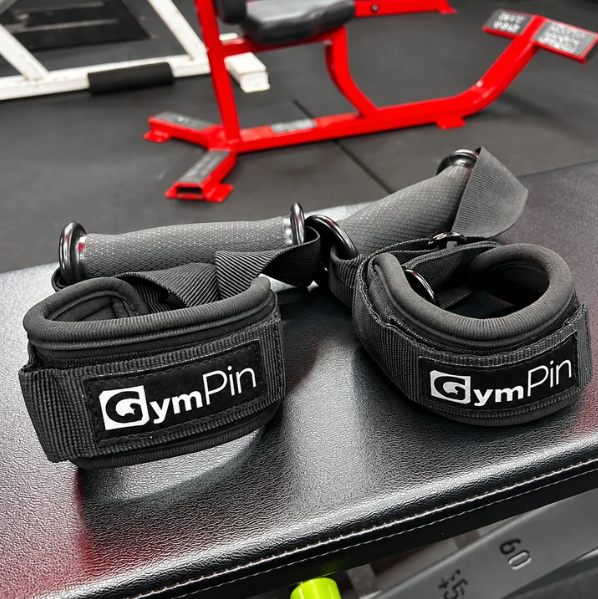
GymPin D Cuffs
Adjustable wrist cuffs with textured grips for supported cable-machine exercises.
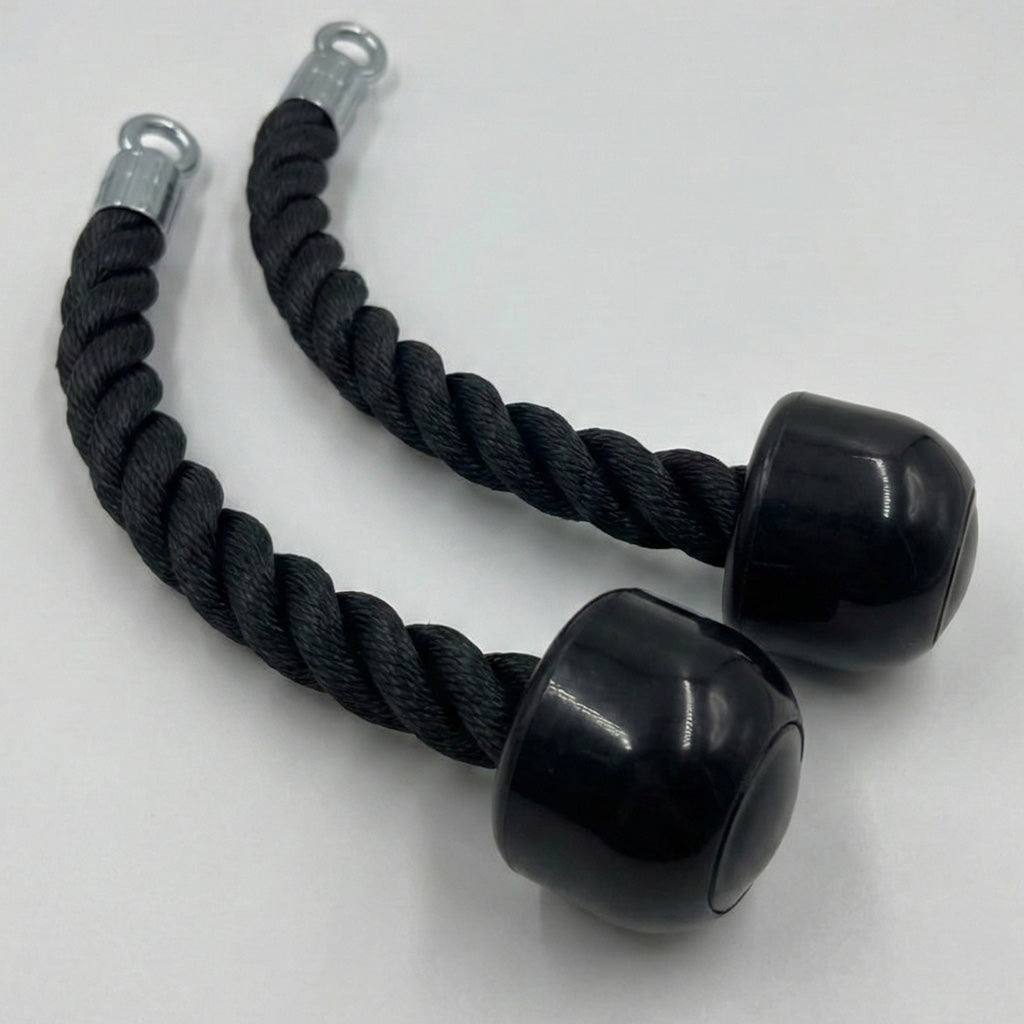
Individual Tricep Ropes
Pair of individual cable ropes for triceps pressdowns and cable hammer curls.

GymPin Ergo Handles
Pair of ergonomic cable handles shaped for comfortable triceps and pulling exercises.


Why light weights can still build muscle
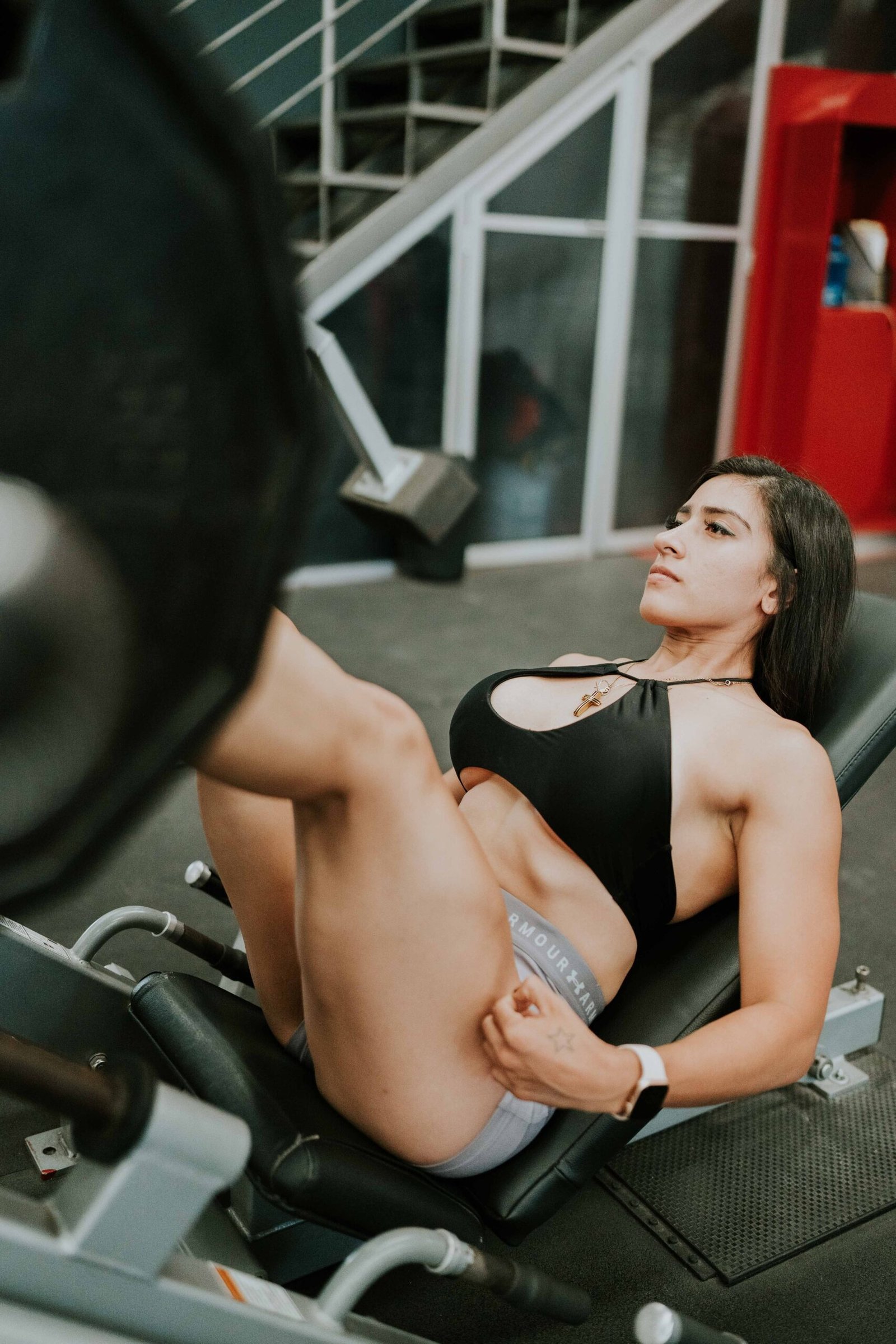
Muscle growth depends on a sufficient training stimulus repeated over time, not on a single magic percentage of one-repetition maximum. Conventional light-load sets can also stimulate hypertrophy when taken close enough to failure, although very light sets may require a great deal of time and discomfort. BFR changes the fatigue profile so that relatively light work becomes challenging sooner.
Typical supervised BFR resistance sessions use approximately 20–40% of one-repetition maximum. A frequently used pattern is one set of 30 repetitions followed by three sets of 15, with short rests of roughly 30–60 seconds. This is a common research and coaching format, not a mandatory template or a do-it-yourself medical instruction. The correct pressure and whether to release the cuff during rests should be determined with an appropriate device and qualified supervision.
Consider a lifter who normally curls a 20 kg dumbbell for hard sets. During a low-load block, a much lighter dumbbell may still provide a meaningful challenge if BFR is applied correctly. The same idea can extend to knee extensions, light leg presses and some other stable movements. The goal is controlled muscular work, not demonstrating how much pain or pressure a person can tolerate.
Low external load can be useful when heavy resistance aggravates a joint or when total mechanical stress needs to be managed. But low load does not mean zero fatigue. A BFR set can feel disproportionately hard, and repeatedly chasing failure may undermine the recovery benefit that motivated the lighter session in the first place.
It is also worth separating a dramatic pump from a durable training adaptation. Temporary swelling and discomfort are immediate sensations. Hypertrophy is a change that develops over weeks of consistent training and is best judged through longer-term measurements, performance and recovery rather than how tight the muscle feels after a single workout.

Bodybuilding Shirts & Workout Gear
Bodybuilding shirts, tanks and gym gear for lifters chasing muscle, size, symmetry and the pump.

Girls Just Wanna Have Guns Shirt Huge Arms & Gains T-Shirt
Show some lifting attitude with a playful “Girls Just Wanna Have Guns” tee.

Unbreakable Gains Back Tee
Make gym days more fun with “Unbreakable Gains: Strong Back Greek God” style.

Big Biceps Theory & Meme Fans Bro Science Vest Tank Top
Your gym-day look, with a playful “Big Biceps Theory” twist.

Hustle For That Muscle Gym | Funny Greek God Meme Worko Sticker
Stick a little “Hustle For That” humor on your favorite gear.

Lift O'Clock Gym | Funny Workout For Bodybuilding Gains Hoodie
Bring “Lift O'Clock” gym humor to lazy days and post-workout plans.

Big Guns Rock Gym Funny Lifting Crewneck Who Love Rock T-Shirt
Show some gym-day personality with “Big Guns Rock”.

Brain and Biceps Tee
Make gym days more fun with “Mind Muscle Perfection Brain and Biceps” style.

Lift Smart Brain Weight Plate Mind Muscle Connection 45 Hoodie
Keep it laid-back with a little “Lift Smart Brain Weight Plate” attitude.

Mind Muscle Perfection Embroidered Brain and Biceps Gym Hat
A playful “Mind Muscle Perfection Embroidered Dad” cap for workouts and weekends.

I Love Gym Bicep Heart | Swole Heart Valentine's Day Wo T-Shirt
Bring “I Love Gym Bicep Heart” humor to your next gym day.
Can BFR replace heavy lifting for strength?
For maximum strength, specificity still matters. A heavy squat, press or deadlift trains coordination and force production under a load that a low-load cuff session does not reproduce. If the goal is to improve a one-repetition maximum, athletes usually need appropriately programmed practice with heavier weights as part of the plan.
A broad evidence synthesis covering dozens of prior analyses found that BFR generally outperformed comparable low-load training for muscle growth and strength, but did not establish superior hypertrophy compared with conventional high-load resistance training. Its strength outcomes were also not a compelling reason to abandon heavy work. That is a more practical comparison than asking whether BFR is simply ‘good’ or ‘bad’.
Think of three different comparisons. Light weights with BFR versus the same light weights without it often favors the cuff condition. BFR versus well-designed heavy training is a much closer hypertrophy contest, with conventional heavy training retaining advantages for practicing high-force lifts. BFR added to an existing program may help some athletes, but extra work is not free: it still consumes time, tolerance and recovery capacity.
For someone who can train normally, an ordinary progressive program remains the foundation. Use heavy and moderate loads to develop strength and muscle, then consider BFR as a carefully chosen accessory or temporary load-management option. For someone who cannot tolerate heavy loading, the comparison becomes more favorable to BFR because the realistic alternative may be very light exercise or no resistance work at all.
Training goals also dictate exercise selection. A controlled curl or leg extension is easier to standardize under fatigue than a complex Olympic lift. Even with cuffs, keep technique, breathing and a clear stopping point ahead of the urge to accumulate repetitions.
How a supervised BFR session is usually organized
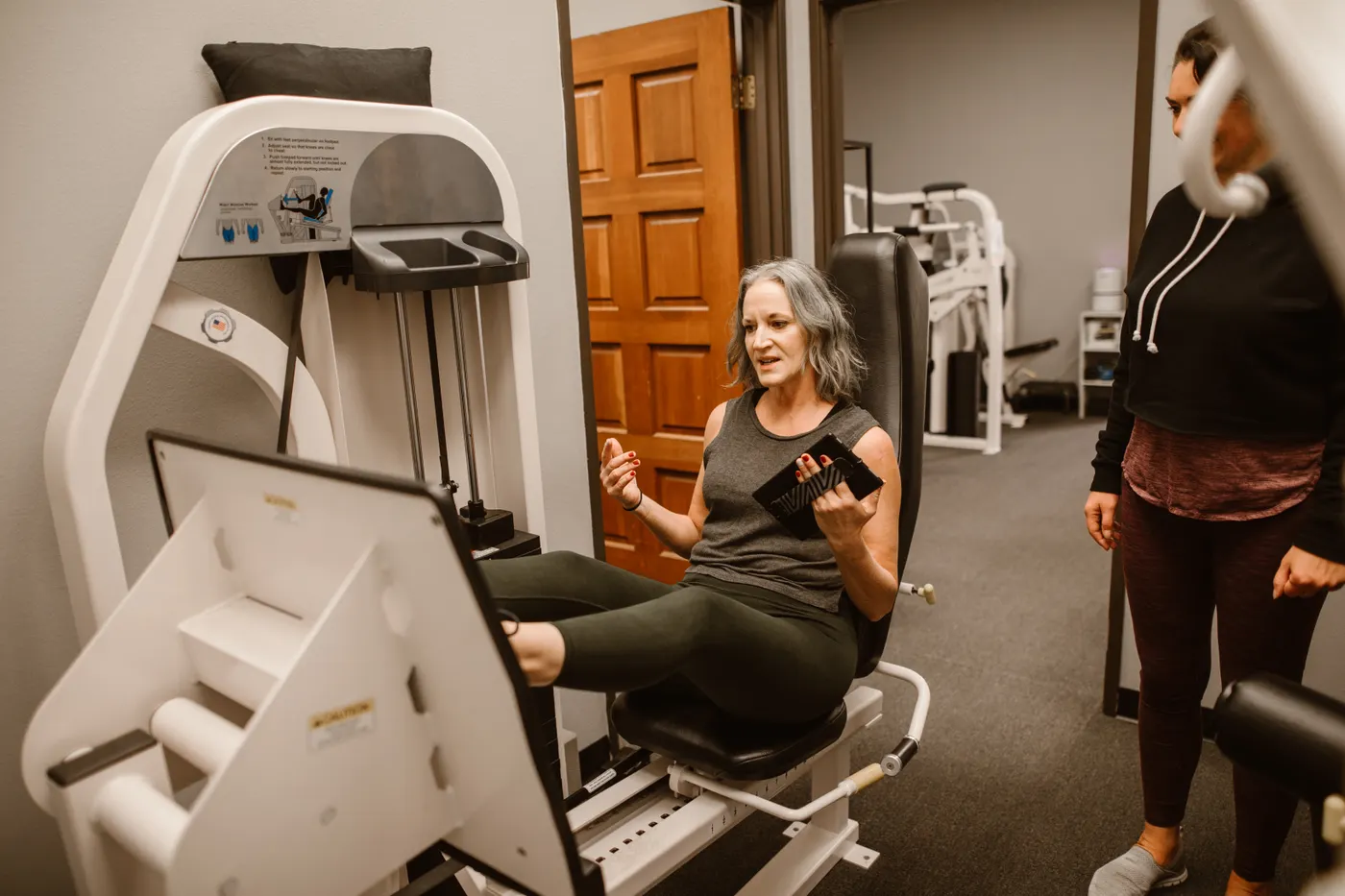
A sensible first session starts with screening, not with tightening a band. A qualified professional checks whether the person has vascular, clotting, cardiovascular or other medical reasons to avoid the method. Next comes an appropriate cuff that can assess the individual’s limb or arterial occlusion pressure. This allows training pressure to be set as a fraction of a measured value rather than guessed from discomfort.
For a lower-body example, a clinician or trained coach might choose a stable knee-extension or leg-press movement, establish a light working load, and use a short series of high-repetition sets. A common research structure is 30 repetitions followed by three sets of 15, with brief rests. Upper-body sessions might use controlled elbow flexion or extension. The actual load, pressure, repetition count and rest strategy must be individualized rather than copied blindly from a study.
Sessions should be relatively brief, and cuff pressure should not remain continuously applied for excessive periods. Numbness, tingling, unusual pain, dizziness, marked discoloration or loss of a normal distal pulse are reasons to stop and release the cuff immediately. More pressure is not a better workout. Neither is pushing every set to absolute failure, especially during the first weeks.
Progression can be conservative: first learn the equipment and tolerance, then build repeatable quality repetitions, and only later consider small adjustments in exercise or training dose. Avoid stacking BFR on top of an already maximal leg session simply to chase a bigger pump. When the purpose is reducing load, the overall program should actually reflect that goal.
For healthy recreational lifters who do not have access to a calibrated system or someone who knows how to use it, conventional light-load training is the safer default. You can still make productive progress with controlled repetitions, sensible proximity to failure and gradual progression without restricting circulation.
Equipment Worth Exploring
Explore equipment, accessories and gear from our carefully selected range.

HUSLA Leg Extension Pad
Pad attachment designed to increase usable range of motion on compatible leg-extension machines.

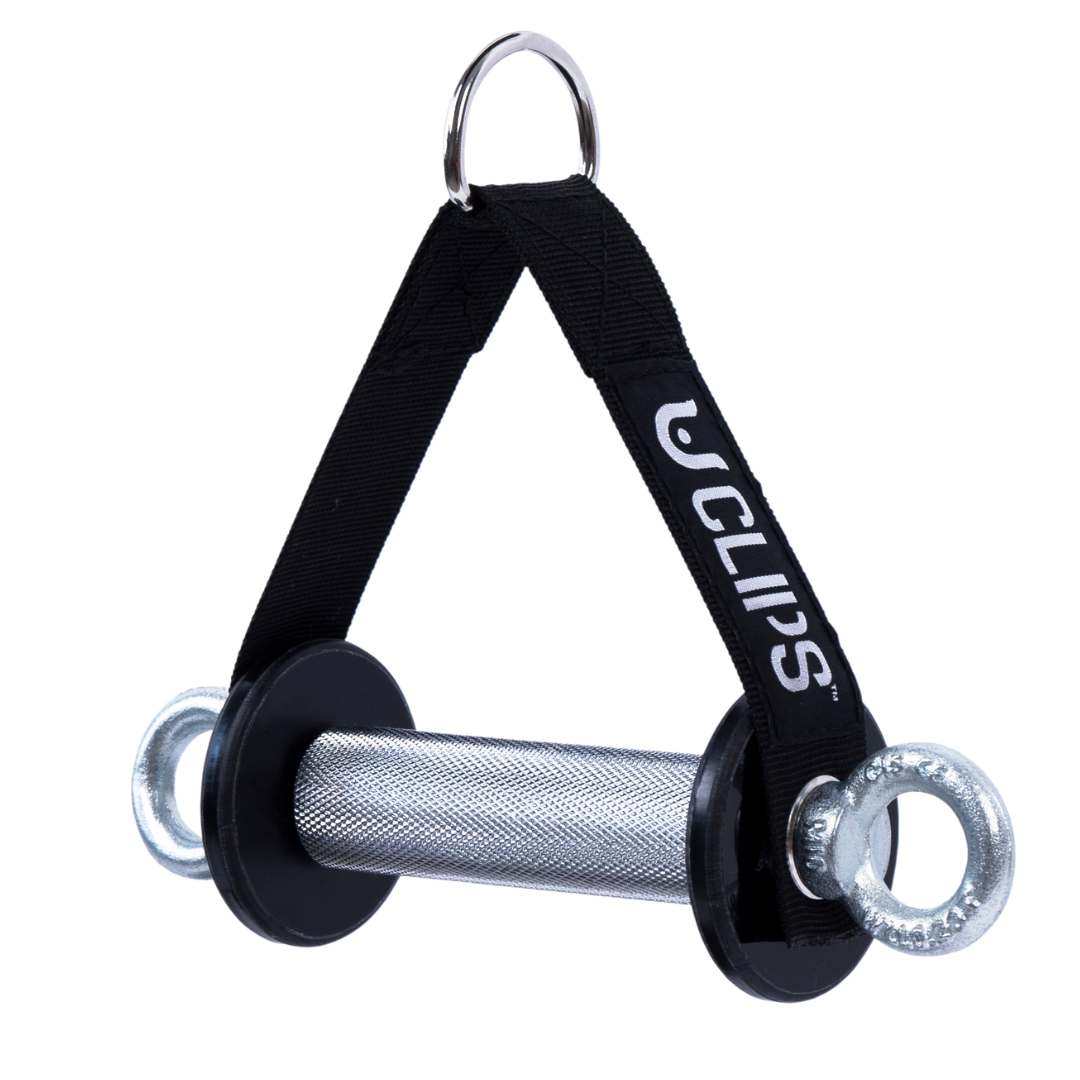
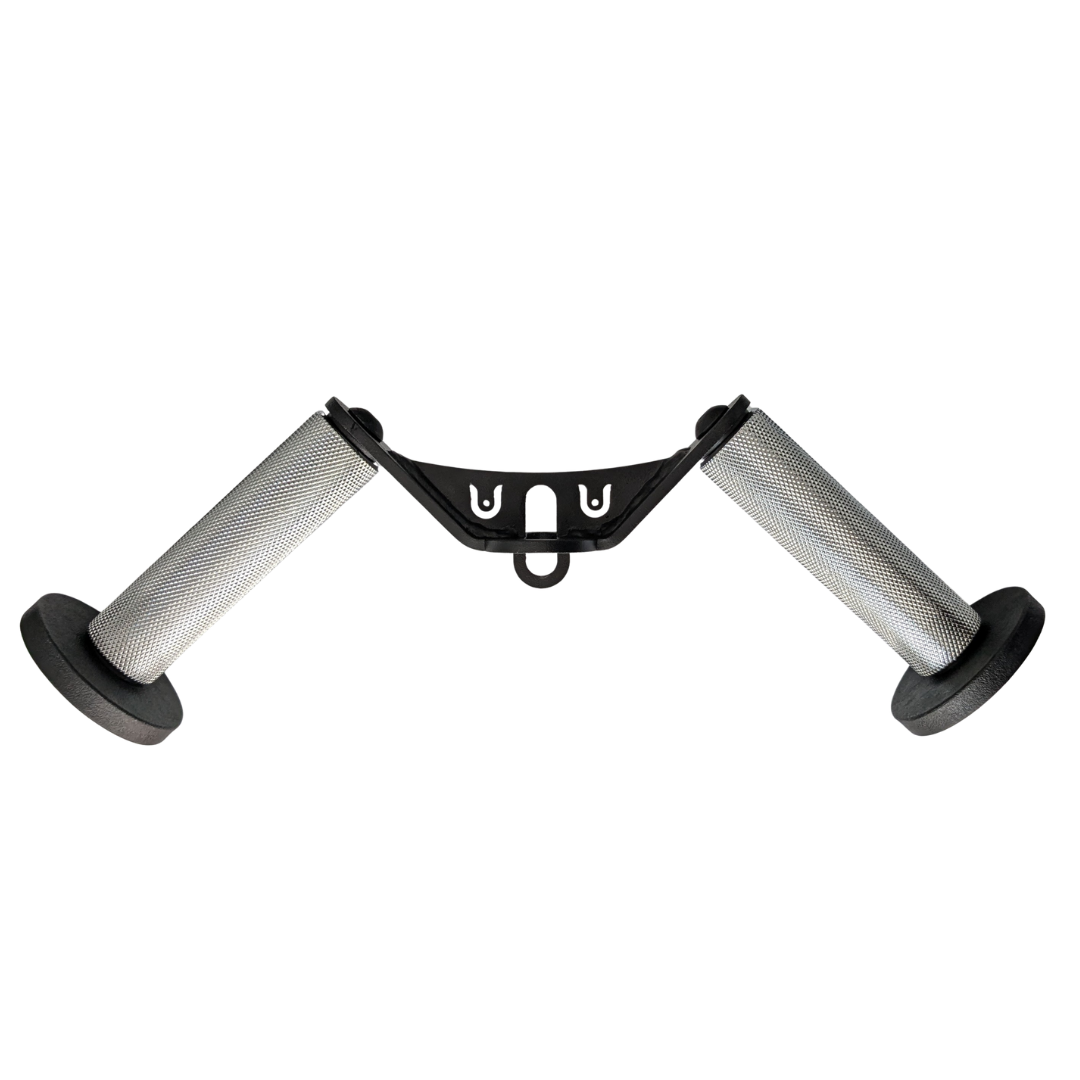
W Grip
Angled cable grip for comfortable rows, pushdowns, and curls.

FID Bench MAX
Adjustable bench offering flat, incline, and decline positions + adjustable headrest.


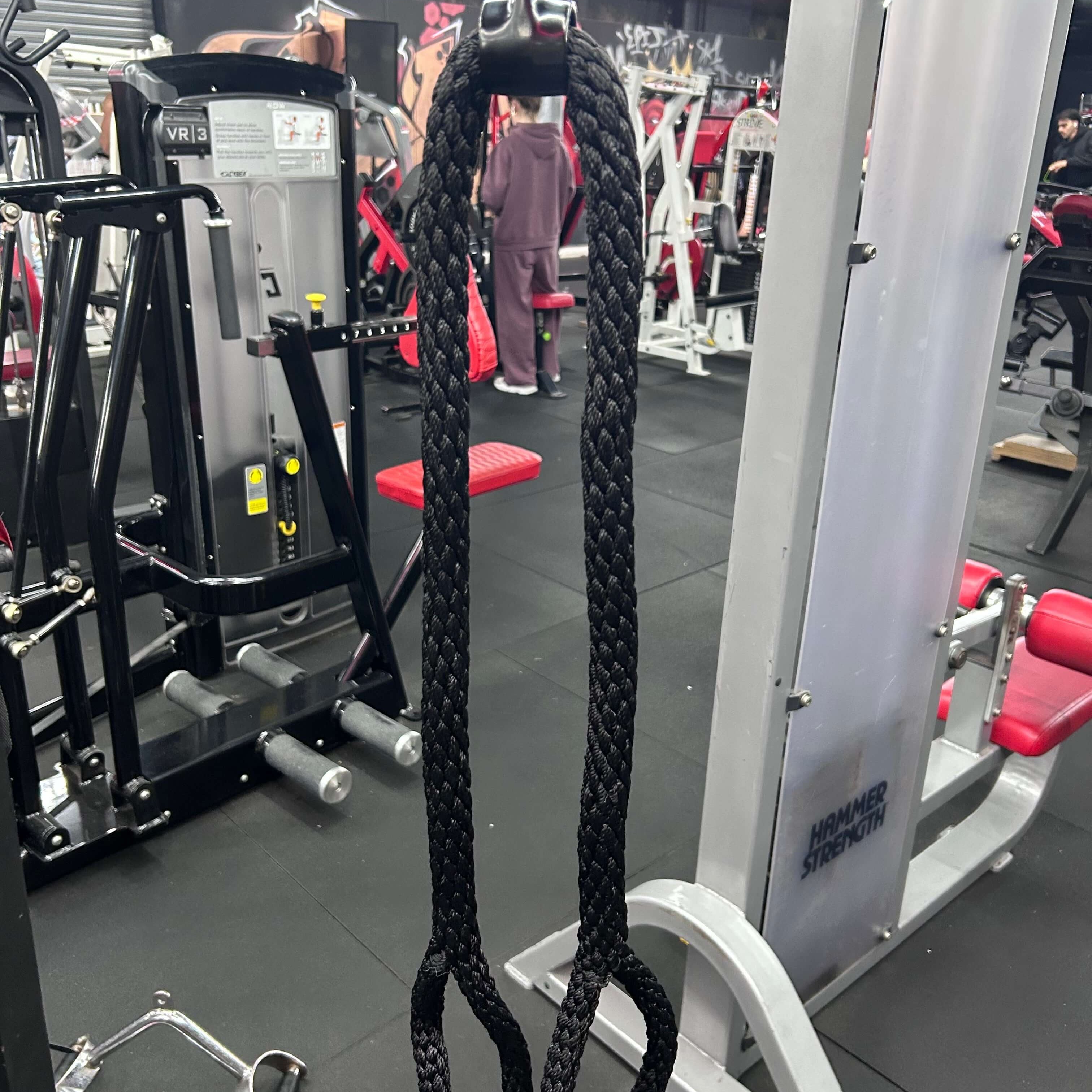
Super Long Tricep Rope
Extra-long looped cable rope for triceps pressdowns and overhead extensions.
Where it fits for athletes, rehabilitation and busy weeks
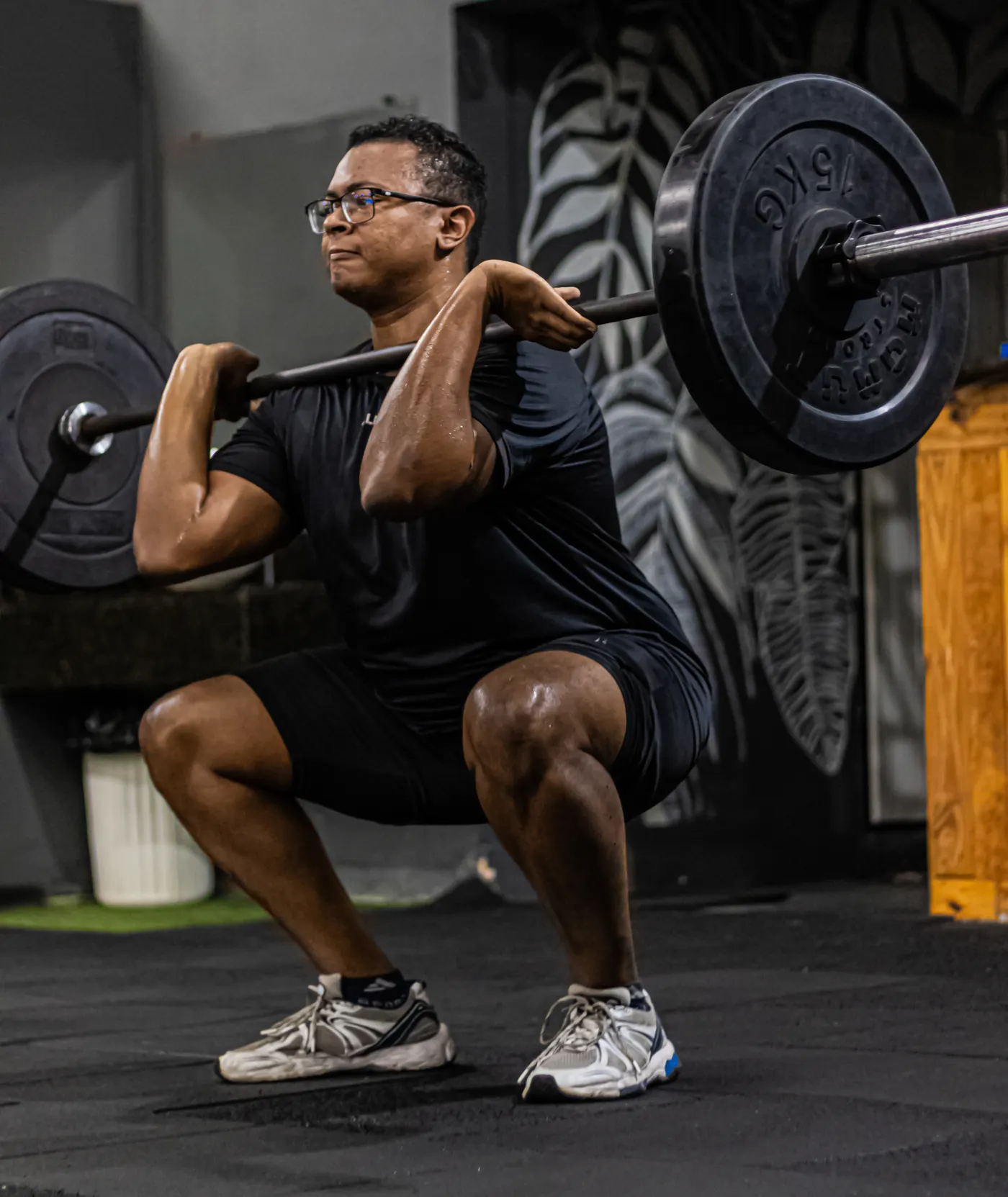
Team-sport athletes juggle lifting with running, jumping, practice, travel and competition. Their challenge is not merely creating enough muscle stimulus; it is doing so while preserving the capacity to perform on the field. A small amount of carefully programmed low-load BFR may be useful during a period when heavy lower-body work would add too much mechanical stress, but the 2026 pooled results do not justify expecting faster sprints or higher jumps from cuffs alone.
During an off-season muscle-building phase, BFR can be treated as an accessory rather than the centerpiece. During a crowded in-season week, it may help maintain some training exposure when high loads are less desirable. Neither application has a universal recipe. Coaches still need to account for match minutes, soreness, individual injury history and whether the added session actually improves the weekly balance of stress and recovery.
Rehabilitation is another context in which low-load exercise can be valuable. A large review of randomized trials in people with musculoskeletal conditions examined strength, pain and disability outcomes across low-load BFR, ordinary low-load exercise and higher-load exercise. These populations and treatment goals differ from those of healthy team-sport athletes. It is not appropriate to transfer a sports-performance protocol straight into post-operative rehabilitation without clinical oversight.
For the ordinary gym-goer, the decision can be even simpler. If you are making steady progress, have healthy joints and recover well, there is no obligation to add cuffs. If heavy loading is temporarily impractical, ask whether a supervised BFR option provides a better path than skipping resistance work entirely. The answer depends on the reason for the restriction, not on how fashionable the technique has become.
Finally, keep the hierarchy of training adaptations clear. If you want to sprint faster, sprint. If you want to jump higher, train explosive skills. If you want bigger muscles while minimizing external load, BFR may have a specific role. One tool cannot replace every quality that a complete program needs.
Funny Gym Shirts & Workout Gear
Funny gym shirts, tanks, hoodies and workout gear for lifters who like training hard.

Muscle Mommy Pink Kettlebell Gym Design for Women & Str T-Shirt
For laid-back days and gym-girl humor: “Muscle Mommy”.


Right to Bare Arms Patriotic Abraham Lincoln Muscle Shi Tank Top
Bring “Right to Bare Arms Patriotic” humor to your next lifting session.


P.U.M.P. 50 Cent Tee
Make gym days more fun with “P.U.M.P. Get Ripped Or Die Tryin'” style.

Muscle Mommy Pink Barbell Plate Pullover for Women Who Hoodie
Keep it laid-back with a little “Muscle Mommy” attitude.

Muscle Daddy Pink Barbell Plate Pullover for Men Who Li Hoodie
Keep it laid-back with a little “Muscle Daddy” attitude.

Pumpeye Forearm Gains & Grip Strength Popeye Meme Hoodie
Keep it laid-back with a little “Pumpeye” attitude.

You Can’t Always Lift What You Want Rolling Stones — Ro Sticker
Put “You Can’t Always Lift What You Want Rolling” gym humor on your laptop, bottle, or gym gear.

Safety, evidence gaps and the practical verdict
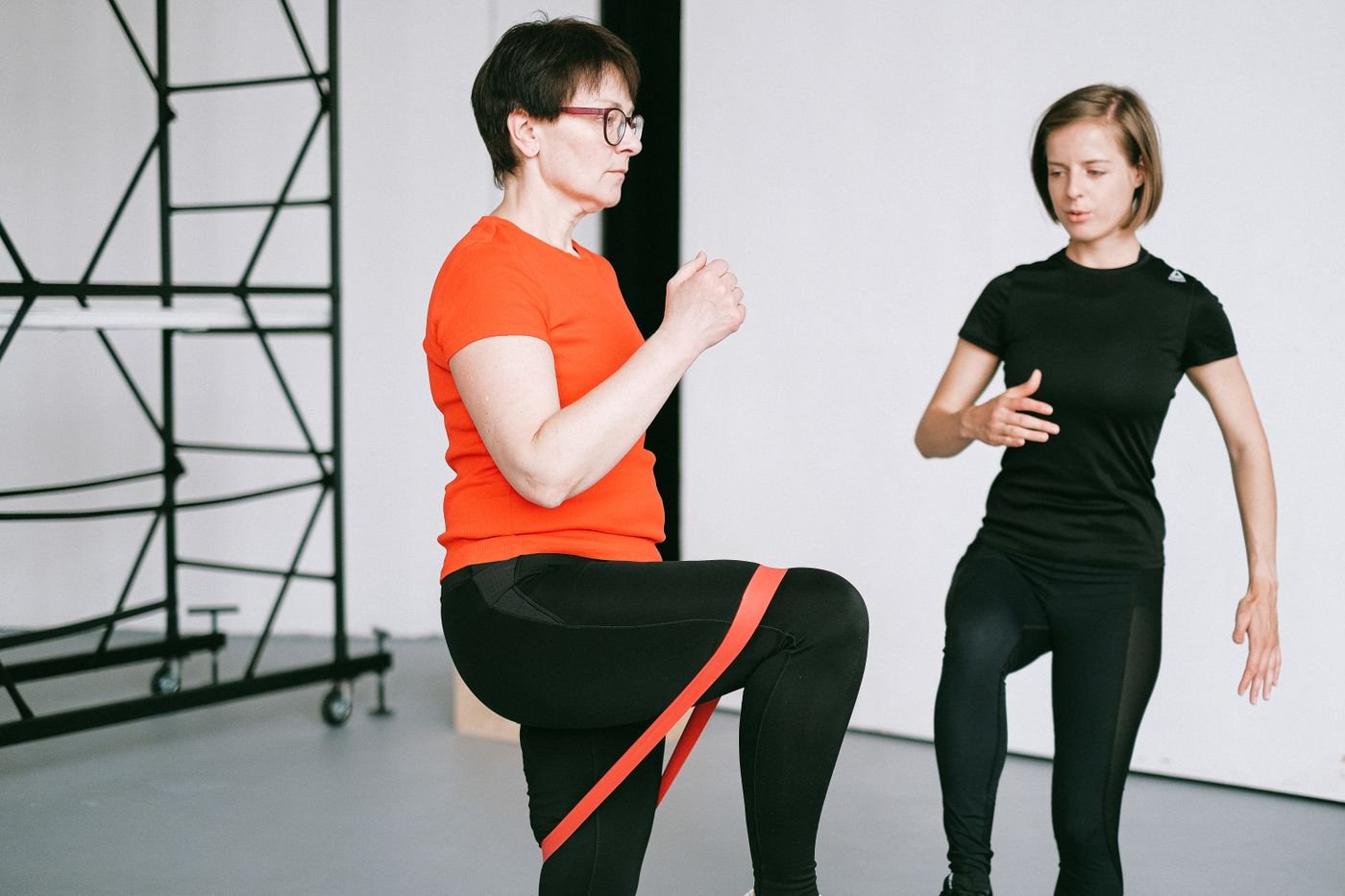
Blood-flow restriction is not just another accessory attachment. It intentionally changes circulation in a working limb. Healthy people can often tolerate properly prescribed BFR, but the potential risks include excessive pressure, cardiovascular strain, severe muscle damage and concerns related to clotting or vascular disease. People with a history of blood clots, significant cardiovascular or peripheral vascular conditions, uncontrolled blood pressure, pregnancy-related concerns or recent surgery need individualized medical screening rather than internet pressure instructions.
Research has not demonstrated that correctly applied BFR routinely causes clots, but absence of a clear signal in existing studies is not a guarantee of zero risk for every population. Studies often exclude higher-risk individuals and are not always large enough to detect rare adverse events. Early sessions should avoid extreme volume, prolonged restriction and repeated all-out efforts.
There are also unanswered performance questions. Studies use different cuff widths, pressures, exercises and training schedules. Muscle circumference is not the same measurement as muscle volume, and short trials cannot establish what happens after a year of training. The team-sport analysis showed promising average muscle and strength effects, but no convincing improvement in explosive outcomes. Future longer and better-standardized trials may refine where the method is most worthwhile.
The practical verdict: BFR is a potentially useful supplement to resistance training, especially when ordinary heavy loads are not practical. It is not proven superior to a sound heavy-training program for most healthy lifters, and it is not a shortcut to sprint or jump performance. Treat it as a specialist tool, use calibrated equipment with knowledgeable supervision, and judge its value by measurable progress and the overall training plan—not by how intense the cuff makes a light set feel.
If the goal is simply to build muscle and you can train comfortably, a consistent program of progressive resistance, enough weekly work and adequate recovery remains the straightforward starting point. The best tool is the one that helps you train productively and safely for months, not the one that creates the most dramatic sensation in ten minutes.