Advertising disclosure: This page includes affiliate product links that may earn us a commission, as well as products from our own store.
Planks have a place in strength training, but they do not cover every job your midsection performs. A well-trained core needs to resist twisting, manage load, coordinate breathing and keep the trunk steady while the limbs move. For a lifter, that could mean staying balanced under a squat, carrying a heavy dumbbell without leaning or pressing a cable handle without the body rotating toward the stack.
Recent reviews of balance and athletic performance add useful perspective: trunk training helps, yet transfer depends on what you train and how well it fits the actual task. Here is a practical way to build beyond planks using bracing drills, anti-rotation work and loaded carries, plus a four-week introductory plan.
Your core is more than a six-pack
Think of the core as a working relationship between the ribs, pelvis and hips rather than a single muscle to be burned out. The rectus abdominis helps flex the trunk, the obliques resist and produce rotation, deep abdominal muscles contribute to pressure management, and the spinal extensors help control bending. The diaphragm, pelvic floor and glutes participate too. That is why an athlete can have visible abdominal definition and still struggle to hold a stable position under an awkward load.
Two useful abilities coexist: creating movement when the exercise calls for it and resisting unwanted movement while arms and legs perform another task. A controlled cable crunch trains trunk flexion. A side plank challenges the tendency to bend sideways. A one-arm suitcase carry asks the torso to remain tall while the weight tries to tip it. All can be productive; none replaces the others automatically.
For a home-gym lifter, this changes exercise selection. Stop judging every core session by how long you can hold a plank or how sore your stomach feels afterward. Ask whether the session improves your ability to control rib position, breathe under manageable tension, and move through the hips without the lower back making every adjustment. These are trainable tasks, not promises that all back discomfort will disappear.
The simplest starting assessment is observational. Can you perform a slow bird dog without spinning the pelvis? Can you walk with one light dumbbell while keeping the shoulders approximately level? Can you finish a challenging squat rep without suddenly losing your trunk position? These are useful practice questions, not diagnoses or standardized medical tests.
What core-training research can and cannot promise
Core training does appear to help balance and selected athletic tasks, but the pattern is more complicated than “do more planks and everything improves.” Pooled research in athletic groups has found improvements in balance and some throwing, hitting and jumping outcomes. Importantly, the results vary by task, training duration and whether the program combines trunk work with lower-body, upper-body or plyometric practice. You cannot turn an average research effect into a guaranteed improvement in your next squat personal record.
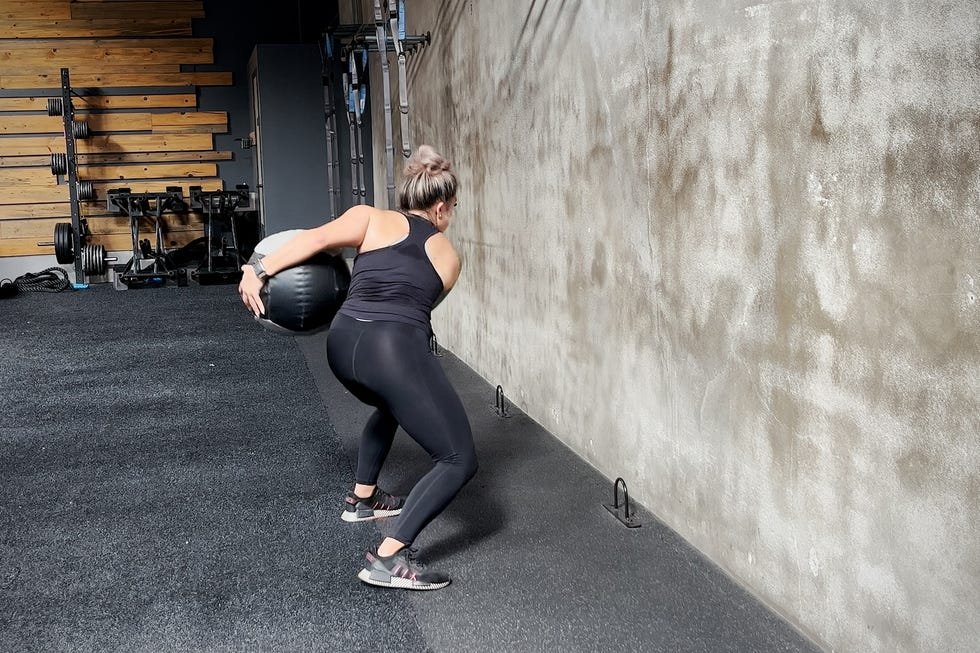
The most helpful lesson is specificity plus integration. If you want to hold a stable trunk while changing direction, your training needs some changing-direction practice. If you want to transfer force during a throw, medicine-ball drills and actual throwing technique matter in addition to floor-based work. For squat and deadlift performance, sensible loading, technique and progressive strength practice remain central. Trunk drills support that training rather than replace it.
A second nuance concerns time. Multiweek programs commonly study six weeks or longer, often with at least two training exposures each week. A four-week plan is therefore a practical beginning for skill and tolerance, not a promise to reproduce the full effects of longer athletic trials. Record consistent execution in the first month, then continue progressing if movement quality and recovery justify it.
There is also a gap between muscle activation and outcomes. An exercise that produces a strong abdominal electrical signal is not automatically the best injury-prevention strategy, nor does a weak-looking signal prove that the movement is useless. Choose drills for their challenge, controllable technique and fit with your sport or lifting goal. That is a more defensible approach than ranking exercises from one isolated measurement or a dramatic social-media demonstration.

Equipment Worth Exploring
Explore equipment, accessories and gear from our carefully selected range.
VOLTRA
Compact digital cable trainer with smooth, adjustable resistance.

Go-Tone Pro
Portable digital cable trainer with up to 66 lb (30 kg) of adjustable resistance.

VForce Wall Trainer
Space-saving wall-mounted functional trainer with pivoting cable arms and variable resistance ratios.

VForce Lat Tower
Wall-mounted cable tower with pivot arms and adjustable 1:1 or 2:1 pulley ratios.

VForce 2IN1
Half rack and pivot-arm functional trainer with switchable 1:1 and 2:1 pulley ratios.

Multi Pull Smith Rack MPHR-780
All-in-one rack with a Smith machine, functional trainer, lat pulldown and low row.

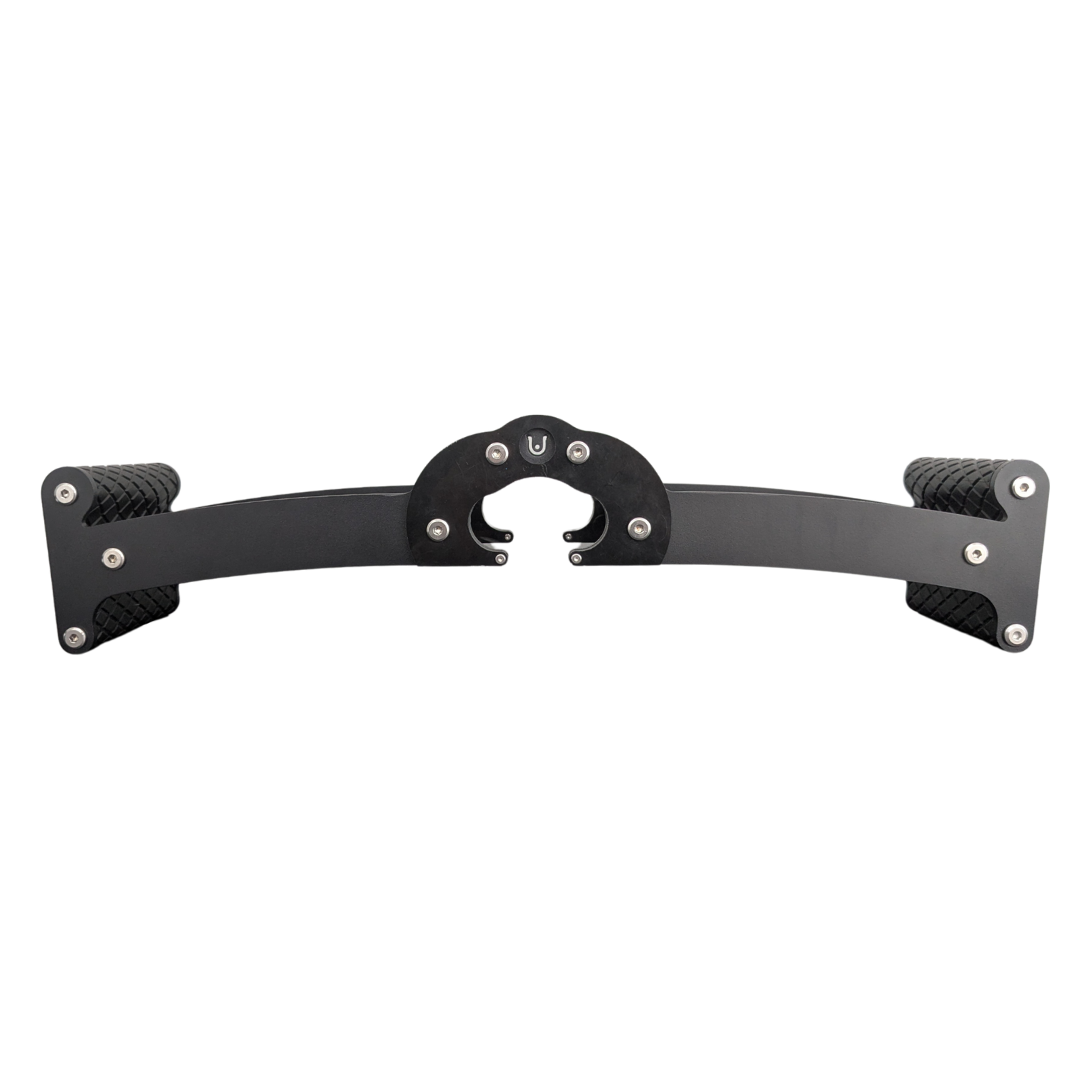
Back Bar
Multi-grip cable and landmine bar with a built-in deadlift jack.

Brace for the lift, breathe for the work
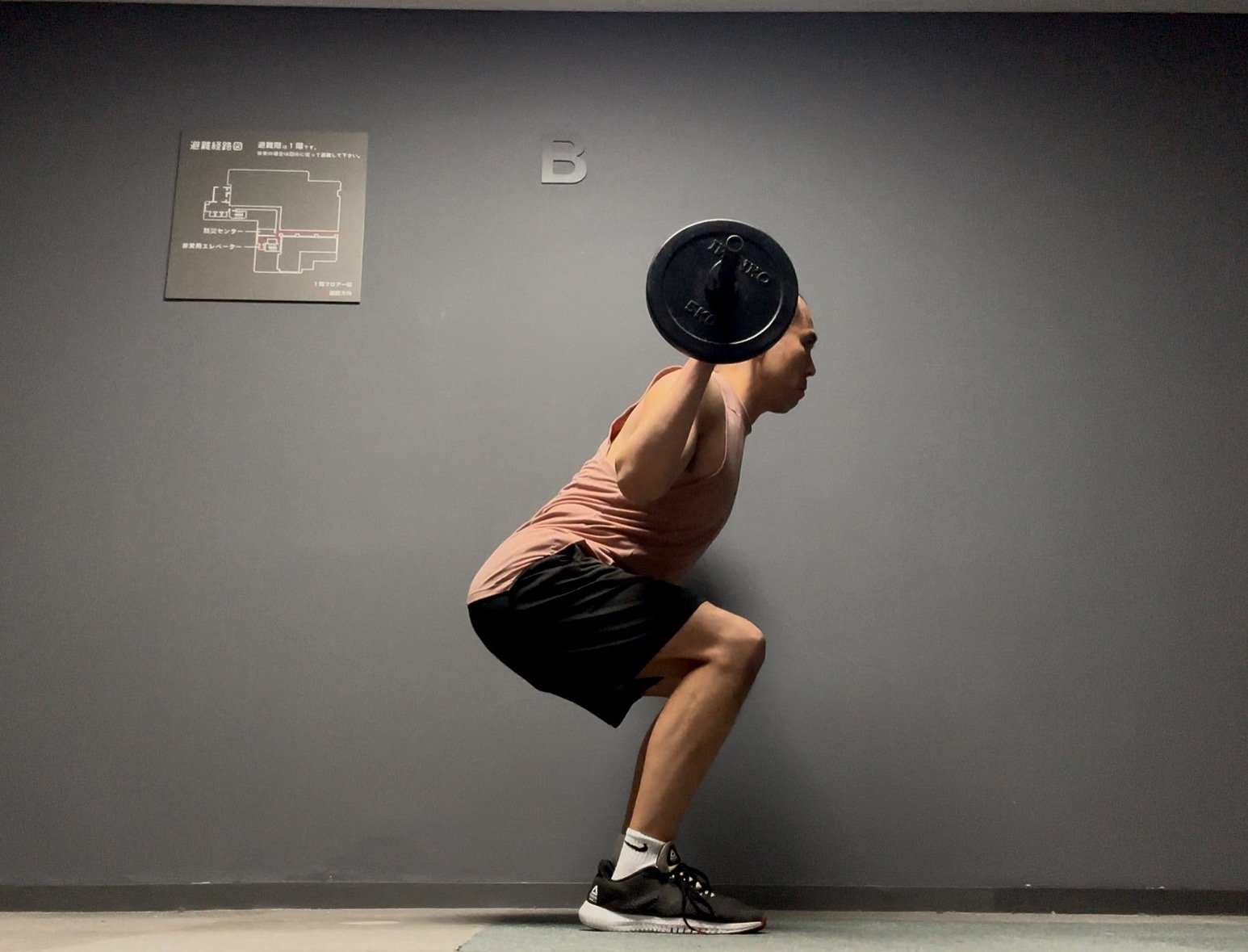
On a heavy squat, a relatively stiff torso gives the hips and legs a stable base. That usually involves inhaling into the trunk, expanding against your abdominal wall and belt if worn, then bracing for the demanding portion of the rep. Think of creating pressure around the entire midsection rather than pushing only the belly forward or sucking the stomach in. Keep the ribs roughly stacked over the pelvis instead of exaggerating a rigid arch.
But a hard brace is a temporary strategy, not a way to walk around all day. Between repetitions and sets, breathe. For moderate loads and controlled accessory exercises, exhaling through effort while maintaining enough trunk tension may be more practical than holding your breath. During loaded carries, use small, controlled breaths and maintain posture rather than treating the entire walk as one long breath-hold competition.
Breath-holding under heavy strain can produce large short-term blood-pressure responses. If you have cardiovascular concerns, pregnancy-related restrictions, pelvic-floor symptoms or a medical reason to avoid straining, use lighter loads and discuss appropriate breathing with a qualified clinician. No article can prescribe one bracing pattern for everyone. The goal is task-appropriate stability, not maximal pressure for every crunch or stretch.
Practice with an unloaded hip hinge: place a hand on your lower ribs and another on your abdomen, breathe in without shrugging, lightly tense around the waist, then hinge at the hips while the trunk stays controlled. Repeat for a few reps without dizziness or pushing to exhaustion. The drill teaches timing before you apply the same idea to a loaded barbell. When movement becomes automatic, you can focus on the lift instead of turning every breath into a complicated ritual.

Powerlifting Shirts & Lifting Gear
Powerlifting shirts and gym gear for squat, bench and deadlift lifters who live for heavy numbers.

Heavy Barbell – Meme Shirt & Top T-Shirt
Make gym days more fun with “Heavy Barbell Powerlifting Graphic” style.

Shirt – I'M Strong Barbell Heartbeat , Gymbro , & T-Shirt
Bring “I'm Strong Barbell Heartbeat” humor to your next gym day.

Motivation – Barbell Meme Strong , Leg Day Squats & T-Shirt
Make gym days more fun with “Gym Motivation” style.

2 Plates Deadlift Club Motivational T-Shirt
Heavy lifts, good laughs, and a little “2 Plates Deadlift Club” energy.

Praise The Deadlift Holy Lifting Meme , & T-Shirt
Show some deadlift attitude with a playful “Praise The Deadlift” tee.


Squat Bench Deadlift Read Shirt Literary Bookworm Top T-Shirt
Bring “Squat Bench Deadlift Read” humor to your next gym day.

Deadlift And Chill Shirt Netflix & Gains Meme Top T-Shirt
Bring “Deadlift and Chill” humor to your next gym day.

Gymrat Mousetrap | Rat Workout | Caught In The Gains Pu Hoodie
Bring “Gymrat Mousetrap” gym humor to lazy days and post-workout plans.

Grim Reaper Deadlift Skeleton Bros & Leg Day Tank Top
Your gym-day look, with a playful “Grim Reaper Deadlift” twist.
Build anti-extension and anti-rotation control
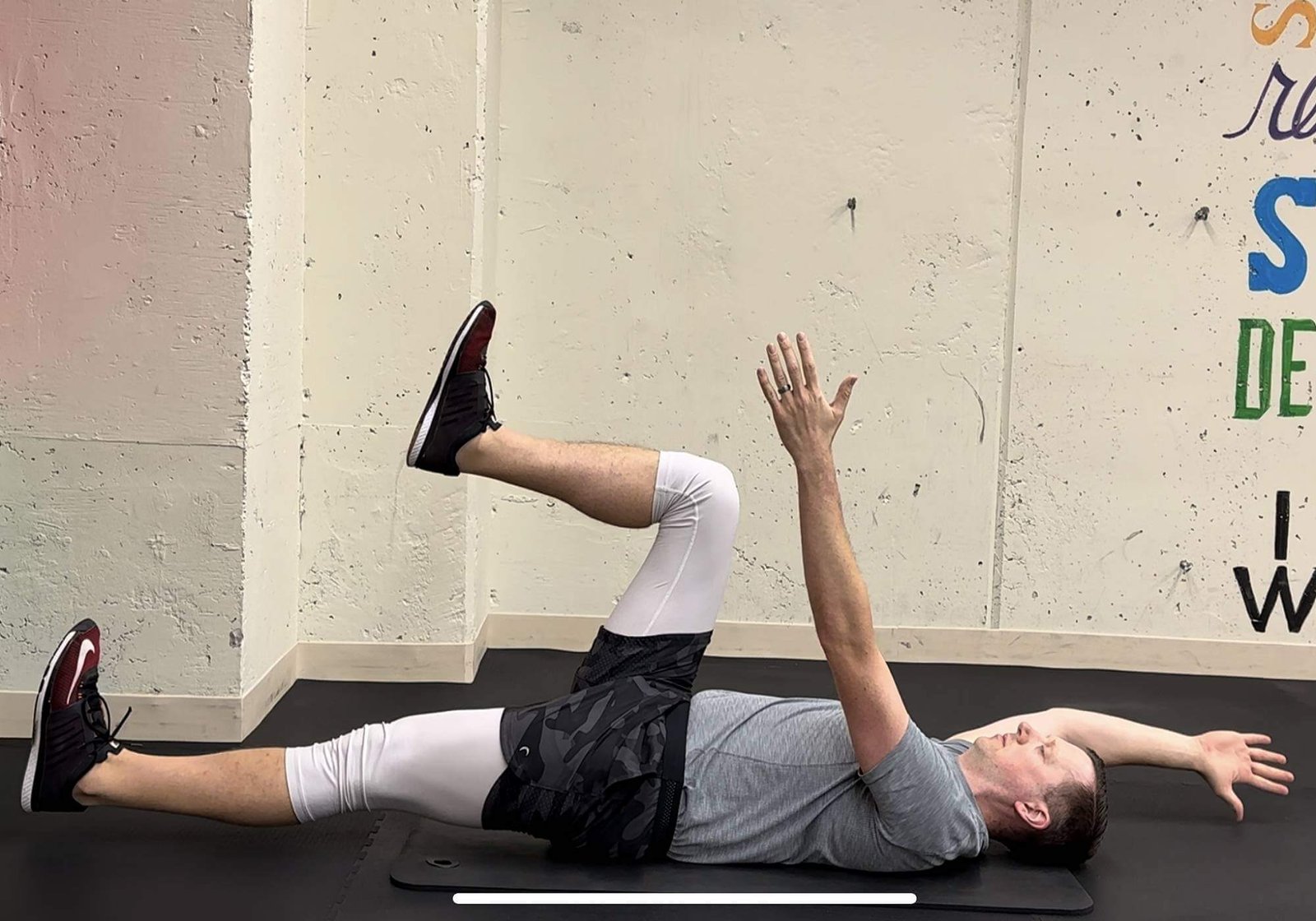
Two movement families deserve a place in most simple core plans. Anti-extension exercises teach you to resist the lower back arching excessively as the arms or legs move. A dead bug is the approachable example: lie on your back with hips and knees bent, reach the arms upward, then slowly lower the opposite arm and leg while maintaining comfortable pelvic control. Shorten the reach if the torso starts changing position. Six excellent reps beat fifteen hurried ones.
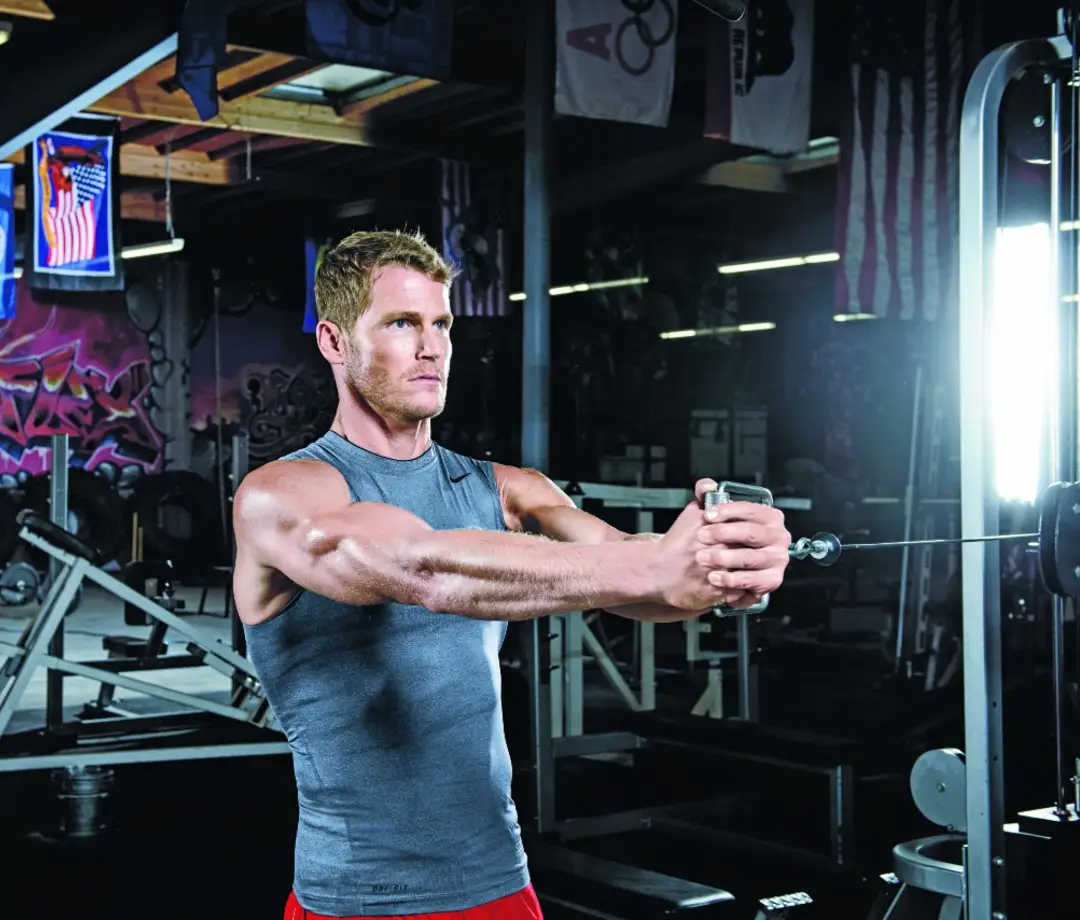
Anti-rotation drills challenge your ability to keep the shoulders and pelvis aligned against an uneven pull. With a cable or anchored band set around chest height, stand sideways to the anchor, hold the handle near your sternum, and press it straight ahead without letting the torso turn. This is the Pallof press. Start with surprisingly light resistance, pause briefly at extension, breathe and return under control. If you have to lean or twist to survive, the load is too high for today’s purpose.
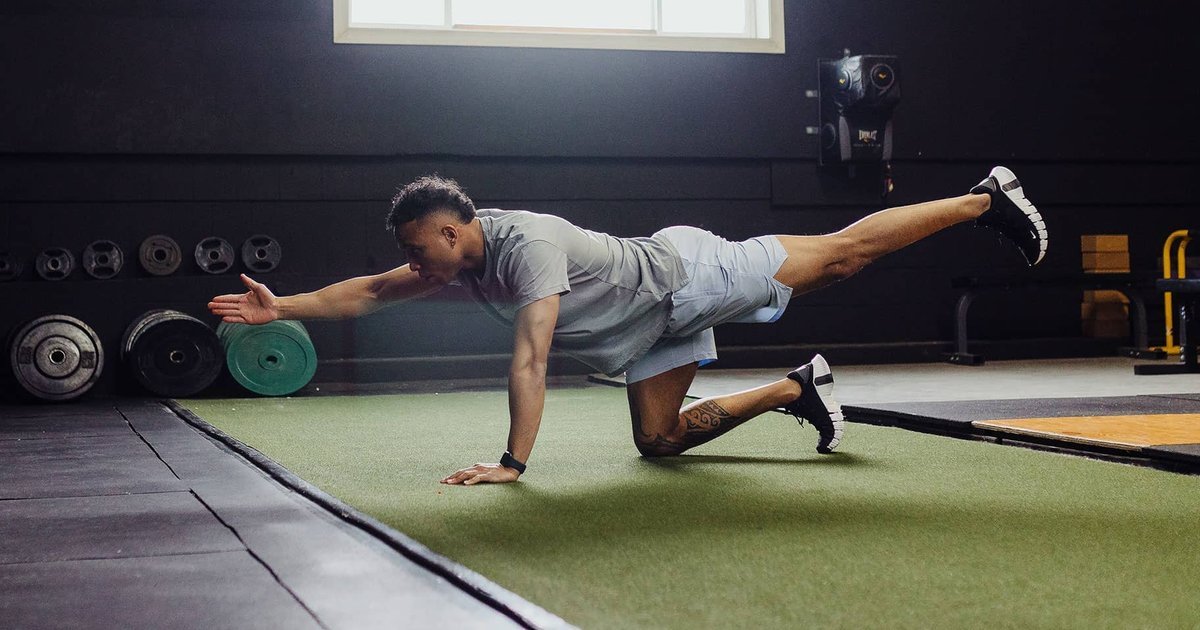
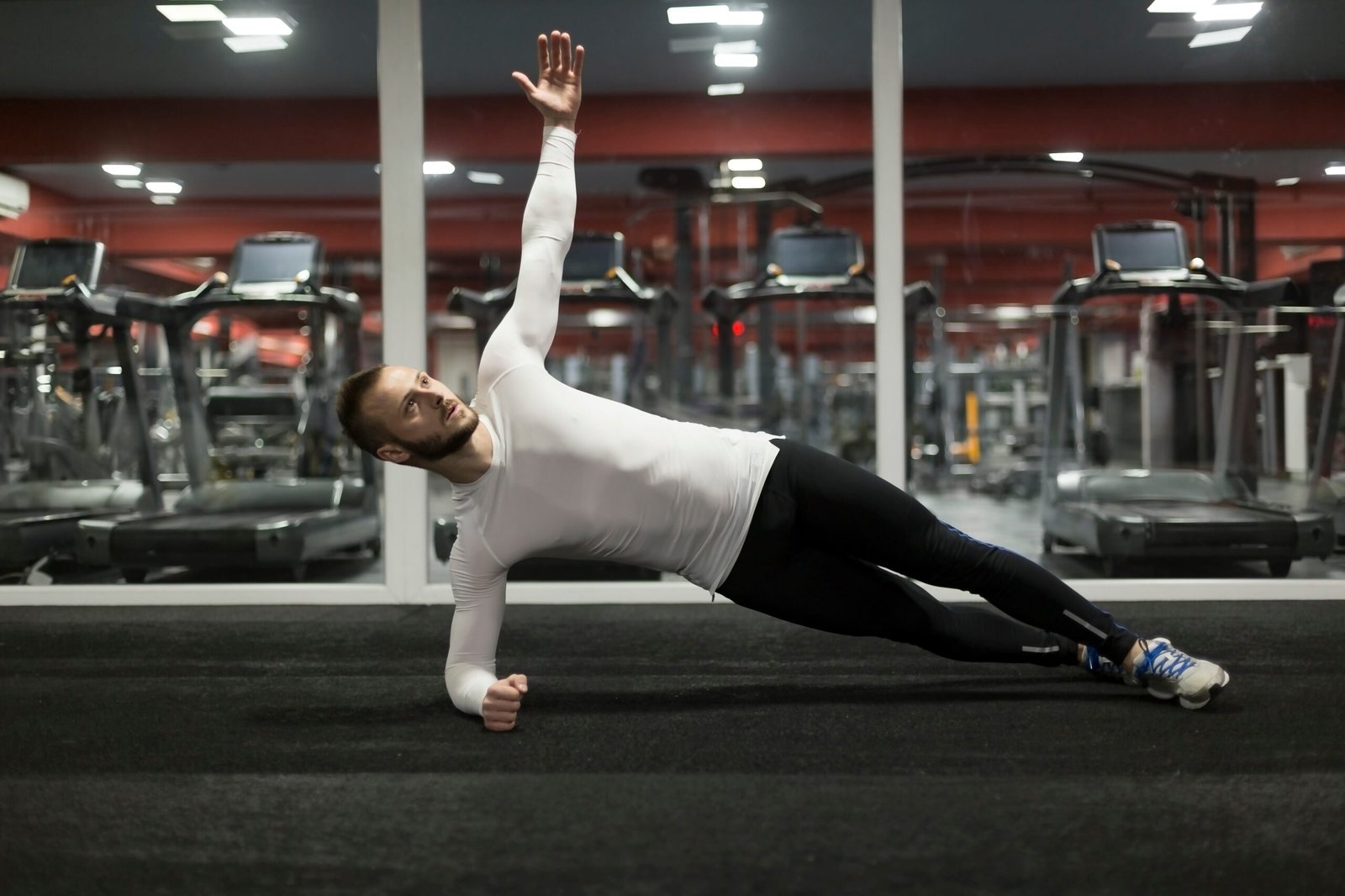
For anti-side-bending, use a side plank with knees bent or legs straight depending on your ability. Stack the shoulders and hips, and stop before the waist collapses. A bird dog adds contralateral control: extend opposite arm and leg from a hands-and-knees position without hiking one hip or rotating the chest. A short pause creates more useful feedback than exaggerated kicking or lifting the leg high.
These drills train overlapping functions, so they do not all need maximal sets every session. Choose one floor pattern and one standing resistance pattern, then progress from easier leverage to longer reaches or slightly more load. If a repetition becomes less controlled, change the difficulty rather than merely chasing a longer timer. Trunk control should make the following workout better, not steal all the energy from it.
Equipment Worth Exploring
Explore equipment, accessories and gear from our carefully selected range.


Open Hex Bar
Open-frame trap bar with multiple handles for deadlifts, carries, and lower-body training.


Cast Iron Kettlebells
Textured cast-iron kettlebells for swings, squats, carries, and full-body training.


Rubber Hex Dumbbells
Rubber-coated hex dumbbell pairs with a stable shape for home and commercial strength training.


Foldable Wall Rack
Wall-mounted folding squat rack designed to save floor space between workouts.
Carries and compound lifts bridge the gap
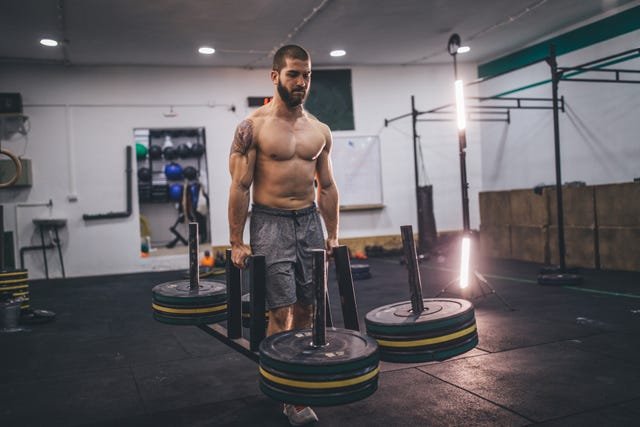
A farmer’s carry turns trunk control into a moving task. Hold comparable weights at your sides, stand tall, and walk at a deliberate pace without shrugging or banging the dumbbells against your thighs. The suitcase variation uses one weight, increasing the challenge of resisting lateral bending. The weight does not need to be extreme: the goal is to keep a reasonably level shoulder line while walking and breathing normally enough to retain control.
Try two or three walks of roughly 20–40 seconds per side at a load that allows clean, uninterrupted steps. Clear the floor of obstacles and turn slowly. Start with bilateral carries if one-sided loading causes excessive leaning. Dumbbells work; so can kettlebells, appropriate carry handles or an open trap bar for bilateral work. You do not need a specialized strongman apparatus to understand the principle.
Compound lifts provide another important piece. Squats, deadlifts, rows and standing presses already challenge the torso while other joints produce motion. That does not make direct core work obsolete, but it argues against treating “core day” as separate from strength training. A lifter who practices a controlled heavy hinge, light Pallof presses, and carries is exposing the trunk to different demands than someone who only extends plank time every week.
Match the tools to the task. A cable trainer or resistance band is useful for Pallof presses and chops; an adjustable dumbbell or kettlebell supports carries; a stable bench can help with some controlled drills; an appropriate rack and barbell handle heavier integrated lifting. Buying everything is unnecessary. Prioritize equipment you already have and practical range of motion, especially in a compact training area.
Functional Fitness Shirts & Workout Gear
Functional-fitness shirts, tanks and workout gear for athletes who train strength, conditioning and everything in between.


Viva La Resistance Bands , Meme Shirt, Top T-Shirt
Make gym days more fun with “Viva La Resistance Bands” style.

Live Love Lift – Gymbro Meme & Gains – Shirt T-Shirt
Rep “Live Love Lift” humor in and out of the gym.

OnlyGains Kettlebell Meme Sweater Meme T-Shirt
Keep things casual with a little “OnlyGains” attitude.


Break The Stereotype Gym | Feminist Muscle Shirt For St Tank Top
Add some lifting attitude to training with “Break The Stereotype”.

Kettlebell Skull Tee
Heavy lifts, good laughs, and a little “Kettlebell Skull Gym Meme” energy.


Poisoned Apple Kettlebell : Enchanted Fairy Tale T-Shirt
Show some Halloween attitude with a playful “Poisoned Apple Kettlebell” tee.

Atlas Kettlebell Earth Meme Greek God Top T-Shirt
Make gym days more fun with “Atlas Kettlebell Earth Lifter” style.
A four-week core-strength plan that fits real training
Use the following as an entry-level four-week block alongside your normal lifting. Train two or three days per week, separated by at least a day if soreness or fatigue affects movement quality. Keep the core work to roughly ten to fifteen minutes after the main lifts, unless there is a reason to practice a light bracing drill before heavy sets. Begin with technique and modest resistance, not a maximal abdominal burn.
| Week | Floor control | Standing control | Carry |
|---|---|---|---|
| 1 | Dead bug 2 × 6 per side | Pallof press 2 × 8 per side | Farmer’s carry 2 × 20 sec |
| 2 | Bird dog 2 × 6 per side, 2-sec pause | Pallof press 2 × 10 per side | Suitcase carry 2 × 20 sec per side |
| 3 | Dead bug 3 × 6 per side, slower reach | Pallof press 3 × 8 per side, slightly harder | Suitcase carry 3 × 25 sec per side |
| 4 | Side plank 2 × 20–30 sec per side | Pallof press 3 × 10 per side | Farmer’s or suitcase carry 3 × 30 sec |
Numbers are starting suggestions, not scientifically proven optimum doses. A less-trained person may need fewer repetitions or shorter holds; a stronger athlete may be ready for longer lever arms and larger loads. Rest until you can repeat the set well, generally about 30–90 seconds for light drills and more after demanding carries. Keep two or three controlled repetitions in reserve rather than deliberately reaching form failure.
Track one observable quality for each exercise: whether the hips rotate during bird dogs, whether the cable twists the shoulders during Pallof presses, or whether you lean during the last steps of a carry. Progress only one variable at a time. Adding a heavier dumbbell and more walking time simultaneously makes it hard to interpret why the final set deteriorates.
At the end of week four, repeat the first week’s easy variations. Are the same loads smoother, with less wobble or less concentration required? If yes, build another four-to-six-week block. Add heavier carries, a challenging anti-rotation lever, or sport-specific movement without discarding your regular strength program. If symptoms such as sharp pain, persistent numbness or unusual pressure appear, stop the provoking drill and seek individual guidance. Better core training should give your lifting more options, not an endless list of compulsory abdominal exercises.