Advertising disclosure: This page includes affiliate product links that may earn us a commission, as well as products from our own store.
Lee Priest built a reputation on arms that looked almost unreal beside his compact frame. But one of the most useful lessons from his training is less glamorous than a huge curl: decide when a muscle gets tired, not just how much work it performs. An arm session that feels productive on Monday may leave Tuesday’s rows or presses unusually weak.
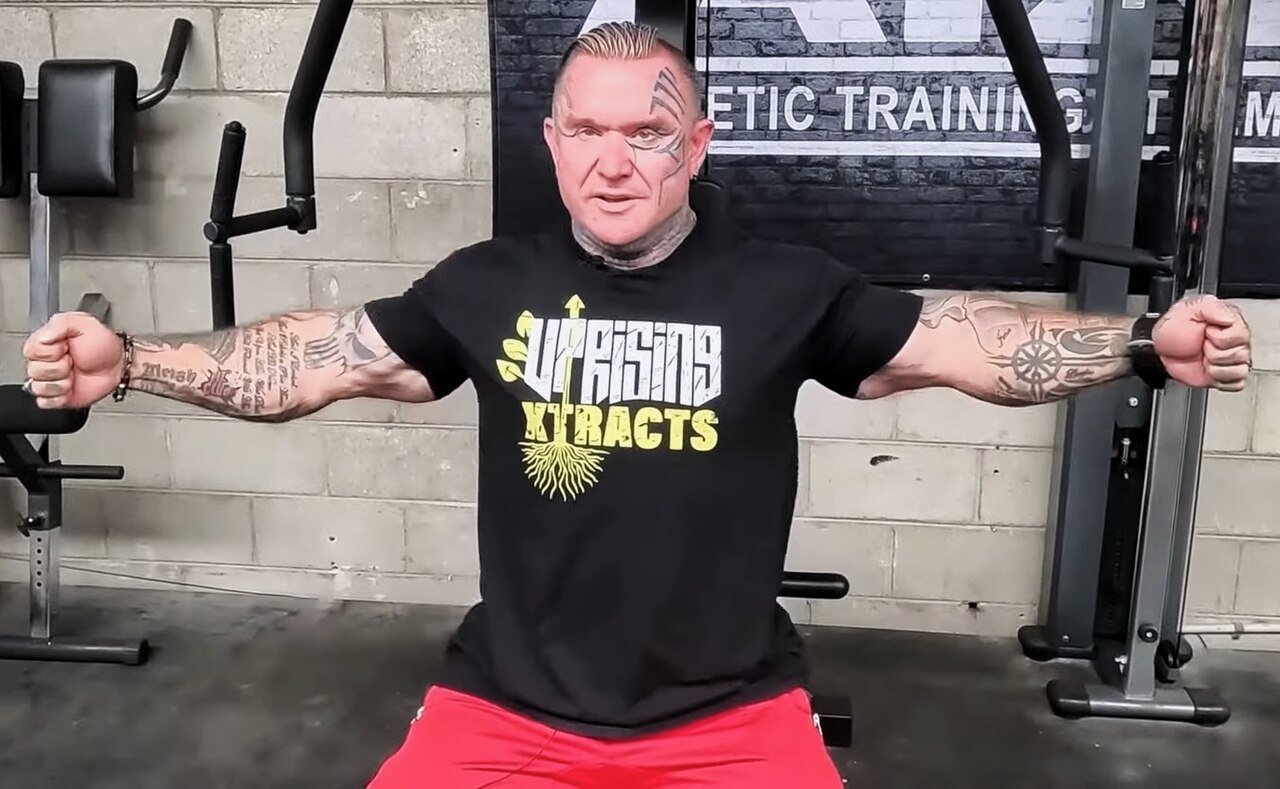
In a first-hand interview about his early bodybuilding years, Priest described an instinctive split that changed with his recovery and available equipment. In a May 2026 training clip, he made the same practical point from another angle: avoid exhausting biceps before demanding back work or triceps before chest and shoulder pressing. The point is not that one particular split grows bigger arms for everyone. It is that workout order creates trade-offs.
Lee Priest never trained by one rigid weekly calendar
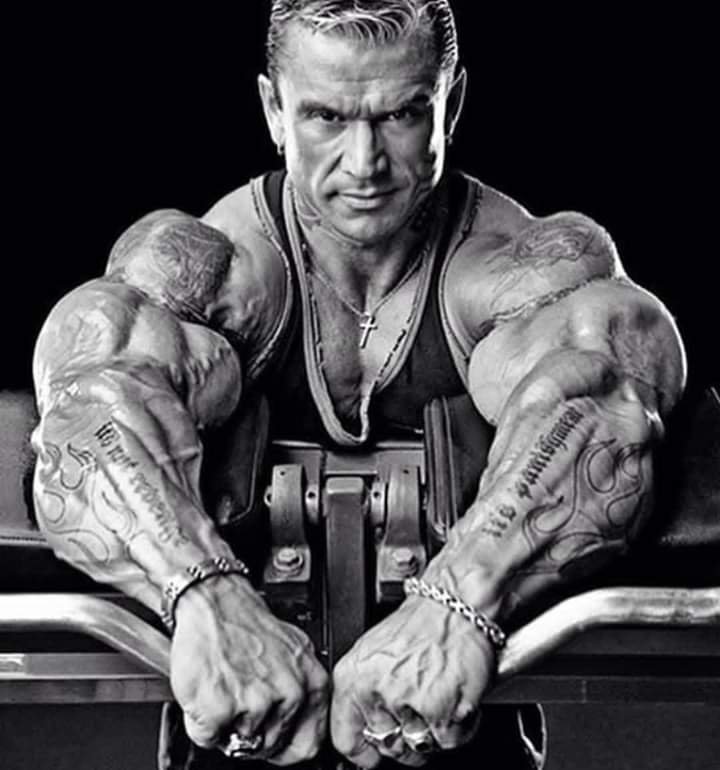
Priest’s teenage routine is often presented as an intimidating catalogue of heavy basics, numerous sets and short repetition ranges. That history is real, but the calendar deserves just as much attention as the exercises. Looking back in an interview originally conducted in 2003, he described frequently training four days followed by one off and sometimes continuing longer when he felt recovered. He also said he might train biceps and triceps together, split them onto separate days or move a planned chest session when he felt like training shoulders instead.
Those are descriptions of how an exceptional bodybuilder approached his own training, not a controlled trial of what works best for ordinary lifters. The useful principle is that a split organizes stress. It does not remove it. Biceps take part in many pulling movements even when the workout label says back; triceps contribute when a press is labelled chest or shoulders. Two different session names can therefore target much of the same tissue on adjacent days.
Priest’s more recent explanation focused on that overlap. He prefers a separate arm day rather than a massive triceps workout immediately before upper-body pressing, or a biceps marathon immediately before heavy pulling. That advice is easier to apply than imitating his historical training volume. Look at the next 48 hours, identify your hardest compound session and put local arm fatigue where it is least likely to interfere.
One caution matters: his older descriptions were deliberately flexible. A single modern clip should not be converted into an invented lifetime rule that Priest always followed exactly the same five-day template. His consistent theme is to adjust the training day to the job it must do.
Why hard triceps work can weaken tomorrow’s presses
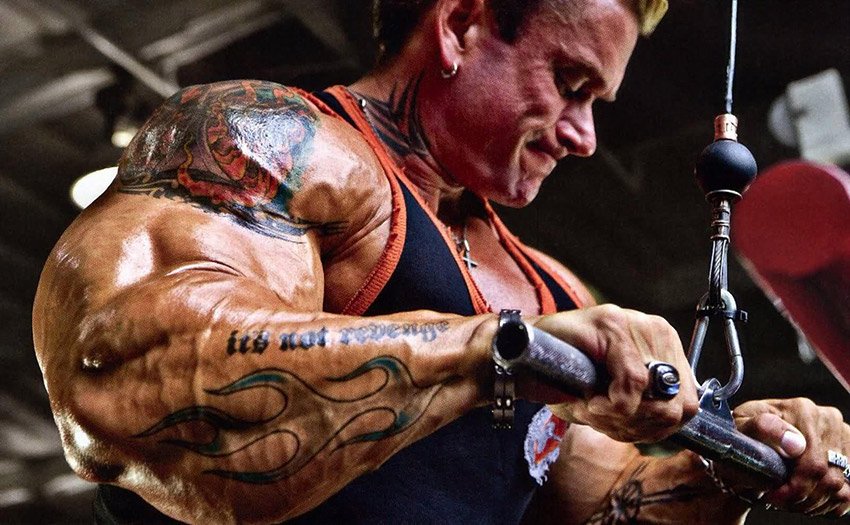
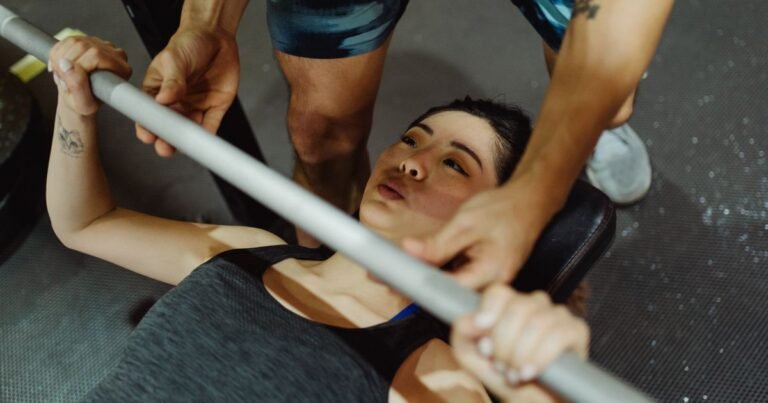
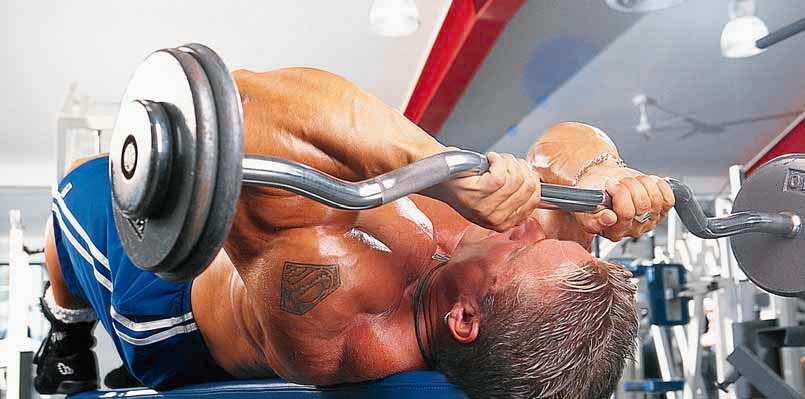
The triceps extend the elbow. They work during bench presses, overhead presses and many machine presses even when the primary goal is chest or shoulder development. If you perform several hard sets of extensions, pushdowns or close-grip pressing late on Monday, the muscle may still be fatigued when Tuesday’s pressing session arrives. The bar can slow down or the set can end because the elbows will not finish the movement, despite the chest still feeling capable of more work.
This is a performance and scheduling problem, not automatic proof of an injury. Local soreness does not reliably predict tissue damage, and nobody can assign a universal injury percentage to performing these two workouts on consecutive days. But compromised control, a collapsing pressing path or an attempt to force yesterday’s personal record through tired elbow extensors are useful reasons to reduce the load or rearrange the week.
A simple diagnostic is to compare normal warm-up sets with the same load, range of motion and rest. If your triceps feel unusually exhausted before your first meaningful bench set, investigate where the work came from: extensions, dips, high-rep pushdowns, hard lockouts or extra pressing volume. The correct response might be fewer direct sets, a longer interval, or doing the arm work after pressing rather than before it.
Exercise sequence research supports a narrower conclusion than most gym folklore: strength adaptations tend to favor exercises performed earlier in the session, while the overall muscle-growth effect of exercise order is much less clear. If stronger bench pressing is the priority, protect that performance. If triceps specialization is the priority and pressing numbers are secondary, a different order can be reasonable. The schedule should serve your actual goal.

Equipment Worth Exploring
Explore equipment, accessories and gear from our carefully selected range.

Long Tricep ERGO Ropes
Extended triceps ropes with ergonomic grips for cable pressdowns and overhead extensions.

Multi-Length Tricep Strap
Adjustable-length cable strap for triceps, biceps and upper-body cable exercises.
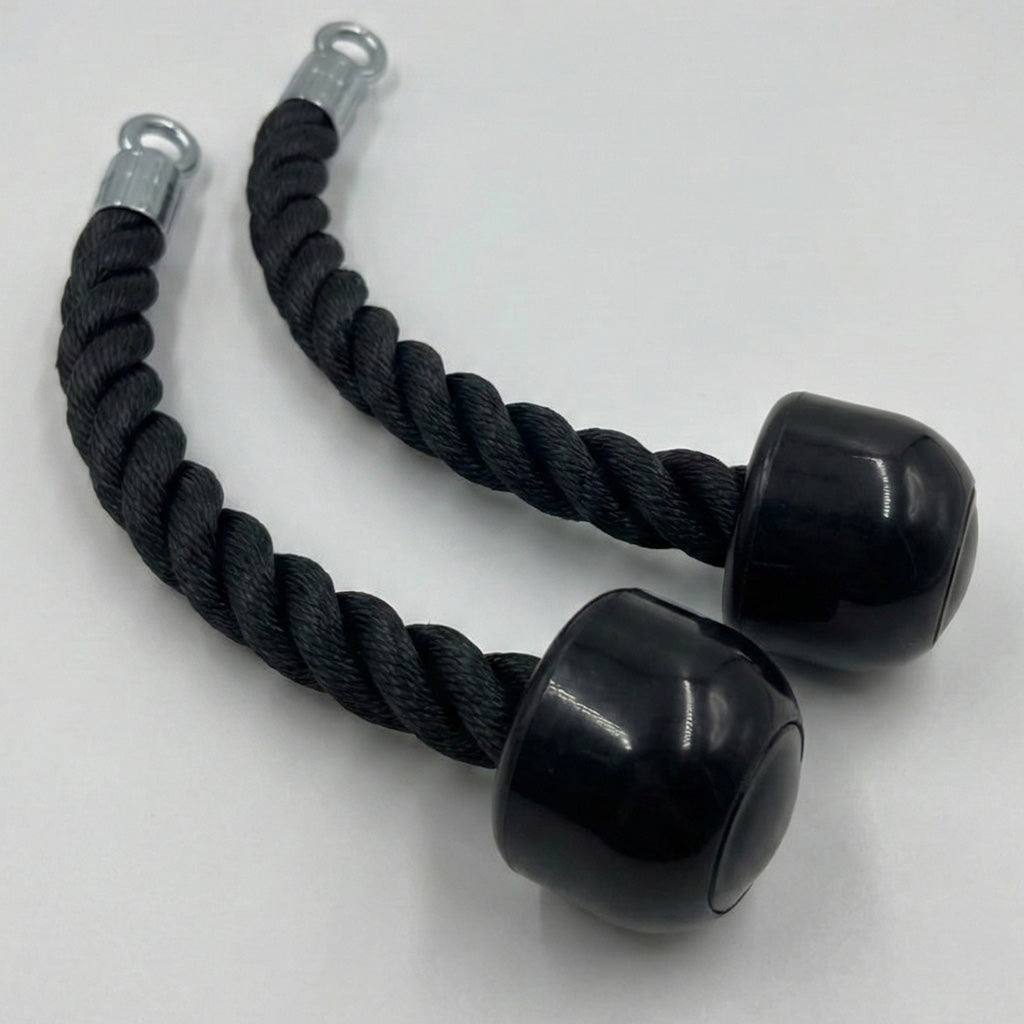
Individual Tricep Ropes
Pair of individual cable ropes for triceps pressdowns and cable hammer curls.

EZ Curl Barbell
Olympic EZ curl bar with angled grips for curls and triceps exercises.


Dual Hook EZ Curl Bar
Angled aluminum dual-hook cable bar for biceps curls and pulldown variations.
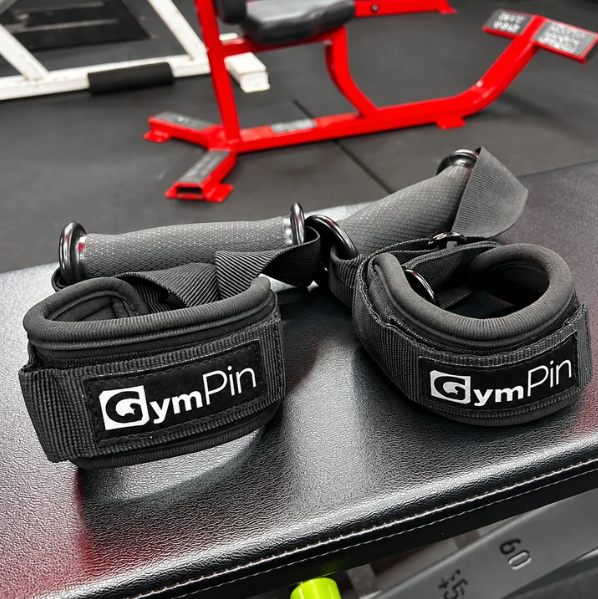
GymPin D Cuffs
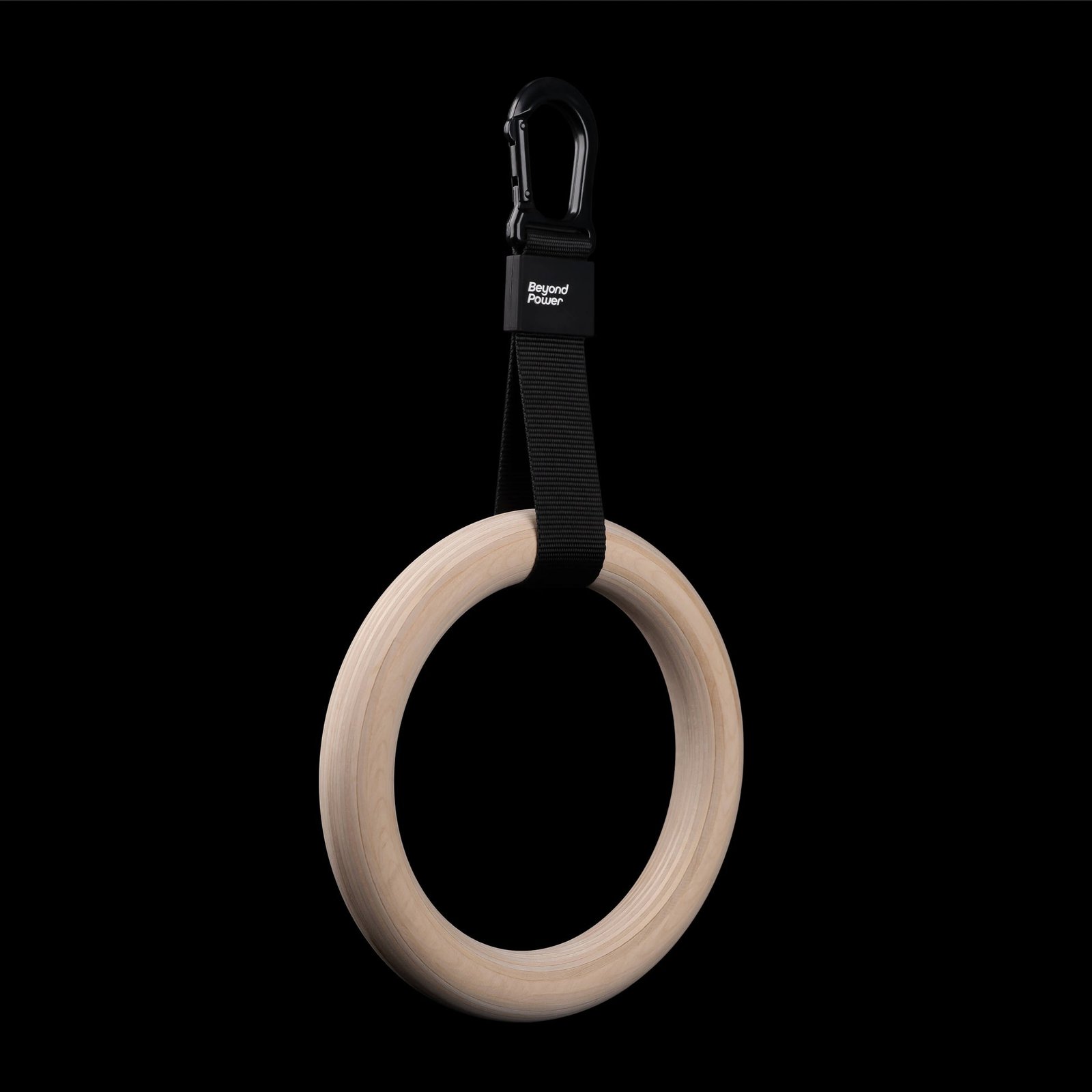
Adjustable wrist cuffs with textured grips for supported cable-machine exercises.
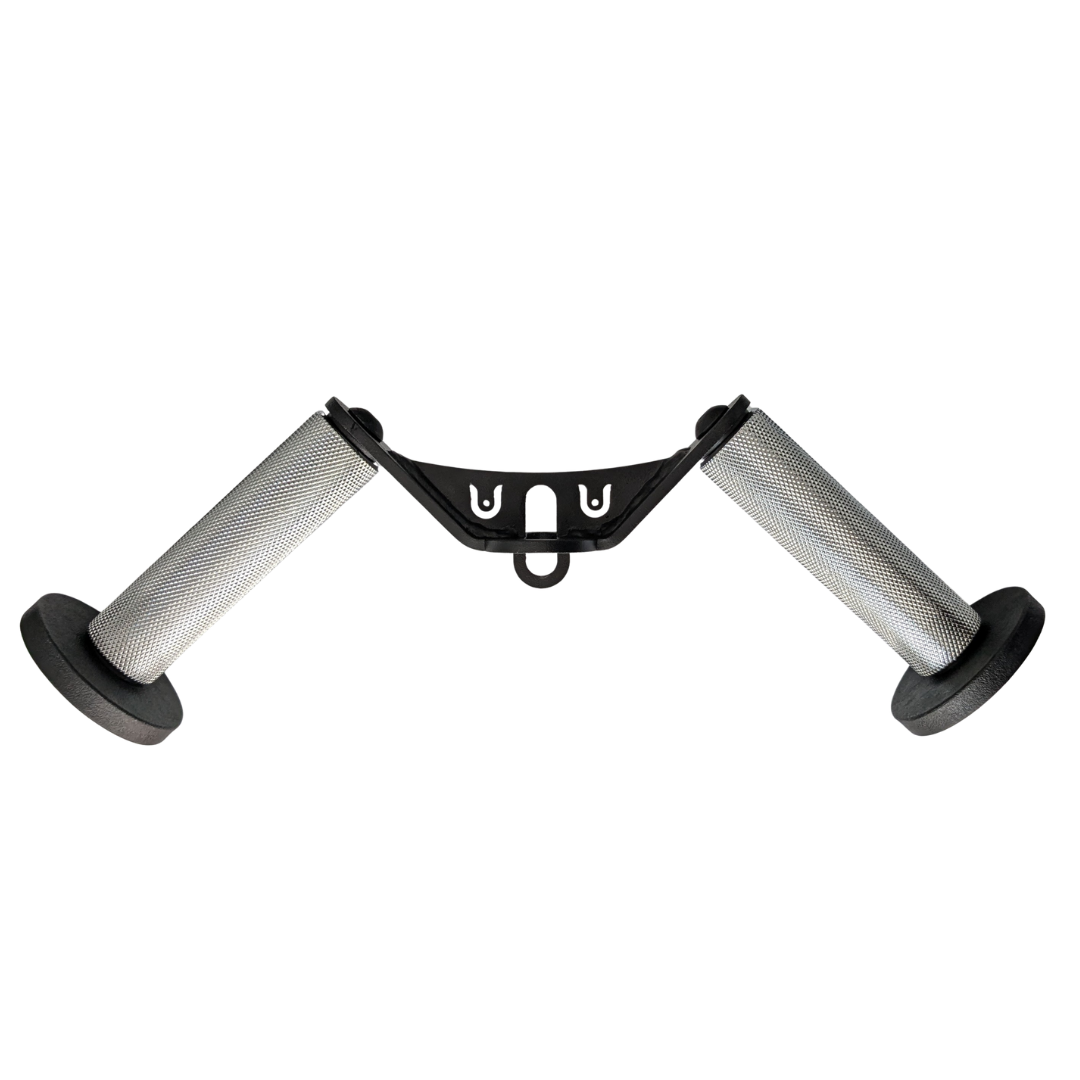
W Grip
Angled cable grip for comfortable rows, pushdowns, and curls.
Biceps-before-back is the same problem in reverse
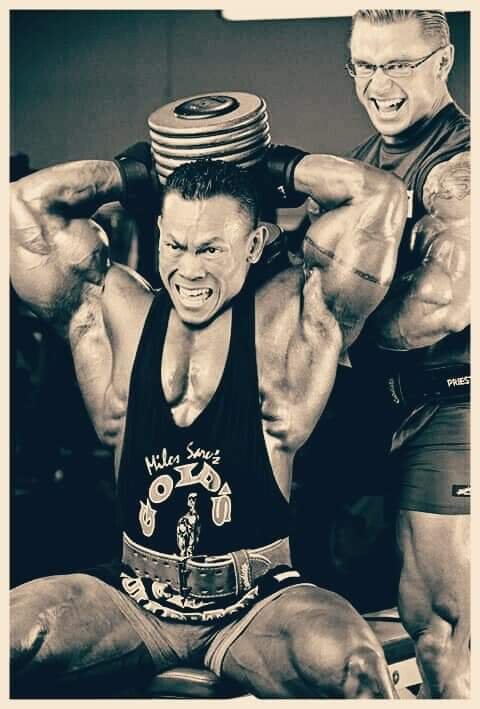
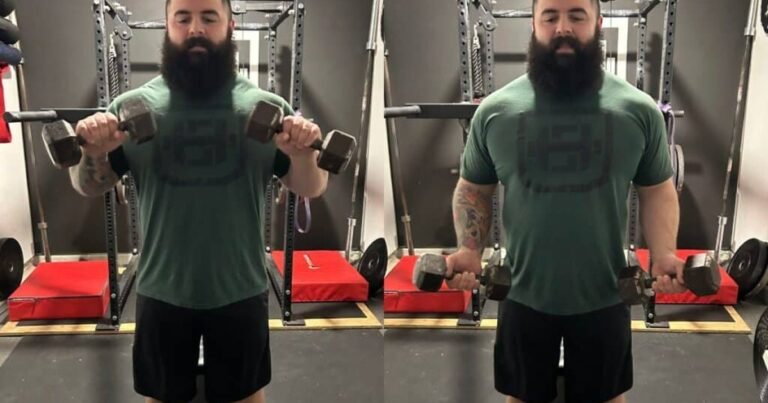
A hard curling workout can turn an otherwise straightforward row session into an exercise in forearm and elbow-flexor endurance. During pulldowns, chin-ups and rows, the elbow flexors contribute to moving the load even though your lats and upper back may be the intended targets. The stronger your back relative to your arms, the easier it is for those smaller muscles to become the immediate limit after a punishing curl day.
Imagine a lifter who normally performs four controlled sets of chest-supported rows. After a heavy biceps day, the first two sets may feel normal, but the final repetitions become shortened because the elbows cannot bend through the usual range. The back has not necessarily become weaker overnight. The assistance muscles may simply be less prepared. Counting that compromised session as identical back volume can hide the real reason performance changed.
There are several defensible solutions. Place curls at the end of back training. Pair back with biceps and then allow recovery. Or keep a stand-alone arm day, but separate it from demanding pull sessions. Straps can sometimes reduce grip limitation, yet they cannot make the elbow flexors disappear from a row. Reducing curl load before an important back day is often more effective than buying another attachment.
Priest has also historically varied how he paired muscle groups, which reinforces the distinction between a guiding idea and a mandatory split. For a novice, the bigger issue is often too much extra work disguised as accessories. For an experienced lifter focusing on arm size, a dedicated day can improve attention and execution—but only if the surrounding week still allows progressively productive compound sessions.

Bodybuilding Shirts & Workout Gear
Bodybuilding shirts, tanks and gym gear for lifters chasing muscle, size, symmetry and the pump.

Gym Dost Thou Even Curl Medieval Knight Bicep Shirt & B T-Shirt
Make gym days more fun with “Dost Thou Even Curl Medieval Knight Bicep” style.


Big Biceps Theory Meme Sweater Bro Science T-Shirt
Add a playful “Big Biceps Theory” touch to your casual rotation.

– Flex Armstrong Astronaut Moon Huge Arms Muscle Shirt Tank Top
Bring “Flex Armstrong Astronaut Moon Huge Arms” humor to your next lifting session.

Shirt – Micro Biceps Club President – Gymbros, & T-Shirt
Rep “Micro Biceps Club President” humor in and out of the gym.


Pumpeye Forearm Gains & Grip Strength Popeye Meme Hoodie
Keep it laid-back with a little “Pumpeye” attitude.

I Love Gym Bicep Heart | Swole Heart Decal For Water Bo Sticker
Stick a little “I Love Gym Bicep Heart” humor on your favorite gear.


Muscle Mountain – Bicep Mountain Meme Hooded Pullover Hoodie
Bring “Muscle Mountain” gym humor to lazy days and post-workout plans.
Three practical weekly splits, depending on your priority
Option A: pressing and pulling performance first. Monday is chest and shoulders, Tuesday is back, Wednesday is recovery or lower-body work, Thursday is arms, and Friday is legs or conditioning. This gives the large upper-body sessions first access to fresh assistance muscles. It may suit a lifter who wants stronger presses and rows while still enjoying a proper curl-and-extension session later in the week.
Option B: arms with their parent movement. Train back followed by a modest number of biceps sets on Monday, chest and shoulders followed by triceps on Wednesday, lower body on Friday, and a light optional arm technique session on Saturday if recovery is good. Biceps and triceps already do work within the compound lifts, so count those sessions toward total fatigue. The optional day is not permission to double every set automatically.
Option C: arm specialization without sacrificing everything else. Put a main back session on Monday, a main chest-and-shoulders session on Tuesday, legs on Thursday and focused arms on Friday or Saturday. If your arms lag, add a small number of fresh, high-quality sets to the dedicated session; do not immediately copy a retired professional’s unusually high totals. Let the following week’s performance and elbow comfort determine whether the dose is recoverable.
These are original example arrangements, not verified historical Lee Priest programs. Moving a session by one day may be necessary when work, sleep or another sport adds fatigue. A workable split is the one that produces good technique, repeatable effort and measurable progression for months. It should not require avoiding normal life whenever a muscle feels sore.
Equipment Worth Exploring
Explore equipment, accessories and gear from our carefully selected range.


Rubber Hex Dumbbells
Rubber-coated hex dumbbell pairs with a stable shape for home and commercial strength training.

GymPin D Handle Bar
Multi-use steel D-handle bar for cable rows, pulldowns and other cable exercises.

VForce Wall Trainer
Space-saving wall-mounted functional trainer with pivoting cable arms and variable resistance ratios.

Standing Chest Press SCP-760
Standing chest-press machine with adjustable handle positions for chest and close-grip pressing.

FID Bench MAX
Adjustable bench offering flat, incline, and decline positions + adjustable headrest.
VOLTRA
Compact digital cable trainer with smooth, adjustable resistance.

Trinity Lat Machine LSW-850
Weight-stack pulldown tower offering three cable directions and adjustable seated support.

48in Aluminum Lat Bar
48-inch aluminum lat pulldown bar with knurled grip and rotating center swivel.

Angles 90 Grips
Flexible grip attachments that allow natural wrist movement during pulling exercises.
Use weekly sets and recovery signals, not arm-day mythology
Training frequency is often discussed as though one session per muscle is either magical or obsolete. Evidence is more nuanced. Reviews that equalize weekly training volume generally find little meaningful difference in hypertrophy between common frequencies; distributing sets over more days can still make individual sessions easier to perform well. Earlier research that compared unequal weekly workloads produced different impressions, which is why the volume distinction matters.
Start by counting purposeful, hard biceps and triceps work over the whole week, not just the sets written under Arm Day. Add the pulling and pressing work that meaningfully challenges them. A reasonable experimental starting point for someone already training might be six to ten direct sets per muscle per week, then adjust according to progress, joint tolerance and the amount of compound work. That range is a practical starting suggestion, not a clinical threshold or claim about Priest’s own schedule.
Choose two complementary patterns rather than six nearly identical exercises. Biceps can get a straightforward curl plus an incline or preacher variation; triceps can get a pressdown plus an overhead extension, provided the movement is comfortable. Use controlled reps, adequate warm-ups and a load that allows the target muscle to work without an improvised full-body heave. Finish most sets with a little capacity left before introducing all-out efforts.
Track more than a pump. Watch whether pressing and pulling performance are stable, whether elbows settle between sessions, and whether you can add repetitions or load over several weeks. Persistent localized pain, swelling or a sudden loss of function is not a normal signal to push harder; modify training and seek qualified assessment when appropriate. Soreness alone does not mean the week is productive.
Bodybuilding Shirts & Workout Gear
Bodybuilding shirts, tanks and gym gear for lifters chasing muscle, size, symmetry and the pump.

Shirt – Biceps Of The Caribbean , Meme Gains & Bros T-Shirt
Heavy lifts, good laughs, and a little “Biceps of the Caribbean” energy.

Curls The Girls Shirt – Bicep Curls Top & Gymbros T-Shirt
Rep “Curls For The Girls” humor in and out of the gym.

Every Day Is Arm Day
Make gym days more fun with “Every Day is Arm Day Octopus Gym Meme” style.


Massive Stoic Bodybuilder Marble Statue Meme T-Shirt
Show some lifting attitude with a playful “Massive Stoic Bodybuilder Marble Statue” tee.

Mass-Tery Massive Gamer Gym Nerd Gaming Meme Bodybuildi T-Shirt
Show some gym-day personality with “Mass-Tery Massive Gamer”.

OnlyGains Big Biceps Decal Water Bottles & Equipment Sticker
A fun “OnlyGains Big Biceps” touch for bottles, laptops, and lockers.

Funny Hardcore Gains Gym | No Pain No Gain Workout | Fi Hoodie
Keep it laid-back with a little “Hardcore Gains” attitude.

Bob The Bodybuilder Meme Vest & Lifting Tank Top
Add some lifting attitude to training with “Bob the Bodybuilder Gym Meme”.

Shirt – Gains O'Clock – Time Meme & Gymbros T-Shirt
Heavy lifts, good laughs, and a little “Gains O'clock” energy.
Priest’s giant arms may have drawn everyone to the curl rack. The lasting training lesson is quieter: a calendar can make an excellent exercise more or less useful. Organize the week so the work you value most is performed well, then give the smaller muscles a workload they can actually recover from.