Advertising disclosure: This page includes affiliate product links that may earn us a commission, as well as products from our own store.
A Formula 1 driver can spend a race sitting down and still face a serious physical task. The steering wheel, pedals and seat hide much of the work from television viewers. Keeping the head steady, controlling the car repeatedly and concentrating while tired demand more than a few impressive neck-training clips.
The useful fitness story is how different qualities fit together. Neck strength has a specific job, cardiovascular training supports sustained work, and ordinary strength exercises sit alongside recovery and planning. These are lessons from documented driver preparation, including a January 2026 overview and older examples. They are not one current workout followed by every driver.
Start with the job the body must perform
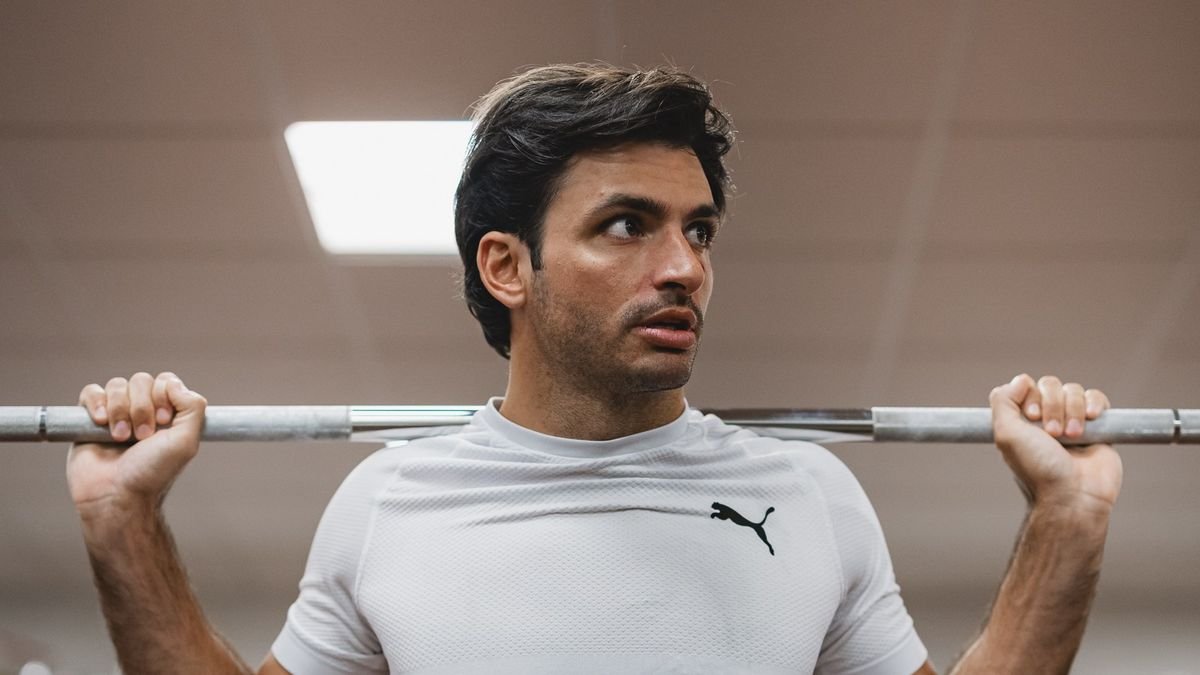
Cornering and braking change the forces acting on a driver. The neck helps maintain head position while the rest of the body works within a restricted cockpit. A powerful-looking exercise only becomes useful when it prepares the athlete for those demands. This explains why driver fitness cannot be judged from biceps size or a bench-press video alone.
Think of the preparation as a set of separate questions. Can the driver tolerate the required position? Can they repeat physical actions without losing control? Can they keep doing the job as fatigue builds? Those questions overlap, but they are not interchangeable. Improving a gym lift does not automatically answer all of them.
Assessment helps turn those questions into priorities. In April 2026, Porsche’s young-driver training camp evaluated cardiovascular fitness, strength and strength endurance, then provided individual reports. That was a development programme in other racing categories, not an F1 driver selection test. It nevertheless illustrates the difference between identifying a weakness and simply adding more exercises.
Ordinary lifters can borrow that decision process without a laboratory. Pick the thing you want to improve and a repeatable way to observe it. A controlled set, a familiar cardio session or a consistent training log can be useful within its own limits. Avoid comparing a cycling result with a lifting result as if both measured the same ability.
There is also a difference between testing and training. A difficult assessment may establish a baseline, but repeating the hardest possible test every session is not automatically a programme. Decide how a result will change what you do next. Otherwise, the measurement becomes another exhausting activity with no clear purpose.
Neck training serves a racing purpose
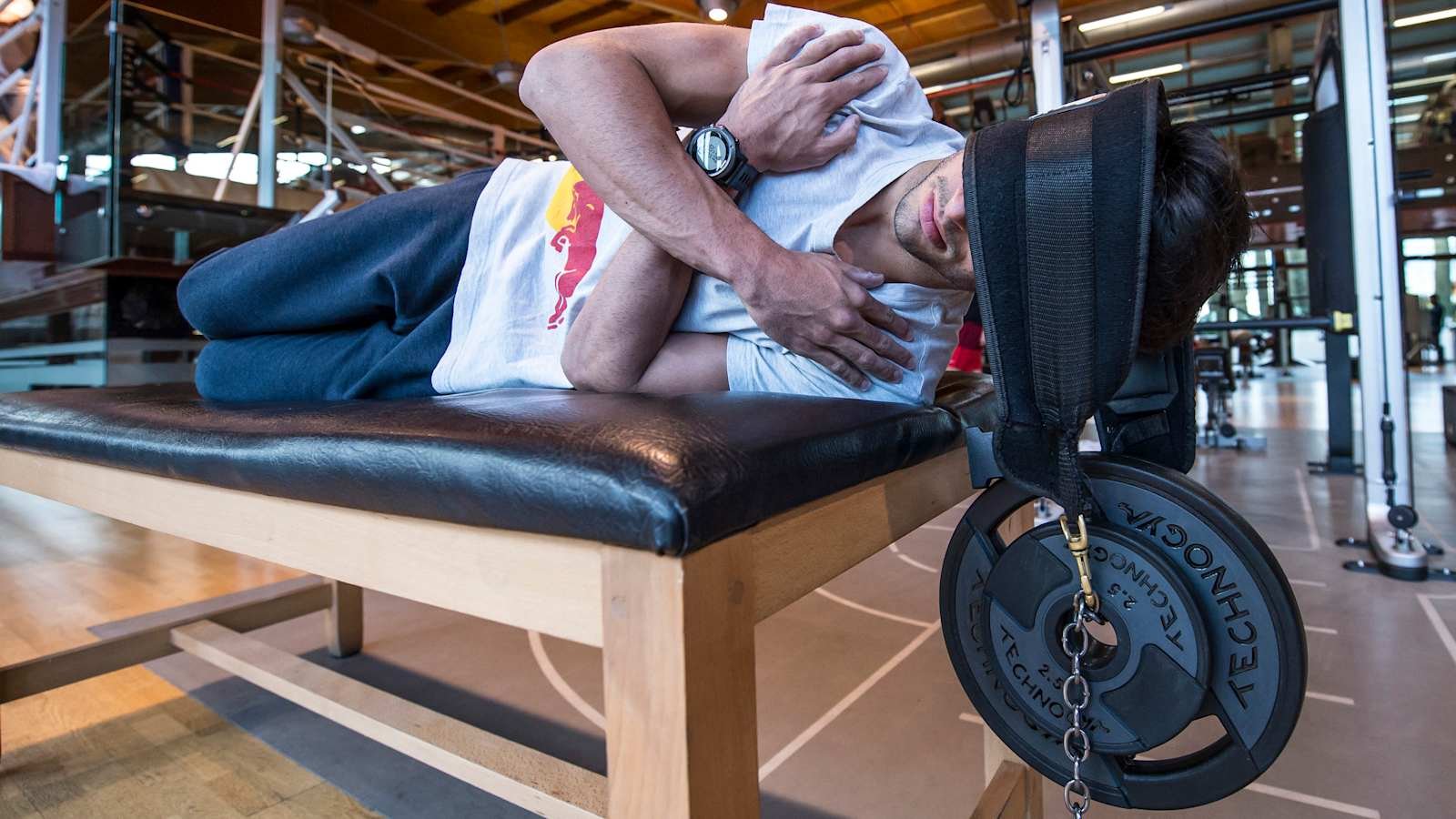
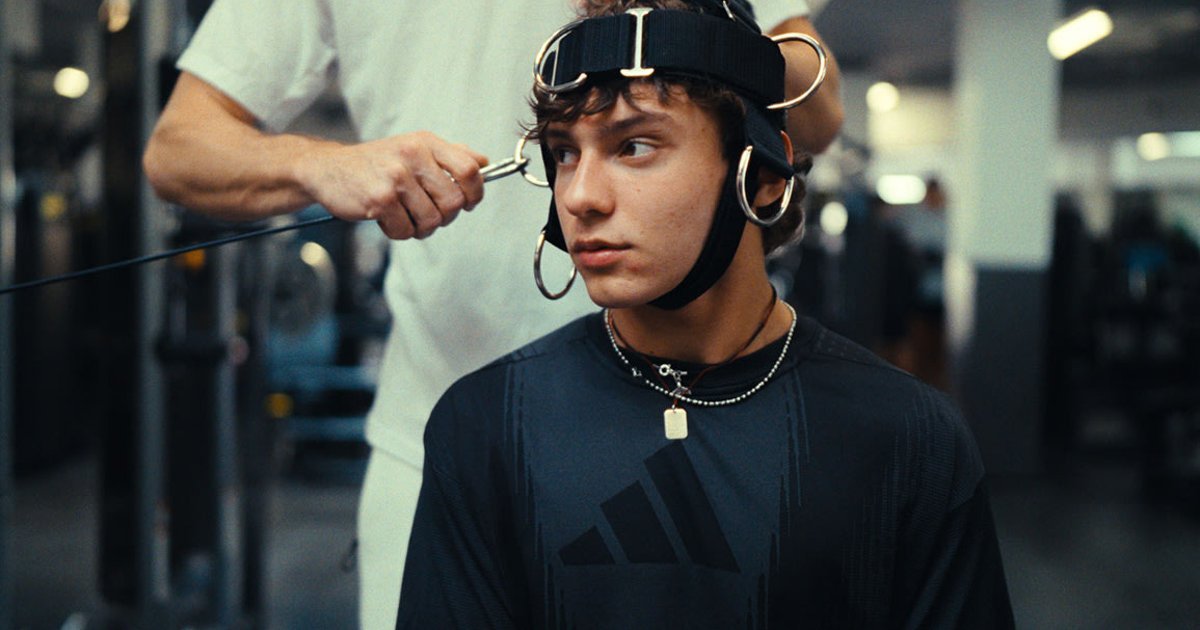
Specialist head harnesses, resistance devices and weighted helmets appear in documented driver preparation. Their purpose is to prepare the neck for racing demands and help preserve a stable view of the track. A clip of a driver handling a large load shows a particular athlete performing a particular task. It does not establish a starting weight for everyone else.
Older photographs of Carlos Sainz training his neck are often shared without their original context. The example pictured here comes from preparation for the 2017 season. It should not be mistaken for a newly released session, his complete current programme or evidence that copying the setup will improve an ordinary lifter’s training.
Notice what a photograph cannot tell you: the resistance through the full movement, the athlete’s preparation, the coach’s instructions or the work performed before and after the frame. Even a clear video may omit those details. Converting a dramatic number into a personal target skips the information that makes an exercise appropriate.
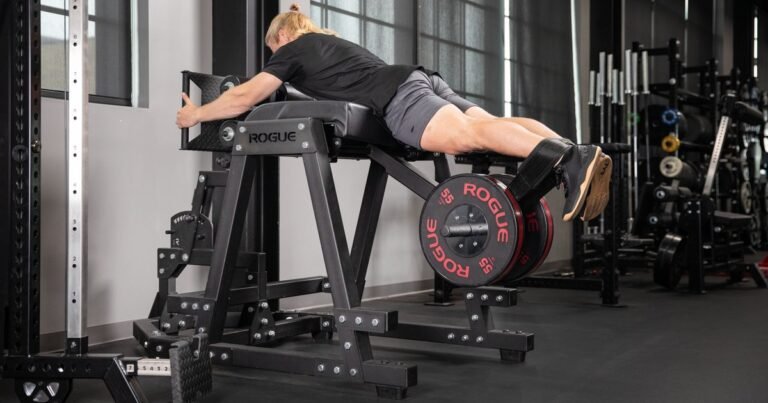
If neck development is a genuine goal, treat it as a separate training decision requiring suitable instruction. Do not improvise a heavy head-loading challenge from racing footage. For this article, the practical takeaway is understanding specificity rather than prescribing sets, repetitions or a driver-sized load. General gym strength and specialist neck preparation are related parts of fitness, not substitutes for each other.
The same standard applies to equipment. A harness resembling one used by an athlete does not reproduce that athlete’s programme. The useful questions are whether the device suits the intended task, how it is set up and who is guiding its use. The product alone cannot supply the missing progression.
Cardio is part of the work, not a punishment
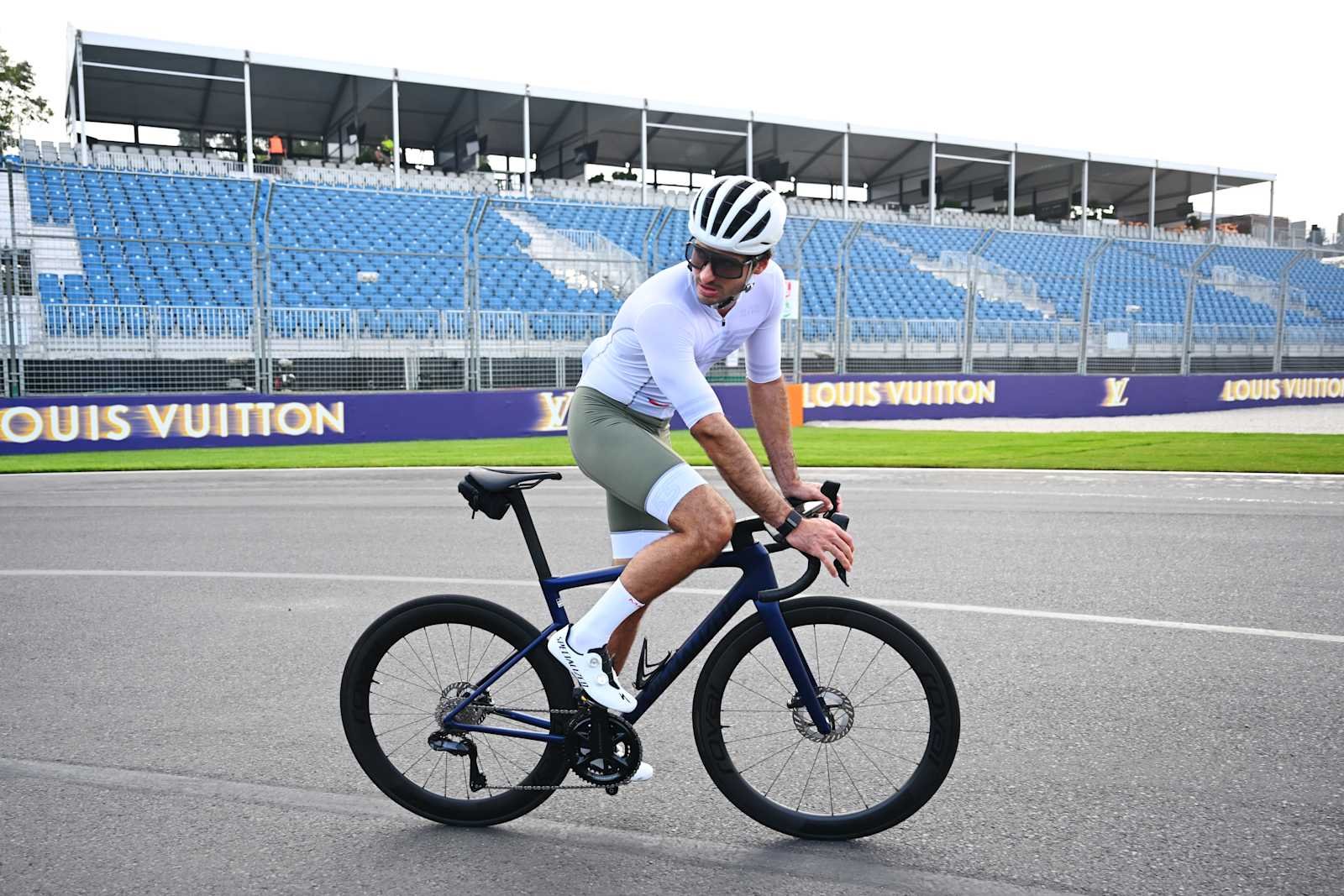
Driver preparation includes cardiovascular work as well as strength. In his April 2020 account of training away from the circuit, Sainz described using different cardio intensities according to the day and how fresh he felt. Cycling, treadmill work and cross-training were among his options. That is a dated personal example, not a fixed schedule for today’s grid.
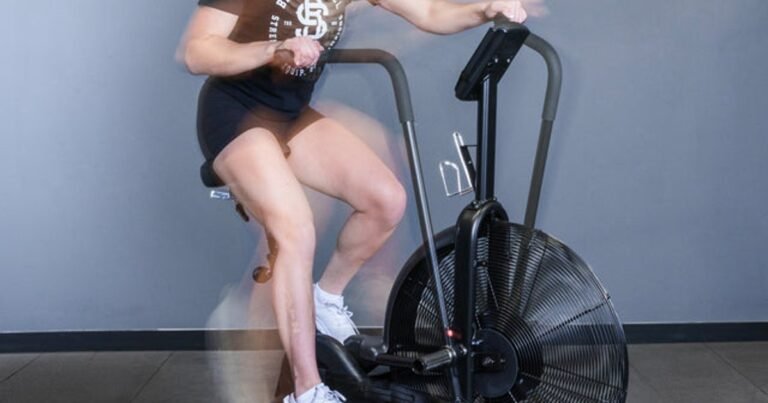
The useful idea is to choose an activity that you can perform consistently and monitor clearly. A bike session and a run can both involve endurance work, but their distances and speeds cannot be compared directly. Record the activity, duration and intended effort before deciding whether a later session represents progress.
A lifter adding cardio also needs to decide where it fits beside strength training. Putting the hardest ride immediately before a demanding leg session changes the context of that lifting session. It may be intentional, or it may simply make the log harder to interpret. Planning the order is more informative than calling every difficult combination functional.
Here is an editorial planning example, not a driver’s routine: keep one familiar cardio session stable while you learn how it fits into your week. Note whether you finish in control and whether the next planned session remains manageable. Change one meaningful variable at a time instead of increasing duration, intensity and frequency together.
Cardio slogans can joke about the effort, but they do not decide the training purpose. Whether you prefer cycling, running, swimming or walking, give the session a role beyond feeling destroyed afterward. The question is what work you intended to complete and whether you could repeat it with a useful standard.

Cardio Shirts & Workout Gear
Cardio and conditioning gym gear for runners, endurance athletes and anyone who earns the sweat.

Cardio Is Calling Decline Bros Meme Hooded Hoodie
Make your off-duty look more fun with “Cardio Is Calling”.

Cardio Is Hardio – Workout Meme Vest Muscle Shirt For S Tank Top
Add some cardio attitude to training with “Cardio Is Hardio”.

Dost Thou Even Pedal Medieval Air Bike CrossFit Parody Sticker
Give your everyday gear a playful “Dost Thou Even Pedal” twist.

Anti Swimming Club Shirt Meme & Top T-Shirt
Make gym days more fun with “Anti Swimming Club” style.

Anti Running Club Tee
Heavy lifts, good laughs, and a little “Anti Running Running Club” energy.

Negative Cardio Review 1 Star Sweater Cardio Sucks T-Shirt
Show some gym-day personality with “Negative Cardio Review”.

Fit And Fitter : Dumb And Dumber Gymbro Cardio & T-Shirt
Show some cardio attitude with a playful “Fit and Fitter” tee.

Everything Hurts And I'M Tired Motivation Hooded Hoodie
Stay casual and show some cardio attitude with “Everything Hurts And I'm Tired”.

Don't Quit Do It – Motivational Workout Hooded Pullover Hoodie
Show off your cardio humor in a laid-back “Don't Quit Do It” hoodie.

Whole-body strength still matters
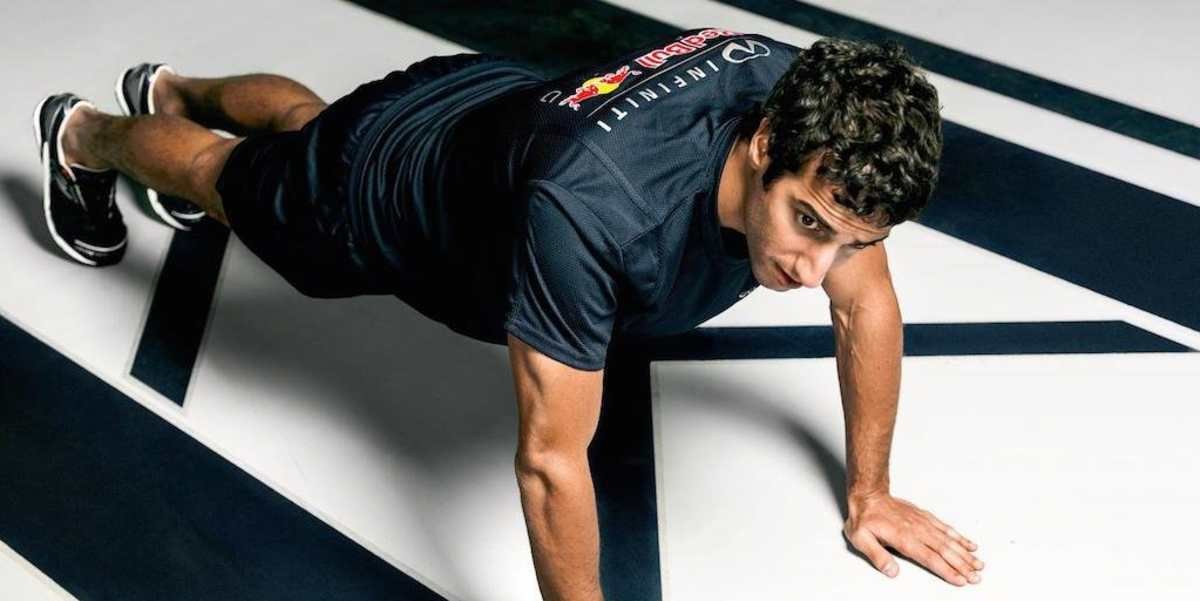
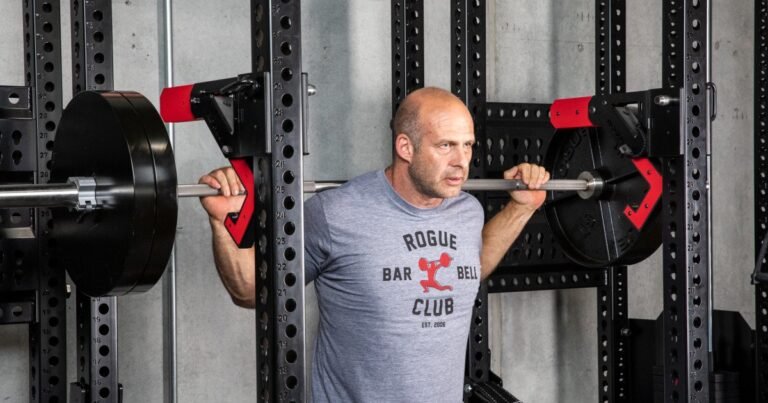
Driver fitness is not exclusively neck training. Sainz’s documented preparation also described whole-body strength with additional attention to the neck and shoulders. Broader motorsport training resources include grip, core, upper-body and lower-body work. These are categories of preparation; they do not tell us the precise exercises or loading used by every F1 driver.
The photograph of Daniel Ricciardo performing a push-up is a good reminder that familiar movements belong in elite training too. It comes from an older training feature and is not presented as a current session. A recognisable exercise can be useful without needing a claim that it is the secret behind a particular race result.
For your own gym plan, separate movement choice from performance claims. A squat variation, a pull and a press can be selected for clear reasons. Their presence in a racing gym does not make them exclusive to motorsport, and it does not prove a direct improvement in lap time. Choose the version you can perform and progress for your own purpose.
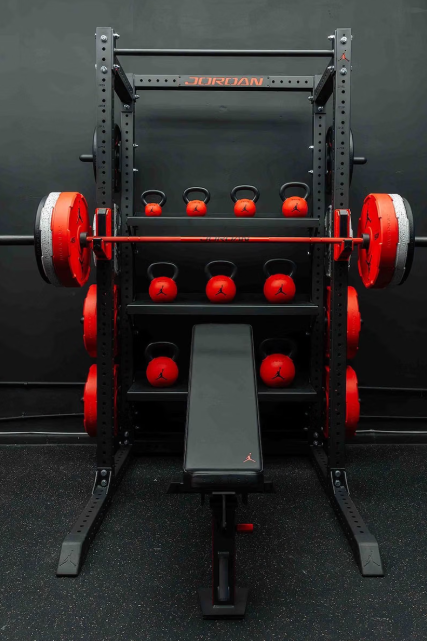
Bodyweight equipment, dumbbells, kettlebells and a suitable bench provide different ways to organise that work. Specialist neck devices belong to a more specific decision, with instruction and setup considered separately. The equipment selection below reflects those training categories. It is not a list of products used or endorsed by the drivers pictured.
Keep the record specific enough to be useful. The name of the exercise, the load, the repetitions and a brief note about execution explain far more than writing F1 workout in a notebook. If you change the variation, acknowledge the change rather than treating every result as an improvement on the previous one.

Equipment Worth Exploring
Explore equipment, accessories and gear from our carefully selected range.


Cast Iron Kettlebells
Textured cast-iron kettlebells for swings, squats, carries, and full-body training.

Rubber Hex Dumbbells
Rubber-coated hex dumbbell pairs with a stable shape for home and commercial strength training.


Power Tower
Freestanding pull-up and dip station with adjustable handles for bodyweight training.


Recovery makes the training week possible
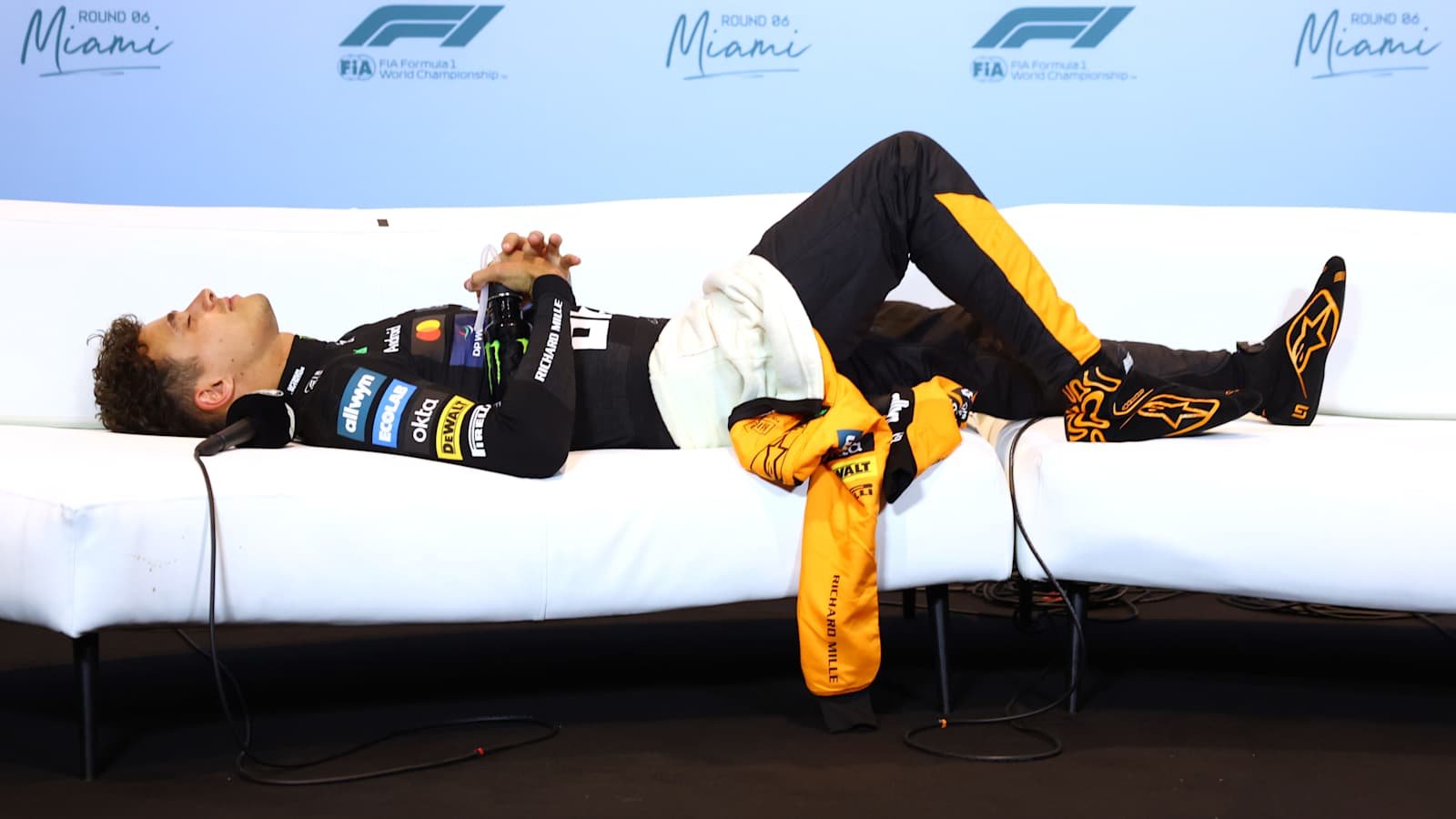
Driver preparation also includes deliberate rest around travel, training and racing. The public view often jumps from a hard gym clip to a race start, leaving that organisation out of the story. A demanding session is one event inside a larger schedule. It should be judged partly by whether the athlete can continue doing the work that follows.
Sainz’s 2020 description included planning meals, training and relaxed time, along with keeping a regular sleep routine. These are ordinary behaviours inside an extraordinary job. Their value as an example is that preparation includes the hours outside the gym, not that every reader needs the same timetable or the same food choices.
Heat preparation is a different matter. Professional racing can involve specialist testing, monitoring and support. Seeing a driver train in an unusually hot environment is not a reason to recreate the setup with heaters, heavy clothing or a sauna workout. This article does not turn those specialist practices into general fitness advice.
A more useful review of your week is concrete: which sessions were completed, which became rushed, and which left the next one difficult to perform as intended? Look for a pattern before adding more work. A plan that repeatedly exceeds the time and recovery you have available needs a practical adjustment, not a more impressive name.
The best lesson from F1 fitness is to connect training to a task and organise the supporting work around it. Keep the specificity of specialist neck preparation, the consistency of cardio, the usefulness of whole-body strength and the place of recovery in view. Borrow the planning logic, then build a programme for the body, goal and schedule you actually have.