Advertising disclosure: This page includes affiliate product links that may earn us a commission, as well as products from our own store.
Forty seconds sounds like a long time to wait between individual back-squat repetitions. Yet in a November 2026 comparison of 20 resistance-trained adults, that pause changed the outcome: participants completed more repetitions and showed smaller declines in bar speed than they did with traditional uninterrupted sets. There was a less convenient finding, too: they were worse at judging how hard the paused sets actually were.
That combination is more interesting than a headline claiming cluster sets beat normal training. Here is what the three protocols measured, which numbers matter, why effort ratings can drift, and how to trial the idea without pretending an acute laboratory result guarantees long-term gains.
Three squat-set structures with the same effort targets
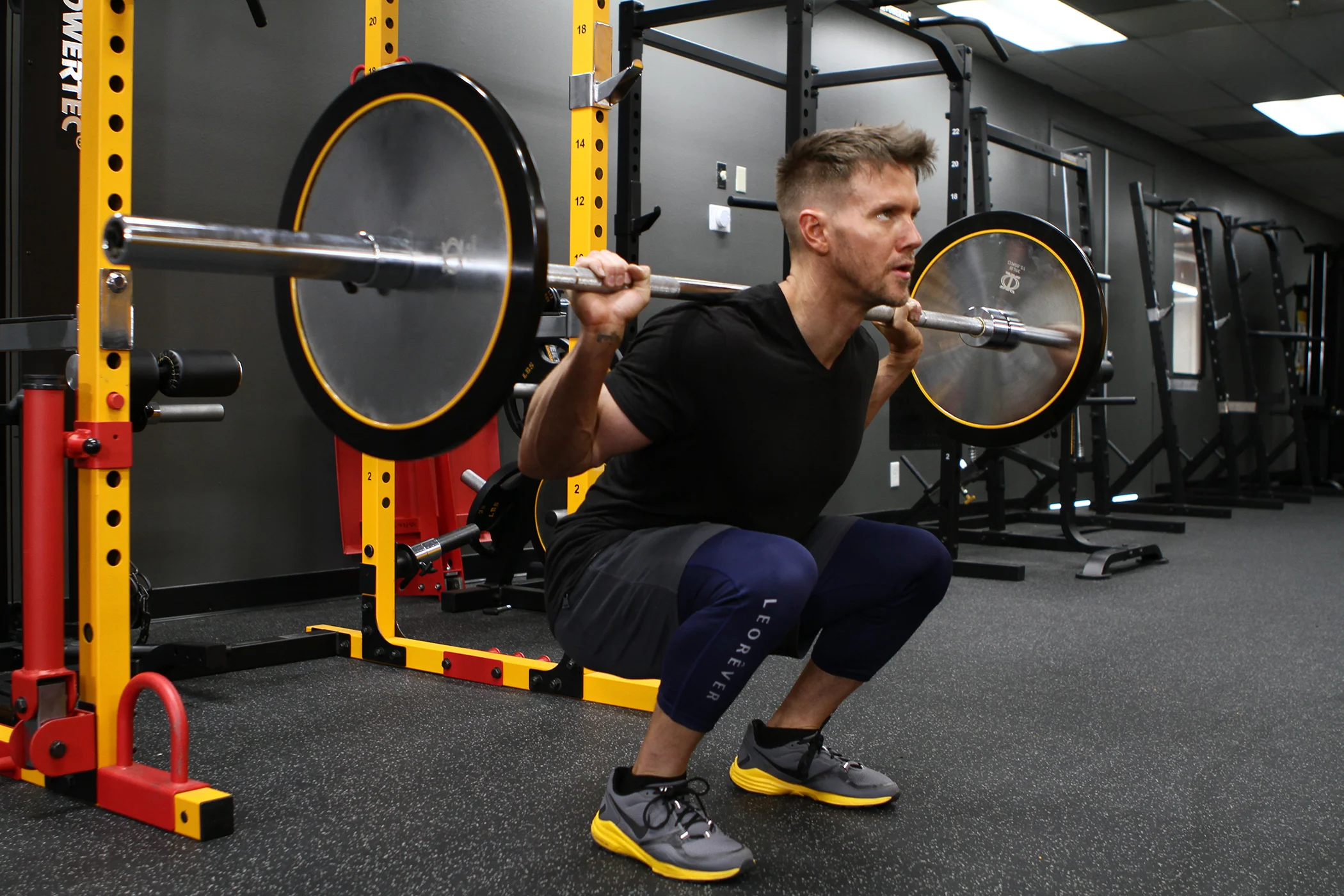
On November 18, 2026, new results described a laboratory comparison involving 20 healthy resistance-trained adults: ten men and ten women. Each person first completed a one-repetition-maximum visit, then returned for three randomized back-squat testing conditions. The important detail is that the researchers did not simply compare “long rests” with “short rests.” They rearranged when the rest happened within and between sets while asking participants to work toward prescribed effort ratings.
The traditional approach used consecutive repetitions with no planned rest inside a set, then 180 seconds between sets. The first interrepetition-rest setup inserted forty seconds between repetitions but retained the 180-second gap between sets. The second inserted the same forty seconds between reps while shortening the between-set break to forty seconds. For clarity, call these traditional, forty-plus-180 and forty-plus-forty.
Across conditions, squat sets were directed toward two perceived-effort targets, RPE 8 and RPE 10-plus. That is not the same as prescribing exactly five reps for everybody or having all three protocols take the same clock time. A pause between individual repetitions can change how much work fits inside one effort-limited bout. When translating the result to home training, keep separate records for repetitions, time, load and recovery instead of treating the rep number alone as the whole story.
Why forty-second pauses produced more repetitions
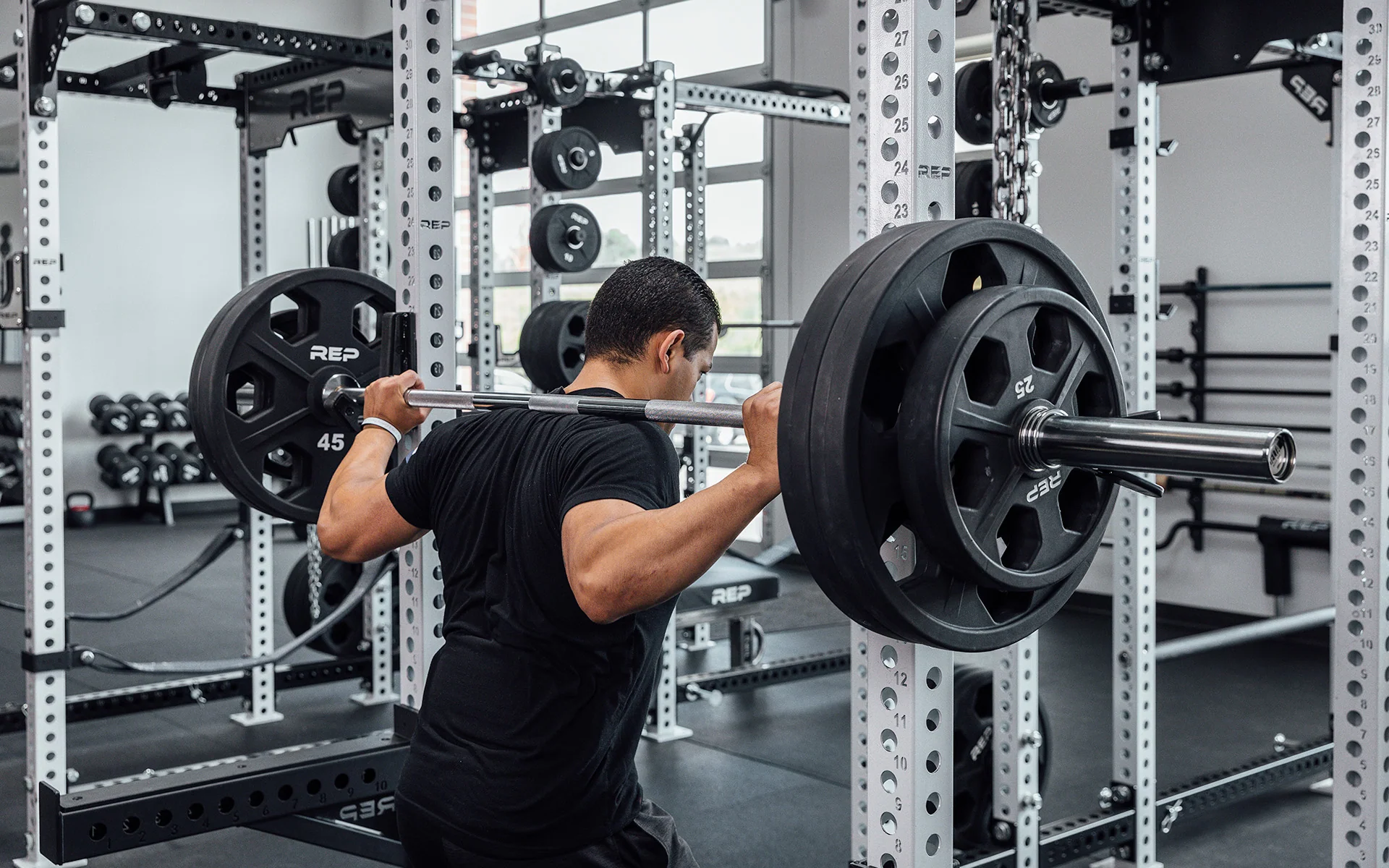
Both forty-second interrepetition-rest conditions allowed the participants to complete significantly more back-squat repetitions than traditional uninterrupted sets. The statistical range reported for those comparisons ran from p less than .001 to .030. This is a measured, acute performance difference under the study’s particular protocols; it is not a promise that every person will perform a fixed number of additional reps.
The mechanism is intuitive without being magical. Pausing lets the lifter recover some capacity before the next demanding repetition. You can sometimes repeat a strong, controlled squat instead of grinding through a long uninterrupted string as fatigue accumulates. Importantly, the forty-plus-forty version also reduced between-set rest, so it should not be described as simply having more total rest at every point than traditional training.
Count the actual repetitions and total load moved, but also put a stopwatch beside the record. A set with six forty-second pauses can occupy several additional minutes compared with six continuous reps. A training day that produces more squats may also consume more attention, rack occupancy and time. If you train in a crowded gym or need a short session, traditional sets may still fit your schedule better. More acute work is useful only when it serves a goal you can recover from.

Equipment Worth Exploring
Explore equipment, accessories and gear from our carefully selected range.

Multi Pull Smith Rack MPHR-780
All-in-one rack with a Smith machine, functional trainer, lat pulldown and low row.

VForce 2IN1
Half rack and pivot-arm functional trainer with switchable 1:1 and 2:1 pulley ratios.

VForce 3IN1 Max
Six-post all-in-one rack with Smith machine, functional trainer, and variable-force cables.

Foldable Wall Rack
Wall-mounted folding squat rack designed to save floor space between workouts.


Competition Plates
Competition-style bumper plates for Olympic lifts and loaded strength training.


GymPin Squat Wedges
Non-slip 15-degree squat wedges help elevate the heels for deeper quad-focused squats.

Grip Plates
Rubber-coated weight plates with handholds for loading barbells and machines.
Bar-speed losses got smaller, but the effort ratings got less accurate
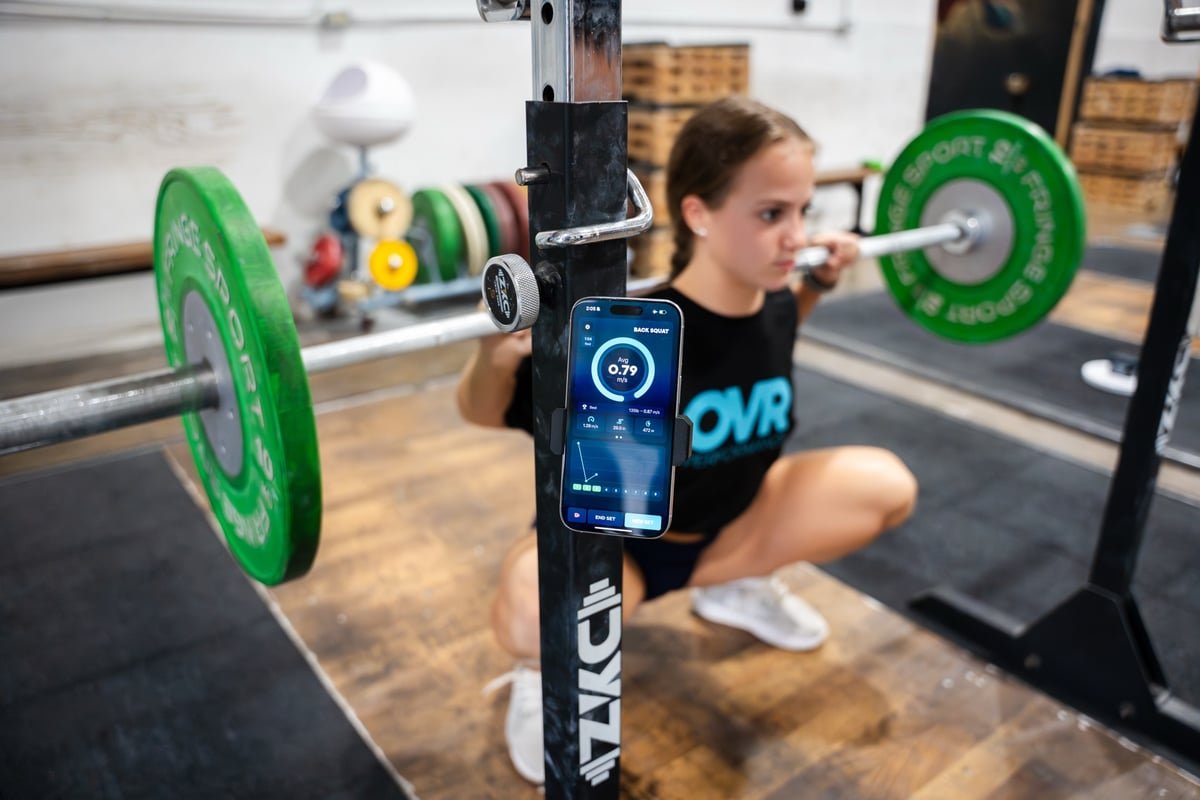
The study also measured how much bar speed dropped during the work. Average velocity loss in the uninterrupted condition was approximately 24.7 percent, with an 8.6-percentage-point standard deviation. The forty-plus-180 and forty-plus-forty setups showed smaller losses, approximately 17.7 and 18.1 percent, each with standard deviations near 4.5 percentage points. The between-condition difference was reported as statistically significant at p = .019.
Velocity loss is a bar-movement indicator, not a full-body fatigue meter. A smaller percentage decline suggests that rep speed was better preserved across the measured squat efforts, even though more total repetitions were completed in the paused conditions. It does not directly measure muscle damage, next-day recovery or how much quadriceps tissue someone will add over months.
There was a tradeoff: participants were significantly more accurate at judging their prescribed RPE in the traditional condition than in either interrepetition-rest condition (p less than .001). People who know how a continuous set to RPE 8 feels can misjudge effort when thirty or forty seconds of recovery interrupts the usual sensation of an approaching final rep. Do not interpret that finding as the paused sets being easier in every meaningful sense. It means a familiar self-rating system became less dependable for those conditions, so the first practical sessions should be conservative and well logged.
How to set up a forty-second squat-pause session safely
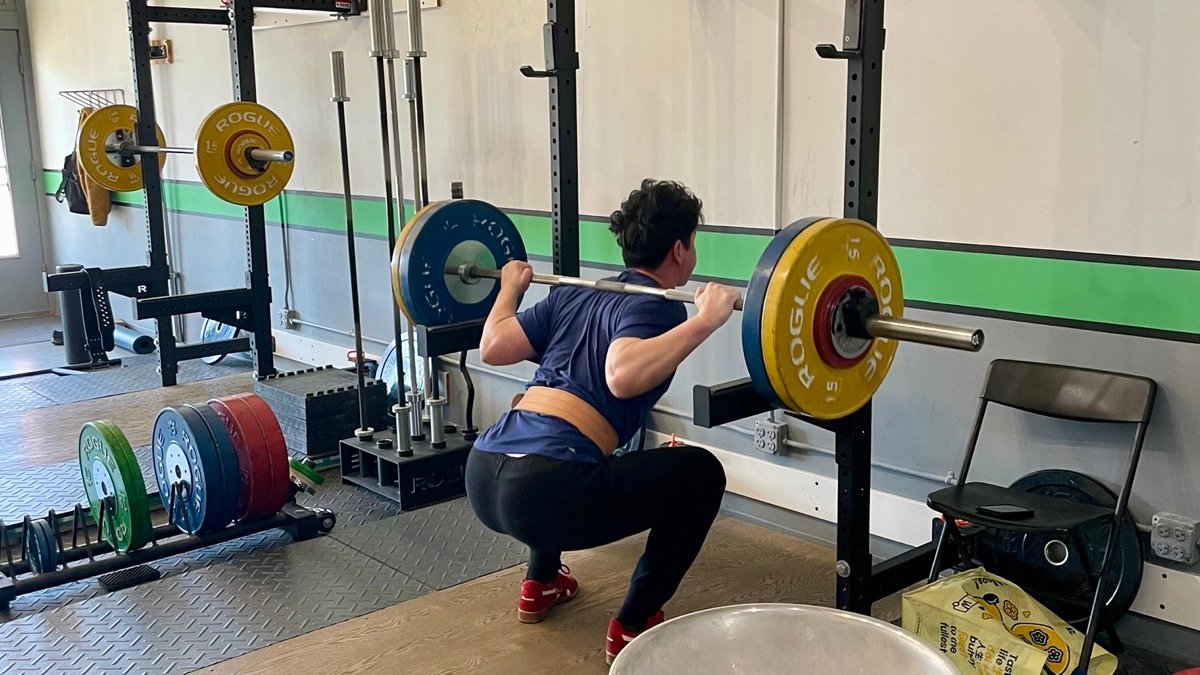
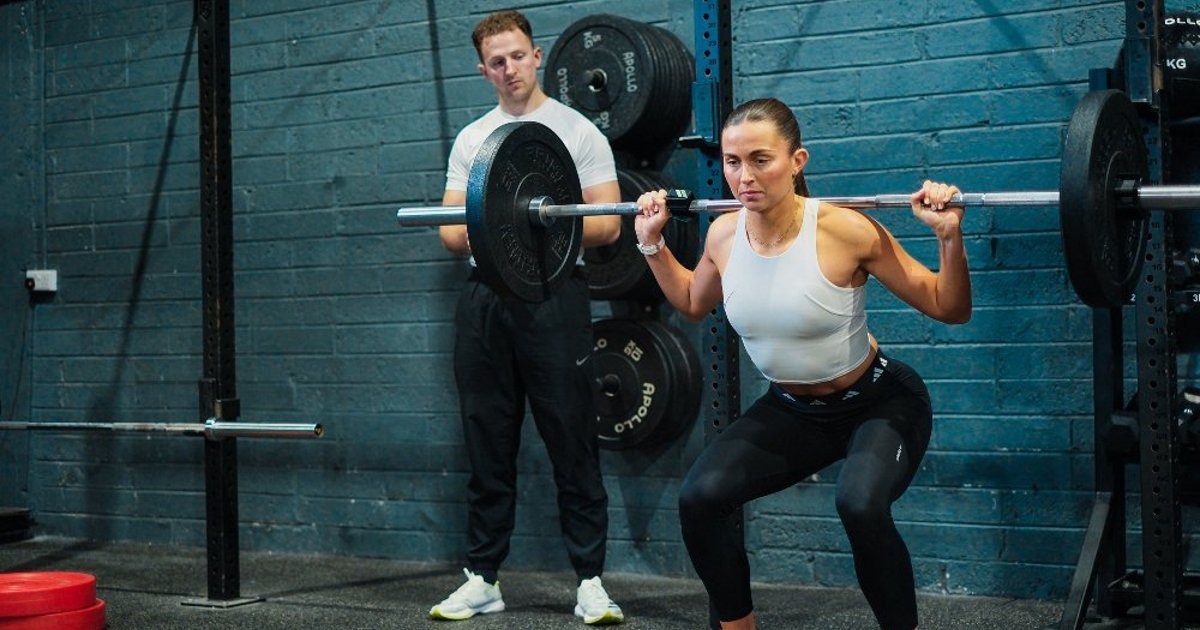
Use a rack with properly adjusted spotter arms or safety pins. Check that the bar, plates and collars are secure, clear the floor and confirm your normal back-squat depth and stance before adding any unusual rest structure. A knowledgeable spotter helps when heavier loads approach your limit; never rely on a spotter to replace set-up safety.
For a beginner-friendly experiment rather than a replication of the laboratory, select a familiar, submaximal squat load you could normally perform for several clean repetitions. Perform a single controlled repetition, then safely rerack the bar on its hooks for approximately forty seconds before the next one. Step back out and re-establish foot pressure and bracing each time. Reracking reduces the risk of standing under a heavy bar while distracted by a timer; it also means your version is mechanically different from any protocol that keeps the weight supported throughout the pause.
Choose a deliberately small repetition target at first, such as three or four clean singles grouped as one cluster, without chasing a maximal-effort RPE 10-plus set. Stop when bracing, depth, balance or bar path changes, even if the timer says you are entitled to more reps. Record the actual timing, including any additional seconds needed to get safely in and out of the rack. If you cannot manage repeated walkouts consistently, use ordinary sets instead. The study tested already-trained adults in a controlled environment, not a new-lifter safety protocol.

Powerlifting Shirts & Lifting Gear
Powerlifting shirts and gym gear for squat, bench and deadlift lifters who live for heavy numbers.


Legday – Squats & Deadlifts , Meme Top Bros & T-Shirt
Bring “Legday” humor to your next gym day.

Don'T Fart Squats & Leg Day Meme Hoodie
Show off your leg-day humor in a laid-back “Don't Fart Squats” hoodie.

Quadzilla Massive Quads Decal Leg Day Squat Meme Sticker
Stick a little “Quadzilla” humor on your favorite gear.

9 Plates Squat Club Meme Shirt – Essential & T-Shirt
Show some leg-day attitude with a playful “9 Plates Squat Club” tee.

Coffee Shots & Heavy Squats for Caffeine, Lifting and S Sticker
Put “Coffee Shots & Heavy Squats” gym humor on your laptop, bottle, or gym gear.

Heavy Metal Skeleton Squat for Powerlifting, Bodybuildi T-Shirt
Show some gym-day personality with “Heavy Metal Skeleton Squat”.

Leg Day Thou Shalt Not Skip Leg Day Medieval Knight Pul Hoodie
Show off your medieval humor in a laid-back “Leg Day” hoodie.


I Love Squats – Valentine's Day Leg Day Meme Vest Muscl Tank Top
Add some leg-day attitude to training with “I Love Squats”.
Where paused sets belong in a real strength program
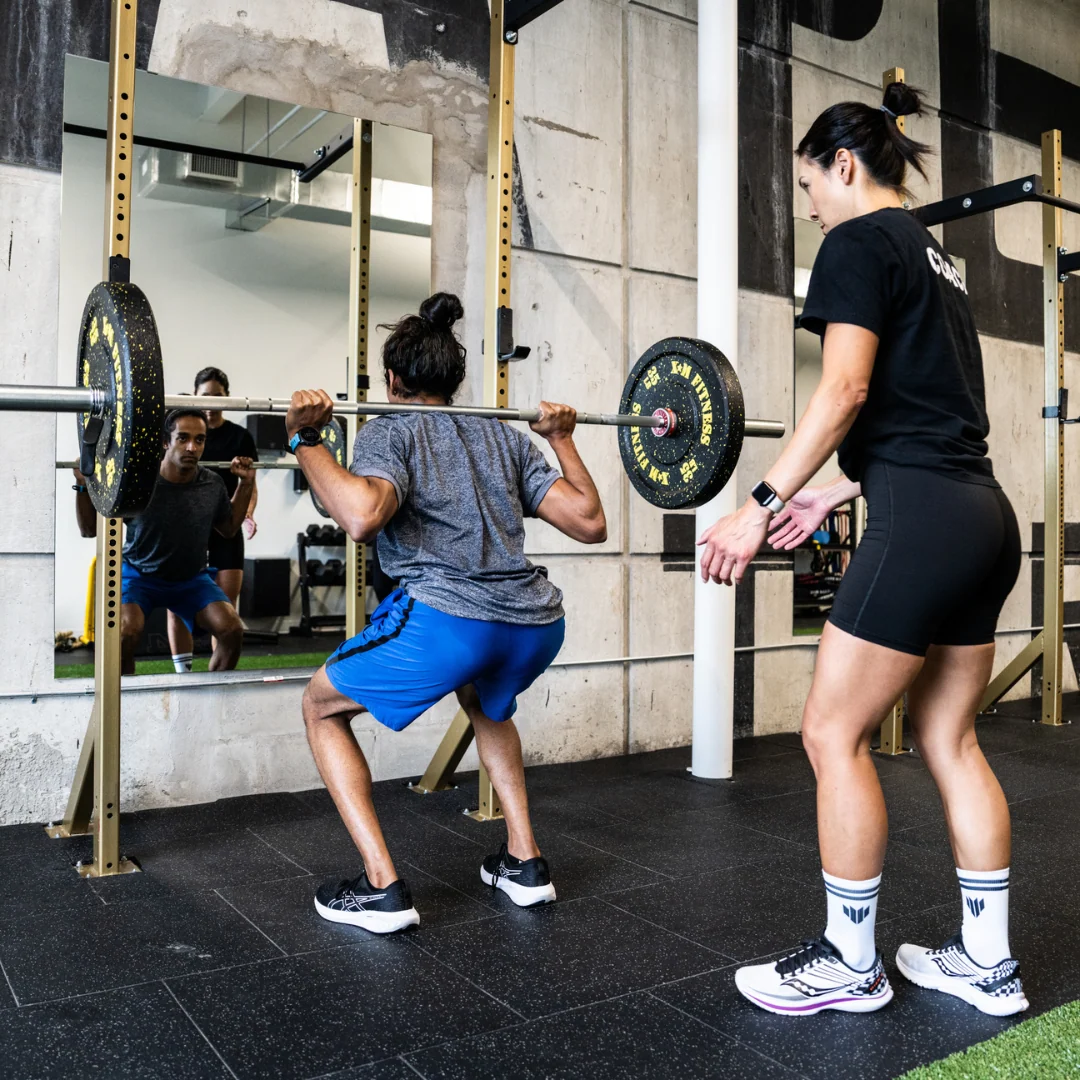
Traditional straight sets have obvious advantages: simple timing, fewer rack entries, and easier comparison with the effort ratings you already understand. Forty-second paused work can be useful when maintaining technically crisp heavy repetitions matters, or when an uninterrupted bout becomes slow before the planned total repetitions are complete. Neither style needs to replace the other completely.
For a strength-focused session, keep the main competition-style squats consistent from week to week and place experimental paused work in a secondary slot. For hypertrophy training, remember that total weekly hard work, progression and recovery matter more than whether every set uses a fashionable structure. Broader comparisons of cluster and traditional training generally find comparable long-term strength and growth outcomes when relevant training factors are matched. A separate six-week back-squat trial in trained men and women also found less acute fatigue with cluster sets but broadly similar gains in maximum squat strength and endurance.
The new twenty-person result therefore adds useful evidence about acute volume, speed and effort-rating calibration. It does not establish that forty-second pauses build more muscle than continuous sets; it does not show that forty seconds is the best break for all loads; and it does not tell you how frequently to practice the method over a year. Use it as a tool for managing the shape of work, not as a shortcut around progressive overload.
Equipment Worth Exploring
Explore equipment, accessories and gear from our carefully selected range.


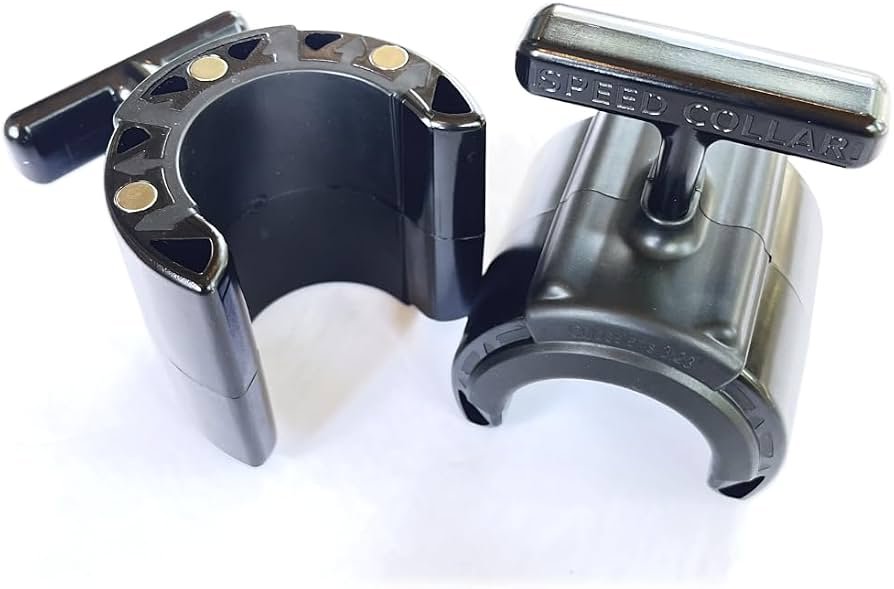
Speed Collar
Quick-release collars designed to secure weight plates on standard two-inch Olympic bars.

Studio V-Squat
Plate-loaded V-squat machine for supported lower-body strength training.

Leg Press/Hack Squat BPR-790
Convertible 45-degree leg press and hack squat machine with a broad footplate and band pegs.

Compact Leg Press CLP-700
Compact reverse-style leg press with a moving seat carriage and an adjustable footplate.

Open Hex Bar
Open-frame trap bar with multiple handles for deadlifts, carries, and lower-body training.

Leg Extension/Curl BCO-780
Leg extension and lying leg curl combo with plate loading, band pegs and a cable-loading option.


A four-week comparison that separates extra reps from better progress
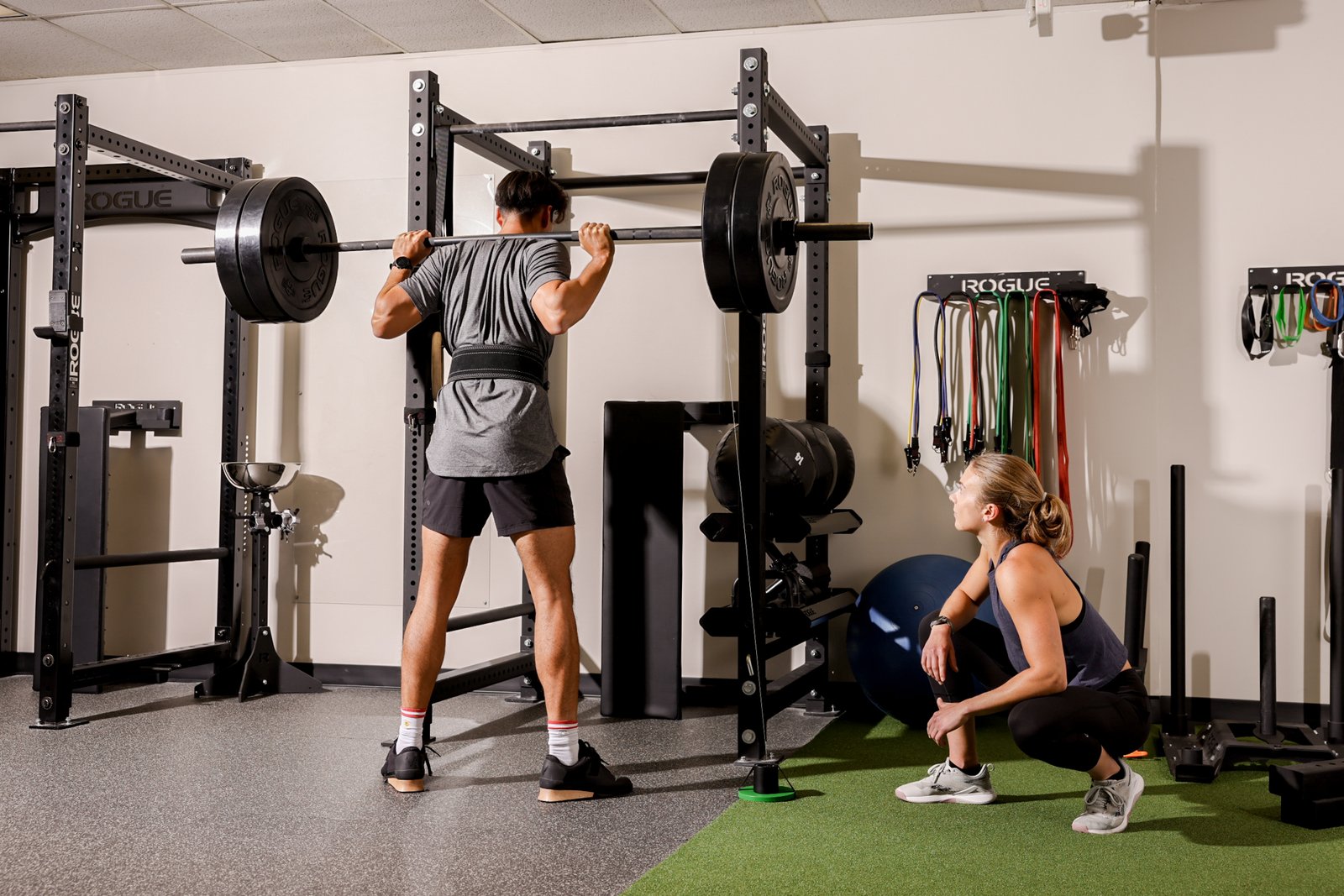
Week one: establish your baseline. Use the same shoes, rack, squat depth, warm-up pattern and a non-maximal working weight. On one training day, record one or two conventional sets: reps, load, between-set rest, perceived effort and the appearance of the final rep. If you own a reliable bar-speed tracker, record its velocity readings; if not, do not pretend that a phone video alone provides laboratory-grade numbers.
Week two: on a separate but comparable day, test a modest three- to five-rep cluster using about forty seconds between individual repetitions. Use the same working weight and strict squat standard. Rerack between reps, keep your usual safety pins in position and stop with solid technique still available. Note that the two sessions are not automatically matched for time or total recovery. Do not equate feeling less breathless with proving lower muscle fatigue.
Week three: repeat whichever variation best served your actual training objective while maintaining a stable total weekly workload. Compare rep quality, clock time, soreness, willingness to train again and your ability to judge how many reps remained. If bar speed or form deteriorates unexpectedly, adjust load or return to normal sets rather than extending the cluster indefinitely. Do not add extra work simply because extra repetitions were possible in the study.
Week four: review the full log and make a narrow decision. If pauses consistently help preserve good movement at a manageable time cost, retain them for selected sets. If they complicate scheduling, inflate total work or make effort targets confusing, choose conventional sets. The best protocol is the one that can be repeated, recovered from and progressed without pretending that one acute experiment predicts long-term muscle growth.
Funny Gym Shirts & Workout Gear
Funny gym shirts, tanks, hoodies and workout gear for lifters who like training hard.

Squatbucks & Coffee Meme Leg Day, & Gains Top T-Shirt
Show some leg-day attitude with a playful “Squatbucks Gym & Coffee” tee.


Squats R Us Shirt – Leg Day Gains & T-Shirt
Heavy lifts, good laughs, and a little “Squats R Us” energy.

One More Rep Shirt: Motivational & T-Shirt
Make gym days more fun with “One More Rep” style.

Nice Rack – Squat Rack Meme & Gymbros Ultimate Top T-Shirt
Heavy lifts, good laughs, and a little “Nice Rack” energy.

My Leg Hurts Leg Day Sweater & Squat Meme Lovers T-Shirt
Keep things casual with a little “My Leg Hurts” attitude.

Heavy Enough Tee
Bring “If You're Not Scared It's Not Heavy Enough” humor to your next gym day.

Wonder Squats & Leg Day Gains Superhero Hooded Hoodie
Show off your superhero humor in a laid-back “Wonder Lifter” hoodie.

Legendary Leg Day – Squat Meme Decal for Gym Bottles & Sticker
Put “Legendary Leg Day” gym humor on your laptop, bottle, or gym gear.

Heavy Squatter Meme Squats & Gains Leg Day Wizard Top T-Shirt
Heavy lifts, good laughs, and a little “Heavy Squatter” energy.