Advertising disclosure: This page includes affiliate product links that may earn us a commission, as well as products from our own store.
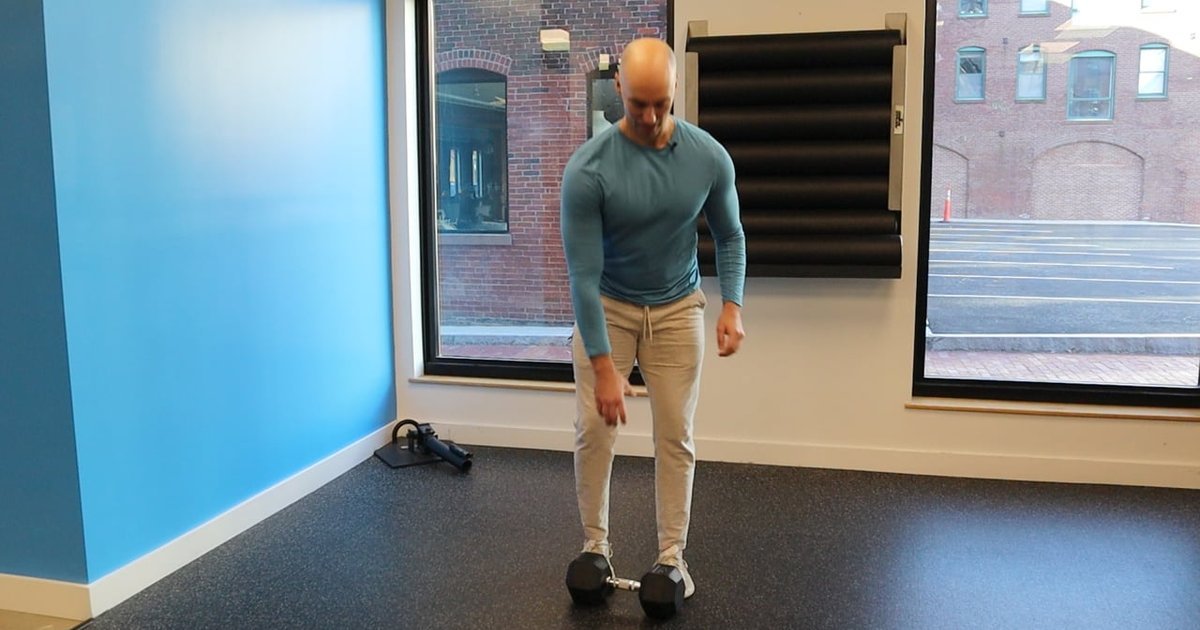
One dumbbell in one hand looks like the simpler version of carrying two. Your trunk may see a different job. With an uneven load, the body must control the tendency to lean toward the weight while the shoulders and grip maintain a stable position. Two evenly loaded hands change that balance without automatically making the exercise easy.
A study released on November 18, 2026, tested 31 male college athletes under controlled standing conditions. When researchers compared one-sided and two-sided static holds, the core muscles they measured did not respond identically. The higher of two prescribed loads produced more electrical activity, and the side holding the weight mattered. That is useful information for exercise selection, provided we do not mistake a short laboratory test for proof of bigger abs or superior long-term training results.
What 31 college athletes actually did
The participants were healthy male Division III college athletes with an average age of about 19.5 years. Each completed three standing, non-walking conditions in randomized order: weight in both hands, weight on the same side as the measured dominant-side trunk, and weight on the opposite side. This was not a six-week training program. It was an acute comparison of what happened to measured muscle activity during the conditions being tested.
The investigators used external loads based on body mass: 12.5 percent and 25 percent. For a hypothetical 80 kg lifter, those reference percentages correspond to 10 kg and 20 kg. This is a way to understand the scale of the experiment, not an instruction to use those exact weights. An individual lifter’s grip, balance, training history, and ability to stay upright can make a much lighter hold challenging.
Surface electromyography, or EMG, monitored the rectus abdominis, external oblique and erector spinae on the dominant-hand side of the torso. Electrical activity is evidence that a muscle is contributing to the task; it is not a direct measurement of force, stability, hypertrophy or injury reduction. The distinction matters because a dramatic percentage change in EMG should not automatically become a promise of faster visible abdominal development.
The heavier static hold raised activity in every measured muscle
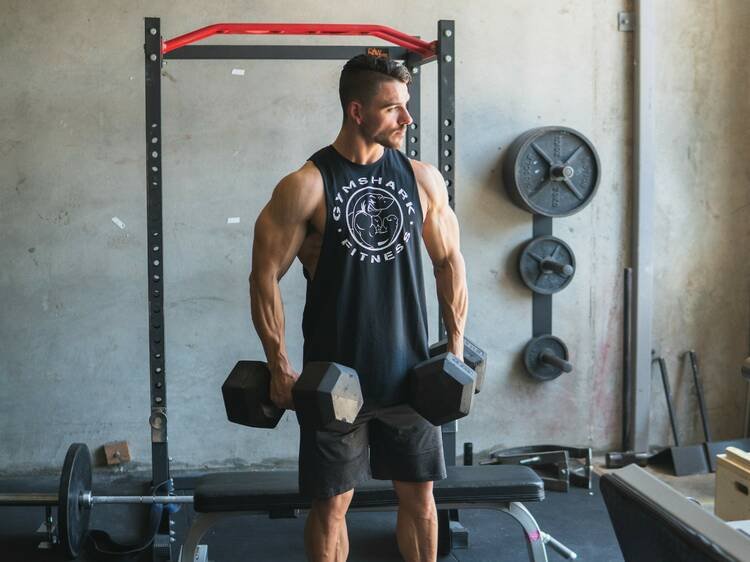
The researchers reported greater EMG activity at 25 percent bodyweight than at 12.5 percent in each of the three muscles, across all three holding configurations. There were also statistical interactions between how the load was held and how much was held. In ordinary training terms, both the position and the amount of the weight affected the immediate muscular demand.
That does not mean doubling the load is a good first progression. The study’s two loading conditions are observations, not a universal starting weight or a programming prescription. If holding a dumbbell makes you hike a shoulder, lean sideways, hold your breath continuously or shift onto one foot, the apparent increase in difficulty might be mostly a change in technique. A repeatable position is more valuable than an arbitrary target.
For a controlled experiment on yourself, keep the handle, footwear, stance width, hold duration and torso position consistent before increasing mass. When a stable 20-second hold becomes easy on both sides, you might add a small increment or extend the time, but not both at once. Logging the actual dumbbell mass and which hand held it makes comparisons far more informative than writing ‘farmer hold, three sets.’

Equipment Worth Exploring
Explore equipment, accessories and gear from our carefully selected range.

Rubber Hex Dumbbells
Rubber-coated hex dumbbell pairs with a stable shape for home and commercial strength training.


Cast Iron Kettlebells
Textured cast-iron kettlebells for swings, squats, carries, and full-body training.


Leather Wrist Grips
Padded leather lifting grips help support the hands and wrists on heavy pulling exercises.

Leather Lifting Straps
Padded leather straps support grip during heavy rows, deadlifts and pulling exercises.
Why the opposite hand changed the dominant-side core signal
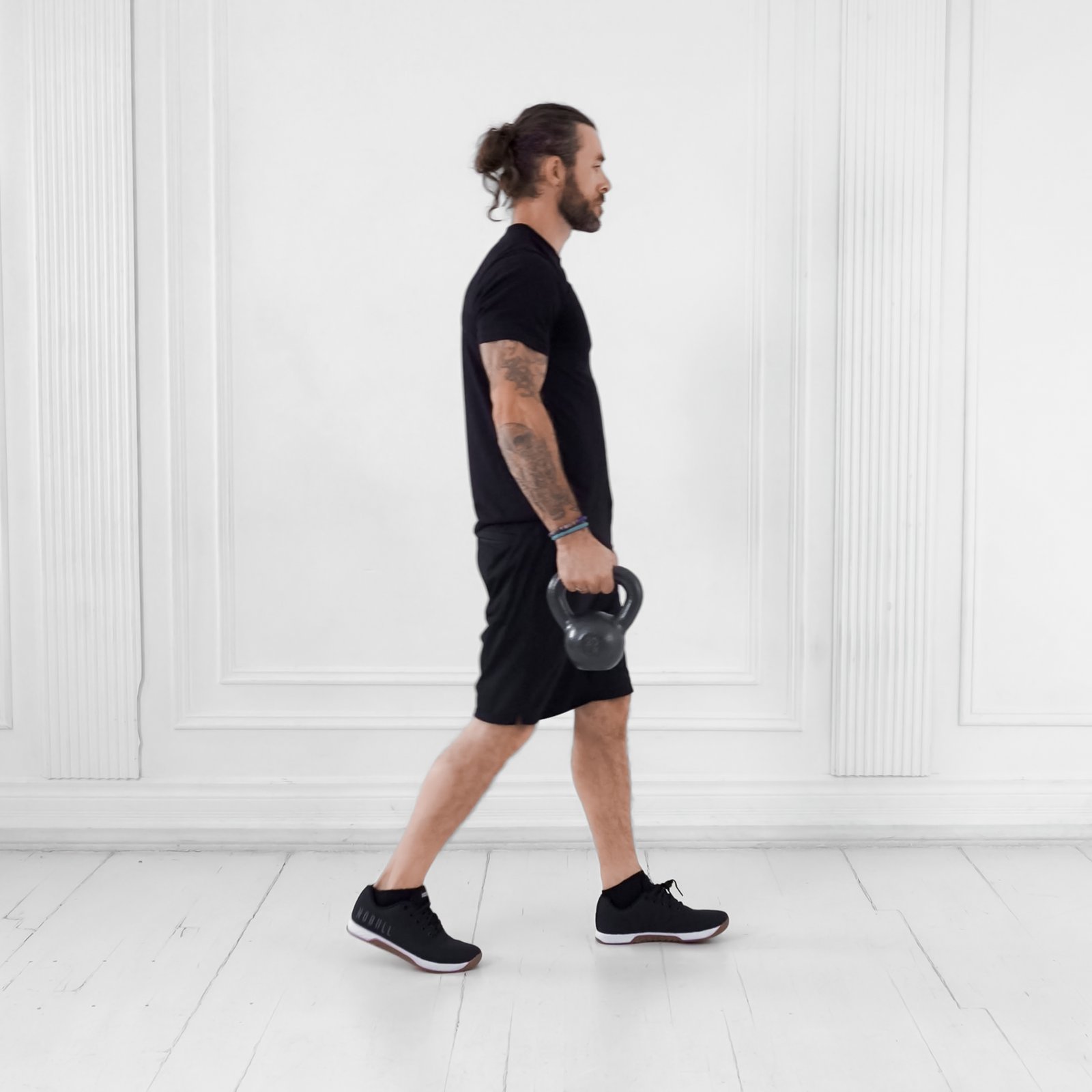
One important result was a stronger EMG response on the measured dominant side when the load was carried in the opposite hand. In the paper’s terminology this was the contralateral condition; ipsilateral meant the load was in the same-side hand. The contralateral configuration generated significantly more activity in the measured rectus abdominis, external oblique and erector spinae than either the bilateral or ipsilateral configuration at both tested loads.
This makes mechanical sense as an anti-side-bending challenge. A weight on the left creates a tendency for the body to tip left. The trunk must organize a counteracting response, including muscles on the other side. But it would be wrong to say the unloaded-side muscles are the only ones working, or that every lifter will produce the same pattern. Muscles cooperate, and the study used a particular sensor placement on a particular group of athletes.
Do both sides when you train. Switching hands changes which side confronts the external challenge, and differences in grip endurance or shoulder control may show up well before the trunk feels exhausted. Avoid selecting only your ‘weaker’ side because an EMG comparison makes it sound superior. The goal is controlled, symmetrical practice, not maximizing one measurement from one side of a single experiment.

Functional Fitness Shirts & Workout Gear
Functional-fitness shirts, tanks and workout gear for athletes who train strength, conditioning and everything in between.

Shirt – Strawberry Kettlebell Meme Top Gymbros & T-Shirt
Heavy lifts, good laughs, and a little “Strawberry Kettlebell Meme” energy.


Atlas Kettlebell Earth Meme Greek God Top T-Shirt
Make gym days more fun with “Atlas Kettlebell Earth Lifter” style.

Kettlebell Skull Tee
Heavy lifts, good laughs, and a little “Kettlebell Skull Gym Meme” energy.

Happy Kettlebell Emoji Smiley Kettlebell Meme T-Shirt
Show some gym-day personality with “Happy Kettlebell Emoji”.

Kettlebell Heart X-Ray – Valentine's Workout Hooded Hoodie
Bring “Kettlebell Heart X-Ray” gym humor to lazy days and post-workout plans.

Watermelon Kettlebell – Fruit Themed Workout Vest Muscl Tank Top
Train hard, laugh a little, and rep “Watermelon Kettlebell”.

Pink Macaroon Kettlebell – Girly Strength Meme Decal fo Sticker
Stick a little “Pink Macaroon Kettlebell” humor on your favorite gear.


Donut Kettlebell – Bakery Gains Meme Hooded Pullover Hoodie
Make your off-duty look more fun with “Donut Kettlebell”.
A static suitcase hold is not a walking suitcase carry
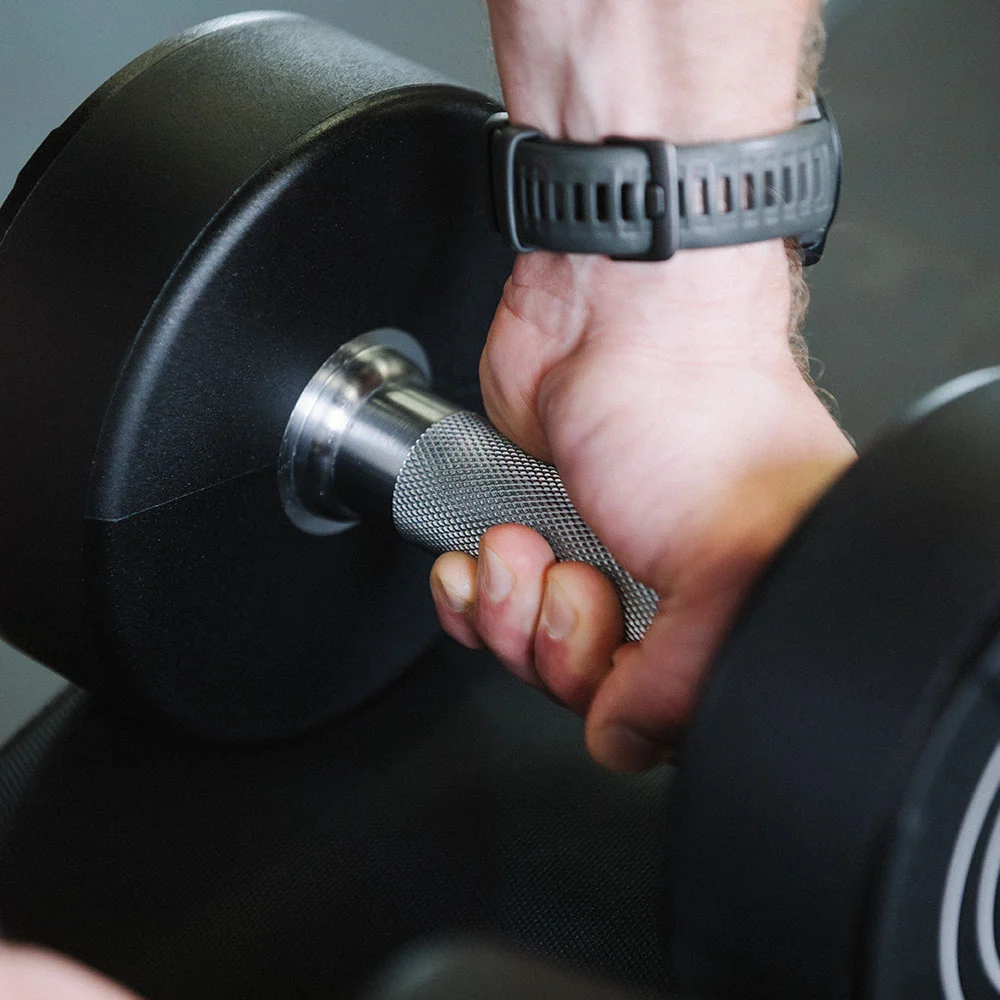
The athletes in the 2026 experiment stood still. Walking changes the task: there are steps, shifts in the center of mass, alternating foot contact, and continuous corrections for momentum. Other controlled experiments comparing carries and stationary holds have reported higher activity for several trunk muscles during walking versions. Their setup and participants were different, so they should not be merged into one numerical ranking.
A static farmer hold generally places weights in both hands; a static suitcase hold loads one hand. During a farmer carry or suitcase carry, the same basic loading arrangement moves down a lane. The standing variations are convenient for precise practice when space is limited or when you want an easily repeatable timer. The walking versions add locomotion, coordination and potentially more whole-body fatigue.
Another research comparison of moving unilateral dumbbell carries examined suitcase, front-racked and overhead positions. Those should not be interpreted as equivalent substitutions: raising a weight to the shoulder or overhead increases requirements for the shoulder and changes the muscular emphasis. If your goal is a stable torso under a simple asymmetrical load, start with a secure dumbbell at your side; there is no need to invent a more complicated challenge before mastering the basic one.
A practical hold progression that does not chase an EMG number
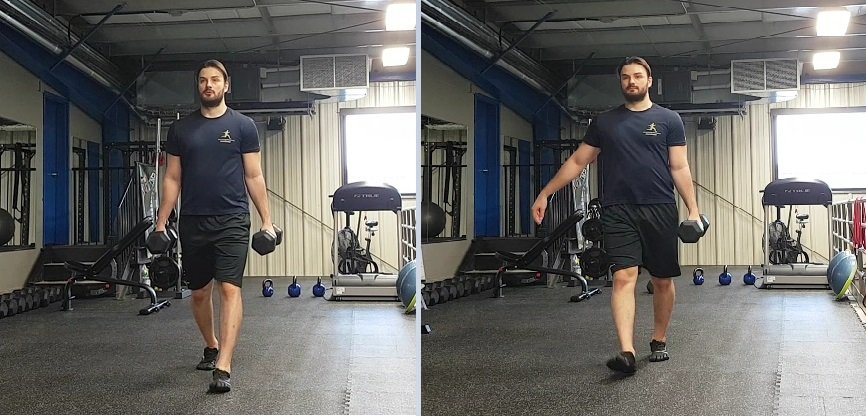
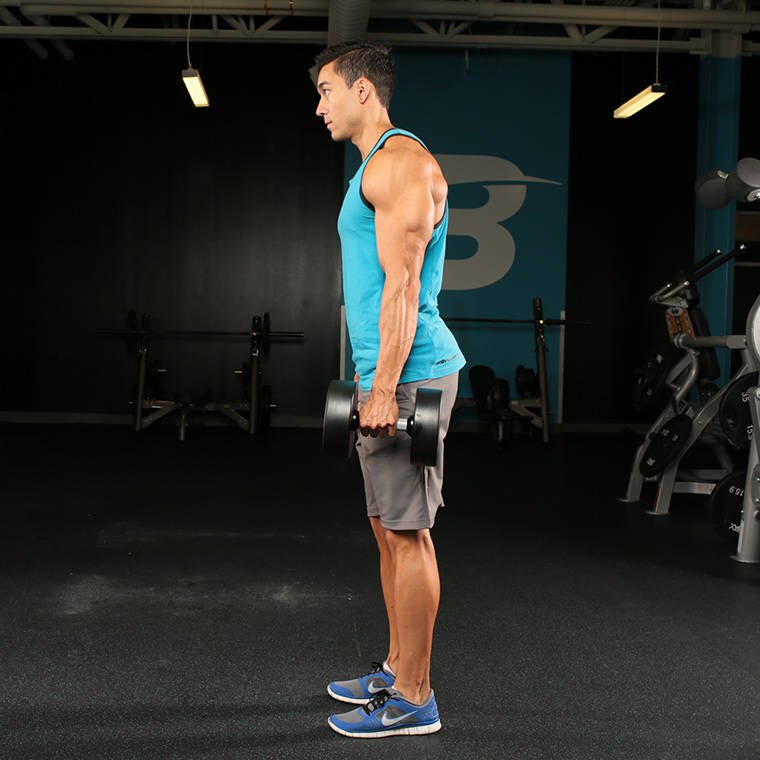
Start with two or three sets per side of roughly 15 to 30 seconds, using a load that lets you stand tall and breathe normally enough to stay in control. Let the arm hang near your side rather than bracing the dumbbell against your thigh. Keep the ribs over the pelvis, feet planted, head level and shoulders calm. Switch hands deliberately, not by swinging the weight across your body.
For the first two sessions, establish your repeatable baseline: same weight, hold duration and posture, with both sides completed. The next few sessions can add a few seconds while you maintain clean form. Once the target duration feels comfortable on both sides, return to a shorter hold with a modestly heavier implement. This is a coaching example, not an intervention tested by the 31-athlete experiment. The safest progression is one you can reproduce without losing balance or grip unexpectedly.
If your goal is grip endurance, consider using a demanding but secure dumbbell handle and avoid straps when appropriate and safe. If the trunk is the target but the hand fails immediately, a different implement or a lighter load may be more useful than forcing prolonged slipping. You can train the grip separately without pretending the same set optimizes every objective. Space the implements so you can set them down rather than dropping them onto your feet.
People with persistent back pain, shoulder symptoms, dizziness, recent injury or other medical limitations should not treat this exercise as a substitute for individualized advice. Stop when alignment fails or symptoms appear. A controlled hold should challenge you, not require bracing against sharp pain or a loss of balance.
Equipment Worth Exploring
Explore equipment, accessories and gear from our carefully selected range.
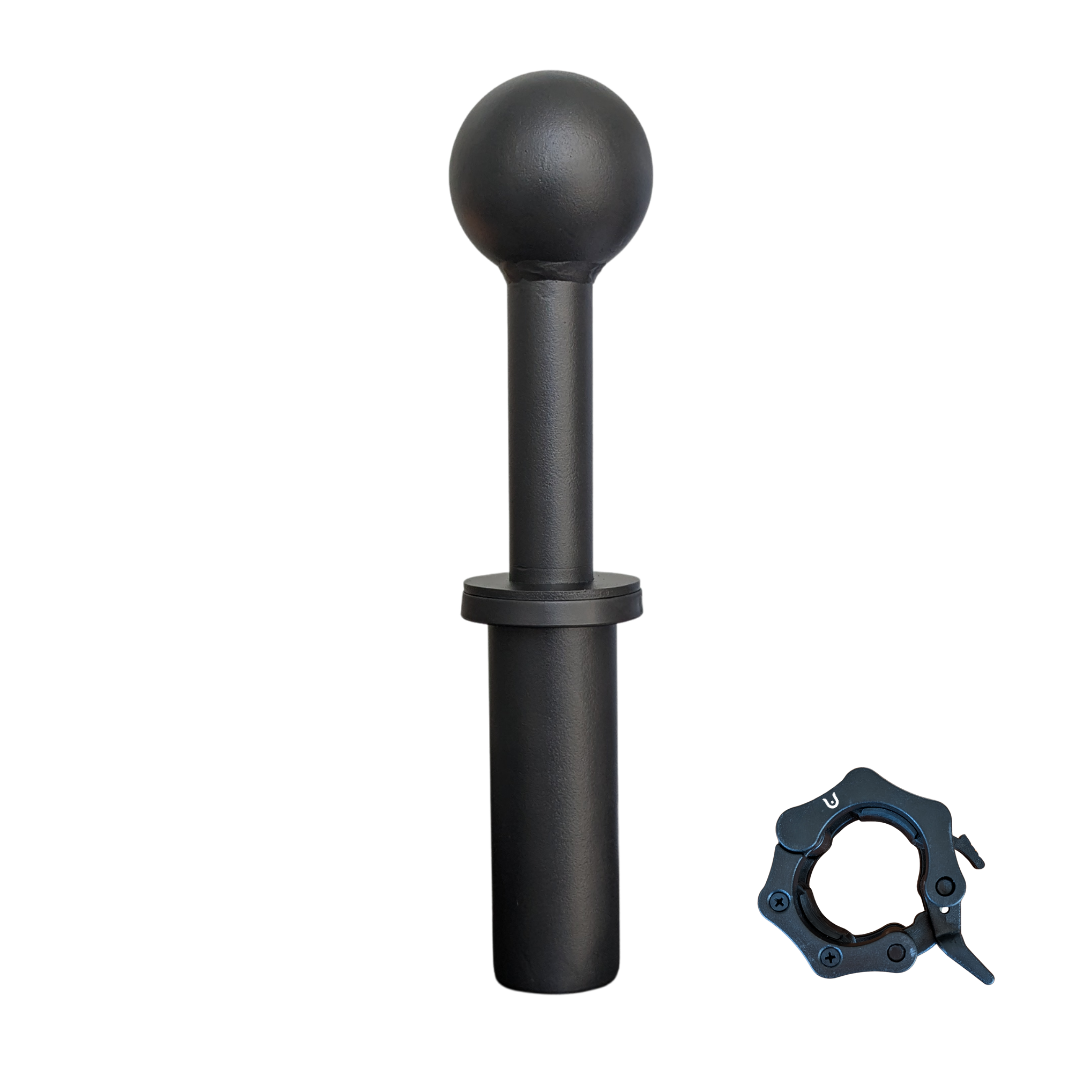

Angles 90 Grips
Flexible grip attachments that allow natural wrist movement during pulling exercises.
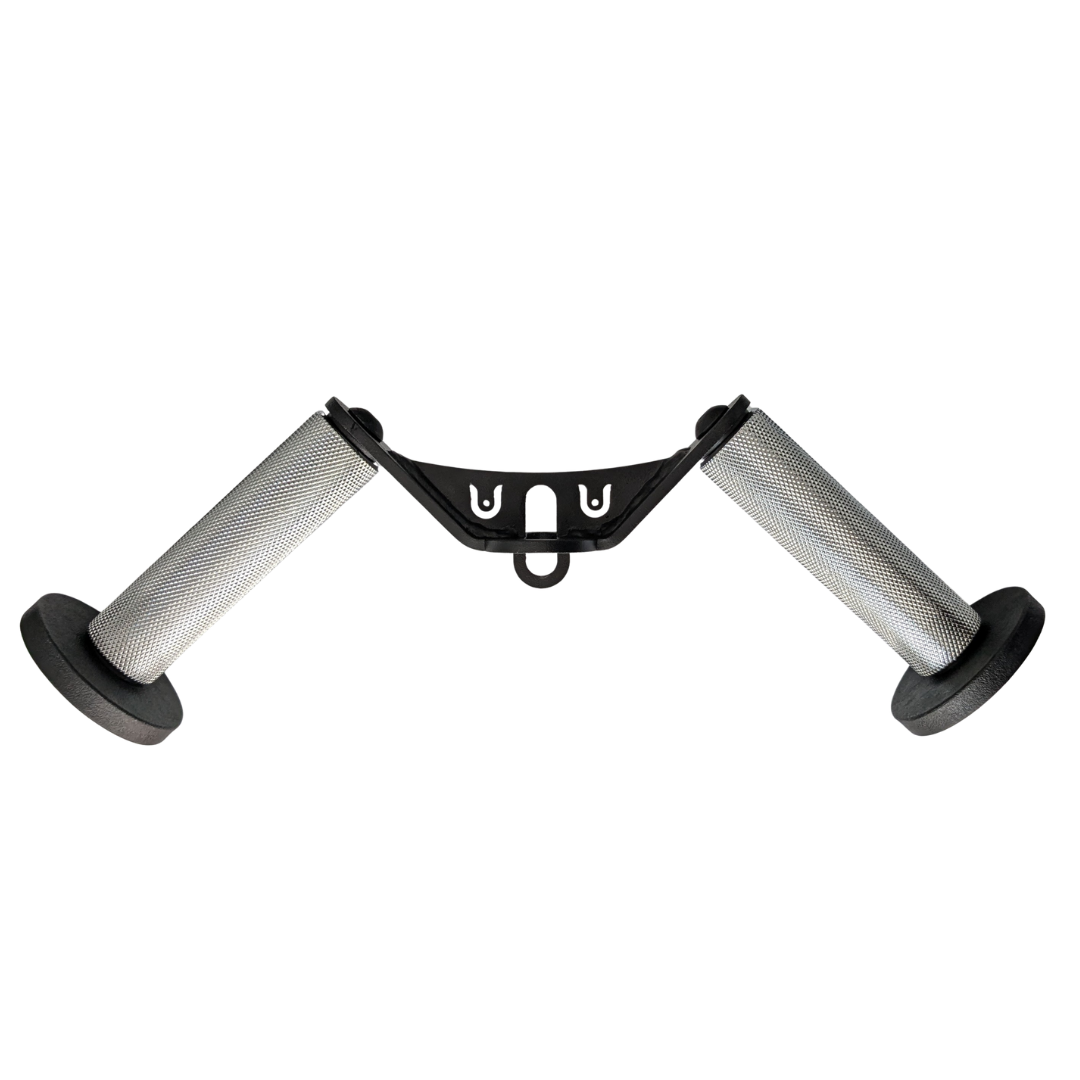
W Grip
Angled cable grip for comfortable rows, pushdowns, and curls.
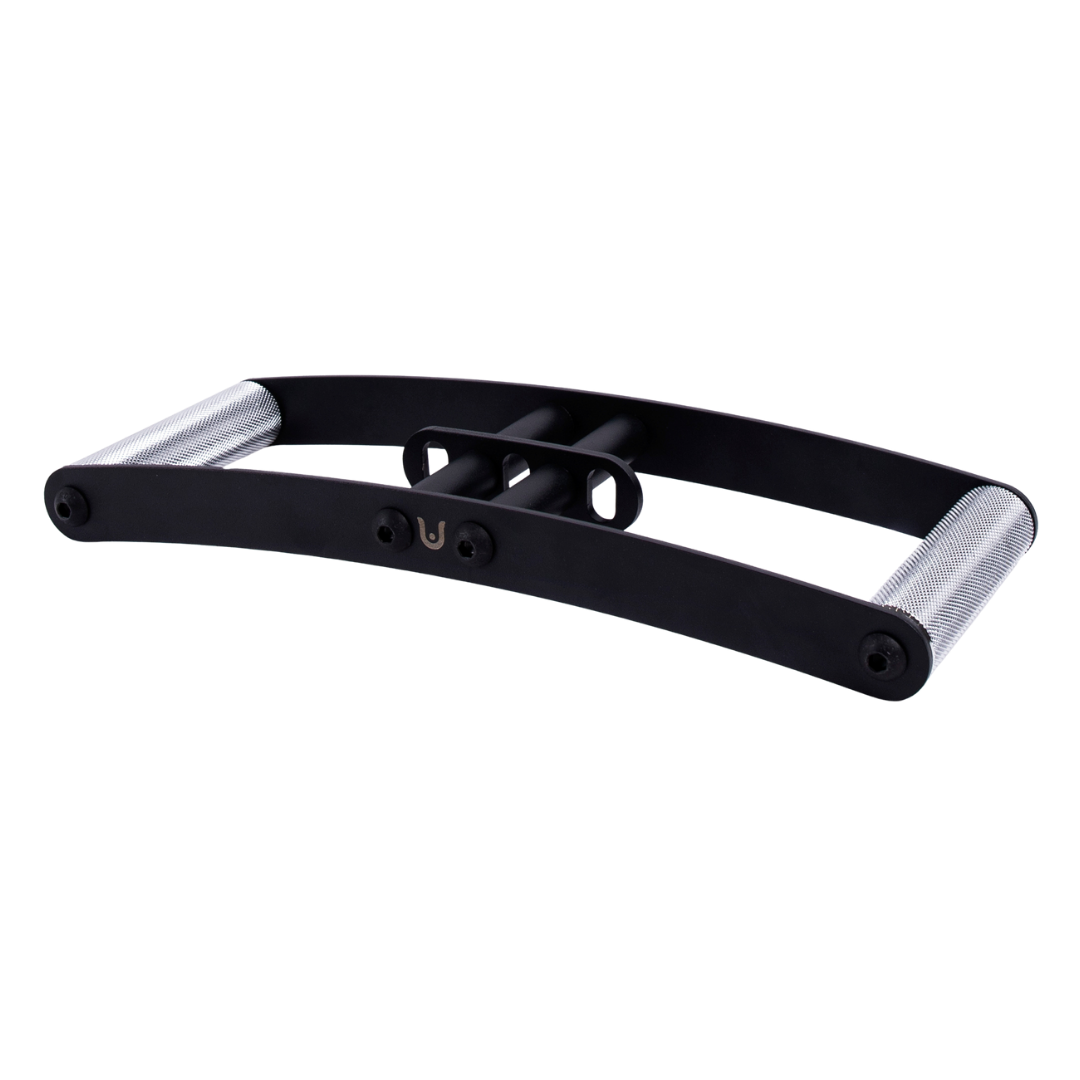
Horizon Grip
Ergonomic V-style cable grip for rows and back training.

GymPin Ergo Handles
Pair of ergonomic cable handles shaped for comfortable triceps and pulling exercises.


Open Hex Bar
Open-frame trap bar with multiple handles for deadlifts, carries, and lower-body training.

Original GymPin
Adds Olympic plates to compatible cable-machine weight stacks for extra resistance.

Grip Plates
Rubber-coated weight plates with handholds for loading barbells and machines.
VOLTRA
Compact digital cable trainer with smooth, adjustable resistance.
What this evidence can and cannot decide for your program
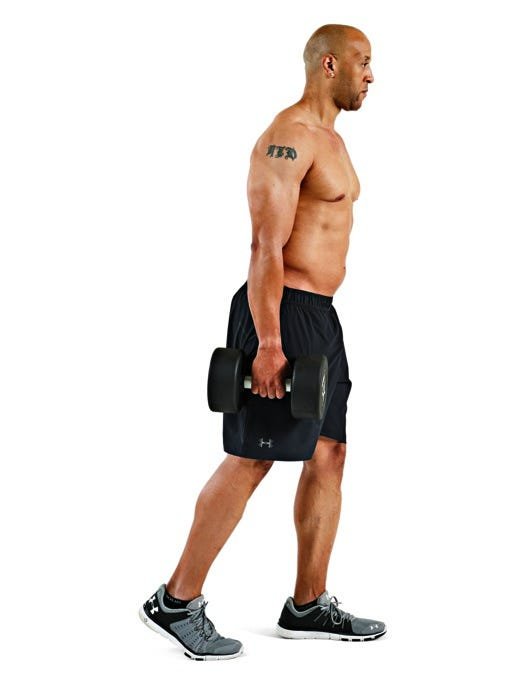
The immediate takeaway is narrow: in a controlled static test with 31 young male athletes, heavier loads increased the measured trunk EMG and opposite-side loading increased activity in the three dominant-side muscles recorded. It does not settle whether a one-arm hold produces more hypertrophy, higher maximal strength, lower injury risk or better sport performance after months of training. None of those outcomes were tested by this study.
Because the participants were male college athletes, the exact magnitudes may not transfer to beginners, older adults, people with chronic pain or highly trained strongman athletes. Only one side’s EMG was recorded, and surface measurements can be influenced by sensor placement and how a movement is performed. Differences between conditions describe this experiment, not a universal ranking of the ‘best’ core exercise.
Use stationary unilateral holds when you want a simple anti-side-bending challenge that is easy to standardize. Use bilateral holds when the priority is handling two weights while maintaining posture and grip. Add moving carries when walking and the ability to control each step are part of the training objective. Planks, hinges, squats and other core work still have legitimate roles, because trunk training is more than the EMG amplitude of one muscle in one position.
The intelligent question is not whether a suitcase hold beats every other exercise. It is whether the chosen variation creates the demand you intend, allows consistent technique and fits the rest of the workout. Record load, hand, duration, posture quality and weekly trend. That creates a practical foundation for progression without overstating what a single acute trial proved.
Powerlifting Shirts & Lifting Gear
Powerlifting shirts and gym gear for squat, bench and deadlift lifters who live for heavy numbers.


Deadlift PR or ER Bloody Skull Muscle Shirt for Bodybui Tank Top
Train hard, laugh a little, and rep “Deadlift”.

Zombie Deadlift Sweater Deadlift Lovers & Leg Day T-Shirt
Bring “Zombie Deadlift” humor to your everyday gym style.

Hold My Mop Anatoly Shirt Lift Heavy Gymbro Meme Top T-Shirt
Make gym days more fun with “Hold My Mop” style.

Platehead Skull Powerlifters Meme Hoodie
Make your off-duty look more fun with “Platehead”.

Weights Breakfast Pancake Weight Plates Decal Morning Sticker
Stick a little “Weights For Breakfast” humor on your favorite gear.

Meme – "Shhh I'M Doing Plate Math" Vest & Tank Top
Train hard, laugh a little, and rep “"Shhh I'm Doing Plate Math"”.

Gymhead Skull Plate Vest Tank Top
Add some powerlifting attitude to training with “Gymhead Skull Plate Funny Powerlifting”.

Shirt – Lifting Things & Getting Gains – Gymbro Meme T-Shirt
Bring “Lifting Things & Getting Gains” humor to your next gym day.

Lift King Lion – , & Gymbros – Meme T-Shirt
Bring “Lift King Gym Lion” humor to your next gym day.
Some product links may be affiliate links, which can support Mind Muscle Perfection at no additional cost to you.