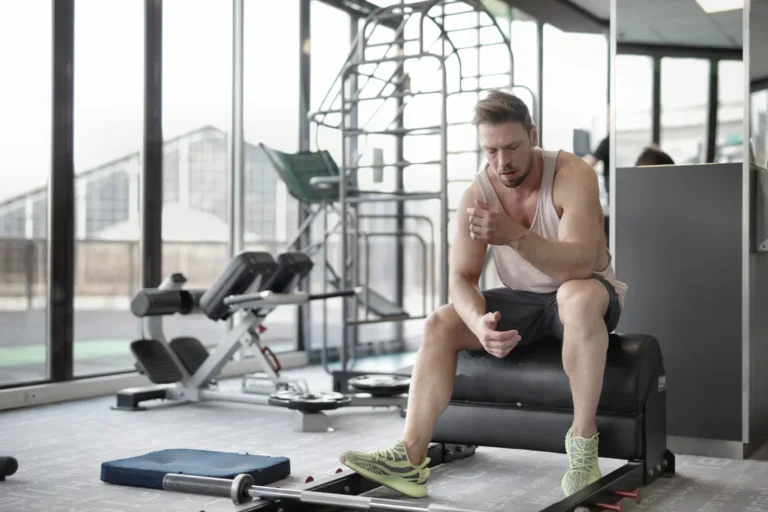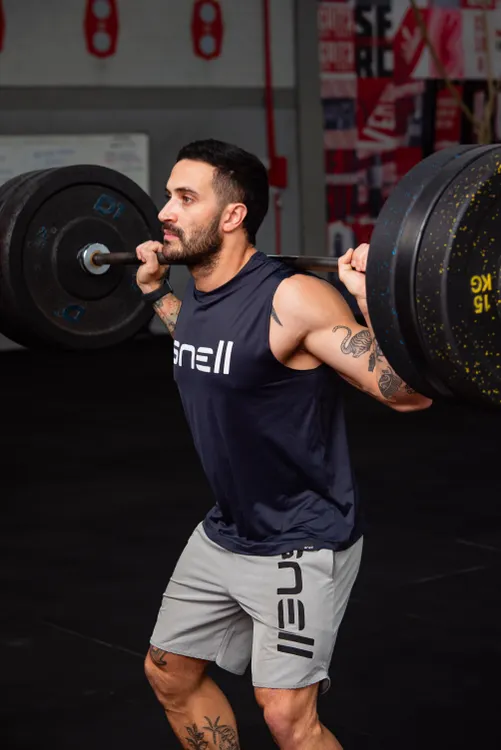
One bad night does not erase months of lifting progress. But treating sleep as optional can make heavy training harder, even when the numbers in your workout log look normal. A systematic review published in 2025 examined 13 studies of sleep loss and muscle strength. Its most useful message is not that everyone immediately becomes weaker after a short night. It is that strength, power, bar speed and perceived effort can respond differently—and repeated poor sleep deserves more attention than a single missed bedtime.
Here is what those results mean for lifters, why muscle recovery is a separate question from a one-rep maximum, and how to adjust a session when sleep has gone badly without turning a rough night into an unnecessary week off.
What the 13-study review found—and what it did not
The review examined controlled research comparing normal sleep with partial restriction or sleep deprivation in healthy adults. Ten of the 13 included studies found a statistically significant difference in at least one strength-related outcome.
That does not mean 10 studies showed every lift becoming weaker, nor that the remaining three proved sleep makes no difference. Some tests measured maximal force, others power, grip strength or muscular endurance, and the timing of the tests varied. A single maximal repetition is only one piece of training performance. You might still complete a heavy single while moving the bar more slowly, feeling less coordinated or finding working sets unusually exhausting.
Conversely, a disappointing lift after one short night does not establish that sleep caused it; hydration, food intake, prior training and ordinary day-to-day variation also matter. The experiments differed in how much sleep was lost, whether restriction occurred over one or several nights, and which muscle groups were tested. Many samples were small. The reasonable conclusion is that insufficient sleep can impair strength-related performance, but the size and location of the effect are not uniform.
Why your sets may suffer before your maximum does
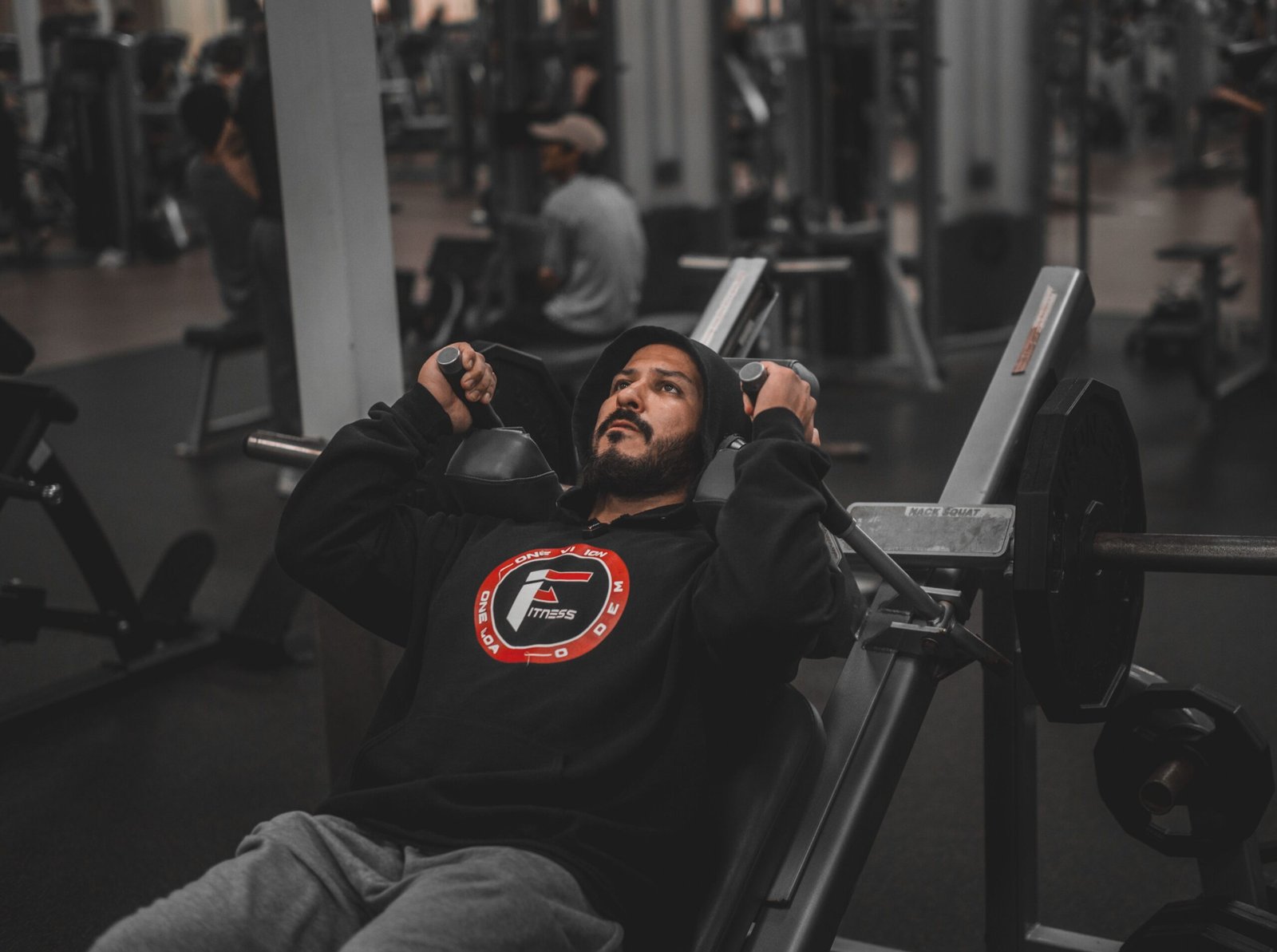
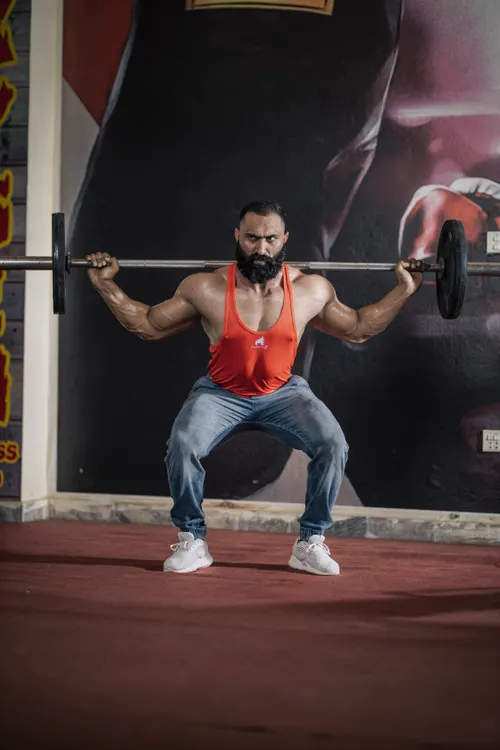
Imagine two workouts with the same prescribed squat weight. In the first, repetitions are crisp and you finish with two reps in reserve. In the second, you still complete the planned sets, but each rep feels slower and technique requires more concentration. A logbook recording only sets, reps and kilograms may classify those workouts as identical. Your nervous system and perceived effort might disagree.
A controlled crossover experiment in ten resistance-trained women compared nine nights with five hours in bed against nights allowing at least seven hours. The researchers found less than a one-percent reduction in total volume load, but lower-body bar velocity was slower by as much as 15 percent in some sets. Perceived exertion was higher, and measures of training distress also worsened. This was a small, specific experiment, not a universal estimate for every athlete.
The practical lesson is to pay attention to how you perform the repetitions, not just whether you technically finish them. A set that becomes a grind earlier than expected may indicate that the day’s loading plan needs adjustment. You do not need a velocity tracker to notice unusually slow warm-ups, loss of control on the eccentric or a sudden jump in perceived difficulty.
Use those signals alongside your normal training record. If warm-ups feel typical and movement quality is sound, there may be no reason to abandon a moderate workout after one imperfect night. If every warm-up feels disproportionately hard, forcing a personal record is rarely the only productive option. Compare several sessions before concluding that one bad night explains every fluctuation in strength.

Bodybuilding Shirts & Workout Gear
Bodybuilding shirts, tanks and gym gear for lifters chasing muscle, size, symmetry and the pump.


Neverest – Muscle Mountain , Gymbros & Meme Lovers T-Shirt
Show some lifting attitude with a playful “Neverest” tee.

Lift Eat Sleep Repeat Meme & Lifting Vest Tank Top
Show some personality between sets with “Lift Eat Sleep Repeat”.

Off-Season Rest Day Decal Water Bottles & Gear Meme Sticker
Put “Off-Season Rest Day” gym humor on your laptop, bottle, or gym gear.

Sleeping Booty Bootybuilding Meme Sweater Princess T-Shirt
Bring “Sleeping Booty” humor to your everyday gym style.

Everything Hurts And I'M Tired Duck Meme Lifting Hoodie
Stay casual and show some bodybuilding attitude with “Everything Hurts And I'm Tired”.


Superdad Meme : Dadlifting Shirt Sleepless Not Weak T-Shirt
Bring “Superdad Gym Meme” humor to your next gym day.

Mom Shirt: Sleepless Not Weak Supermom – Mother'S T-Shirt
Make gym days more fun with “Gym Mom” style.

No Days Off Motivation Workout for Lifting, Bodybuildin T-Shirt
Show some powerlifting attitude with a playful “No Days Off” tee.
Sleep and muscle growth are related—but not interchangeable outcomes
Strength performance tells you what you can produce during a test. Muscle protein synthesis describes part of the ongoing process by which muscle tissue is maintained and remodeled. These outcomes overlap, but they are not the same measurement. A short-term change in protein synthesis cannot be translated directly into a prediction of how many kilograms of muscle someone will gain over a training block.
One experiment studied 24 healthy young men after five nights of normal sleep opportunity or only four hours in bed. The sleep-restricted group showed a myofibrillar protein-synthesis rate about 19 percent lower than the normal-sleep group. A third group performed high-intensity intervals during restriction and maintained synthesis closer to normal.
That result does not establish that intervals replace sleep. A separate randomized crossover experiment in 13 healthy adults found that one entire night without sleep reduced measured post-meal muscle protein synthesis by about 18 percent the following day. It also reported short-term changes in circulating cortisol and testosterone. Hormone readings from an acute deprivation protocol should not be treated as evidence of a permanent hormonal problem after an ordinary late night.
These experiments strengthen the biological case for sleep as a recovery priority. They do not directly test long-term hypertrophy from months of progressive resistance training. For lifters, the sensible interpretation is to protect repeated opportunities for recovery while continuing to provide the two other major inputs: an appropriate resistance-training stimulus and sufficient nutrition. A rough night is a reason to improve the next several nights, not to assume your latest workout was wasted.

Equipment Worth Exploring
Explore equipment, accessories and gear from our carefully selected range.


VOLTRA
Compact digital cable trainer with smooth, adjustable resistance.


Leather Lifting Straps
Padded leather straps support grip during heavy rows, deadlifts and pulling exercises.

Are heavy squats, endurance work and evening sessions affected differently?
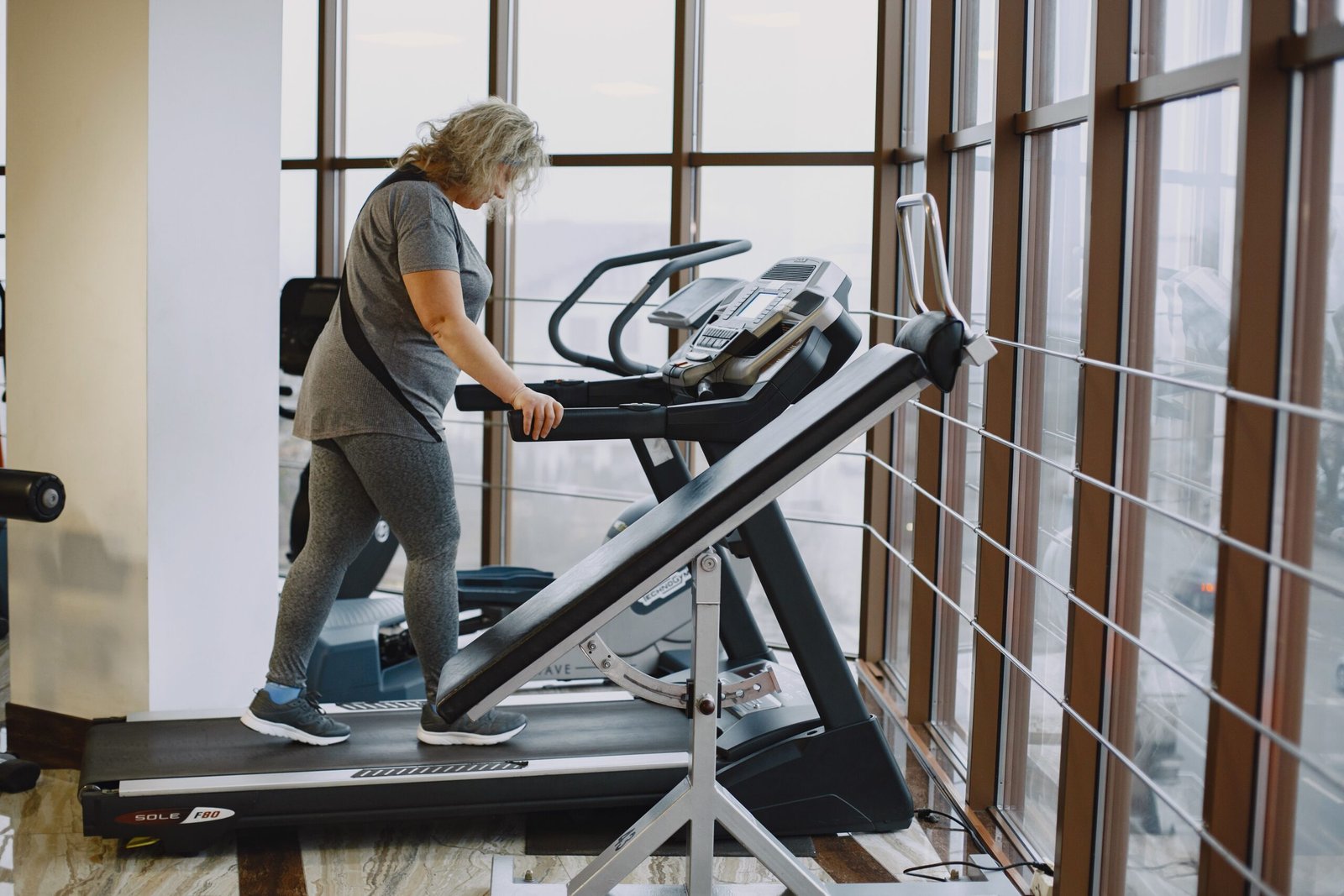
Sleep loss is not one uniform stress. Staying awake for an entire night, going to bed several hours late, and accumulating five-hour nights across a workweek can produce different effects. Performance tests place different demands on coordination, motivation, local muscle endurance and energy supply.
A quantitative review of acute sleep-loss experiments estimated an average negative effect of roughly 2.9 percent on strength tests and about 5.6 percent on endurance outcomes. Strength-endurance estimates were more variable and based on fewer observations. These pooled values are averages across different experiments, not numbers to subtract automatically from your one-rep maximum. The review also found indications that lower-body strength and tests later in the day may be more vulnerable in some protocols.
That pattern is plausible for real training, but it does not establish that every evening leg session after a poor night will be worse than an upper-body workout. People vary in habitual sleep, timing, caffeine use, fitness and their responses to fatigue. It is safer to treat the research as a reason to monitor your session rather than a rigid rule about which muscle group to train.
Longer conditioning work may be especially unpleasant when sleep is short because the challenge combines sustained physical output with concentration and perceived effort. If you have a demanding lift and a long conditioning session scheduled on the same day, prioritize the work that matters most and move optional volume rather than trying to compensate by pushing both harder. Judge performance against your usual baseline over several sessions, not one isolated bad day.
How to train after a bad night’s sleep without wasting the session
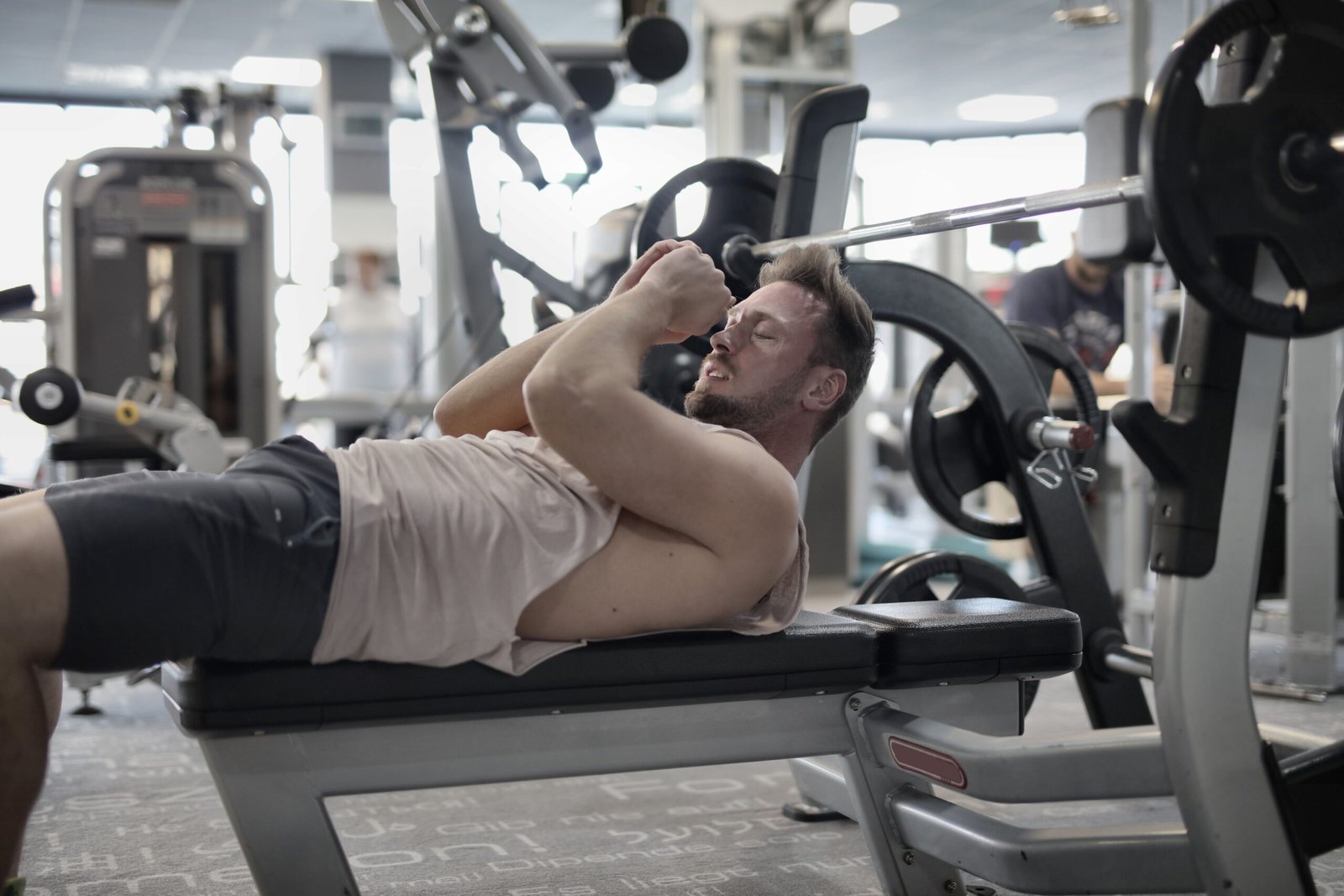
Start by separating ordinary tiredness from impaired readiness. A mildly short night followed by normal warm-ups is different from several nights of restricted sleep accompanied by dizziness, poor coordination or unusually high effort at easy loads. There is no evidence-based rule saying every lifter must skip training below a particular number of hours.
Begin with your usual general warm-up, then build through a few lighter sets of the day’s main movement. Notice whether bar path, balance, breathing and concentration feel typical. If they do, a controlled session at planned moderate effort may be reasonable. If not, reduce the load, shorten the session or substitute a technically simpler exercise. Treat these as flexible coaching decisions, not percentages proven by a sleep experiment.
On a clearly fatigued day, leave more margin before failure, especially for lifts that demand precise bracing or carry meaningful consequences if technique breaks down. You might complete two productive sets, reassess, and omit a low-priority finisher rather than turning every set into a test of willpower. A missed maximal attempt is not lost progress; it is an attempt you can schedule when conditions are better.
Do not try to repay sleep debt by adding an aggressive workout, excessive stimulant intake or extra sets. A short walk, light technique work or a rest day can all fit a serious strength program. If sleepiness is severe enough to make driving or equipment use unsafe, prioritize safety over the planned session. If training quality repeatedly suffers, look at your weekly sleep pattern before buying another supplement or rewriting the entire program.
Powerlifting Shirts & Lifting Gear
Powerlifting shirts and gym gear for squat, bench and deadlift lifters who live for heavy numbers.

Coffee Shots & Heavy Squats for Caffeine Fueled Lifting T-Shirt
For laid-back days and leg-day humor: “Coffee Shots & Heavy Squats”.

Caffeine & Weights for Coffee Powered Lifting, Bodybuil Tank Top
Add some lifting attitude to training with “Caffeine & Weights”.

Grim Reaper Deadlift Powerlifters & Leg Day Meme Hoodie
Stay casual and show some leg-day attitude with “Grim Reaper Deadlift”.


7 Plates Bench Club Shirt & Meme T-Shirt
Rep “7 Plates Bench Club” humor in and out of the gym.

Caffeine Gym Cosmic Decal , Coffee Workout Energy Desig Sticker
Give your everyday gear a playful “Caffeine” twist.

Medieval Gym – Dost Thou Even Hoist Knight & Dragon Dec Sticker
Give your everyday gear a playful “Medieval” twist.

Gym Sir Swole of Benchalot Medieval Knight Chest Day Mu Tank Top
Bring “Sir Swole of Benchalot Medieval Knight” humor to your next lifting session.

Caffeine Skull Hardcore Coffee Gym Shirt Crazy Energy G T-Shirt
Make gym days more fun with “Caffeine Skull” style.
The sleep habits most likely to help your lifting
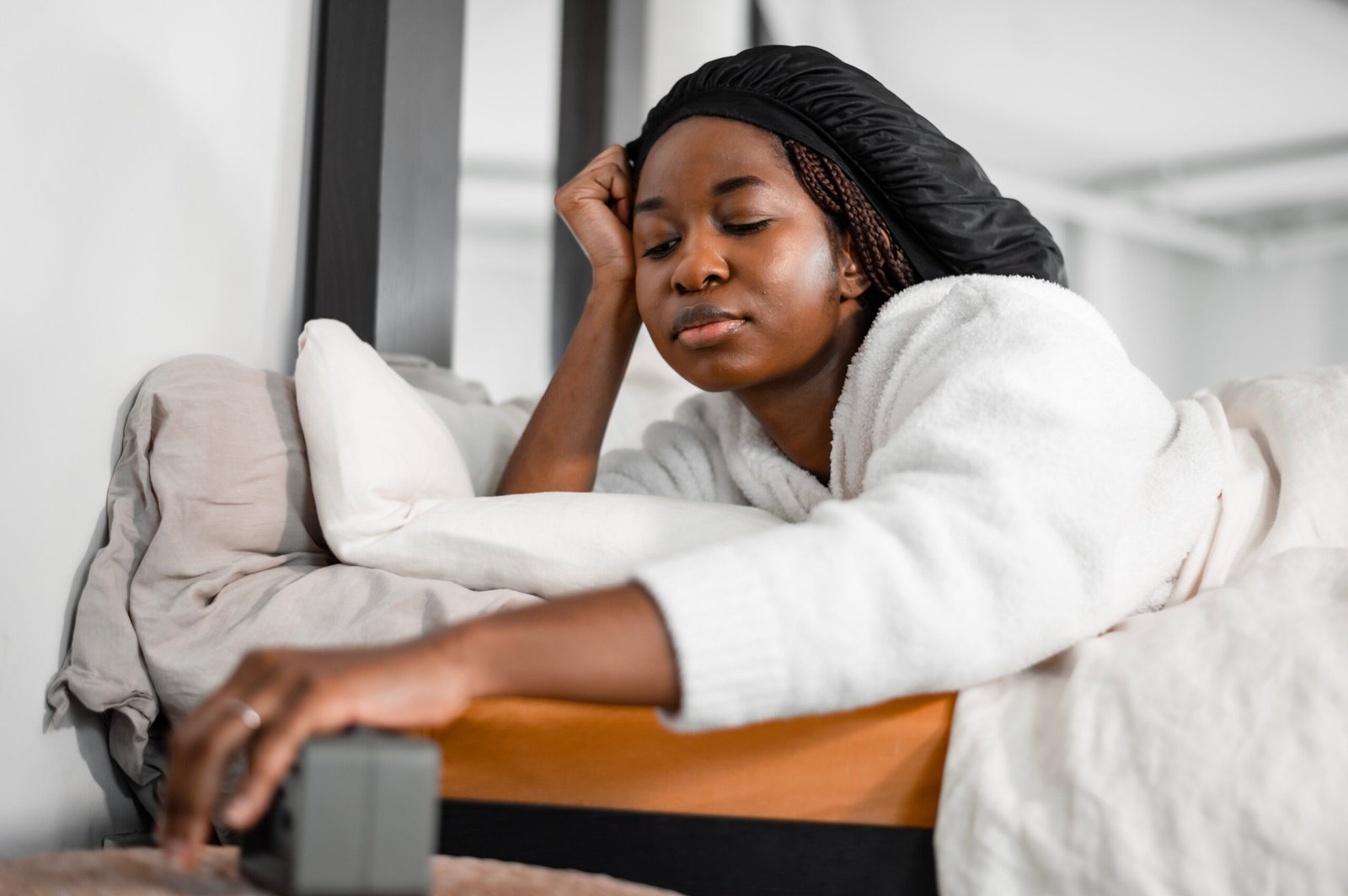
For most adults, at least seven hours of sleep per night is a reasonable public-health baseline. Some athletes may feel and perform better with more, especially during demanding training periods. The useful target is not a perfect score from a wearable: it is enough sleep opportunity, regular timing and waking with sufficient alertness to train and function.
Choose a realistic wake time and work backward to a bedtime that gives you a genuine chance to sleep. Keep the schedule reasonably consistent across weekdays and weekends. Morning daylight and regular daytime activity can help anchor your sleep-wake rhythm, while a cool, dark and quiet room makes it easier to protect the sleep opportunity you have created.
Caffeine is useful for some workouts, but its stimulating effect can extend beyond the training session. If late-day pre-workout drinks leave you wide awake at midnight, reducing the dose or moving the session earlier may be more productive than searching for a stronger sleep supplement. Alcohol may make falling asleep feel easier while disrupting sleep later in the night. Large late meals and screens can be personal problems rather than universal rules; observe what consistently affects you.
A brief nap may improve alertness on an occasional short-sleep day, but it should not become a routine substitute for adequate night sleep. If you repeatedly snore loudly, wake gasping or remain exhausted despite ample time in bed, those symptoms deserve attention beyond workout programming. Good recovery habits are deliberately boring: regular sleep opportunity, enough food, manageable training volume and a routine you can repeat.
A practical seven-day recovery experiment for lifters
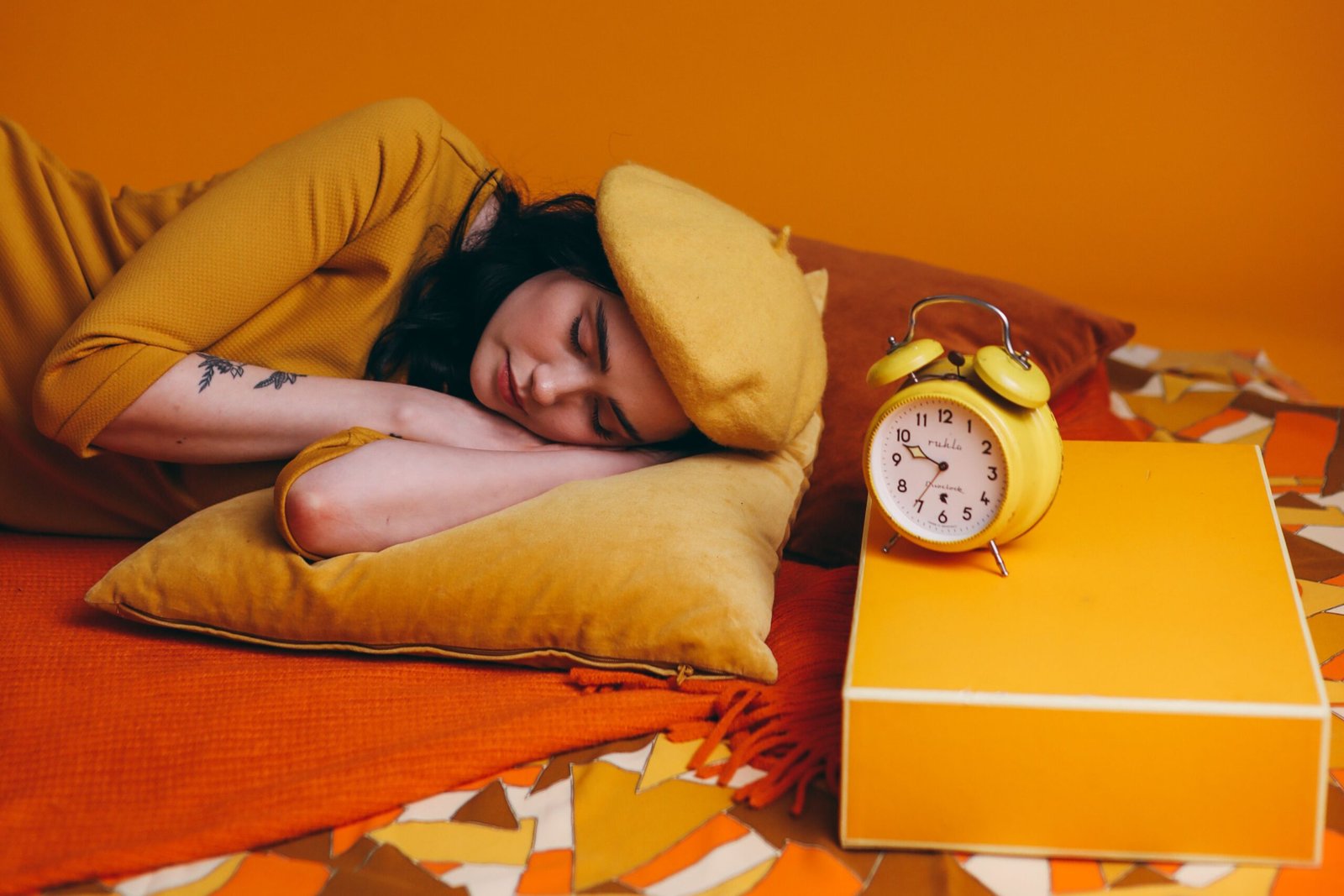
Instead of guessing whether sleep is limiting your gains, run a simple one-week observation. Record your bedtime, wake time and an approximate estimate of actual sleep. Add a short morning note about alertness and a training note about the first working set: did the load move normally, and how many reps did you believe were left? Keep your usual program largely unchanged so the comparison remains useful.
For seven days, protect a consistent sleep window, avoid unnecessarily late caffeine and make your final hour before bed predictable. Continue eating enough for your goal, especially if you are trying to gain muscle. If training quality improves as sleep becomes more regular, that is useful personal information, though it is not proof of a controlled cause-and-effect relationship.
When a rough night inevitably happens, use a decision ladder. First, assess whether it is safe to train. Second, warm up and compare effort with your normal baseline. Third, keep the highest-value work that you can perform with good control and remove optional fatigue if necessary. Finally, return to your usual plan after sleep normalizes rather than trying to make up every missed set.
The 13-study evidence base supports treating sleep as part of training, not as a magic hypertrophy switch. One late night will not wipe out your progress. Repeatedly asking your body to perform and recover on inadequate sleep is the pattern worth changing. A sustainable training plan makes room for both productive effort and enough recovery to repeat that effort next week.
Equipment Worth Exploring
Explore equipment, accessories and gear from our carefully selected range.

FID Bench MAX
Adjustable bench offering flat, incline, and decline positions + adjustable headrest.


Go-Tone Pro
Portable digital cable trainer with up to 66 lb (30 kg) of adjustable resistance.


Safety Squat Handles
Barbell squat handles that reduce shoulder positioning demands during high-bar squats.

Some product links may be affiliate links, which can support Mind Muscle Perfection at no additional cost to you.