Advertising disclosure: This page includes affiliate product links that may earn us a commission, as well as products from our own store.
An overhead shrug starts where a press finishes: with the arms already extended above you. The repetition comes from moving the shoulder girdle, rather than repeatedly bending and straightening the elbows. That small distinction gives the exercise a clear purpose, but also makes it easy to disguise a poor repetition with a bigger movement elsewhere. Before adding it to a shoulder session, establish the overhead position you can control, decide what counts as a repetition and make the setup easy to repeat.
Separate the shrug from the press
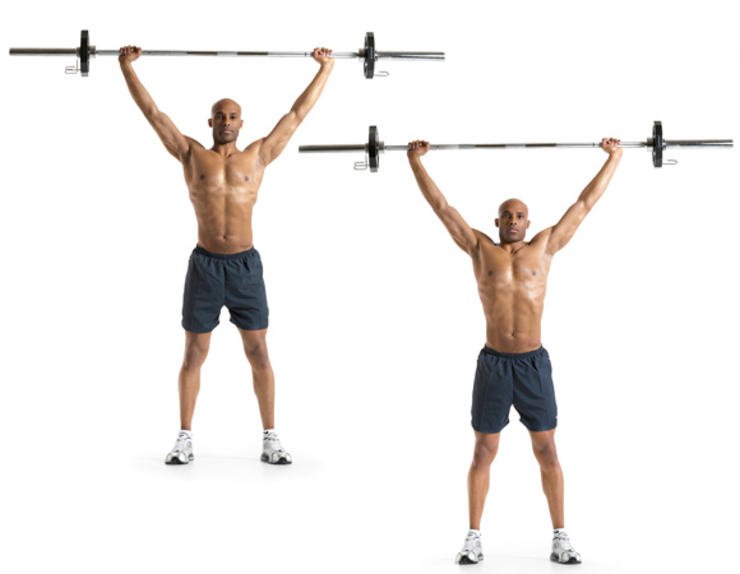
The snatch-grip overhead shrug has been described as an assistance exercise for maintaining an active overhead receiving position in weightlifting. That is a proposed coaching application, not proof that adding it will improve every lifter’s snatch or produce more muscle than conventional shrugs. A technical exercise description and a comparative training experiment answer different questions.
In a standing barbell version, establish the overhead position first. With the elbows remaining extended, raise the shoulder girdle and then lower it under control without losing the overhead support. The visible excursion may be modest. Trying to make the bar travel much farther can change the exercise into a partial press, a leg-driven movement or a combination of both.
A practical way to review a repetition is to watch three areas separately: elbows, legs and shoulders. If the elbows bend and straighten, note that pressing contributed. If the knees dip before the bar rises, note the contribution from the legs. Neither observation requires guessing which muscle you felt most strongly during the set.
Do not judge the exercise by how impressive the load looks compared with a normal shrug. Holding a bar overhead changes the task and its limiting factors. Keep an overhead-shrug training record separate from your dumbbell or barbell shrug record rather than using one number as a conversion for the other.
The goal is a repeatable action from a stable position. You should be able to explain what moved during a successful repetition before deciding that a heavier attempt represents progress.
Find a comfortable overhead position before adding resistance
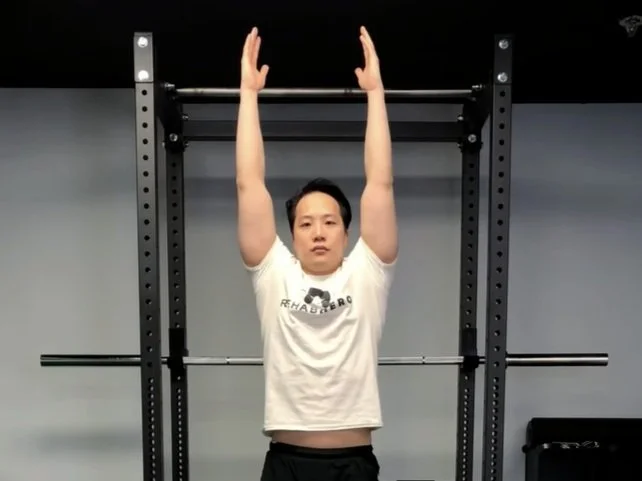
Start by rehearsing an unloaded upward reach. Keep the arms extended and explore a small, controlled shoulder elevation without forcing your neck forward or turning the movement into a large backward lean. This is preparation for understanding the action; it is not a diagnostic test or a treatment for shoulder pain.
A straight-arm overhead reach is also different from pinning the shoulder blades permanently down. The overhead shrug deliberately includes shoulder-girdle movement. A cue that helps in one lift does not automatically become an instruction to freeze the same body part during every other exercise.
Grip width should allow a position you can actually maintain. A snatch-width grip and a narrower pressing grip are distinct setups, so record which one you use. Do not move your hands during a loaded overhead hold to hunt for a better position. Put the implement down, adjust the setup and begin again.
Use a light implement that suits your current ability. An ordinary empty Olympic bar is still a meaningful load; it is not automatically a suitable first step. If you cannot obtain a comfortable, controlled overhead position, choose another exercise instead of forcing your way into loaded repetitions.
For example, one person may manage an unloaded reach comfortably but lose position with a training bar. That observation tells them where practice currently changes. It does not prove they have a particular tight muscle, identify an injury or mean that a heavier bar will solve the problem. Stop a painful attempt and address persistent symptoms with an appropriate clinician.
Plan the start and return before the set
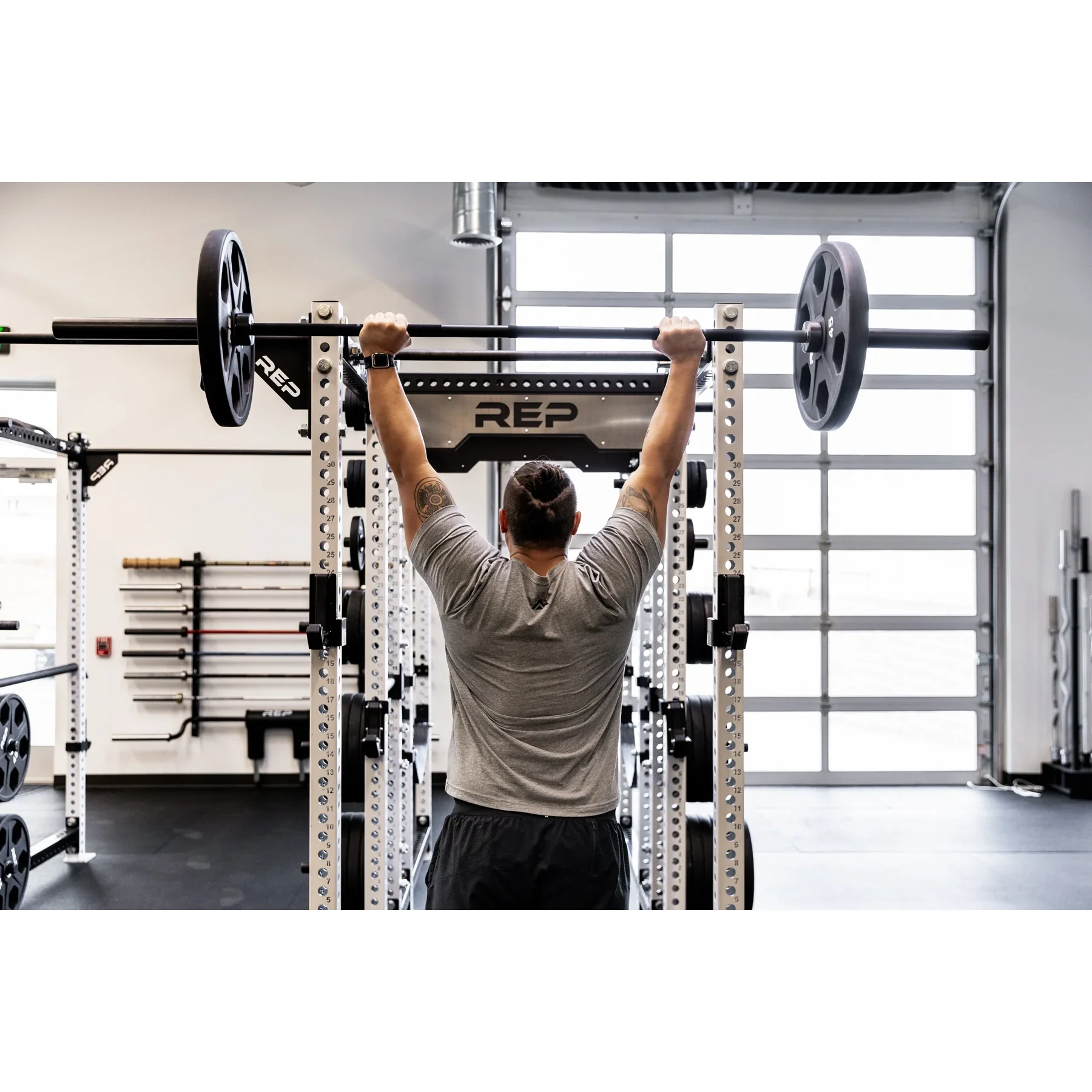
The shrug itself is only part of the session. You also need a controlled way to establish the overhead position and return the implement. Decide those steps before loading, rather than discovering at the end of a tiring set that the return is the hardest part.
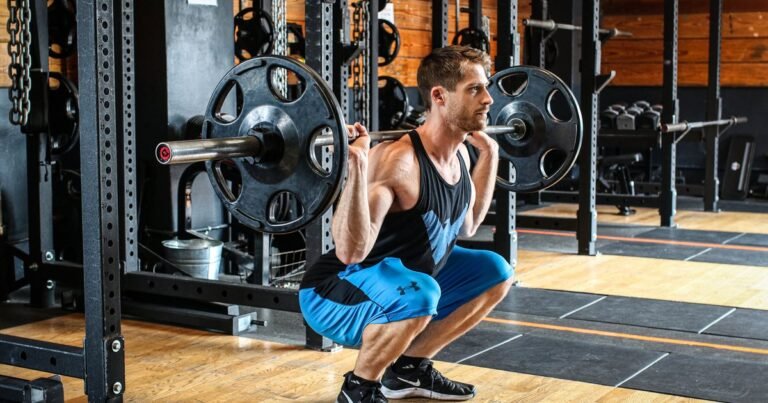
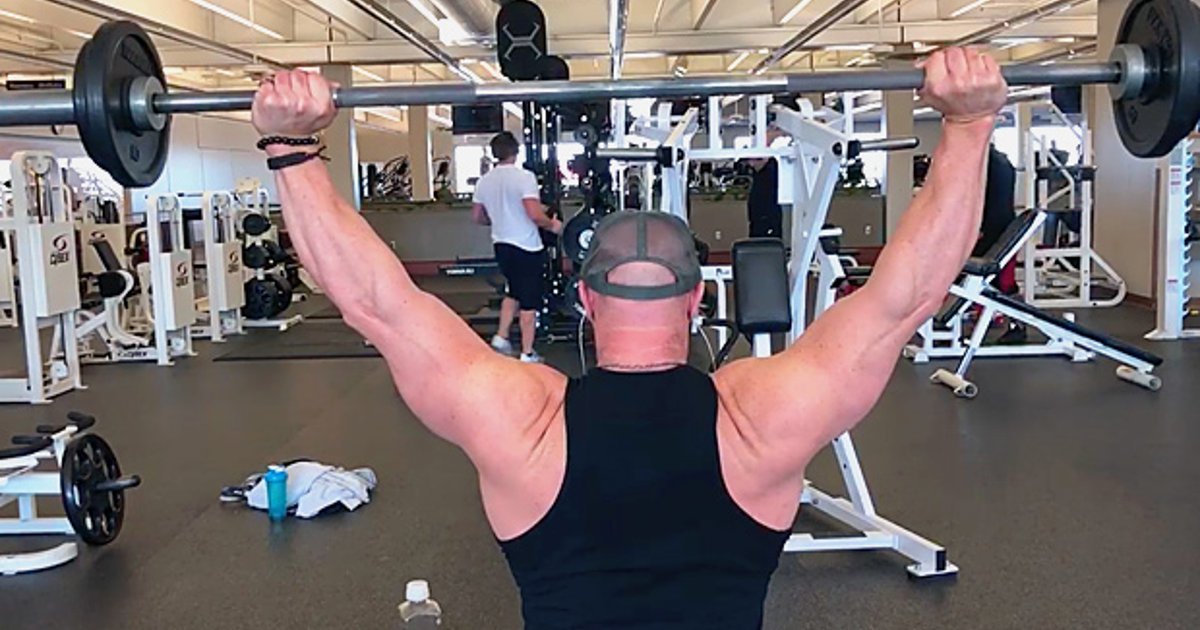
If using a rack, check its stability, available space and the path the bar will take. Set supports for the version you are actually practicing. A rack shown in an overhead-press photograph illustrates the training environment; the photograph alone does not establish that its particular hook or safety height is appropriate for you.
Keep the area clear of loose plates, bags and people. Use secure, evenly loaded equipment and appropriate collars. Check ceiling clearance and nearby fixtures, including the space occupied by the plates rather than just the shaft. A bar can fit overhead while its loaded ends still contact something nearby.
A useful first rehearsal includes the complete sequence: approach, establish the hold, perform a few clear repetitions and return the bar. If one of those transitions feels uncertain, reduce the demand or choose a different setup before attempting working sets. Do not treat a successful first shrug as evidence that the whole sequence is settled.
Film from a position that keeps the bar, elbows and trunk visible without placing the camera or its operator in the return path. Use the recording to review your chosen standard, not to infer precise joint angles from an awkward perspective. Keep enough footage to see how the set started and ended.
Keep the support task and the shrug task distinct
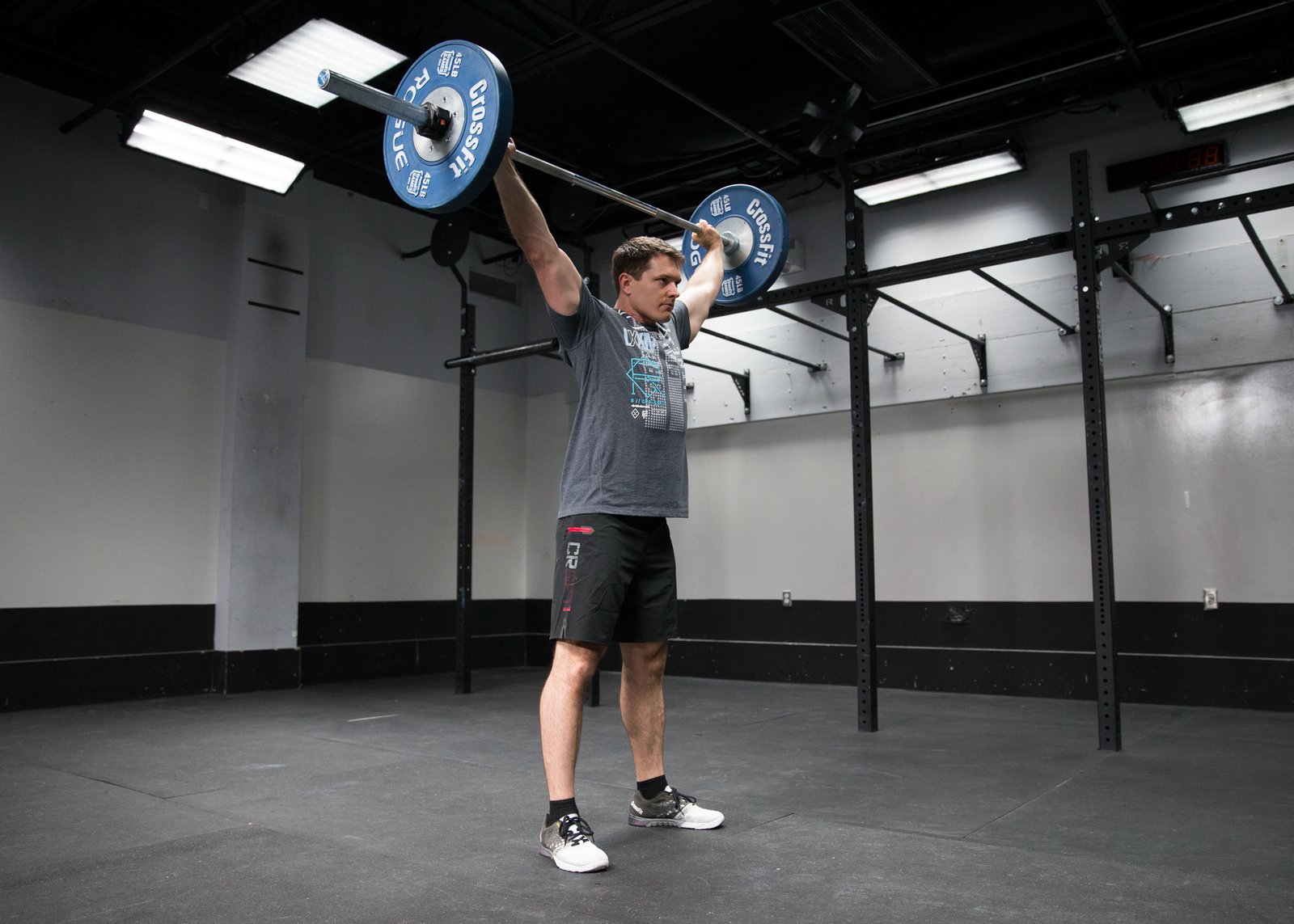
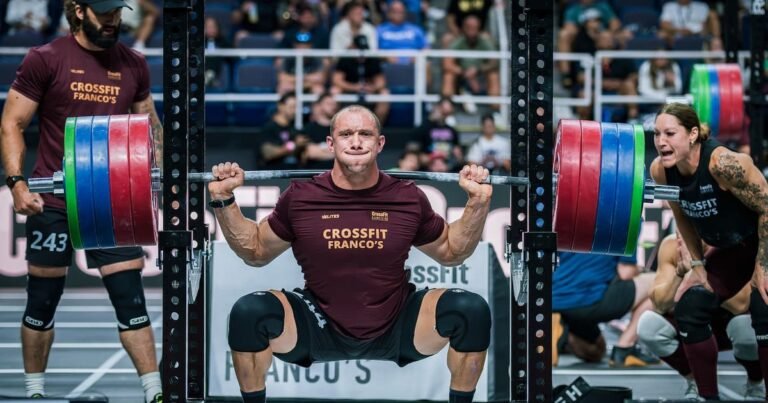
An overhead hold asks you to maintain a position. An overhead shrug adds controlled movement of the shoulder girdle while supporting the implement. A photograph of a weightlifter at lockout illustrates overhead support, but cannot show whether a shrug repetition happened, how long a position was maintained or whether the full lift met competition standards.
During practice, watch for changes that make the repetition difficult to interpret. A backward lean, a forward head thrust or a knee bounce can increase the apparent movement without showing better shoulder control. Reduce the load when you need those changes to complete the set instead of quietly accepting a different exercise.
Keep breathing manageable and avoid turning a long series into a contest to endure an increasingly unstable hold. End the set when you cannot maintain the intended action and support position. Completing a planned rep count is less useful if the final repetitions no longer resemble the movement you intended to train.
If overhead technique is the main session priority, consider how accessory fatigue will affect the remaining work. There is no need to exhaust the shoulders before practicing a lift that depends on a steady overhead position. Choose the exercise order deliberately and record it when comparing sessions.
A coach can help distinguish a useful shrug from a positional compensation. That feedback is more informative than treating a sensation near the neck or upper back as automatic confirmation that the exercise is being performed well. Feeling effort and meeting an execution standard are related observations, but they are not interchangeable.

Equipment Worth Exploring
Explore equipment, accessories and gear from our carefully selected range.


Foldable Wall Rack
Wall-mounted folding squat rack designed to save floor space between workouts.


Rubber Hex Dumbbells
Rubber-coated hex dumbbell pairs with a stable shape for home and commercial strength training.


Choose the variation for the job and log useful progress
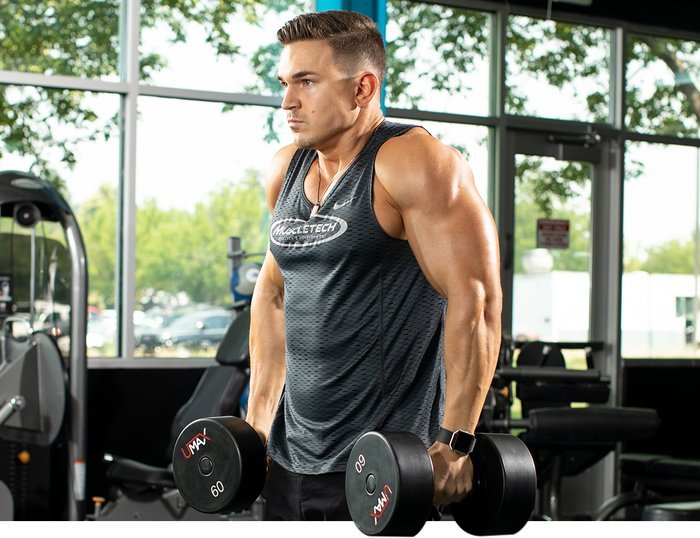
Conventional dumbbell shrugs keep the weights beside the body and remove the requirement to support them overhead. They can be a practical alternative when the goal is straightforward shrug training. They do not recreate the overhead task, and choosing them does not mean you have failed a compulsory progression.
Keep equipment suggestions in context. A bar, rack, plates and collars help create an appropriate barbell setup; dumbbells offer a different loading option. None of those purchases establishes that you need this exercise, guarantees better shoulder function or replaces the ability to control the chosen implement.
For an introductory session, choose a modest amount of practice that leaves the movement clear. Rather than prescribing a universal load or a supposedly optimal number of sets, decide in advance what ends your set: elbow bending, loss of support position or inability to raise and lower the shoulders smoothly. Review that decision afterward.
Write down the implement, grip width, load, completed repetitions, any pause you intentionally used and the reason you stopped. Add whether the exercise came before or after your main overhead work. These details make the record useful when a later session feels different despite using the same weight.
An illustrative entry might read: light training bar, wide grip, two short practice sets; second set stopped when the elbows began bending. The next decision could be to repeat that load and keep every repetition clear. This is an example of a record, not a tested prescription or a claim that two sets suit everyone.
Progress can mean a more consistent action at the same load, a smoother start and return, or eventually more resistance with the same standard. Change one main variable at a time so the comparison stays understandable. Keep the exercise only if it serves a useful role alongside the rest of your training.

Funny Gym Shirts & Workout Gear
Funny gym shirts, tanks, hoodies and workout gear for lifters who like training hard.

Nice Traps Big Back – Horror Halloween Jigsaw Meme Pull T-Shirt
For laid-back days and Halloween humor: “Nice Traps Big Back”.

Dost Thou Even Press Hoodie
Show off your medieval humor in a laid-back “Shoulder Press” hoodie.

Lift Smart Brain Weight Plate Mind Muscle Connection 45 Tank Top
Add some lifting attitude to training with “Lift Smart Brain Weight Plate”.

Control Your Gains & Your Mind Stoic Sigma T-Shirt
Bring “Control Your Gains & Your Mind Stoic Sigma” humor to your next gym day.

Lift Eat Repeat Sweater & Meme Fans T-Shirt
For laid-back days and lifting humor: “Lift Eat Repeat”.

Discipline Greek God Statue Stoic Sigma T-Shirt
Heavy lifts, good laughs, and a little “Discipline Greek God Statue Funny Stoic” energy.

Raise The Barbell Shirt – Motivational & T-Shirt
Show some powerlifting attitude with a playful “Raise The Barbell” tee.

Gym Skull Weightlifting Decal for Powerlifters Bodybuil Sticker
Stick a little “Skull Weightlifting” humor on your favorite gear.

Platehead Weightplate Skull Meme – Ultimate Top T-Shirt
Rep “Platehead Weightplate Skull” humor in and out of the gym.

Shirt – Dumbbell Heartbeat Gymbros, & Meme Lovers T-Shirt
Show some bodybuilding attitude with a playful “Dumbbell Heartbeat” tee.