Advertising disclosure: This page includes affiliate product links that may earn us a commission, as well as products from our own store.
The PRIME Shorty Adjustable Bench is worth evaluating as a configurable bench system, rather than simply a shorter place to press. Its removable headrest, optional arm supports and decline accessory change how you use it and what the full setup costs. The most important buying check is less glamorous: the current product listing and linked manual do not present every specification in the same way. Resolve the instructions for your intended configuration before treating a headline rating as permission to load it.
Check what the short back pad changes for your body
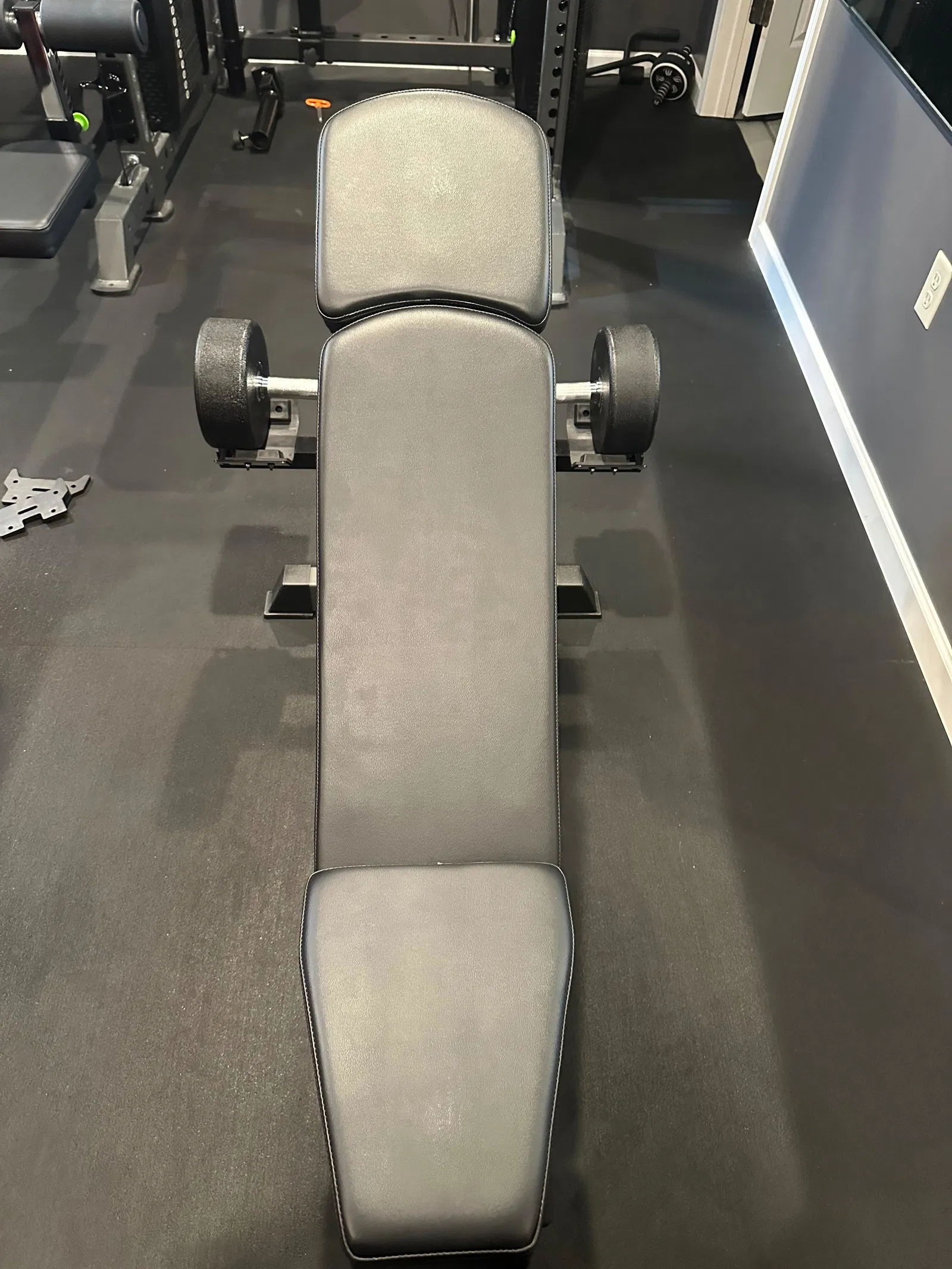
The Shorty has a shorter main back pad with a removable headrest extension included. Other bench accessories are sold separately. That arrangement can offer different ways to position the upper body, but it does not establish that every lifter needs a short pad or that removing support improves an exercise.
Start with the movements you already perform. For flat dumbbell pressing, consider where your shoulders and head contact the pads, where your feet can sit and how you get the dumbbells into position. For seated work, check the relationship between seat angle, back support and the path of your arms. The useful question is whether the bench supports your actual setup.
Do not confuse a shorter main pad with a shorter assembled footprint. The product listing gives dimensions of 51 by 27 by 18 inches with the back-pad extension, and a listed weight of 94 pounds in that configuration. Those figures describe a particular setup, not the complete operating area around a lifter.
A practical fit check is to mark the listed footprint on your floor, then allow room for your body and equipment beyond it. Consider the space needed to sit down with dumbbells, place them down safely and approach the bench from each side. A rectangle that fits between two machines may still be awkward to train around.
Ask for a demonstration of both headrest configurations if the pad arrangement is the reason you are buying. Look at the support you need for the specific exercise rather than copying a position shown in an advertisement. A shorter pad can change clearance, yet that alone says little about comfort or the quality of a repetition.
Existing owners should also distinguish a complete Shorty bench from conversion parts offered for other benches. Similar-looking frame hardware does not prove that an older unit accepts a particular upgrade. Confirm the model and required parts with PRIME before ordering, especially when combining accessories bought at different times.
For a used bench, ask the seller for clear photographs of the model label, adjustment mechanisms, and every included attachment before committing.
Separate adjustment range from load permission
The listing describes back-pad adjustment from flat to 85 degrees and five seat-pad positions. Those options make configuration part of the exercise setup. An incline setting changes the position of your torso relative to the weight; it is not simply a visual variation on a flat press.
Check that your preferred angles are actually available and that the seat works with them. A number printed on a frame does not tell you whether you can reach the handles comfortably, maintain foot contact or start the lift without an awkward transition. Test the position you expect to repeat, including entering and leaving it.
Load figures need particular care. The product page lists capacities of 1,000 pounds flat and 600 pounds inclined. The linked manual's PS-AFBS specification table instead lists a maximum user weight of 400 pounds and maximum training weight of 800 pounds. These are different figures and labels; they should not be merged into a new rating.
Do not select the largest number or assume that one document silently replaces another. Ask PRIME which limits and definitions apply to the exact bench, revision, angle and accessory arrangement you intend to use. Retain that clarification with your equipment records. Until it is clear, the conflicting figures are an unresolved buying question.
The distinction matters even if your training loads are far below a headline capacity. It tells you whether the documents describe the product consistently and whether you understand the intended configuration. It does not establish that the bench is unstable in ordinary use, and it should not become an invented claim about a failure rate.
Before training, make adjustments deliberately and confirm that the supports are seated and locked. Set up your rack, safeties and spotting arrangements for the exercise as well as the bench. A strong frame rating cannot compensate for an unsuitable bar position, a blocked exit or a setup that does not let you control the weights.

Equipment Worth Exploring
Explore equipment, accessories and gear from our carefully selected range.

Multi Bench MBX-650 2.0
Adjustable multi-bench with roller adjustment, 15 backrest positions and accessory mounts.

FID Bench MAX
Adjustable bench offering flat, incline, and decline positions + adjustable headrest.


Rubber Hex Dumbbells
Rubber-coated hex dumbbell pairs with a stable shape for home and commercial strength training.


Treat decline as a restricted configuration
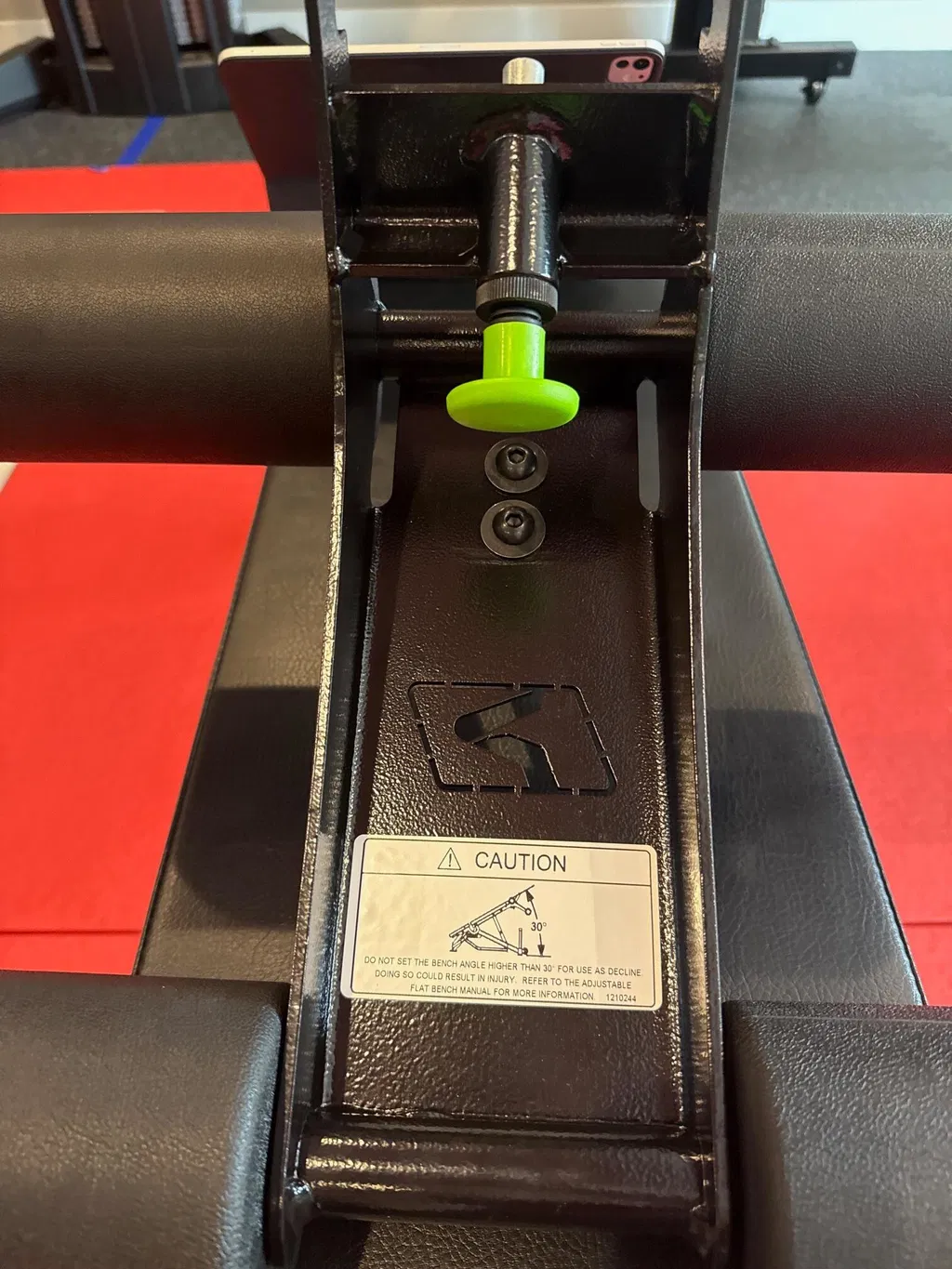
Decline capability deserves its own check. The manual currently linked from the product page, revision 1204581 H dated February 19, 2026, recommends against setting the bench above 30 degrees for decline use because of instability risk. That is not permission to use the full advertised incline range as a decline range.
The separate Decline Attachment is listed as compatible with the PRIME Adjustable Bench and Shorty Adjustable Bench. Compatibility establishes the intended product pairing, but you still need the correct mounting instructions, permitted configuration and fit. It does not turn the roller attachment into a guarantee that every inverted position is appropriate.
Do not infer an angle from a dramatic photograph or an older instruction screenshot. Check the label on the actual bench and the applicable current documentation. If the instructions supplied with your unit differ, resolve the discrepancy with PRIME before decline work. A buyer should not have to guess which configuration the number describes.
Think through entry and exit before adding a training load. Can you position yourself in the supported setup, secure your legs as instructed and leave it without an uncontrolled movement? Consider the entire exercise, including where a dumbbell or bar would go if you needed to stop. Clearance around the head end matters as much as access at the feet.
Keep this separate from a debate about whether decline pressing or abdominal work belongs in every program. The bench's available features do not create a requirement to use all of them. If your training needs only flat and incline support, assess that use case honestly instead of buying a decline accessory simply to complete the collection.
A sensible purchase decision can be conditional. You may like the bench's pad arrangement while still needing a satisfactory answer about the decline setup. That is more useful than treating the product as either universally ideal or automatically unsuitable. Establish the intended task, confirm its instructions and judge whether the resulting configuration suits you.
Budget the attachments and the space they occupy
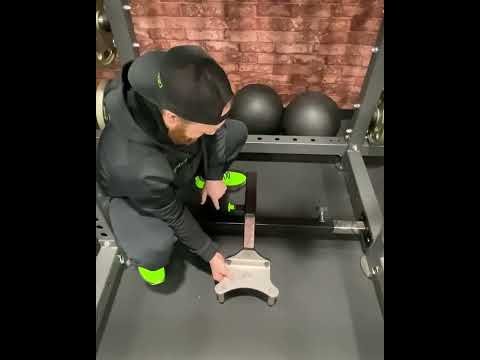
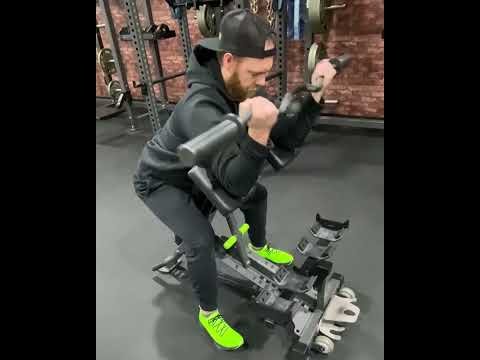
PRIME's Preacher Curl Pad is a separate accessory listed for both the Adjustable Bench and Shorty. It is distinct from the adjustable elbow-pad arrangement shown in other configurations. Decide which form of arm support you want before adding items to a cart; similar exercise names do not make every pad interchangeable.
A preacher setup needs more than a compatible connection. Consider where your upper arms rest, whether you can reach and return the chosen weight and how the bench sits relative to a cable or rack. A product photograph can identify the parts, but it cannot establish the best fit for your arm length and preferred movement.
Build a written parts list around a few planned exercises. Identify the base bench, included headrest and each optional support required for those exercises. Ask whether any additional bracket or rail is necessary for your particular combination. Include delivery and locally applicable charges when comparing totals, rather than comparing a bare bench price with another complete package.
Plan where the removed parts will live. A pad that is easy to detach can still become an obstacle if it is left on the floor beside the bench. Keep the walking and dumbbell paths clear, and allow room to move the bench between its working positions without repeatedly dismantling the rest of the gym.
Do not assume upright storage is available on the bare bench. The linked manual requires an official Stand-Up Kit for standing the bench on end, with the prescribed wall securing arrangement. Confirm the required kit and installation for your unit before including upright storage in a floor plan.
The final comparison should reflect the configuration you will use most often. Compare pad support, preferred angles, adjustment access, accessory fit, storage method and the complete cost. If those answers favor the Shorty, its configurable design has a clear role. If a straightforward adjustable bench already covers your routine, extra attachment options may add complexity without solving an actual training problem.

Funny Gym Shirts & Workout Gear
Funny gym shirts, tanks, hoodies and workout gear for lifters who like training hard.

I Love Bench Press Hooded | for Bench & Chest Day Lifti Hoodie
Keep it laid-back with a little “I Love Bench Press Hooded” attitude.

Gym Dost Thou Even Curl Medieval Knight Bicep Decal & B Sticker
Give your everyday gear a playful “Dost Thou Even Curl Medieval Knight Bicep” twist.

Muscle Mountain – Bicep Mountain Meme Vest Muscle Shirt Tank Top
Train hard, laugh a little, and rep “Muscle Mountain”.

Swole Heart I Love Gym Funny Workout | Bicep Heart Vale T-Shirt
Keep things casual with a little “Swole Heart I Love Gym” attitude.


Home Is Where Your Gym Is | Funny Garage Gym Meme Worko Hoodie
Show off your lifting humor in a laid-back “Home Is Where Your Gym Is” hoodie.


Gym Sir Swole of Benchalot Medieval Knight Chest Day Cr T-Shirt
Show some gym-day personality with “Sir Swole of Benchalot Medieval Knight”.

Shirt – Home Nerd – & Meme Gymbros T-Shirt
Show some powerlifting attitude with a playful “Home Gym Nerd” tee.