Advertising disclosure: This page includes affiliate product links that may earn us a commission, as well as products from our own store.
A bigger squat and a quicker rebound are different athletic qualities. A new analysis of 30 studies compared the drop-jump reactive strength index after plyometric, ballistic, heavy strength and mixed training. The useful result isn’t that one method won. It is that several methods were followed by better rebound scores, while the data did not clearly separate their effects. Here is how to read the numbers, test ground-contact speed and build a practical training block without confusing jump height with explosive reactivity.
Reactive strength is a race against ground-contact time
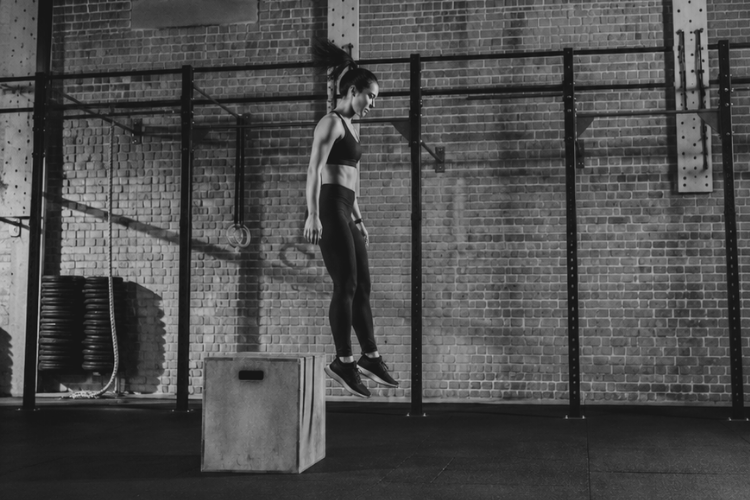
Imagine stepping off a small platform, landing on both feet and jumping upward almost immediately. A strong drop jump is not just about launching high. It is also about reversing direction quickly after your feet meet the floor. This is different from a tall box jump, where tucking your knees can make the box look impressively high without showing how fast you rebound from impact. The type of landing and the next action matter.
The usual measure is the reactive strength index, or RSI. Divide rebound jump height in meters by ground contact time in seconds. Suppose an athlete jumps 0.30 meters after spending 0.20 seconds on the floor: RSI equals 1.50. If another attempt yields a 0.32-meter jump but the contact lasts 0.30 seconds, RSI falls to about 1.07. A slightly higher rebound can therefore produce a worse reactive-strength score.
This quality is associated with a fast stretch-shortening cycle. Muscle activation before landing, coordination around the ankle and knee, and the behavior of muscle-tendon structures all affect how force is absorbed and redirected. Researchers often focus on contact times under approximately 250 milliseconds. A heavy squat and a drop jump demand force, but they express it on different time scales. Being able to lift more weight does not automatically tell you how well you rebound.
Reactive strength is relevant to rapid sport movements such as sprinting and cutting, but the score has limits. Better RSI does not prove an identical improvement in sprint speed, injury prevention, muscle growth or match performance. Those are separate outcomes to measure. Keeping that distinction clear prevents the test from becoming another oversold fitness number.
What thirty studies and forty-eight training groups found
A recent systematic synthesis examined 30 studies contributing 48 intervention arms. Participants were healthy adults completing at least four weeks of lower-body training. Programs were grouped into plyometric, ballistic, conventional strength and combined approaches according to the mechanical demands of their exercises. Most studies involved athletes, and the sex distribution was uneven: 18 studies were male-only, five female-only and seven mixed.
The average pre-to-post standardized change in drop-jump RSI was 0.42, with a 95% confidence interval of 0.26 to 0.58. In plain terms, the test tended to improve after these programs. However, the prediction interval extended from roughly minus 0.27 to plus 1.11. That broad span warns against telling an individual lifter to expect the average result. People, tests and training programs differed considerably.
The category estimates may look like an easy podium finish. Plyometric programs had a pooled change of 0.59, combined programs 0.52, ballistic programs 0.41 and conventional strength programs 0.31. But those are point estimates, not proven rankings. The formal comparison between modalities did not find a statistically clear difference: p equaled 0.583. Saying plyometrics definitively beat squats would misrepresent what the data can establish.
One limitation is especially important. The pooled analysis focused on changes before and after the interventions rather than directly using control groups as comparators. Familiarity with the test, routine training and other factors could contribute to apparent progress. Funnel-plot asymmetry suggested small-study effects; a statistical adjustment reduced the overall estimate from 0.42 to 0.27. The reasonable interpretation is that multiple training approaches are associated with RSI improvements, while the best method remains uncertain.

Equipment Worth Exploring
Explore equipment, accessories and gear from our carefully selected range.


Competition Wall Ball
Competition-style weighted wall ball for HYROX, wall-ball shots, and functional conditioning.

Slam Ball
Low-bounce weighted slam ball for explosive throws and high-intensity conditioning.


Pro Sled System
Heavy-duty push-pull training sled for loaded conditioning, speed, and strength work.
GymPin Starting Blocks
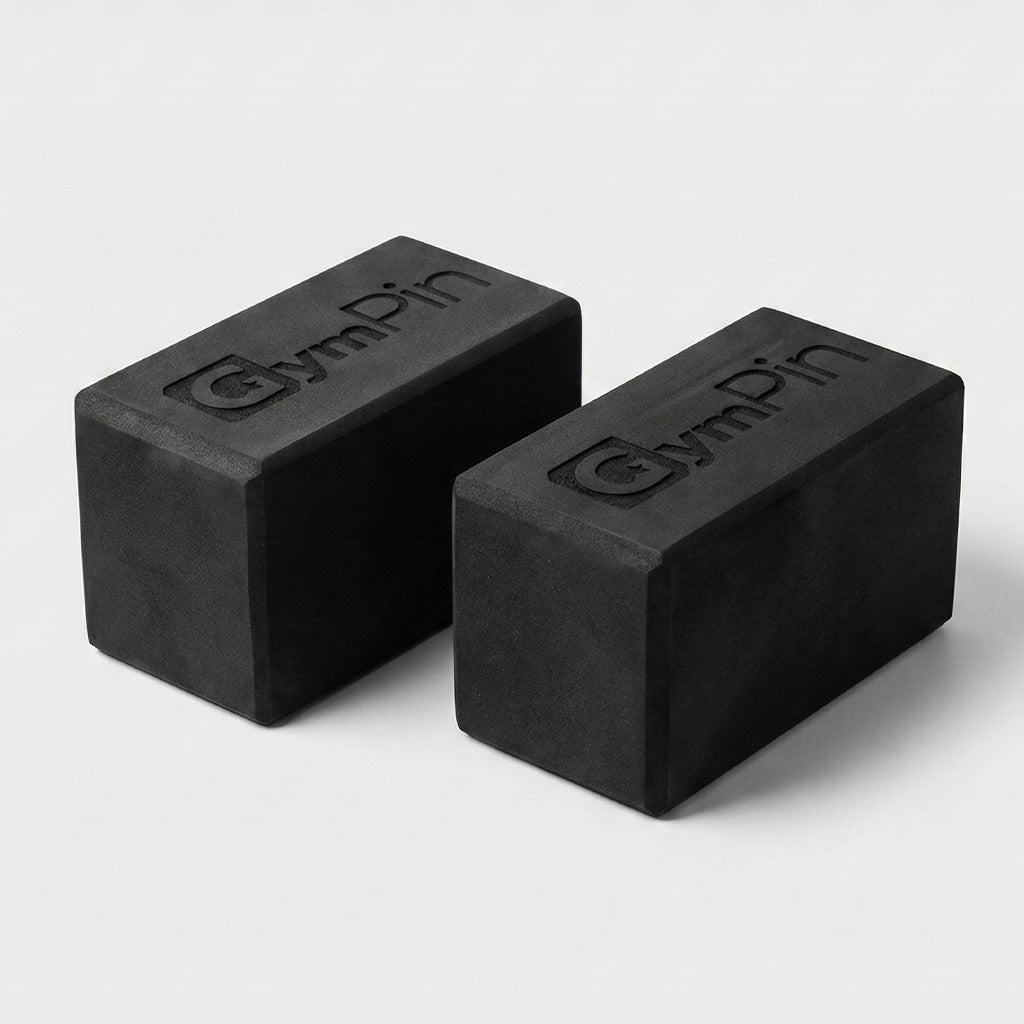
Portable high-density foam blocks for adjusting machine starting positions and range of motion.


Cast Iron Kettlebells
Textured cast-iron kettlebells for swings, squats, carries, and full-body training.
Measure the rebound rather than the height of the box
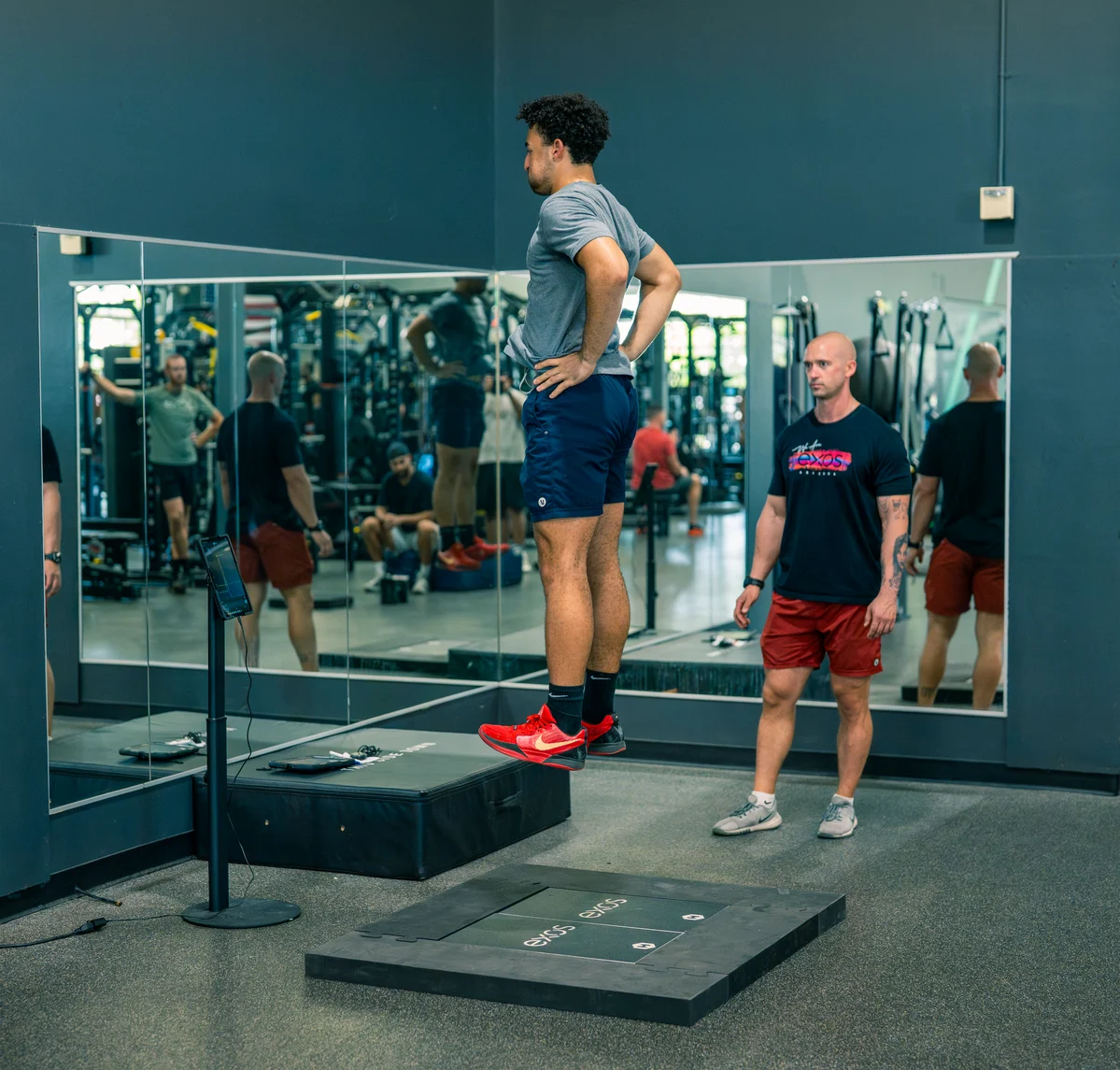
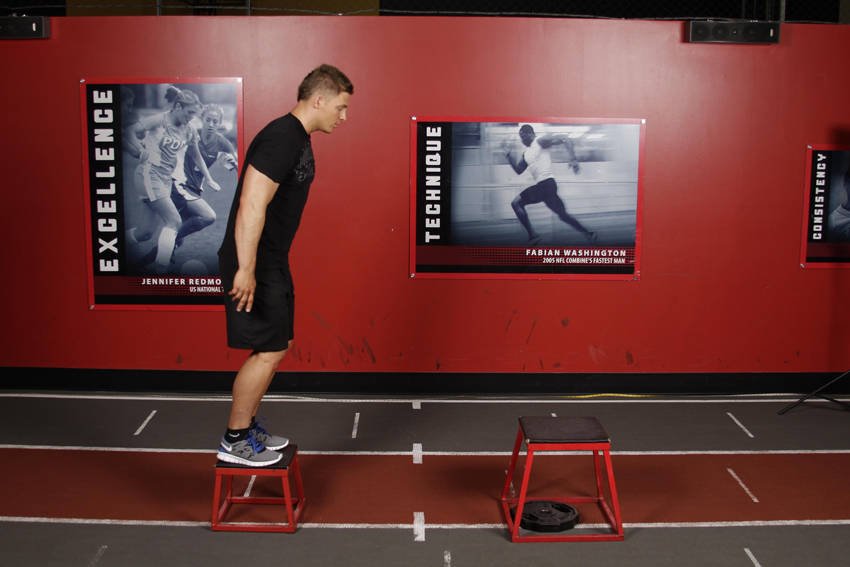
A useful test needs repeatable conditions. Use the same platform height, footwear, landing surface, warm-up and movement instructions each time. If you allow an arm swing on day one and restrict it on day thirty, the scores are no longer directly comparable. An athlete should step off the platform rather than jump upward from it, land on both feet and rebound as quickly and high as possible under the testing protocol.
A force platform, contact mat or validated optical system can estimate contact time and jump height. A phone recording is helpful for spotting technique differences, but ordinary video is not automatically precise enough to measure a contact lasting only a fraction of a second. If reliable timing equipment is unavailable, track repeatable video observations and jumping performance without pretending that you collected laboratory-quality RSI.
Record the component measures. A first test might show a 0.28-meter rebound and 0.21-second contact, approximately RSI 1.33. A later test could yield a 0.30-meter rebound and a 0.19-second contact, approximately 1.58. That would reflect both greater height and faster contact. If jump height increases while contact becomes much slower, the athlete may be improving another power quality rather than fast reactivity.
Use several warm-up attempts and a consistent scoring rule, such as the median of three technically sound jumps. Rest between maximal attempts. Testing when your legs are exhausted makes the result a mixture of explosive capacity and fatigue tolerance. A weekly check is usually more useful than obsessively retesting every set. Compare trends across weeks, not one exceptional rep.

Functional Fitness Shirts & Workout Gear
Functional-fitness shirts, tanks and workout gear for athletes who train strength, conditioning and everything in between.

Vive La Resistance Bands Painting Meme – Resistance Ban Hoodie
Stay casual and show some lifting attitude with “Vive La Resistance Bands”.

Hybrid Athlete – Built Different Gym Decal for HYROX, C Sticker
Give your everyday gear a playful “Hybrid Athlete” twist.

Hybrid Athlete – Strength & Endurance Crewneck for Func T-Shirt
For laid-back days and lifting humor: “Hybrid Athlete”.


Kettlebell Heart X-Ray – Valentine's Workout Meme Decal Sticker
Stick a little “Kettlebell Heart X-Ray” humor on your favorite gear.

Cheeseburger Kettlebell – Burger Swings Meme Vest Muscl Tank Top
Train hard, laugh a little, and rep “Cheeseburger Kettlebell”.

Skull Kettlebell Gym | Heavy Metal Lifting Funny Workou Tank Top
Add some metalhead attitude to training with “Skull Kettlebell”.


Rowing – Dost Thou Even Row Medieval Knight Gym Decal f Sticker
Give your everyday gear a playful “Rowing” twist.

How heavy lifting, ballistic moves and plyometrics complement each other
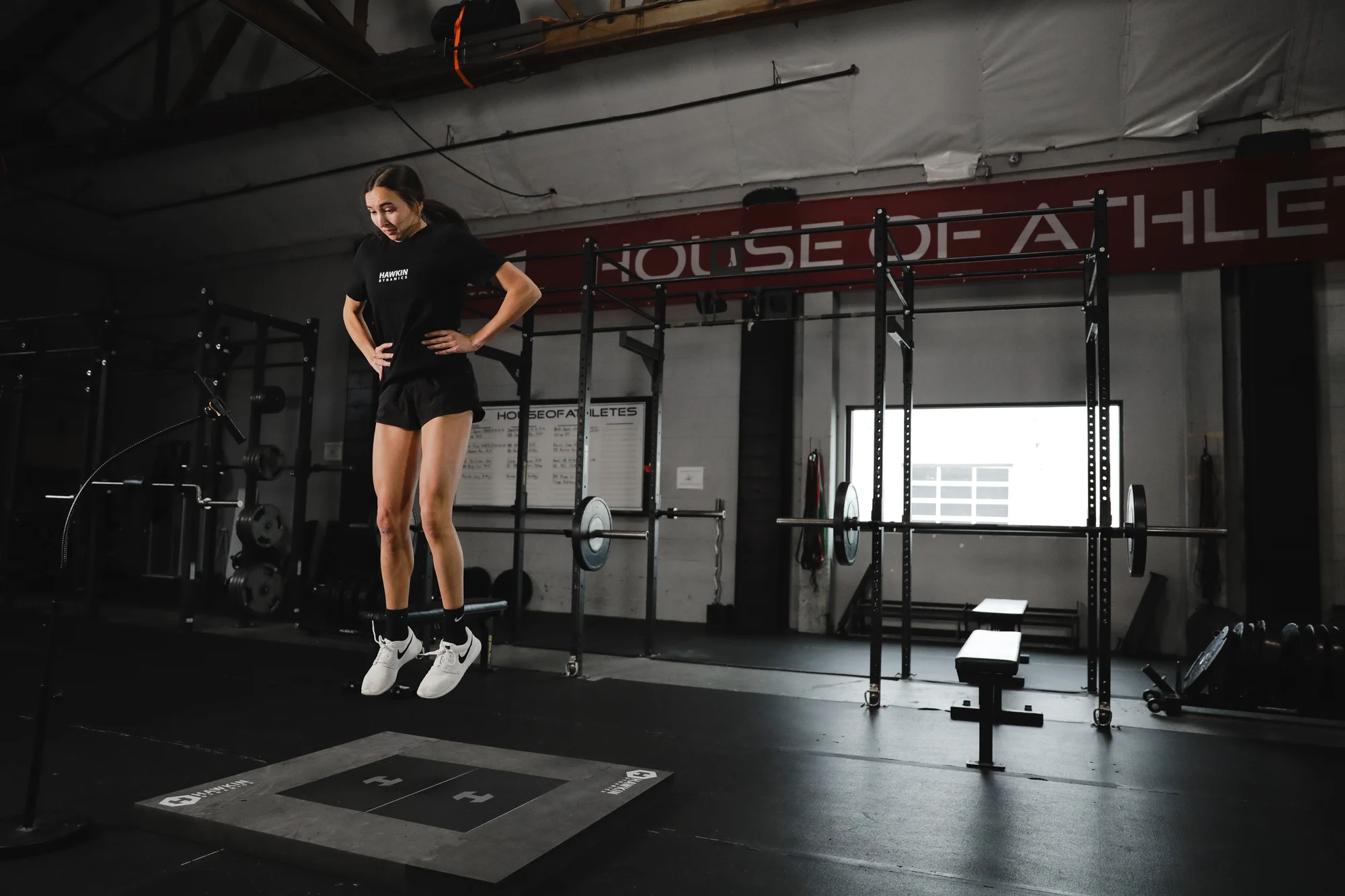
Traditional strength training increases force capacity with movements such as squats, deadlifts and split squats. Progressing load and maintaining full, controlled ranges of motion can build a valuable foundation. The trade-off is specificity: a demanding squat repetition is far slower than the contact phase of a drop jump. An athlete who improves a heavy squat but never rehearses rapid landing-to-takeoff transitions may not improve this particular test as much as hoped.
Ballistic training emphasizes acceleration without slowing the movement to brake the load near the finish. Examples include lightly loaded jump squats, carefully coached trap-bar jumps and some weightlifting derivatives. These exercises can develop fast force expression, but a jumping squat usually does not impose the same immediate impact-and-rebound timing constraint as a drop jump. A loaded movement is not automatically better because its weight is impressive.
Plyometrics are the closest match to the test: low pogo hops, bounds and repeatable quick rebounds directly challenge short ground contacts. That similarity helps explain why the plyometric point estimate was relatively high. Still, the study comparison found no definitive superiority between approaches, and the evidence quality does not support declaring one universally best.
For athletes who must both lift and move fast, mixing methods is reasonable. Keep an appropriately challenging strength stimulus and add a modest amount of precise jumping near the start of a session while fresh. Avoid assuming that more boxes, heavier jumps and longer sessions automatically generate faster rebounds. Recovery, technical quality and the main competitive goal should shape the balance. A basketball player, footballer and strength-focused home-gym lifter may reasonably choose different proportions.
Equipment Worth Exploring
Explore equipment, accessories and gear from our carefully selected range.


Open Hex Bar
Open-frame trap bar with multiple handles for deadlifts, carries, and lower-body training.


FID Bench MAX
Adjustable bench offering flat, incline, and decline positions + adjustable headrest.

Grip Plates
Rubber-coated weight plates with handholds for loading barbells and machines.


GymPin Squat Wedges
Non-slip 15-degree squat wedges help elevate the heels for deeper quad-focused squats.
Build landing skill before intensive depth jumps
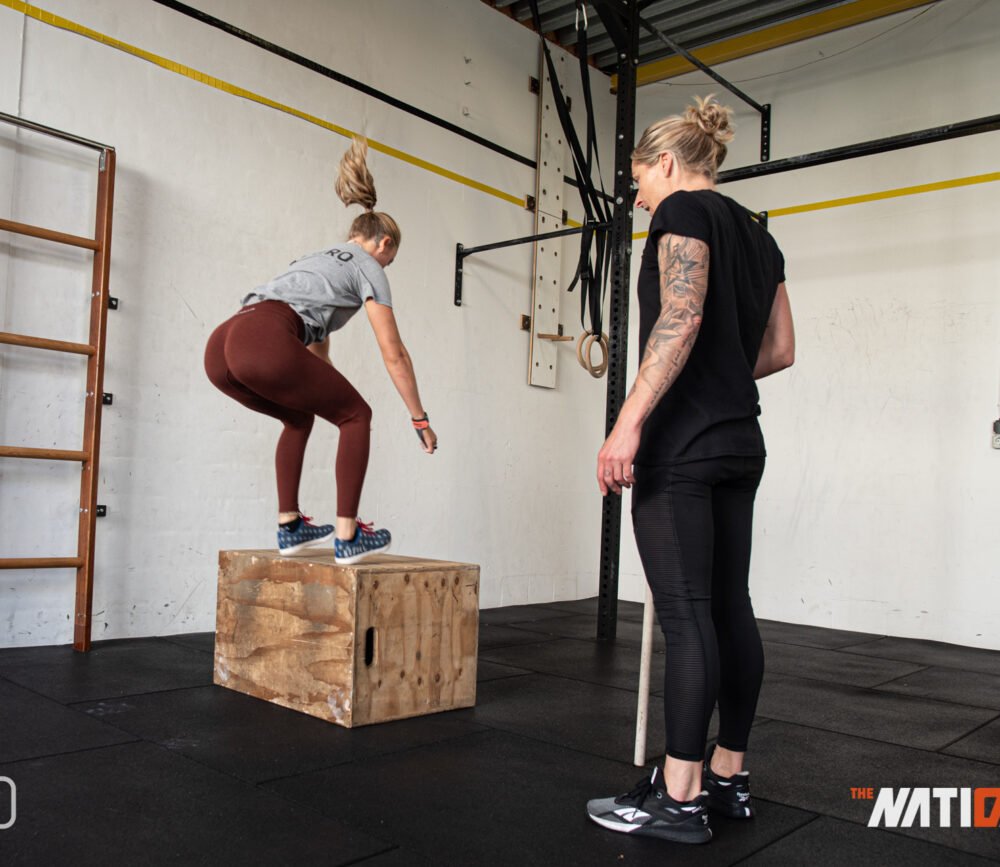
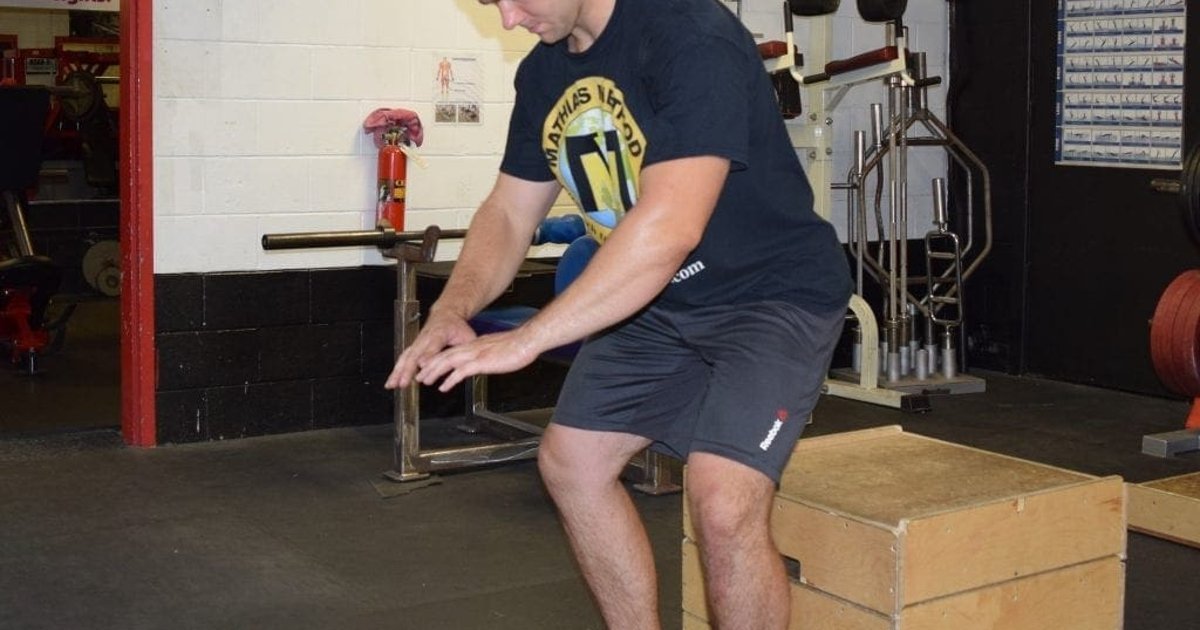
A normal box jump is a different exercise from a depth jump, but it can help beginners learn an explosive takeoff and stable landing. Jump onto a low, secure box, land under control and step back down. Next, practice modest ankle-dominant hops and small repeated rebounds on a suitable surface. These drills can establish rhythm and confidence before asking the legs to absorb a drop and immediately spring upward.
When you introduce drop jumps, start with a low, stable step and unobstructed landing space. Do not hunt for the tallest platform. Higher drops increase landing demands, and if they stretch ground-contact time or cause collapsing posture, they may reduce the very quality being trained. A practical height is one that allows a quick, repeatable rebound with stable alignment and no discomfort. Changing heights every session also makes test comparisons noisy.
An introductory session could contain three sets of three to five crisp low contacts, with adequate rest. That is an illustrative starting point, not a dose proved optimal for everyone by the new analysis. Stop when feet become noisy, knees lose tracking, contact feels prolonged or the rebound becomes obviously sluggish. More repetitions after quality disappears are not automatically productive.
People with persistent knee or Achilles symptoms, a recent injury or limited tolerance for jumping should use lower-impact progressions and professional guidance instead of intensive depth jumps. Likewise, do not pile high-volume reactive training on top of a maximal squat day and exhausting sprint intervals. Quality plyometrics demand readiness, not just an ability to endure fatigue.
Leg Day Shirts & Workout Gear
Leg-day gym shirts and workout gear for lifters who never skip squats, lunges and lower-body punishment.

Leg Day Gains | LEGO Parody Workout Sweater For Squats T-Shirt
Show some gym-day personality with “Leg Day Gains”.

Never Skip Leg Day | LEGO Muscle Shirt For Squats & Dea Tank Top
Train hard, laugh a little, and rep “Never Skip Leg Day”.

I Don'T Miss Leg Days Shirt Hawkeye-Inspired & Bros T-Shirt
Show some leg-day attitude with a playful “I Don't Miss Leg Days” tee.

I Love Squats | Leg Day Pink Heart Plate Decal Meme Sticker
Put “I Love Squats” gym humor on your laptop, bottle, or gym gear.

6 Plates Squat Club Meme Shirt – Essential T-Shirt
Heavy lifts, good laughs, and a little “6 Plates Squat Club” energy.

Heavy Squatter Harry Potter Leg Day Squat Meme Tank Top
Bring “Heavy Squatter” humor to your next lifting session.

Funny Squat Game Gym | Squid Game Parody Muscle Shirt F Tank Top
Your gym-day look, with a playful “Squat Game” twist.

Shirt – Brozilla Meme – Godzilla & Gymbros T-Shirt
Bring “Brozilla Gym Meme” humor to your next gym day.

Squat Here | Edgy Workout Sweater | Gym Humor Meme Crew T-Shirt
Bring “Squat Here” humor to your everyday gym style.

Leg Day Thou Shalt Not Skip Leg Day Medieval Knight Gym Sticker
Give your everyday gear a playful “Leg Day” twist.
A six-week strength-and-rebound plan you can evaluate
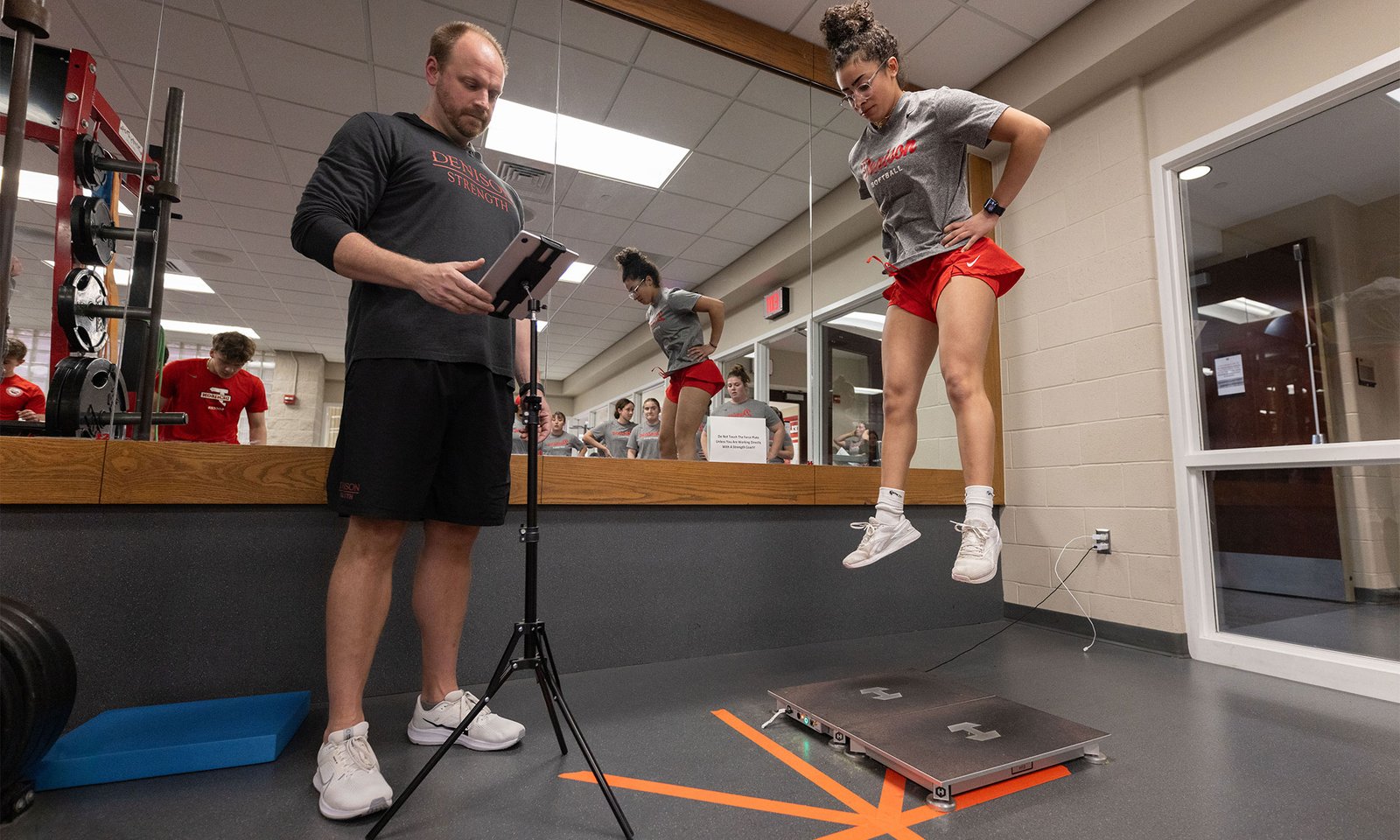
For an otherwise healthy lifter who already trains lower-body strength and can land comfortably, schedule two sessions per week with recovery between them. After a progressive warm-up, do the short, demanding jumping work before the heaviest lifting. This is a practical template built from training principles, not the standardized program followed by all 30 research groups. It needs adjustment for skill, sport practice and recovery.
Weeks one and two establish a baseline. After the same warm-up, collect three technically consistent low drop-jump attempts if you have appropriate measurement equipment. Record height, contact time and RSI, or simply document jump quality if not. On the first training day, try three sets of three low pogo hops followed by three or four sets of moderate squats. On the other day, perform controlled low box jumps with step-downs before hinge and single-leg strength work. Leave effort in reserve rather than chasing soreness.
In weeks three and four, if landings remain stable, swap a small portion of the low pogo work for three sets of three low drop jumps. Keep the drop height fixed initially and rest enough to maintain fast contacts. Continue progressive squatting or trap-bar training, and optionally use a few technically clean, lightly loaded ballistic repetitions on a separate day. Do not simultaneously increase box height, jump count and barbell load.
Weeks five and six consolidate the work. Rather than adding endless contacts, focus on repeating the same quick, quiet rebounds. If jump quality worsens, reduce training stress. In the final week, taper the demanding contacts slightly and repeat the original test with the same height, footwear and device. Compare the two components of RSI and any sport-specific outcome you care about. A stronger squat with unchanged RSI is not failure; it may indicate a need for more fast-contact practice, a better test or improved recovery. The evidence offers several credible paths, not a magic exercise.