Advertising disclosure: This page includes affiliate product links that may earn us a commission, as well as products from our own store.
The dumbbell skier swing sends two weights beside your legs instead of passing one weight between them. That small change creates a useful hip-hinge variation and a practical coordination challenge: keep both dumbbells clear of your body while the hips supply the drive. Start with a repeatable movement, not a race against a timer. Here is how to establish the setup, manage the backswing and decide whether it belongs in your training.
Understand the hip-driven movement before chasing height
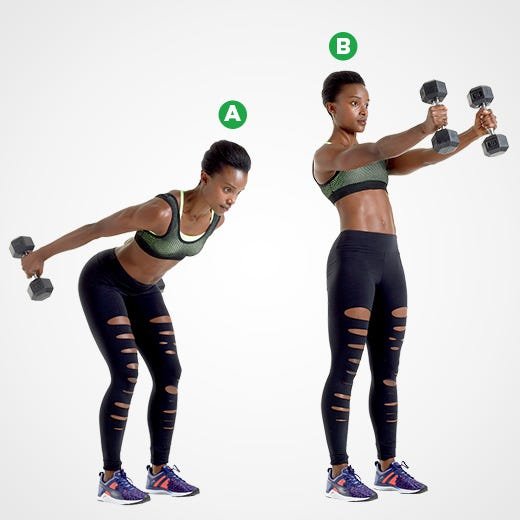
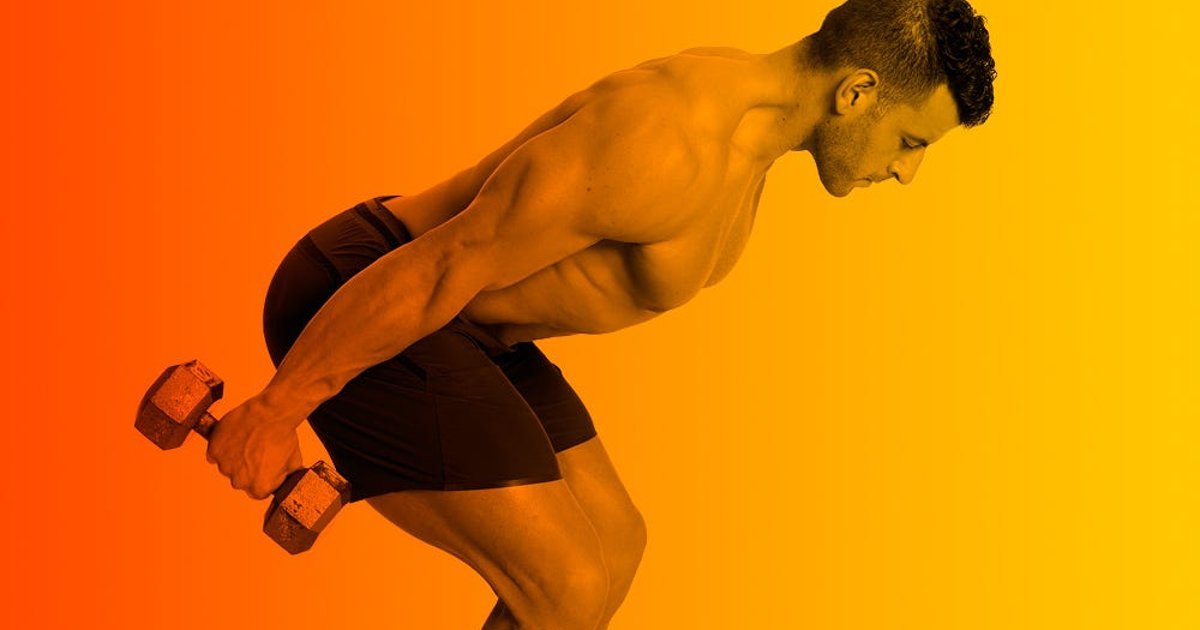
In the two-dumbbell version, hold one weight in each hand with your palms facing inward. The weights travel behind and beside you as the hips move back, then swing forward as you stand tall. The glutes and hamstrings contribute to the hip action, while the trunk and upper body help maintain position and control the implements. The shoulders move, but deliberately raising the weights with the arms changes the task.
The name describes the arm path, not a requirement to imitate a deep skiing crouch. You are practicing a hinge with some knee bend rather than dropping into a squat on every repetition. Keep your feet grounded and let the hips move backward. If you are unfamiliar with that distinction, rehearse an unloaded hinge or a slow dumbbell Romanian deadlift before adding a continuous swing.
Use chest or roughly shoulder height as a practical upper reference, not a target you must reach at any cost. A smaller, controlled arc is more useful than lifting higher by shrugging, leaning backward or bending the elbows. Overhead swings and one-arm variations add different demands. Give them separate instruction and practice rather than blending them into the version you are trying to learn.
The skier swing can offer a dynamic posterior-chain exercise and, in repeated bouts, a conditioning challenge. That does not establish superior muscle growth, a special fat-loss effect or protection from back pain. Choose it for the movement and training role you want. It is an option alongside other hinges, not a compulsory upgrade from a kettlebell swing or a controlled deadlift.
Choose weights and clear a complete swing path
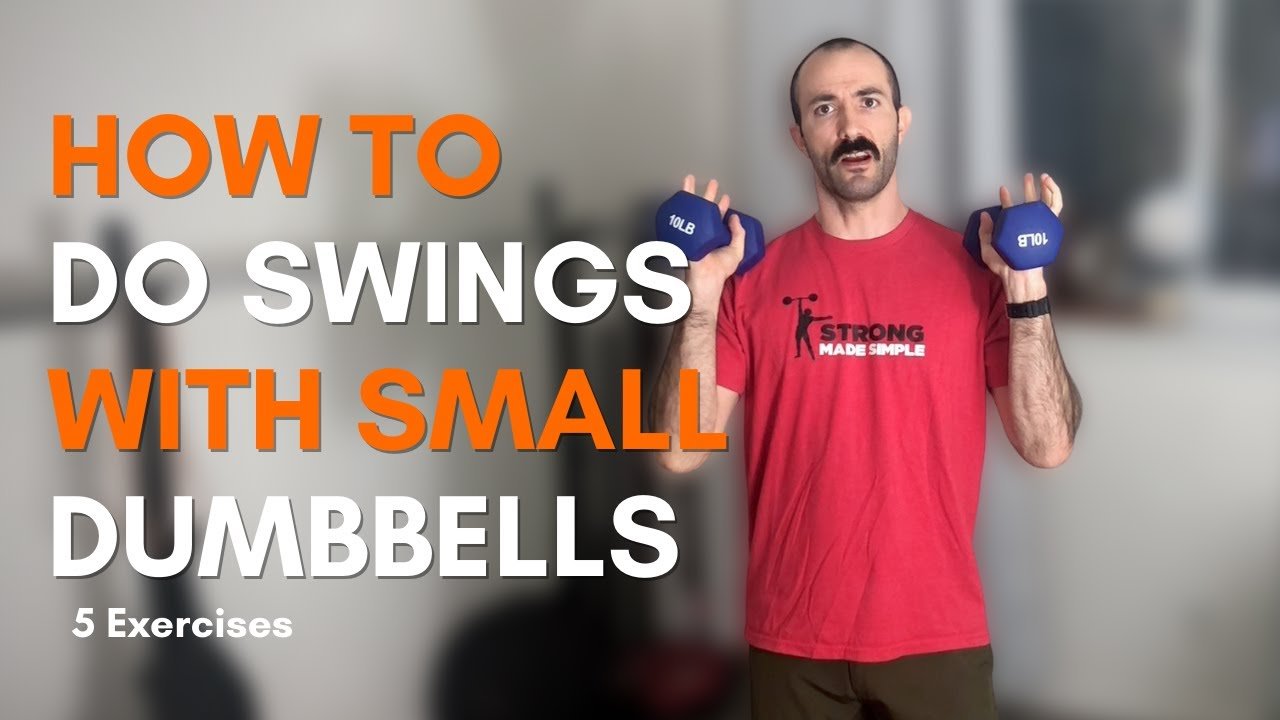
Begin with a matched pair you can hold securely and control without rushing. The dimensions of the dumbbells matter as well as their mass. Long sleeves, large heads or projecting adjustment hardware can reduce clearance beside your thighs. Check that the manufacturer permits the intended dynamic use, particularly with adjustable equipment. A product being suitable for ordinary lifting does not automatically establish suitability for swinging.
Inspect the handles, connections and locking mechanisms before the set. Keep hands dry enough to maintain a dependable grip. Do not use loose add-on plates or improvise a heavier implement because the available pair feels light. Loading accessories must match their intended equipment and instructions. The exercise is not worth continuing when holding the weights becomes uncertain or the hardware can move independently of the handle.
Clear space behind, beside and in front of you. Test the intended path slowly with minimal load, including the backswing, forward arc and final set-down. A narrow gap that looks adequate when you are standing still may disappear once both weights move. Keep other people, furniture and spare equipment outside that path. Stand on a stable surface with footwear that lets you stay planted comfortably.
Select a comfortable stance around hip width, then adjust enough to keep the dumbbells outside the legs without exaggerating your arm position. Do not squeeze your feet together simply because another lifter uses a narrow stance. Your body dimensions and equipment shape determine the clearance you need. If no comfortable setup produces a clear path, choose a different exercise or different implements.
Load the hips and let the drive move the dumbbells
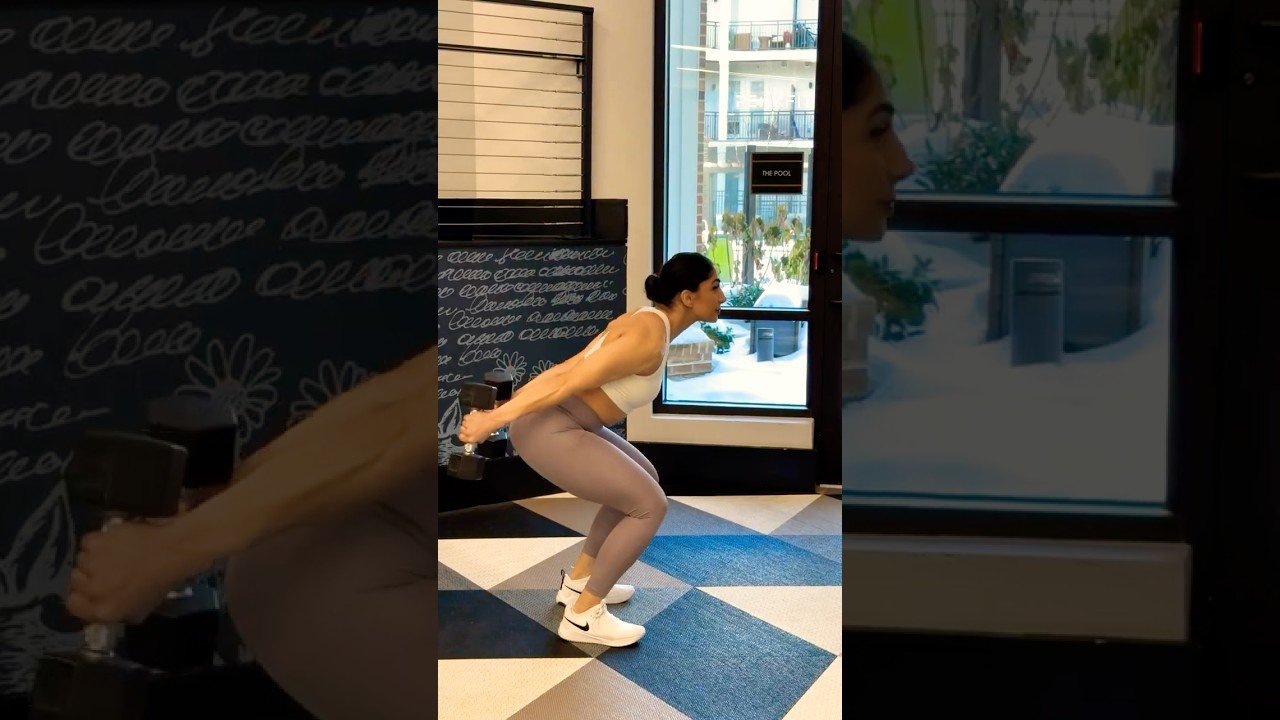
Start standing with the weights hanging at your sides. Establish a light brace through your trunk, soften the knees and push the hips back. Let the arms travel backward beside the body as you hinge. Keep the neck aligned comfortably with the torso instead of lifting the chin to watch a mirror. The first repetition can use a smaller arc while you establish the timing.
Drive through your planted feet and extend the hips to stand tall. The dumbbells follow that acceleration forward. Think of completing the stand rather than throwing your shoulders back. At the top, finish with the ribs and pelvis reasonably stacked. You should not need to lean behind your heels or thrust the pelvis past the point at which you can remain balanced.
Keep the elbows relatively long without forcing a rigid lockout. Avoid deliberately curling or rowing the weights upward. If the shoulders and arms are doing most of the lifting, stop and revisit the hinge-to-stand sequence with a smaller swing. Increasing weight is not a dependable correction for poor timing. A heavier pair may simply hide the problem while making the return harder to manage.
A side-view recording can help you compare the first few repetitions. Look for a recognizable backward hip movement followed by a balanced stand, with the weights following a consistent path. From the front, check whether the two sides move similarly and stay clear of the legs. You are checking your own execution, not trying to duplicate another person's exact torso angle or dumbbell height. Place the camera outside the swing area and record a short set without turning your head toward it. Review the clip after putting the weights down. If you cannot identify what changed between clean and messy repetitions, getting an in-person technique check is more useful than experimenting with heavier loads.
Control the return and end the set before it becomes a scramble
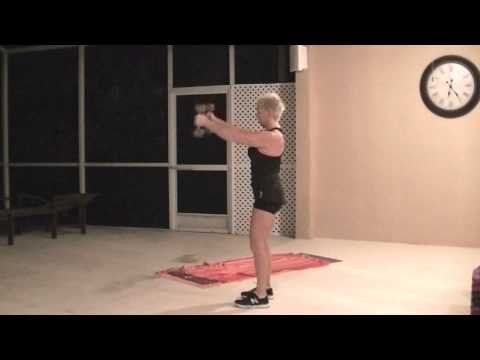
As the weights descend, allow them to move back beside the legs while the hips hinge again. Do not fight to keep the torso upright and turn the return into an awkward arm exercise. At the same time, avoid collapsing forward or letting the dumbbells pull you beyond a position you can control. The next drive should begin from a stable, repeatable backswing.
Coordinate your breathing with the movement. Exhaling as you stand and inhaling during the return is a useful starting rhythm, provided it remains comfortable. You do not need to hold your breath through a long conditioning interval. If breathing becomes so hurried that you cannot organize the next repetition, finish the set and recover before deciding whether to continue.
Stop for leg contact, slipping grip, unexpected twisting, pain or a progressively shrinking ability to control the weights. Repeatedly hitting the thighs is a setup or execution problem to fix, not an unavoidable feature of the exercise. Shorten the next practice set, reduce the load or return to a slower hinge. Adding speed and fatigue while hoping the path corrects itself is a poor trade.
Plan the last repetition as carefully as the first. Reduce the swing under control, regain a stable standing position and set the weights down deliberately with an appropriate bend of the hips and knees. Avoid releasing them while they are still traveling. A timer finishing is a cue to conclude the movement safely; it is not a demand to drop equipment or suddenly freeze its momentum.

Equipment Worth Exploring
Explore equipment, accessories and gear from our carefully selected range.


Rubber Hex Dumbbells
Rubber-coated hex dumbbell pairs with a stable shape for home and commercial strength training.


Cast Iron Kettlebells
Textured cast-iron kettlebells for swings, squats, carries, and full-body training.


Use short practice bouts, then progress one variable at a time
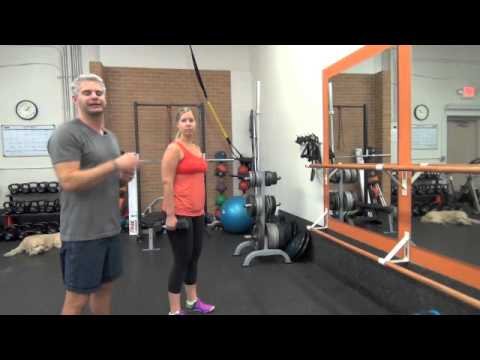
A simple learning trial is three sets of five to eight controlled repetitions after warming up, while you are fresh enough to pay attention. Rest until you can reproduce the same stance, grip and timing. This is a conservative practice example, not a uniquely effective prescription. Your existing experience, available equipment and response determine whether to use fewer repetitions or choose a simpler hinge.
Keep a brief log of the dumbbell pair, repetitions and what limited the set. Distinguish grip fatigue, breathing and a loss of movement quality. If every set looks comparable across several sessions, change one variable: a small load increase, a few more repetitions or a modest adjustment to rest. Do not increase all three demands together and then judge success solely by whether you survived the final set.
For conditioning, trial short work bouts with enough recovery to retain a clear hip drive. For example, use a few rounds of 15 seconds of controlled swings followed by generous rest, stopping each bout early if necessary. The clock sets a ceiling, not an obligation. Longer sets are useful only when they preserve the exercise you intended to train. Avoid adding them immediately after exhausting grip or hinge work while still learning.
Keep the broader program in view. If glute and hamstring strength is your main priority, retain suitable progressive strength work instead of expecting a swing interval to replace everything. If the skier version feels awkward, a slow dumbbell hinge or separately learned kettlebell swing may fit better. Judge the trial by consistent execution, manageable fatigue and a clear purpose in your week, rather than by sweat, soreness or impressive-looking swing height.

Funny Gym Shirts & Workout Gear
Funny gym shirts, tanks, hoodies and workout gear for lifters who like training hard.

Dumbbell Heartbeat Hooded Pullover Fitness Fans Hoodie
Stay casual and show some bodybuilding attitude with “Dumbbell Heartbeat”.


Cardio Is Calling You , Meme Top Answer Or Decline? T-Shirt
Make gym days more fun with “Cardio Is Calling You” style.

Shirt – Cardio Is Hardio – & Gymbros T-Shirt
Show some cardio attitude with a playful “Cardio is Hardio” tee.

Big Booty Energy Glute Lovers & Bodybuilders Vest Tank Top
Add some lifting attitude to training with “Big Booty Energy”.

Butt Stuff Glute Sweater Hip Thrust Lovers Meme T-Shirt
Bring “Butt Stuff” humor to your everyday gym style.


Vitruvian Man With Dumbbells Shirt: Leonardo Da T-Shirt
Bring “Vitruvian Man With Dumbbells” humor to your next gym day.

Heart And Brains Dumbbell Meme : The Ultimate T-Shirt
Make gym days more fun with “Heart and Brains Dumbbell Gym Meme” style.

Meme Pink Dumbbells Top & Gymbros T-Shirt
Rep “Pink Dumbbells” humor in and out of the gym.