Advertising disclosure: This page includes affiliate product links that may earn us a commission, as well as products from our own store.
The Reeves deadlift changes the most familiar part of a deadlift: where you hold it. Your hands go out to the weight plates instead of wrapping around the bar. That can make a modest load a demanding grip task, while also changing the position you need to reach. The useful starting point is choosing the exact version you want to train. A rim grip, plate handles and a shorter bar all create different conditions, so their numbers deserve separate entries in your training log.
The defining feature is the plate grip
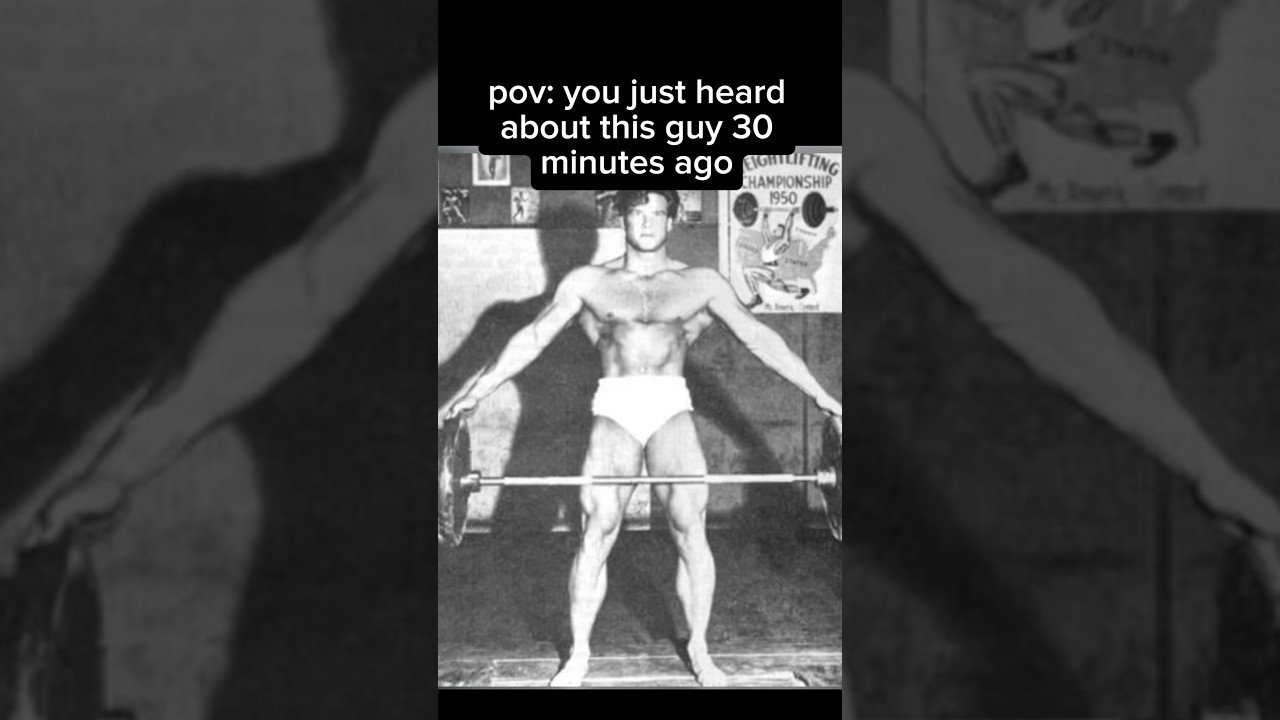
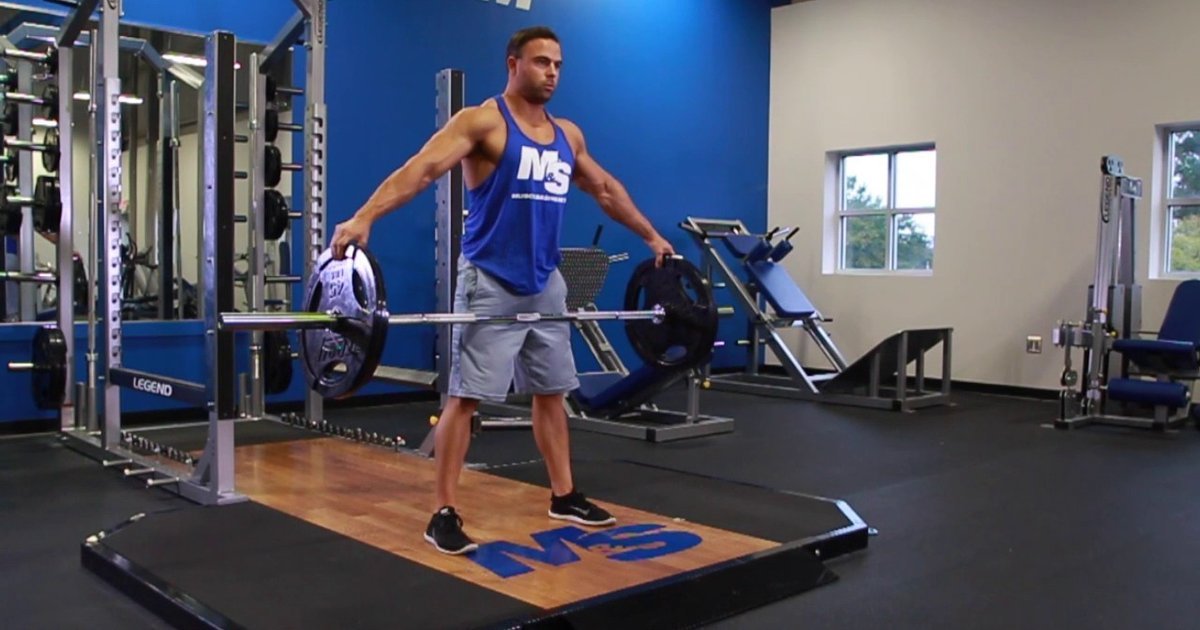
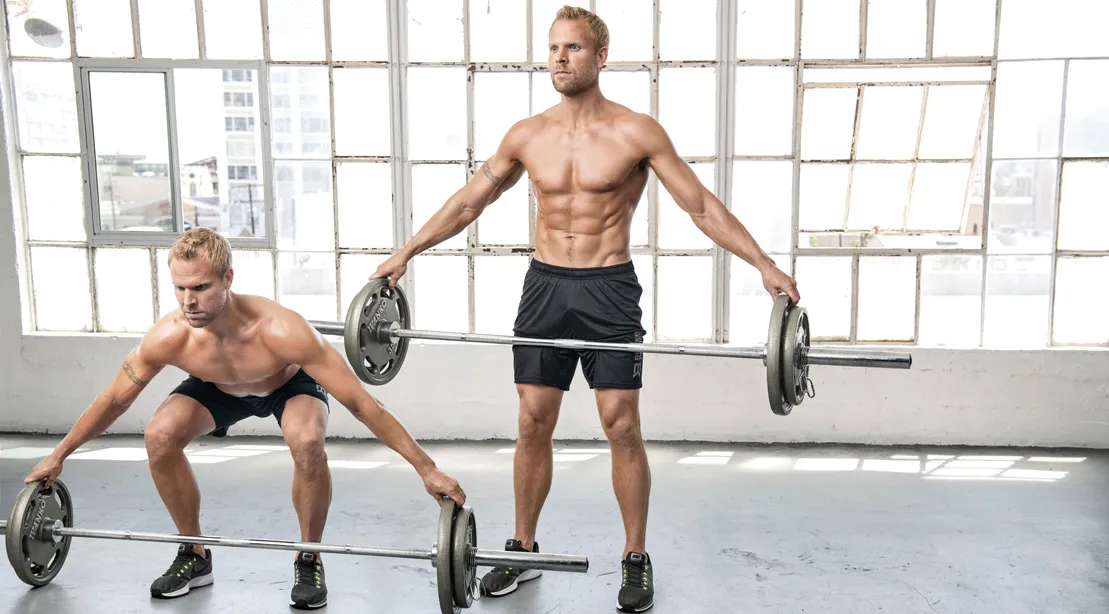
The exercise takes its name from bodybuilder Steve Reeves. Its distinctive feature is lifting a loaded barbell by holding a plate on each side. The rim-lift version uses the plate edge or flange as the gripping surface. Compared with holding the shaft, the hands sit much farther apart, and the available edge becomes part of the challenge.
Some gym demonstrations use plates with hand holes. That is a recognisable plate-grip deadlift variation, but hooking your fingers through a handle is a different task from holding a rim. Neither version becomes more informative by hiding the difference. Decide whether your goal is practising the classic rim grip or using a plate-handled variation, then name it clearly.
The lift remains a loaded hinge involving the legs, hips and trunk; the unusual grip does not isolate the forearms or upper back. Your hands may become the limiting factor well before you approach the weight you could move with a normal bar grip. That can suit a grip-focused accessory, but it also explains why this is not a direct test of your conventional deadlift strength.
Keep physique claims in perspective. A historical association with a successful bodybuilder does not establish that the exercise will widen your skeleton or reproduce his upper-body proportions. Its practical appeal is simpler: a different holding problem within a familiar lifting pattern. You can assess that problem without adopting stories about a guaranteed transformation.
Check the plates, reach and floor position before adding load
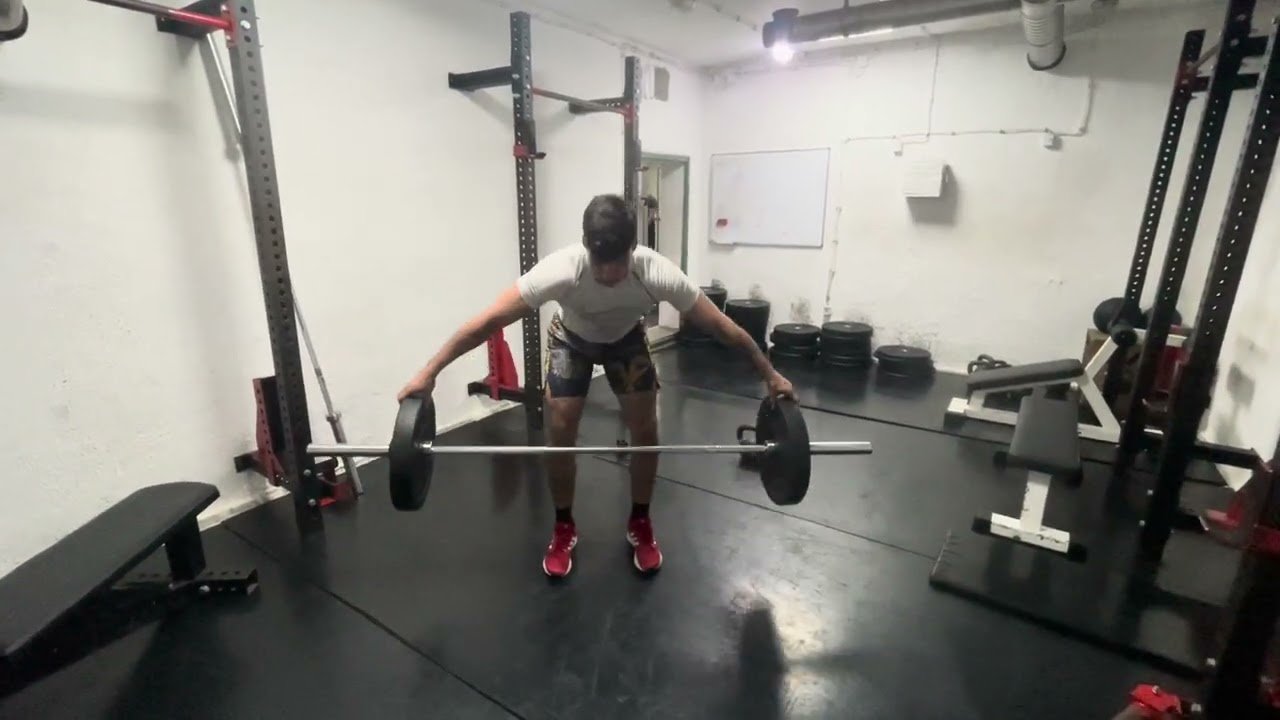
Inspect the actual gripping surface first. A deep rim, shallow lip, smooth bumper and moulded hand hole feel different. Make sure the plate is intact and that you can establish a secure hold before attempting the pull. Sharp edges, a slippery surface or painful finger pressure are reasons to choose different equipment or another exercise, rather than excuses to squeeze harder.
Your reach matters because the plates determine hand spacing. With a standard-length bar, you may struggle to reach both sides while keeping a workable start position. Rehearse with a light setup. If reaching the rims forces you into a position you cannot control, do not solve the problem by suddenly rounding or twisting to get the weight moving. Use an appropriate alternative.
Arrange the loading so you can access one gripping plate per side. Smaller-diameter additional plates can leave that rim accessible, whereas another full-size plate may crowd the fingers. Secure the load with suitable collars, keeping the gripping area clear. Check the arrangement on both ends; an accessible left rim does not prove the right side has the same clearance.
The plate diameter also determines starting height. A short bar carrying small plates may begin much lower than a full-size Olympic setup. Raising a light practice setup on stable, matched supports changes the exercise again, so record it. Establish a level lifting area and clear the space where the plates will return before taking your grip.
Make the lift deliberate from floor to finish
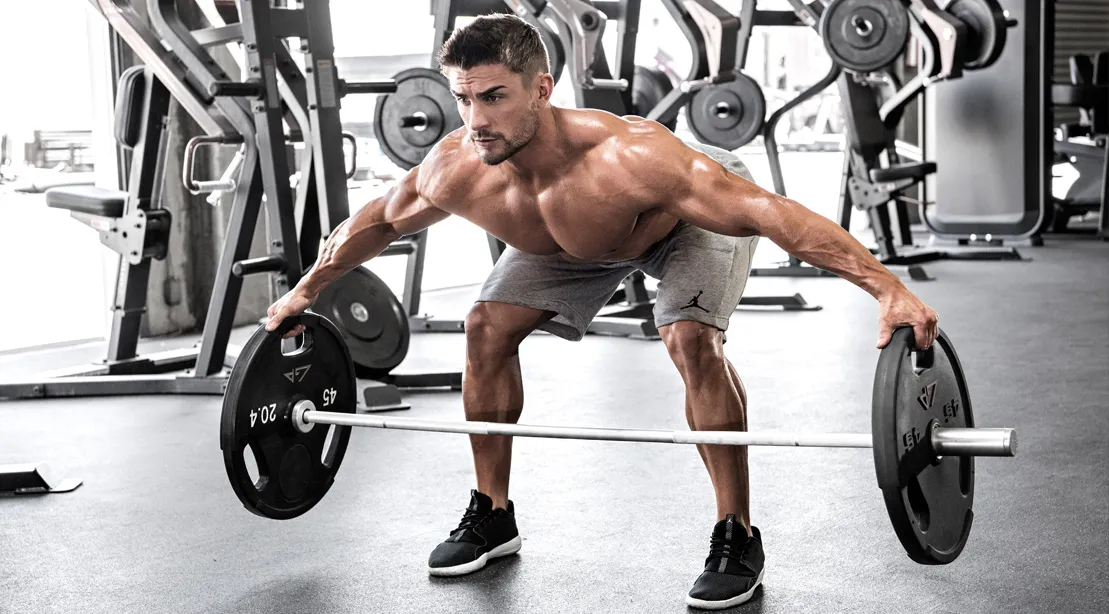
Stand with a comfortable stance that lets you reach the plates without your knees crowding your arms. Hinge at the hips and bend the knees enough to establish the start. Grip both sides, keep the arms long and build tension before the weight leaves the floor. Avoid treating the first few centimetres as a sudden yank on the fingers.
Push through your feet and extend the hips and knees while keeping the load controlled. The wide hand position may make the start feel unfamiliar, so begin well below a challenging effort. If one end leaves the ground first, set the load down and check your hold and position. Do not try to rescue an uneven pull by twisting under it.
Finish standing tall without an exaggerated backward lean. Some training versions add a shrug after standing up; others end with the deadlift itself. A deliberate shrug is an additional action, not a requirement to roll the shoulders or bend the elbows. Choose one finish and keep it consistent while learning, rather than adding extra movement whenever a repetition feels easy.
Reverse the hinge and return the plates with control. Reset your fingers and position between repetitions instead of bouncing into the next pull. Select a load you can put down as deliberately as you lifted it. End the set before a slipping grip becomes the way you discover that the weight was too heavy.
A useful technique check is whether you can describe what limited the set. Was it holding the rim, reaching the start, keeping the two ends level or completing the hinge? Those are different problems. Reducing load, changing equipment or selecting another grip exercise can be more useful than repeating the same failed attempt.
Choose equipment and alternatives by the actual training goal
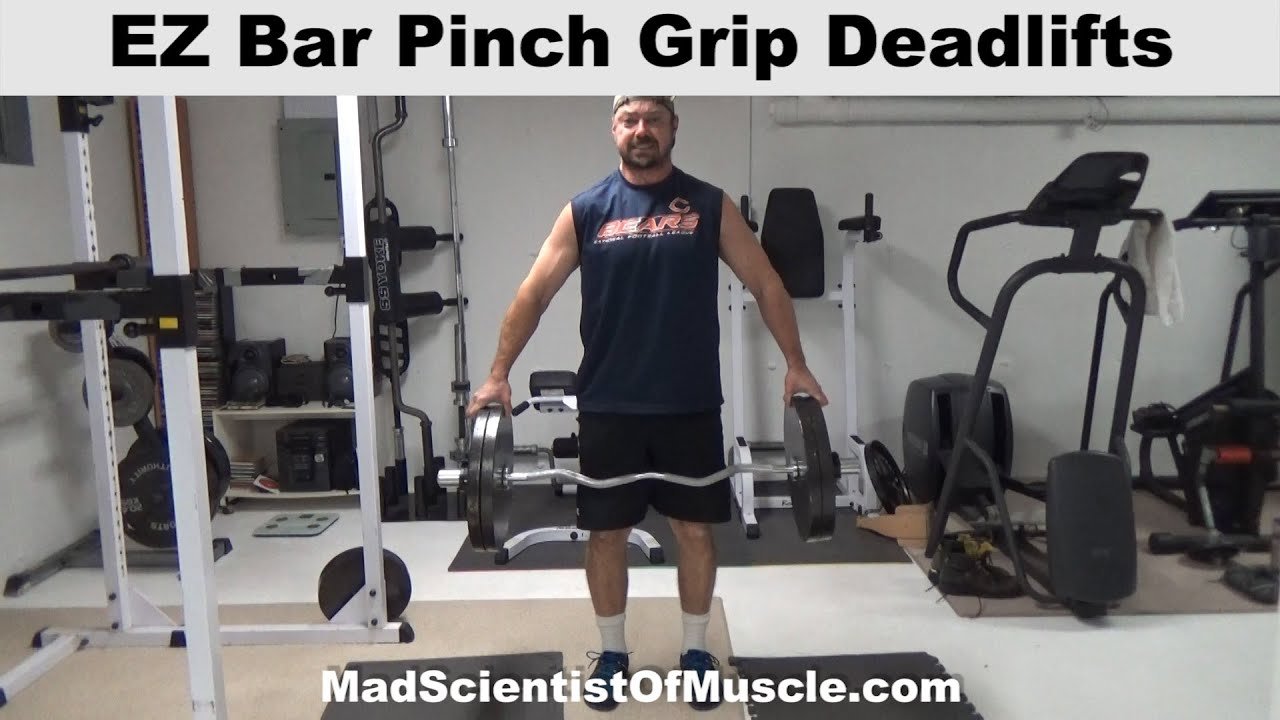
For a straight-bar Reeves deadlift, compare the bar's sleeve spacing, plate diameter, rim shape and available clearance. A catalogue photograph cannot establish that a particular plate will suit your fingers or that a particular bar fits your reach. The barbell and plate choices below are options to examine, not a claim that every combination is appropriate for this lift.
Competition-style plates, rubber-coated grip plates and bumpers offer different surfaces. Grip plates can support a handled variation; a smooth bumper creates another holding task. Small change or fractional plates may help you make modest load increases once the main gripping arrangement works. Check sleeve compatibility and fastening before assuming an accessory fits.
A shorter EZ bar can reduce the distance between the gripping plates. That makes it an alternative setup, not an equivalent record with a more convenient name. A trap-bar arrangement also changes where the load sits relative to your body. If you use either, practise it as its own exercise and note the implement rather than importing a straight-bar target weight.
Straps and wrist grips belong to a different decision. They may help with other pulling work when you want grip to stop limiting the session, but they change the purpose of an unassisted rim-grip test. Keep those sets separate. If you simply want straightforward grip work, a manageable dumbbell hold or carry is another option without the wide plate reach.

Equipment Worth Exploring
Explore equipment, accessories and gear from our carefully selected range.


Competition Plates
Competition-style bumper plates for Olympic lifts and loaded strength training.

Grip Plates
Rubber-coated weight plates with handholds for loading barbells and machines.



Speed Collar
Quick-release collars designed to secure weight plates on standard two-inch Olympic bars.
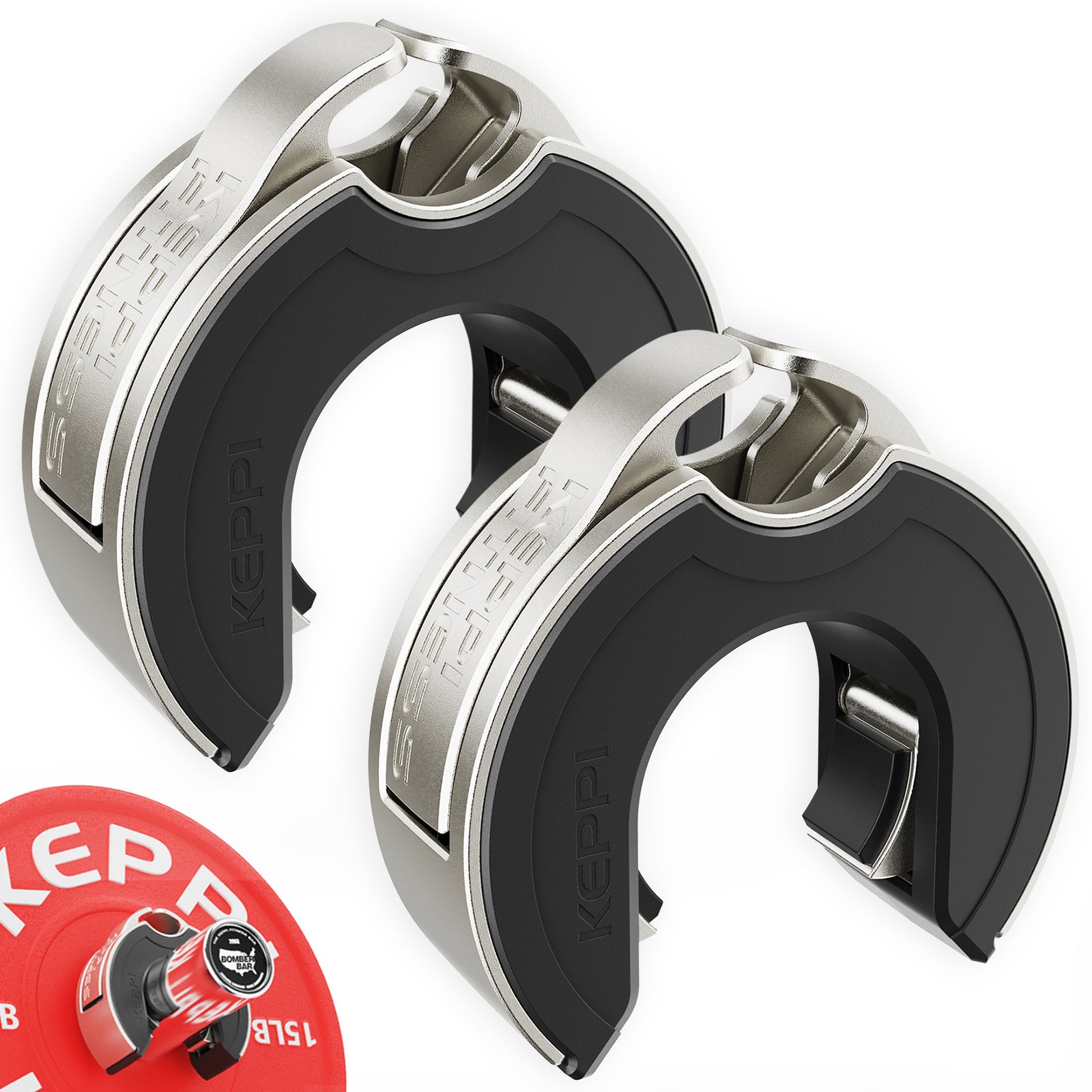
Keppi Open Collars
C-shaped magnetic Olympic barbell collars with a quick-lock mechanism and grippy lining.


EZ Curl Barbell
Olympic EZ curl bar with angled grips for curls and triceps exercises.
Progress the same task instead of chasing a misleading number
Begin with light practice and a small amount of work you can recover from. An adjustable example is two or three sets of three controlled repetitions, with a full reset between reps and enough rest to establish your grip again. This is a starting example, not a tested optimal programme. It should fit around your existing deadlifts, rows and other grip-demanding work.
Record the total load, bar type, gripping plate, rim orientation, start height and whether you used handles or assistance. These details make the result interpretable. A heavier set with a deeper flange may have been easier to hold than last week's lighter set, so an increase on the bar alone cannot explain what improved.
Suppose all six repetitions across two sets feel controlled with the same plates and setup. You might repeat that result once, then try a small increase. If the next load immediately compromises the hold or makes one side rise first, return to the manageable setup. There is no need to force a large plate jump simply because that is what the rack offers.
Choose the exercise's place in the session according to your priority. If heavy conventional deadlifts matter most, tiring the hands beforehand can interfere with that goal. A grip-focused accessory can come later or on another suitable day. Consider the combined demand from your rows, carries and deadlifts rather than adding every appealing grip exercise at once.
The best comparison is your own repeated setup over time. Keep a rim lift separate from a plate-handled pull, a shorter-bar version and a strapped deadlift. Stop when the intended movement is no longer controlled, and change the exercise if it repeatedly does not suit you. Consistent records turn an unusual lift into a useful training choice instead of a confusing strength contest.

Funny Gym Shirts & Workout Gear
Funny gym shirts, tanks, hoodies and workout gear for lifters who like training hard.

Slip Not Grip Training – Heavy Metal & Gymbros – T-Shirt
Heavy lifts, good laughs, and a little “Slip Not Grip Training” energy.

Deadlift Fiery Skull Graphic , Hardcore Fitness Pullove T-Shirt
For laid-back days and deadlift humor: “Deadlift”.

Deadlift Cyberpunk Skull Gym Shirt for Powerlifters, Sc T-Shirt
Bring “Deadlift” humor to your next gym day.

I Love Deadlifts Gym | Valentine's Day Funny Workout Fo Hoodie
Keep it laid-back with a little “I Love Deadlifts” attitude.

Deadlift Wasteland Skull Decal , Hardcore Gym Accessory Sticker
Put “Deadlift” gym humor on your laptop, bottle, or gym gear.

Zombie Deadlift Lifting Dead Halloween Vest Tank Top
Your gym-day look, with a playful “Zombie Deadlift” twist.

Deadlift Lovers – Grim Reaper Skeleton , Bros & Leg T-Shirt
Rep “Deadlift Lovers” humor in and out of the gym.

Deadlift And Chill – & Top T-Shirt
Heavy lifts, good laughs, and a little “Deadlift and Chill” energy.

Deadlift Addict & Barbell Cigarettes Can'T Quit T-Shirt
Show some deadlift attitude with a playful “Deadlift Addict & Barbell Cigarettes” tee.

Deadlift PR or Die Skull Graphic , Hardcore Halloween G T-Shirt
Heavy lifts, good laughs, and a little “Deadlift” energy.