Advertising disclosure: This page includes affiliate product links that may earn us a commission, as well as products from our own store.
The Powell raise is a side-lying dumbbell exercise for the back of the shoulder and the muscles around the shoulder blade. Its useful feature is the supported position: you can pay close attention to the arm's path without turning every repetition into a whole-body swing. That support does not make the exercise automatic. Choose a light weight, establish a repeatable position and keep the lowering phase as deliberate as the lift.
Set up a side-lying position you can maintain
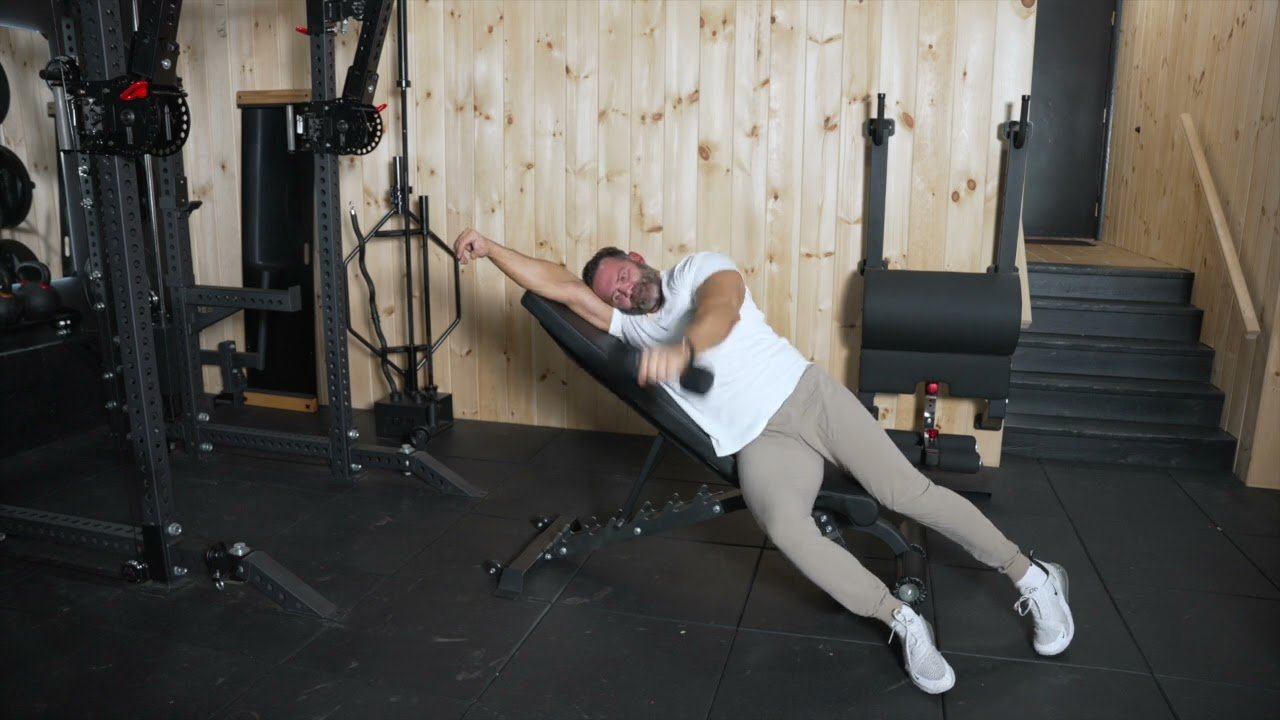
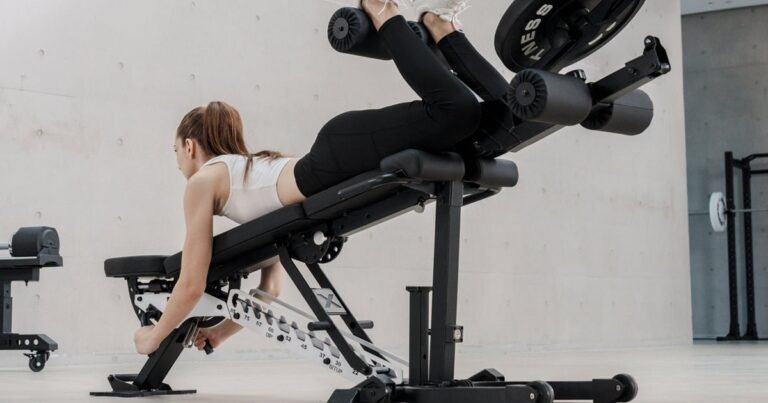
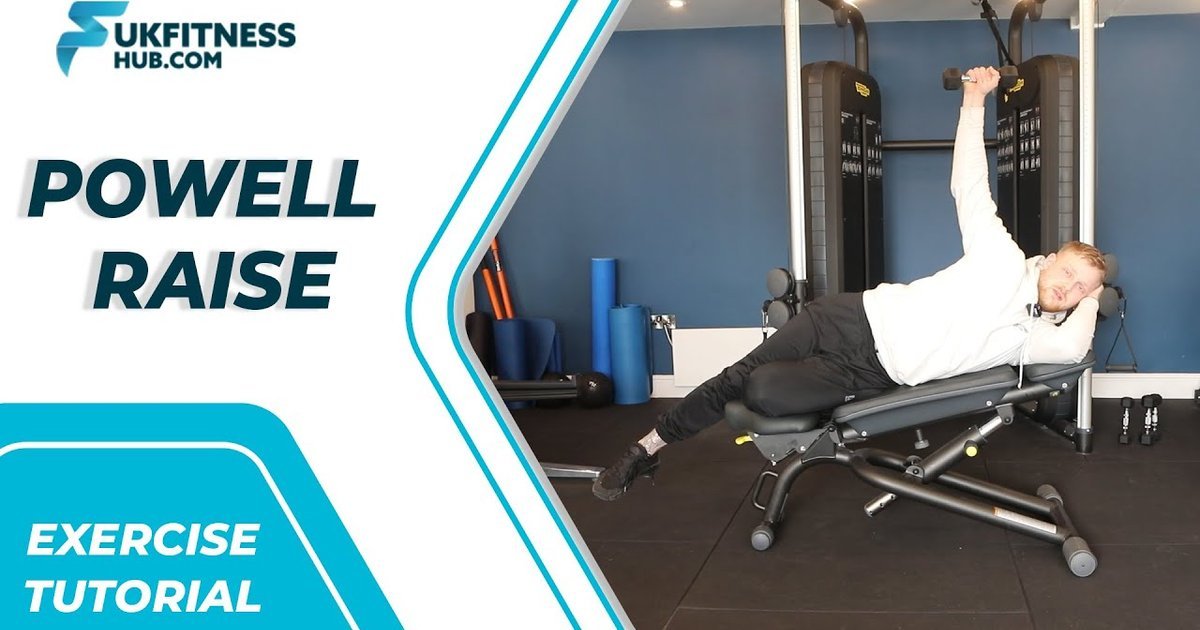
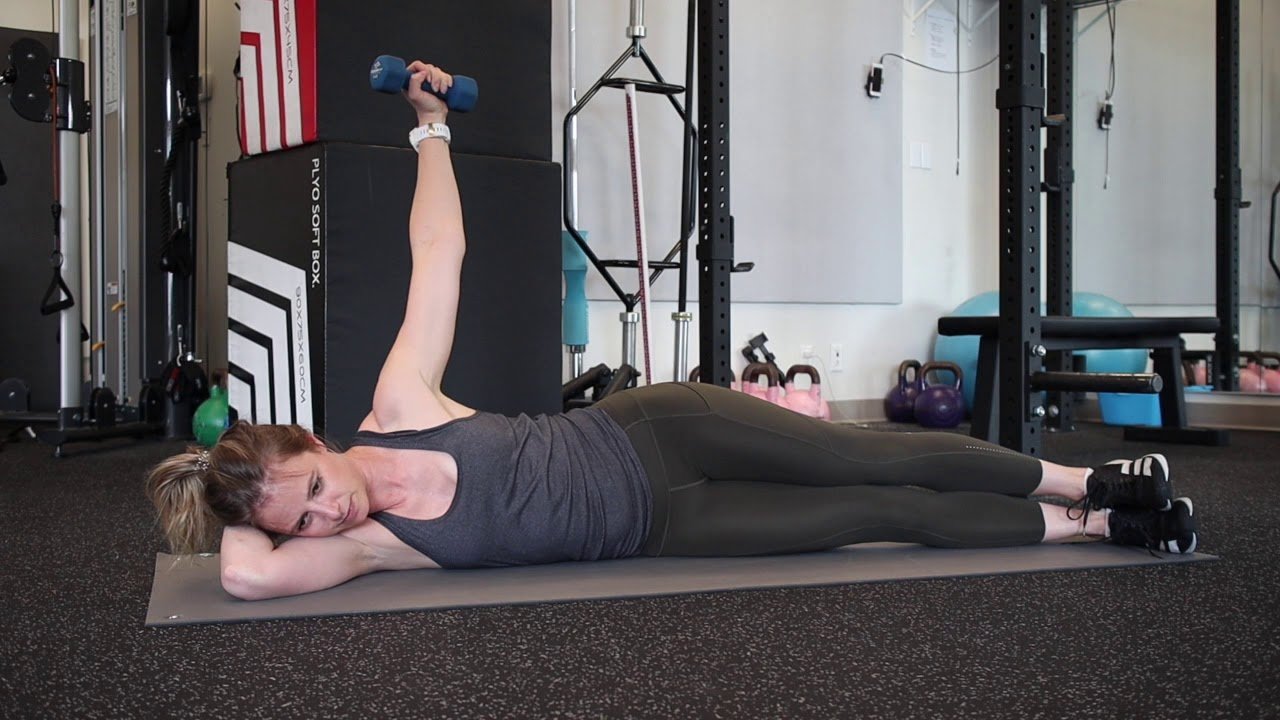
Begin on your side with the working arm uppermost. A supported bench variation places the torso against the pad; a floor variation changes the available support and clearance. Settle into the position before picking up the dumbbell. Your shoulders and hips should not repeatedly roll backward as the working arm rises.
Start with a very light dumbbell or rehearse the arm path without external load. The weight that works for a row or press is not a useful starting benchmark for this movement. You are moving a relatively long lever, and maintaining that lever is part of the exercise. A weight you can move only by bending the elbow or turning the torso changes the task.
Use a bench position that supports you securely and lets the working arm move without hitting the frame. Check that the adjustment mechanism is locked. There is no need to copy a precise bench angle from someone else's setup; record the angle you use so subsequent sessions are comparable.
Keep the head comfortably supported or aligned with the torso. Arrange the lower arm and legs so you are not struggling to balance throughout the set. If maintaining the position is harder than moving the light dumbbell, change the setup first. The aim is a repeatable shoulder exercise, rather than an unexpected balance challenge.
Raise the arm without turning it into a row
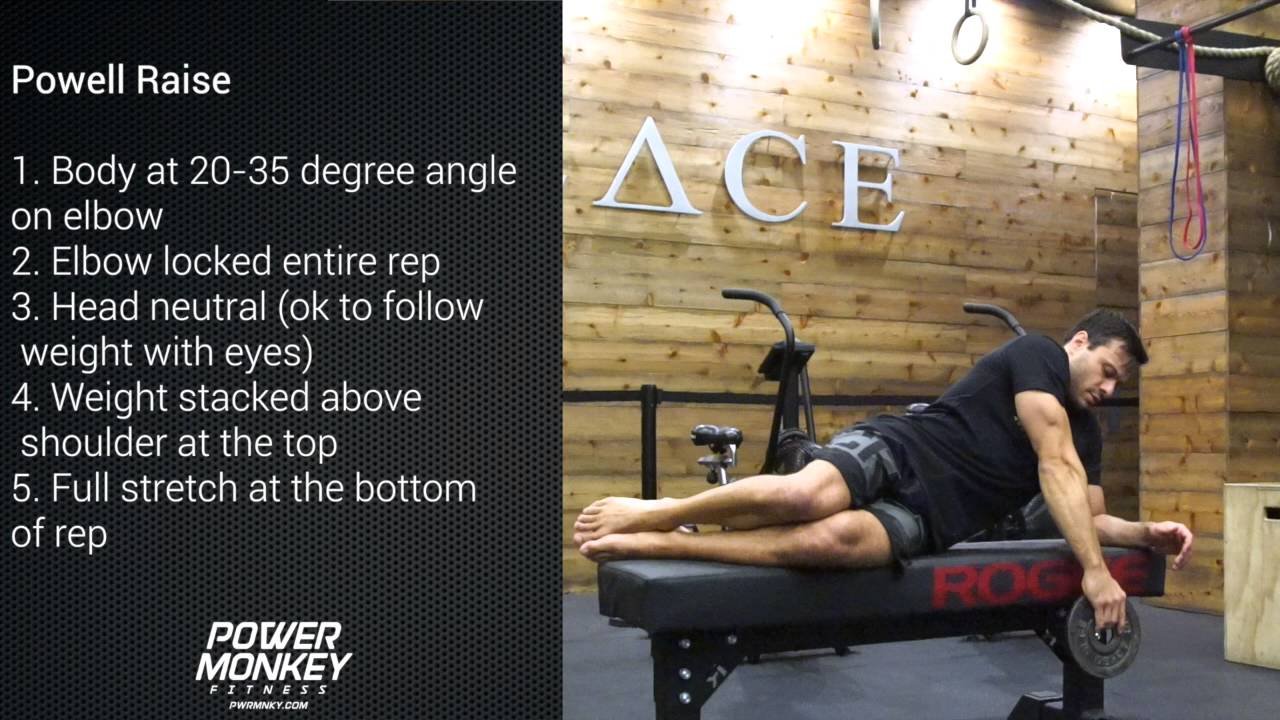
Hold the dumbbell in the upper hand and establish the starting arm position across or in front of the body. Raise it in a controlled arc toward the ceiling. In the side-lying version, the upper endpoint is a position where the hand is approximately stacked over the shoulder. Stop within the range you can control.
Keep the elbow angle consistent. The arm does not need to look identical on every person, but it should not progressively bend to make a difficult weight easier to lift. If the movement turns into drawing the elbow backward with the dumbbell close to the ribs, you are performing a different action from the intended long-arm raise.
Allow the shoulder blade to participate naturally while keeping the torso steady. 'Keep still' should not mean clamping every part of the shoulder girdle immovably in place. The more useful check is whether the arm and shoulder move deliberately without the whole body rocking to propel the weight.
Avoid making a shrug the main action. A rising shoulder, changing elbow bend or rolling chest gives you information about the current load and range. Try a lighter weight and compare the same movement again. One short observation from a clear camera angle is usually more useful than trying to correct five things during a single repetition.
Make the return as useful as the lift
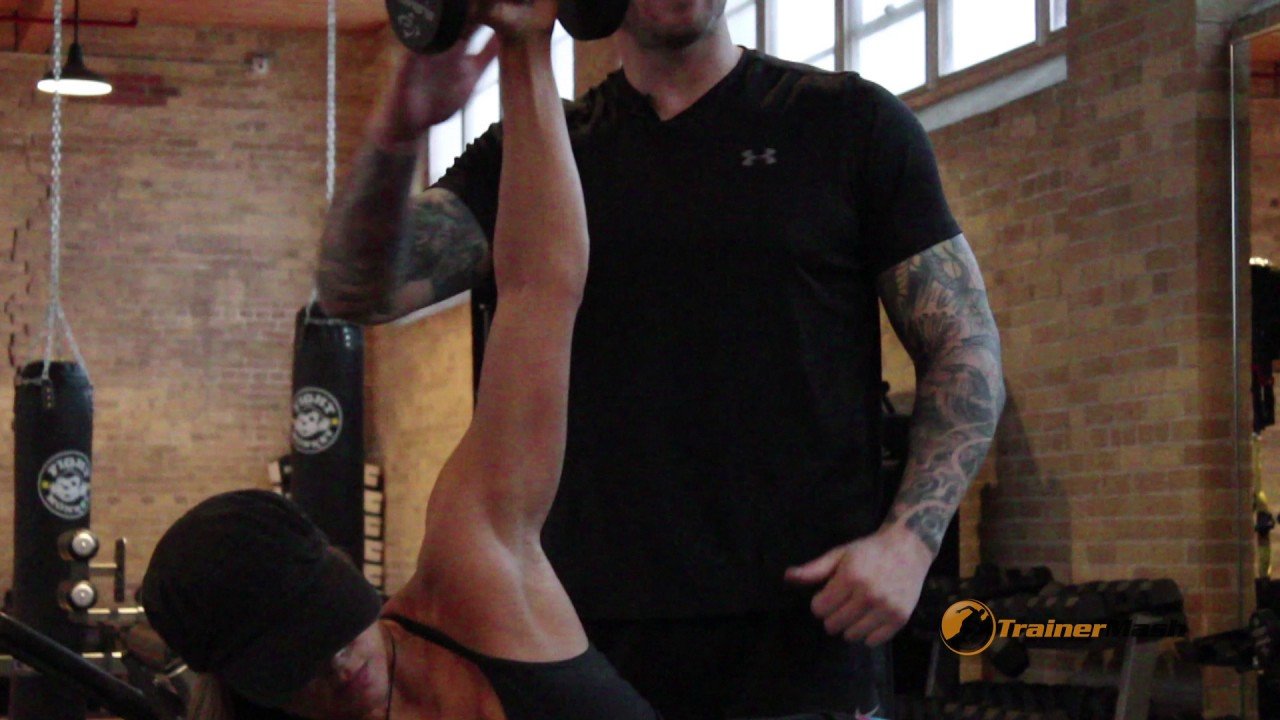
Lower the dumbbell along the same general arc under control. The return is not the interval between useful repetitions; it is part of each repetition. Letting the arm drop and then bouncing out of the bottom removes the opportunity to practice that control.
Choose a lower endpoint that does not require forcing the shoulder farther across the body. Bench height, torso position and individual range all affect where the dumbbell finishes. Reaching the floor is not the objective. It is better to repeat a manageable range than to extend the last few centimetres by twisting the body.
Notice whether the path changes as you fatigue. The first repetition might be steady, while later repetitions become faster, shorter or more dependent on a shrug. End the set when you can no longer maintain the movement you intended, rather than counting increasingly different actions as equivalent repetitions.
For a useful comparison, keep the support, load and range consistent for a few sessions. A note such as 'eight controlled repetitions, same endpoint, no rocking' captures something the kilogram number alone misses. If the movement causes pain, stop and reassess rather than using discomfort as evidence that a particular muscle is finally working.
Choose simple equipment and distinguish the floor version
A light fixed dumbbell and a stable bench are enough for the supported variation. Rubber hex or chrome dumbbells are practical examples; the important questions are whether the available weight is appropriate and whether you can hold it securely. An adjustable dumbbell can also work, but its minimum weight and physical size may be less convenient than a small fixed weight.
For plate-loaded handles, use only compatible plates and secure retention hardware. Small change or add-on plates can help make a modest progression when the manufacturer permits that combination. Check fit rather than assuming an Olympic collar or a particular plate works on every handle. Keep spare weights and storage equipment clear of the bench.
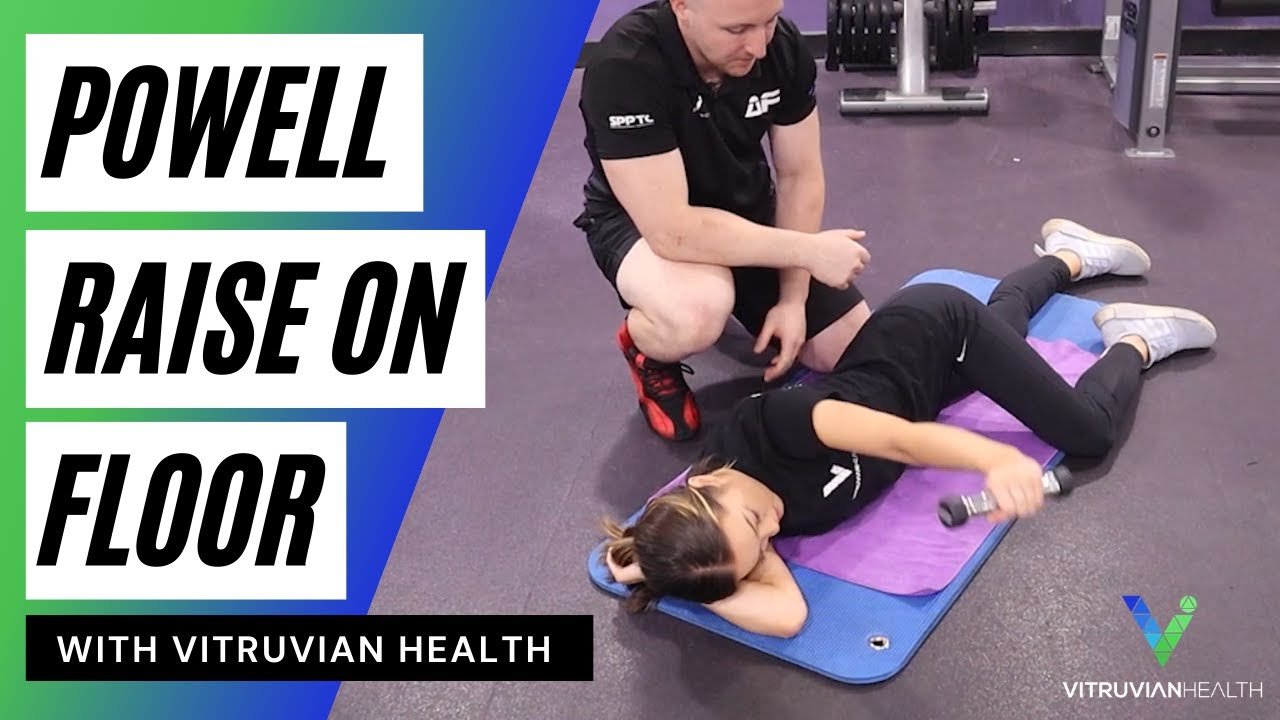
A floor variation is a legitimate alternative, not an exact copy of every bench setup. The floor changes the torso support and how far the working arm can travel. Begin with the body comfortably supported. A version supported on the lower elbow, or combined with a side plank, adds a separate trunk-support demand; do not treat that extra demand as automatically better shoulder training.
A cable rear-delt exercise is another option when you prefer adjustable resistance or a different setup. Cable devices and appropriate handles or cuffs belong to that alternative, rather than being necessary for a dumbbell Powell raise. The line of pull changes the task, so use a separate entry in the training log instead of directly comparing the displayed loads.

Equipment Worth Exploring
Explore equipment, accessories and gear from our carefully selected range.


Rubber Hex Dumbbells
Rubber-coated hex dumbbell pairs with a stable shape for home and commercial strength training.




FID Bench MAX
Adjustable bench offering flat, incline, and decline positions + adjustable headrest.


Multi Bench MBX-650 2.0
Adjustable multi-bench with roller adjustment, 15 backrest positions and accessory mounts.


Progress a small amount of repeatable shoulder work
Place the Powell raise within the shoulder or upper-body work you already do. It can serve as a light accessory rather than replacing your presses, rows and other programmed training. More exercises are not automatically more useful if the additional work makes the rest of the session harder to recover from.
As an adjustable starting example, perform two sets of eight to twelve controlled repetitions per side with a light dumbbell. Rest enough to reset the position and repeat the same path. These numbers are a practice example, not a proven best prescription. Begin at a dose that fits your experience and existing workload.
When the upper end of your chosen repetition range is repeatable, consider the smallest practical load increase. Keep the bench position and endpoint the same. If the next dumbbell forces a substantial change in elbow bend, range or torso movement, stay with the lighter option and improve its execution instead.
Compare sides without inventing a diagnosis from a single set. Differences may reflect setup, familiarity or fatigue as well as strength. Keep the observations specific and seek individual coaching when the path remains unclear. The useful outcome is a shoulder exercise you can perform and progress consistently, not a promise to cure shoulder problems or isolate one muscle perfectly.

Funny Gym Shirts & Workout Gear
Funny gym shirts, tanks, hoodies and workout gear for lifters who like training hard.

Rainbow Dumbbell Pride Shirt – LGBTQ+ Meme & Top T-Shirt
Rep “Rainbow Dumbbell Pride” humor in and out of the gym.

Dumbbell Heartbeat Muscle Shirt Athletic Vest Fitness F Tank Top
Your gym-day look, with a playful “Dumbbell Heartbeat” twist.

Mind Muscle Perfection Brain and Biceps Gym for Science T-Shirt
Show some gym-day personality with “Mind Muscle Perfection Brain and Biceps”.

Control Your Gains & Your Mind Stoic Sigma T-Shirt
Bring “Control Your Gains & Your Mind Stoic Sigma” humor to your next gym day.

Dumbbell Meme Shirt – Essential & Gymbros Seeking T-Shirt
Make gym days more fun with “Dumbbell Gym Meme” style.

– Installing Muscles Downloading Gains Meme T-Shirt
Add a playful “Installing Muscles Downloading Gains Meme” touch to your casual rotation.

Shirt – Liftionaire Golden Dumbbell Gymbros & Gains T-Shirt
Make gym days more fun with “Liftionaire Golden Dumbbell” style.

Heart And Brains Dumbbell Meme : The Ultimate T-Shirt
Make gym days more fun with “Heart and Brains Dumbbell Gym Meme” style.

Stoicism Lifting Gains Meme With Greek God Marble T-Shirt
Show some lifting attitude with a playful “Stoicism Lifting Gains” tee.

Lift Eat Repeat & Weightlifting Meme Vest Tank Top
Add some lifting attitude to training with “Lift Eat Repeat”.