Advertising disclosure: This page includes affiliate product links that may earn us a commission, as well as products from our own store.
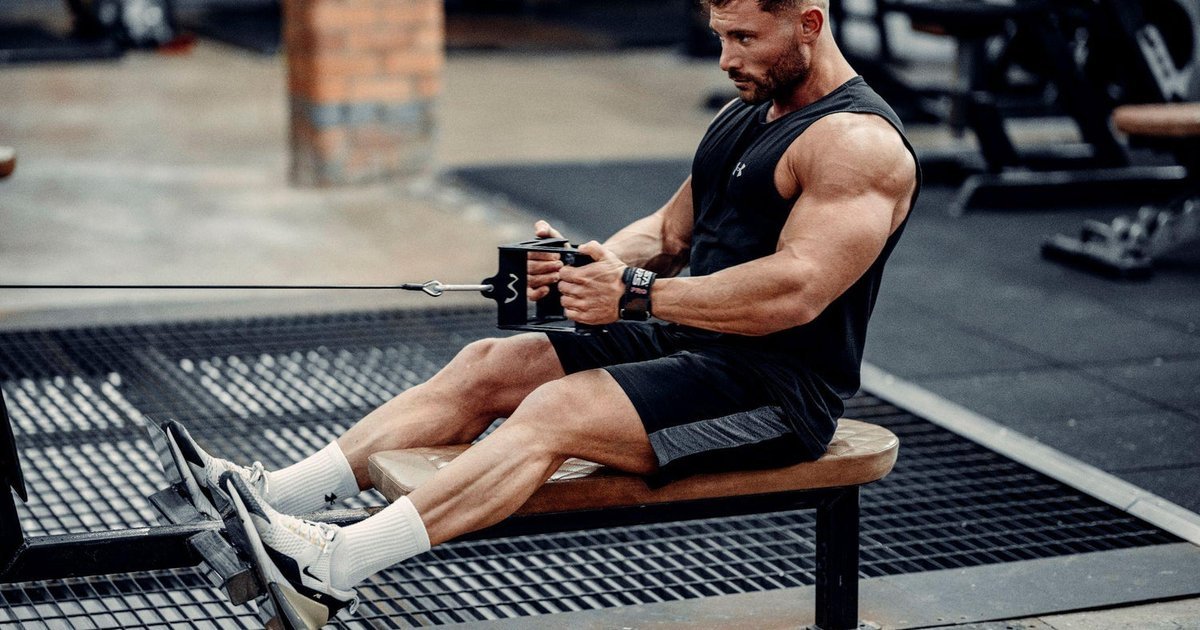
Changing a cable-row attachment feels like a small adjustment. Your back may experience a surprisingly different exercise. With a close handle, your elbows usually travel beside the ribs; with a longer, wider bar, they can move outward and the upper back has a larger role in directing the pull. That distinction sounds intuitive, but a detailed experiment involving fourteen trained men adds a more precise picture. It mapped electrical excitation across several muscles while participants performed narrow- and wide-grip seated rows. The result was not a universal verdict on which row is superior. It was a useful demonstration that grip, elbow path and movement phase can shift the emphasis even when both exercises remain multi-joint back training. Here is how to interpret those findings and turn them into repeatable sets.
What fourteen trained men actually did
The experiment compared two seated cable-row variations in fourteen resistance-trained men. One condition used a narrow handle with the arms moving closer to the torso; the other used a wider grip that encouraged more elbow abduction. Participants worked with loads based on an eight-repetition maximum, so this was meaningful resistance rather than a light rehabilitation movement. Researchers recorded high-density surface electromyography, or HD-sEMG, during both the pulling and lowering phases. A grid of sensors captures how the electrical signal varies across different portions of a muscle rather than relying on a single measurement point.
The monitored regions included the latissimus dorsi, upper, middle and lower trapezius, lateral and posterior deltoid, arm muscles and erector spinae. That is valuable context: neither row is an isolated lat exercise or an isolated trap exercise. The same movement recruits several joints and muscle groups. The practical question is where the relative emphasis shifts, not whether one grip magically switches individual muscles off.
Several design details matter before copying the result into a workout. This was an acute measurement of muscle excitation, not a six-month muscle-building trial. The sample was small and limited to trained men. The handles, elbow tracks and loading characteristics were part of the comparison; grip width was not an independent magic dial. Results tell us how this particular pair of row styles behaved under the tested conditions. They do not establish that every athlete will grow more lats from a narrow handle or more traps from any bar that happens to be wide.
The narrow-grip row gave the lats a stronger signal
The close-grip variation produced greater latissimus dorsi HD-sEMG amplitude in both lifting and lowering phases, with a reported effect size of about 1.08. The lats help draw the upper arm down and back toward the body, so this result fits the mechanics of an elbows-near-the-ribs pull. It is still important to keep the language precise: an electrical signal during a set is not an exact measure of muscle tension, and a larger signal is not a guaranteed promise of greater long-term hypertrophy.
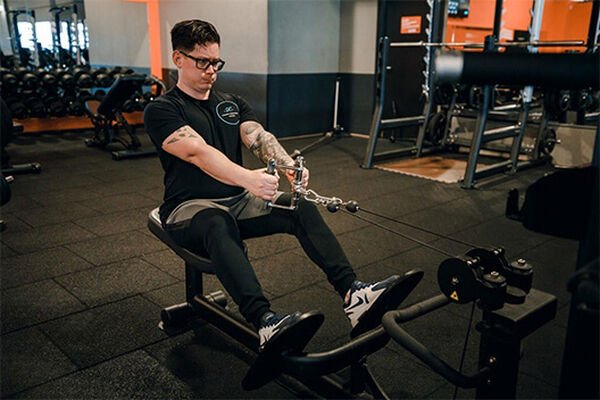
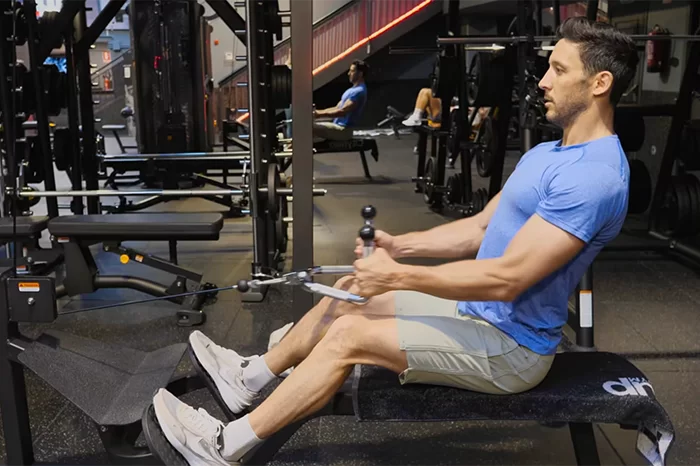
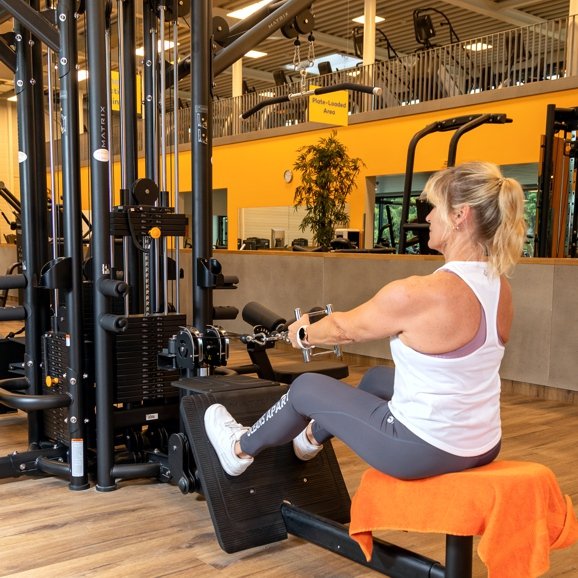
For a narrow seated cable row, position your feet firmly on the supports, leave a soft bend at the knees and sit tall enough to maintain control throughout the return. Start with the arms extending naturally and allow the shoulder blades to travel forward without collapsing into a rounded lower back. Initiate the next repetition by driving the elbows backward toward the hips. Pull the handle toward the lower ribs or upper abdomen, depending on your proportions and equipment, then reverse the movement without bouncing off the stack.
A common mistake is turning the exercise into a heavy rocking drill. Some controlled torso movement is normal, but launching your body backward on every repetition changes the task and can hide a load that is too heavy. Likewise, pulling the handle as high as possible can turn a close-elbow row into a different upper-back movement. If lat emphasis is the goal, keep the upper arms relatively near your sides, the cable path consistent and the eccentric controlled. Use a weight you could repeat with the same landmarks on the next set.
Wide grip raised the signal across the trapezius
The wide-grip condition showed higher measured excitation in the upper, middle and lower trapezius and the lateral deltoid across both phases. The reported effect sizes ranged from about 0.71 to 2.79 depending on the region and whether participants were pulling or lowering. The erector spinae also showed higher excitation during the lowering phase alone. That does not mean the wide row is a better total-back exercise for every person; it means the monitored regions responded differently within this particular comparison.
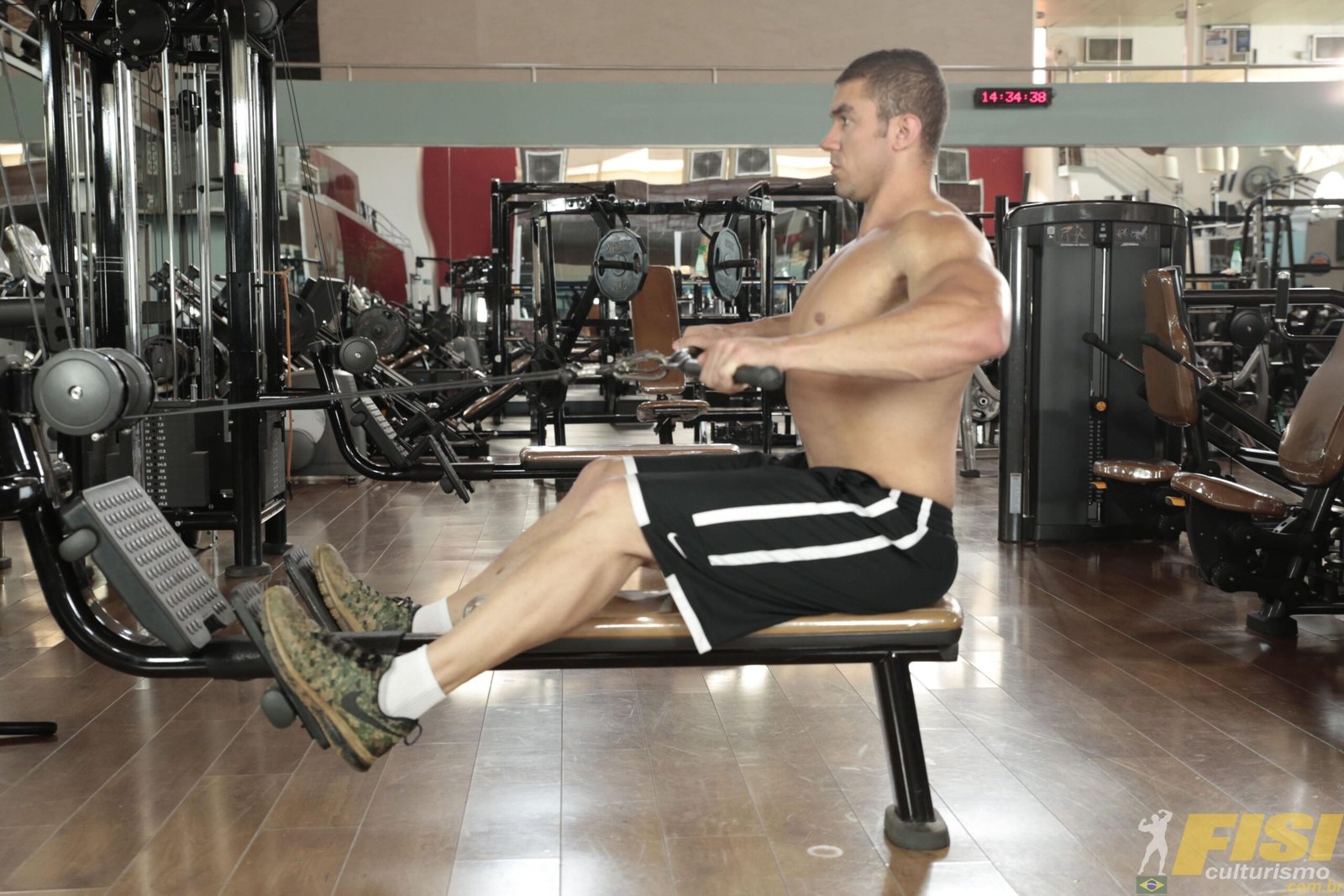
To set up a wider seated row, use a bar that allows the hands to sit comfortably beyond shoulder width rather than an exaggerated reach that strains the wrists. Pull toward the lower chest or upper abdomen while your elbows travel outward enough to let the shoulder blades move, but not so far that the shoulders feel pinched. Think about moving the elbows back around the torso instead of yanking the bar toward the throat. Finish with the chest lifted and the forearms following the handle’s path, then control the outward return.
You can often feel this upper-back bias because scapular retraction becomes more conspicuous. The traps help position the shoulder blades, while the rear and lateral shoulder regions help manage the arm position. But subjective sensations and a dramatic end-range squeeze are not proof of a better rep. Resist the temptation to jam your shoulder blades together and flare your elbows beyond a comfortable path. Choose the width that allows a useful range of motion with no sharp discomfort. A moderately wider grip performed smoothly usually beats a maximal-width grip performed awkwardly.

Equipment Worth Exploring
Explore equipment, accessories and gear from our carefully selected range.

GymPin D Handle Bar
Multi-use steel D-handle bar for cable rows, pulldowns and other cable exercises.
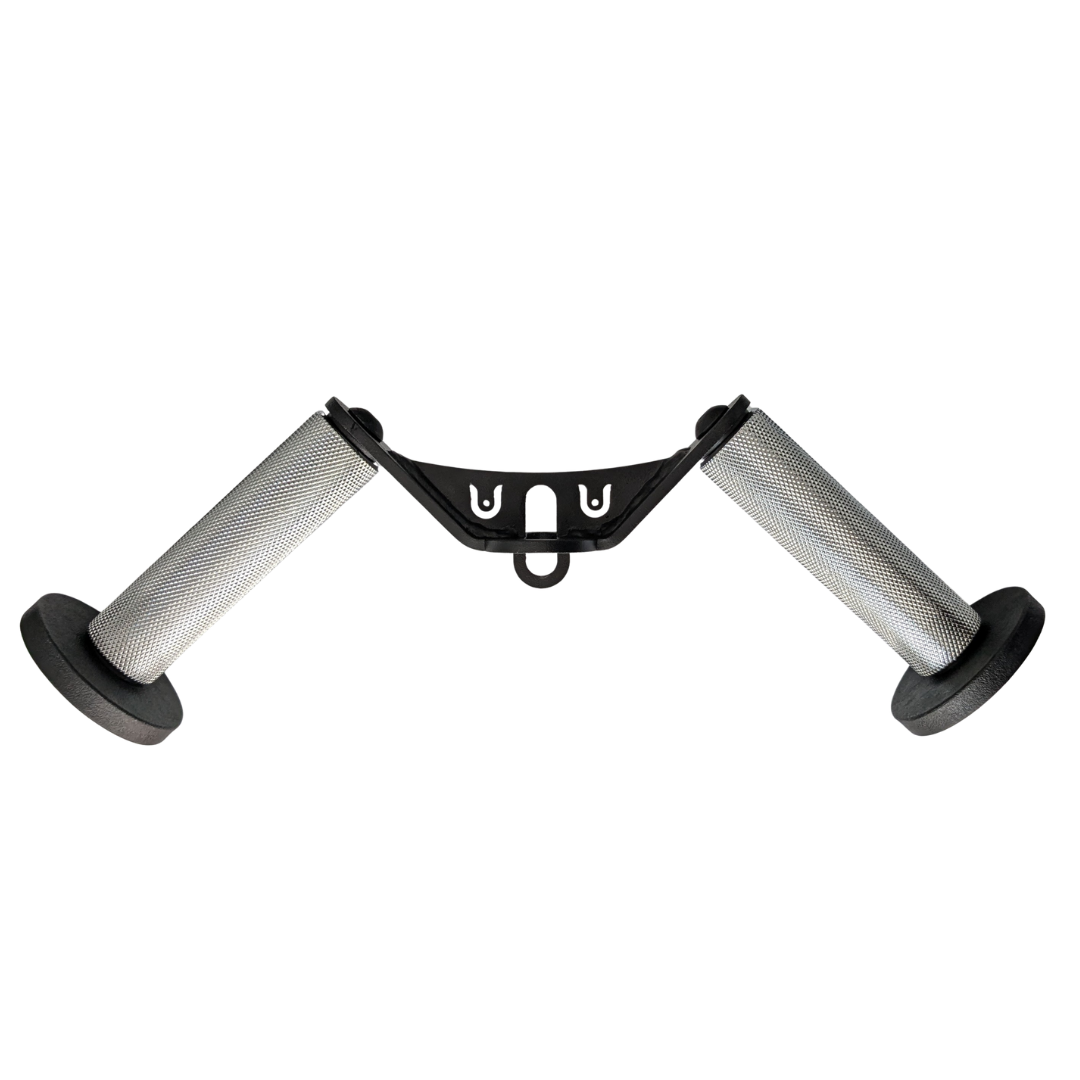
W Grip
Angled cable grip for comfortable rows, pushdowns, and curls.
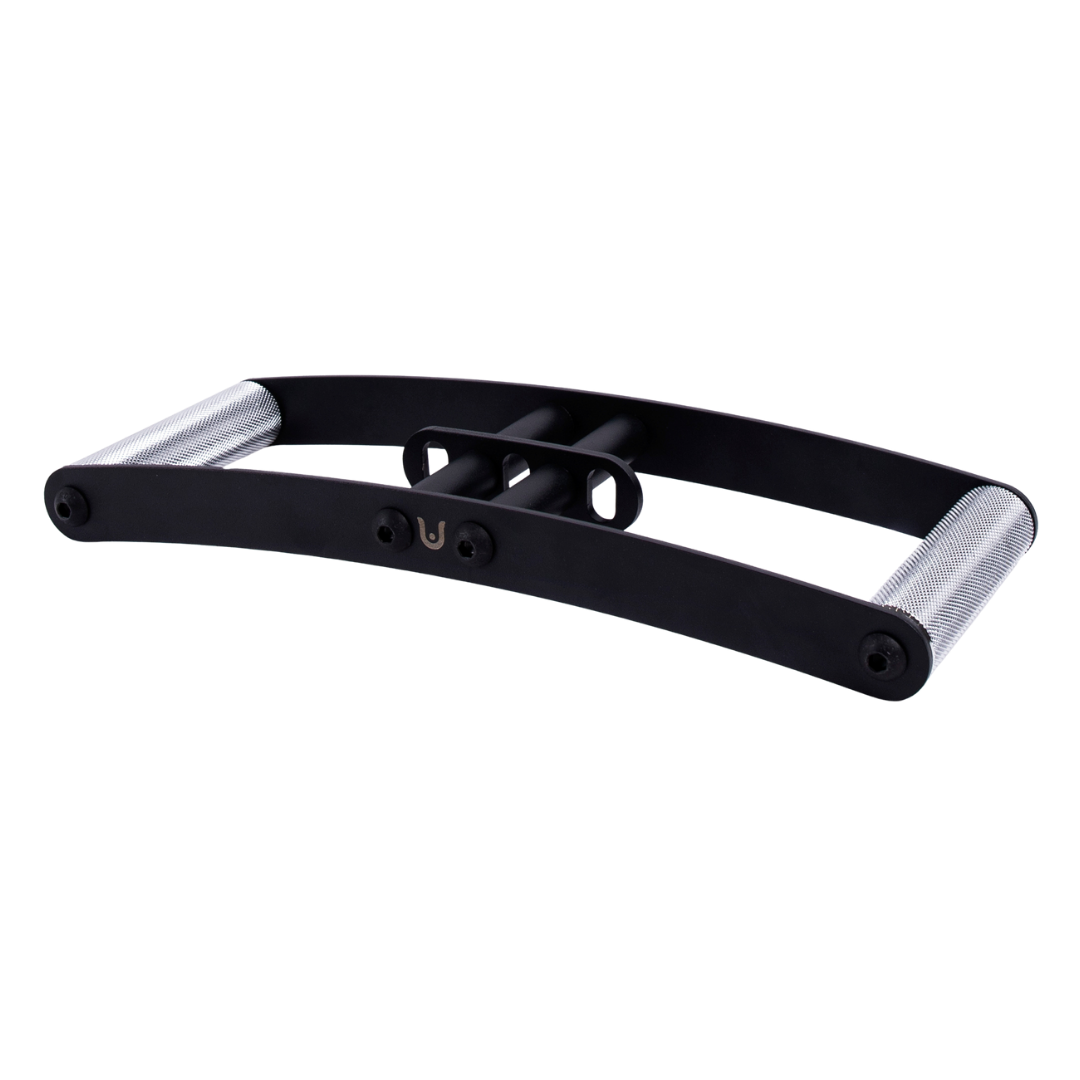
Horizon Grip
Ergonomic V-style cable grip for rows and back training.

48in Aluminum Lat Bar
48-inch aluminum lat pulldown bar with knurled grip and rotating center swivel.

44in Dual Hook Bar
44-inch aluminum dual-hook straight bar for cable rows, pulldowns, and curls.

Angles 90 Grips
Flexible grip attachments that allow natural wrist movement during pulling exercises.

VForce Lat Tower
Wall-mounted cable tower with pivot arms and adjustable 1:1 or 2:1 pulley ratios.

Linear Row LRX-750
Dual-sided rowing machine for supported rows, bent-over rows and varied pulling movements.

Lateral Row Machine LRM-720
Rowing machine with independent lever arms, an adjustable seat and chest support.

Why muscle electricity is not a muscle-growth scoreboard
EMG studies are popular because they produce specific-looking numbers. The temptation is to rank every grip on a single activation chart and announce a winner. That misses important biology. Surface EMG records electrical activity associated with muscle activation, influenced by sensor placement, anatomy, movement speed, fatigue, muscle length and the way signals are processed. It does not directly measure fiber-by-fiber mechanical tension, the number of effective hypertrophy repetitions or the final change in muscle cross-sectional area after months of training.
High-density measurement improves spatial coverage, but it does not erase the distinction between an immediate laboratory measurement and a training adaptation. The original experiment examined fourteen trained men under defined loading conditions. A lifter with unusually long arms, different shoulder mobility or a row machine with another line of pull may not reproduce the same numerical differences. Even on the same machine, moving the elbows outward often also changes shoulder angle and target height. Those are linked features, not harmless details.
There is a second limitation: selecting a grip solely by activation may sacrifice repeatability, load tolerance or comfort. If a wide bar lets you move only a tiny range because your shoulders object, that is a poor bargain. If a narrow handle makes you lean so far back that every rep becomes a partial deadlift, the apparent lat specialization is no longer the clean movement you intended. Compare exercises using a consistent cable station, controlled tempo, comfortable range and stable technique. Then assess progress over weeks using repetitions, loads, perceived effort and recovery, not a single activation score.
Build a repeatable cable-row setup before chasing load
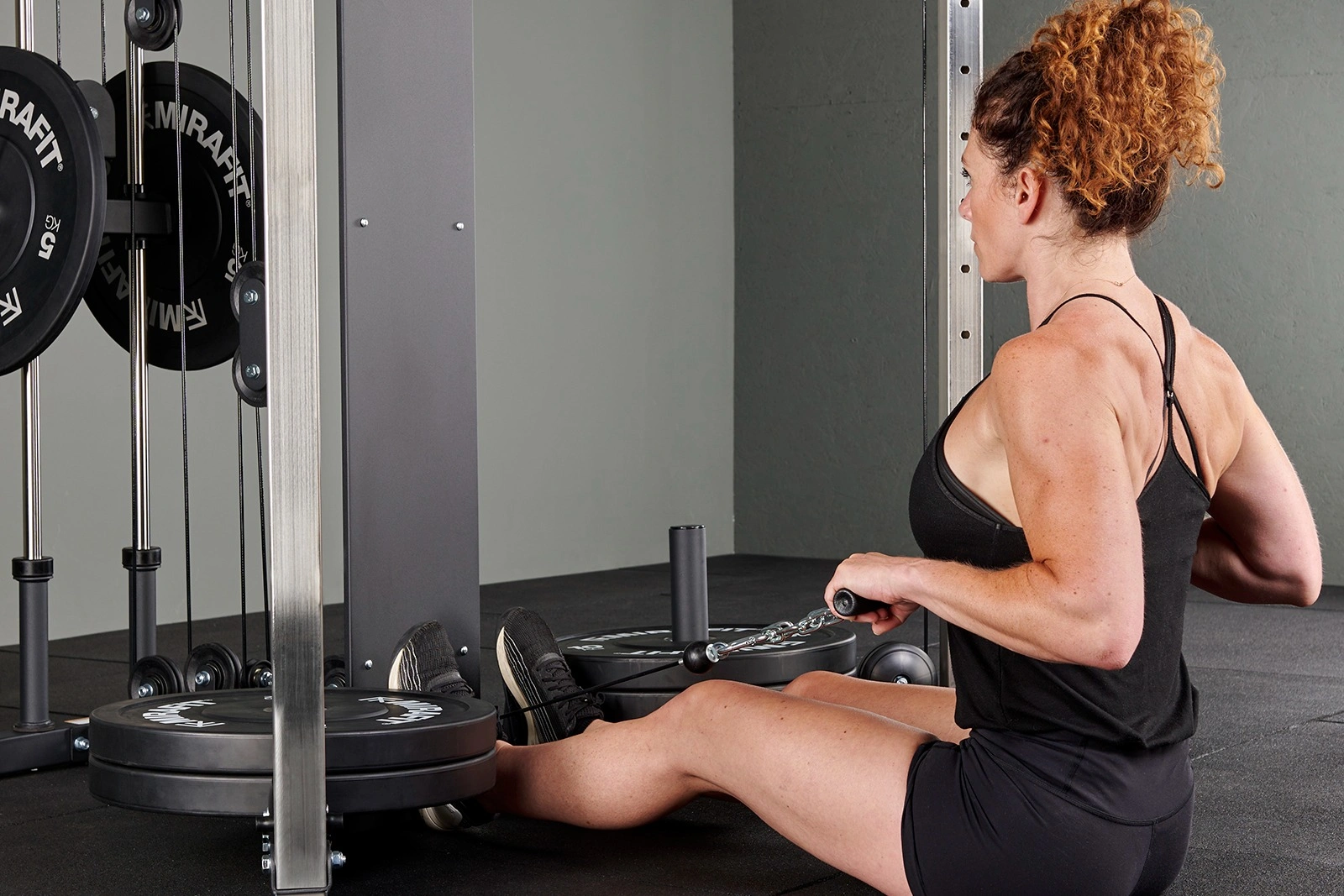
Begin by checking the cable height and the attachment. A low pulley should let the handle approach the torso without scraping your thighs, and its travel should not run into a physical stop before you reach the desired position. Choose a narrow neutral attachment for close-elbow pulling or a suitable long bar for wider rows. Check the carabiner, cable and machine path, particularly if attachments can rotate or hang at awkward angles. Sit far enough back to maintain tension at full arm extension, but not so far that the cable is pulling you off the seat.
Set a consistent starting posture: feet braced, knees slightly bent, ribs stacked over the pelvis and neck neutral. As the hands move forward, let the shoulder blades protract naturally; avoid forcing the lower spine into maximal flexion just to gain another inch of reach. During the pull, use the shoulders and elbows to guide the handle rather than leaning backward explosively. A brief moment of control at the torso helps you distinguish a proper finish from a momentum-driven collision. Lower with intent until the arms extend again without allowing the stack to slam.
Different handles may vary in thickness, rotation and wrist orientation. If your wrists become the limiting factor, a neutral-grip handle or a modestly different width is reasonable. Lifting straps can help if grip fatigue obscures back training, although they are not necessary for everyone. Most importantly, log which attachment you used. A narrow triangle handle and a wide straight bar are not interchangeable measurements simply because the cable machine displays the same kilograms. Your log should preserve handle, grip, seat setting, range, load and technique notes so the next session is genuinely comparable.

Bodybuilding Shirts & Workout Gear
Bodybuilding shirts, tanks and gym gear for lifters chasing muscle, size, symmetry and the pump.


Lat Man Big Back – With Huge Lats – Vest Back Day Tank Top
Your gym-day look, with a playful “Lat Man Big Back” twist.

Demon Back Big Back Bodybuilders & Meme Hoodie
Stay casual and show some lifting attitude with “Demon Back”.

Strong Back Bodybuilder Tee
Show some lifting attitude with a playful “Strong Back Bodybuilder” tee.

Gym Dost Thou Even Pull Medieval Knight Back Day Muscle Tank Top
Bring “Dost Thou Even Pull Medieval Knight Back” humor to your next lifting session.


Progressive Overload Milo Tee
Bring “Progressive Overload Milo Bull” humor to your next gym day.

Consistency Is Key Stoic Greek God Marble Sculpture T-Shirt
Make gym days more fun with “Consistency is Key Stoic Greek God Marble” style.

Shirt Pull Day – Back & Biceps Meme Top T-Shirt
Heavy lifts, good laughs, and a little “Pull Day Graphic” energy.

Mind Muscle Perfection Embroidered Brain and Biceps Gym Hat
A playful “Mind Muscle Perfection Embroidered Dad” cap for workouts and weekends.
Program both rows for a stronger, more complete back
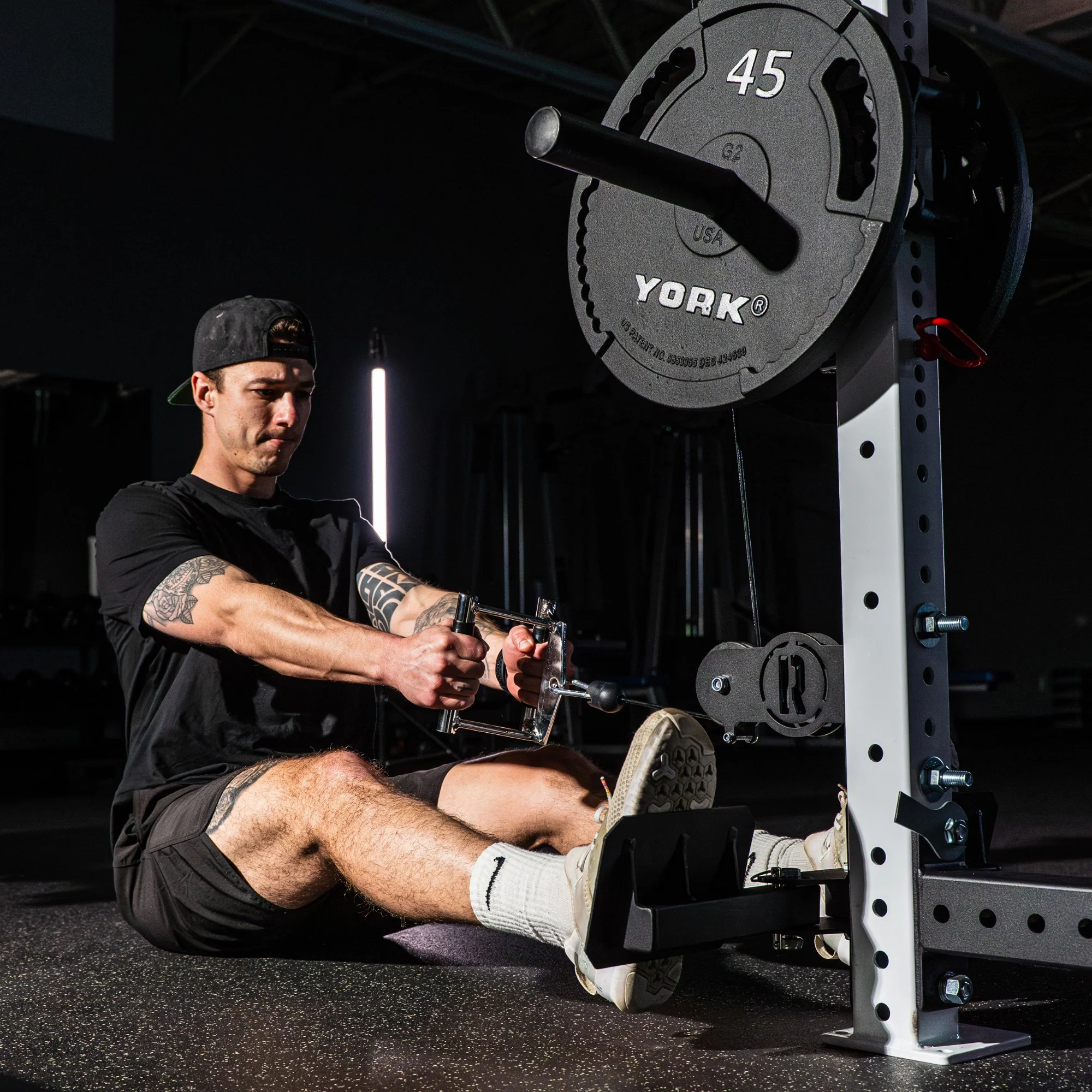
Rather than forcing a single winner, give the narrow and wide variations different jobs. The close-elbow row is a sensible place to emphasize the lats while adding progressively more hard pulling volume. The wider row can complement it with a greater focus on controlling the shoulder blades and the upper-back finish. Both contribute to broader back development and both involve supporting muscles. You do not need to perform both every session; their value depends on total weekly workload, available time and what your other pulling exercises already cover.
For example, during the first two weeks, perform two sets of a narrow row for eight to twelve clean repetitions and two sets of a comfortable wide row for ten to fifteen, stopping with about two repetitions in reserve. In weeks three and four, add one set to the variation that addresses your main training priority, provided recovery stays normal. In weeks five and six, keep the set count stable and add a little weight only when all prescribed reps have the same range, elbow path and posture. If you train your back twice weekly, distribute the work across sessions rather than accumulating every set at the end of one exhausting workout.
Keep vertical pulling or chin-ups and at least one other back movement in perspective when setting the final volume. Someone already performing multiple heavy chest-supported rows may not need another four row sets on the same day. A beginner can make solid progress with fewer total sets and a single stable handle. On the other hand, an experienced bodybuilder might alternate narrow and wide emphases across a training block. Watch recovery, elbow and shoulder comfort, and actual progress—not just the sensation of a huge pump.
The practical takeaway is simple but more useful than a grip-width argument: a narrow seated row and a wider row can emphasize different parts of the same muscular system. The fourteen-man measurement helps explain why, but the best long-term choice is the one you can perform with deliberate mechanics, recover from and gradually improve. Track the exact variation, keep your technique reproducible and let weeks of training results carry more weight than one workout’s feeling.