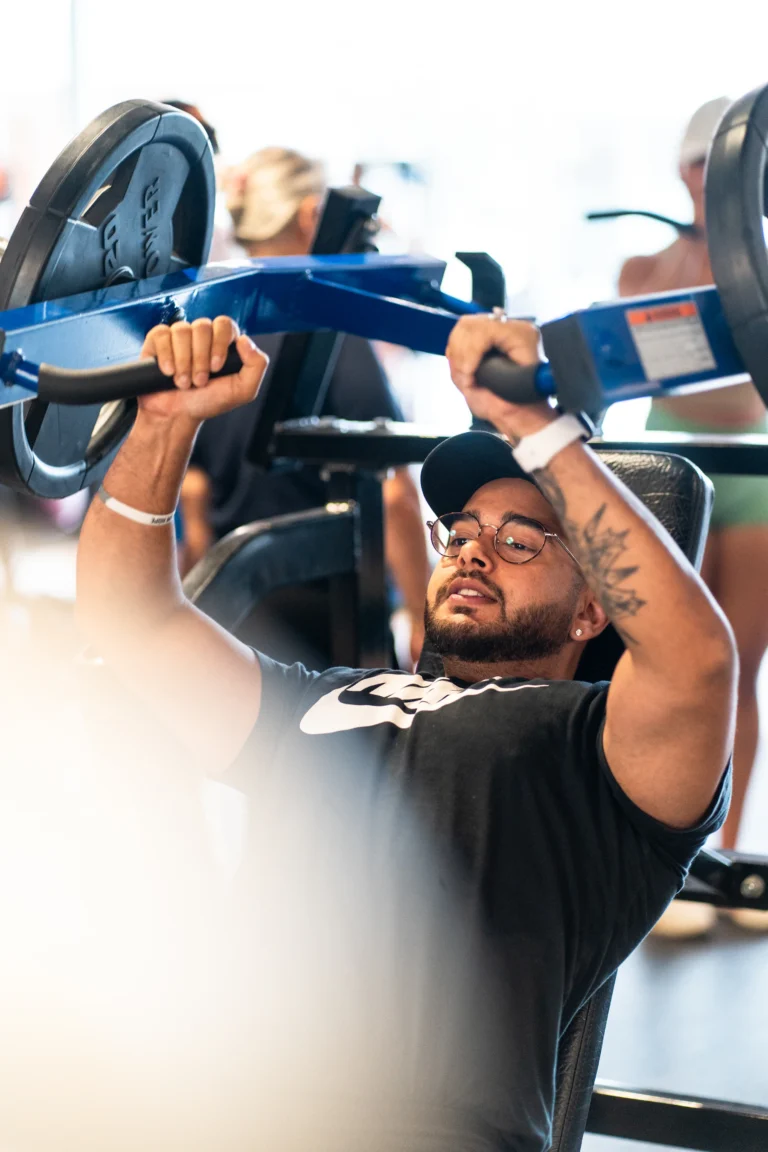
Should you concentrate on the muscle you want to grow, or simply move the weight with good technique? Directing attention toward a working muscle can alter how a repetition feels and, in some circumstances, how the muscle responds. But sensation, electrical activity and long-term growth are not interchangeable. The best strategy depends on the exercise, the load and whether your priority is muscle size or maximum performance.
Here is a practical guide to using attentional cues without turning every set into a contest to feel the biggest burn. It separates controlled findings from coaching decisions you can test in your own program.
What a mind–muscle connection actually means
The phrase mind–muscle connection describes directing attention toward the muscle you intend to train while you perform a repetition. During a curl, an internal cue might be “shorten the biceps as the weight rises.” An external cue instead directs attention toward the result of the movement, such as “move the dumbbell through this path.” Neither cue changes the exercise on paper, but it can change how a lifter organizes effort, especially when the movement is unfamiliar or the load is manageable.
The distinction matters because feeling a muscle, increasing its measured electrical activity, and making it grow over months are three different outcomes. A pronounced burn may reflect metabolite accumulation; a pump reflects transient fluid shifts; neither proves that a set delivered a superior growth stimulus. Conversely, a set can be productive even when the target muscle does not feel dramatic. Progress still depends on sufficiently challenging contractions, repeatable technique, adequate training volume and recovery.
Attention is a limited resource. Concentrating on the pecs during a moderate-load chest press may help maintain a useful pressing pattern. Trying to consciously contract every muscle during a maximal squat can create distraction. Treat focus as a coaching tool with a specific purpose, not an obligation to narrate every joint movement. The useful question is whether a cue improves the exercise you are trying to perform without reducing its quality.
What the eight-week hypertrophy experiment found
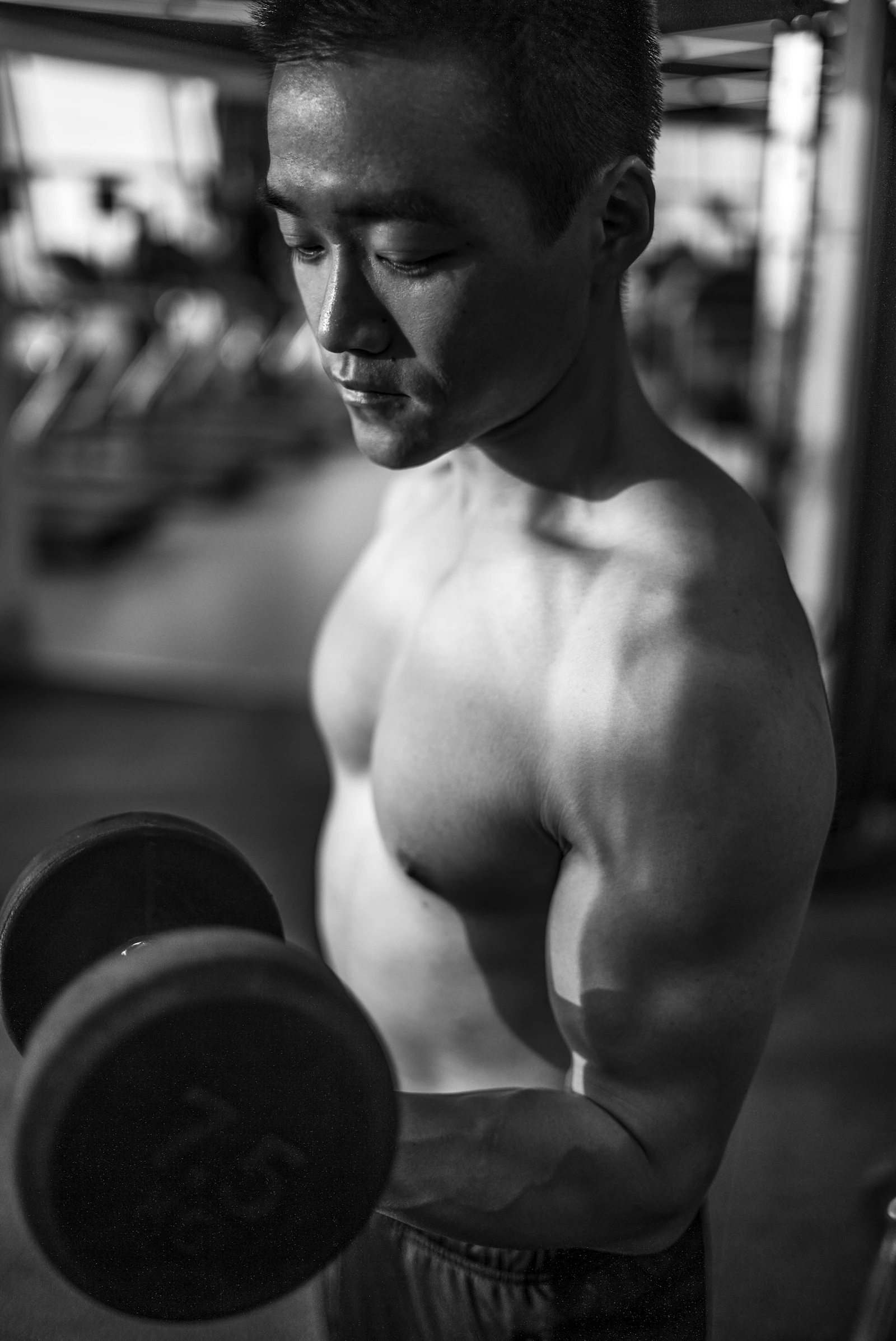
In one controlled eight-week training experiment, 30 previously untrained college-aged men were assigned either to focus internally on the working muscle or externally on moving the weight. Both groups trained three nonconsecutive days per week and performed four sets of eight to twelve repetitions per exercise. Researchers assessed changes in elbow-flexor and quadriceps muscle thickness, alongside strength tests. The design is particularly relevant because it followed actual training adaptations rather than measuring a single session’s sensation.
The internal-focus group increased elbow-flexor thickness by 12.4%, compared with 6.9% in the external-focus group. That difference was statistically significant in this sample. Quadriceps thickness did not show the same clear separation. Strength results varied by test and did not establish a simple overall advantage for either strategy. The practical reading is narrower than the claim that consciously squeezing every muscle always builds more size: one small study found a meaningful arm-muscle benefit in beginners under a specific eight-week protocol.
The limitations deserve equal attention. Thirty participants are not enough to establish a universal rule for women, advanced bodybuilders or different exercises. Ultrasound thickness is useful, but it does not map every region of a muscle. The study did not compare every possible cue, rep speed or loading scheme, and it cannot tell us whether the observed gap persists for years. It is a reason to experiment with intentional focus on accessible isolation movements, not a reason to abandon progressive overload.

Equipment Worth Exploring
Explore equipment, accessories and gear from our carefully selected range.
VOLTRA
Compact digital cable trainer with smooth, adjustable resistance.

Go-Tone Pro
Portable digital cable trainer with up to 66 lb (30 kg) of adjustable resistance.


FID Bench MAX
Adjustable bench offering flat, incline, and decline positions + adjustable headrest.

GymPin Ergo Handles
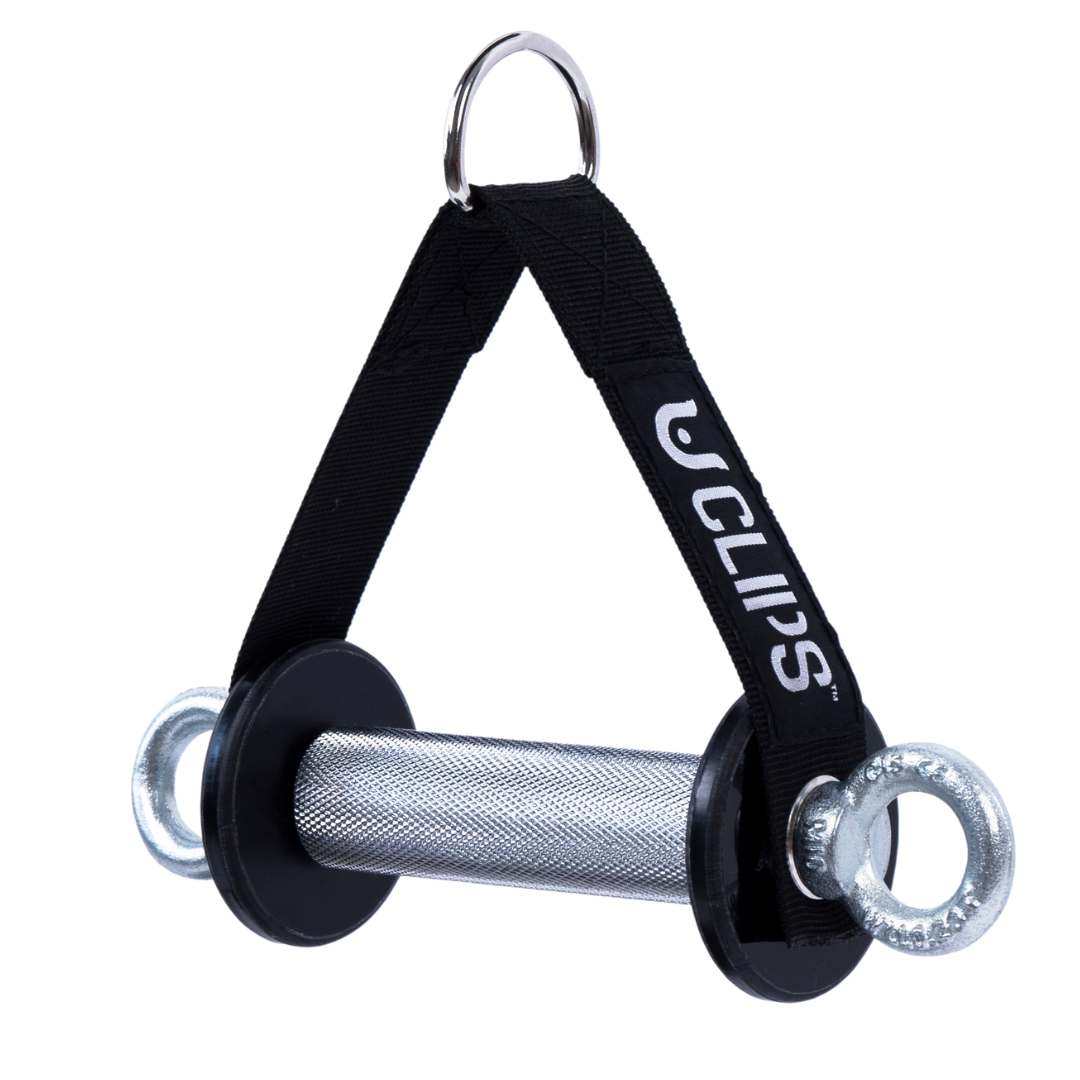
Pair of ergonomic cable handles shaped for comfortable triceps and pulling exercises.
W Grip
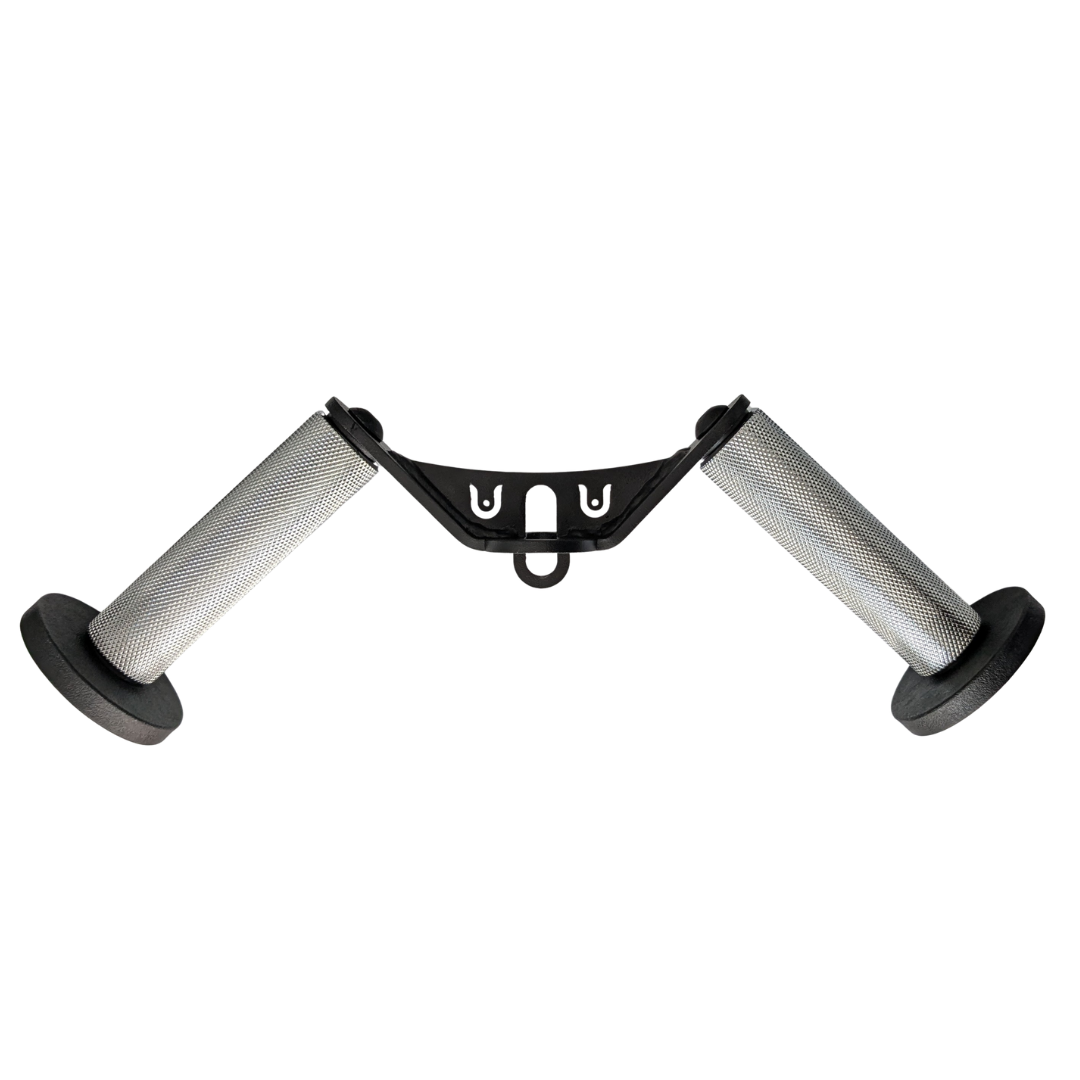
Angled cable grip for comfortable rows, pushdowns, and curls.

Why more activation does not automatically mean more growth
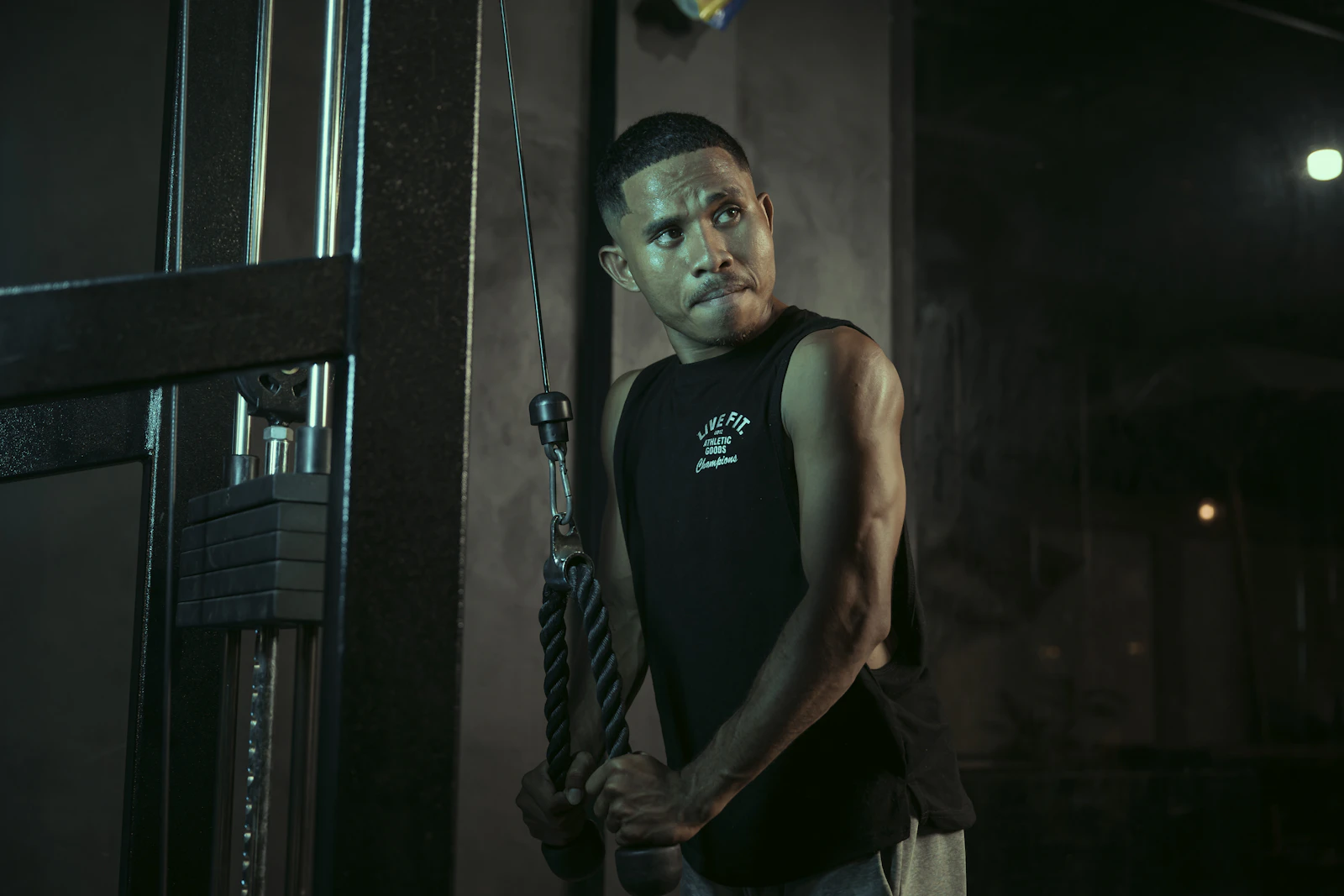
Short-term experiments show that verbal cues can change surface electromyography readings. In one bench-press experiment involving 18 resistance-trained men, directing attention to the chest or triceps increased activity in the named muscles at relative loads between about 20% and 60% of one-repetition maximum. The effect was not evident at 80% of maximum. As the bar becomes very heavy, the body must recruit and coordinate enough muscle to complete the task, leaving less room for selective changes through instruction.
Another bench-press investigation with trained athletes also examined how instruction affected muscle activity. These results are interesting for coaching, but electrical activity is not a direct measure of muscle tension, growth or training effectiveness. Changes in electrode readings can reflect technique, fatigue, contraction conditions and signal processing. The most compelling evidence for growth remains repeated training followed by measured adaptation, not a higher tracing on a single set.
Consider a cable fly: if an internal cue helps keep the upper arm on a repeatable path and stops the shoulders from dominating, the cue may improve the set. If a lifter slows down excessively, shortens the useful range and reduces the load merely to chase a stronger sensation, the trade-off may be unfavorable. Use activation findings to generate practical hypotheses, then judge those hypotheses against controlled repetitions, progression and the ability to recover. It is possible to feel an exercise more intensely while training it less effectively.
Internal focus versus external focus on heavy compound lifts
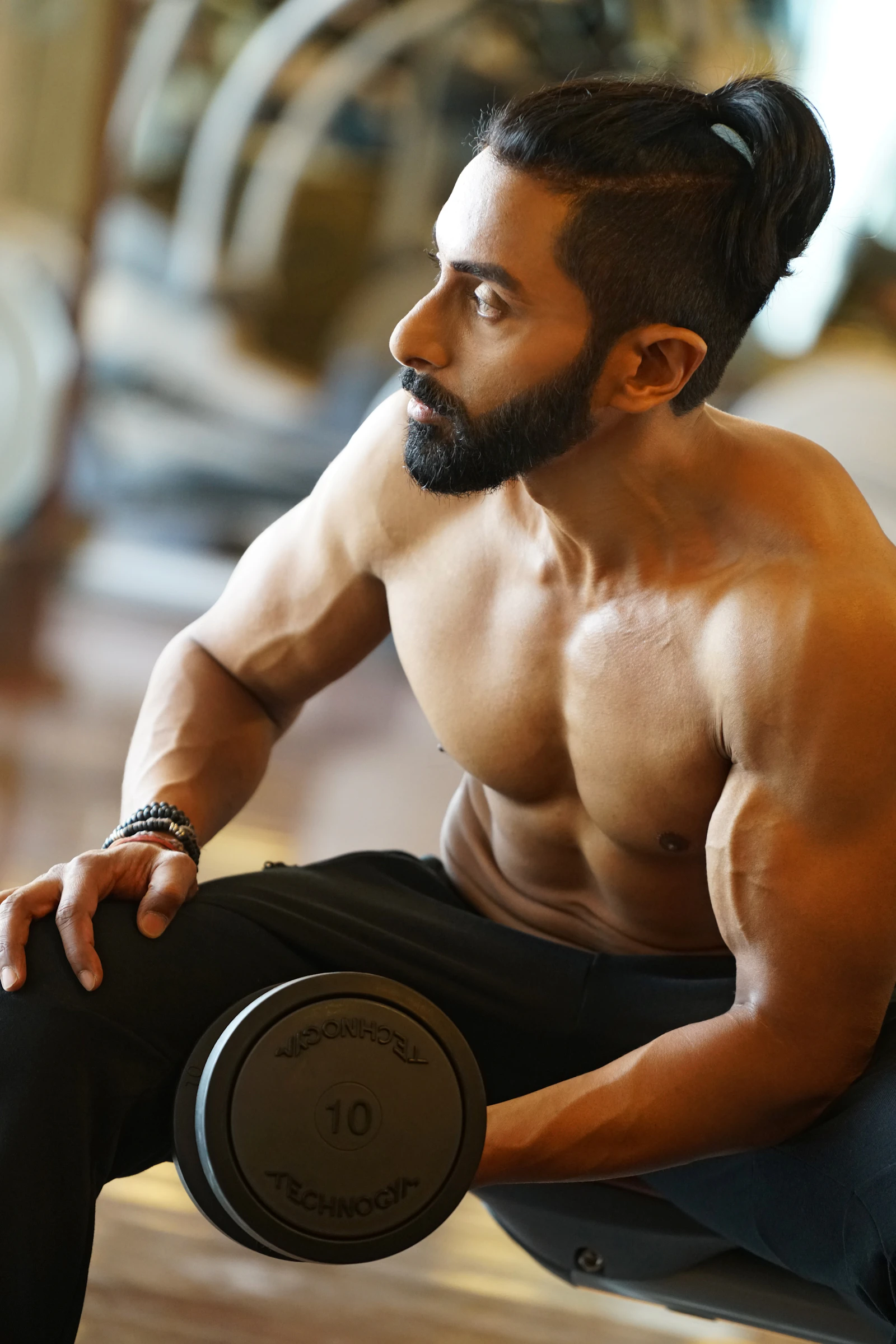
A muscle-focused cue and a movement-focused cue can serve different jobs. For hypertrophy work, an internal cue may help a lifter notice which muscle is supposed to be doing the work. For a heavy squat, deadlift or press, an external cue can be easier to execute: “push the floor away,” “drive the bar straight up,” or “keep the bar close.” Such instructions emphasize an observable action rather than asking the lifter to micromanage individual contractions under high demand.
The distinction is not absolute. A beginner learning a squat may benefit from a brief internal reminder to brace the trunk, followed by an external cue to stand tall. A bodybuilder performing a supported row may deliberately focus on pulling the upper arm toward the hip while keeping the torso still. A powerlifter preparing a maximal attempt might prefer one simple movement cue and no extra internal commentary. What matters is matching the instruction to the task and keeping it consistent enough to evaluate.
When load rises, prioritize position, breathing, bracing and safe execution over sensation. If the target muscle becomes hard to feel on a technically sound compound exercise, that alone is not evidence of failure. Heavy multi-joint lifts necessarily distribute work across several muscles. Trying to suppress that cooperation can degrade performance. Reserve detailed internal attention for warm-ups, technique practice and accessory sets where the cost of experimentation is lower. Neither strategy replaces adequate effort or a sensible progression plan.

Bodybuilding Shirts & Workout Gear
Bodybuilding shirts, tanks and gym gear for lifters chasing muscle, size, symmetry and the pump.

Mind Muscle Connection Tee
Show some lifting attitude with a playful “Mind Muscle Connection” tee.

Gymhead – Mind Muscle Connection – Skull , & Meme T-Shirt
Rep “Gymhead” humor in and out of the gym.

Lift Eat Repeat – Weightlifting & – Meme Bros & T-Shirt
Make gym days more fun with “Lift Eat Repeat” style.


Shirt Pull Day – Back & Biceps Meme Top T-Shirt
Heavy lifts, good laughs, and a little “Pull Day Graphic” energy.

Let It Grow Girl – Motivation , Biceps , T-Shirt
Rep “Let It Grow Gym Girl” humor in and out of the gym.

OnlyGains Big Biceps Tee
Rep “OnlyGains Only Gains Big Biceps” humor in and out of the gym.


Lift Heavy Be Happy Meme Bros & Gains Top T-Shirt
Show some powerlifting attitude with a playful “Lift Heavy Be Happy” tee.
Better cues for curls, presses, rows and pulldowns
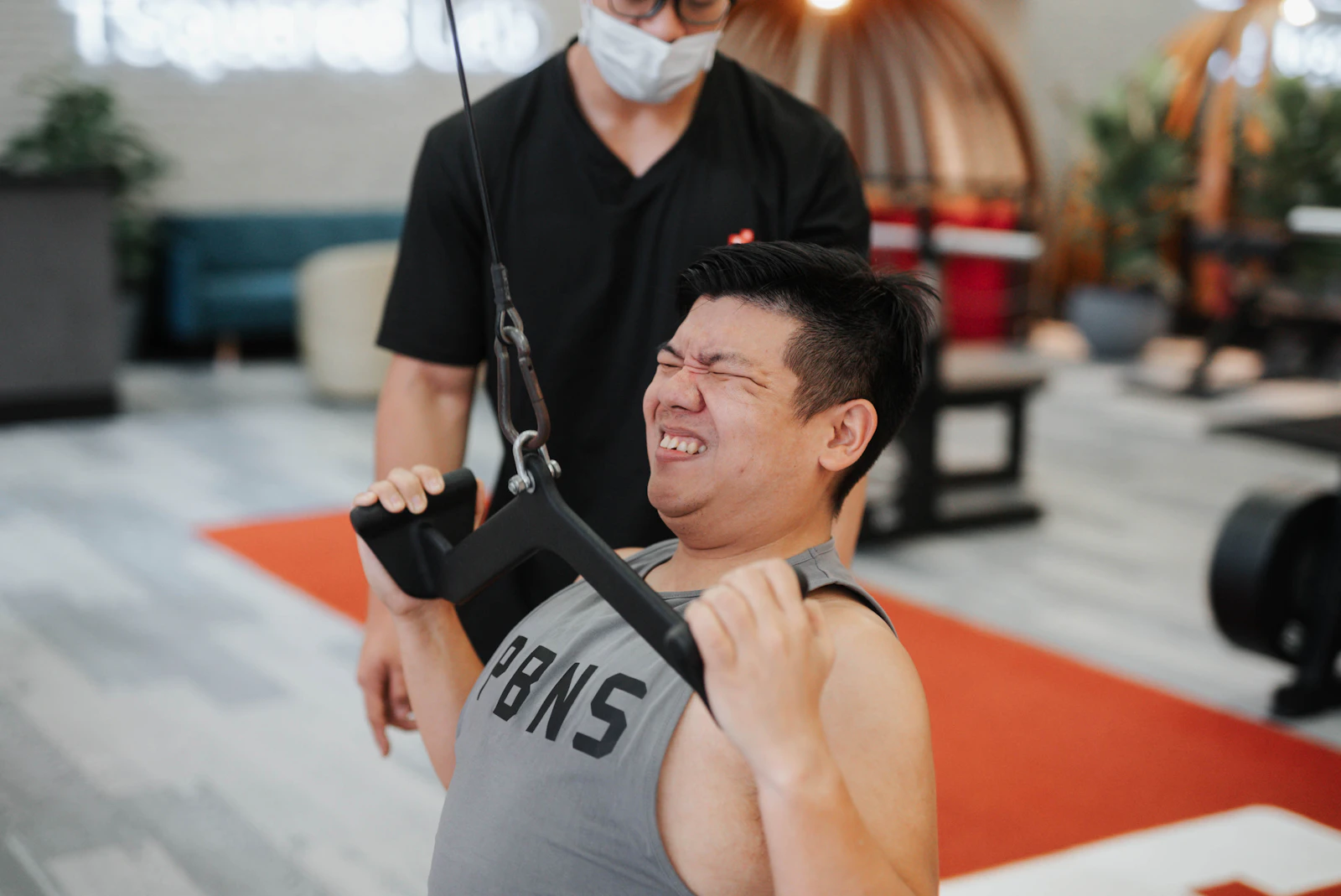
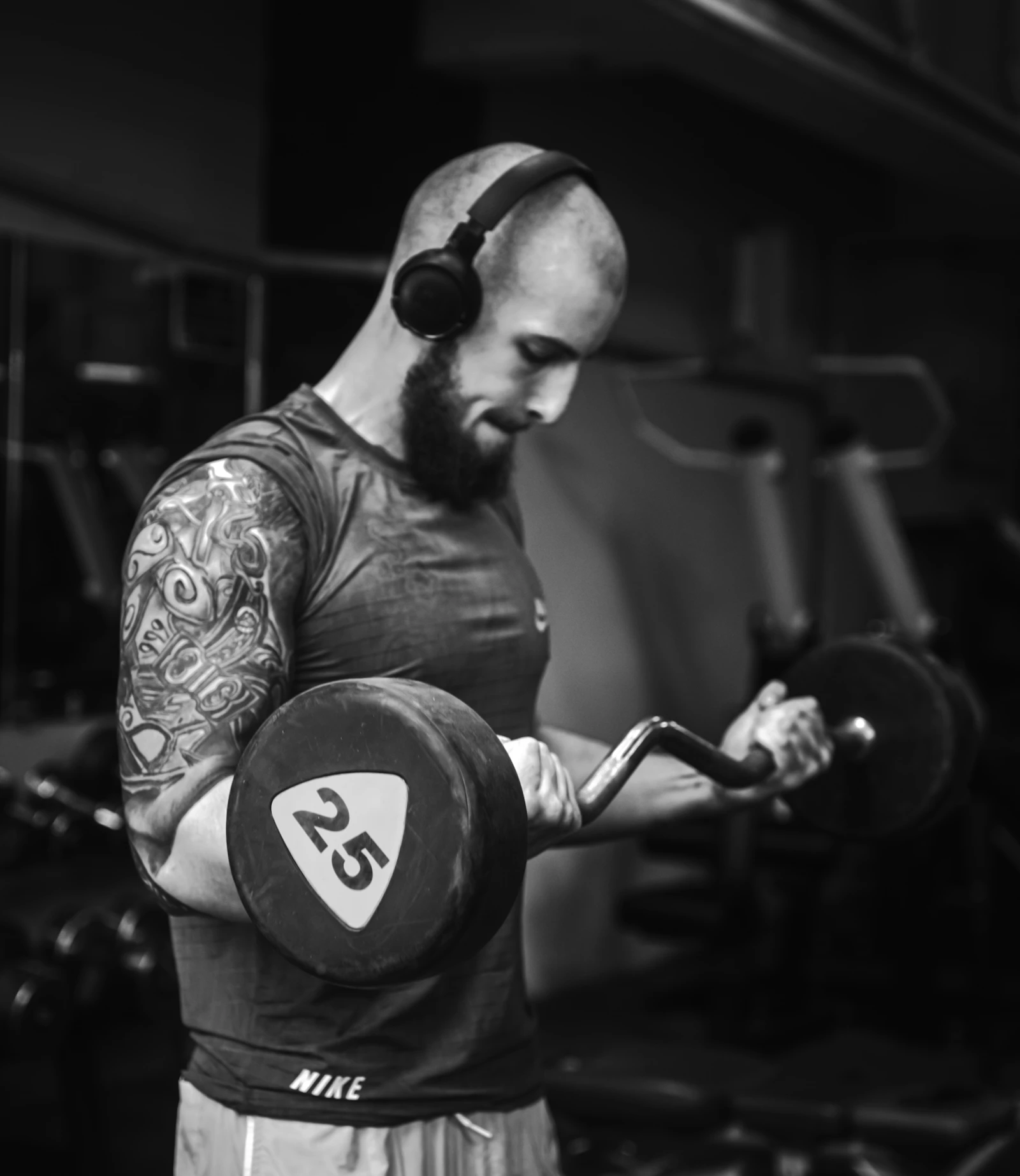
For a dumbbell curl, keep the upper arm relatively stable, let the elbow extend to a comfortable bottom position, and think about bending the elbow without swinging the torso. “Bring the forearm toward the upper arm” is a movement cue; “contract the biceps” is an internal cue. Try each on otherwise identical moderate sets. If one produces cleaner repetitions and more consistent elbow motion without losing meaningful range, it is doing useful work.
For a chest press, set the shoulder blades and feet before the first repetition. Maintain a repeatable lowering path, then press through a comfortable range. On a moderate accessory set, focusing on the chest can be reasonable; on a heavy strength set, driving the handles or bar along a stable path may work better. For a row or pulldown, think about moving the elbow toward the hip or ribs rather than merely pulling with the hands. Avoid turning every rep into a torso heave to chase extra weight.
A small lat-pulldown experiment involving eight novice women found that targeted instruction increased latissimus dorsi electrical activity at light loads, but it did not show a corresponding reduction in biceps activity. In other words, the instruction may change emphasis without isolating a muscle. That is a useful reminder for all compound pulling: assistance from the arms is normal. The goal is a controlled pattern that can be repeated and progressed, not an impossible attempt to switch other muscles off.
For triceps pushdowns or leg extensions, a short cue such as “straighten the elbow without moving the shoulder” or “extend the knee without bouncing” may be more actionable than an elaborate mental image. Keep the same grip, range and tempo when comparing cues. If the cue causes joint discomfort, excessive slowing or a shortened range, discard it. The best cue is one that helps you train hard with control.
Equipment Worth Exploring
Explore equipment, accessories and gear from our carefully selected range.


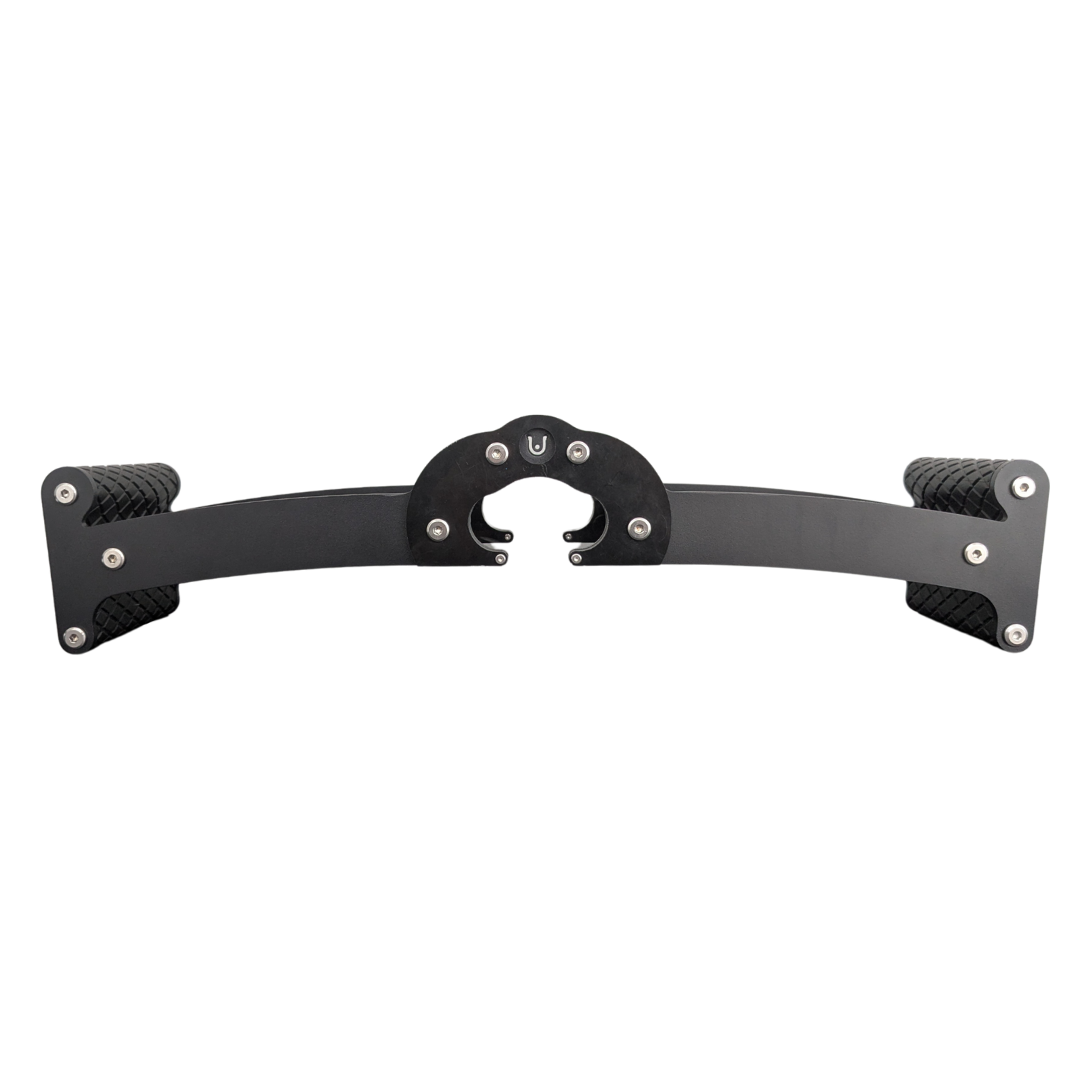
Back Bar
Multi-grip cable and landmine bar with a built-in deadlift jack.
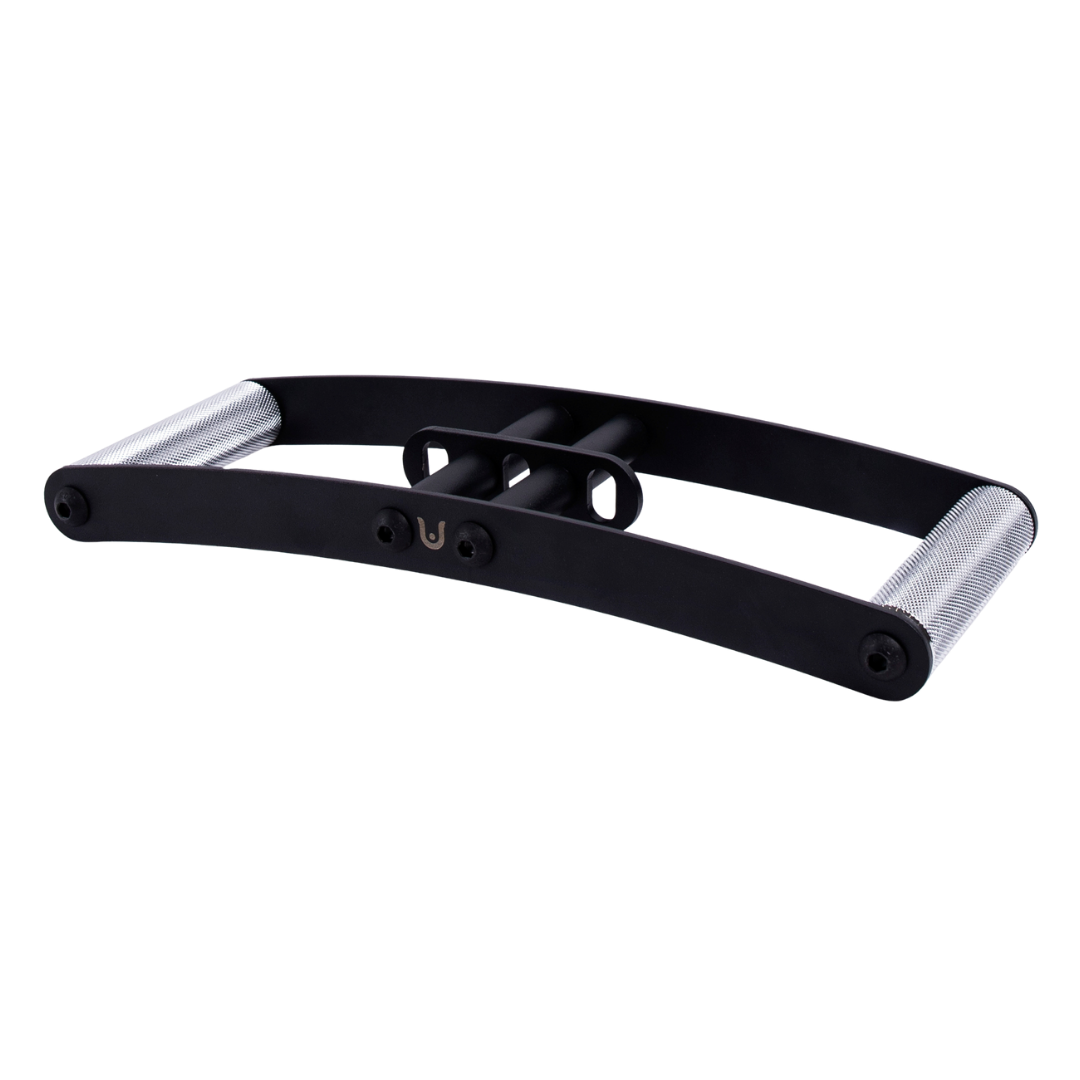
Horizon Grip
Ergonomic V-style cable grip for rows and back training.

Long Tricep ERGO Ropes
Extended triceps ropes with ergonomic grips for cable pressdowns and overhead extensions.

GymPin D Handle Bar
Multi-use steel D-handle bar for cable rows, pulldowns and other cable exercises.

Angles 90 Grips
Flexible grip attachments that allow natural wrist movement during pulling exercises.
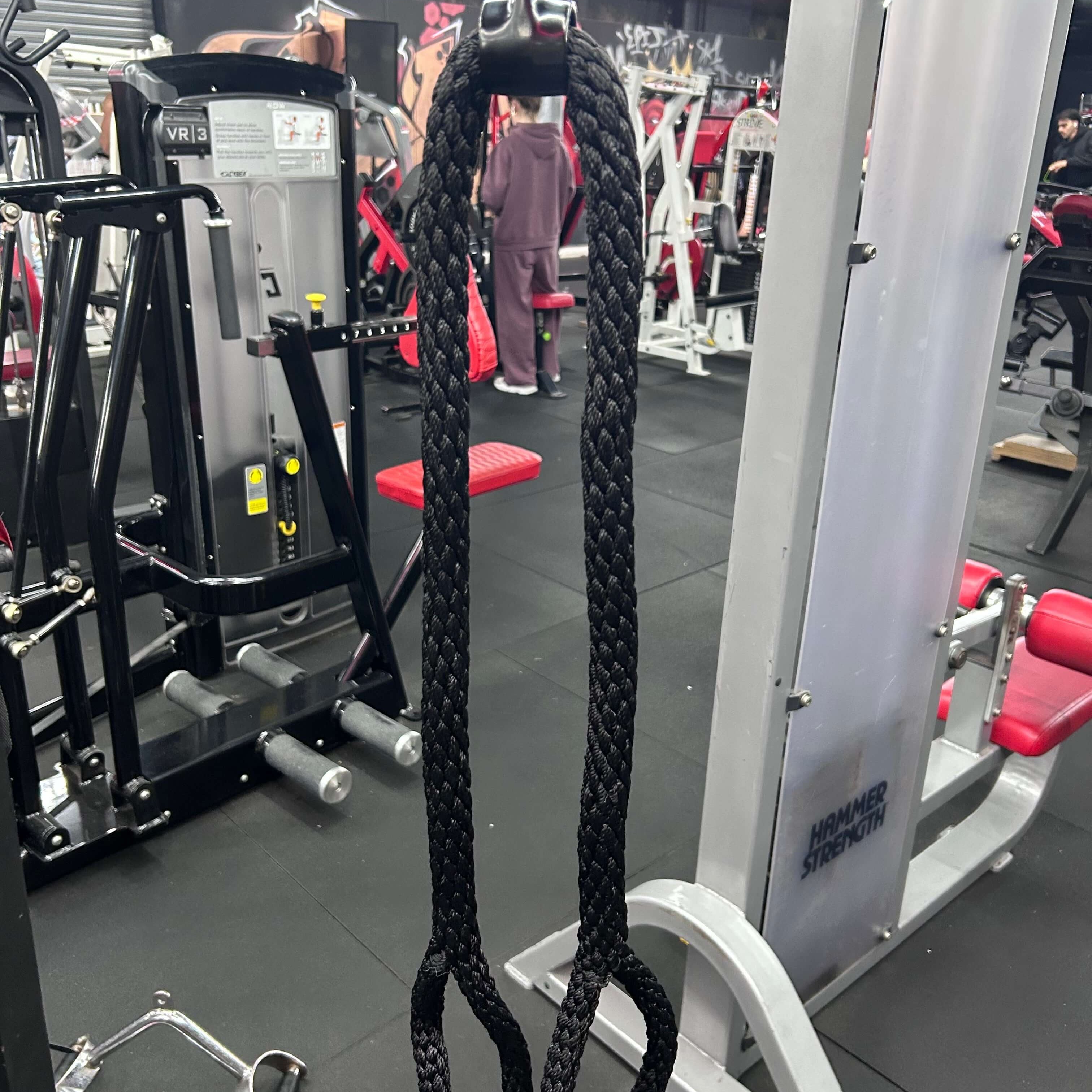
Super Long Tricep Rope
Extra-long looped cable rope for triceps pressdowns and overhead extensions.
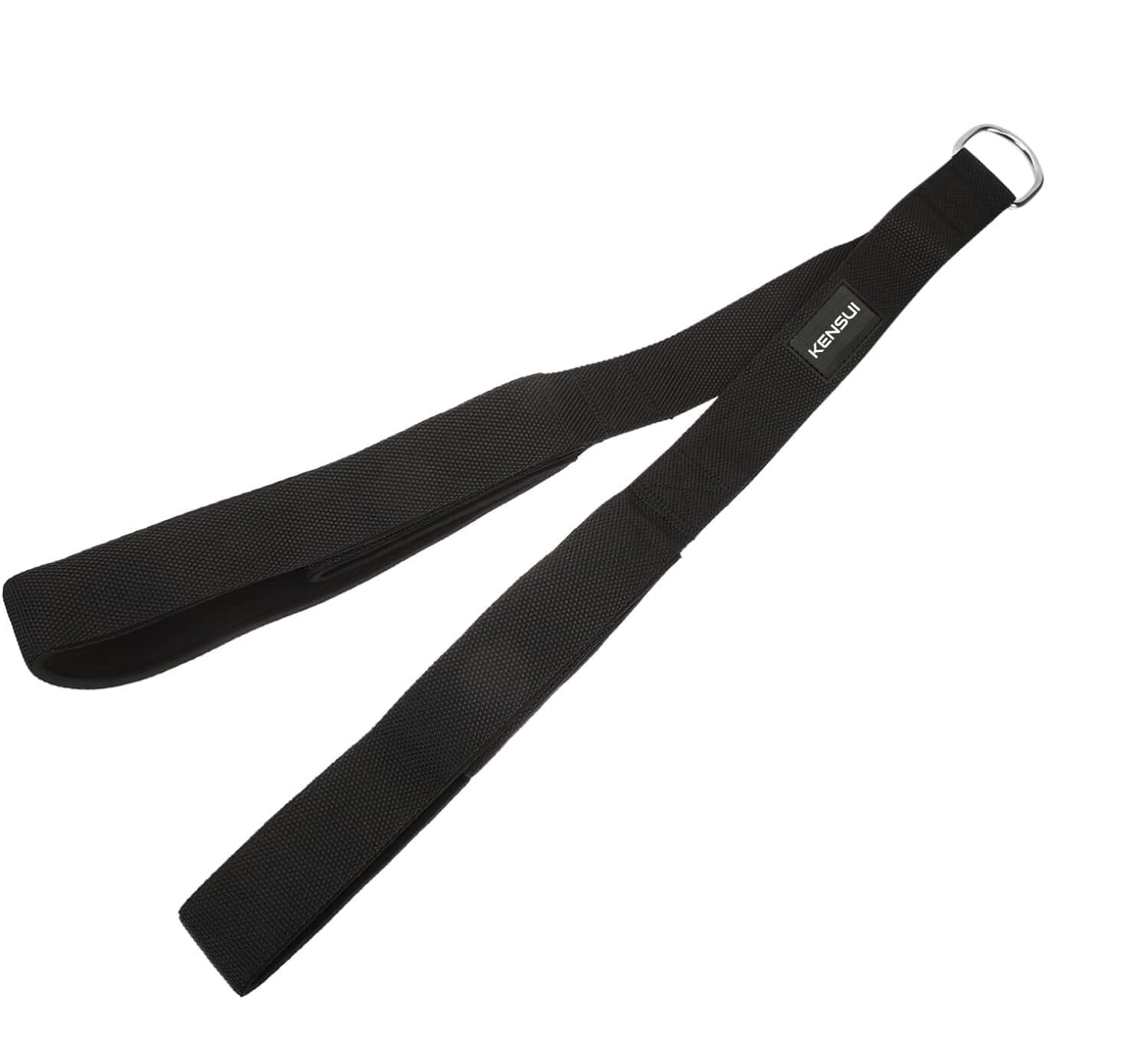
Multi-Length Tricep Strap
Adjustable-length cable strap for triceps, biceps and upper-body cable exercises.

A practical focus hierarchy for a real training session
Start each exercise with a setup checklist: stable contact points, intended range, equipment adjustment and a load that matches the rep target. Then choose one cue for the working set. On a heavy compound lift, prioritize the bar path, balance or direction of force. On a moderate accessory lift, use an internal muscle cue if it helps maintain a repeatable motion. On a new exercise, first learn the basic movement before judging whether a special focus strategy adds anything.
Keep effort measurable. Record the load, clean repetitions, approximate reps in reserve and any range-of-motion change. A set that feels more intense because of a dramatic squeeze is not necessarily more productive if it costs several repetitions or forces an unplanned reduction in range. Equally, a cue that makes the target muscle easier to train while maintaining load and technique may be worth retaining. Compare like with like: similar rest periods, equipment settings and rep targets.
Use only one or two cue changes per workout. Constantly changing grip, foot position, range and mental focus makes progress hard to interpret. For most lifters, a straightforward program with hard sets and consistent execution will matter far more than the exact words used internally. A cue earns its place when it makes training easier to reproduce or solves a real technique problem. It should not become a separate performance target that distracts from the work itself. If attention is consumed by discomfort or equipment instability, address those issues first.
A four-week test to find cues that work for you
Choose two exercises that are easy to standardize, such as a seated cable row and a dumbbell curl. In week one, perform your normal program and note the load, reps, range, tempo, rest and any discomfort. Record which cue you naturally use, but avoid changing it mid-set. If possible, film a side or front view so you can see whether the range and torso position are consistent rather than relying only on sensation.
In week two, use one internal cue on the curl, such as “contract the elbow flexors through the full comfortable motion.” On the row, use a simple external cue such as “move the elbow back toward the hip.” Keep sets, rest and effort targets similar to week one. In week three, reverse the cue emphasis where appropriate. In week four, keep whichever cue produced the clearest technique and most reliable performance, or return to the original cue if neither improved anything.
This is a personal technique experiment, not a muscle-growth trial. Four weeks cannot reliably reveal small differences in hypertrophy, and a good pump is not proof. Look instead for cleaner repetitions, fewer compensations, more stable performance and better confidence with the movement. If a cue helps but only at lighter loads, reserve it for warm-ups or accessory work. If it makes a heavy lift awkward, use a simpler movement cue. The broader lesson is that attention can shape how you train, while consistent challenging training remains the foundation of progress.
Do not sacrifice joint comfort to force a sensation. If a change in grip or technique causes pain, return to a comfortable setup and reassess the exercise itself. Successful training is not about winning an internal-focus contest; it is about accumulating useful work over many sessions.
Funny Gym Shirts & Workout Gear
Funny gym shirts, tanks, hoodies and workout gear for lifters who like training hard.


Discipline Stoic Tee
Show some lifting attitude with a playful “Discipline Stoic Sigma Bodybuilder” tee.

Consistency King Tee
Make gym days more fun with “Consistency King Stoic Greek God Marble” style.

Shirt – Train Hard Gains – Meme , & Workouts T-Shirt
Bring “Train Hard Gains” humor to your next gym day.

One More Rep Shirt: Motivational & T-Shirt
Make gym days more fun with “One More Rep” style.


Just Lift It Shirt – Meme & Gymbros Top T-Shirt
Make gym days more fun with “Just Lift It” style.


Curls The Girls Shirt – Bicep Curls Top & Gymbros T-Shirt
Rep “Curls For The Girls” humor in and out of the gym.