Advertising disclosure: This page includes affiliate product links that may earn us a commission, as well as products from our own store.
Shrimp Squats: Choose Your Support and Depth Before Chasing the Full Rep
A shrimp squat asks one leg to lower and lift your body while the other leg stays behind you. In the familiar full version, you hold the rear foot and bring that knee toward the floor. The combination of leg strength, balance and available joint motion makes it a skill to practise, rather than a challenge to force through in one session.
You can work toward it without treating the floor as a compulsory starting target. Hand support, a shorter descent and a hands-free rear-leg position give you ways to adjust the task. Pick a version you can repeat, then make one deliberate change. A shallower rep with a controlled return tells you more than a spectacular descent followed by a scramble.
1. Understand what changes from a normal squat
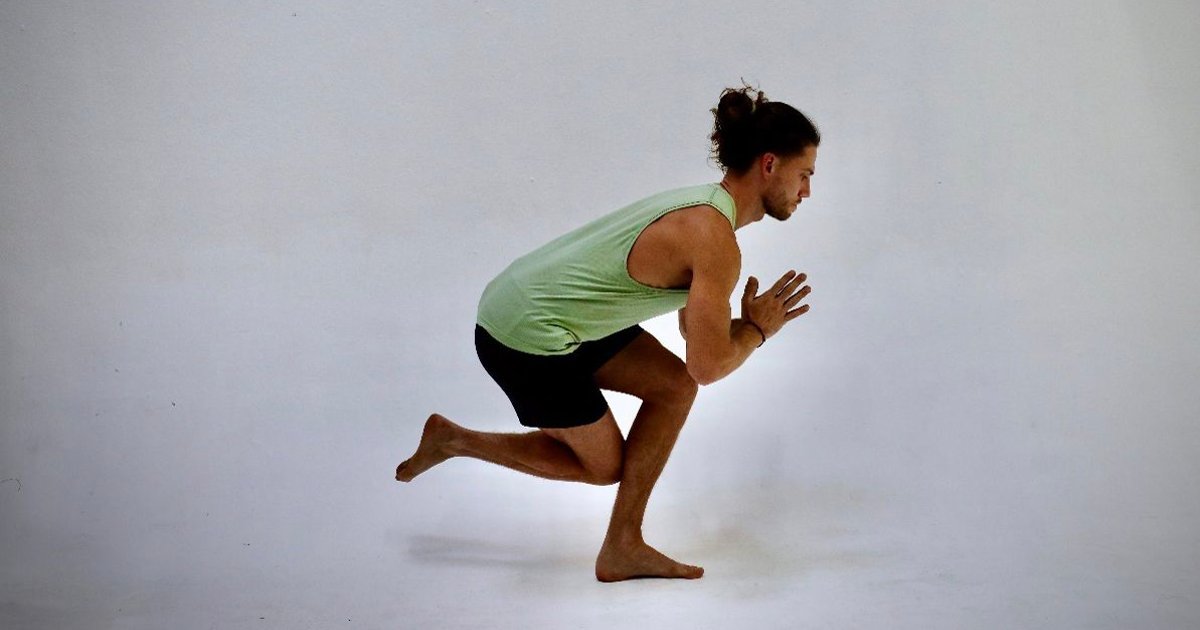
In a two-legged squat, both feet contribute to the base of support. In a shrimp squat, the standing leg must manage the lowering and rising while you balance over a much smaller base. The rear leg folds behind you rather than extending out in front as it does in a pistol squat. That difference changes the balance problem, so being good at one does not automatically give you the other.
The quadriceps and glutes contribute to the movement, but a failed attempt does not tell you exactly which muscle is weak. You may lose balance, run out of a comfortable range or struggle with the rear-foot hold before your leg strength is the limiting factor. Treat the attempt as information rather than a diagnosis.
Get comfortable with ordinary squats and manageable split squats first. If those movements are already difficult, adding a narrow balance task will give you more problems to solve at once. A shrimp squat is an optional single-leg skill; it is not an entry requirement for an effective leg programme.
2. Use support and a repeatable target
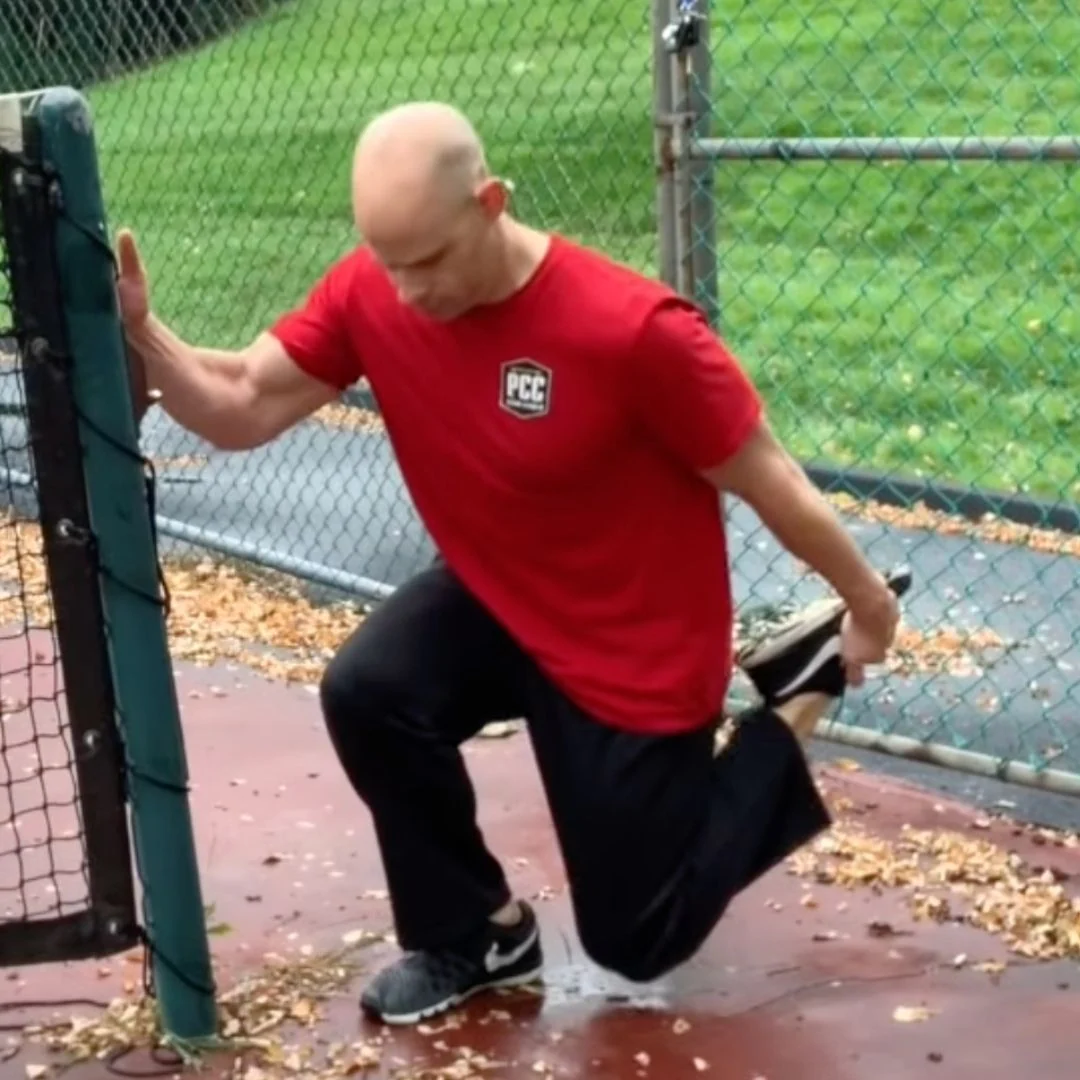
Choose a fixed hand support that cannot move or tip when you use it. A properly installed rack upright can work, but a loose chair or an unfamiliar freestanding object is a poor substitute. Check the floor and leave enough space to put your free foot down if you lose balance. Start with bodyweight and a modest descent.
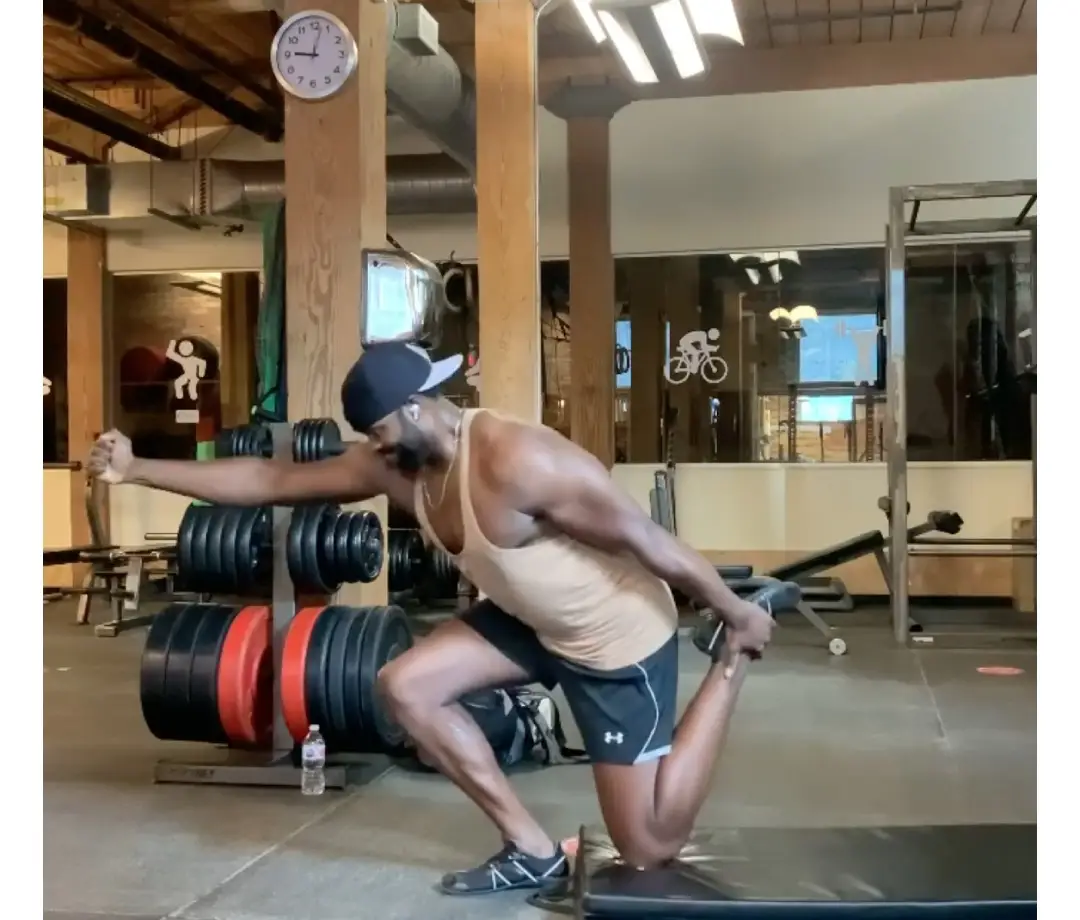
A firm, padded target beneath the rear knee can limit the descent. Set it high enough that you can lower under control and stand back up without dropping onto it. The target gives you a consistent endpoint; it is not a seat to rest on, a rebound surface or permission to hit your knee hard.
Record the target height and how much hand assistance you use. “Five supported reps to the same pad” is a clear baseline. “Five shrimp squats” leaves too much unspecified if the support and depth change every set. Keep the target stable and lower it gradually rather than stacking soft, wobbly objects.
Support is a training adjustment, not a failure. If balance prevents you from practising a controlled knee bend, a secure handhold can make the session more useful. Be honest about it in the log so a later unsupported attempt does not get compared with a heavily assisted repetition.
3. Lower smoothly and keep the return under control
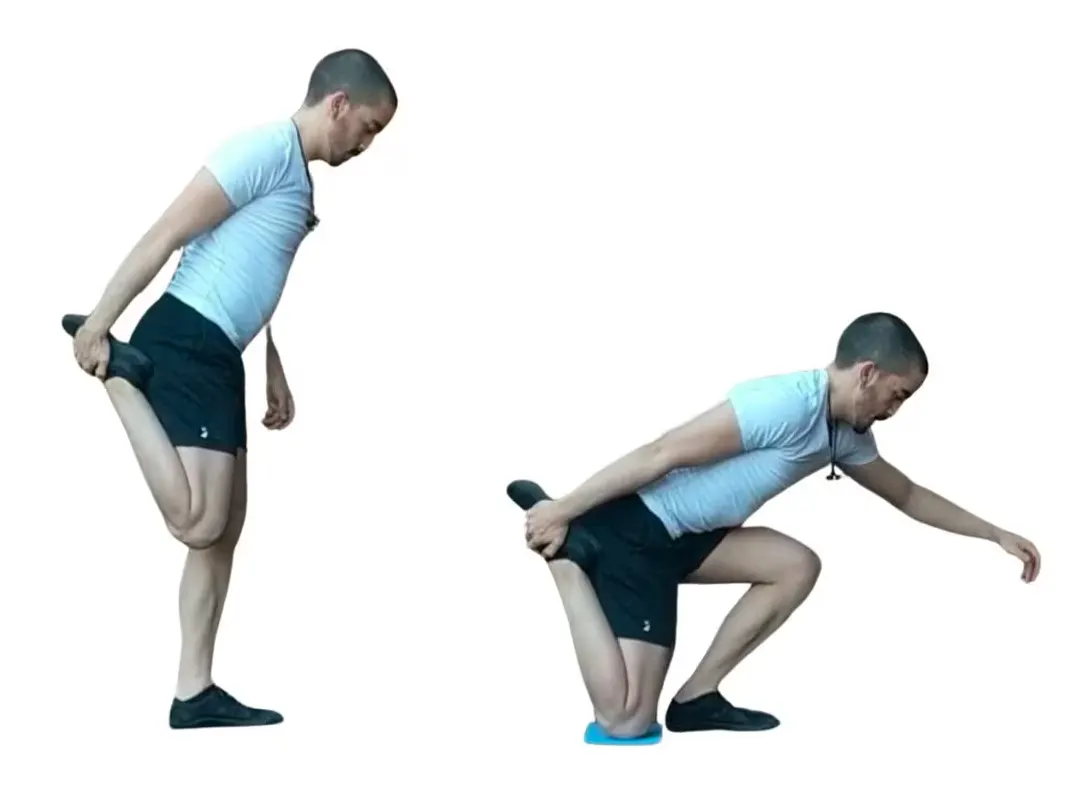
Stand on the working foot and fold the other leg behind you. In an easier variation, keep the arms available for balance or support. For the foot-held version, grasp the rear foot only if you can do so comfortably. Do not pull it into place aggressively or twist your body simply to copy the finished pose.
Bend the standing knee and allow your torso to lean enough to keep your balance. Keep a secure foot contact and aim for a smooth descent toward your chosen target. As the rear knee approaches the bottom, avoid throwing your chest forward or dropping the last few centimetres. Reverse the movement and stand through the working leg.
The exact torso angle will vary with your proportions, depth and rear-leg position. Use your own repeatability as the first check. A short side-view video can show whether the first and last repetitions use the same target, hand assistance and return strategy. It is more informative than judging a single still image.
Stop a painful attempt. If you repeatedly lose control, shorten the descent or use more reliable support. Forcing the rear knee to the floor is not a useful progression when you cannot stand back up in a controlled way.
4. Separate skill practice from your main leg training
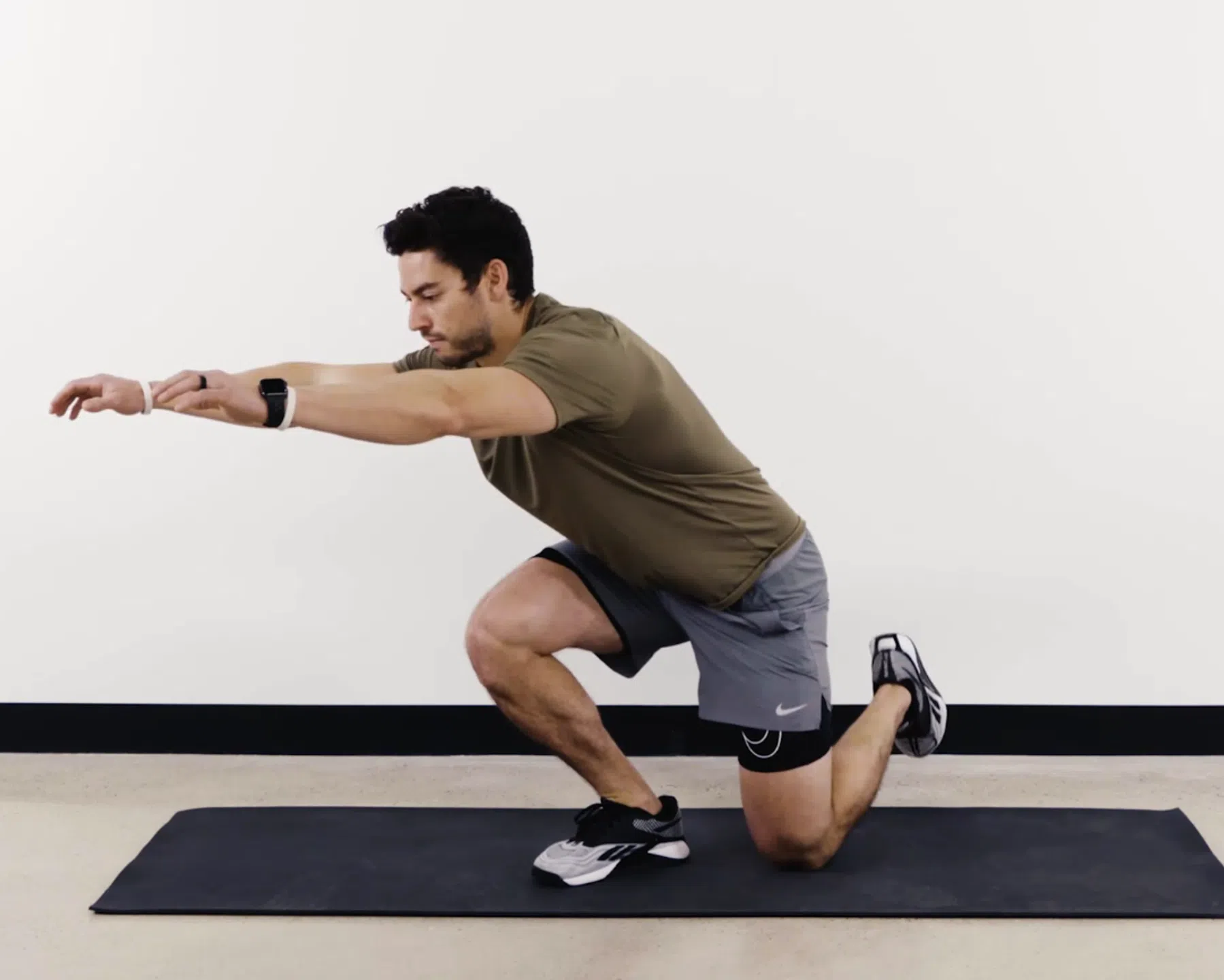
Shrimp squats combine strength with a considerable coordination task. That can make them enjoyable to learn, but it can also make them awkward as your only way to load the legs. A split squat, step-down or ordinary loaded squat may be easier to scale when the goal is a predictable strength session.
One approach is a brief shrimp-squat practice block while you are fresh, followed by your normal leg exercises. Another is to practise on a separate light session. Avoid exhausting the standing leg first and then treating repeated failed skill attempts as extra productive volume. Keep the practice quality recognisable.
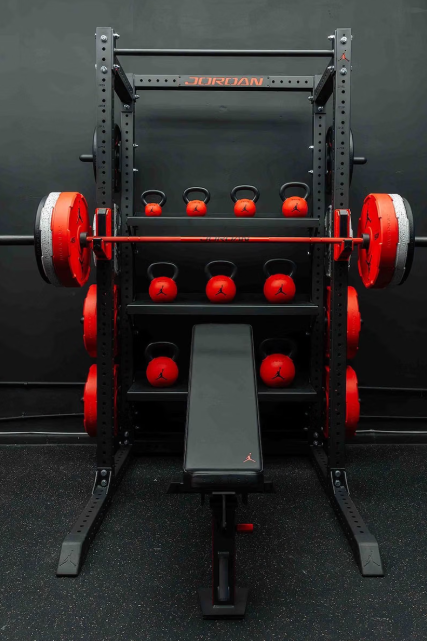
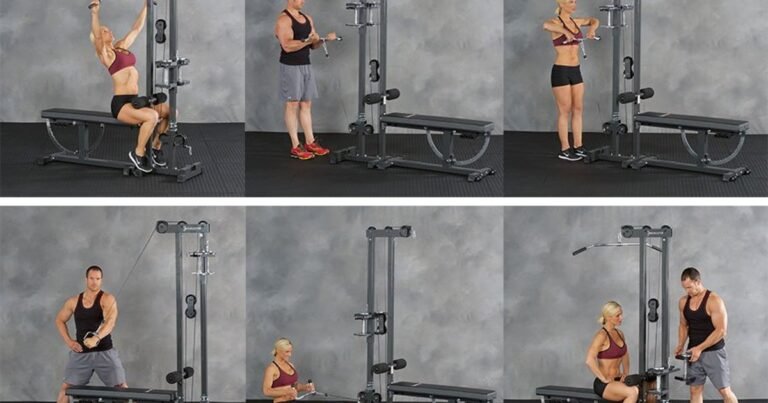
The equipment below relates to broader leg-training options: dumbbells and kettlebells for appropriately loaded squat variations, benches for suitable split-squat setups, and correctly installed structures that may provide a secure handhold. A foam roller is a separate preparation tool. Squat wedges change a setup and are not a requirement for this movement.
Do not assume every rack, tower or bench is safe to pull sideways on; follow its installation and use instructions. You do not need new equipment to practise if you already have an appropriate support and a stable target. Extra weight should not be the first solution to a skill you cannot yet repeat.

Equipment Worth Exploring
Explore equipment, accessories and gear from our carefully selected range.

GymPin Squat Wedges
Non-slip 15-degree squat wedges help elevate the heels for deeper quad-focused squats.




FID Bench MAX
Adjustable bench offering flat, incline, and decline positions + adjustable headrest.

Foldable Wall Rack
Wall-mounted folding squat rack designed to save floor space between workouts.


Power Tower
Freestanding pull-up and dip station with adjustable handles for bodyweight training.


Rubber Hex Dumbbells
Rubber-coated hex dumbbell pairs with a stable shape for home and commercial strength training.
5. Progress one detail and keep the comparison fair
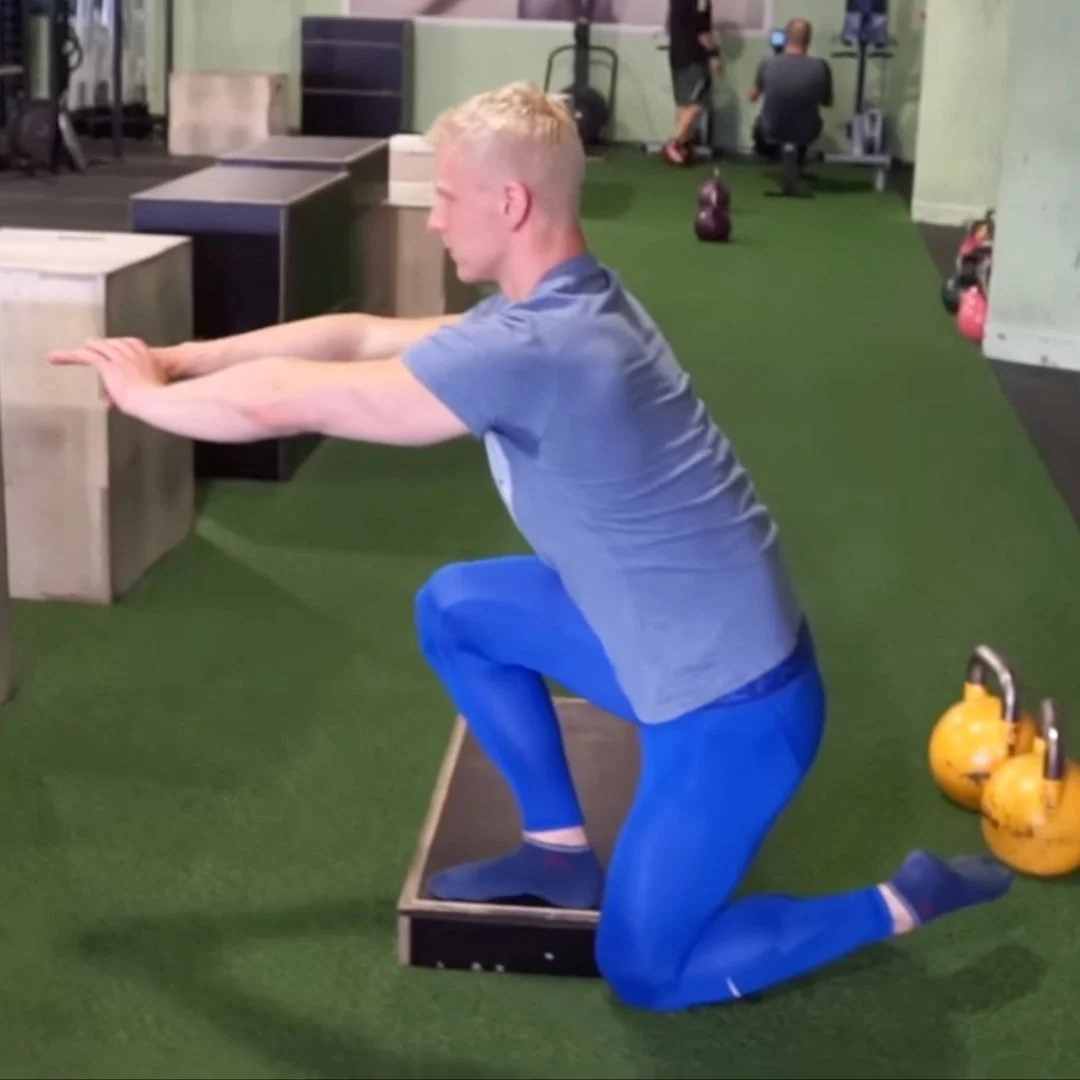
Begin with a small amount of practice that leaves room for clean repetitions. For example, try two sets of three controlled repetitions per side using your selected support and target. Rest enough to reproduce the movement. This is an illustrative starting template, not a validated dose or a deadline for achieving a full shrimp squat.
When the setup becomes dependable, choose one adjustment: slightly less hand assistance, a modestly lower target, or another clean repetition. Keep the other details steady. Reducing assistance and increasing depth at the same time can turn a manageable session into a different exercise without showing which change caused the difficulty.
Write a simple entry for each side: target, support, rear-leg position and clean repetitions. If one side needs a higher target, record that and train within its controllable range. You do not have to force equal depth immediately to make the session count. Compare each side with its own previous baseline.
Finish by noting what actually limited the set: balance, difficulty holding the rear foot, an uncontrolled bottom or trouble standing. That observation points to the next adjustment. Keep the leg-day enthusiasm, but let a repeatable movement earn the progression rather than using a full-depth attempt as a test of determination.

Funny Gym Shirts & Workout Gear
Funny gym shirts, tanks, hoodies and workout gear for lifters who like training hard.

Leg Day Is Calling You Squats, Deadlifts & Gains T-Shirt
Rep “Leg Day Is Calling You” humor in and out of the gym.

Negative Leg Day Review 1 Star Not Recommended Decal Sticker
Stick a little “Negative Leg Day Review” humor on your favorite gear.


Squat Game Gym | Funny Squid Game Parody Workout For Le Hoodie
Stay casual and show some gaming attitude with “Squat Game”.

Legendary Leg Day – Squat Meme Vest Muscle Shirt For At Tank Top
Add some leg-day attitude to training with “Legendary Leg Day”.

Leg Day / Metallica
Add a playful “Leg Day The Day That Never Comes Metallica” touch to your casual rotation.

Leg Day Thou Shalt Not Skip Leg Day Medieval Knight Pul Hoodie
Show off your medieval humor in a laid-back “Leg Day” hoodie.

I Love Squats – Valentine's Day Leg Day Meme Vest Muscl Tank Top
Add some leg-day attitude to training with “I Love Squats”.


The Quadfather Leg Day Meme Top & T-Shirt
Bring “The Quadfather” humor to your next gym day.