Advertising disclosure: This page includes affiliate product links that may earn us a commission, as well as products from our own store.
Floor Windshield Wipers: Control the Arc Before Straightening Your Legs
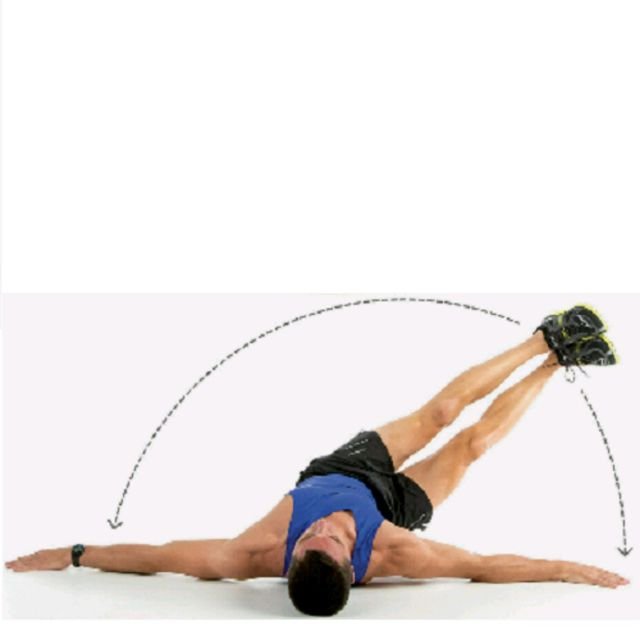
Floor windshield wipers challenge your trunk as your raised legs move from side to side. They need very little space or equipment, yet the difference between a controlled repetition and a swinging pair of legs is substantial. Your useful range ends where you can still reverse the movement smoothly, not necessarily where your knees touch the floor.
Start with bent knees and a modest arc. This guide covers the floor exercise rather than hanging windshield wipers, which add a demanding grip and upper-body support task. Sharing a name does not make the two versions interchangeable, and you do not need to graduate to a pull-up bar for the floor version to remain useful.
1. Establish your starting position
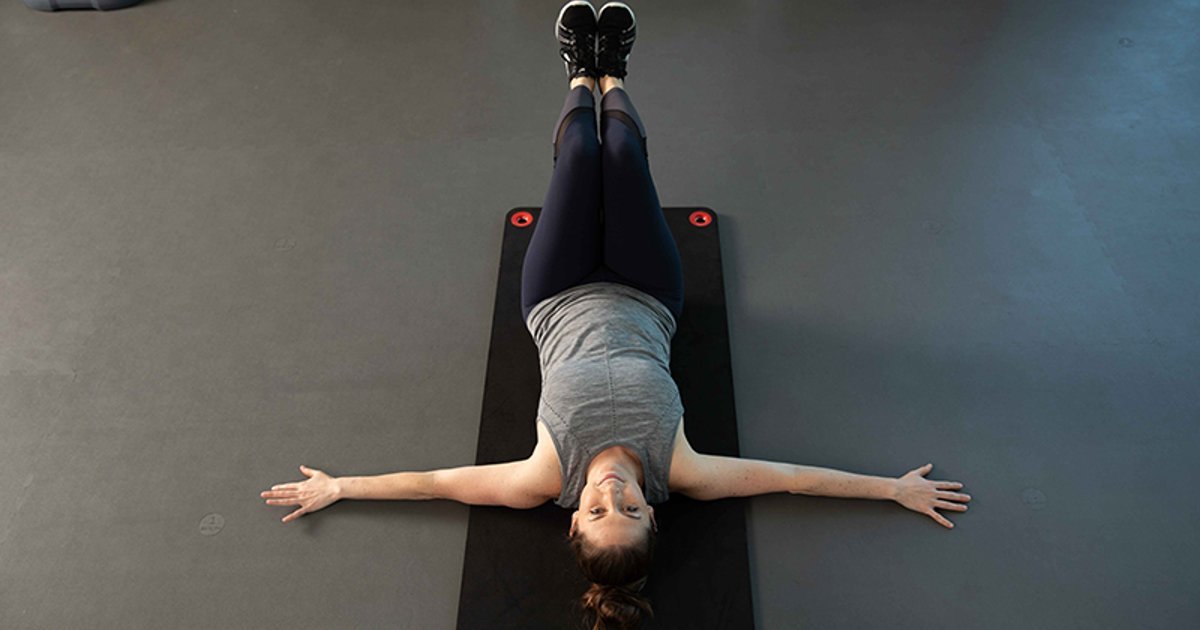
Lie on a comfortable mat with enough clear space on both sides. Spread your arms to form a T and keep the backs of your shoulders supported. Bring your legs up, then bend your knees to roughly a right angle. Let your head rest comfortably instead of reaching your chin toward the ceiling or holding a prolonged crunch.
Before moving sideways, check that you can hold this position without strain or an uncontrolled back arch. Set your breathing, then try a very small movement. A bent-knee floor wiper is a reasonable place to learn the pattern, but it is still an exercise involving trunk rotation. Stop if it produces pain; this is not a test of how much twisting you can tolerate.
Use a clear starting-position label in your training notes: “floor, knees bent, arms wide.” Without that detail, a later count of ten reps could describe a completely different exercise.
2. Lower slowly and return through the centre
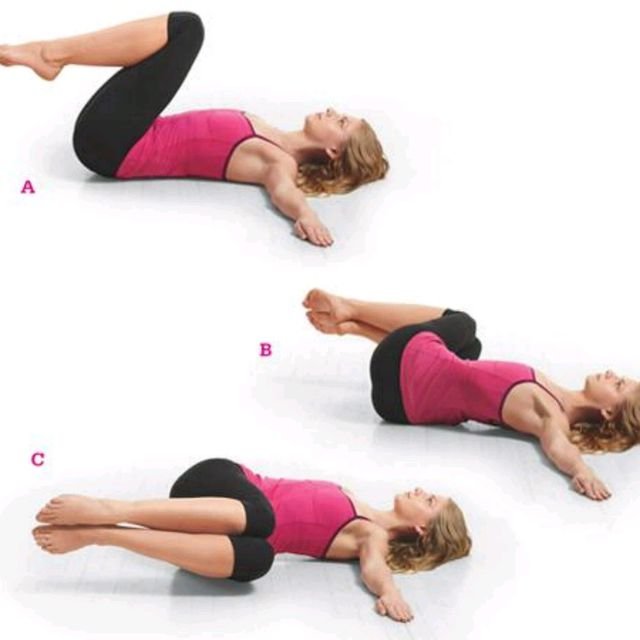
Move your knees together toward one side while keeping the motion deliberate. Keep the opposite shoulder supported and stop before you need to yank it off the mat to reach farther. Reverse the movement and return to your starting position before continuing toward the other side.
The obliques contribute to controlling this rotation. You do not need a dramatic sensation on every repetition to make the movement count. Look for a smooth descent, a controlled change of direction and a repeatable return. If your legs accelerate into the bottom and bounce back, reduce the range rather than simply trying to complete the next rep faster.
Decide how you count repetitions. For example, centre to left and back can count as one, followed by centre to right and back as the next. Another system counts both sides as a pair. Either is workable if you write it down and use it consistently.
3. Adjust the lever before adding repetitions
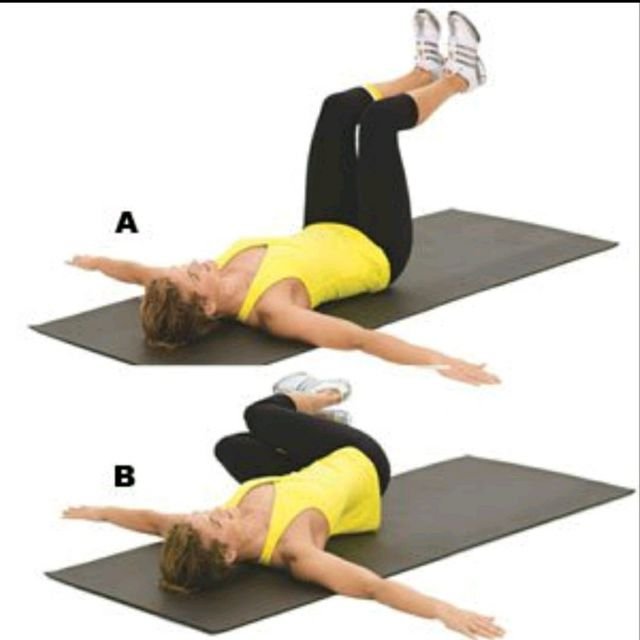
Straightening the legs generally increases the demand compared with the bent-knee version. That makes knee position a meaningful progression variable, rather than a cosmetic detail. Keep the knees bent while you learn to control the arc, and avoid alternating between tucked and straight legs just to finish a set.
Range and lever length are separate choices. You can use bent knees with a smaller arc, bent knees with a larger controlled arc, or gradually extend the knees while reducing the arc again. Change one variable at a time so you can judge the result. A longer lever does not require touching the floor.
Compare two practice sets: six small, smooth repetitions versus six larger repetitions that lift a shoulder and require momentum. The second set has more visible movement, but it is not automatically better progress. Keep the version that lets you demonstrate the movement you intended.
4. Keep the exercise in its proper place
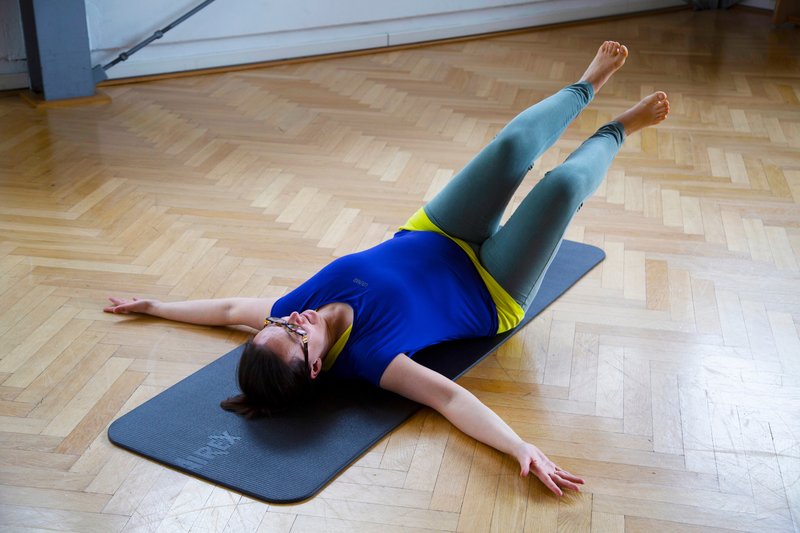
Floor wipers provide one rotational challenge within a broader core programme. Planks, controlled leg raises, carries and cable anti-rotation work involve different tasks. You can use different exercises across a training week without trying to make every set harder through twisting, speed or extra load.
For example, a short floor-wiper practice block can sit after your main lifting, while another session uses a steady plank or a manageable dumbbell carry. Ring-supported work and hanging leg raises introduce additional support demands; treat them as separate skills. Do not attach a weight to your feet or hold a heavy bar overhead just because an advanced demonstration does so.
The equipment below is for those broader training options: dumbbells or kettlebells for carries, stable supports for bodyweight work and cable equipment for anti-rotation exercises. A foam roller is a separate preparation or recovery tool, not resistance for a wiper. None of this gear is needed for the basic floor movement.

Equipment Worth Exploring
Explore equipment, accessories and gear from our carefully selected range.


Power Tower
Freestanding pull-up and dip station with adjustable handles for bodyweight training.


Rubber Hex Dumbbells
Rubber-coated hex dumbbell pairs with a stable shape for home and commercial strength training.

VForce Lat Tower
Wall-mounted cable tower with pivot arms and adjustable 1:1 or 2:1 pulley ratios.
VOLTRA
Compact digital cable trainer with smooth, adjustable resistance.

Go-Tone Pro
Portable digital cable trainer with up to 66 lb (30 kg) of adjustable resistance.
5. Use a short practice log instead of chasing exhaustion
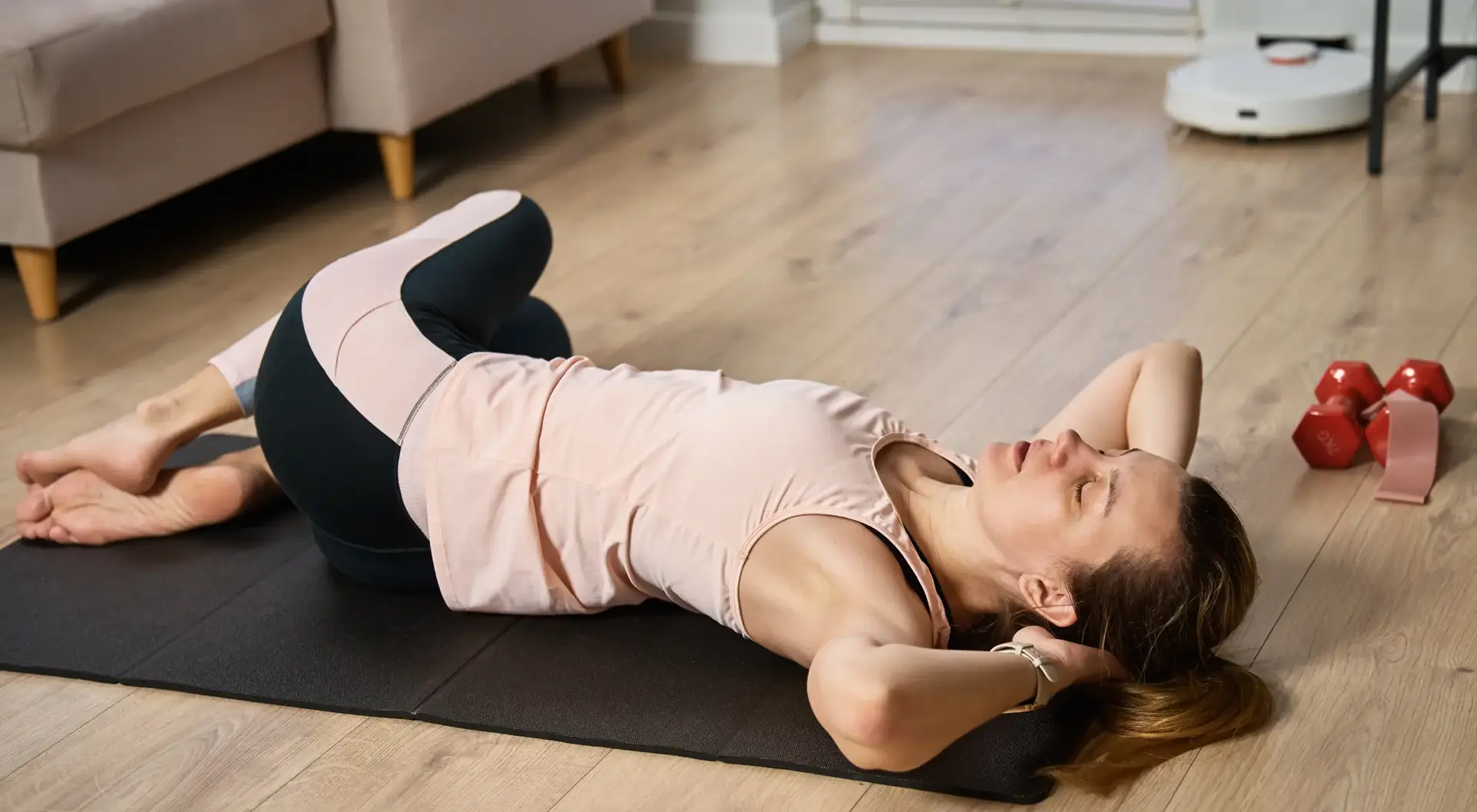
Choose a modest amount of practice you can finish cleanly. One illustrative starting point is two sets of four controlled returns per side, with enough rest to reproduce your position. This is a practical template, not a research-backed dose promising a particular result. Adjust it to your experience and the other core work you already perform.
Record three things: knee position, approximate range and clean returns per side. At the next comparable session, repeat the setup before adding anything. If both sets are comfortable and controlled, add a small amount of work or explore a slightly larger arc. Keep the other variables steady. If you shorten the range because you are tired, record that honestly instead of calling a higher count an improvement.
You may see demonstrations with different arm positions, straighter legs or additional movements. Those are variations, not instructions to change your setup every session. Keep your basic version recognisable. Core training and bodyweight practice reward a clear progression; a six-pack slogan on a shirt is only a joke, not a claim about what this exercise alone will deliver.

Funny Gym Shirts & Workout Gear
Funny gym shirts, tanks, hoodies and workout gear for lifters who like training hard.


6Pac Shakur | Rap Parody Crewneck for Bodybuilding & Co T-Shirt
Keep things casual with a little “6Pac Shakur” attitude.

Check Out My Six Pack Tacos – Taco Six Pack Vest Muscle Tank Top
Train hard, laugh a little, and rep “Check Out My Six Pack Tacos”.

Check Out My Six Pack Donut – Donut Meme Hooded Pullove Hoodie
Make your off-duty look more fun with “Check Out My Six Pack Donut”.

Check Out My Six Pack Beer – Gym Meme Decal for Coolers Sticker
Bring “Check Out My Six Pack Beer” attitude to your water bottle or laptop.

Funny Black Panther Six Pack Gym Crewneck Pullover Jump T-Shirt
Show some gym-day personality with “Black Panther Six Pack”.

Calisthenics Evolution
Show some lifting attitude with a playful “Calisthenics Evolution” tee.

Gandalf Lord of the Calisthenics Rings | LOTR Workout M Tank Top
Bring “Gandalf Lord of the Calisthenics Rings” humor to your next lifting session.


Be Stronger Than Your Excuses – Motivational T-Shirt
Rep “Be Stronger Than Your Excuses” humor in and out of the gym.