Advertising disclosure: This page includes affiliate product links that may earn us a commission, as well as products from our own store.
Cluster Sets for Bigger Legs? What an Eight-Week, 10-Lifter Study Shows
A short break in the middle of a set can change how the next few repetitions feel. That makes cluster sets appealing when long sets become a grind. It does not automatically mean those breaks produce more muscle. To judge the method fairly, you need to know what stayed the same: repetitions, effort, exercise selection, recovery and the way progress was measured.
An eight-week leg-training experiment offers a useful comparison. Its message is more practical than a claim that one set format wins: different ways of arranging the work can produce similar measured growth. The interesting part is understanding the comparison well enough to decide whether the extra organization helps your training.
1. Similar measured growth, with an important sample-size limit

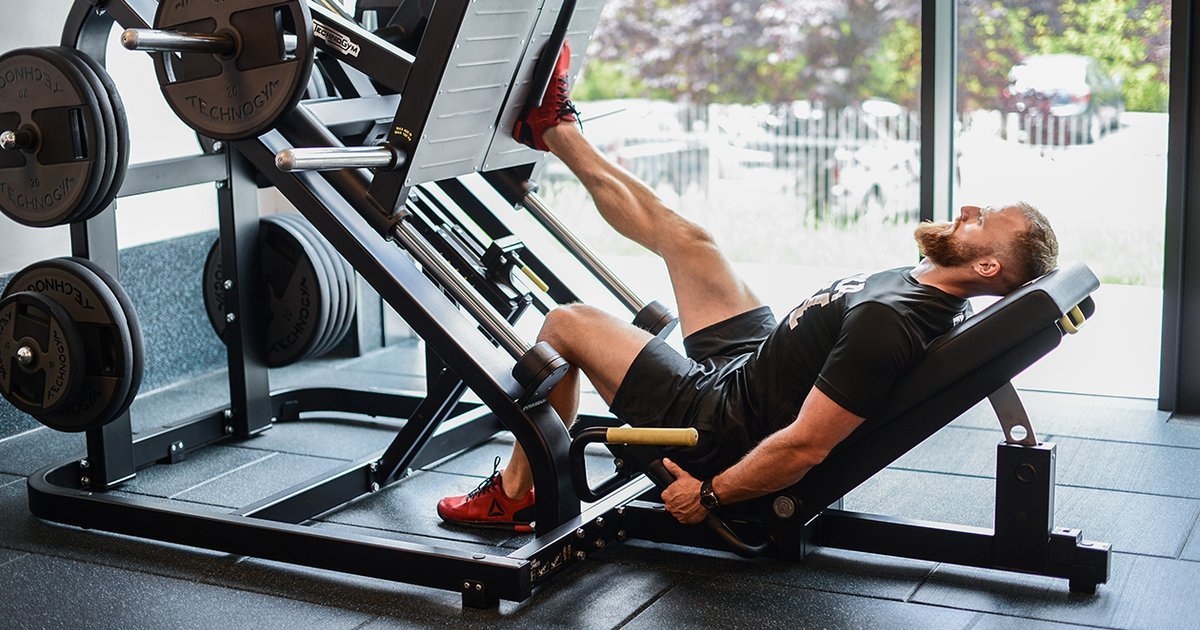
The 2025 study analyzed ten resistance-trained participants, seven men and three women. Each person trained one leg using traditional sets and the other using cluster sets. Training lasted eight weeks, with two sessions per week and five sets of twelve repetitions of both leg presses and leg extensions.
The cluster condition divided twelve repetitions into three blocks of four, separated by twenty-second breaks. Recovery between sets was three minutes. Loads were adjusted around zero to one repetitions in reserve, applying the effort target to the twelve-repetition traditional set and each four-repetition cluster.
Both conditions increased measured muscle thickness and thigh lean tissue mass, with no statistically significant difference between conditions. That supports clusters as an alternative under these conditions, not a demonstrated growth upgrade. Ten participants and eight weeks cannot establish that all versions of the methods are equivalent for every lifter, exercise or training history.
A comparison can be informative without settling the subject permanently. Treat the findings as a reason to examine how you organize useful work, rather than as a demand to replace every straight set in your program. There is also no need to recreate the research workload merely because it appeared in an experiment.
2. Count the work and the rest before comparing formats
A traditional set keeps the planned repetitions together. A cluster inserts short recovery periods between repetitions or small groups of repetitions. Rest redistribution goes a step further by rearranging an existing rest budget. Those labels can describe meaningfully different workouts, so write out the actual sequence instead of relying on the name.
For example, a twelve-repetition block written as four repetitions, twenty seconds of rest, four repetitions, twenty seconds of rest and four repetitions includes forty seconds of extra within-set rest. Repeat that across several sets and the clock matters. If you also retain the original between-set recovery, you have added time rather than merely moved it.
A 2026 synthesis of 37 studies found that alternative set structures generally preserved movement velocity better than traditional sets. Comparisons between cluster and rest-redistribution formats did not show clear meaningful differences. Those were acute movement-speed outcomes. A faster-looking set does not itself measure how much muscle a training block will add.
That distinction helps you choose the purpose of the change. You might want more consistent repetition quality, a different experience of fatigue or a set structure you find easier to follow. Name that goal. If you are mainly interested in growth, keep longer-term progress in view rather than treating today’s bar or machine speed as the final answer.

Equipment Worth Exploring
Explore equipment, accessories and gear from our carefully selected range.

Compact Leg Press CLP-700
Compact reverse-style leg press with a moving seat carriage and an adjustable footplate.

Leg Press/Hack Squat BPR-790
Convertible 45-degree leg press and hack squat machine with a broad footplate and band pegs.

Leg Extension/Curl BCO-780
Leg extension and lying leg curl combo with plate loading, band pegs and a cable-loading option.

Seated Leg Combo BCO-680
Adjustable seated leg extension and leg curl machine with band pegs for added resistance.

Studio V-Squat
Plate-loaded V-squat machine for supported lower-body strength training.


Competition Plates
Competition-style bumper plates for Olympic lifts and loaded strength training.

Grip Plates
Rubber-coated weight plates with handholds for loading barbells and machines.


3. Match effort honestly, not just the number on the stack
Repetitions in reserve describes how many additional repetitions you estimate you could complete before the relevant stopping point. The estimate needs a definition. Being unable to complete another controlled repetition is different from choosing to stop because a set feels unpleasant. If those endpoints change, the same written RIR number may describe different efforts.
Self-reported RIR is useful because it can adapt to the person and the day, but it is subjective. A percentage of maximum does not guarantee the same remaining repetitions for everyone either. Load, exercise and how the set unfolds can all complicate the comparison. Avoid presenting an estimate as a precise laboratory measurement.
In practice, do not assume that twelve repetitions completed in short blocks match twelve uninterrupted repetitions just because the total is identical. The breathing space between blocks changes the task. Equally, do not automatically increase the weight until every short block becomes a desperate effort. That creates a different demand and may make the exercise harder to control.
Use familiar equipment, keep a clear standard for completed repetitions and record the intended effort alongside the actual result. A note such as “last block slower, range unchanged” is more useful than declaring a format superior after one session. When technique changes substantially, acknowledge it and adjust the load rather than using the cluster label to justify the change.
4. Make every short break a controlled machine reset
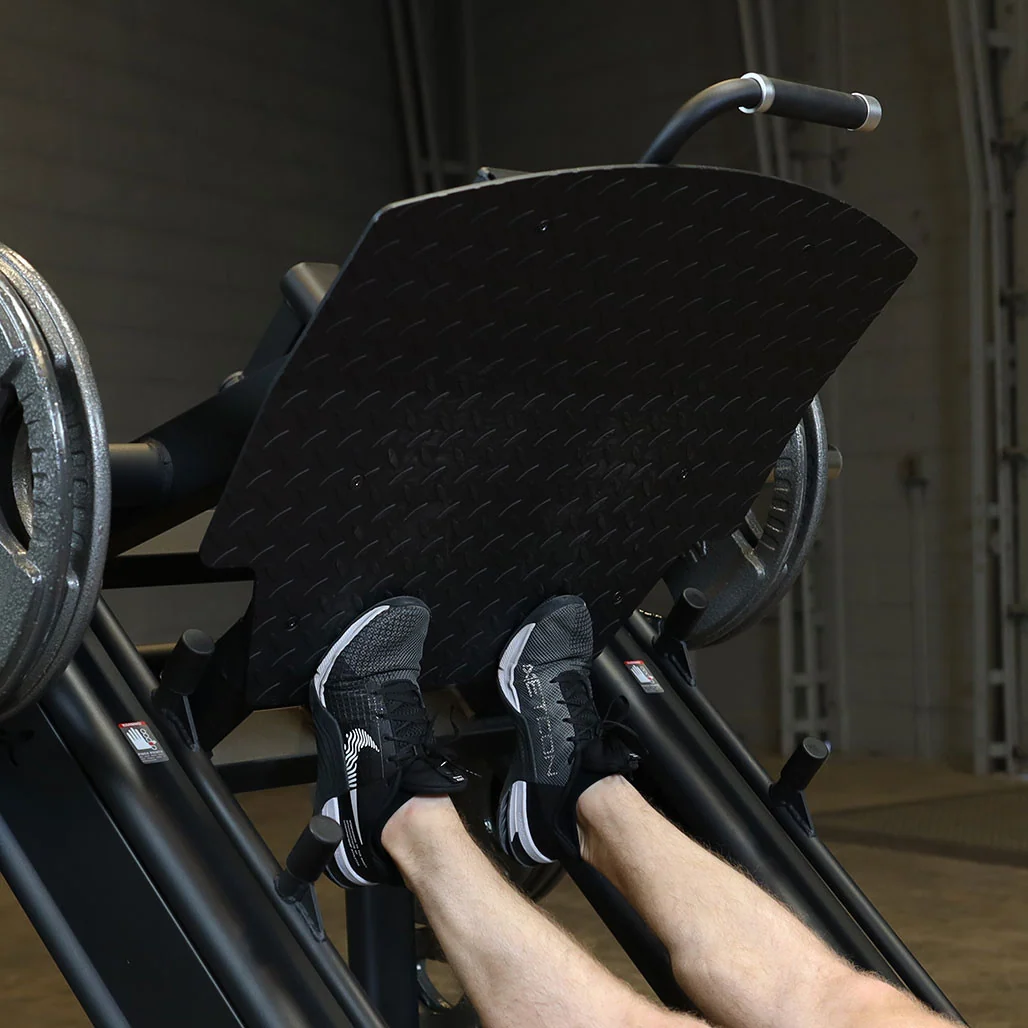
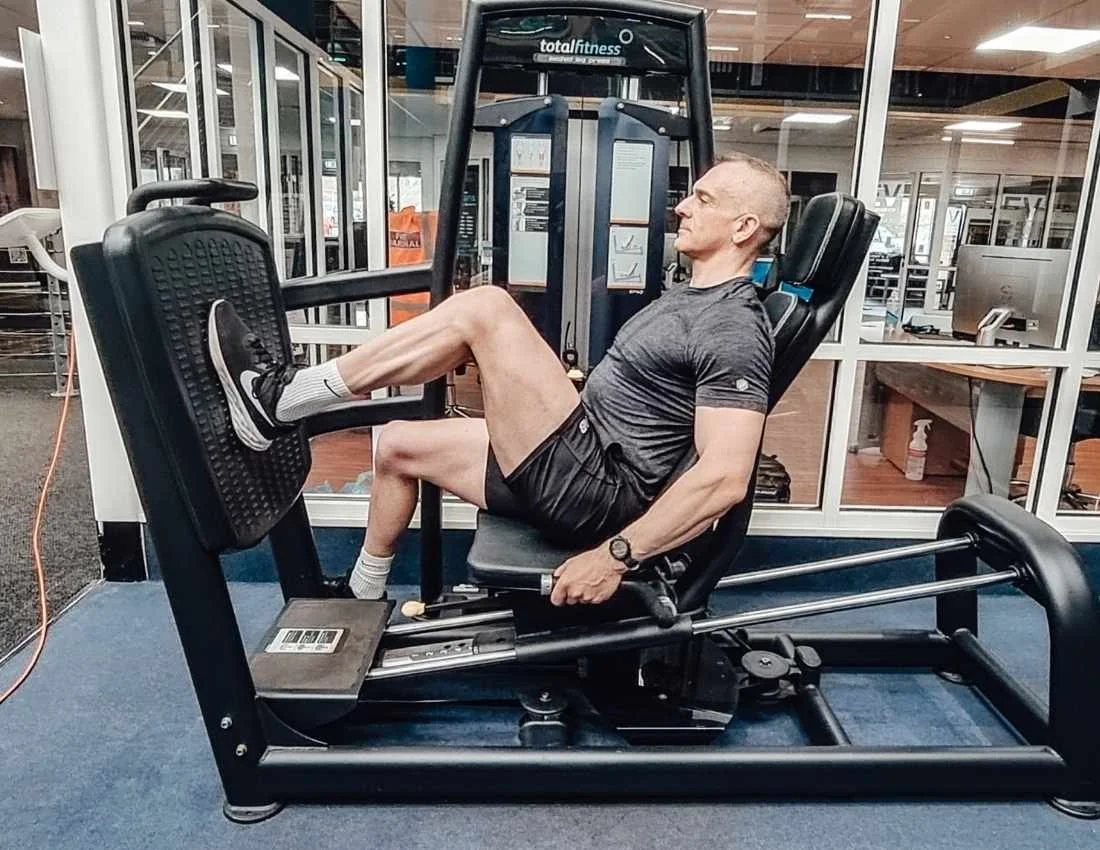
Before trying clusters on a leg press, learn how that particular machine starts, stops and secures its resistance. Keep the feet firmly supported, use the handles and move smoothly. Track the knees with the feet rather than allowing them to collapse inward. Choose a range you can control with the machine set appropriately for your body.
The pause needs a safe position too. A short rest is not an instruction to relax beneath an unsecured sled. Use the machine’s intended catch or resting position, and check how to resume without a sudden drop or an improvised shove. If the equipment does not offer a suitable way to pause, use a different exercise or stay with ordinary sets.
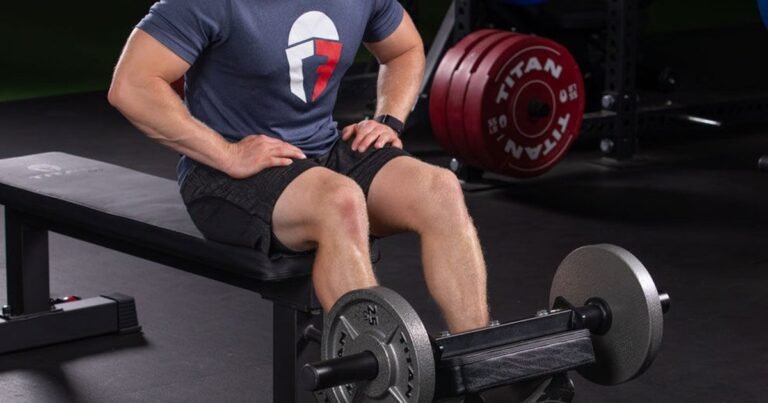
For leg extensions, settle the seat and roller positions before starting the work. The aim is a repeatable knee-extension movement with the body supported, rather than swinging the lower legs while lifting out of the seat. During a break, let the resistance return under control. Avoid changing the setup halfway through simply to finish the written number.
Single-leg work adds another comparison problem: sides may require different loads or feel different on the same machine. Record each side separately. Do not assume a bilateral load can simply be divided in half, and do not let the stronger leg dictate a setting that makes the other side unstable. Research using one leg per condition is a design choice, not proof that every lifter needs unilateral clusters.

Funny Gym Shirts & Workout Gear
Funny gym shirts, tanks, hoodies and workout gear for lifters who like training hard.

Quadzilla Massive Quads Sweater Leg Day Squatting T-Shirt
Keep things casual with a little “Quadzilla” attitude.

Anti Leg Day Leg Day Club & Meme Fans Vest Tank Top
Bring “Anti Leg Day Leg Day Club” humor to your next lifting session.

Leg Day No Thanks – Skip Legday Meme , Squats & T-Shirt
Heavy lifts, good laughs, and a little “Leg Day No Thanks” energy.

Negative Leg Day Review Leg Day Sucks Meme Squats, T-Shirt
Show some leg-day attitude with a playful “Negative Leg Day Review” tee.

Santa Quads Is Coming To Town | Fitmas Leg Day Muscle S Tank Top
Train hard, laugh a little, and rep “Santa Quads Is Coming To Town”.

Legday of Legends Gym | Funny League of Legends Meme Wo Hoodie
Show off your leg-day humor in a laid-back “Legday of Legends” hoodie.

Leg Press Dost Thou Even Press Medieval Knight Muscle S Tank Top
Bring “Leg Press” humor to your next lifting session.

Swoledemort Swolecraft | He Who Must Not Skip Leg Day M Tank Top
Your gym-day look, with a playful “Swoledemort Swolecraft” twist.

The Quadfather Leg Day Meme Top & T-Shirt
Bring “The Quadfather” humor to your next gym day.

Never Skip Legday – Chicken Legs Meme , , & Leg Day T-Shirt
Heavy lifts, good laughs, and a little “Never Skip Legday” energy.
5. Keep the format only if it improves the training process
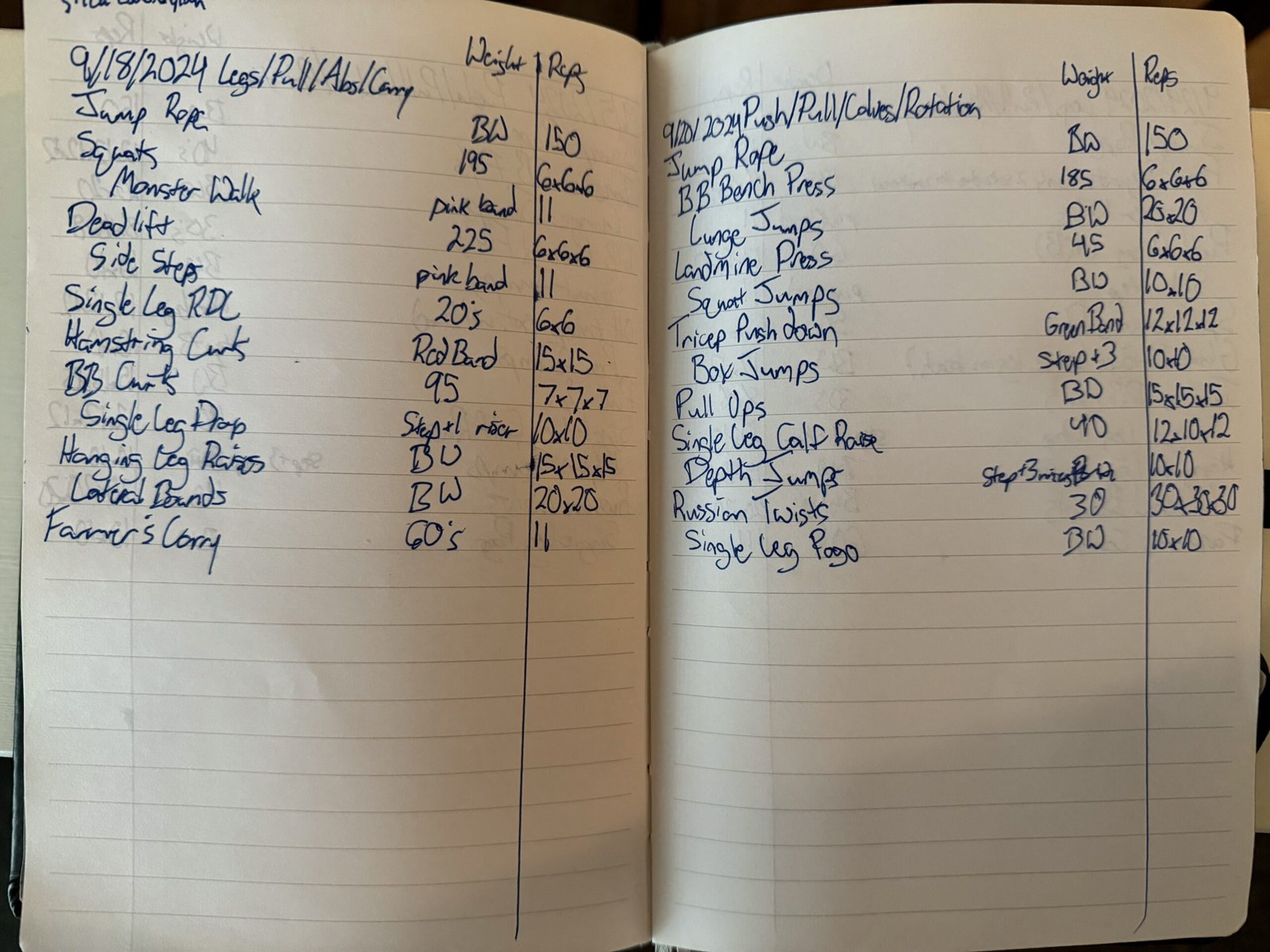
Start by identifying a specific problem. Perhaps long sets lose their intended movement pattern, or you want to compare how a different work-rest arrangement fits your session. Keep the initial trial modest and avoid changing several exercises, adding sets and increasing load at the same time. Otherwise, you will have little idea which change produced the result.
A useful log includes machine, seat settings, side, load, repetitions per block, short-rest duration, between-set rest and an effort estimate. Also note total exercise time. A format that feels orderly may still occupy a machine longer, and a busy gym can make frequent pauses inconvenient. Equipment access and the ability to follow the plan consistently are legitimate considerations.
Review more than one workout. Can you repeat the planned range and control? Are the pauses and load adjustments easy to manage? Is the rest of the session still getting the attention it needs? Over a training block, look for a pattern of performance rather than awarding the method a win because one day felt unusually good.
If straight sets remain clear, productive and easy to progress, the small study gives no compelling reason to abandon them for promised extra growth. If clusters solve a practical problem and you can execute them consistently, they are an option worth organizing properly. The method earns its place by helping you complete useful training, not by having a more advanced name.