Advertising disclosure: This page includes affiliate product links that may earn us a commission, as well as products from our own store.
Betaine for Lifters: What the Trials Show Beyond the Supplement Claims
Betaine appears in sports supplements with an appealing story: support the cell, improve performance and perhaps change body composition. Those are three different claims. Evidence for one does not automatically establish the others, and the details of a trial matter more than an impressive ingredient description.
An October 2026 review brings renewed attention to betaine’s possible roles in sport. For a lifter deciding whether it deserves a place in the cupboard, the useful task is to examine the actual comparisons, the people studied and the outcomes measured. Here is how to do that without turning a promising mechanism into a guaranteed result.
1. Understand what betaine is before judging what it does

Betaine is also called trimethylglycine. It occurs in foods including beets, spinach and whole-grain breads, and the body can produce it from choline. It has roles as a methyl donor and an osmolyte, helping explain why researchers have investigated it in exercise and metabolism.
That biological role is a starting point for research, not a finished buying argument. A compound can participate in an important process without extra supplemental intake reliably improving your bench press, squat or physique. The question is what happens when comparable people receive the supplement or a control under a defined training protocol.
The recent narrative review discusses mechanisms and a broad range of possible sporting applications. It is not a new trial in which lifters were assigned betaine and then demonstrated a particular amount of extra muscle growth. Distinguish that kind of evidence summary from a direct experiment before interpreting its optimistic language.
Food comparisons also need care. The presence of betaine in beetroot does not make a beetroot dish equivalent to a specified supplement intake. Nor should betaine be treated as another name for dietary nitrate. Sharing a food source does not make two compounds or their evidence interchangeable.
For a practical reading checklist, identify the ingredient, the tested formulation, the participants and the result. If a product description moves straight from a cellular pathway to a dramatic physique promise, those missing steps are exactly where your attention belongs.
2. A striking repetition result came from a very small adolescent sample
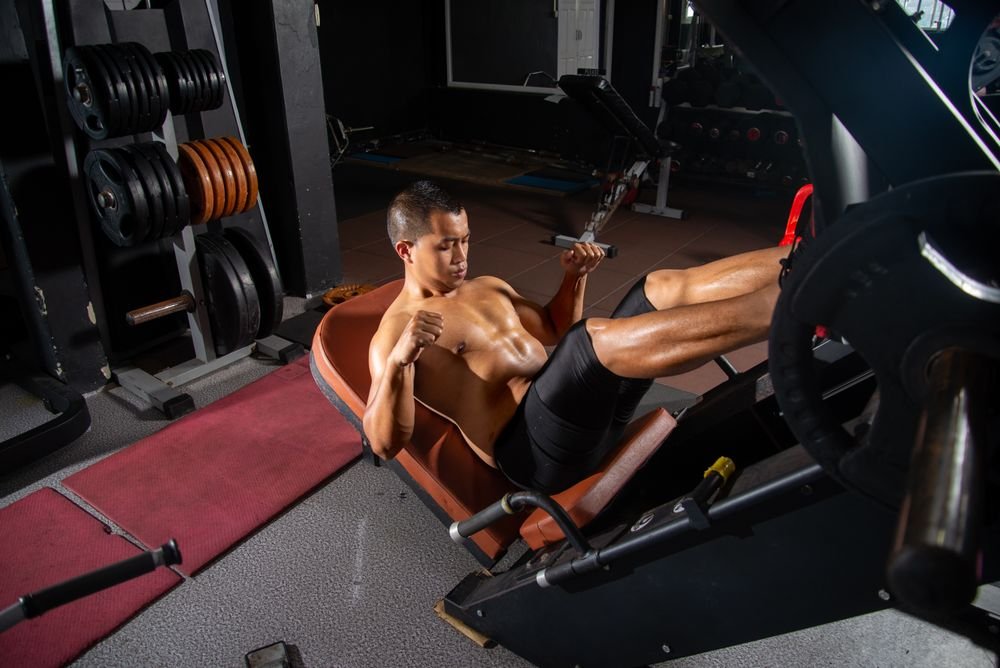
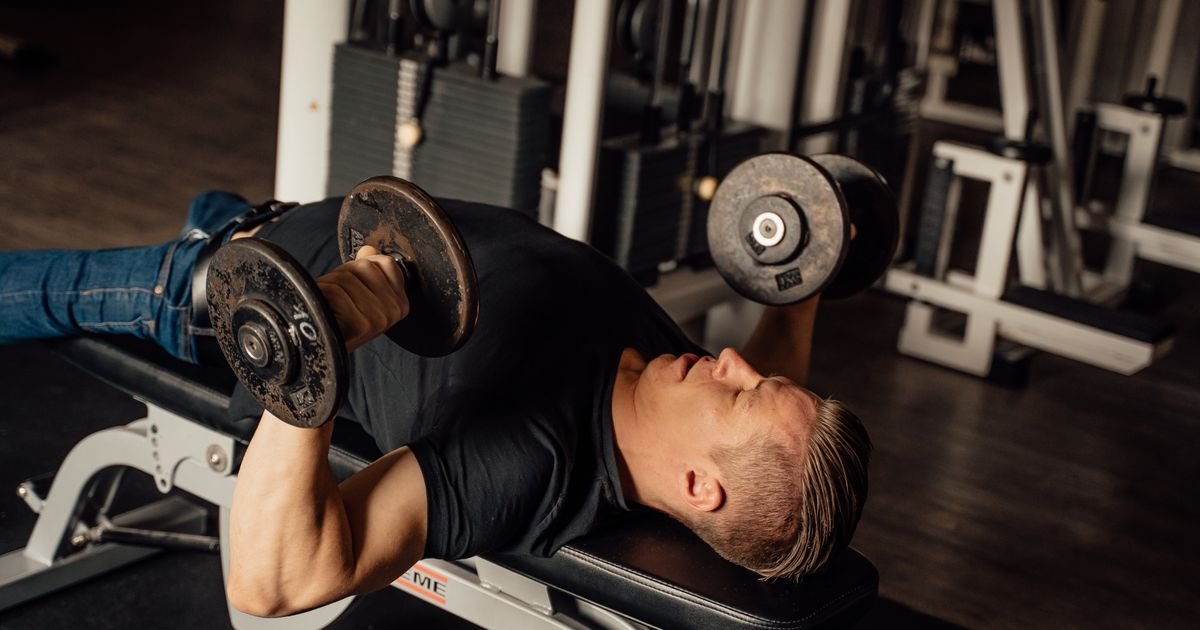
One 2022 crossover trial involved ten male handball players, averaging 16 years old, without prior structured resistance-training experience. Each completed betaine and placebo periods separated by a washout. After 14 days, they performed five sets to fatigue of leg presses and bench presses at 80% of baseline maximum strength.
Total repetitions were higher after betaine: roughly 36 versus 25 on the leg press and 36 versus 26 on the bench press. The experiment also measured blood markers around the exercise session. Those are interesting results, but they describe a specific test in ten adolescents, not a predictable response for an experienced adult lifter.
Do not turn the repetition difference into a percentage promise for your own program. The subjects’ training background, age, testing procedure and exercise demands limit that transfer. A person doing familiar moderate-effort work sets is not reproducing five sets to fatigue in the same experimental conditions.
The blood results require another distinction. A measured hormone concentration around an exercise session is not the same outcome as muscle growth over months. It does not justify describing an over-the-counter ingredient as a dependable long-term testosterone or muscle-building solution.
For adult readers, the study is a reason to remain curious and ask for replication in relevant populations. It is not a reason to recommend supplementation to teenagers or copy the test. Keep your normal training progression and safety arrangements rather than adding repeated fatigue tests to chase a reported supplement effect.
3. Improvement within one group does not prove superiority over placebo
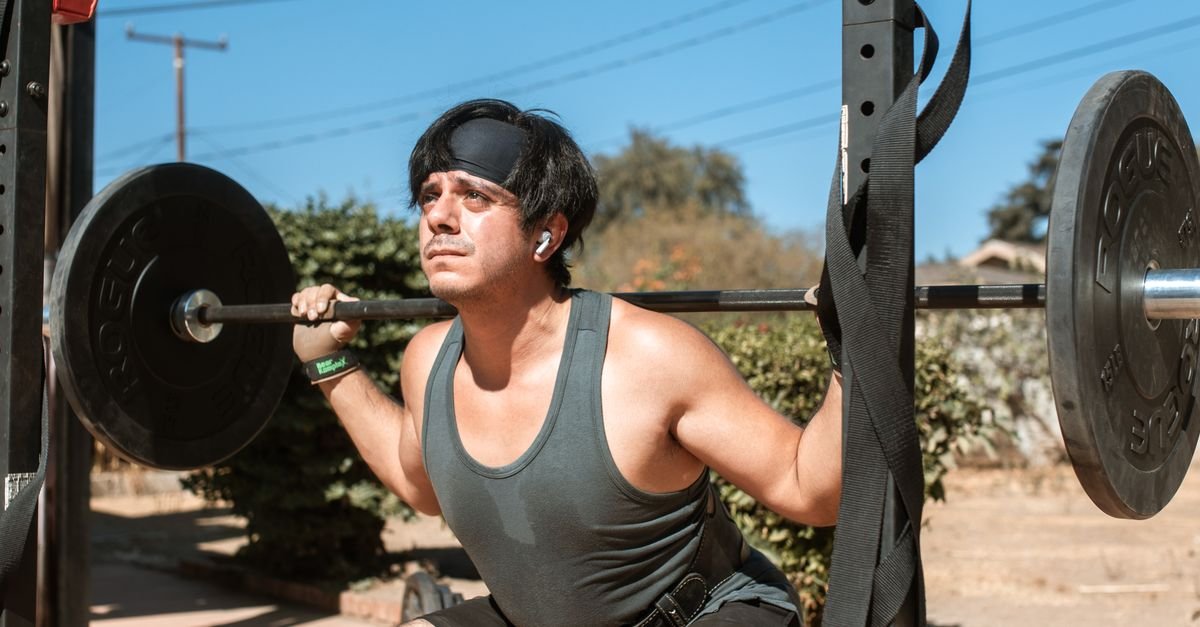
A separate six-week trial randomly assigned 29 trained CrossFit participants to betaine or placebo. It assessed a three-repetition-maximum back squat, rowing and an additional conditioning test, alongside body-composition measures. Squat strength improved significantly within the betaine group, but there was no statistically significant difference between the groups.
That last point changes the interpretation. “The supplement group improved” and “the supplement caused greater improvement than placebo” are not equivalent statements. Training itself, ordinary variation and the precision of the measurements all belong in the comparison. A result reaching significance in one group but not another does not establish a significant difference between those groups.
The study also did not establish a body-composition advantage. Its size, duration and mixed training context mean it should not be treated as a final verdict for every bodybuilding or powerlifting program. Equally, it cannot fairly be presented as clear proof of a supplement-driven strength gain.
A broader body-composition analysis searched trials through August 2021. It found no significant overall benefit for body mass, body-fat percentage, fat mass or fat-free mass. That is an older evidence snapshot, not a claim that no later study can change the picture, but it makes sweeping fat-loss and muscle-gain promises difficult to defend.
Keep the outcome specific when reading future claims. More repetitions in an acute test, a stronger squat after training and a change in fat-free mass are different questions. Ask whether the relevant between-group comparison supports the exact claim being made, rather than assembling the most flattering sentence from each result.

Bodybuilding Shirts & Workout Gear
Bodybuilding shirts, tanks and gym gear for lifters chasing muscle, size, symmetry and the pump.

Broscientology Crewneck Pullover Sweater Bro Science Gy T-Shirt
Show some gym-day personality with “Broscientology”.

Bro Science Element Chemical T-Shirt
Show some bodybuilding attitude with a playful “Bro Science Element” tee.

Bro Science Graph Shirt – Essential Maximum Rizz & T-Shirt
Bring “Bro Science Graph” humor to your next gym day.

Creatine Gym Cosmic Graphic , Crazy Workout Pullover Hoodie
Show off your bodybuilding humor in a laid-back “Creatine” hoodie.

Preworkout – Heavy Metal Gym Vest for Bodybuilding and Tank Top
Bring “Preworkout” humor to your next lifting session.

Just Lift It Shirt – Meme & Gymbros Top T-Shirt
Make gym days more fun with “Just Lift It” style.

Safety Practice Safe Sets Sweater Jumper T-Shirt
Show some gym-day personality with “Gym Safety”.

Installing Muscles Meme – Vest Tank Top
Show some personality between sets with “Installing Muscles Gym Meme”.

Lift Eat Repeat – Weightlifting & – Meme Bros & T-Shirt
Make gym days more fun with “Lift Eat Repeat” style.

One More Rep Shirt: Motivational & T-Shirt
Make gym days more fun with “One More Rep” style.
4. Check the whole product instead of buying an ingredient story
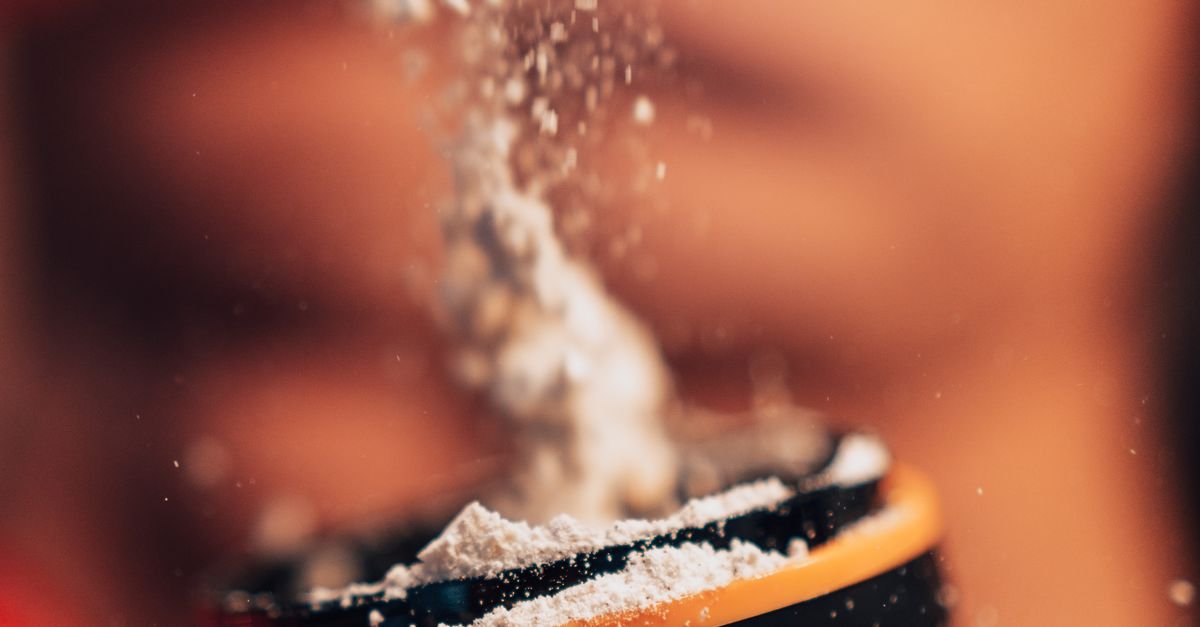
A tub containing betaine may also contain caffeine, creatine, sweeteners and other ingredients. Starting that blend changes several things at once. Even if the first workout feels better, you cannot isolate betaine’s contribution from the label alone.
Compare the full serving information: the named ingredients, disclosed amounts, serving instructions and total number of servings. A scoop is a volume measure supplied with a particular product, not a universal unit across brands. A larger scoop or longer ingredient list does not by itself identify a better choice.
Make a list of products you already use before adding another. Check for duplicated ingredients and overlapping serving instructions. This is especially useful when a pre-workout, separate powder and an energy product all appear in the same routine. Avoid deciding that more of every ingredient must improve the result.
Safety evidence deserves the same honesty as performance evidence. Small, short studies reporting no obvious problems do not establish that every formulation, intake or duration is safe for everyone. If you use medication or manage a health condition, review the actual product with a qualified clinician or pharmacist. Do not use a sports-research intake as a reason to exceed its instructions.
Cost is a legitimate part of the decision. Compare the complete purchase and what it adds to your existing routine, rather than the price of a headline ingredient in isolation. An optional supplement with uncertain benefits does not become necessary because it is included in a discounted bundle.
5. Decide what would count as a useful result before you start

First choose the outcome you actually care about. If it is lifting performance, record familiar exercises, working loads, repetitions, rest periods and your normal stopping rule. If it is body composition, use a longer, consistent record rather than the appearance of your arms immediately after a workout.
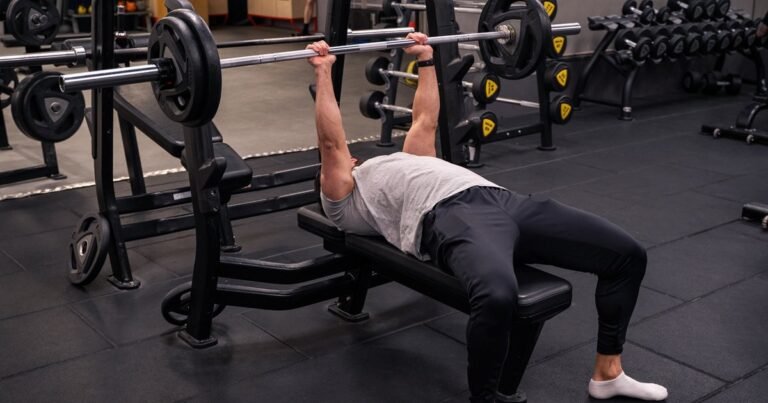
A bench-press entry might include the same bench angle, grip and range of motion, followed by the repetitions completed at an established working load. For a leg press, record the machine, seat position and movement depth. A larger repetition total after shortening the movement is not the same task performed better.
Keep ordinary sources of variation visible. Note a disrupted sleep schedule, unusual meal timing, a different exercise order or an unfamiliar training environment. Those details do not make a log less useful. Omitting them can make a supplement look more consistent than the sessions really were.
If you choose to try a product, preserve a stable routine long enough to compare several ordinary sessions. Avoid simultaneously changing your program, adding new accessories and increasing every working load. An unblinded personal record still cannot prove causation, but it can help you decide whether the product is practical, tolerable and worth buying again.
The equipment below relates to the resistance exercises discussed here, not to improving betaine absorption or making supplementation necessary. Use a dependable bench, suitable loading increments and an attachment that fits your actual exercise. Equipment changes should solve an equipment problem, not become another explanation hidden inside a supplement comparison.
It is reasonable to leave betaine out. It is also reasonable for an informed adult to investigate an optional product while keeping expectations modest. What the evidence does not support is treating a plausible pathway, one small repetition study or a within-group improvement as a guaranteed shortcut to greater strength or a leaner physique.

Equipment Worth Exploring
Explore equipment, accessories and gear from our carefully selected range.



Leg Press/Hack Squat BPR-790
Convertible 45-degree leg press and hack squat machine with a broad footplate and band pegs.

Multi Pull Smith Rack MPHR-780
All-in-one rack with a Smith machine, functional trainer, lat pulldown and low row.

GymPin D Cuffs
Adjustable wrist cuffs with textured grips for supported cable-machine exercises.


Leather Lifting Straps
Padded leather straps support grip during heavy rows, deadlifts and pulling exercises.