Advertising disclosure: This page includes affiliate product links that may earn us a commission, as well as products from our own store.
An Eight-Hour Eating Window During a Bulk: Gains, Trade-Offs and a Better Decision
An eating window can make a diet feel simpler: decide when meals happen, then get on with the day. Bulking asks a different question. Can that timetable accommodate enough food, useful training and a comfortable routine without becoming another task to manage?
A small 2025 trial offers an interesting starting point. Its value is in the combination of nutrition and training outcomes, rather than a headline declaring one schedule the winner. Here is how to read that evidence and turn the question into a practical decision about your own meals and sessions.
1. Understand what the eight-week comparison tested
Seventeen trained adults completed eight weeks of supervised resistance exercise four times weekly. Both groups were prescribed a 10% calorie surplus and 2.2 grams of protein per kilogram daily. One group ate within eight hours, beginning at least an hour after exercise; the other spread intake across the day. Reported calories and macronutrients did not differ statistically.
Both groups increased strength, endurance and fat-free mass. There was no clear between-group advantage for fat-free mass. The restricted-window group accumulated fewer repetitions and its squat improvement was about four kilograms smaller. It also finished with less fat mass. These findings came from a small, free-living study with self-reported intake; they cannot establish that the clock alone caused the differences.
The practical question is whether a schedule supports the work you want to do. Before adopting one, sketch a normal weekday on paper. Include travel, a realistic lunch break, the training session and the time you want to sleep. Add the meals you actually enjoy. A timetable that only works when every meeting ends early is a poor starting point, even if it looks tidy in a tracking app.
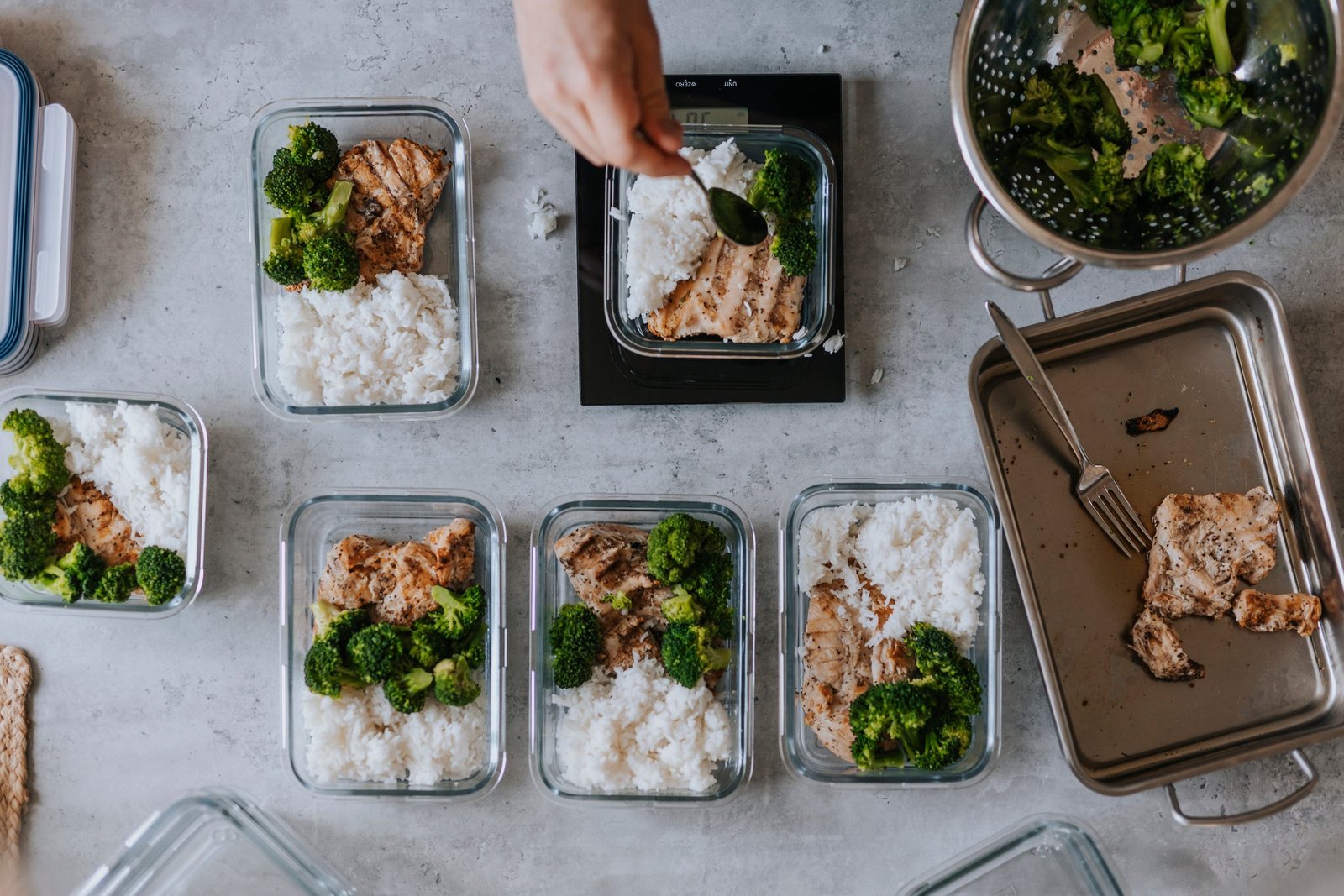
Meal preparation can remove a logistical problem without requiring a fasting rule. Cooking a batch of rice, portioning a protein source and taking lunch to work gives you something concrete to eat when the day changes. An eight-hour window is optional; being able to follow the food plan is the more useful test.
2. Separate body-weight changes from muscle-growth claims
Fat-free mass is everything classified outside fat mass, rather than a direct measurement of new contractile muscle. The trial did not directly measure muscle size with ultrasound. That distinction matters when a headline translates a change in body composition into an exact amount of muscle gained.
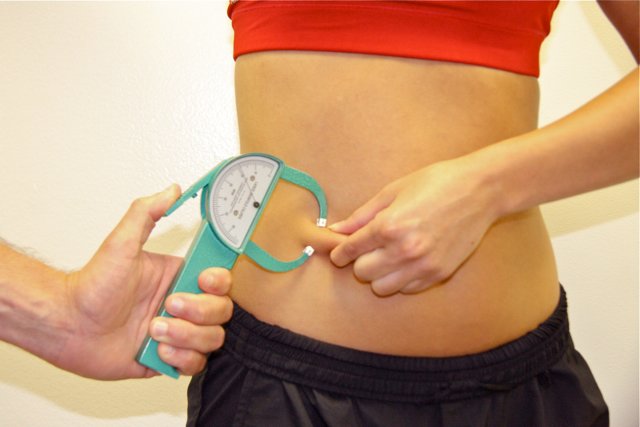
Different tools also answer different questions. A skinfold caliper measures a fold of skin and underlying fat at a chosen site. A scale reports total weight. An impedance device estimates composition using its own measurement and prediction process. These readings can be useful, but their outputs should not be treated as interchangeable evidence that a particular muscle grew.
For a personal training log, choose a measurement routine you can repeat. Use similar conditions, note unusual circumstances and compare trends rather than attaching a story to every single reading. A progress photograph with a different pose, brighter overhead light and a post-workout pump creates another comparison problem. Keep those details consistent when you want the images to help assess change.
Faster weight gain also deserves scrutiny. A separate eight-week surplus experiment in trained lifters found that faster body-mass gain was more clearly associated with increased skinfold thickness than with additional strength or muscle-thickness gains. That does not provide one perfect surplus for everyone. It does give a reason to question the assumption that forcing more food always improves a bulk.
Write the goal beside the measurements. If you want a stronger squat and a modest change in physique, consider both. A rapidly rising scale number cannot tell you whether that combination is happening, and a single favourable composition estimate should not overrule a month of stalled training.
3. Protect the quality of the sessions you are trying to fuel

Meal timing becomes relevant when it affects the session in front of you. Established sports-nutrition guidance treats overall intake as a priority while recognising that food around exercise can support recovery and performance. The value of a post-training meal also depends partly on what was eaten beforehand. There is little reason to turn every workout into an emergency countdown to a shake.
Start with your existing program rather than adding a harder split to test a new eating schedule. Keep exercise order, rest periods and working sets reasonably stable. Progression should follow your ability to complete the intended workload with sound technique, rather than a decision that a bulking phase requires a new personal record every week.
A useful comparison might be the same squat session on two ordinary weeks. Record the working weight, completed repetitions, rest periods and how close the sets felt to your limit. Note whether you shortened the session or skipped accessories. Those details make a weak afternoon more interpretable than a vague entry saying that fasting felt bad.
Check obvious alternatives before blaming one meal. Poor sleep, illness, a rushed warm-up or a heavier preceding workout can all make the comparison less clean. If the same problem keeps appearing around a particular timetable, move the training session or widen the eating window and observe what changes. There is no obligation to keep an inconvenient schedule simply because you announced it at the start of the month.
Equipment should help preserve a repeatable session. A suitable rack, correctly positioned safeties, a stable bench and manageable weight increments serve that purpose. A wearable or smart scale may add observations, but it cannot decide whether your next set is safe or prove that a meal schedule caused a performance change.

Equipment Worth Exploring
Explore equipment, accessories and gear from our carefully selected range.





Competition Plates
Competition-style bumper plates for Olympic lifts and loaded strength training.

GymPin Squat Wedges
Non-slip 15-degree squat wedges help elevate the heels for deeper quad-focused squats.

Safety Squat Handles
Barbell squat handles that reduce shoulder positioning demands during high-bar squats.

4. Build a food plan before defending an eating window

Daily protein deserves attention before minute-by-minute timing. Broad guidance for healthy exercising adults commonly places sufficient intake around 1.4–2.0 grams per kilogram daily, with individual circumstances affecting the choice. The higher intake used in a particular experiment is a study condition, not proof that everyone needs to copy it.
Protein can come from ordinary meals, and a supplement is a convenience rather than a requirement. Think about where a meaningful protein source fits at each meal you intend to eat. Depending on preference, that might be dairy, eggs, meat, fish, soy or legumes. Check the actual food label and portion instead of assuming that a breakfast described as healthy supplies the amount you planned.
Protein distribution is another practical consideration. Guidance often suggests spreading useful servings across the day, approximately every three to four hours, while recognising that total intake remains central. A shorter window reduces the room for that spacing. It does not make protein in a larger meal disappear, but it may make the routine less comfortable or harder to organise.
For illustration, an afternoon training session could sit between a substantial lunch and an evening meal, with a snack where it helps the daily plan. A yogurt bowl with fruit is one possible snack; its protein content depends on the yogurt and quantity chosen. The example is a planning exercise, not a fixed menu or a claim that those exact foods produce better gains.
Leave room for ordinary life. If dinner with your partner falls outside an arbitrary cutoff, moving the cutoff may be the sensible adjustment. If rushing a large final meal disrupts your evening, reconsider its size or timing. The food plan should be understandable without a daily argument about whether a slightly late spoonful ruined the whole day.

Bodybuilding Shirts & Workout Gear
Bodybuilding shirts, tanks and gym gear for lifters chasing muscle, size, symmetry and the pump.

Bro – Powered By Rice Chicken Broccoli Meme Top & T-Shirt
Make gym days more fun with “Gym Bro” style.

Bulking Season Bulk T-Shirt
Heavy lifts, good laughs, and a little “Bulking Season” energy.

Eat Big Lift Big Get Big Bulking Season Pizza Meme Hoodie
Make your off-duty look more fun with “Eat Big Lift Big Get Big”.


Shirt – Brotein Shake – Meme & Gains – & Gymbros Top T-Shirt
Heavy lifts, good laughs, and a little “Brotein Shake” energy.


Weights & Protein Shakes Tee
Bring “Heavy Weights and Protein Shakes” humor to your next gym day.

Protein Shaker Bottle Graphic : Shirt For Protein Lover T-Shirt
Bring “Protein Shaker Bottle Graphic” humor to your next gym day.

Protein Gym Cosmic Crewneck , Macros Workout T-Shirt
Show some gym-day personality with “Protein”.

Protein Power Cereal Tee
Heavy lifts, good laughs, and a little “Protein Power Cereal” energy.
5. Use a short review to decide whether the routine earns its place
Choose a review date before you start changing the timetable. Two weeks can be a useful organisational check: long enough to encounter workdays and a weekend, while short enough to catch an impractical routine. It is not a valid experiment for proving muscle growth or establishing that your approach outperforms another person’s.
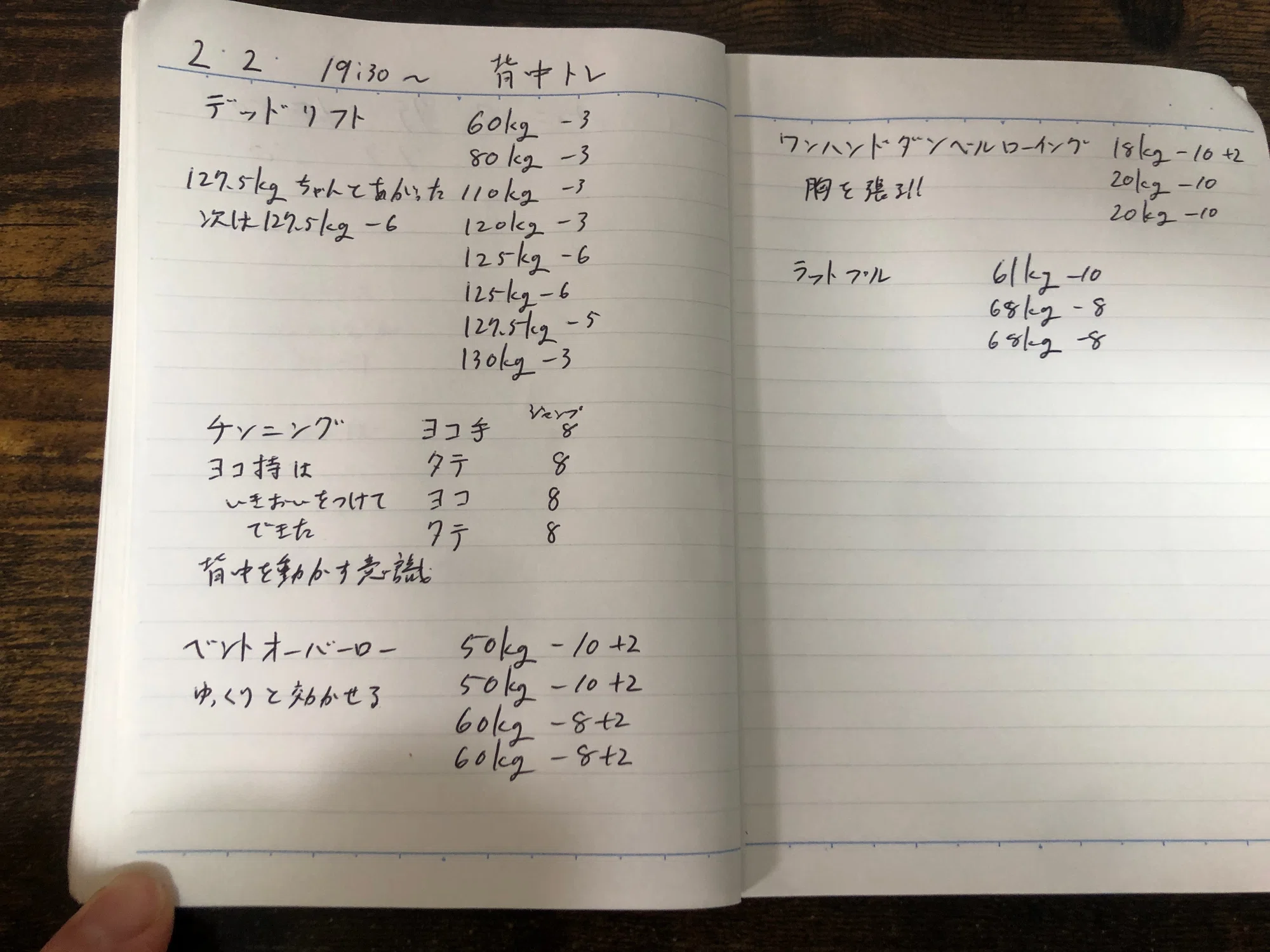
Keep the notes brief. Record the approximate eating window, whether the planned meals happened, training performance and a simple description of energy and digestive comfort. Add relevant disruptions such as travel or a missed night’s sleep. A log that takes less effort is more likely to contain a normal week rather than only your most disciplined days.
At the review, ask three concrete questions. Did you regularly manage the food you intended to eat? Did the main workouts remain productive? Did the schedule make the week easier? A clear yes to all three gives you a practical reason to continue observing it. Repeatedly missing meals or compressing dinner into an uncomfortable rush gives you a reason to adjust.
Make one useful change at a time where possible. You might move the first meal earlier, allow a wider interval or train at a different hour. Keep the rest of the routine familiar enough to understand the result. Avoid compensating for a difficult schedule with a stack of new supplements, extra conditioning and a completely different lifting program.
The strongest routine is one you can explain plainly: these are my meals, this is my training, and these are the observations that tell me when to change something. An eating window can be part of that routine. It should earn its place through convenience and dependable execution, rather than become a rule that overrides the reasons you started bulking.