Advertising disclosure: This page includes affiliate product links that may earn us a commission, as well as products from our own store.
Weighted Step-Ups: Box Height, Knee Control and a Six-Week Leg Plan
A step-up seems straightforward until you try to make every repetition equally demanding. Raise the box and the movement can become a different exercise. Push hard with the foot still on the floor and the elevated leg does less work than your workout log suggests. Add heavy dumbbells before mastering the motion and balance becomes the limiting factor.
Weighted step-ups can develop quads, glutes and single-leg coordination, but the useful training stimulus comes from repeatable range, a stable platform and controlled effort. Here is how to pick a height, perform clean reps and gradually add load without turning the movement into a jump.
1. Find a box height and surface you can actually control
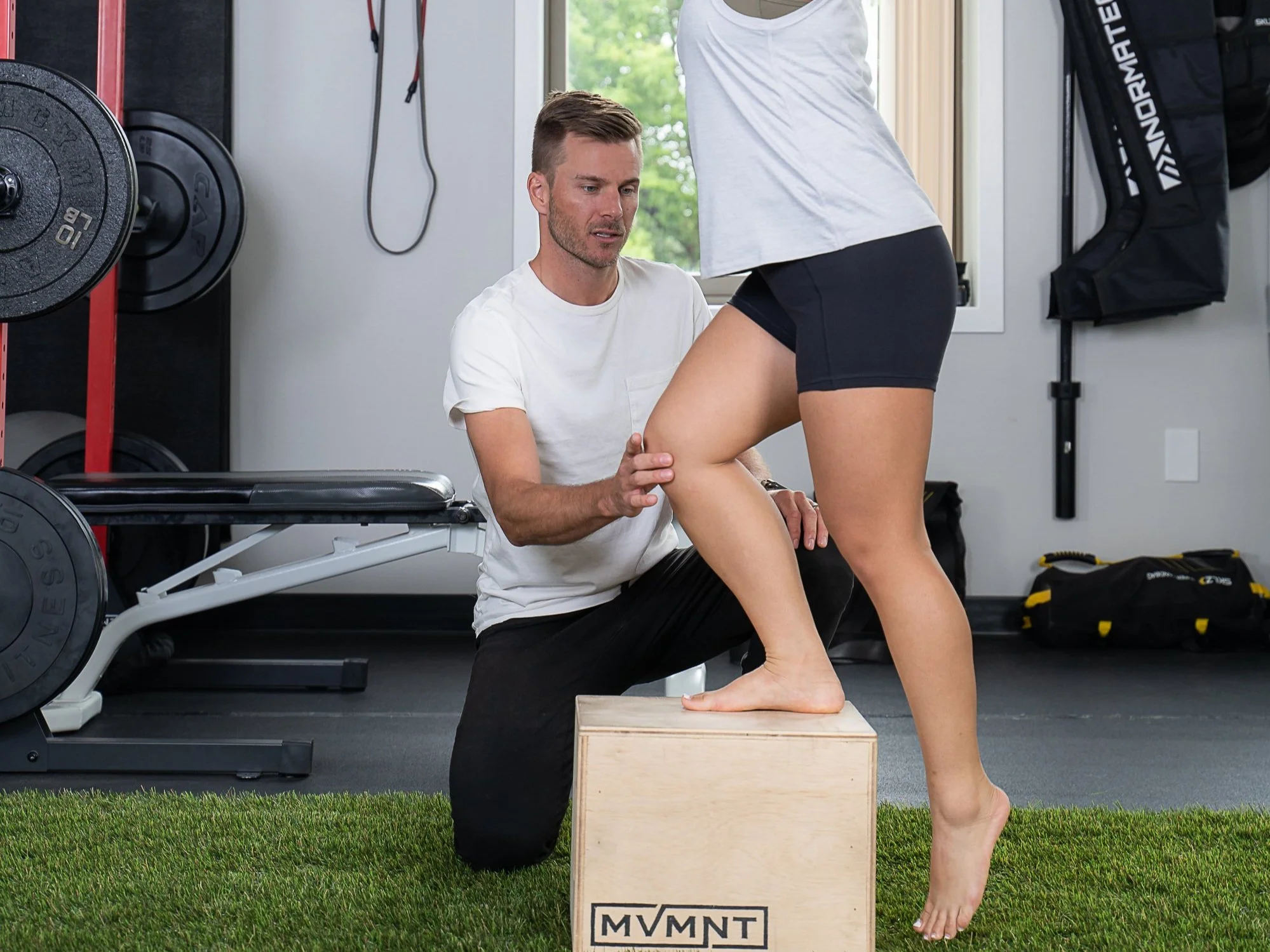
Choose a solid step or box designed to support someone climbing onto it. Check its rated load, foot space and stability before training; a weight bench is not automatically intended to be used as a step-up platform. Place it where you have enough clear floor to step backward without colliding with a rack, weights or another person. Avoid makeshift towers of loose plates or a narrow bench that shifts when you move.
Start below knee height if you are learning, or around knee height if you can already manage the position. Put the entire lead foot on the surface, heel included. Your lead knee and hip should bend without forcing a sideways twist, excessive spine rounding or a sharp push from the trailing toes. Leg length, strength and mobility matter more than matching someone else’s box height in a video.
Run three bodyweight trial reps per side. If the rear foot needs to spring upward, your front heel comes off the edge, or you cannot step down quietly, lower the height. Mark or record the exact setting. A 40 cm step-up performed with clean control is not directly comparable with a rep done at 55 cm, even with the same dumbbells. As you progress, keep the height constant long enough to see whether strength or technique is actually improving.
2. Make the lead leg lift you instead of bouncing from the floor
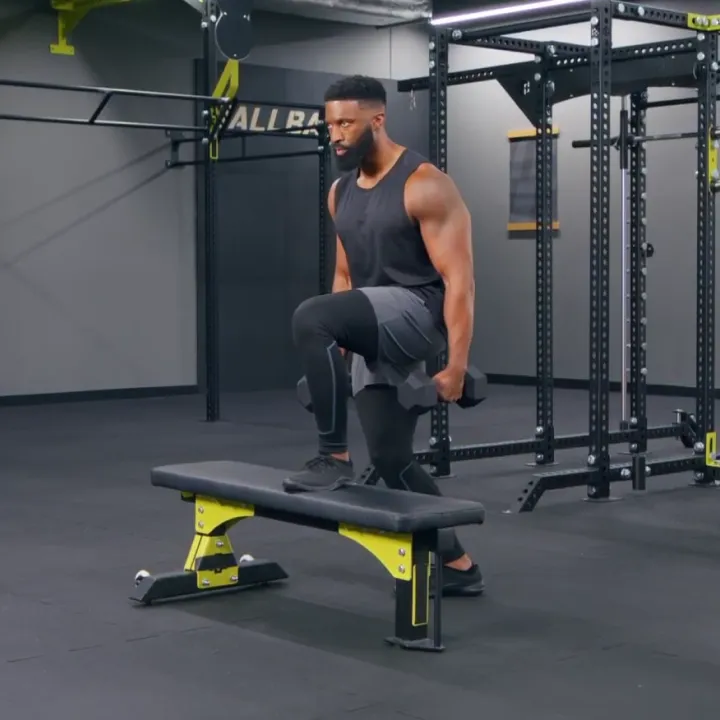
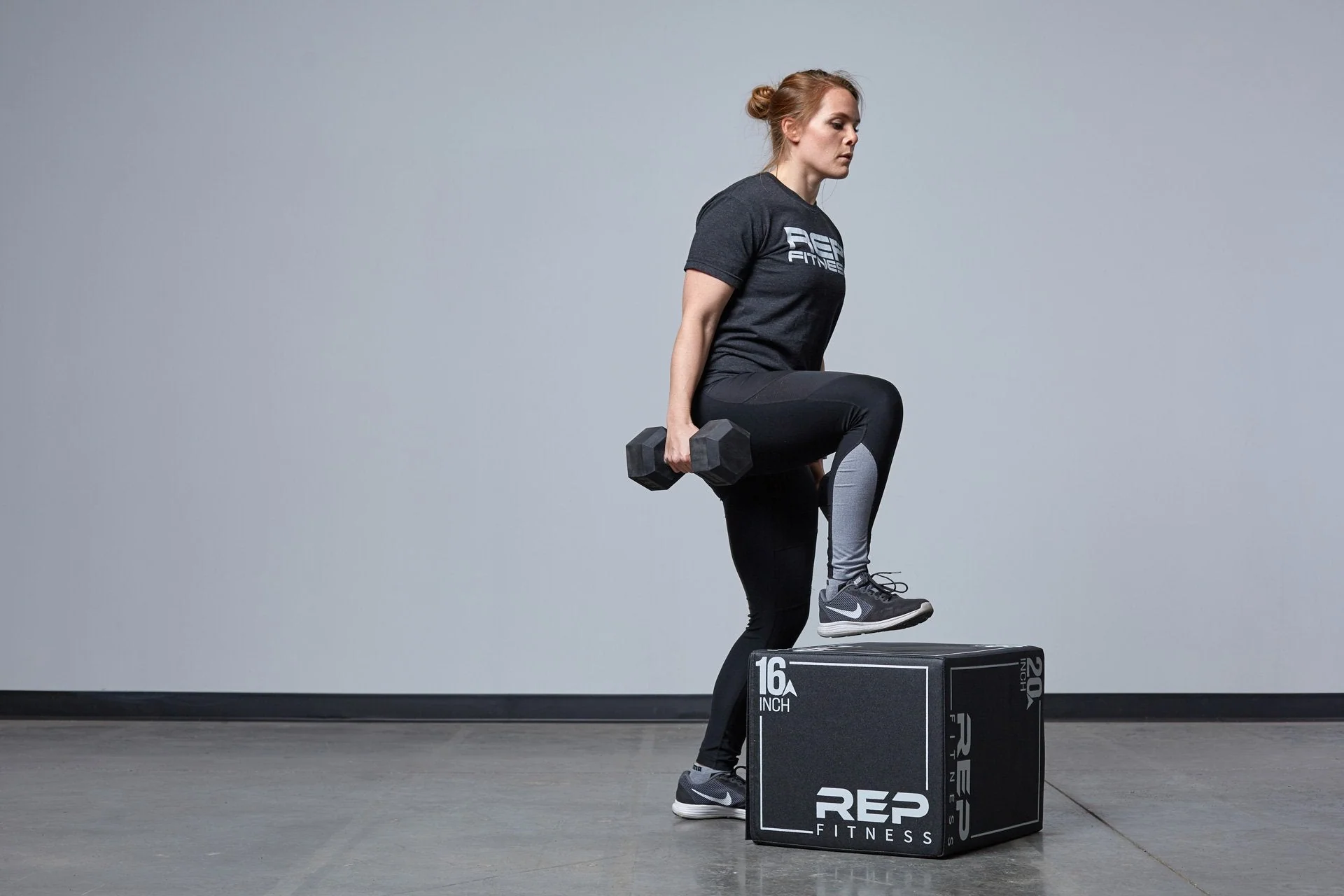
Face the platform with a comfortable stance and put the whole working foot on top. Brace gently, look ahead and lean forward only as much as your proportions require. Press through the entire lead foot to rise, letting the back leg gradually become light. Keep the knee moving roughly in line with the foot instead of allowing it to collapse abruptly inward.
The trailing foot is the easiest place to cheat a rep. It can create significant upward momentum just before it leaves the ground. Reduce that assist by shifting more weight onto the raised leg before you push. A slight balance contribution is normal while learning, but do not label a heavy floor-leg launch as a stronger step-up. If you need the jump, lower the platform or the dumbbells and reset.
At the top, extend the lead knee and hip until you stand tall, without violently locking the leg or arching your back. Decide whether the free foot will lightly meet the standing foot on the platform or hover. Either can work, but switching methods mid-set changes the difficulty. Move with deliberate rhythm, not an explosive bounce, and keep the same foot placement for your weaker and stronger sides. For the first few workouts, stopping each rep at a stable top position is often more valuable than squeezing out extra repetitions.

Equipment Worth Exploring
Explore equipment, accessories and gear from our carefully selected range.


Rubber Hex Dumbbells
Rubber-coated hex dumbbell pairs with a stable shape for home and commercial strength training.


Cast Iron Kettlebells
Textured cast-iron kettlebells for swings, squats, carries, and full-body training.


Grip Plates
Rubber-coated weight plates with handholds for loading barbells and machines.
3. Own the step-down and watch the working knee
Begin the descent by bending the lead knee and hip while the other foot reaches toward the floor. Set the trailing foot down softly rather than dropping into it. A roughly two-second descent is a useful cue; it is not a scientific rule that every lifter needs the same tempo. The goal is to stay in control all the way to contact, even near the end of a challenging set.
Some forward knee travel is natural. The knee does not need to remain vertically over the ankle, and a modest torso lean can be appropriate. What matters is that you are not suddenly twisting, sharply collapsing inward or losing balance. Keep the pelvis as level as you reasonably can. If one side struggles, lower your rep target to the number you can execute equally well on both sides.
Common warning signs include an audible stomp on each landing, moving the box farther away as fatigue increases, and leaning to one side to clear the edge. These often indicate too much height, weight or fatigue. Reduce one variable and retest rather than rehearsing the problem at full load. If a particular knee, hip or ankle position causes pain, choose a lower height or alternative movement instead of repeatedly forcing painful reps.

Leg Day Shirts & Workout Gear
Leg-day gym shirts and workout gear for lifters who never skip squats, lunges and lower-body punishment.


Thicc Booty Energy – , & Meme Lovers – T-Shirt
Rep “Thicc Booty Energy” humor in and out of the gym.

Mermaid Leg Day Strong Meme Athletic Shirt Tank Top
Add some leg-day attitude to training with “Mermaid Leg Day”.

Bunny Cutie With A Booty Vest Squats Meme Tank Top
Your gym-day look, with a playful “Gym Bunny” twist.

Big Heart Bigger Ass & Leg Day Meme Hoodie
Make your off-duty look more fun with “Big Heart Bigger Ass”.

Leg Day Gains Gym | LEGO Workout Decal For Water Bottle Sticker
Put “Leg Day Gains” gym humor on your laptop, bottle, or gym gear.

I Love Squats Gym | Valentine's Workout Pullover with F T-Shirt
For laid-back days and leg-day humor: “I Love Squats”.

Juicy Booty Booty Builder Sweater Big Booty Gains & T-Shirt
Keep things casual with a little “Juicy Booty” attitude.

I Love Thicc Girls Funny Valentine's Gym – Thicc Thighs Hoodie
Keep it laid-back with a little “I Love Thicc Girls Funny Valentine's” attitude.

Leg Day No Thanks – Skip Legday Meme , Squats & T-Shirt
Heavy lifts, good laughs, and a little “Leg Day No Thanks” energy.
4. Add dumbbells, kettlebells or a vest without changing the movement
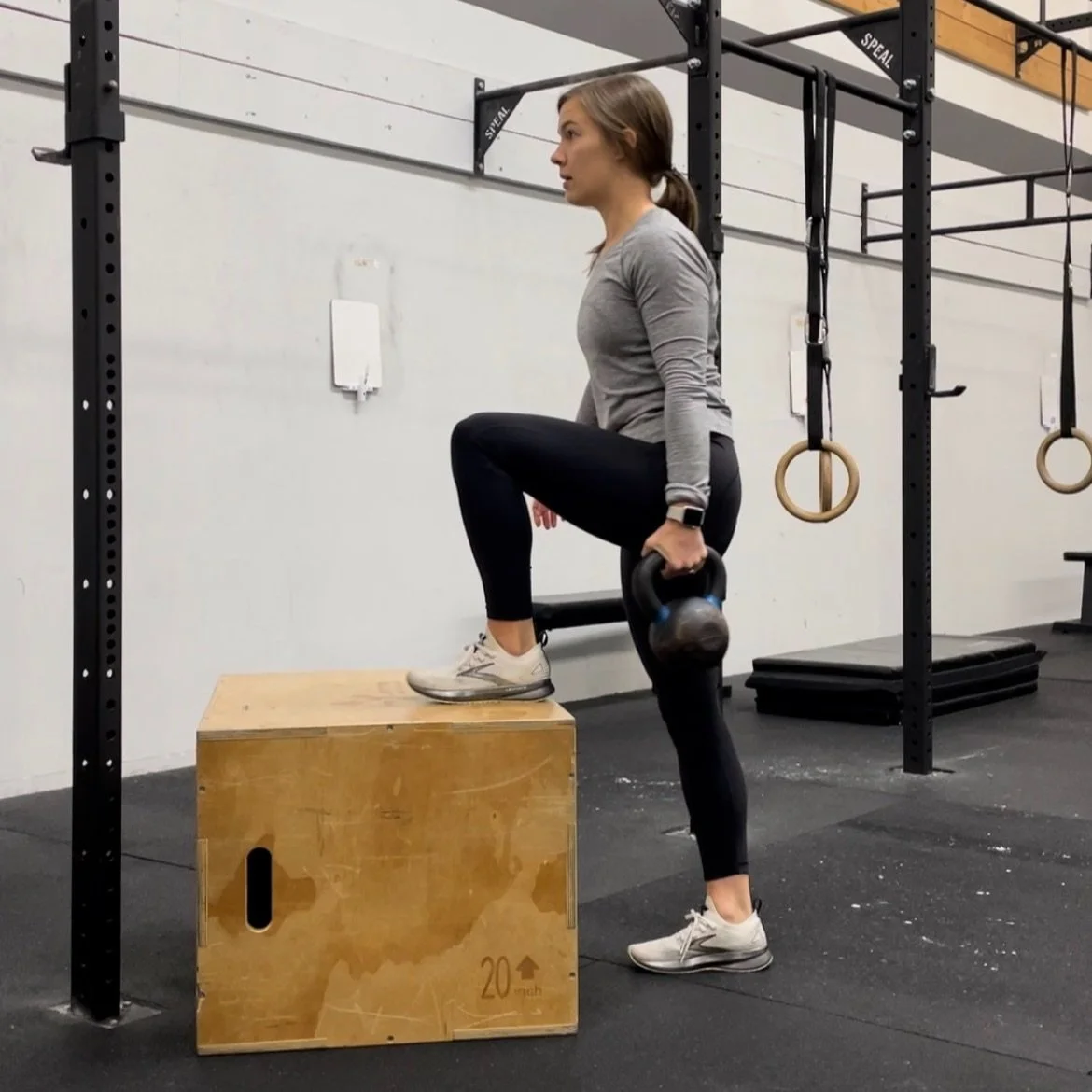
Bodyweight is a real starting variation, not a failed weighted set. Once both sides feel predictable, hold a pair of light dumbbells at your sides. The lower hand position often feels easier to balance than a loaded barbell across the shoulders. Keep your wrists neutral, arms relaxed and upper body steady; avoid swinging the weights to create extra momentum.
One kettlebell in a suitcase hold increases the challenge to resist side bending. That is useful when done deliberately, but it makes the set less directly comparable with two equal dumbbells. A properly secured weighted vest may help when grip is tiring before the legs. In all cases, check equipment fastenings and keep the stepping surface suitable for the combined bodyweight and external load.
Barbell step-ups can work, but require more skill, setup and a clear bailout area. Use secure collars, an appropriately sized box and loading that you can step down with safely. If you cannot safely access the platform and return the bar to its supports, the variation is not worth forcing. A slightly lighter, clean dumbbell set generally tells you more about your current step-up ability than a heavier barbell set driven mostly by momentum.
Maintain the same footwear, box height, lead-foot position and lowering pace across sessions. When added weight causes obvious floor-leg push or balance corrections, the old load is still doing its job. The product examples below offer loading and platform-related options; always verify that a particular bench or platform manufacturer permits stepping onto it before use.
5. Progress for six weeks while keeping the setup repeatable
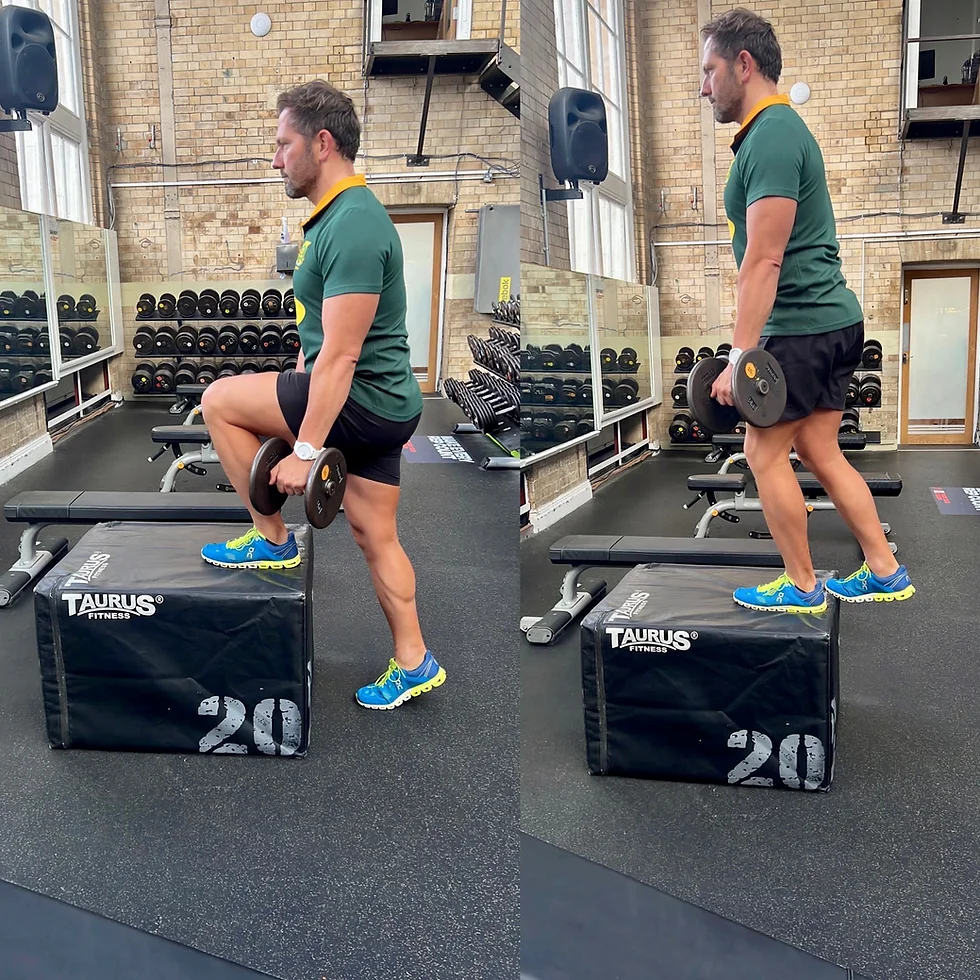
Place step-ups after your heavier squat or hinge work, or on a different lower-body day. Start with two work sets of eight reps per leg. Rest about 60–120 seconds as needed and keep roughly two or three good reps in reserve. Record the platform height, dumbbell weight and whether the trailing leg touched the floor between repetitions.
Weeks 1–2: perform two sets of 8–10 per leg with bodyweight or light dumbbells. Make the same foot placement, top position and quiet step-down repeatable. If balance fails, use a lower box rather than adding extra weight.
Weeks 3–4: work toward three sets of 8–10 per leg at that same platform height. Add repetitions first. Once all reps look similar and both sides remain under control, add the smallest sensible dumbbell increment without changing the execution.
Weeks 5–6: progress toward three sets of 10–12 per leg. Maintain slow, controlled lowering and minimal push from the floor. A strength-focused lifter can opt for fewer reps and longer rest, provided the load does not overwhelm balance or cause an unsafe step-down. If the wider leg workout already includes multiple demanding single-leg exercises, start with fewer sets and monitor soreness and recovery.
Suppose you perform three sets of ten per side carrying two 12 kg dumbbells. Better progress may first mean that every rep reaches the same top position and lands softly. Only then consider two 14 kg dumbbells. Box height belongs in your training log just like weights and reps. If climbing onto a stable platform remains awkward, reverse lunges or split squats offer related unilateral leg work without the elevated step; log them as separate exercises rather than pretending their numbers are interchangeable.
For lifters trying to track side-to-side differences, train the less confident leg first and let its clean-rep count establish the target for the other leg. You can film the first and final working sets from a consistent angle to compare body position, foot pressure and landing speed. If a new weight makes the lead heel lift, the box wobble or the rear foot drive harder, repeat the previous weight and refine those details before pursuing another increment. There is no prize for turning a measured exercise into an improvised balance test.
Equipment Worth Exploring
Explore equipment, accessories and gear from our carefully selected range.


FID Bench MAX
Adjustable bench offering flat, incline, and decline positions + adjustable headrest.


Multi Bench MBX-650 2.0
Adjustable multi-bench with roller adjustment, 15 backrest positions and accessory mounts.

Foldable Wall Rack
Wall-mounted folding squat rack designed to save floor space between workouts.


Competition Plates
Competition-style bumper plates for Olympic lifts and loaded strength training.

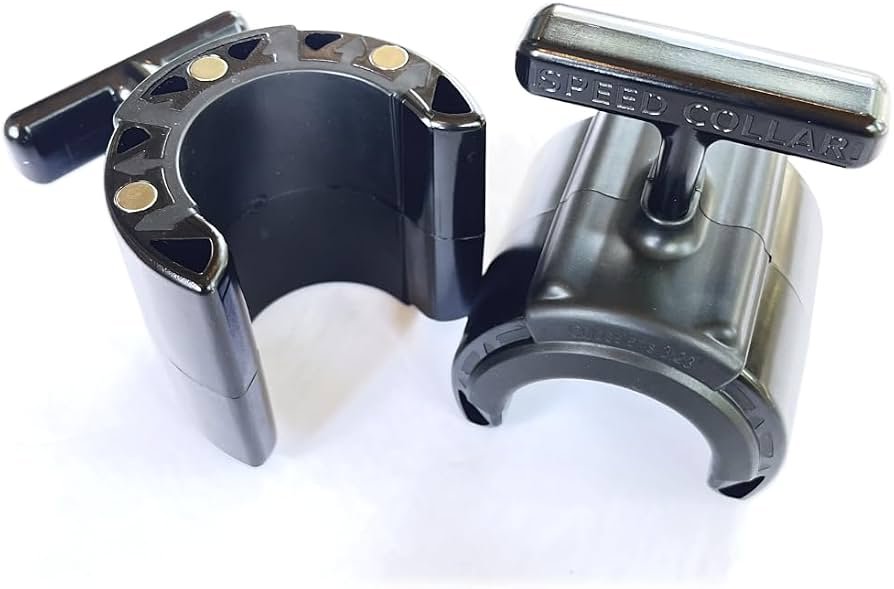
Speed Collar
Quick-release collars designed to secure weight plates on standard two-inch Olympic bars.