Advertising disclosure: This page includes affiliate product links that may earn us a commission, as well as products from our own store.
Kensui Swissies V2 MAX: Palm Support, Bar Fit and Cable Setup
Kensui Swissies V2 MAX turns a suitable straight bar into two independently positioned neutral-grip handles. The feature that distinguishes MAX is the fin beneath each grip, giving the palm another contact surface alongside the fingers. That makes it a different handle shape to evaluate, rather than an automatic upgrade for every pull-up or rowing setup.
The useful buying question is specific: does this grip solve a problem in equipment you already use? Check how your hands meet the fin, how the hooks sit on your bar and how the attachment connects to your cable station. This is a practical fit-and-use checklist, not a hands-on performance verdict or a promise that changing handles will cure uncomfortable pulling.
1. Decide whether the palm fin suits your grip
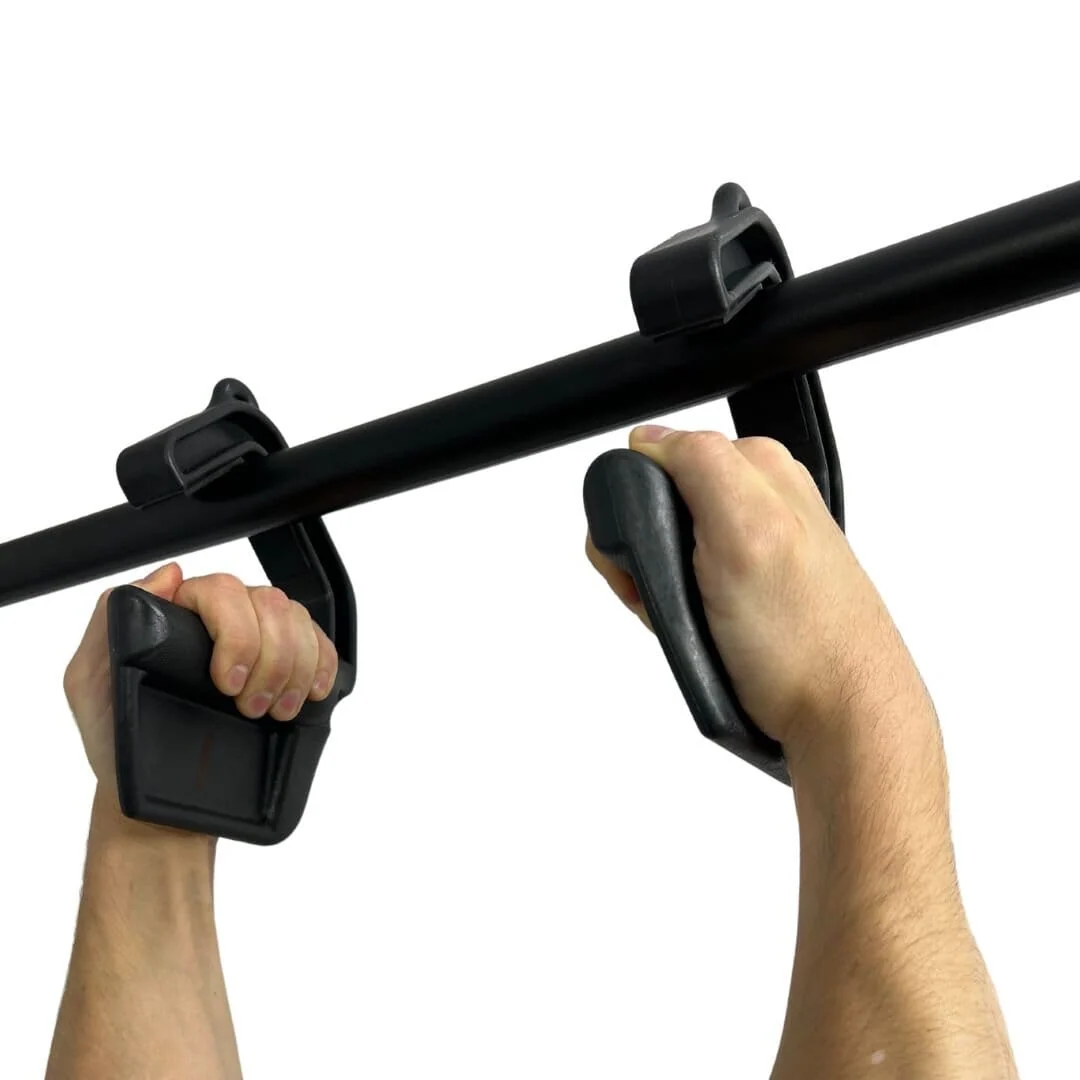
The standard V2 MAX uses a neutral hand orientation, with the palms facing one another during a typical pull-up. Its broad fin extends below the handle. The current model uses nylon-fiberglass construction and protective rubber at the hook. Those specifications describe the product; they do not tell you in advance how its contact points will feel in your hands.
When evaluating the shape, pay attention to where the fingers wrap and where the palm rests. You still need a secure hold. A broad support surface is not permission to let your fingers open while hanging. Hand size, preferred wrist position and the direction of the pull can change whether the fin feels helpful, unobtrusive or awkward.
Keep the exact variant clear when comparing listings. V2 MAX is the neutral option; the P and S MAX versions use different hand orientations. A purchase based only on the word MAX can therefore produce a different grip from the one you intended. Check the selected variant and the pictured handle before completing an order.
If you already like a conventional round handle, identify what you want to change before buying another one. Is the limitation finger fatigue, contact pressure, fixed spacing or simply the lack of a neutral grip on a particular bar? These are different problems. The fin may change contact pressure, but it does not automatically remove grip training from the exercise or increase the load you can control.
2. Inspect the whole bar setup before hanging
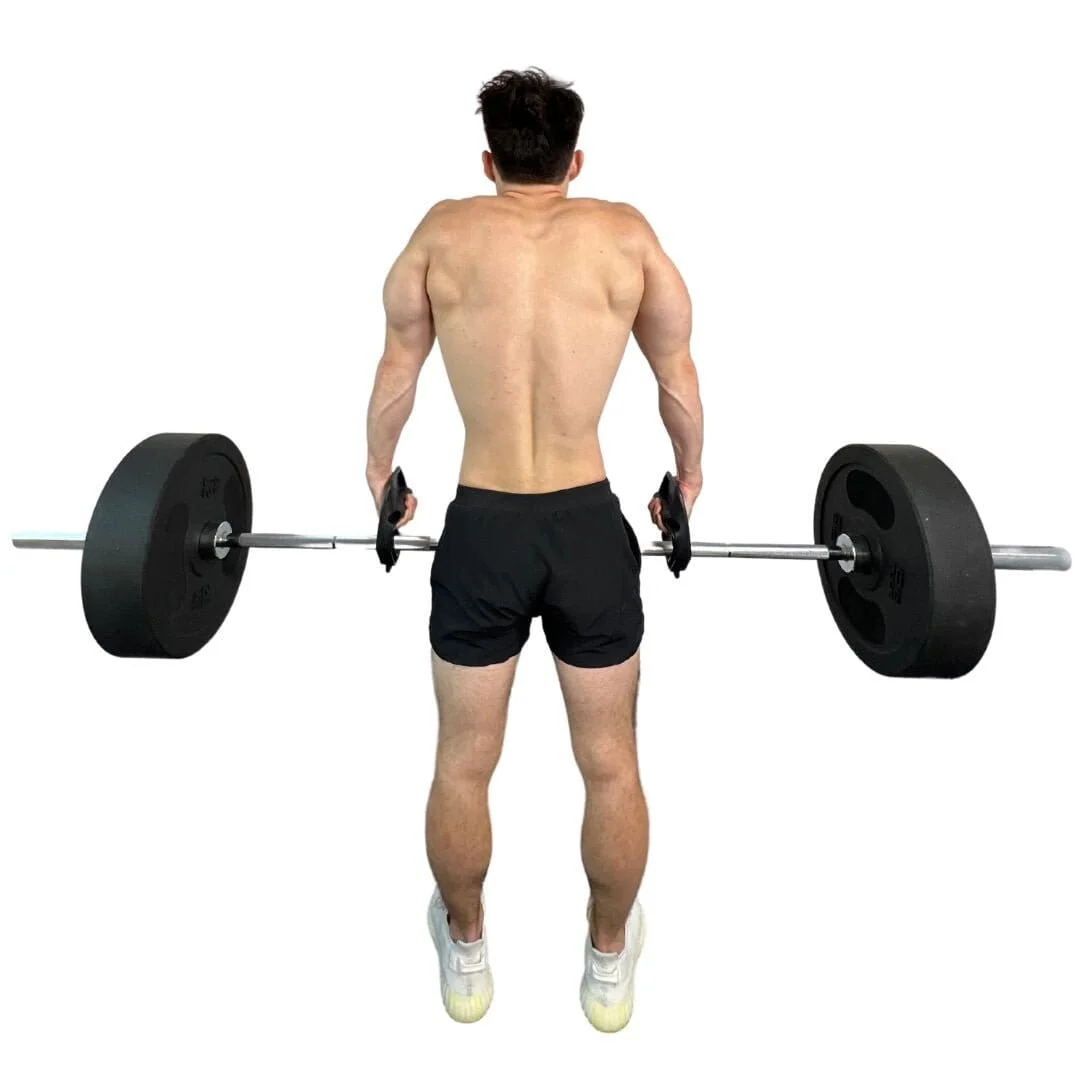
Place the handles on a compatible bar and check how each hook seats. The two handles can be positioned independently, so you can explore spacing without being restricted to a fixed pair of parallel bars. Choose a position that lets the hooks sit securely and leaves enough room for your hands and head throughout the movement.
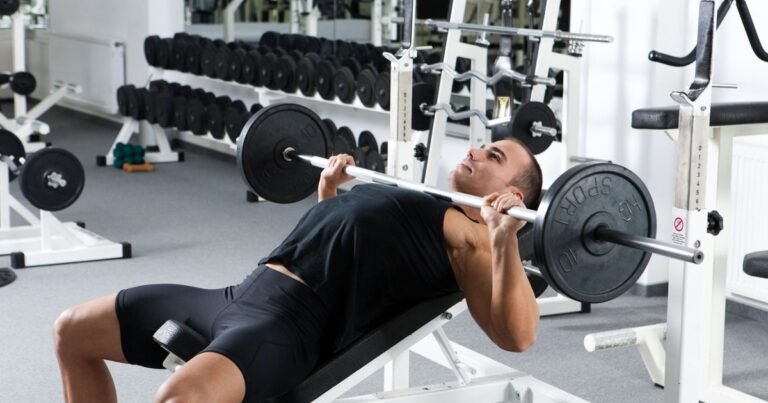
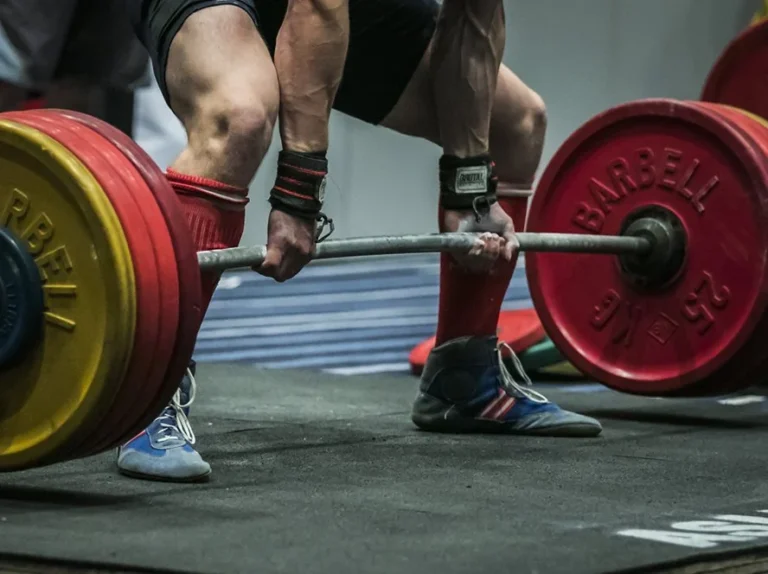
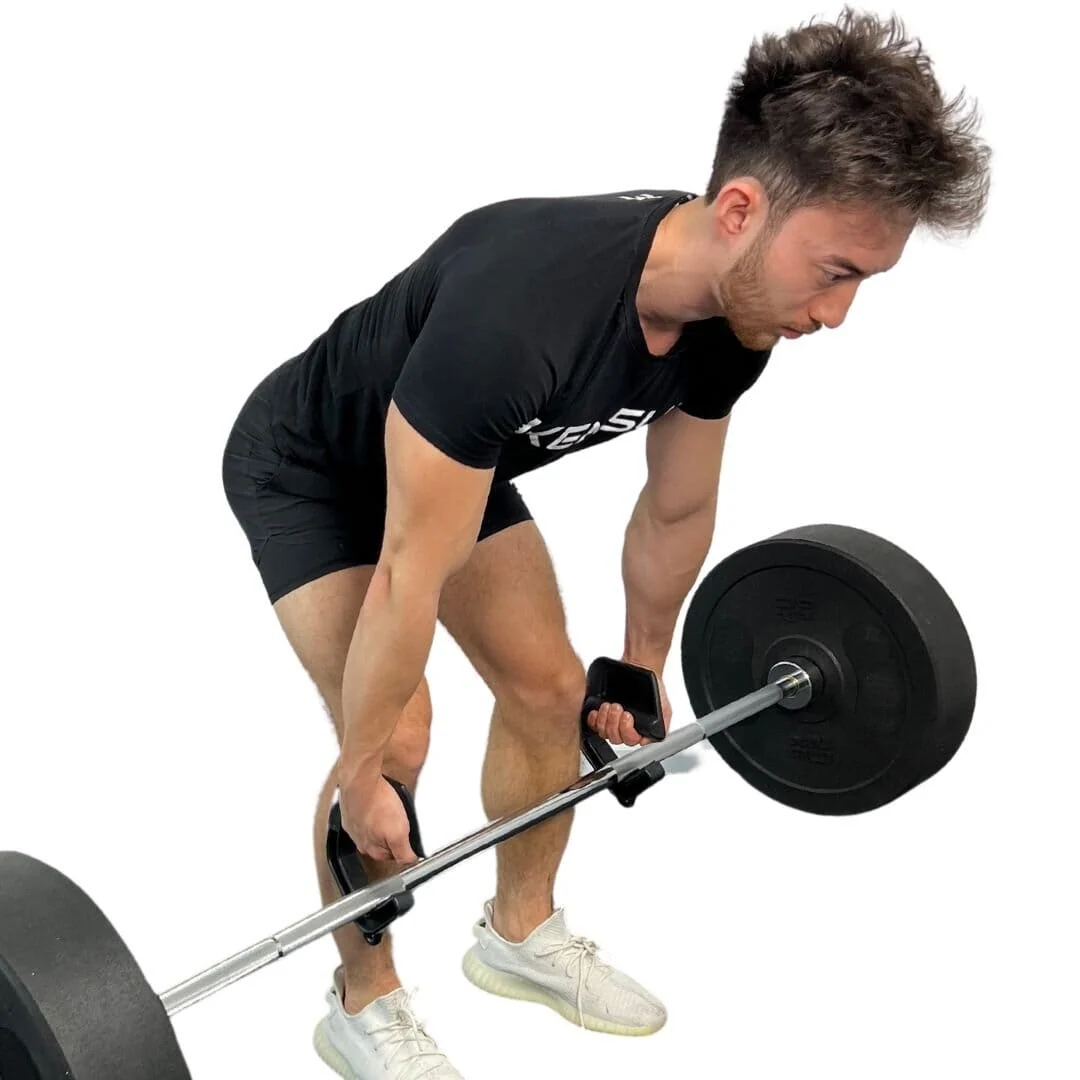
The photograph illustrates barbell use; it is not a demonstration of a rack’s mounting capacity. Confirm the setup for the particular exercise rather than assuming that one attachment method transfers unchanged to another.
Do not judge compatibility from a photograph of another person’s rack. Bar diameter, coating, bends, nearby welds and available straight sections can all matter. The V2 hook differs from the original design, so an older fit description should not be treated as a universal measurement for the current model. Confirm uncertain dimensions with the manufacturer before loading.
The supporting structure matters too. An attachment cannot raise the rated capacity of a doorway bar, rack or mounting system. Inspect the bar’s own installation and limits, then account for the combined task you intend to perform. A load-test claim about a handle is not a guarantee about everything holding it overhead.
Measure the usable straight section as well as the bar diameter. Note where the handles would sit relative to brackets and bends. Keep those measurements with your equipment notes so a future accessory purchase is based on the same actual setup.
Allow for the handles hanging below the original bar. Check head clearance at the top, space for the legs below and a controlled way to get into and out of position. A stable step can be more manageable than jumping to an unfamiliar grip. Start with a conservative supported check and stop if the hooks shift or the setup feels insecure.

Equipment Worth Exploring
Explore equipment, accessories and gear from our carefully selected range.


Foldable Wall Rack
Wall-mounted folding squat rack designed to save floor space between workouts.

Multi Pull Smith Rack MPHR-780
All-in-one rack with a Smith machine, functional trainer, lat pulldown and low row.


Leather Lifting Straps
Padded leather straps support grip during heavy rows, deadlifts and pulling exercises.
3. Treat the cable connection as its own setup
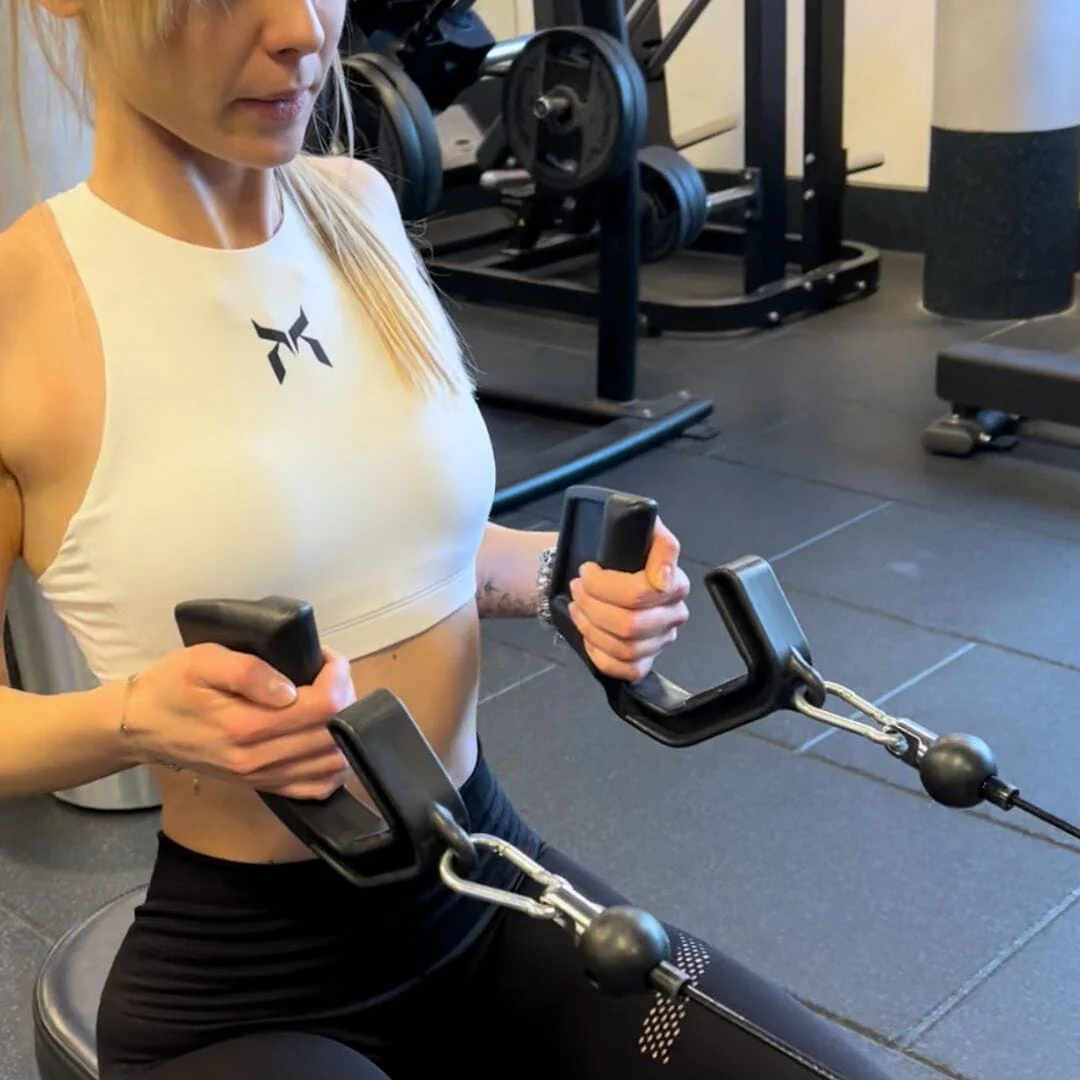
V2 models include an attachment eyelet for a suitable cable connection. That is a different interface from hooking over a bar. Use compatible connecting hardware and check how it sits through the eyelet, rather than improvising a link that loads a connector across its gate or forces the handle against another component.
Begin with a light setting and inspect the path through a complete controlled repetition. Can both hands move without the connectors colliding? Is there enough clearance for the wrists and forearms? Does the cable remain aligned with the intended exercise? A comfortable starting position does not prove the connection stays unobstructed at the finish.
One cable and two cables also create different arrangements. Independent handles do not mean every single-cable station can reproduce a dual-cable movement without additional approved hardware. Check what your station actually supports. Optional rotating accessories are separate items unless the specific bundle includes them; verify the contents rather than assuming every pictured component arrives together.
Compare the fin with your existing D-handles, angled grips or rowing attachment using a manageable load. Cable machines, wall-mounted lat towers and compact resistance units each have their own travel and connection requirements. Other handles can be useful alternatives, but their presence in an equipment list does not establish compatibility with this one. Avoid buying a whole station to solve a contact-shape preference you have not yet tested.
Equipment Worth Exploring
Explore equipment, accessories and gear from our carefully selected range.

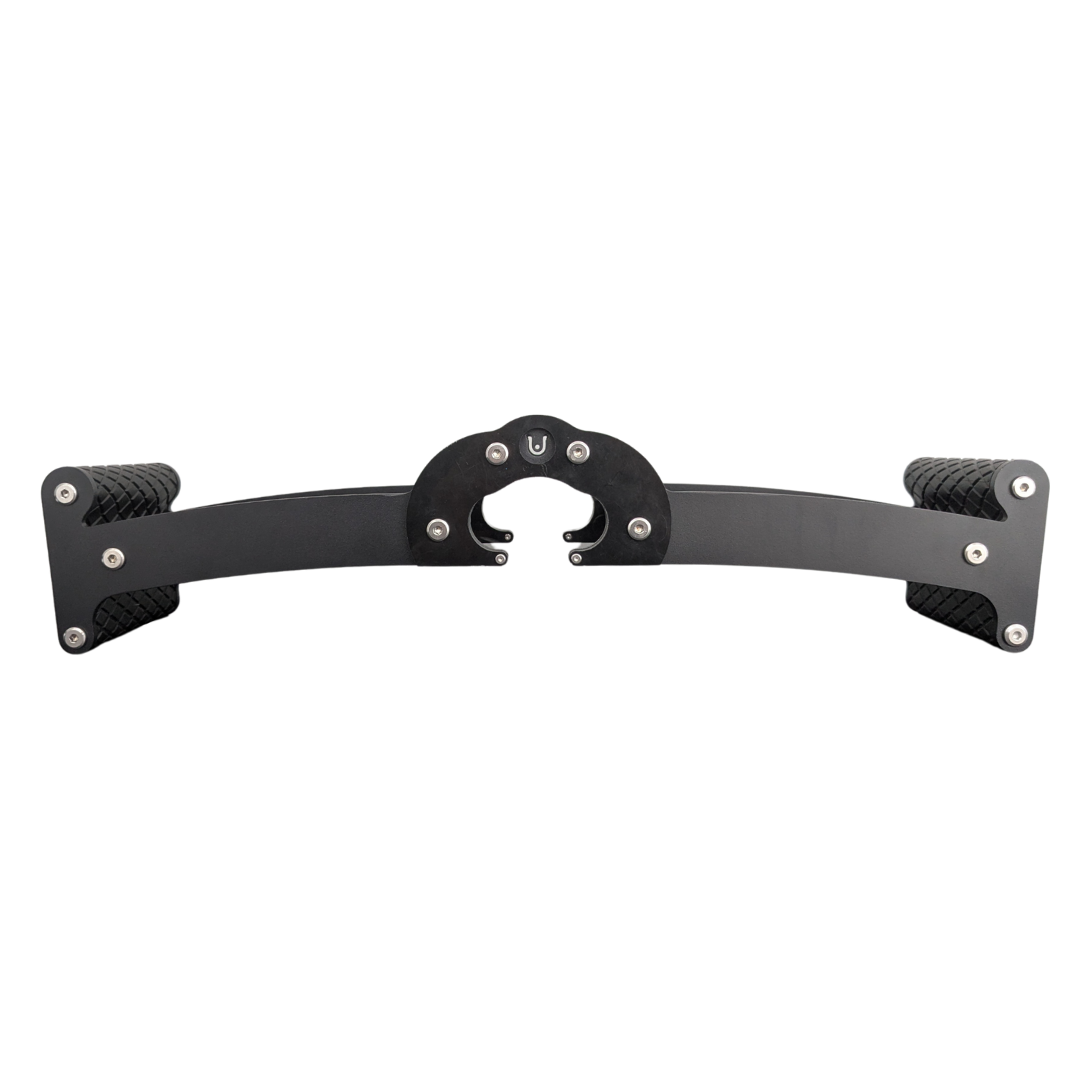
Back Bar
Multi-grip cable and landmine bar with a built-in deadlift jack.
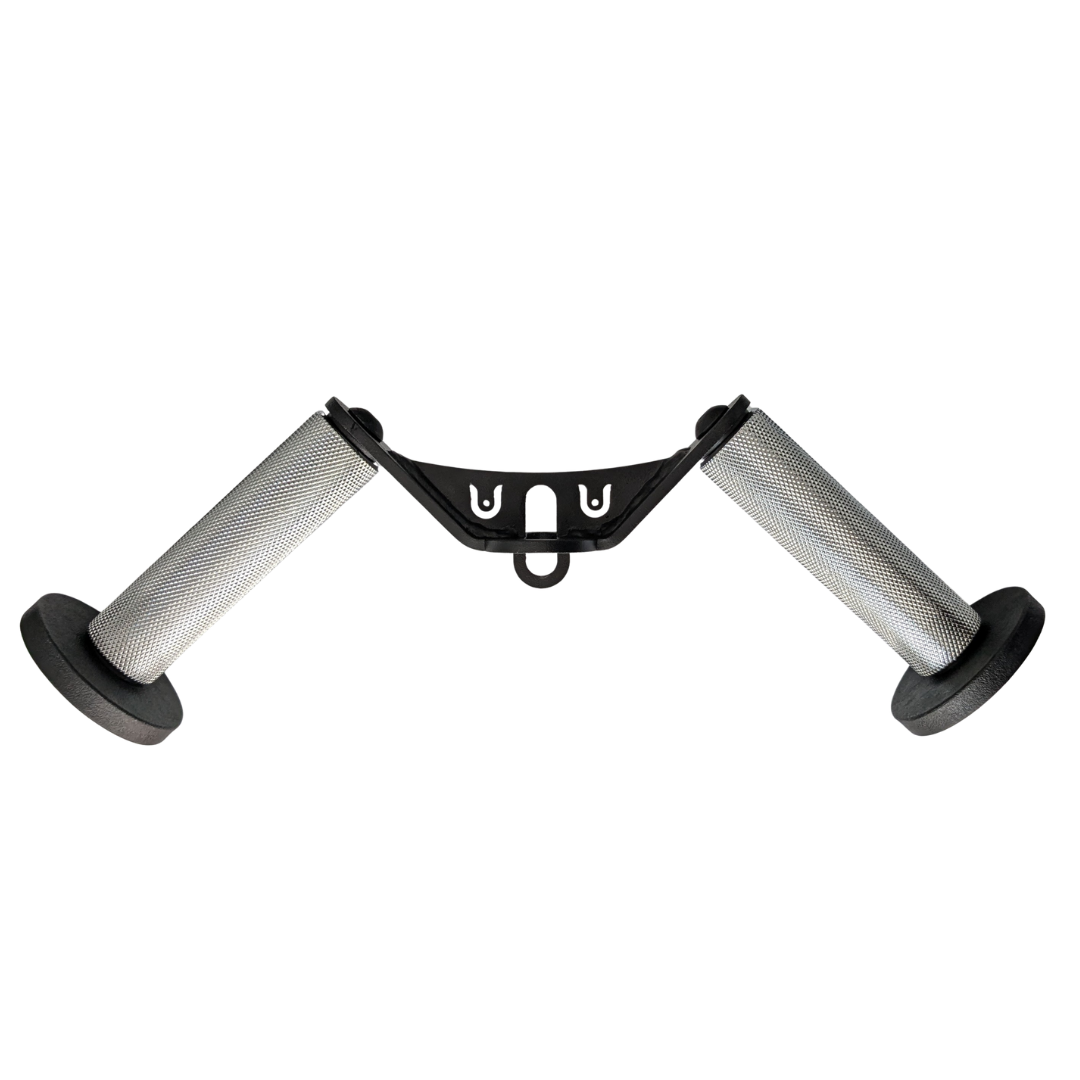
W Grip
Angled cable grip for comfortable rows, pushdowns, and curls.
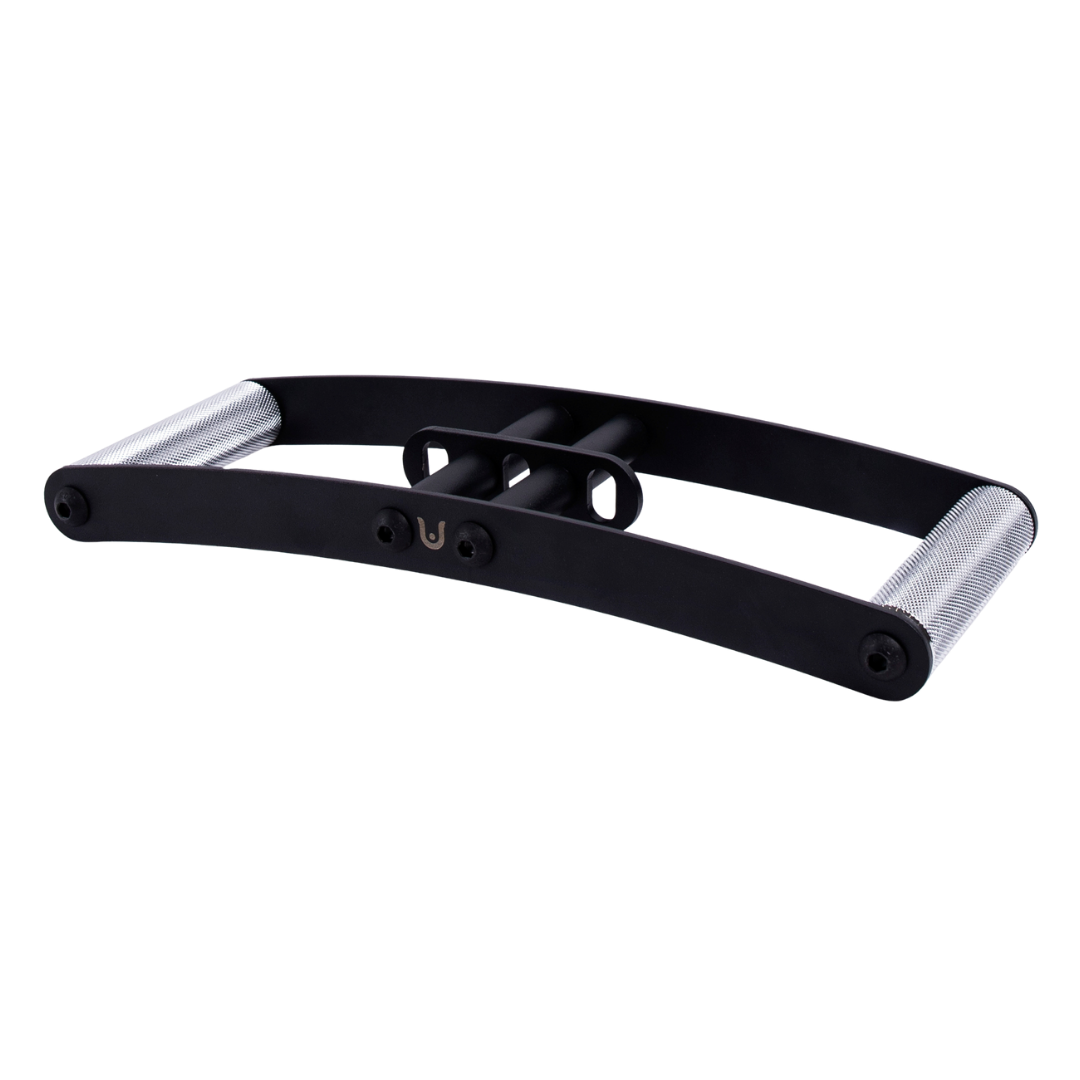
Horizon Grip
Ergonomic V-style cable grip for rows and back training.

GymPin Ergo Handles
Pair of ergonomic cable handles shaped for comfortable triceps and pulling exercises.

Angles 90 Grips
Flexible grip attachments that allow natural wrist movement during pulling exercises.

GymPin D Handle Bar
Multi-use steel D-handle bar for cable rows, pulldowns and other cable exercises.

GymPin Barbell Row Handle
Heavy-duty handle attachment for barbell, landmine and T-bar rows.

VForce Lat Tower
Wall-mounted cable tower with pivot arms and adjustable 1:1 or 2:1 pulley ratios.

Trinity Lat Machine LSW-850
Weight-stack pulldown tower offering three cable directions and adjustable seated support.
4. Compare pulling quality before comparing numbers
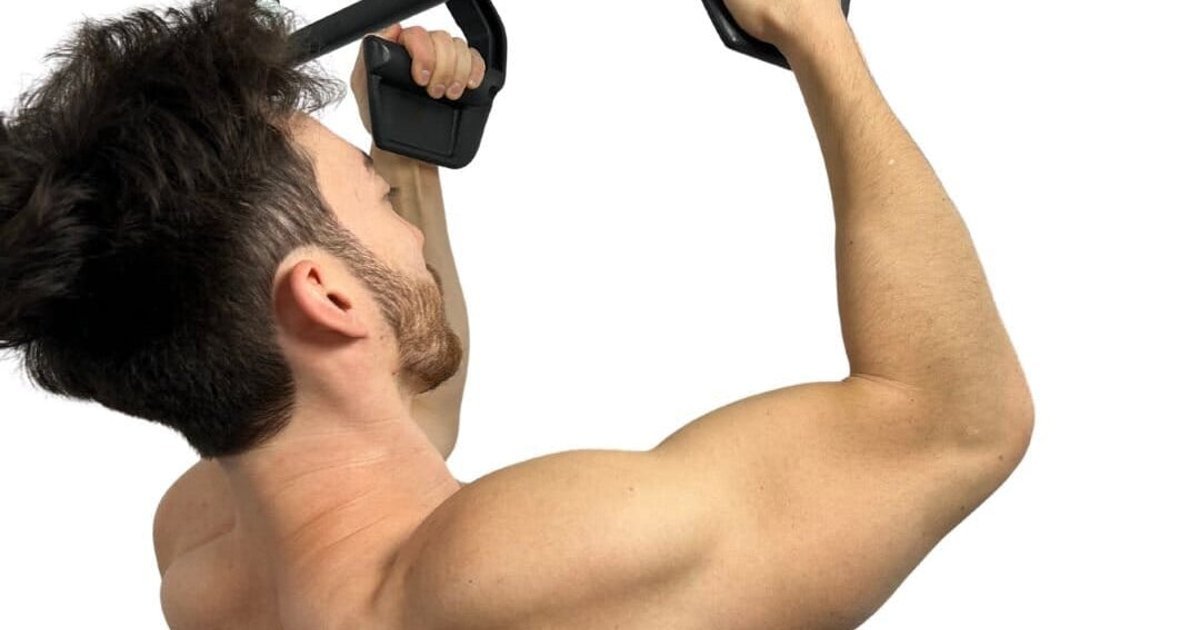
For a pull-up, choose a hand spacing you can control, stabilize your trunk and pull without turning the repetition into a swing. Lower deliberately rather than dropping into the bottom. The handle changes where and how you hold on; the work still requires coordinated movement at the shoulders and elbows.
A new hand position may change your comfortable range or your available repetitions. Keep separate notes for straight-bar, neutral-handle and other grip variations instead of treating their numbers as directly interchangeable. Record the handle spacing too. Otherwise, a narrower setup one week and a wider one the next can obscure what actually improved.
The same principle applies to rows. The photograph shows the handles used on a barbell, but that does not make every barbell-row configuration suitable. Check the intended attachment method and security before loading. With a supported or cable row, establish a repeatable torso position and finish rather than leaning farther back to claim another repetition.
For a simple comparison, choose one pulling exercise you already know and use a lighter familiar load. Observe hand contact, wrist position and the quality of several controlled repetitions. Change only the handle at first. Testing a new grip, a heavier load and a new exercise together makes it difficult to identify the cause of a better or worse session.
Pain is a reason to stop and reassess the movement, not evidence that the fin needs a longer break-in period. Likewise, more forearm effort does not automatically mean the handle is ineffective. Decide whether the exercise is intended to emphasize grip practice, back work or another task before judging the result.

Bodybuilding Shirts & Workout Gear
Bodybuilding shirts, tanks and gym gear for lifters chasing muscle, size, symmetry and the pump.

Pull Up Or Shut Up Crewneck Pullover Sweater for Calist T-Shirt
Keep things casual with a little “Pull Up Or Shut Up” attitude.

Always Pull Yourself Up Calisthenics Decal for Water Bo Sticker
A fun “Always Pull Yourself Up” touch for bottles, laptops, and lockers.

Pullups Heartbeat Tank
Train hard, laugh a little, and rep “Calisthenics Pullups Heartbeat”.


Shirt Pull Day – Back & Biceps Meme Top T-Shirt
Heavy lifts, good laughs, and a little “Pull Day Graphic” energy.


Funny Hardcore Gains Gym | No Pain No Gain Workout | Fi Hoodie
Keep it laid-back with a little “Hardcore Gains” attitude.

One More Rep Shirt: Motivational & T-Shirt
Make gym days more fun with “One More Rep” style.

The Only Difference Between Good And Great Is One T-Shirt
Bring “The Only Difference Between Good And Great” humor to your next gym day.
5. Buy for a clear use, then run a small trial
A strong use case is adding a neutral grip to a compatible bar that lacks one, or trying a broader palm contact on an existing cable exercise. A weaker reason is collecting another attachment without knowing which movement it will improve. Write down the exercise, the equipment connection and the specific limitation you want to investigate.
Inspect the delivered pair before use, including the contact surfaces, hooks and attachment points. Match the received version with the order and follow the product instructions. If the shape or fit is uncertain, resolve that while the equipment is unloaded. Do not substitute an improvised connection simply because you are eager to begin training.
Run a modest trial over several familiar sessions. For example, keep the same cable-row setting and planned sets while recording comfort, repetitions, spacing and any assistance. This is a comparison method, not a prescribed program. Once the setup is familiar, progress the exercise gradually rather than assuming the new handle justifies an immediate load increase.
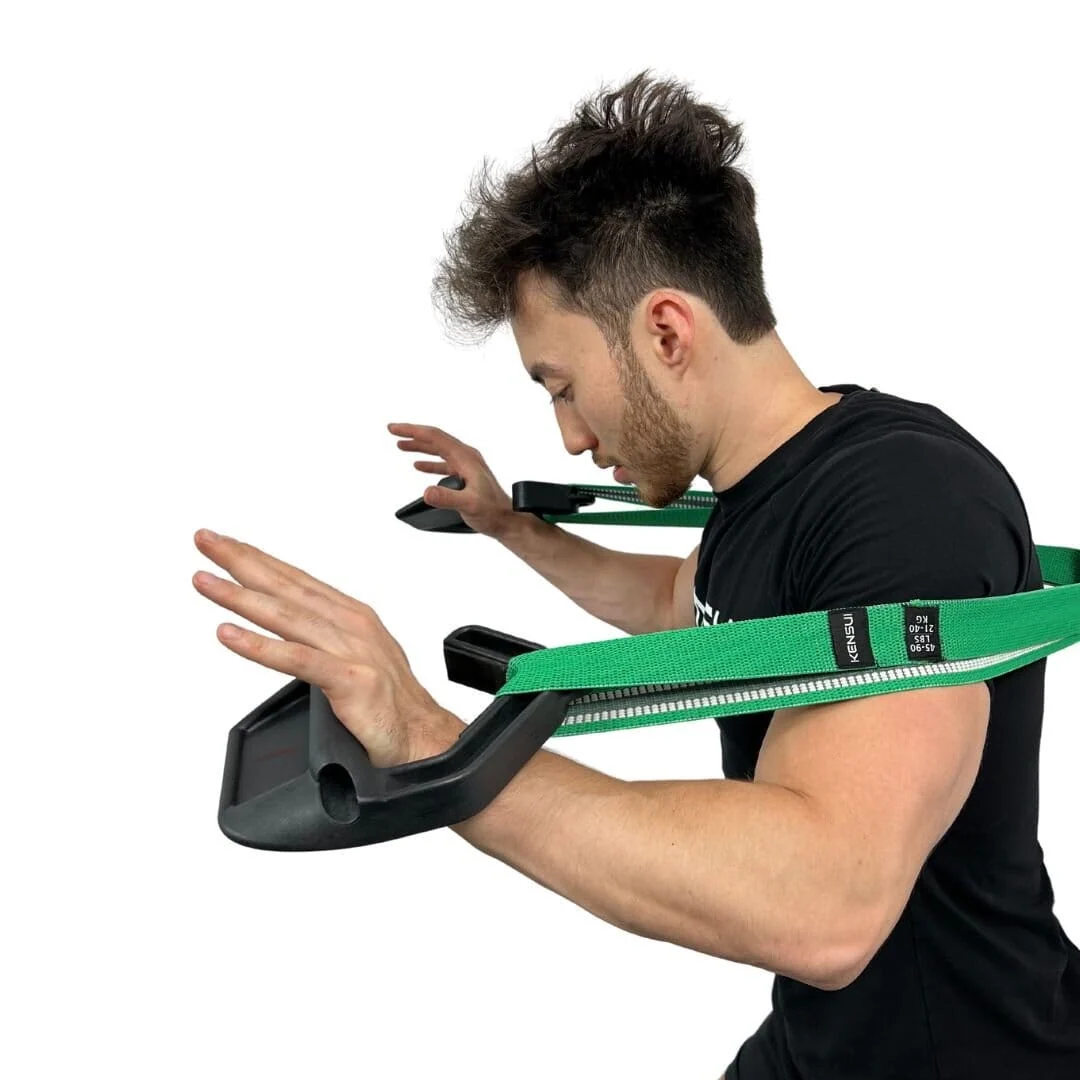
Band work is another demonstrated application, but inspect the band and its connection and use only an appropriate, secure arrangement. Rings, rope attachments and conventional handles produce different hand contact and stability demands. They are alternatives to evaluate, not interchangeable parts with identical loading behavior. A weighted belt adds another progression variable; thicker grips deliberately change the holding challenge.
Before ordering, check the current price, bundle contents, delivery terms and return conditions for your destination. The practical decision rests on fit and intended use: a handle that works securely on your actual equipment and earns regular use is more valuable than an impressive feature list that never matches your training.