Advertising disclosure: This page includes affiliate product links that may earn us a commission, as well as products from our own store.
Should lifters train legs with heavy fours, moderate sets of eight to twelve, or fast unloaded squat jumps? An eight-week comparison of 58 adults found different answers depending on whether you measured maximal squat strength, loaded force production or jump height. Here are the actual results, their limitations and an adaptable training plan that does not confuse a bigger squat with guaranteed muscle growth.
What the Eight-Week Squat Experiment Actually Tested
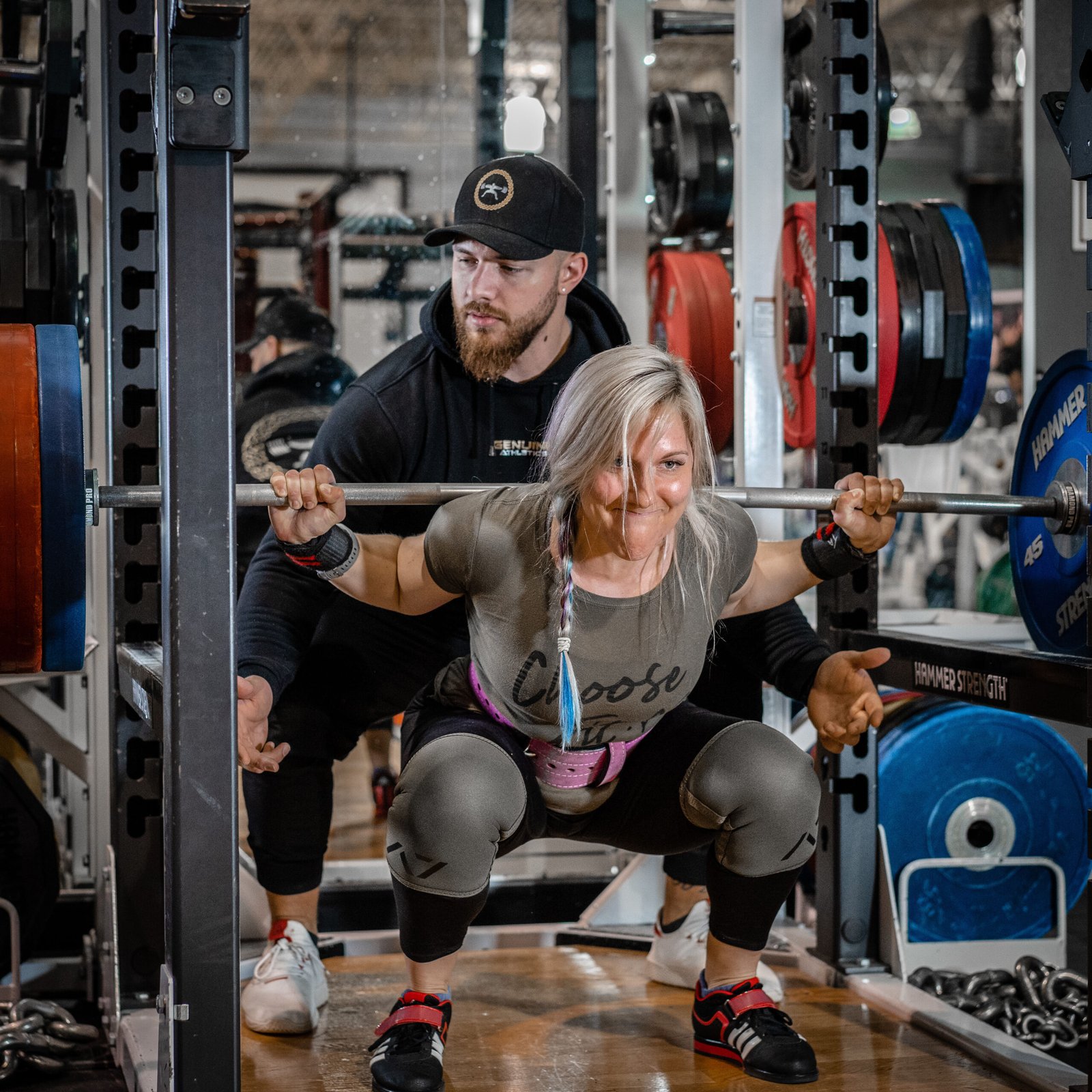
Most arguments about heavy squats versus high-repetition leg training skip a basic question: which outcome matters? A bigger one-repetition maximum, more quadriceps muscle, quicker force production and higher jumps overlap, but they are not interchangeable. An eight-week comparison followed 58 moderately trained adults, evenly split between 29 men and 29 women, and examined these outcomes under three very different squat-centered methods.
One program used maximal-strength squats for four sets of four repetitions at at least 85% of one-repetition maximum. A second used three sets of eight to twelve repetitions at roughly 70–80% of maximum, a more familiar muscle-building approach. A third performed four sets of six to seven unloaded squat jumps. A nontraining control group provided additional context. The three exercise programs ran three sessions each week for eight weeks; the higher-repetition program did more total training work.
Measurements included squat one-rep maximum, explosive force development during squat jumps with different external loads, squat-jump and countermovement-jump height, and leg lean mass. In other words, the investigators did not use the same measurement as a proxy for every adaptation. A larger squat number is not automatically a leg-muscle-growth measurement, and a better vertical jump does not prove greater maximal strength.
The most useful interpretation is practical rather than tribal. The comparison helps explain which programs directly prepared people for a loaded squat and which adaptations crossed over into athletic jumping. It does not establish a universally best exercise for every sport or mean every gym member should train with the exact same volume and intensity. Eight weeks is informative, but not an entire training career.
Heavy Versus Moderate Squat Loads: The Strength Numbers
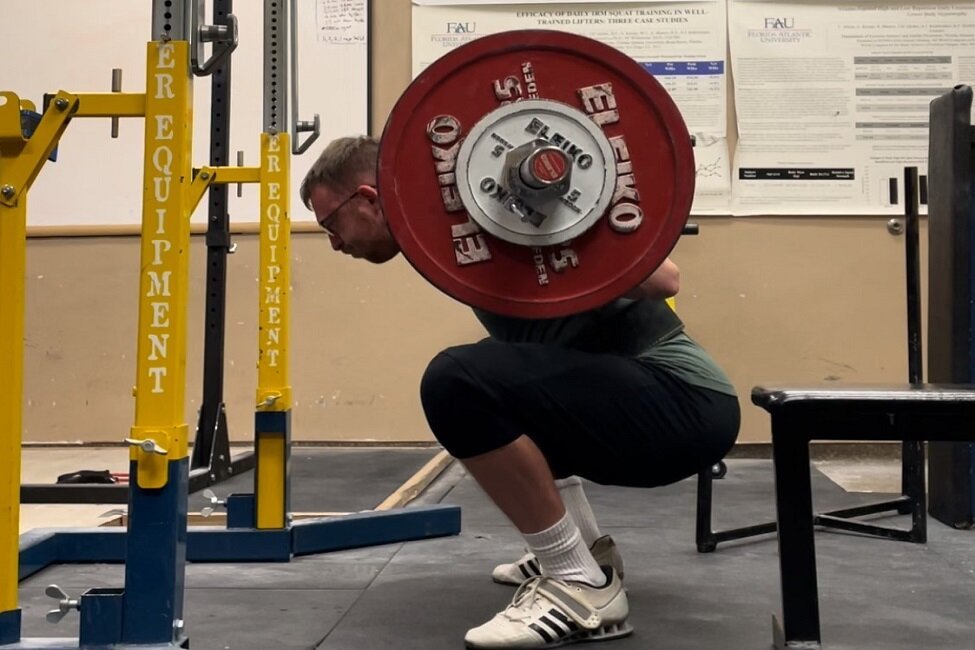
The heavy-squat group increased squat one-repetition maximum by 20.7%, and the moderate-load hypertrophy group increased it by 18.2%. Both improvements exceeded the 10.9% gain in the unloaded-jump group. All three groups trained the lower body, yet the way they loaded and moved it differed. A squat-specific strength test generally rewards training that repeatedly practices producing force under a substantial barbell.
These figures are not a guarantee that four-by-four beats three-by-ten for every individual. The study reported group-level changes under particular workloads and training conditions. Nor does the numerical 2.5-percentage-point advantage between the loaded-squat groups by itself establish meaningful superiority for everyone. What stands out is that both externally loaded methods outperformed jump-only practice in a heavy squat test.
The result also illustrates skill specificity. Heavy squatting teaches you to brace, stabilize a loaded torso, control a demanding descent, maintain position near the sticking point and drive against high resistance. Moderate-load squats practice similar mechanics across more repetitions and greater volume. Unloaded jumps are fast and useful, but they do not repeatedly expose the body to stabilizing a near-maximal external load.
If your main benchmark is your best technically sound squat single, retain regular heavy-squat exposure. You can still use moderate sets for additional leg volume. A sensible week might place the heaviest clean squat work early in one session and use a secondary day for controlled sets of six to twelve. Avoid using the study percentages as a prediction for your own block: starting strength, adherence, load and recovery all shape results.
Heavy squats need not mean ugly grinders. Put safeties in a rack, build up through progressively heavier warm-up sets, and perform working repetitions at consistent depth. If you’re unsure of your maximum, use a challenging load that still leaves a small safety margin; repeatedly failing singles is not an efficient substitute for planned training.

Equipment Worth Exploring
Explore equipment, accessories and gear from our carefully selected range.


Safety Squat Handles
Barbell squat handles that reduce shoulder positioning demands during high-bar squats.

GymPin Squat Wedges
Non-slip 15-degree squat wedges help elevate the heels for deeper quad-focused squats.

Competition Plates
Competition-style bumper plates for Olympic lifts and loaded strength training.

Grip Plates
Rubber-coated weight plates with handholds for loading barbells and machines.


Does a Hypertrophy Program Necessarily Win at Every Goal?
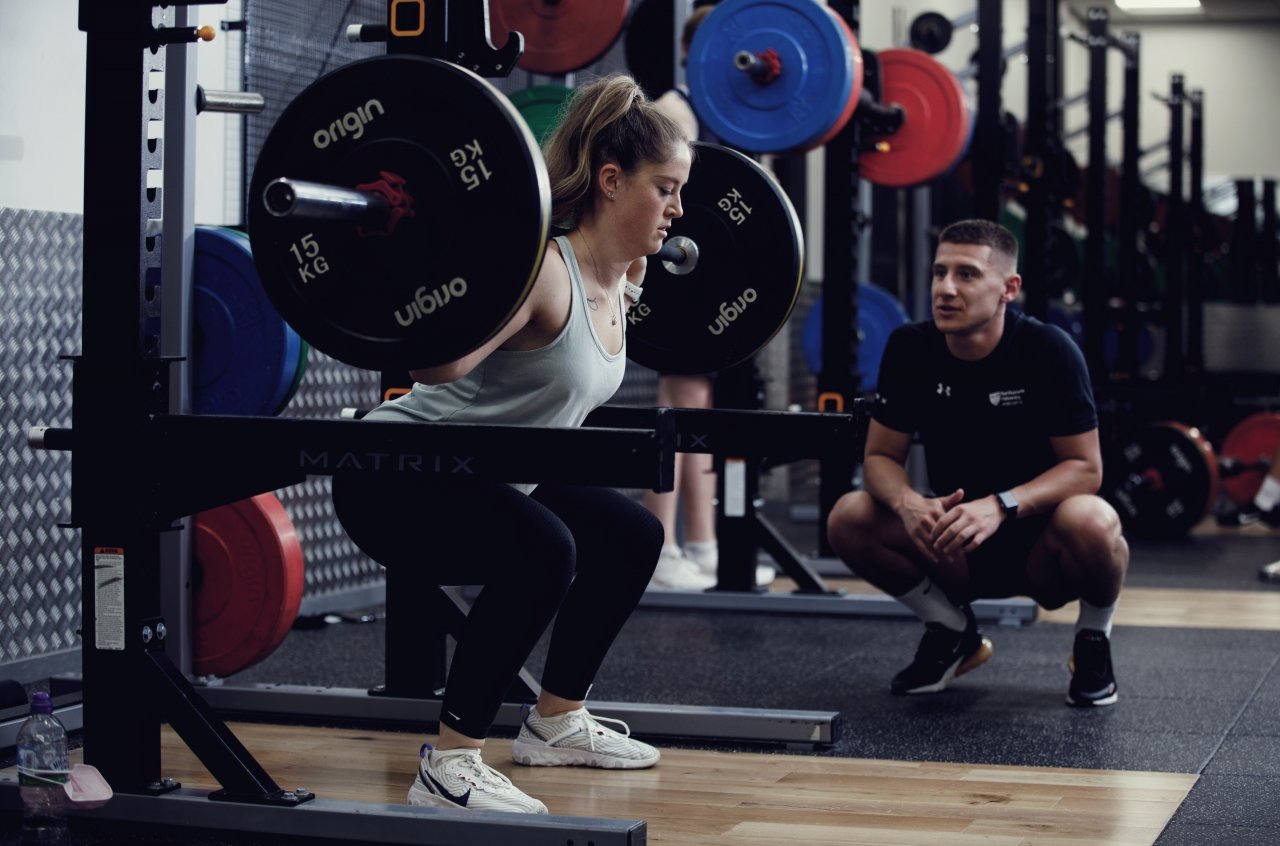
The word hypertrophy describes a training emphasis, not an automatic outcome. Three sets of eight to twelve squats provide repeated force production and mechanical loading, but muscle size is only one part of performance. The comparison measured leg lean mass as well as strength and jumping. Without detailed, verified between-group lean-mass findings, it would be misleading to claim the moderate-load group gained more actual muscle, or that heavy training produced no hypertrophy.
Muscle building depends on challenging sets, sufficient hard training volume, usable range of motion, progressive overload and recovery. Heavy sets of four can contribute to growth; moderate sets can contribute to maximal strength. The boundaries are blurrier than training-plan labels imply. What differs is the balance of load, repetitions, fatigue and the performance skill practiced most often.
Squats train the quadriceps, glutes and several stabilizers, but the most useful work you get from each set depends on depth, bar position, mobility, limb proportions and execution. Someone whose limiting factor is trunk stability may struggle before the quadriceps are the first muscle to tire. For a physique-focused lifter, controlled squat work can sit alongside leg presses, split squats and leg extensions to raise leg volume without turning every session into a maximal squat test.
Track load, completed reps, effort and technique instead of using soreness as your score. If you complete three sets of ten at a given weight with steady depth and about two repetitions left in reserve, a small load increase or an extra repetition next week is meaningful. If your form collapses, adding weight just to meet a number on a spreadsheet is not productive.
The program comparison was not a perfectly workload-equated verdict on muscular growth. The moderate-rep group trained at a higher total workload than the other methods. That is another reason not to interpret the group labels as proof that one repetition range uniquely causes a specific adaptation.

Leg Day Shirts & Workout Gear
Leg-day gym shirts and workout gear for lifters who never skip squats, lunges and lower-body punishment.

Squatbucks & Coffee Meme Leg Day, & Gains Top T-Shirt
Show some leg-day attitude with a playful “Squatbucks Gym & Coffee” tee.

4 Plates Squat Club Meme Shirt Motivational Leg Day T-Shirt
Make gym days more fun with “4 Plates Squat Club” style.

Squatzilla Meme Leg Day Vest Tank Top
Bring “Squatzilla” humor to your next lifting session.

My Leg Hurts Leg Day & Squat Meme Fans Vest Tank Top
Train hard, laugh a little, and rep “My Leg Hurts”.


I Love Squats | Leg Day Pink Heart Plate Decal Meme Sticker
Put “I Love Squats” gym humor on your laptop, bottle, or gym gear.

Never Skip Leg Day | LEGO Muscle Shirt For Squats & Dea Tank Top
Train hard, laugh a little, and rep “Never Skip Leg Day”.

Leg Day Is Calling You Squats, Deadlifts & Gains T-Shirt
Rep “Leg Day Is Calling You” humor in and out of the gym.

Leg Day Thou Shalt Not Skip Leg Day Medieval Gym Crewne T-Shirt
Show some gym-day personality with “Leg Day”.
Why Unloaded Squat Jumps Improved Jumping
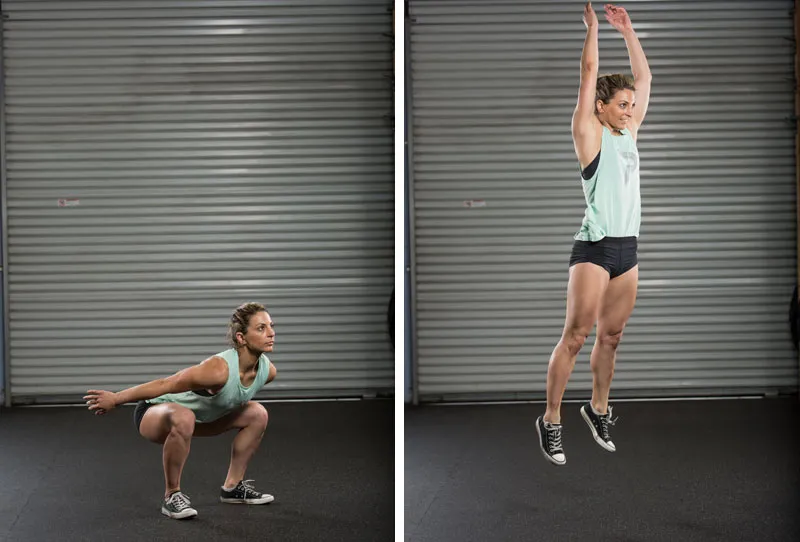
The unloaded-jump group did not need a heavy barbell to jump higher. Its squat-jump height improved around 2.2 cm and countermovement-jump height around 1.7 cm. These gains were similar to changes in the maximal-strength group, about 2.2 and 2.3 cm, and the hypertrophy group, about 2.0 and 1.6 cm. This is a reason not to dismiss explosive training simply because little external weight is involved.
A jump demands rapid coordination and force application during a short takeoff. Unloaded squat jumps practice accelerating the body, timing extension and landing with control. A countermovement jump also uses a fast downward movement before upward propulsion, adding a rapid transition between braking and pushing. Performance can improve through more efficient coordination and execution even when maximal loaded strength improves less.
The researchers also tested rapid force development against external resistance. The two barbell-squat groups improved those loaded explosive-force measures, while jump-only participants did not show comparable changes. That distinction captures the difference between being quick with your bodyweight and effective under a heavy bar. A sport may require both qualities, but a given training block can prioritize one.
When practicing jumps, make every repetition crisp and allow time for real speed. Three or four sets of three to six quality jumps with generous rest will usually teach you more about explosive intent than a marathon of low, tired repetitions. Land with control, allow knees and hips to bend comfortably, and stop once takeoff height or coordination deteriorates.
Unloaded jumps still place demand on ankles, knees, tendons and calves. Increase contacts gradually, particularly if you have not performed plyometrics for months. Someone playing basketball multiple times a week may already have enough jumping exposure and need more strength work or recovery rather than another high-impact session.
How Strength Training Can Improve Explosive Performance
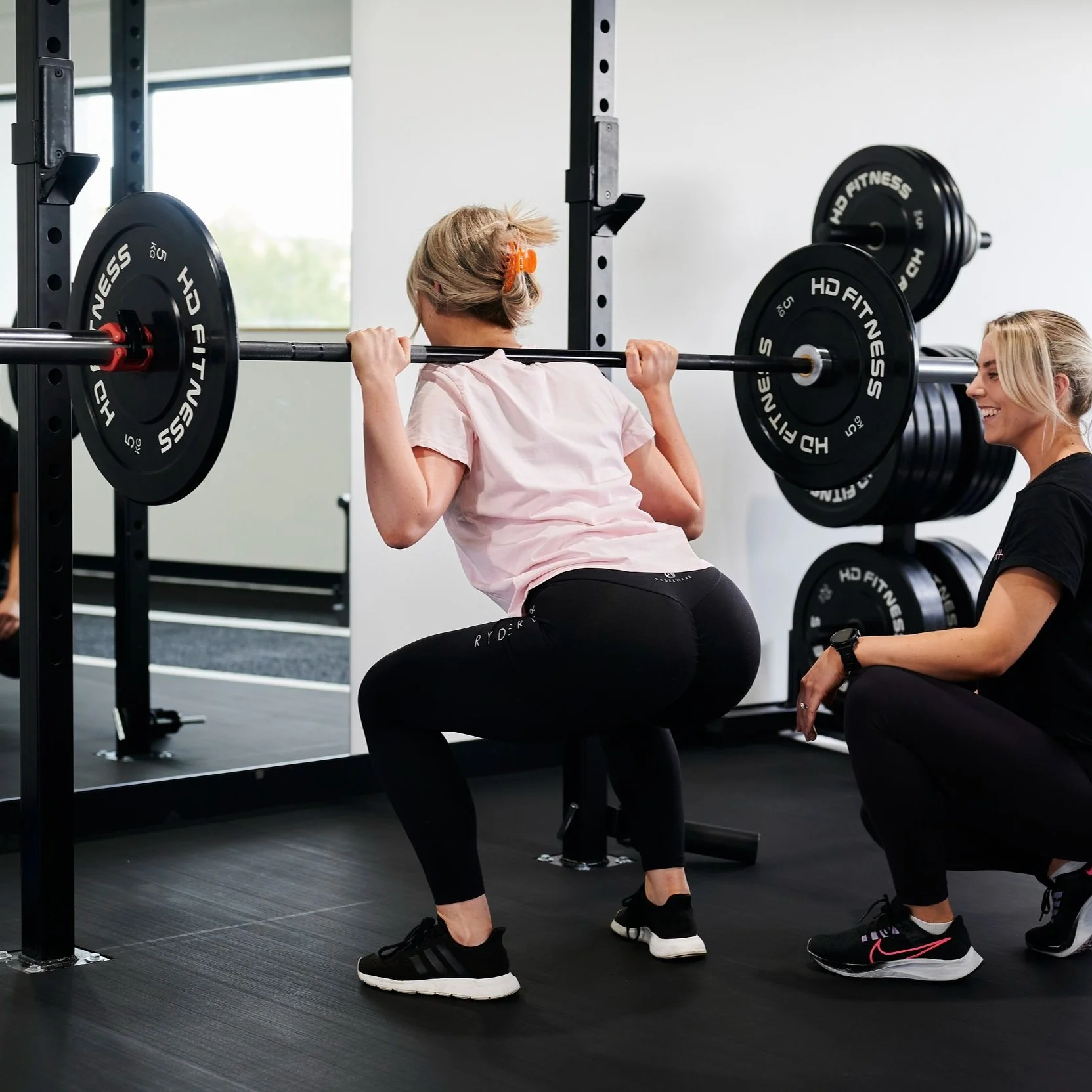
The striking result was that lifting weights also improved the unloaded jump tests. Both loaded-squat approaches produced gains in squat and countermovement-jump height that were broadly comparable with jump-only work over eight weeks. Stronger leg muscles may supply more available force during takeoff even without exclusive ballistic training. That does not mean squats perfectly replace jumping practice in every sport.
The squat programs improved measures of force development while jumping against resistance equivalent to 50%, 30% and 0% of squat maximum. At 50%, improvements were around 21.7% for the heavy-squat group and 14.3% for the moderate-load group. At 30%, they were about 17.8% and 14.0%; the unloaded test improved about 12.3% and 11.4%, respectively. The jump-only group did not demonstrate the same improvements across these externally loaded measures.
This pattern supports a straightforward training principle: adaptation follows the demands you repeatedly place on the body. Heavy work helps develop force capacity and barbell-specific control; moderate work supplies repeated muscular loading; ballistic practice challenges quick movement with little external resistance. Focusing on only one may leave a gap if your actual goal combines squatting, sprinting and jumping.
Evidence across broader adult populations points in a similar direction. Reviews of plyometric training have reported improved jumps, sprinting and some strength outcomes compared with nontraining controls. Comparisons of programs that combine jumping and lifting with resistance-only programs suggest possible advantages for particular jump and change-of-direction tests, although certainty varies and several findings have low-quality evidence. Explosive work is a precise complement, not an automatic way to double strength gains.
If you play a jumping sport, organize lifting around practices and competitions. A squat provides a measurable loading progression; jumps let you express force at higher speed. If you primarily want bigger legs, dedicated jump sessions are optional rather than mandatory. The value of a drill should be judged by your actual desired result.
Equipment Worth Exploring
Explore equipment, accessories and gear from our carefully selected range.
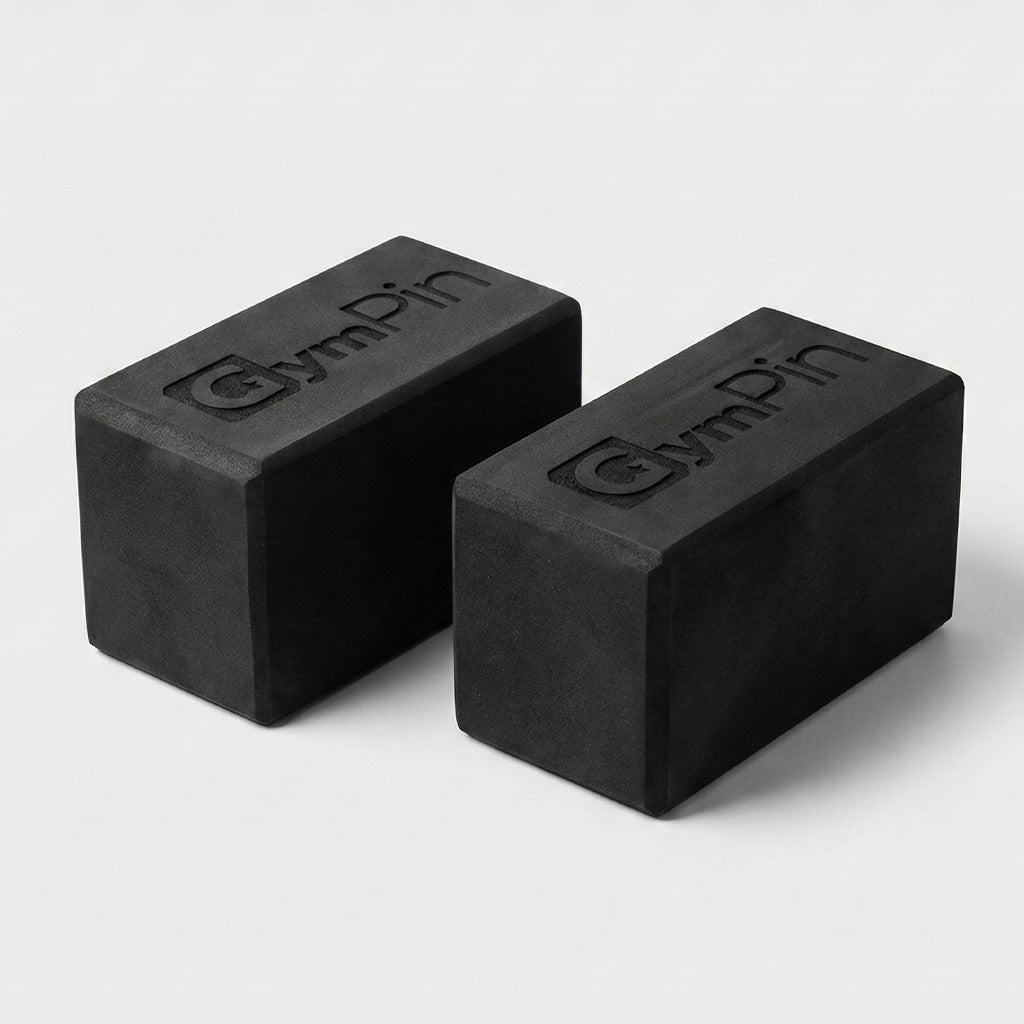
GymPin Starting Blocks
Portable high-density foam blocks for adjusting machine starting positions and range of motion.


Foldable Wall Rack
Wall-mounted folding squat rack designed to save floor space between workouts.

Studio V-Squat
Plate-loaded V-squat machine for supported lower-body strength training.

Squat Harness
Wearable harness for hands-free cable squats, sled work, and lower-body training.

Belt Squat Collar
Heavy-duty collar adapter for compatible belt-squat and landmine bar setups.
VOLTRA
Compact digital cable trainer with smooth, adjustable resistance.


Rubber Hex Dumbbells
Rubber-coated hex dumbbell pairs with a stable shape for home and commercial strength training.
An Eight-Week Strength-and-Jump Training Template
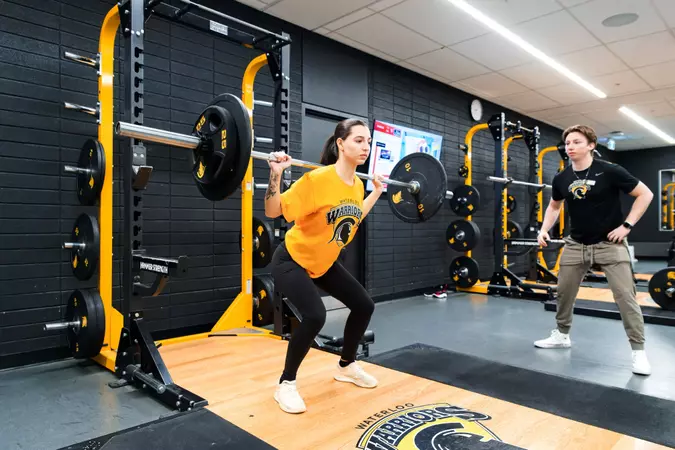
The template below is an illustrative eight-week program, not the study protocol. It is designed for someone already familiar with two or three squat sessions per week, with no current leg injury and enough recovery capacity for three sessions. Set two main lower-body lifting days and one shorter speed-focused day, with lighter or rest days between harder bouts. New lifters can start with two sessions and fewer sets.
Day A — heavier squat practice: after several progressive warm-up sets, perform three or four working sets of three to five squats at a challenging but controlled weight. Rest two to four minutes between sets and finish with one or two quality reps available. Add two sets of a unilateral leg movement, and optional moderate hamstring work if you are recovering well. Use appropriately adjusted rack safeties or a competent spotter for heavier squats.
Day B — speed and landing: warm up with easy movement drills and low-effort jumping. Perform three to five sets of three to five unloaded squat jumps, with enough rest that each repetition remains quick and well coordinated. Short accelerations or low-volume bounds can fit for experienced athletes, but avoid converting the session into exhausting conditioning. Stop when jump height or landing control noticeably deteriorates.
Day C — volume and muscle practice: squat for three working sets of six to ten controlled repetitions at moderate load, keeping depth consistent and approximately one to three reps in reserve. Add two to four sets of leg extensions, split squats or leg presses, plus a hamstring movement if desired. Choose accessories that support your priority instead of collecting every available exercise.
Weeks 1–2: establish baseline weights and repeatable jump mechanics. Weeks 3–4: add small amounts of load only when all reps retain the same technical standard. Week 5: reduce load or volume if fatigue has built up. Weeks 6–7: return to challenging, smooth sets while keeping jumps explosive. Week 8: reduce fatigue before retesting a technically sound squat and jump performance under the same conditions as baseline. This is a conditional progression, not a compulsory percentage increase.
Nutrition, sleep and session placement matter. Eat adequately for your goal, spread protein across normal meals and avoid cramming hard plyometrics immediately after a severe leg workout. Someone with an existing lower-limb condition should seek an individualized training progression rather than treating a generic eight-week schedule as medical clearance.
Choose Your Priority, Track the Right Result, and Recover
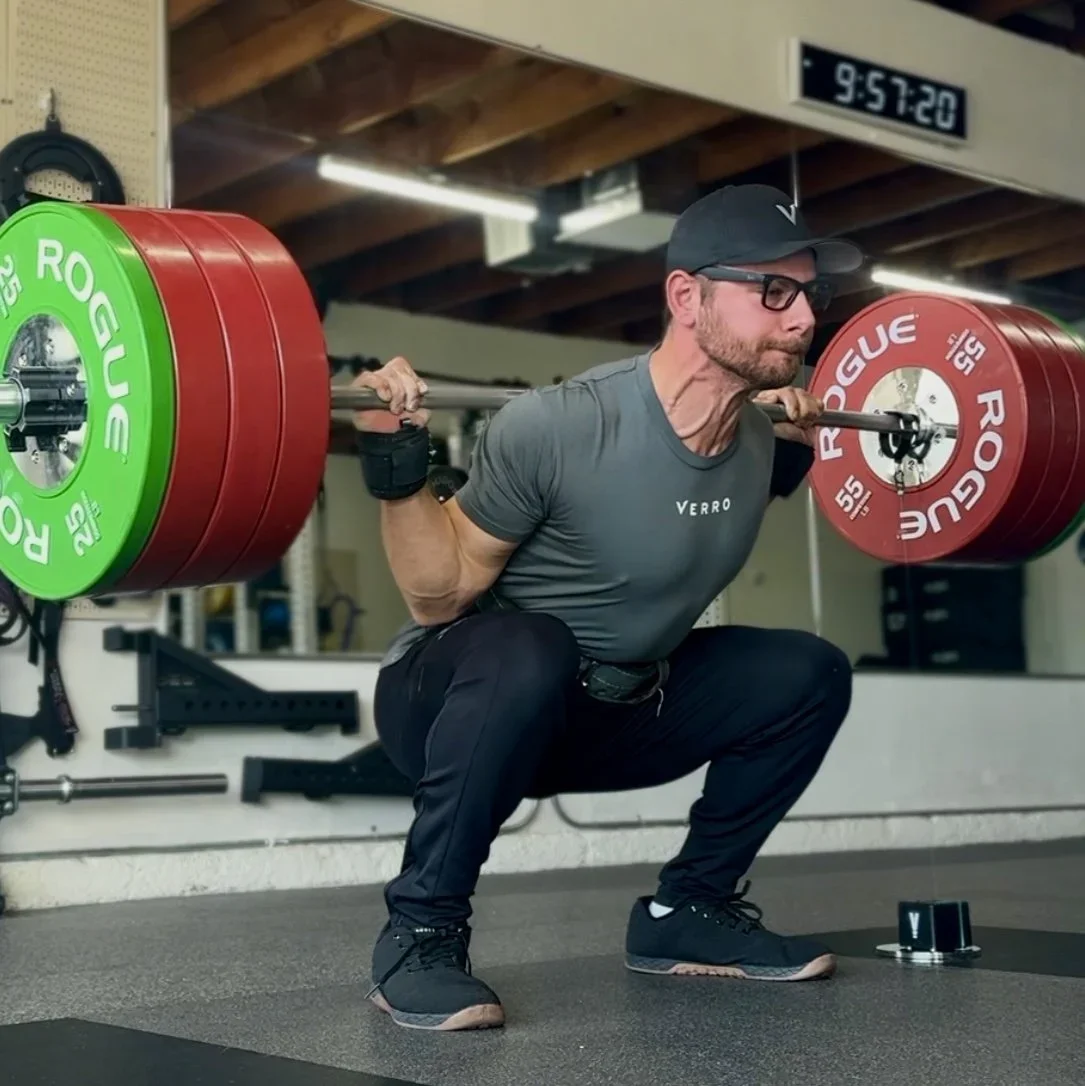
Choose the dominant training style based on the result you want. A powerlifter needing a larger squat maximum should prioritize practicing loaded squats with technically consistent heavy repetitions. A bodybuilder can maintain squat strength while spending enough weekly sets on productive quad and glute movements. An athlete who must repeatedly jump or accelerate may benefit from lifting plus appropriately dosed ballistic practice, adjusted around actual sport exposure.
Use a small tracking dashboard. For strength, record a technically comparable heavy single or an estimated maximum using a reliable repetition set. For muscular development, note working-set progression and possibly standardized long-term measurements, rather than comparing the daily pump. For jumping, use the same warm-up and measure several consistent takeoffs, recording the best repeatable or average result.
Testing conditions affect interpretation. A half-depth squat is not the same as an earlier full-depth attempt; a jump measured after exhausting leg work may look worse simply because you are tired. Keep footwear, warm-up, depth, recovery and timing comparable. A number only matters when it measures the same task in a similar state.
Do not turn one eight-week experiment into a rule that everyone should pick only four-repetition squats, only moderate reps or only jumps. These were moderately trained adults doing specific workloads and three weekly sessions, and the groups did not train at equal total volumes. Individual changes vary around group averages, and evidence across years or elite sporting populations may look different.
Bottom line: in this comparison, both heavy and moderate-load barbell squats produced bigger squat-strength improvements than jump-only work, while all three approaches improved jump height. Build your week around the result you value most, use complementary methods when they have a clear purpose, and judge progress using repeatable performance rather than a program label.
Powerlifting Shirts & Lifting Gear
Powerlifting shirts and gym gear for squat, bench and deadlift lifters who live for heavy numbers.

Gold Skull Uplift Iron Club Lifters Workout Style Power Hoodie
Keep it laid-back with a little “Gold Skull” attitude.

Gym Nerd Pixel Lifter Meme Crewneck Workout Bodybuildin T-Shirt
Bring “Gym Nerd” humor to your everyday gym style.

Rep-Tilian Reptile Reptilian Meme Gym Bodybuilding Powe Sticker
Give your everyday gear a playful “Rep-Tilian” twist.

Thin Camouflage Line Barbell Flag Patriotic Gym | Funny T-Shirt
Show some powerlifting attitude with a playful “Thin Camouflage Line Barbell Flag Patriotic” tee.

Gym Cult Member Occult Lifting Meme – Bodybuilding Powe Tank Top
Bring “Gym Cult Member” humor to your next lifting session.

Funny Anatoly Gym Muscle Shirt Athletic Vest Gymbros Po Tank Top
Add some powerlifting attitude to training with “Anatoly”.

My Therapy – Lifting Bodybuilding Powerlifting Meme Dec Sticker
Bring “My Therapy” attitude to your water bottle or laptop.

Crazy Little Thing Called Lifting Shirt Gymbros & T-Shirt
Rep “Crazy Little Thing Called Lifting” humor in and out of the gym.

Medieval Gym – Dost Thou Even Hoist Knight & Dragon Pul Hoodie
Show off your medieval humor in a laid-back “Medieval” hoodie.

Hercuflex Greek God Gymbro | Funny Bodybuilding & Power Sticker
Bring “Hercuflex Greek God Gymbro” attitude to your water bottle or laptop.