Advertising disclosure: This page includes affiliate product links that may earn us a commission, as well as products from our own store.
Hammer curls deserve a place in a serious arm routine, but the common claim that turning your palms inward isolates a special forearm muscle is too neat. This guide covers neutral-grip form, what the available muscle-activation evidence actually shows, how dumbbells compare with cables, and a practical six-week progression you can track without cheating the reps.
What a neutral-grip curl really trains
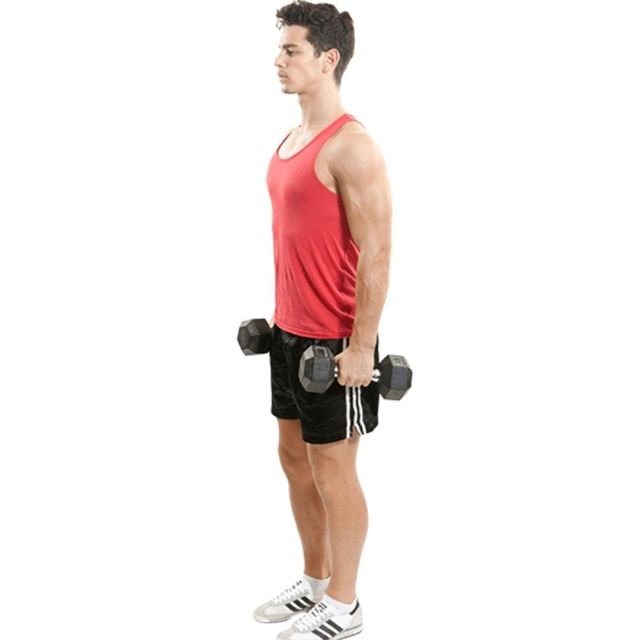
Hammer curls look like ordinary dumbbell curls until you look at the hands. Instead of turning the palms upward, the lifter keeps them facing each other through the repetition. The elbow still bends against resistance, but the position changes the leverage and the feel of the set. That small difference makes the movement a useful addition to an arm routine, not a completely different muscle-building system.
Three elbow flexors deserve attention. The biceps brachii bends the elbow and also rotates the forearm into a palms-up position. The brachialis bends the elbow regardless of how the palm faces. The brachioradialis, visible on the thumb side of the upper forearm, assists elbow flexion. All three contribute to a well-executed hammer curl; none switches off when the grip changes. A neutral grip is often comfortable for lifters who dislike aggressively twisting the wrist under load.
Do not confuse feeling the outside of your forearm work with proof that the exercise isolates that muscle. Muscle activity depends on load, joint position, movement phase and the person doing the set. Likewise, a dramatic pump does not tell you how much new tissue will be built over the next two months. The practical reason to include hammer curls is that they let you train elbow flexion with a different hand position while making progressive, measurable work easy.
The setup: grip, elbows, shoulders and range
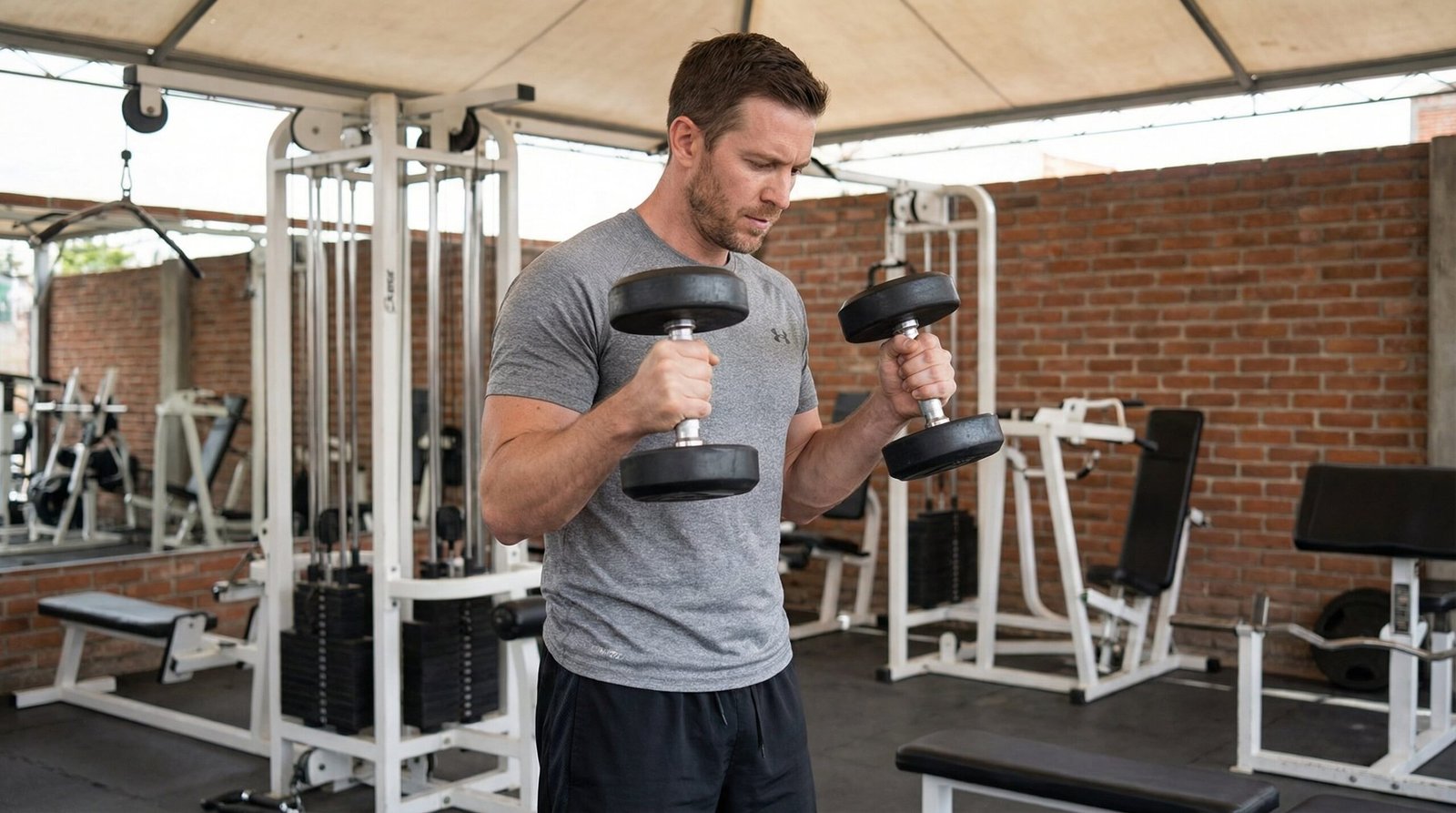
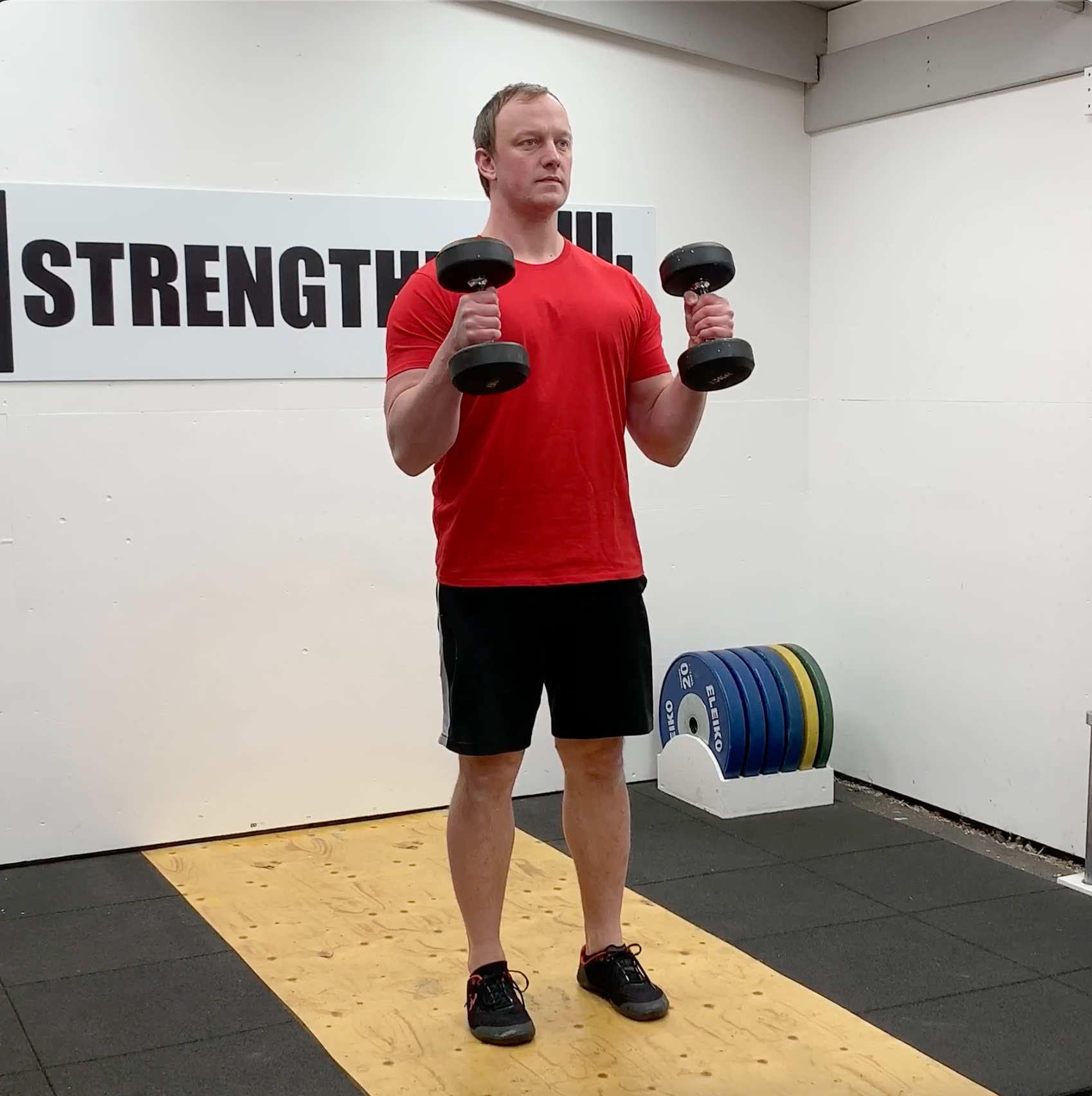
Start with one dumbbell in each hand and stand tall with the feet comfortably apart. Set the palms toward your thighs, let the shoulders settle instead of shrugging, and brace the trunk lightly. Curl by bending the elbows while the wrists stay stacked with the forearms. You can work both arms together or alternate sides, but begin with a load that lets the final rep look almost like the first. A little natural elbow movement is fine; repeatedly throwing the upper arm forward to finish the rep is a sign the set is getting less strict.
Lower until the elbows are comfortably extended rather than leaving the dumbbells suspended halfway down for every repetition. Avoid forcing a painfully locked joint or abruptly dropping the weight. A controlled return gives you a clear way to judge whether your chosen dumbbells are too heavy. Keep the hands neutral, with no repeated twisting at the top. The temptation to rotate into a palms-up curl often appears once fatigue builds and the body starts looking for better leverage.
Try filming the last two repetitions from the side. Ask three simple questions: did the torso stay quiet, did the dumbbell travel because the elbow bent, and was the lowering range similar to the first rep? If the answer is no, reduce the weight or end the set. Strict technique is not about freezing every joint; it is about making the elbow flexors do most of the work rather than turning a curl into a standing hip swing.
One useful starting prescription is two or three sets of eight to fifteen controlled repetitions, with enough rest that each set can be performed cleanly. The ideal number depends on what pulling and direct arm work already appear elsewhere in the week.

Equipment Worth Exploring
Explore equipment, accessories and gear from our carefully selected range.

Rubber Hex Dumbbells
Rubber-coated hex dumbbell pairs with a stable shape for home and commercial strength training.





FID Bench MAX
Adjustable bench offering flat, incline, and decline positions + adjustable headrest.

Leather Wrist Grips
Padded leather lifting grips help support the hands and wrists on heavy pulling exercises.
What muscle-activation studies tell us—and what they don’t
Electrical activity measurements are useful for comparing exercises under controlled conditions, but they are not a tape measure for future muscle growth. A 2026 experiment followed fifteen adults across several sessions and ranked biceps activity during concentration, standard dumbbell, incline and hammer curls under the study’s specific loading conditions. Concentration curls produced a higher group-level biceps signal than hammer curls, while participants did not always show identical relative rankings. This finding does not show that hammer curls cannot grow your arms.
Other small experiments comparing palm-up, neutral and palm-down curl positions have not consistently supported the familiar claim that the neutral grip uniquely maximizes brachioradialis activation. Some measured comparisons favored the palms-up position for that muscle, despite common gym explanations suggesting the opposite. These were short-term activation measurements rather than months-long studies directly comparing actual changes in muscle size. It would be a mistake to declare one grip the universal winner on the basis of those numbers.
Use the evidence to make a modest decision. If your main goal is biceps size, it is reasonable to keep an ordinary palms-up curl in the program. A neutral-grip movement can sit alongside it for elbow-flexion variety and a different loading feel. If a particular grip is uncomfortable, comfort and stable technique matter more than chasing a theoretical activation advantage. Compare progress using repeatable reps, weights and movement quality rather than inventing an exact percentage of growth for each curl variation.

Bodybuilding Shirts & Workout Gear
Bodybuilding shirts, tanks and gym gear for lifters chasing muscle, size, symmetry and the pump.

Dost Thou Even Curl Tank
Bring “Dost Thou Even Curl Medieval Knight Bicep” humor to your next lifting session.

Bicep Heart I Love Gym | Lover Valentine's Day Hooded Hoodie
Bring “Bicep Heart” gym humor to lazy days and post-workout plans.

Biceps And Roses Shirt Guns N' Roses Meme , Top T-Shirt
Rep “Biceps and Roses” humor in and out of the gym.

For Whom The Bell Curls Dumbbell Metallica Heavy Metal T-Shirt
Add a playful “For Whom The Bell Curls” touch to your casual rotation.

Ha Ha Hammer Curls Joker Gym Funny Workout Villain Meme Sticker
Stick a little “Ha Ha Hammer Curls Joker” humor on your favorite gear.

Micro Biceps Club President Gym | Funny Workout Sweater T-Shirt
Keep things casual with a little “Micro Biceps Club President” attitude.

Muscle Mountain – Bicep Mountain Meme Vest Muscle Shirt Tank Top
Add some lifting attitude to training with “Muscle Mountain”.

Deez Guns Nutcracker Shirt – Christmas Meme T-Shirt
Rep “Deez Guns Nutcracker” humor in and out of the gym.

Brain and Biceps Tee
Make gym days more fun with “Mind Muscle Perfection Brain and Biceps” style.

GymTok – TikTok Parody Bicep Gym Decal for Fitness Crea Sticker
Give your everyday gear a playful “GymTok” twist.
Standing, cross-body, incline and preacher variations
The standing two-dumbbell hammer curl is the easiest version to learn and track. It allows both elbows to move naturally, needs little setup and makes loading straightforward. Alternating reps can help when one side needs extra concentration, but be consistent about how you count each arm. If you always lead with the stronger arm and let the weaker side stop first, your progress log may conceal a persistent imbalance.
A cross-body hammer curl moves the dumbbell diagonally toward the opposite side of the chest while keeping the palm neutral. This can feel more natural at the shoulder for some lifters, though the path itself has not been shown to guarantee greater hypertrophy. Keep the forearm’s angle intentional rather than cranking the wrist sideways to touch the shoulder. Seated curls make it harder to bounce with the hips, which is useful when you are trying to separate honest elbow-flexion work from momentum.
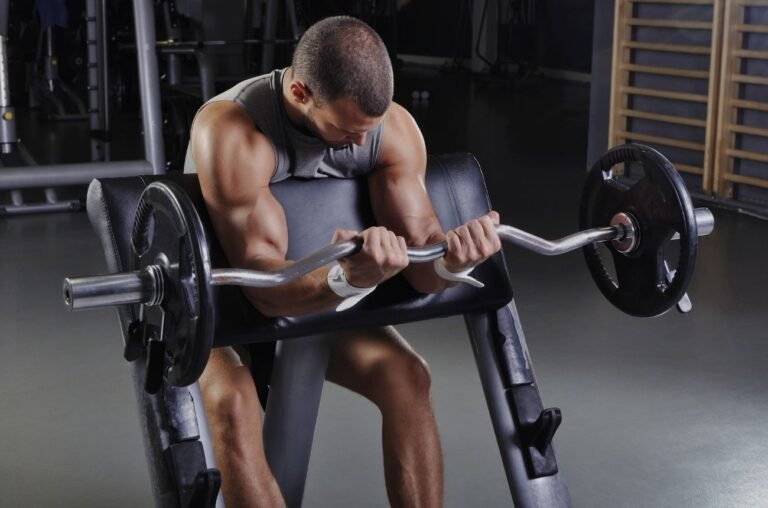
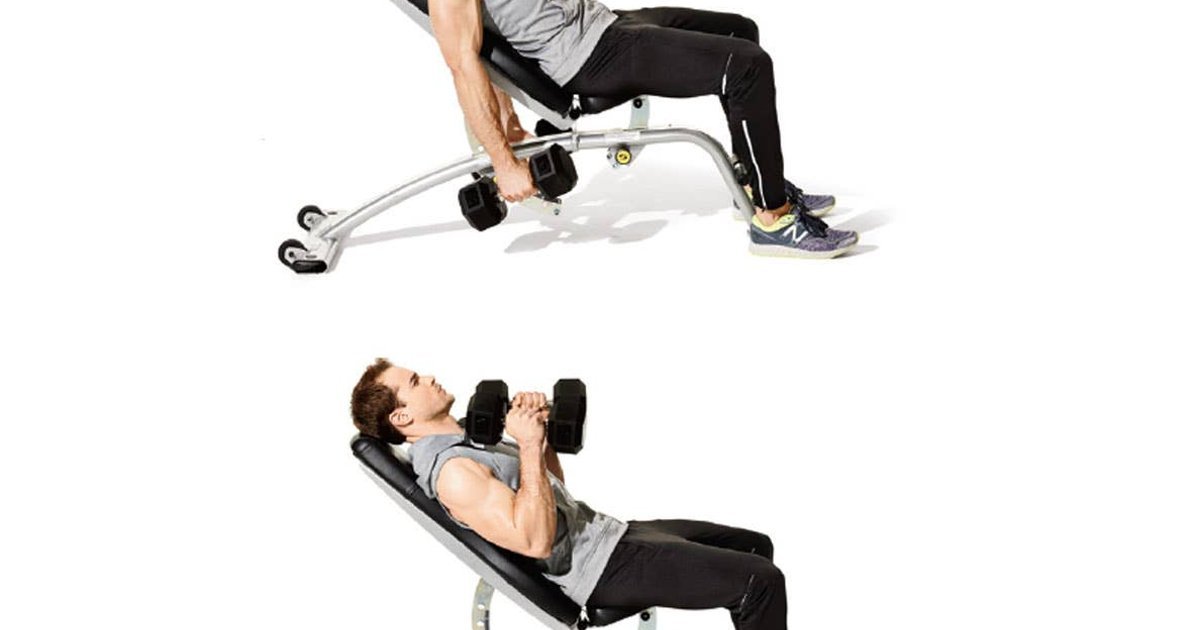
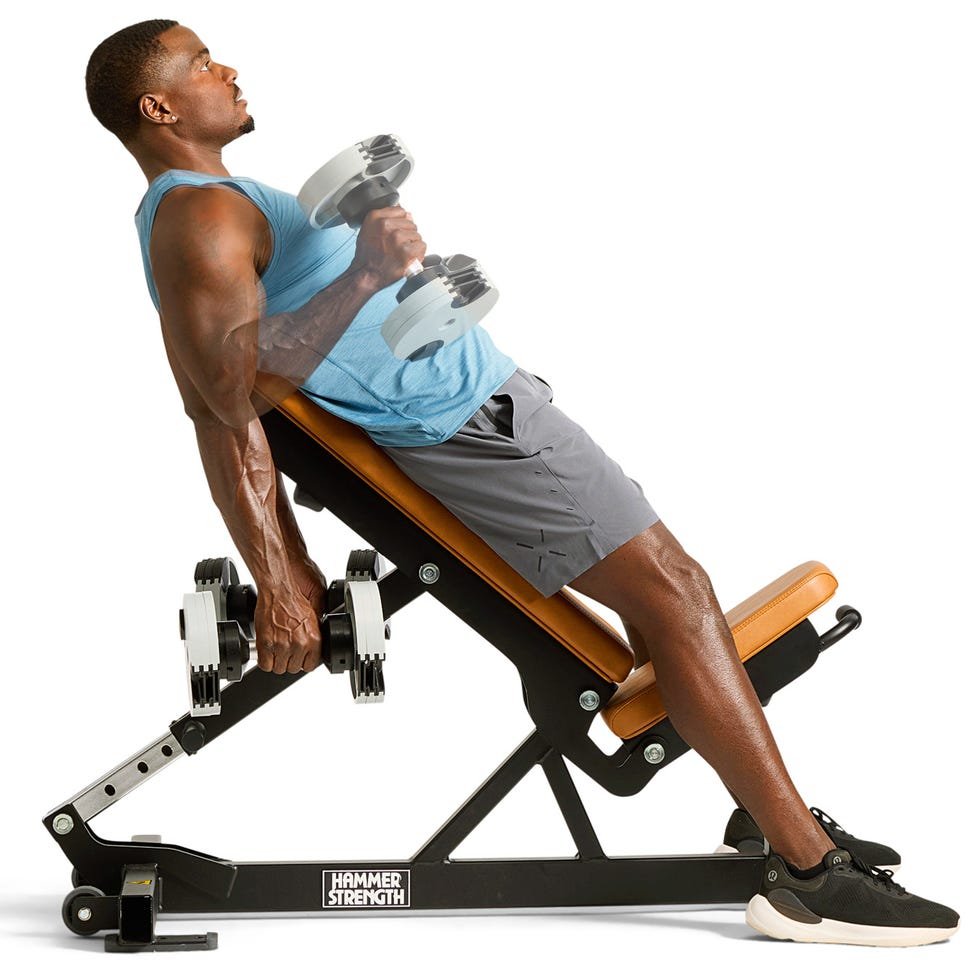
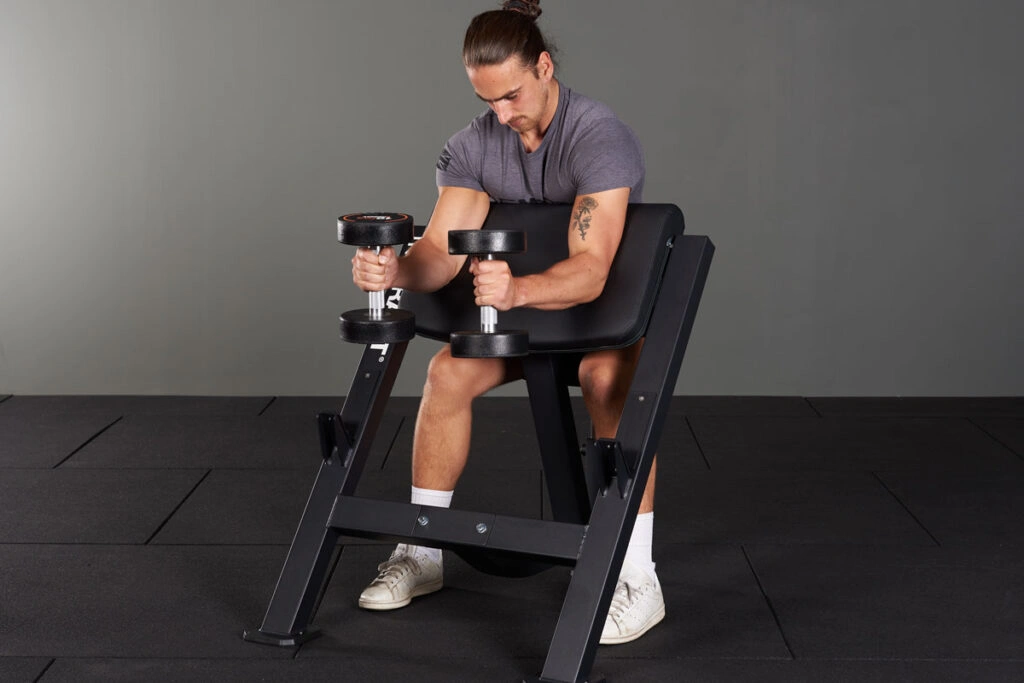
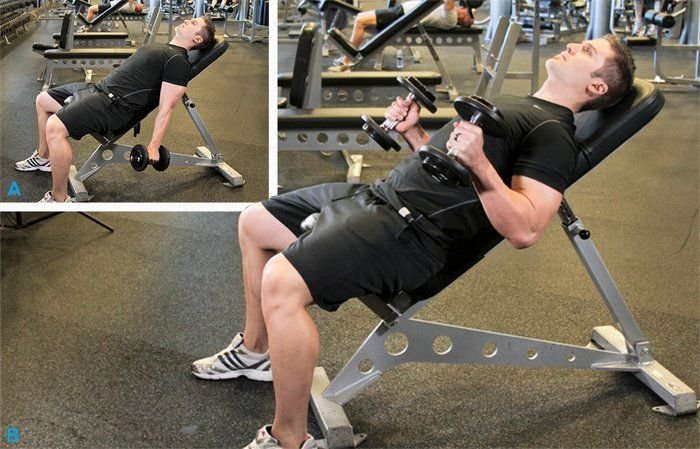
On an incline bench, the arms start farther behind the torso. That can challenge the movement differently and often calls for lighter dumbbells than a standing set. Start with a moderate bench angle and find a pain-free bottom position; being stretched is not a reason to force the shoulders backward. A preacher-pad version supports the upper arms and limits trunk cheating, but the supported position also changes the resistance challenge. The best version is the one you can repeat and progress without shoulder, wrist or elbow irritation.
Rotating among variations can prevent boredom, but do not change the lift every session. Keeping one main hammer-curl version for four to six weeks makes the training log meaningful. Change a variation when it offers a clear practical advantage—better stability, less discomfort, or access to a different loading tool—not merely because the new angle feels harder.
Dumbbells, rope cables and thick grips compared
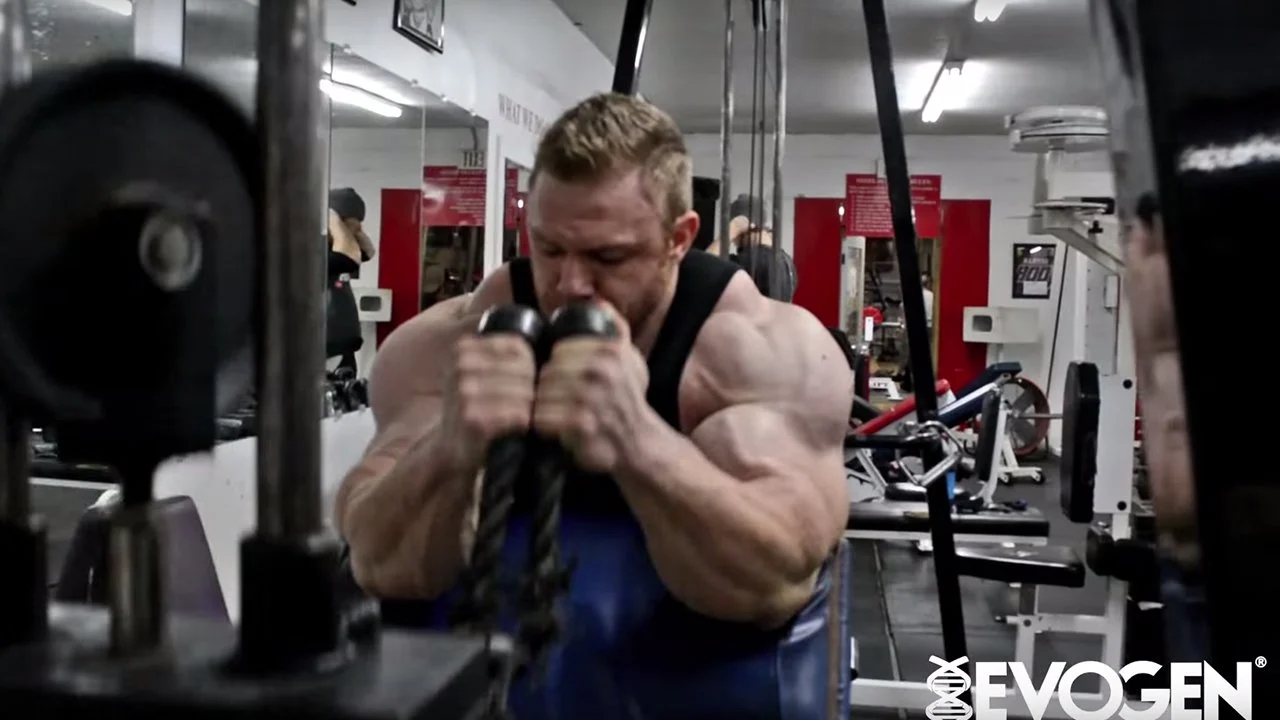
Dumbbells are excellent for building a reliable hammer curl because the equipment is simple and the neutral grip is obvious. Gravity changes the external torque as the forearm moves, so the exercise does not feel equally difficult at every angle. That is normal. A rope attachment on a low cable lets the hands face inward while the line of pull comes from the machine rather than straight down. The exact resistance curve depends on where you stand and how the cable runs.
With rope curls, give yourself enough distance from the pulley to move through the intended range without turning the repetition into a forward shoulder raise. Separate the rope ends only as much as is comfortable for the wrist; pulling them apart dramatically is not required. If the pulley, stack and attachment make the movement feel awkward, choose dumbbells instead. The advantage of cables is convenient increments and a different force direction, not an automatic muscle-growth bonus.
Thicker handles and add-on grip sleeves can make holding the dumbbell more demanding. That may be useful for grip endurance, but it can also cause the hands to fail before the elbow flexors receive sufficient work. When the target is arm size rather than a grip challenge, regular handles may be more productive. Adjustable dumbbells are especially practical if the available increments are small enough for controlled progression. A bench helps with incline and supported variations, but neither a machine nor a special attachment is essential to run this program.
Equipment Worth Exploring
Explore equipment, accessories and gear from our carefully selected range.
VOLTRA
Compact digital cable trainer with smooth, adjustable resistance.

Go-Tone Pro
Portable digital cable trainer with up to 66 lb (30 kg) of adjustable resistance.


EZ Curl Barbell
Olympic EZ curl bar with angled grips for curls and triceps exercises.

Dual Hook EZ Curl Bar
Angled aluminum dual-hook cable bar for biceps curls and pulldown variations.

Long Tricep ERGO Ropes
Extended triceps ropes with ergonomic grips for cable pressdowns and overhead extensions.
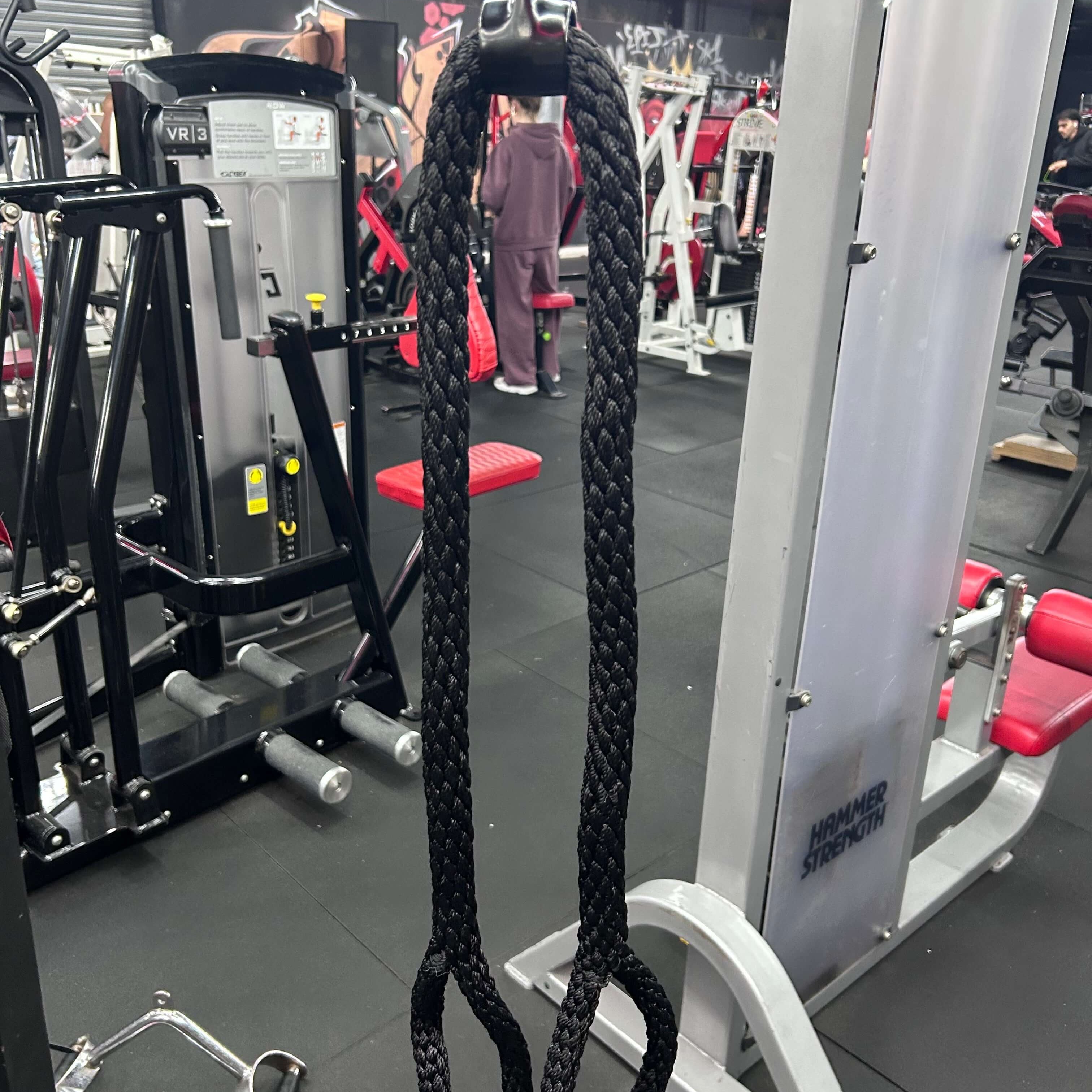
Super Long Tricep Rope
Extra-long looped cable rope for triceps pressdowns and overhead extensions.
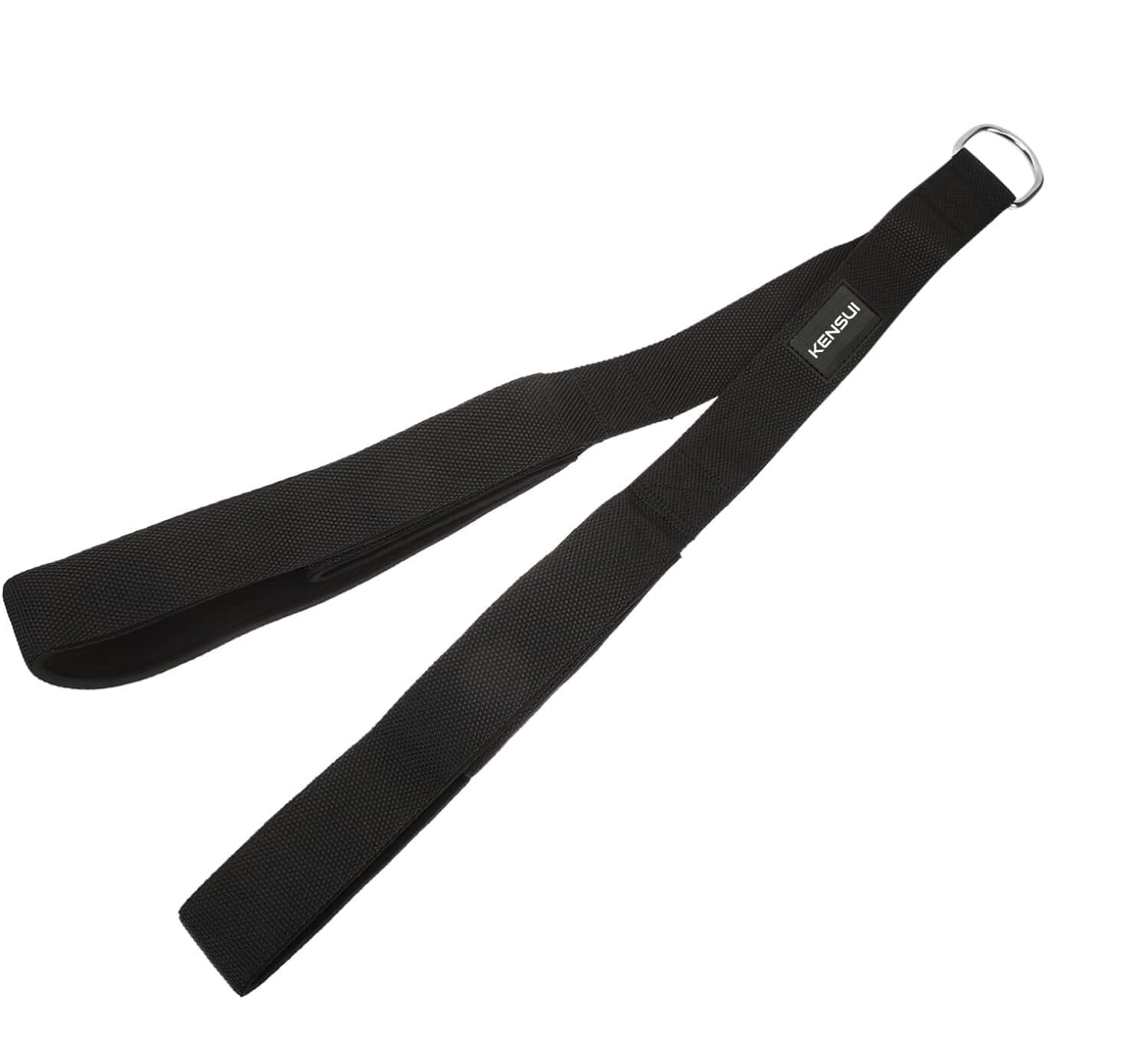
Multi-Length Tricep Strap
Adjustable-length cable strap for triceps, biceps and upper-body cable exercises.

GymPin Ergo Handles
Pair of ergonomic cable handles shaped for comfortable triceps and pulling exercises.
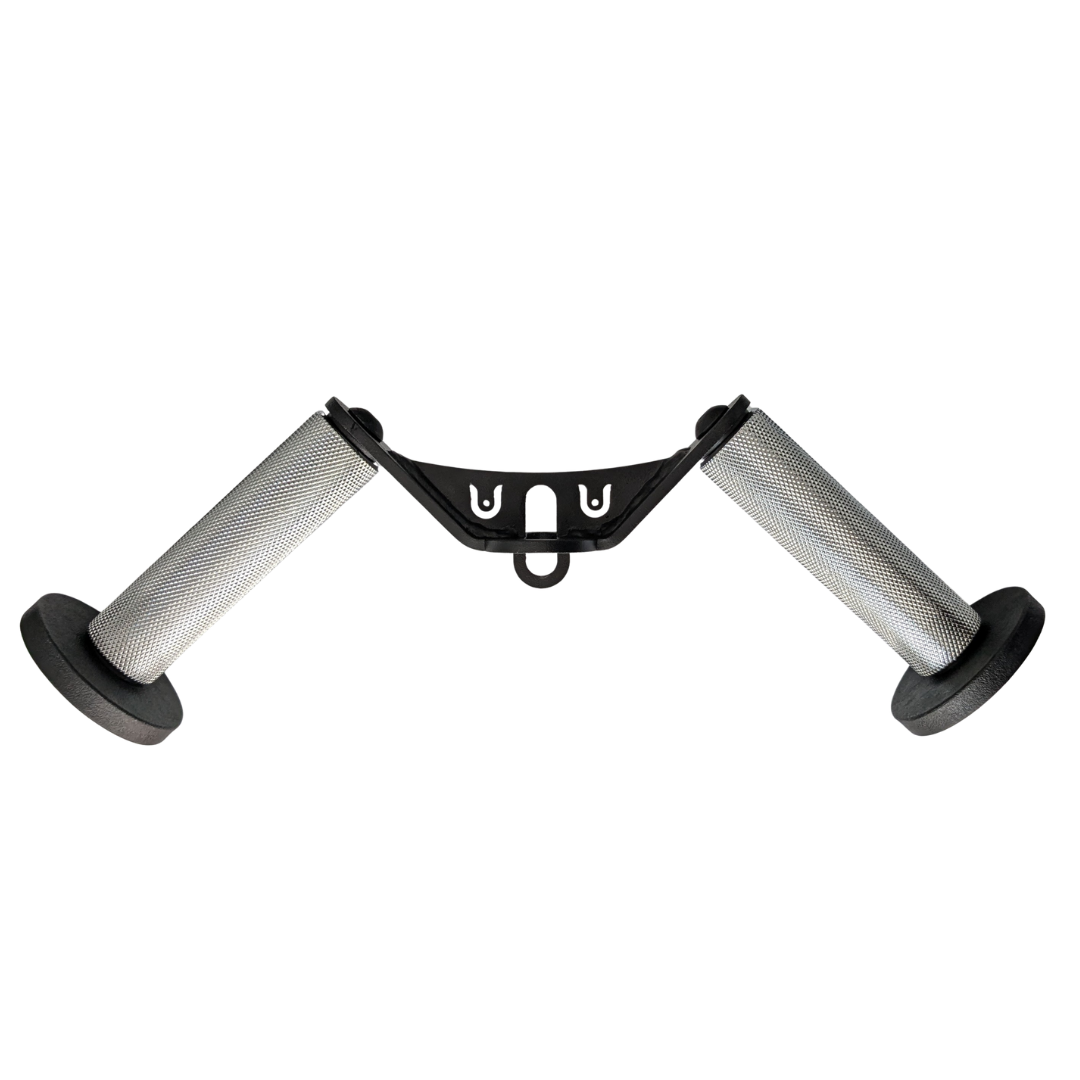
W Grip
Angled cable grip for comfortable rows, pushdowns, and curls.
How many sets, how heavy and how often?
A sensible starting point is four to eight direct hammer-curl sets per week divided between one or two sessions, adjusted for the amount of rows, pulldowns, chin-ups and other curls you already perform. This is a programming example, not a universal prescription. Someone whose back routine already taxes elbow flexion heavily may need fewer direct sets than a lifter whose training is mostly presses and lower-body work. Begin with the smallest amount that produces measurable progress and add volume only when recovery and technique remain reliable.
Select a weight that allows roughly eight to fifteen controlled repetitions with one to three good repetitions left in reserve on most sets. If your target is ten and you could genuinely perform twenty, increase the weight when practical. If you need to swing the torso to get rep six, the load does not match the goal. Rest long enough to retain performance—often around one to two minutes for direct arm work—and take longer when the load or proximity to failure warrants it.
Progression is easiest with a double-progression rule: keep the dumbbells fixed while adding a rep here and there, then increase to the next available weight once every planned set reaches the upper end of the range with clean form. For example, move from three sets of ten to three sets of twelve before trying heavier dumbbells and returning closer to eight reps. Track each side honestly when alternating. Bigger numbers on the dumbbell are not improvement if the range has been cut in half.
Finally, manage elbow discomfort rather than trying to train through sharp pain. Adjust the grip, load, set count or exercise if irritation builds. Persistent pain, tingling or loss of strength deserves evaluation rather than another variation invented on the spot. Training consistency across months has far more value than winning one hard curl session.
A six-week hammer-curl plan and seven quick fixes
Use this block after your main back or upper-body work, not before a session where grip and pulling strength are the priority. Keep one palms-up curl elsewhere in the week if you want complementary elbow-flexion work. In each session, begin with a short warm-up using light weights, then perform the prescribed clean work. Start conservatively enough that week one establishes a repeatable technique baseline rather than a maximum-effort demonstration.
Weeks 1–2: two sessions a week, two sets of ten to twelve hammer curls per session, leaving about three repetitions in reserve. Video one set to check wrist alignment, torso movement and the bottom position. Weeks 3–4: move to three sets in one session and two in the other if recovery is good; build toward twelve to fifteen controlled repetitions while keeping the same movement version. If weekly pulling already produces substantial arm fatigue, stay at two sets instead. Weeks 5–6: when all prescribed sets reach their target with clean technique, increase load one small increment and return toward eight to ten reps. If no increment is available, add a controlled repetition before considering slower lowering or an extra set.
Seven common fixes are worth keeping close: lower the load when the hips bounce; let the shoulders relax when they creep toward the ears; maintain a neutral wrist instead of twisting into a palms-up curl; finish the comfortable bottom range rather than shortening every rep; match the weaker arm’s clean count; give the elbows rest when irritation appears; and compare performance with last week’s actual form rather than the number printed on a dumbbell.
Hammer curls are neither a shortcut nor an inferior replacement for every other curl. They are a simple, adaptable way to train elbow flexion. The winning plan is one that fits the rest of your lifting, respects your joints and makes six weeks of progress easy to see.
Funny Gym Shirts & Workout Gear
Funny gym shirts, tanks, hoodies and workout gear for lifters who like training hard.

Beauty And The Biceps Meme – Top , Princess & T-Shirt
Bring “Beauty and the Biceps Meme” humor to your next gym day.


Guns Gains Glory Patriotic Eagle Meme Vest Tank Top
Train hard, laugh a little, and rep “Guns Gains Glory”.

Right To Bare Arms – Huge Arms 4th Of July Meme – T-Shirt
Bring “Right To Bare Arms” humor to your next gym day.

– Flex Armstrong Astronaut Moon Huge Arms Pullover Hoodie
Show off your bodybuilding humor in a laid-back “Flex Armstrong Astronaut Moon Huge Arms” hoodie.

Girls Just Wanna Have Guns Shirt Meme Huge Arms & T-Shirt
Make gym days more fun with “Girls Just Wanna Have Guns” style.

Big Biceps Theory Decal Water Bottles & Gear Meme Sticker
Bring “Big Biceps Theory” attitude to your water bottle or laptop.

The Real Rocky Mountains Bicep Mountain Meme & T-Shirt
Heavy lifts, good laughs, and a little “The Real Rocky Mountains Bicep Mountain” energy.

Shirt – Gundalf The Grey Big Guns Meme – , Gymbros & T-Shirt
Bring “Gundalf The Grey Big Guns Meme” humor to your next gym day.

Welcome to the Gun Show for Big Biceps Lifters | Rock W T-Shirt
For laid-back days and metalhead humor: “Welcome to the Gun Show”.