Advertising disclosure: This page includes affiliate product links that may earn us a commission, as well as products from our own store.
Supersets can shorten a busy workout, but what happens when the last bench press-and-row pairing feels much harder than the first? An April 2026 test involving 20 adults compared fixed, self-selected and repetition-adjusted rest. The unexpected result: flexible recovery helped preserve later repetitions, but a simple timer produced the fastest session. Here is how to use that tradeoff without pretending an acute test proves extra muscle growth.
What the 20-person superset experiment actually tested
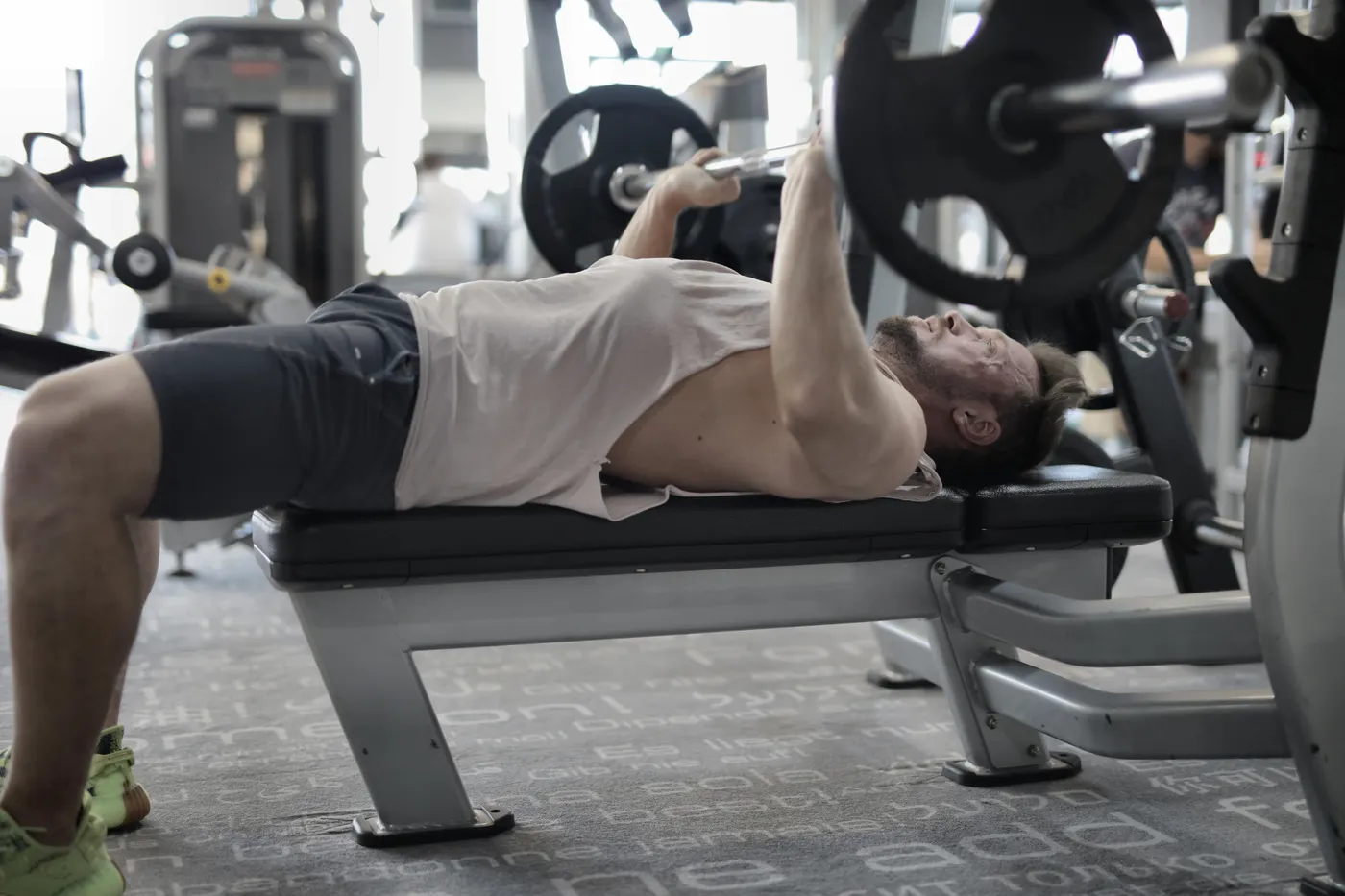
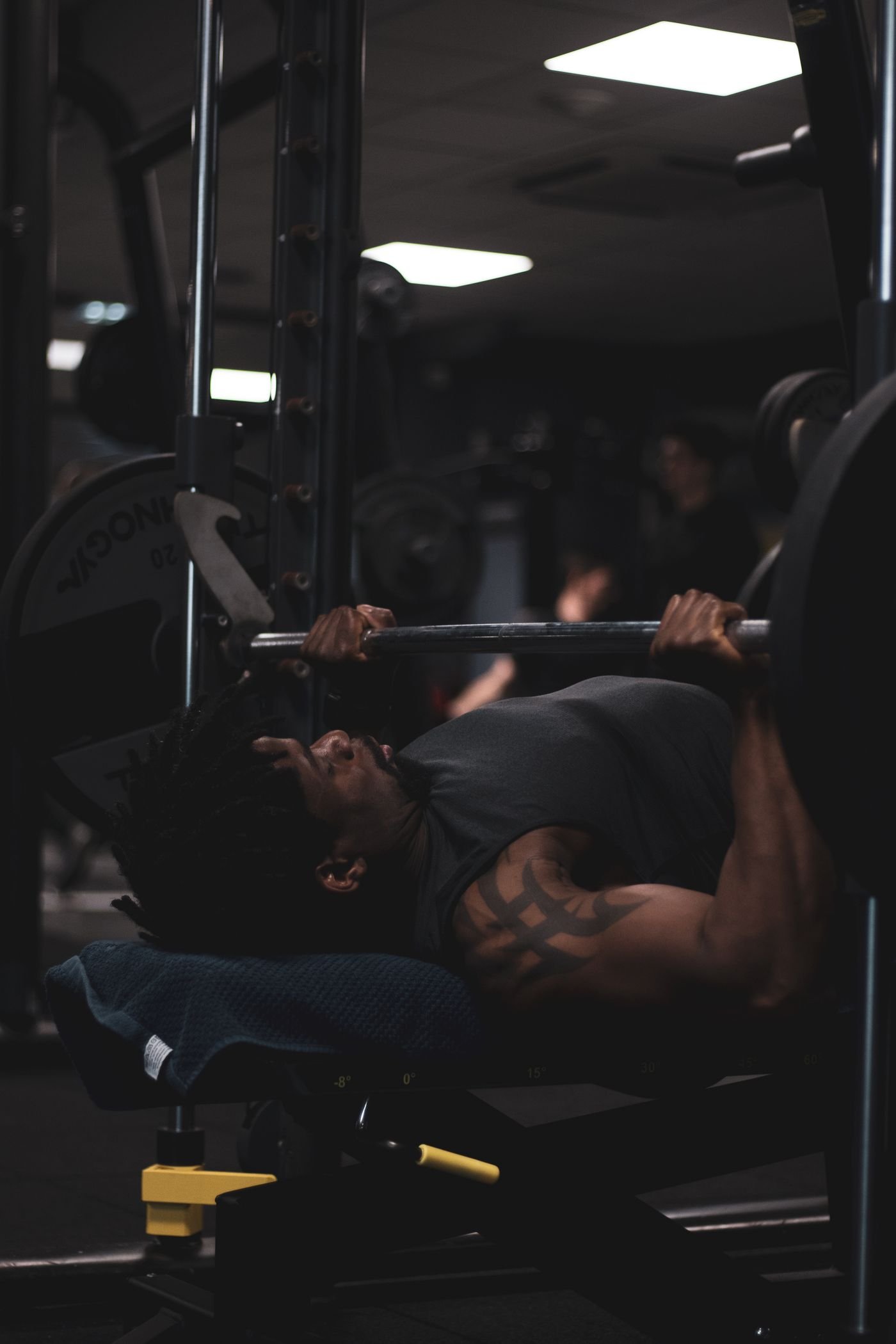
Supersets often get sold as a way to squeeze two exercises into the time normally reserved for one. That is true at the level of gym logistics, but the rest period between successive pairings still shapes what happens to the load and the quality of the next repetition. An April 2026 experiment examined precisely that variable instead of simply comparing supersets with ordinary sets. Twenty young adults completed three versions of the same upper-body session in randomized order: five pairs of bench press and bench pull, using 75% of their respective one-repetition maximums. The pair was an agonist-antagonist combination, so pressing and pulling emphasized different primary muscle groups.
One condition used a fixed three-minute rest interval, one allowed participants to choose their own rest, and the third adjusted recovery according to repetitions completed in the preceding work. The objective was not to crown a bodybuilding program after months of training. It was to measure acute repetitions, bar speed, blood lactate, perceived effort and session efficiency under different rest-management rules. That distinction matters: performing more repetitions in one testing session is not automatically the same as gaining more muscle, adding kilograms to a future one-rep max or reducing injury risk.
For a lifter deciding between a watch timer and a more flexible approach, the interesting question is whether a consistent rest interval sacrifices useful repetitions, and whether extra repetitions are worth the time or fatigue they create. The results offer a nuanced answer rather than a single magic interval.
Fixed, self-selected and repetition-adjusted rest: the meaningful differences
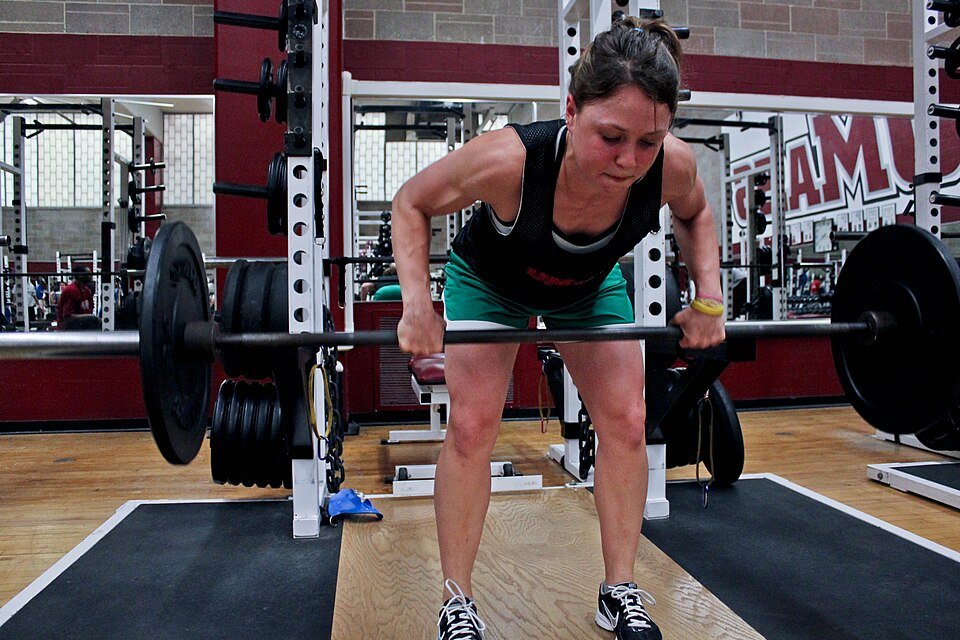
The fixed protocol provided a reliable three-minute break between supersets. It removed guesswork and made the session easier to schedule. Self-selected recovery let each person decide when to go again. That sounds individually optimized, but subjective readiness can be influenced by motivation, conversation, discomfort and the desire to avoid another hard effort. The repetition-adjusted condition used completed reps as a practical feedback signal, so recovery could change in response to prior output instead of staying at a preset duration.
In later supersets, both the self-selected and repetition-adjusted approaches maintained more repetitions than the fixed-rest condition. This was a measured difference in how much work was completed as the session unfolded; it was not a finding that adjustable rest consistently produced the fastest bar or the lowest subjective effort. The participants’ fastest set velocity and ratings of perceived exertion did not differ significantly across the three conditions. A lifter who feels similarly tired may still produce a different number of repetitions depending on recovery.
There is a crucial nuance in the repetition result. A higher repetition count can be useful when your priority is accumulating quality volume, but it is not free. The strategy that preserves more repetitions can also extend the workout, increase metabolic stress or change the distribution of fatigue. That is why a better answer to “How long should I rest?” begins with what you want the next set to accomplish.

Equipment Worth Exploring
Explore equipment, accessories and gear from our carefully selected range.


FID Bench MAX
Adjustable bench offering flat, incline, and decline positions + adjustable headrest.



Speed Collar
Quick-release collars designed to secure weight plates on standard two-inch Olympic bars.

Grip Plates
Rubber-coated weight plates with handholds for loading barbells and machines.
Why the fastest workout did not produce the most late-session reps
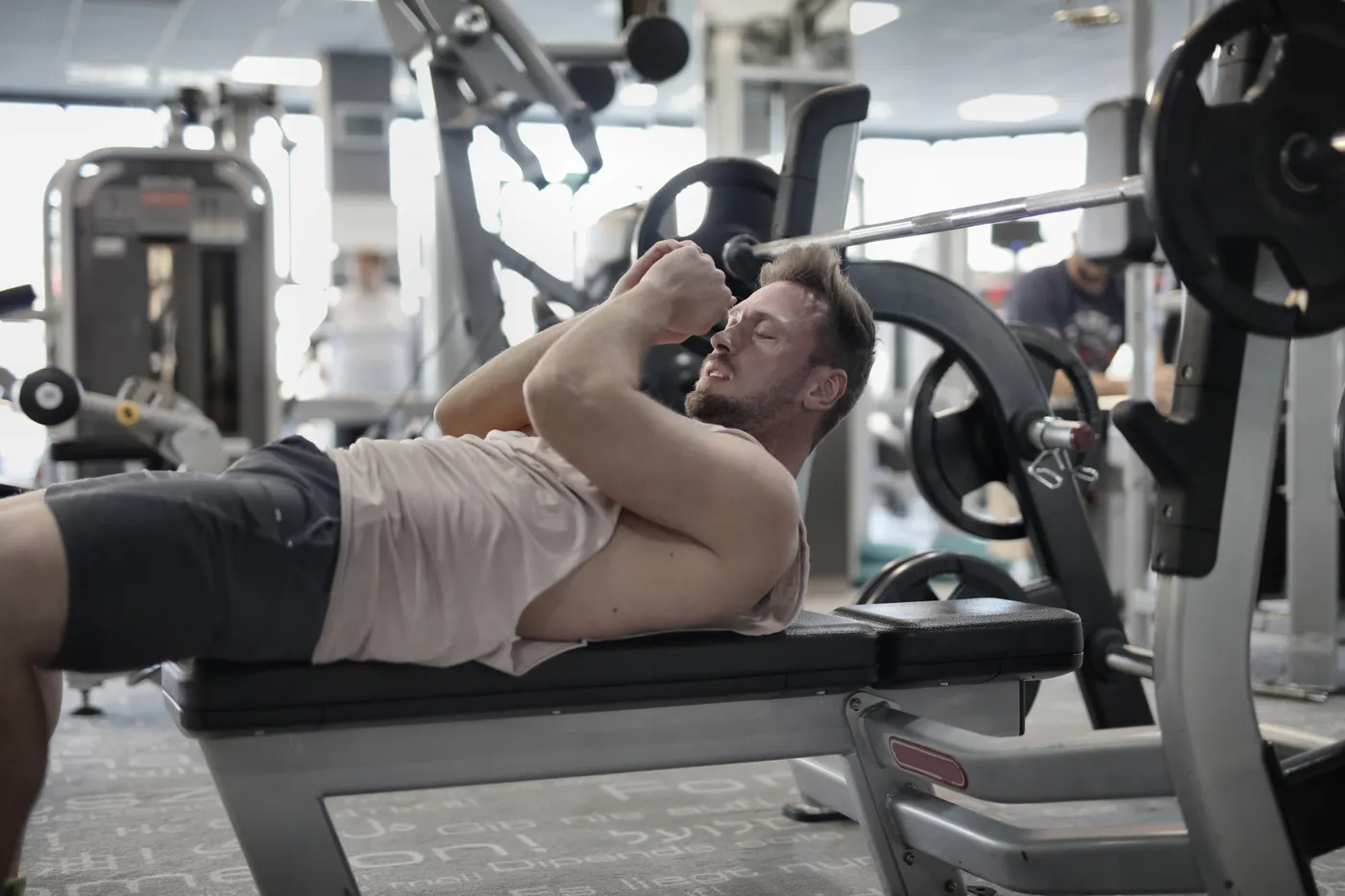
Session efficiency depends on the denominator. If you care about total minutes from your first loaded set to the last, the fixed three-minute approach was the most time-efficient of the tested conditions. Repetition-adjusted rest came next, and self-selected rest was slowest. This ordering is a useful corrective to the assumption that listening to your body always speeds up training. A flexible rule may protect repetitions precisely because the athlete sometimes takes longer before continuing.
Consider a practical example, not a reconstruction of the experiment’s individual results. You plan five bench-and-row pairings at a stable load. With a strict timer you may complete the work within a predictable window but lose a rep or two later on. If you keep extending breaks until you repeat the original rep count, you may achieve a larger total while using more minutes. Neither session is automatically superior. A powerlifting accessory block with limited time may prize predictability; a bodybuilding block where maintaining effort across sets is central may justify an extra minute.
A fair comparison should count more than the number on the clock. Record actual completed reps, load, technique breakdown, total duration and how well you recover for your next session. If a flexible approach adds five minutes for one low-quality repetition, the tradeoff is weak. If it restores several controlled reps at a meaningful load, the calculation is different. The useful principle is to treat rest as a resource, not a competition to look busy.

Bodybuilding Shirts & Workout Gear
Bodybuilding shirts, tanks and gym gear for lifters chasing muscle, size, symmetry and the pump.

Anti Social Gymrat Club – Meme , , & – T-Shirt
Show some lifting attitude with a playful “Anti Social Gymrat Club” tee.


Hardcore Gains Gym | Funny No Pain No Gain Workout Swea T-Shirt
For laid-back days and lifting humor: “Hardcore Gains”.

Grind Mode Stoic Bodybuilder : Greek God Marble T-Shirt
Bring “Grind Mode Stoic Bodybuilder” humor to your next gym day.

My Therapy – Lifting Bodybuilding Powerlifting Meme Gra T-Shirt
Rep “My Therapy” humor in and out of the gym.

Work Hard Eat Hard Donut Dumbbell Donuts Barbell T-Shirt
Show some gym-day personality with “Work Hard Eat Hard Donut Dumbbell Donuts”.

Mike Mentzer Heavy Duty High Intensity Bodybuilding Hoodie
Make your off-duty look more fun with “Mike Mentzer Heavy Duty”.

Gym Cult Member Occult Lifting Meme – Bodybuilding Powe Hoodie
Show off your powerlifting humor in a laid-back “Gym Cult Member” hoodie.

Gold Skull Uplift Iron Club Lifters Training Wear Power Tank Top
Add some powerlifting attitude to training with “Gold Skull”.

Gym Is My Therapy Hooded Pullover Workout Fans Hoodie
Make your off-duty look more fun with “Gym Is My Therapy”.
The fatigue signal that changed: lactate, not perceived effort
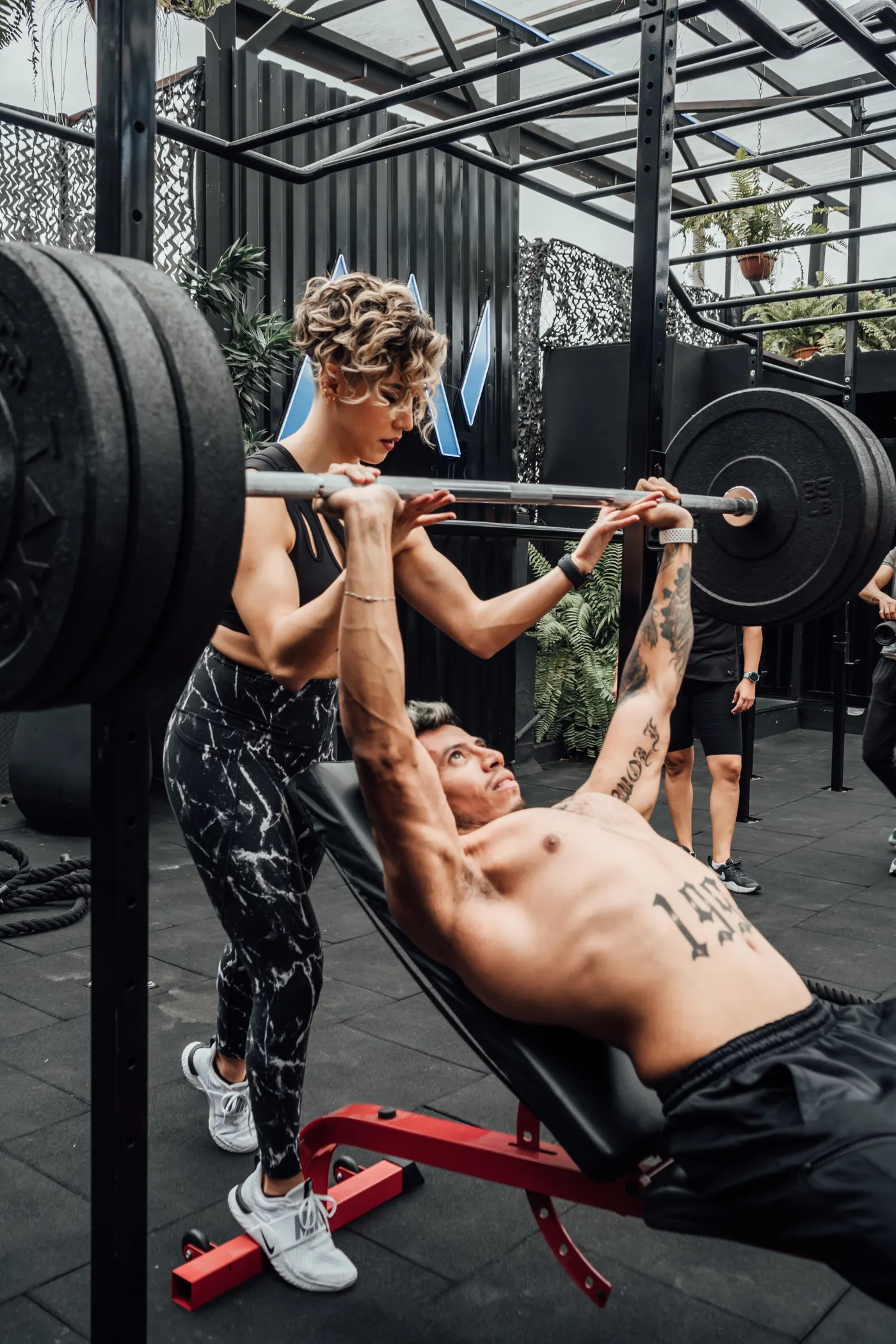
A surprising detail was the metabolic response. Blood lactate was significantly higher in the repetition-adjusted protocol than in both the fixed and self-selected conditions. Lactate itself is not a direct score of muscle growth, and a higher reading does not prove that a session is better or worse. It does show that two protocols can produce different internal demands despite similar ratings of perceived exertion and similar fastest-set bar velocity. One measurement cannot stand in for every kind of fatigue.
For practical coaching, this means you should not use the feeling of a pump or the burn as your only quality-control tool. A lifter may leave the gym with the same subjective sense of effort under two plans even if one involved more accumulated metabolic disturbance. The next workout provides valuable additional context: soreness that disrupts training, declining performance over several sessions and poor sleep can matter more than whether a single session was uncomfortable.
There is also a limitation worth emphasizing. The study examined short-term responses in twenty young adults using a specific bench-press/bench-pull pairing at 75% of maximum. It does not show that the lactate result would remain identical with squats, sets to absolute failure, women and men of all ages, a different loading prescription or a twelve-week bodybuilding block. Treat the lactate result as an observation about this protocol, not a universal rule for every superset.
When a bench-press and row superset makes programming sense
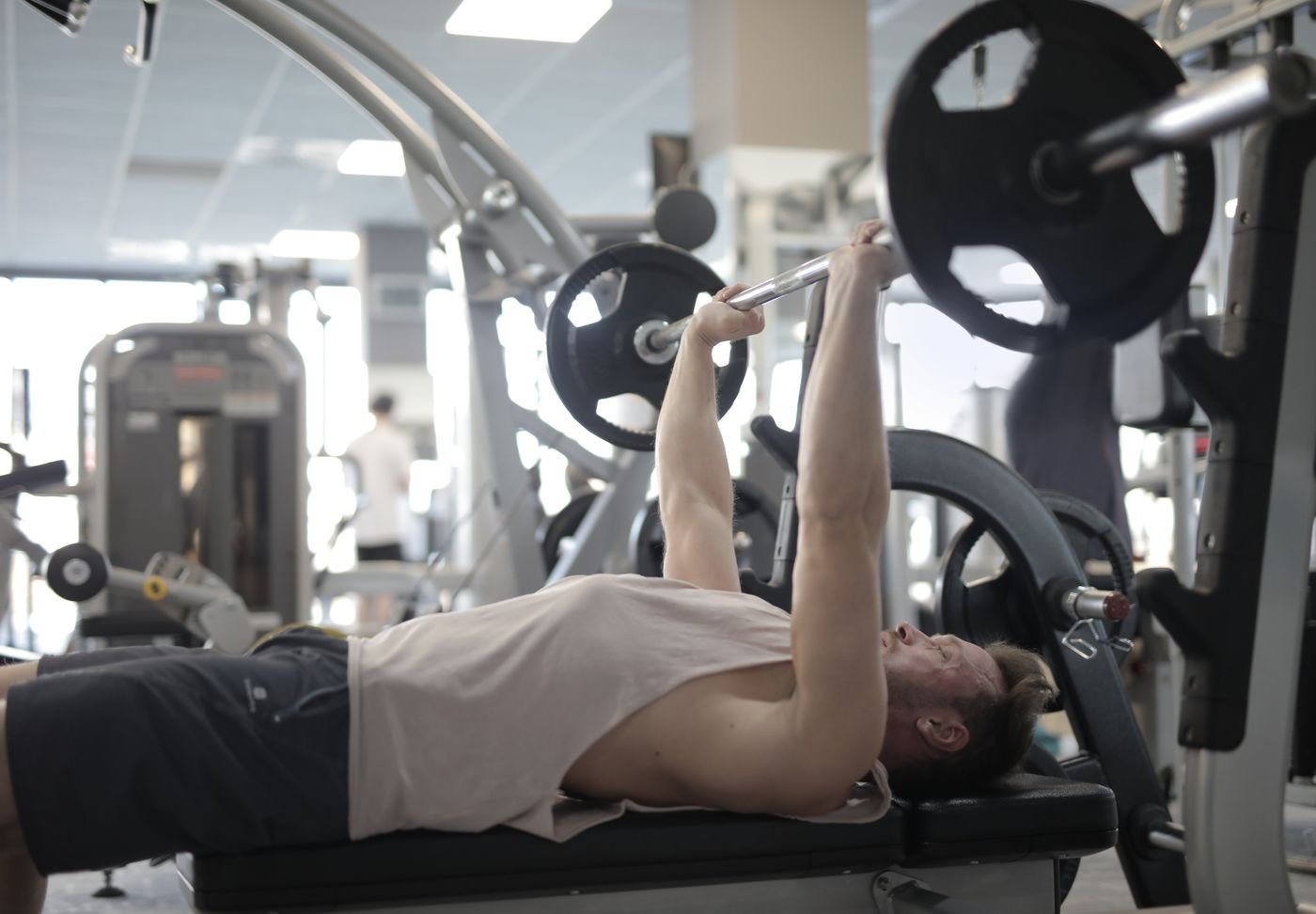
Pairing a press with a pull is attractive because both exercises can be trained without turning the session into two consecutive sets for the same prime movers. Yet the pair is not completely fatigue-free: upper-back stabilization, grip, trunk bracing and general cardiovascular demand still overlap. Heavy rows can change how you stabilize a later bench press, while aggressive pressing can make subsequent pulling less comfortable. Sequencing is a programming choice, not an excuse to let technique slide.
A workable structure is to do the bench press, move to a chest-supported row or bench pull with equipment already set, then recover before repeating the pair. Use a load you can lift with clean mechanics rather than chasing an arbitrary rep count. For a strength-focused block, stay farther from technical failure and protect the heaviest press sets with adequate recovery. For a hypertrophy-focused block, controlled reps matter more than minimizing the pause between machines.
Equipment congestion can defeat a theoretically efficient plan. If the gym is busy and you would have to guard two stations, conventional straight sets may be more considerate and easier to execute. An adjustable bench and a pair of dumbbells can make a press-plus-row combination simpler in some settings, but there is no requirement to train at home or purchase new gear to use the idea. Choose a pairing that lets you train well where you already lift.
Equipment Worth Exploring
Explore equipment, accessories and gear from our carefully selected range.
VOLTRA
Compact digital cable trainer with smooth, adjustable resistance.
Horizon Grip
Ergonomic V-style cable grip for rows and back training.

GymPin Ergo Handles
Pair of ergonomic cable handles shaped for comfortable triceps and pulling exercises.

GymPin D Handle Bar
Multi-use steel D-handle bar for cable rows, pulldowns and other cable exercises.

GymPin Barbell Row Handle
Heavy-duty handle attachment for barbell, landmine and T-bar rows.

VForce Lat Tower
Wall-mounted cable tower with pivot arms and adjustable 1:1 or 2:1 pulley ratios.

48in Aluminum Lat Bar
48-inch aluminum lat pulldown bar with knurled grip and rotating center swivel.

Lat Pulldown Set
Multi-grip cable attachment set for pulldowns, rows, and varied upper-body training.
A practical rest-adjustment rule for your next four upper-body sessions

Start with a baseline rather than copying a laboratory algorithm you have not actually seen. For the first session, choose two manageable lifts, perform three or four pairings and take a predictable two- to three-minute break after each completed pair. Record the reps you achieve on both exercises, the load, the total session time and whether your last reps remain controlled. Do not use a failed rep as your ordinary stopping signal.
On the second session, keep the exercises and working loads the same. If the final two pairings fall sharply below your first set despite good technique and adequate sleep, experiment with an extra 30 to 60 seconds before the next pairing. If performance is stable, keep the original rest. On the third session, test a self-selected break, but impose a sensible ceiling so that a busy day does not drift into an open-ended workout. On the fourth, compare not only reps but how long the block took and whether the technique stayed clean.
This four-session experiment is an editorial suggestion, not a claim that the participants followed these exact steps. If you are early in your lifting career, recovering from pain or unsure of stable loading, simpler straight sets are often easier to learn. The key is to adjust one variable at a time. Otherwise changes in load, exercise choice, set count and rest all together can make the result impossible to interpret.
The bottom line for muscle growth, strength and busy schedules
The acute experiment supports a conditional takeaway: allowing rest to change with repetition output can help preserve later-set volume, but it is not necessarily the quickest way through a session, and a higher lactate response is not itself evidence of a superior long-term result. The fixed-rest approach was faster, the self-selected approach was slowest, and the adaptive rule offered a middle ground on time while helping maintain repetitions. There was no clear between-condition advantage in fastest-set velocity or perceived exertion.
Broader training evidence gives the finding its proper scale. Research synthesizing superset programs suggests that well-designed supersets can save time without systematically sacrificing long-term strength or hypertrophy outcomes compared with ordinary sets, although immediate internal fatigue can be higher. Separate reviews of rest intervals suggest that very brief breaks may impair volume maintenance; the potential growth advantage of longer versus very short rest is modest and uncertain beyond moderate durations. None of that makes a single acute experiment a muscle-gain trial.
For a lifter who values predictable workouts, use a timer and increase the break only when rep quality or output consistently falls. For a lifter prioritizing quality repetitions over the absolute shortest session, use performance feedback to allow longer rest where it earns its place. And for someone already progressing with straight sets, there is no urgent need to rebuild the program. The best rest strategy is the one that helps you train hard, keep a credible record and repeat productive workouts week after week.
Funny Gym Shirts & Workout Gear
Funny gym shirts, tanks, hoodies and workout gear for lifters who like training hard.

Four Plates Bench Club Tee
Show some powerlifting attitude with a playful “4 Plates Bench Club” tee.


I Love Bench Press | Heart Weight Plate Hooded For Ches Hoodie
Keep it laid-back with a little “I Love Bench Press” attitude.

Barbell Breaker Heavy Metal Workout Bar Breaker Lifting T-Shirt
Show some metalhead attitude with a playful “Barbell Breaker” tee.

If The Bar Ain't Bending You're Just Pretending – Power Hoodie
Keep it laid-back with a little “If The Bar Ain't Bending You're Just” attitude.


Psychosocial Lifting Club – Heavy Metal Lifting Pullove T-Shirt
Show some gym-day personality with “Psychosocial Lifting Club”.

Gym Nerd Pixel Lifting Meme Graphic Workout Shirt Bodyb T-Shirt
Heavy lifts, good laughs, and a little “Gym Nerd” energy.

Pain Is Temporary Stoic Gains – Meme Shirt & Sigma T-Shirt
Heavy lifts, good laughs, and a little “Pain is Temporary Stoic Gains Graphic” energy.

Garage Gym Hero Hooded Pullover for Home Gym Lifters Wo Hoodie
Keep it laid-back with a little “Garage Gym Hero” attitude.