Advertising disclosure: This page includes affiliate product links that may earn us a commission, as well as products from our own store.
REP Fitness offers its Commercial Open Trap Bar with fixed handles, two sleeve configurations and an integrated loading jack. The most useful question is not whether a trap bar is automatically better than a straight bar. It is whether the exact dimensions, grip options and open frame suit the way you lift. This guide turns the listed specifications into practical choices, explains what the broader deadlift evidence does and does not show, and offers a repeatable six-week training example without claiming hands-on testing.
The commercial bar is not just the original with a new name
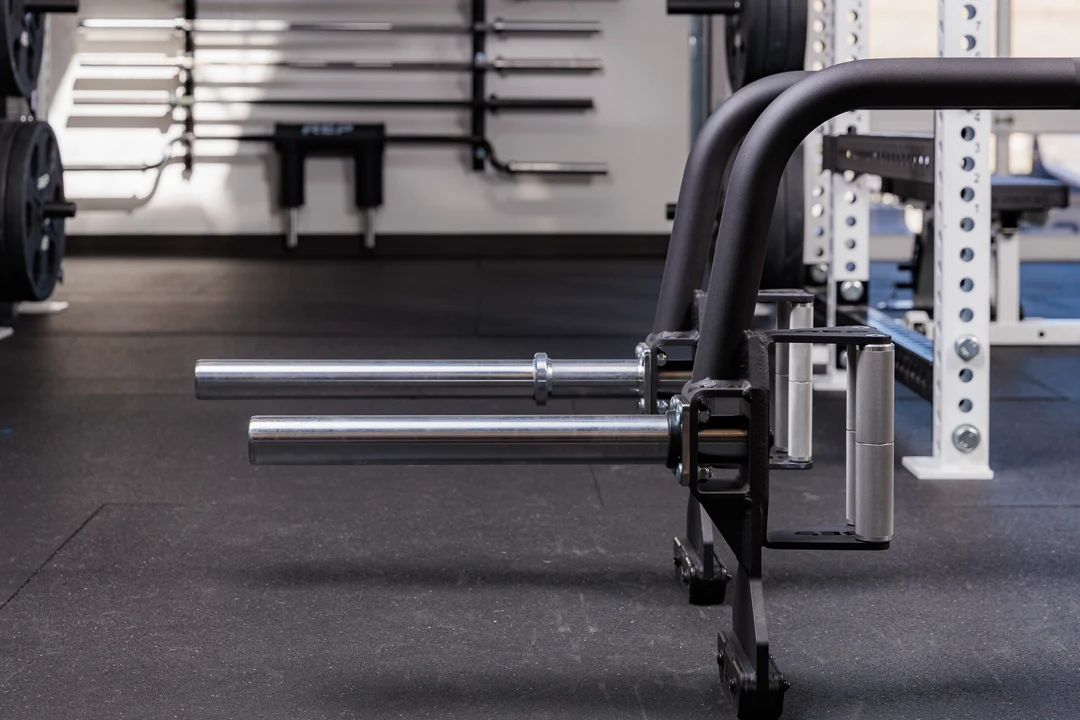
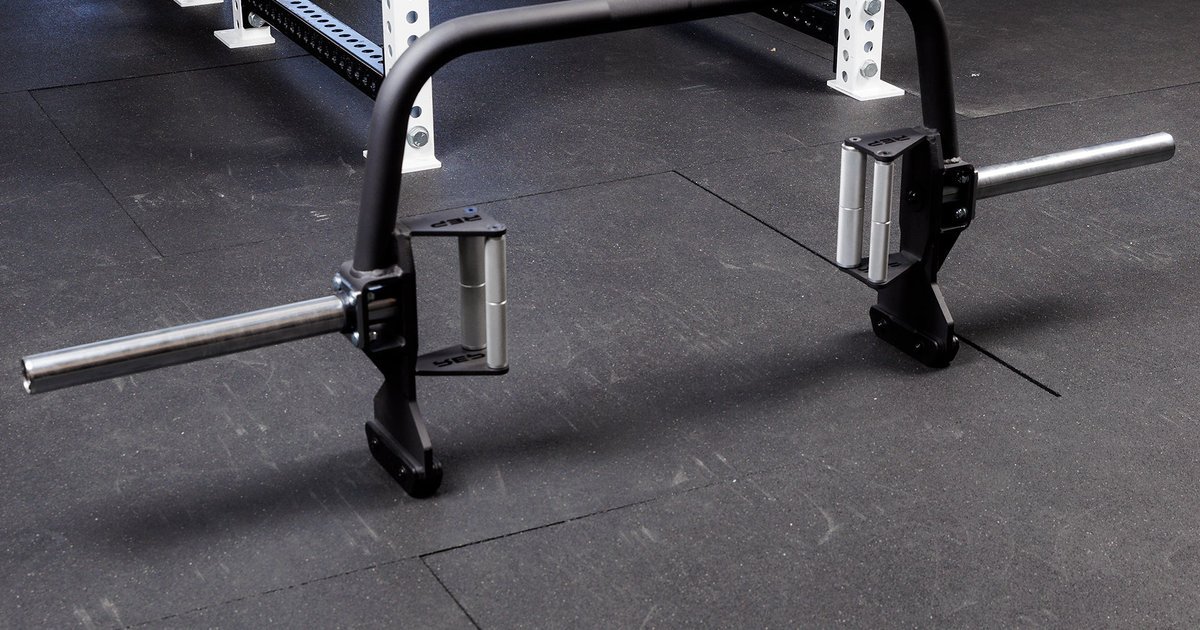
The REP Commercial Open Trap Bar keeps the open frame of a modern trap bar while making a deliberate trade: the handles are fixed rather than removable. On REP’s original Open Trap Bar, a buyer can swap between narrow, standard, wide and rotating handle sets. On the commercial model, the selected handles are permanently welded into place. That reduces configuration choices, but it also means a busy training floor does not have to manage loose handle assemblies or reset a bar between users. It is a consistency-first proposition, not automatically a superior training tool for every lifter.
There are two handle styles: straight 28 mm grips or a hybrid with 28 mm and 38 mm diameters. Both sit on an open frame so the athlete can walk into the bar, load it from the sides and walk forward without a rear crosspiece obstructing movement. That layout can make carries, split squats and lunges easier to organize than a closed hexagonal frame. The product is still a specialty bar, however, rather than a universal substitute for a straight Olympic barbell.
REP markets the commercial version for high-volume gyms and performance facilities. That intended use matters: a station where many athletes repeatedly deadlift with a standard grip may benefit from permanently fixed handles. By contrast, a single owner who wants to experiment with several grip widths may value the original bar’s interchangeable system more than the welded construction. Choose the feature you actually need rather than inferring that commercial branding guarantees better gains.
The manufacturer lists a 700 lb capacity, volcano-style medium knurling and an integrated loading jack. These are concrete features, not independent measures of longevity or strength performance. The right buying comparison is therefore the exact configuration, available floor area, rack width, preferred deadlift setup and training applications. The details below turn those specifications into decisions you can check before paying.
Compact versus rackable: measure the entire lifting lane
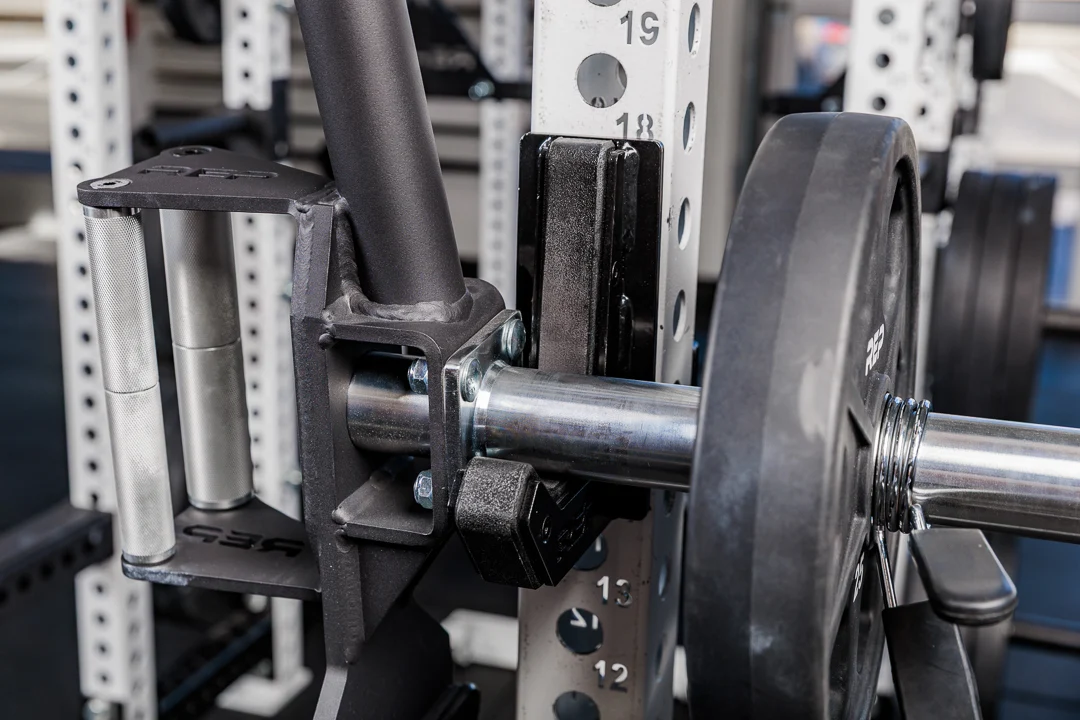
The compact version is listed at 74.8 inches long and 66 lb, while the rackable version is 84.3 inches long and 70.4 lb. That is a 9.5-inch difference in total length and a 4.4 lb difference in starting bar weight. Both specifications list 16.5 inches of usable sleeve length, so do not assume the longer overall bar automatically gives you more room for plates. The distinction is largely about how the sleeves span a rack and how far the implement extends across your room.
For the rackable version, REP lists 51.3 inches between sleeve collars and says it is designed for 47-inch REP racks and compatible with most racks up to 49 inches wide. The compact bar is explicitly not rackable. Before ordering, measure outside-to-outside J-cup contact points, upright and accessory interference, the path of the collars and whether your rack’s cups can support the sleeves evenly. A rackable specification is not a blanket guarantee for every third-party rack or unusual J-cup shape.
For floor pulls, both variants list approximately 25.3 inches between the handles and similar loaded handle heights. In-line grips are 8.2 inches off the floor and raised grips 11.2 inches, measured under the manufacturer’s stated loaded conditions. Check what those heights mean with your own plates. The bar’s weight must also be included when planning a warm-up: a first set with no additional plates is already heavier than many standard 45 lb barbells.
Floor footprint is only one part of clearance. Account for a loaded 45 lb plate radius, the athlete’s feet, room to approach the open end, and a safe passage from a rack to a carry lane. An 84.3-inch bar that technically fits between walls may still be awkward to turn or store. A compact version can solve a length problem, but it cannot create extra sleeve capacity or rack compatibility that the specifications do not provide.

Equipment Worth Exploring
Explore equipment, accessories and gear from our carefully selected range.


Open Hex Bar
Open-frame trap bar with multiple handles for deadlifts, carries, and lower-body training.


Competition Plates
Competition-style bumper plates for Olympic lifts and loaded strength training.

Grip Plates
Rubber-coated weight plates with handholds for loading barbells and machines.


Leather Lifting Straps
Padded leather straps support grip during heavy rows, deadlifts and pulling exercises.
Handle diameter, knurling and high-handle deadlifts
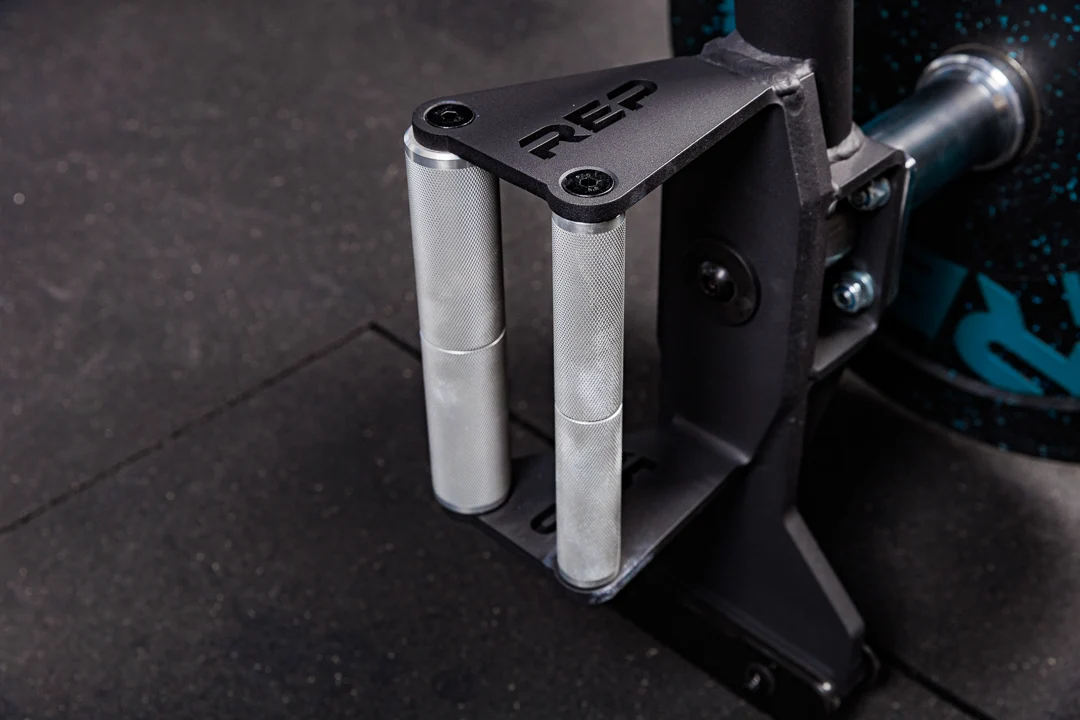
A fixed 28 mm handle feels closer in diameter to a familiar Olympic bar grip. The hybrid option pairs 28 mm with a thicker 38 mm position, allowing a lifter to make the grip itself more demanding. That extra thickness can be useful for loaded carries or moderate pulls when grip endurance is an explicit training goal. It can also make heavy work less practical if the fingers become the first limiting factor. A hybrid handle is not automatically the better deal if most of your sessions prioritize heavy deadlift strength.
Grip spacing is listed at roughly 25.3 inches between the handles. This is neither the narrowest nor the widest setting available on REP’s separate interchangeable-handle Open Trap Bar. Shoulder width, forearm length and individual comfort still matter: set both hands evenly and see whether the wrists remain neutral. The medium volcano-style knurling should add tactile traction, but actual feel depends on your hands, chalk, loading and wear.
The two loaded grip heights differ by about three inches. Using the raised handles changes the starting position, potentially reducing how far the hips and knees must travel before lockout. That can be useful for a lifter who is deliberately limiting range of motion or building capacity toward deeper pulls. It should not be confused with a magically safer deadlift; individual joint tolerance, control, fatigue and load selection still govern how appropriate a variation is.
Hex-bar research in general has identified mechanical differences from straight-bar deadlifts, including shifts in joint moments and power in particular test groups. Those observations are not direct experimental findings on this exact REP model, and they do not establish injury prevention. A practical starting choice is to use the in-line handles for a consistent longer-range pull when tolerated, then use high handles intentionally for a shorter variation, not as an invisible change from week to week.

Powerlifting Shirts & Lifting Gear
Powerlifting shirts and gym gear for squat, bench and deadlift lifters who live for heavy numbers.

Big Boy Barbell Club Shirt Meme & Essential Top T-Shirt
Make gym days more fun with “Big Boy Barbell Club” style.

Heavy Barbell – Meme Shirt & Top T-Shirt
Make gym days more fun with “Heavy Barbell Powerlifting Graphic” style.

Barbell Heartbeat Crewneck Pullover Sweater for Powerli T-Shirt
Keep things casual with a little “Barbell Heartbeat” attitude.

Iron Is My Therapy – Lifting Bodybuilding Powerlifting T-Shirt
Add a playful “Iron Is My Therapy” touch to your casual rotation.

Lift Heavy – Hardcore Heavy Metal Gym Muscle Shirt for Tank Top
Bring “Lift Heavy Tank” humor to your next lifting session.

Day of the Dead Deadlift Gym – Día de los Muertos Calav Sticker
Give your everyday gear a playful “Day of the Dead Deadlift” twist.

Patriotic Eagle Deadlift Stars Stripes and Deadlifts Gy Sticker
Give your everyday gear a playful “Patriotic Eagle Deadlift” twist.

Deadlift or Die Tryin Hooded Pullover Deadpool Fans Hoodie
Make your off-duty look more fun with “Deadlift or Die Tryin”.
PR or ER – Hardcore Deadlift Gym Shirt for Powerlifters T-Shirt
A t-shirt featuring the PR or ER – Hardcore Deadlift Gym Shirt for Powerlifters and Bodybuilders artwork, bringing lifting-inspired humor and distinctive gym graphics to your everyday gear.

Shirt – Squat Bench Deads Gains T-Shirt
Heavy lifts, good laughs, and a little “Squat Bench Deads” energy.
The integrated jack matters more than it looks
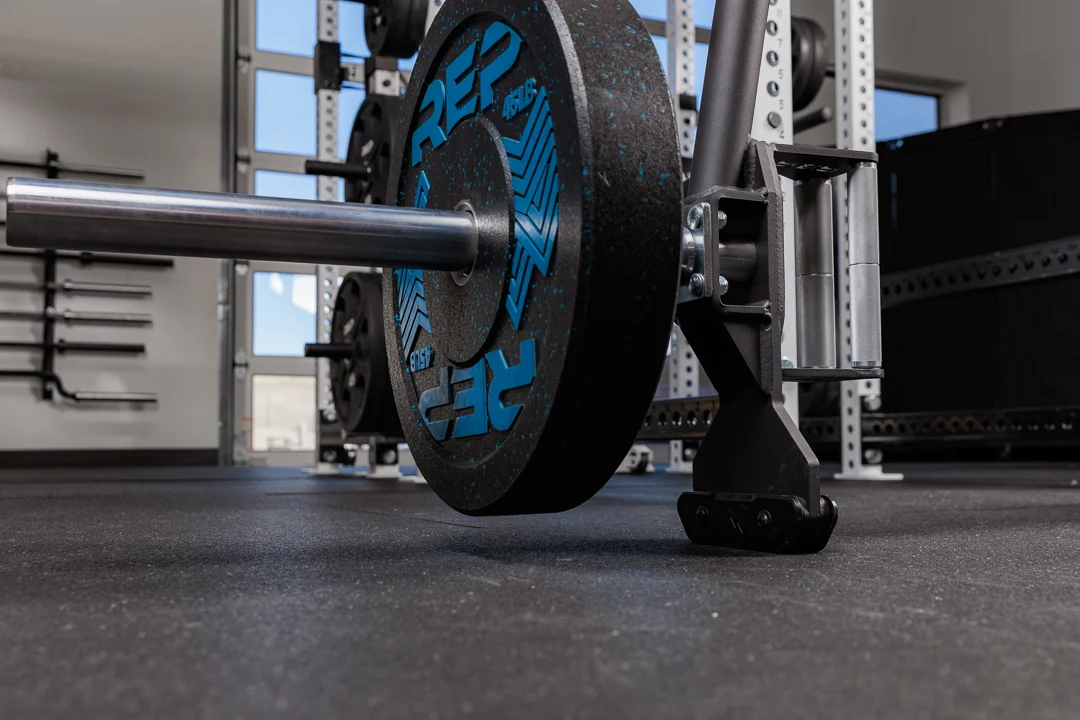
Loading a conventional trap bar from the floor can be an annoying cycle of rocking one plate edge up, sliding another plate on, and repeating as the weight grows. REP integrates jack feet into the open frame so the lifter can tip the bar into a supported loading position. The manufacturer describes lined contact points intended to protect a platform while the bar rests on its jack. That feature can reduce plate-change friction during a high-volume session, especially when the same bar is shared by multiple athletes.
Use the jack as intended rather than treating the loading position as a general-purpose storage stance. Clear the floor before rotating the frame, keep fingers away from the bar’s pivot and plates, and check that the supporting feet are stable on the actual surface. Even a lined foot can mark delicate floors under heavy pressure or drag. Test a light configuration first if the training area has soft flooring, platform seams or awkward slopes.
The listed usable sleeves are 16.5 inches on both versions. REP says each side can accommodate approximately ten iron 45 lb plates or five bumper 45 lb plates, depending on actual plate width. Plates from different brands have different thicknesses, so that marketing example is not a promise that every combination fits. Always leave room for secure collars where appropriate, and do not equate available sleeve space with permission to exceed the bar’s stated capacity.
The real strength of an integrated jack is repeatability and convenience, not a new source of muscular stimulus. If a bar is only loaded once for a couple of sets, the benefit may feel modest. In a group-training environment with frequent weight changes, the feature can become one of the more meaningful parts of the equipment. Pair it with orderly plate storage and a clear loading station; the accessory can only save time when users can reach the plates safely.
Deadlifts, carries, lunges and rows: choose the movement, then the bar
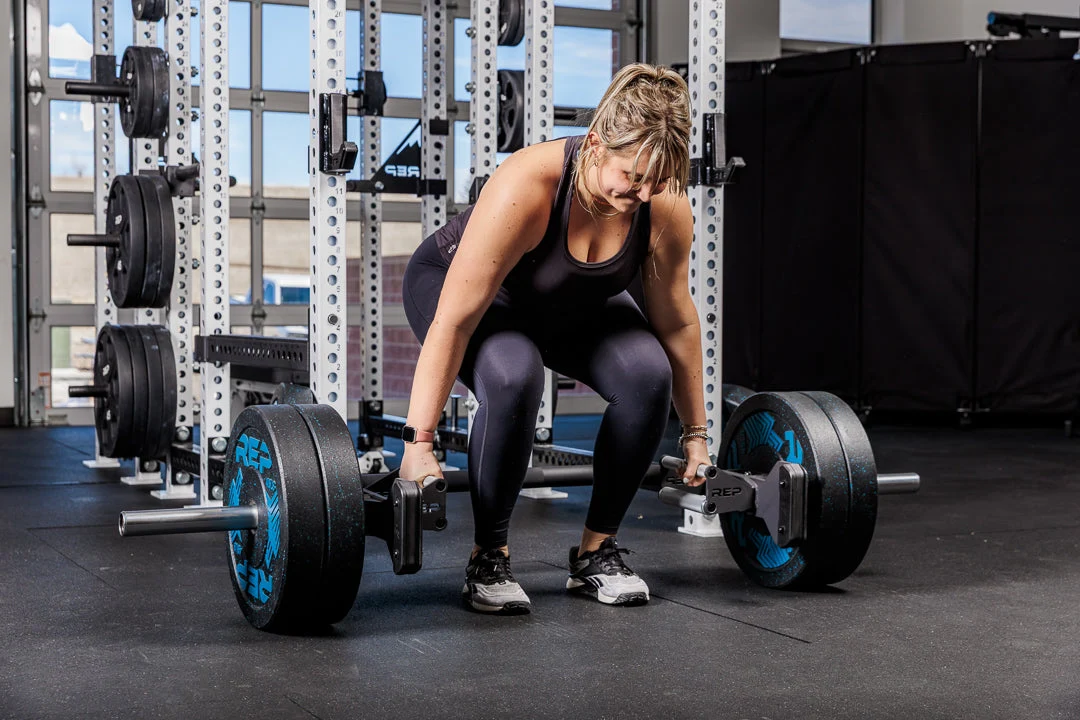
For a standard trap-bar deadlift, step into the frame with feet approximately hip width, align each grip beside the body, create tension through the upper back, brace the trunk and push the floor away. Keep the bar balanced rather than twisting toward one side, and finish tall without throwing the shoulders backward. The bar should return under control. A strong pull does not require jerking the first inch off the floor, and a neutral handle does not excuse rushed setup.
For a loaded carry, begin with a controlled deadlift, stand upright and take deliberate steps through a clear lane. Keep the shoulders approximately level and avoid excessive side-to-side rotation. The open end permits walking forward without striking a rear crossbar, but the loaded bar is much wider than your body. Make sure the lane includes space to stop, set the bar down and turn around. The goal is controlled total time or distance, not maximum wobble.
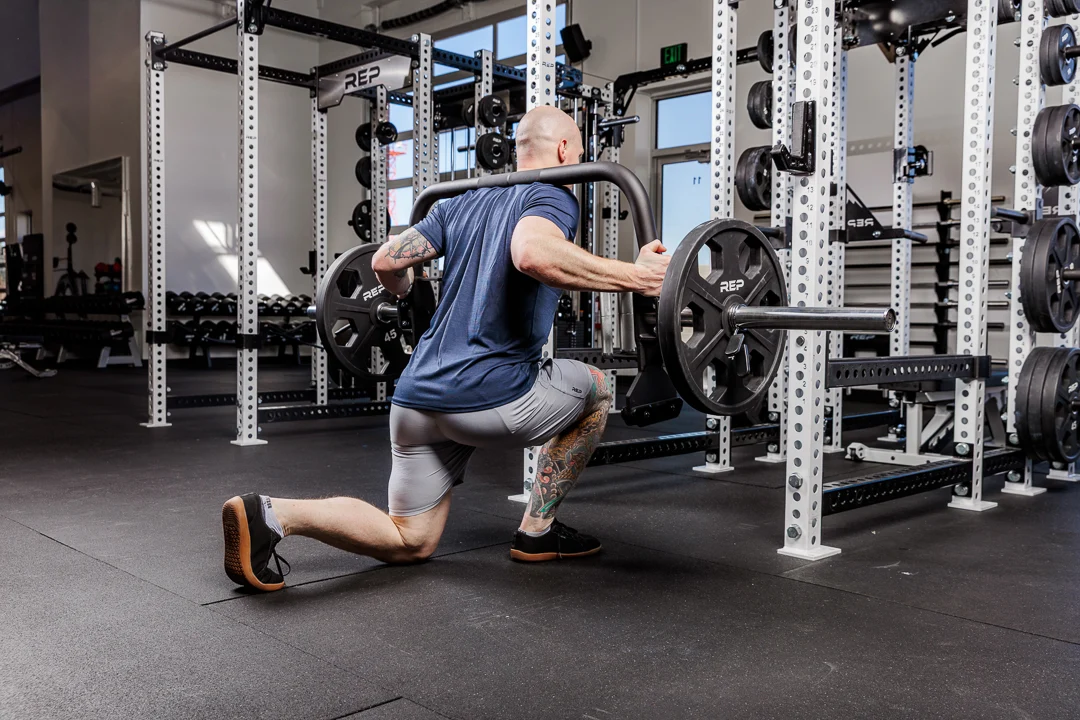
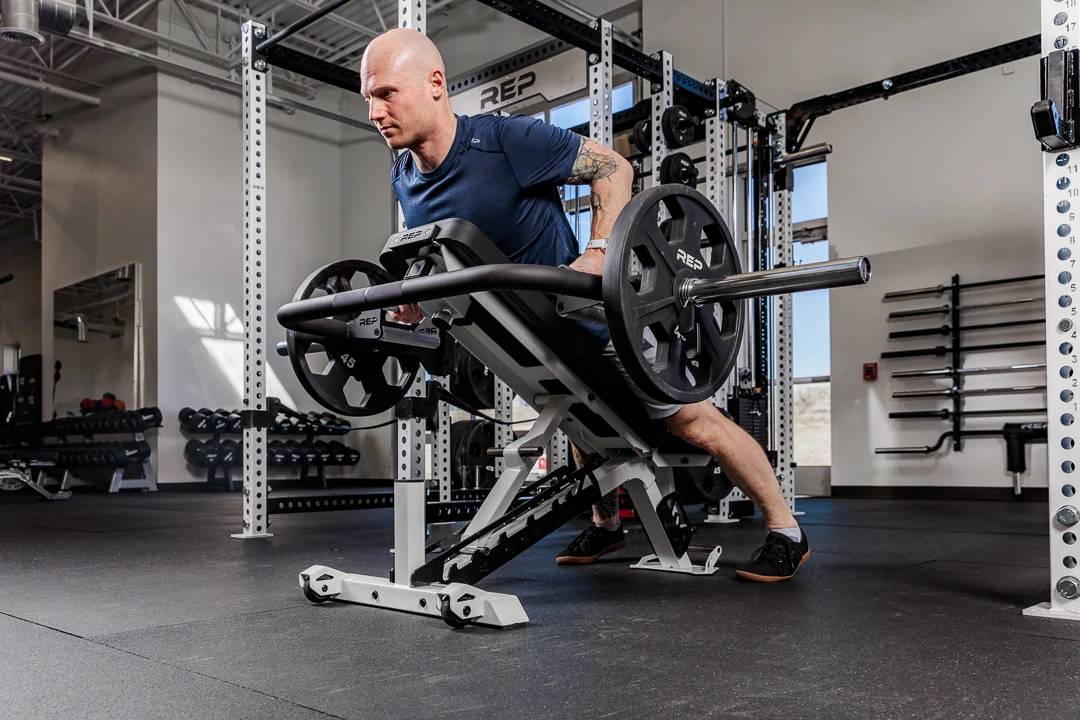
Split squats and walking lunges may be attractive because the open frame allows more room for the legs to move. Begin with a shorter step or stationary split squat and enough clearance for the loaded sleeves. If the bar twists or the stance becomes unstable, return to a simpler variation. For rows, use a stable hinge with knees softly bent and torso angle consistent. Do not treat the raised grips as a substitute for controlling trunk position, especially after heavy pulls.
One useful programming distinction is that deadlifts emphasize heavy repeated force production, carries demand sustained grip and trunk organization, and lunges add single-leg work and balance. They complement one another, but a heavy bar alone does not make every movement appropriate. If space is tight, a two-dumbbell carry or split squat can be more practical than maneuvering a long loaded trap bar. Let the exercise and room constraints determine the equipment, not the other way around.
Equipment Worth Exploring
Explore equipment, accessories and gear from our carefully selected range.


Foldable Wall Rack
Wall-mounted folding squat rack designed to save floor space between workouts.


FID Bench MAX
Adjustable bench offering flat, incline, and decline positions + adjustable headrest.

GymPin Barbell Row Handle
Heavy-duty handle attachment for barbell, landmine and T-bar rows.


Leather Wrist Grips
Padded leather lifting grips help support the hands and wrists on heavy pulling exercises.
An original six-week, two-day trap-bar training template
The plan below is a starting example for a healthy adult already comfortable with basic hip-hinge training. It combines one strength-focused day with a second session aimed at controlled movement and carries. Leave at least 48 hours between the two sessions. Warm up with several minutes of easy movement, a few unloaded or light hinges and progressively heavier warm-up sets. Use loads you can control rather than trying to discover a maximal effort on the first week.
Day A: strength. Perform trap-bar deadlifts for three sets of five reps at roughly RPE 6-7 in weeks one and two. In weeks three and four, use four sets of four reps at RPE 7-8. In weeks five and six, use four sets of three reps at RPE 7-8, maintaining clean bar speed and consistent handle height. Follow with three sets of eight to ten reps of a rowing variation and two moderate sets of single-leg work. Rest two to three minutes between demanding sets.
Day B: control and conditioning. Begin with two or three sets of six to eight lighter deadlifts or split squats. Add three carries of 20-30 meters, or 20-40 seconds when distances are not practical, with complete rests sufficient to preserve posture. If your space cannot safely accommodate carries, substitute a stationary hold for 15-30 seconds. Work with the same grip position each week so you can judge whether the task is truly improving.
Progress only when every rep and step meets the chosen quality standard. For a straightforward approach, add a small amount of weight the following week after all prescribed sets feel comfortably inside the effort target; otherwise repeat the load. In week six, compare the same submaximal load, distance and grip position to week one rather than chasing a forced personal record. Grip, knee or back discomfort that changes movement should trigger a load reduction, exercise substitution or appropriate professional assessment.
Track at least four variables: which handle height you used, loaded total weight including the bare bar, exertion, and either reps or carry time/distance. Note the training surface for carries. Comparing two sessions with different handle heights or ground conditions can produce an apparent improvement that comes from the setup instead of adaptation. The objective is a repeatable training log, not a heroic one-off workout.
Leg Day Shirts & Workout Gear
Leg-day gym shirts and workout gear for lifters who never skip squats, lunges and lower-body punishment.

Trap Bar Deadlift Behold Thee Trap Bar Medieval Knight T-Shirt
Make gym days more fun with “Trap Bar Deadlift” style.

9 Plates Deadlift Club Motivational Meme & Ultimate T-Shirt
Show some deadlift attitude with a playful “9 Plates Deadlift Club” tee.

Praise The Deadlift Holy Lifting Meme Fans T-Shirt
For laid-back days and deadlift humor: “Praise The Deadlift”.

Skeleton Deadlift Sweater & Fans Meme T-Shirt
Show some gym-day personality with “Skeleton Deadlift”.

Heavy Metal Deadlift – Skeleton Gym Crewneck for Powerl T-Shirt
Add a playful “Heavy Metal Deadlift” touch to your casual rotation.

Squats Leg Day Heavy Weights Meme – Essential Top T-Shirt
Bring “Squats Leg Day Heavy Weights” humor to your next gym day.

I Love Deads Shirt – Valentine'S Day Deadlift Meme T-Shirt
Show some deadlift attitude with a playful “I Love Deads” tee.

My Leg Hurts Leg Day & Squat Meme Fans Vest Tank Top
Train hard, laugh a little, and rep “My Leg Hurts”.

Hippo Thrust Meme Leg Day Decal Water Bottles, Sticker
Put “Hippo Thrust Gym Meme” gym humor on your laptop, bottle, or gym gear.

Deadlift Skull Gym Gold Heavy Metal Muscle Shirt for Po Tank Top
Bring “Deadlift Skull” humor to your next lifting session.
Buying checklist: who benefits, who should choose something else
REP listed the Commercial Open Trap Bar at a regular price of about $499.99 on its US product page when checked on November 8, 2026. The actual variant, promotions, shipping, tax and local market can change the total. The manufacturer also lists a five-year warranty, assembly of roughly 10-15 minutes, and shipping in two packages. Confirm the exact variant and shipping terms at checkout, especially when ordering from a country outside the US.
Buy the compact version if the shorter total length solves a genuine clearance issue and you do not need to rack the bar. Buy the rackable version only when you have confirmed J-cup width and stable sleeve contact. Prefer straight 28 mm handles if repeatable heavy pulls dominate your training. Consider the hybrid 28/38 mm option if you specifically want a thicker-grip choice for carries and moderate pulling, accepting that it may constrain heavy grip-limited attempts.
Choose this commercial fixed-handle bar if repeated use, consistency and straightforward operation outweigh handle-adjustment variety. Choose REP’s original interchangeable-handle Open Trap Bar when multiple grip widths or rotating grips are more valuable. Choose a conventional straight bar for exercises that depend on a standard straight shaft, Olympic competition specificity or a barbell rack setup the specialty frame cannot replace. A basic dumbbell or kettlebell setup may also be sufficient for lighter carries and lunges.
Before checkout, measure the full loaded length, check plate and collar thickness, confirm whether the rackable version fits your supports, and make sure there is a safe place to move, load and store the implement. Then decide what meaningful work the bar will add to the current program. A well-used commercial trap bar can be a durable station for pulling and carrying; an expensive bar parked against a wall will not add strength by itself. For current model configurations, consult REP’s official Commercial Open Trap Bar listing.