Advertising disclosure: This page includes affiliate product links that may earn us a commission, as well as products from our own store.
Can you add rows between bench press sets without losing pressing speed? A randomized crossover in 14 trained men offers a more useful answer than the blanket advice to superset everything. Light and moderate pulling work did not clearly worsen bench velocity compared with straight sets, but harder pulling raised the metabolic cost.
Below is what the experiment actually tested, why its findings do not prove faster gains, and how to use push-pull pairs without sacrificing your highest-priority lift.
The 14-man bench-and-pull test, without the hype
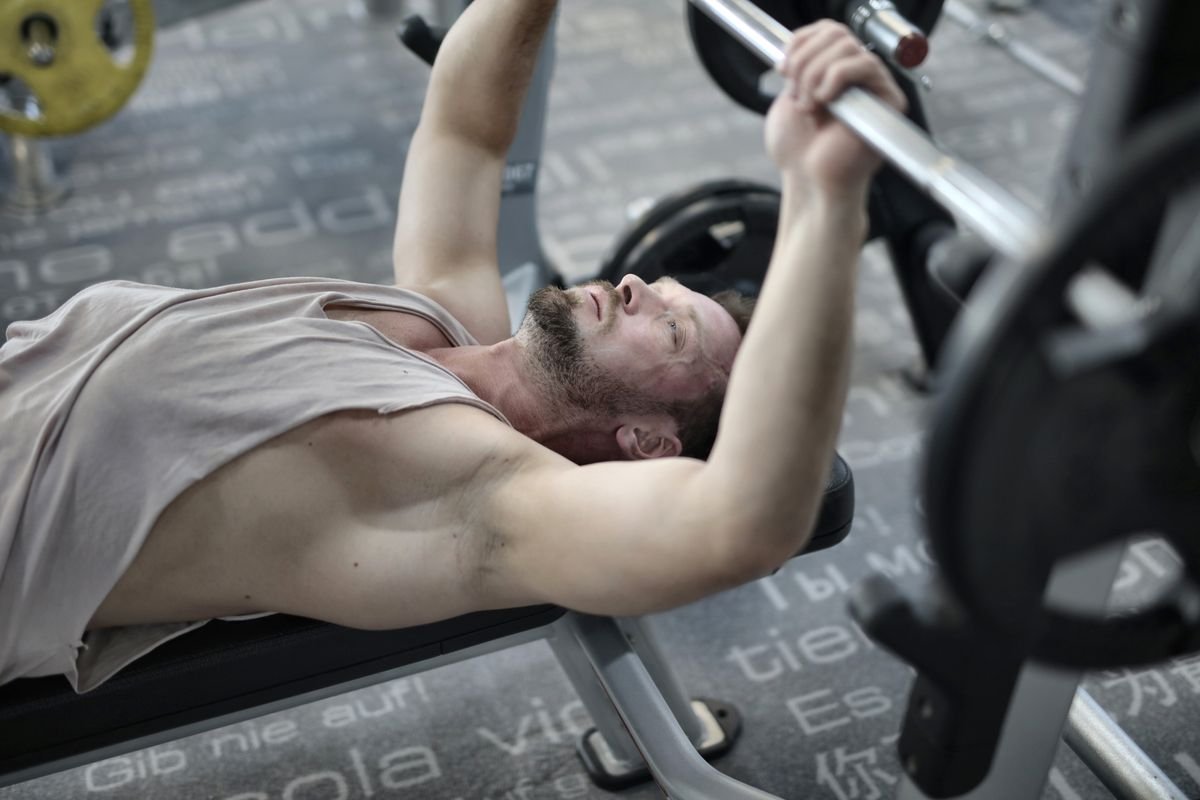
Supersets have an obvious appeal: pair two exercises instead of waiting through every rest interval, and a session can feel much more productive. There is a catch. The seconds you save are not automatically worth the fatigue you add, especially when your first exercise is a heavy or technically demanding lift. A bench press needs stable positioning and adequate recovery, so the practical question is how much pulling work you can insert before the next bench set becomes worse.
A randomized crossover experiment examined that question in 14 resistance-trained men. Each person completed three different conditions. All used four sets of eight bench press repetitions with a load corresponding to roughly a twelve-repetition maximum. One condition used bench pressing alone. The other two placed a prone bench pull immediately after each bench press set, creating a push-pull combination in which the second movement was chest-supported rowing.
The two superset formats differed in the amount of rowing performed: one used about one third of the maximum available repetitions and the other used two thirds. For a lifter able to row a particular load twelve times, those conditions roughly correspond to four or eight pulling repetitions. Researchers tracked movement velocity, effort and blood lactate during the workout. The experiment did not measure months of muscle growth, changes in maximal strength or the best possible long-term program, and those distinctions matter.
Bench speed declined across sets, not clearly more with rows
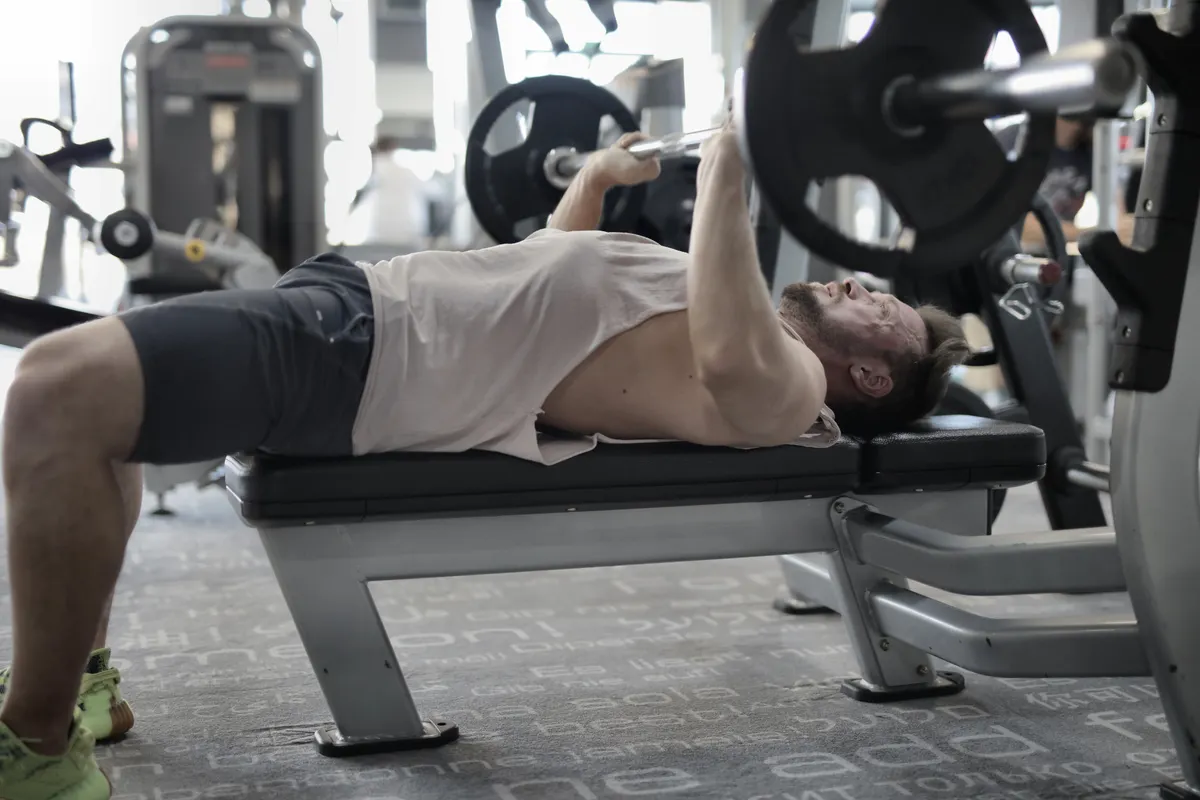
Repeated bench press sets became slower across the session. That is unsurprising: a challenging set consumes some short-term performance capacity, and later sets at the same weight often move less quickly. The important comparison, however, was not the first set versus the final set. It was the change in bench performance between straight sets and the two push-pull arrangements. On the measured bench velocity variables, the differences between conditions were not statistically significant.
In plain language, adding the tested amounts of pulling work did not demonstrate a clear additional penalty to bench bar speed. That does not prove the formats were identical for every participant. Fourteen people is a small sample, and failure to detect a difference does not guarantee none could exist under a much heavier load, more rowing effort, shorter rest or a different exercise sequence. The result is a reason to experiment thoughtfully, not a blanket license to rush every press set.
Set priorities before pairing exercises. If the bench press is the workout’s main performance marker, keep it first in the pair. Monitor the same load, rep target and range of motion as you add rows. If your bench repetitions become inconsistent, bar path deteriorates or pressing power falls much faster than expected, reduce the row effort or return to conventional sets. You can make a session shorter without making your main lift less meaningful.
Bar speed is useful information rather than a verdict. Slow repetitions late in a workout do not automatically mean no muscle-building stimulus occurred. But when the goal is explosive strength or crisp heavy pressing, preserving quality is particularly important. The simplest rule is that the second movement earns its place only when it does not undermine the exercise you explicitly chose to prioritize.

Equipment Worth Exploring
Explore equipment, accessories and gear from our carefully selected range.

VForce Wall Trainer
Space-saving wall-mounted functional trainer with pivoting cable arms and variable resistance ratios.

VForce Lat Tower
Wall-mounted cable tower with pivot arms and adjustable 1:1 or 2:1 pulley ratios.

VForce 2IN1
Half rack and pivot-arm functional trainer with switchable 1:1 and 2:1 pulley ratios.
VOLTRA
Compact digital cable trainer with smooth, adjustable resistance.

GymPin Ergo Handles
Pair of ergonomic cable handles shaped for comfortable triceps and pulling exercises.

48in Aluminum Lat Bar
48-inch aluminum lat pulldown bar with knurled grip and rotating center swivel.

44in Dual Hook Bar
44-inch aluminum dual-hook straight bar for cable rows, pulldowns, and curls.

T-Bar Row Attachment
Welded barbell attachment that connects a D-handle bar for landmine and T-bar rows.


More pulling repetitions raised the metabolic cost
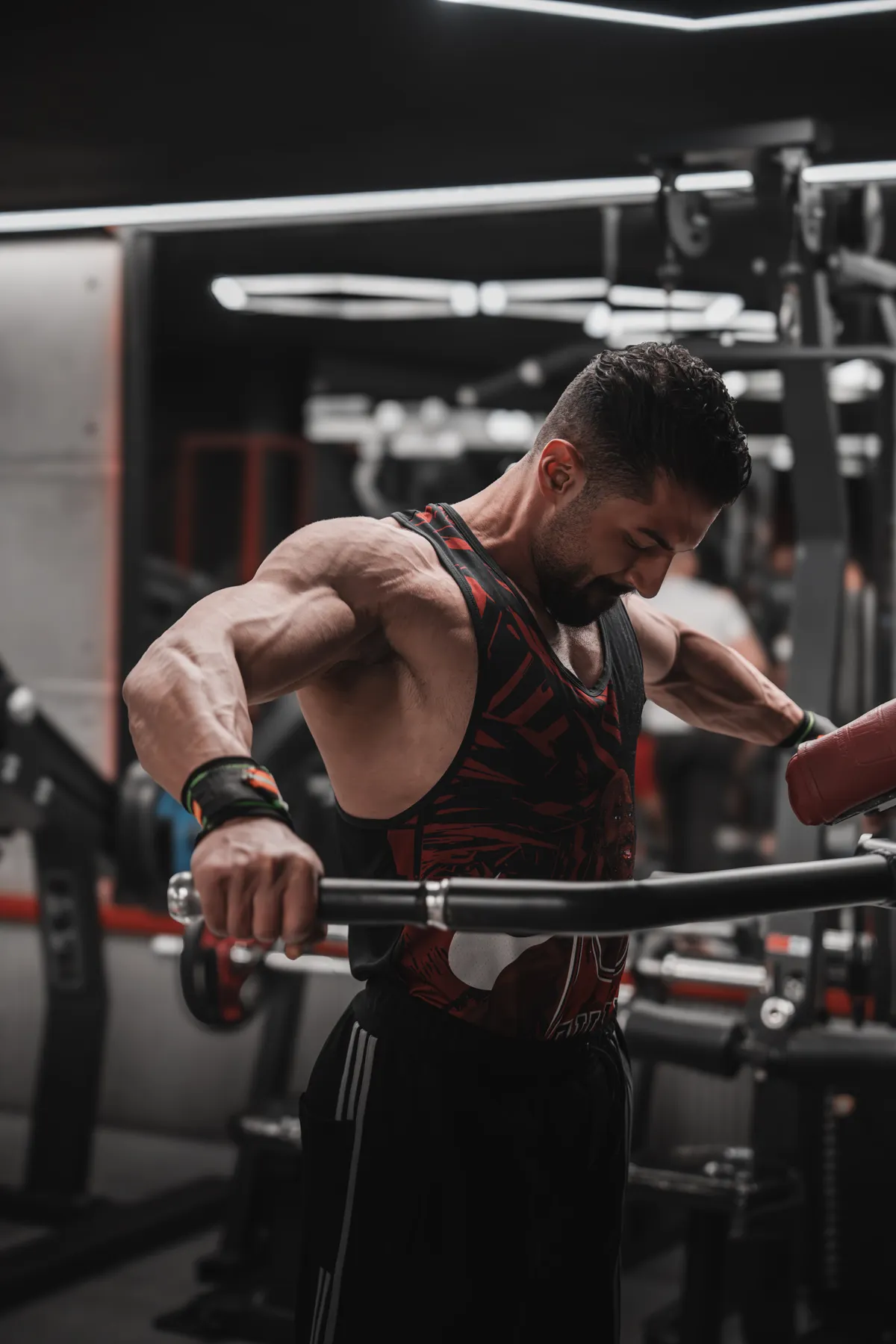
The amount of rowing was not irrelevant just because bench speed stayed comparatively stable. The higher-effort superset condition produced a higher blood lactate concentration before the final set than both conventional bench sets and the easier superset. The lower-effort pairing did not show that same difference from the control. Four and eight controlled rows can feel like variations on the same idea, but under these conditions they created different metabolic demands.
Lactate should not be read as a score for how much muscle a workout will build. A higher value is evidence that the physiological demand differed at the measured moment. It does not establish superior chest growth, greater long-term fat loss or better athletic performance. Those outcomes require other measurements over longer periods. Confusing a dramatic workout sensation with a proven training advantage is one of the easiest ways to overstate exercise research.
Perceived exertion rose over the sets, but the conditions did not show a significant difference in the overall effort ratings. That contrast is useful. A session can feel similarly hard while placing somewhat different metabolic demands on the body. Neither perception nor one laboratory marker tells the whole recovery story. Exercise selection, total sets, load, rest and previous training all influence how much additional work a person can tolerate.
Begin with the easier row if preserving bench performance matters. For instance, use a chest-supported row load that would allow several more clean reps than you actually perform, and reserve your hardest back sets for another part of the session. Increase the pulling challenge only when your next pressing set remains solid. Adding more repetitions is an option, not a requirement to turn a superset into an exhausting circuit.

Funny Gym Shirts & Workout Gear
Funny gym shirts, tanks, hoodies and workout gear for lifters who like training hard.

Superset Octopus Meme – Gymbro T-Shirt
Bring “Superset Octopus Gym Meme” humor to your next gym day.

Supersets Superman Inspired Workout Crewneck Pullover S T-Shirt
For laid-back days and superhero humor: “Supersets”.


Gym O'Clock | Funny Workout & Fitness Meme Fans | Hoode Hoodie
Keep it laid-back with a little “Gym O'Clock” attitude.

Chest Day Decal Water Bottles & Equipment Meme Sticker
Bring “Chest Day” attitude to your water bottle or laptop.

Lat Man Big Back – With Huge Lats – Vest Back Day Tank Top
Your gym-day look, with a playful “Lat Man Big Back” twist.

For Whom the Bell Curls Tee
Show some metalhead attitude with a playful “For Whom The Bell Curls Kettlebell” tee.


Gym Dost Thou Even Pull Medieval Knight Back Day Crewne T-Shirt
Show some gym-day personality with “Dost Thou Even Pull Medieval Knight Back”.

Funny Lift O'Clock Gym | Bodybuilding Muscle Shirt For Tank Top
Train hard, laugh a little, and rep “Lift O'Clock”.
Why pairing chest and back differs from doubling chest fatigue
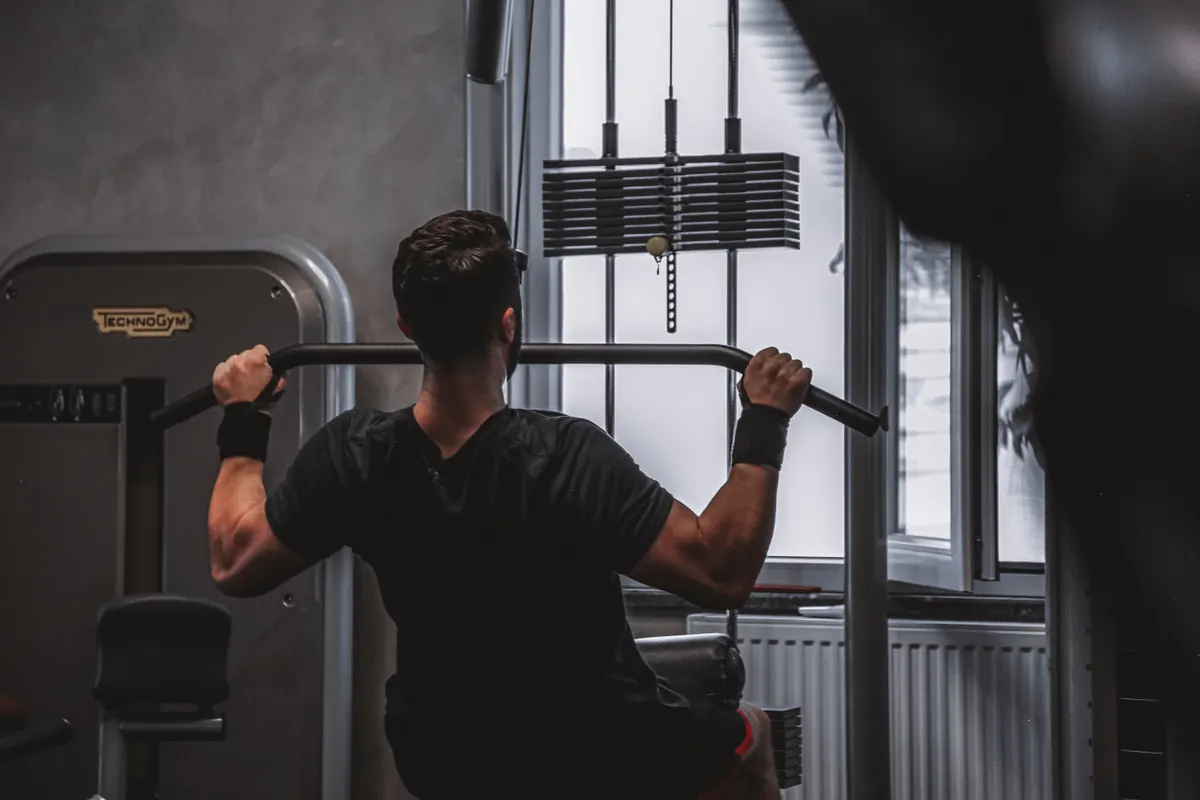
Not all exercises placed together deserve the same programming label. Bench press followed by a row distributes much of the direct effort between pressing and pulling muscles. Bench press followed immediately by hard push-ups or chest flyes challenges overlapping muscles with almost no rest. Both approaches can be called supersets, but they are not mechanically identical, and their effects on quality, total repetitions and the load moved can differ.
Across a broader collection of resistance-training comparisons, supersets improved time efficiency without consistently reducing overall repetitions or total work. However, pairings using similar movement patterns tended to lose more volume load than combinations of opposing muscle groups. That distinction fits ordinary experience: a set of triceps-intensive pressing immediately after another hard press often limits the second effort more than controlled back work does.
This is not an argument that the back magically recovers the chest, or that one pairing works for every lifter. Stabilizing the torso, gripping equipment and controlling breathing still demand energy. A row performed close to failure may interfere with shoulder positioning and bracing on the next press. The benefit of an opposing-muscle pair depends on how hard you take the second movement and how much recovery time remains before the next primary set.
If you want to finish productive chest and back work in limited time, a moderate push-pull combination is a logical starting point. If your goal is to deliberately burn out one muscle group, same-muscle supersets can be used as an accessory technique, but do not confuse that burning sensation with a guaranteed superior growth response. The exercises should serve the training goal rather than the other way around.
What these measurements cannot tell you about gains
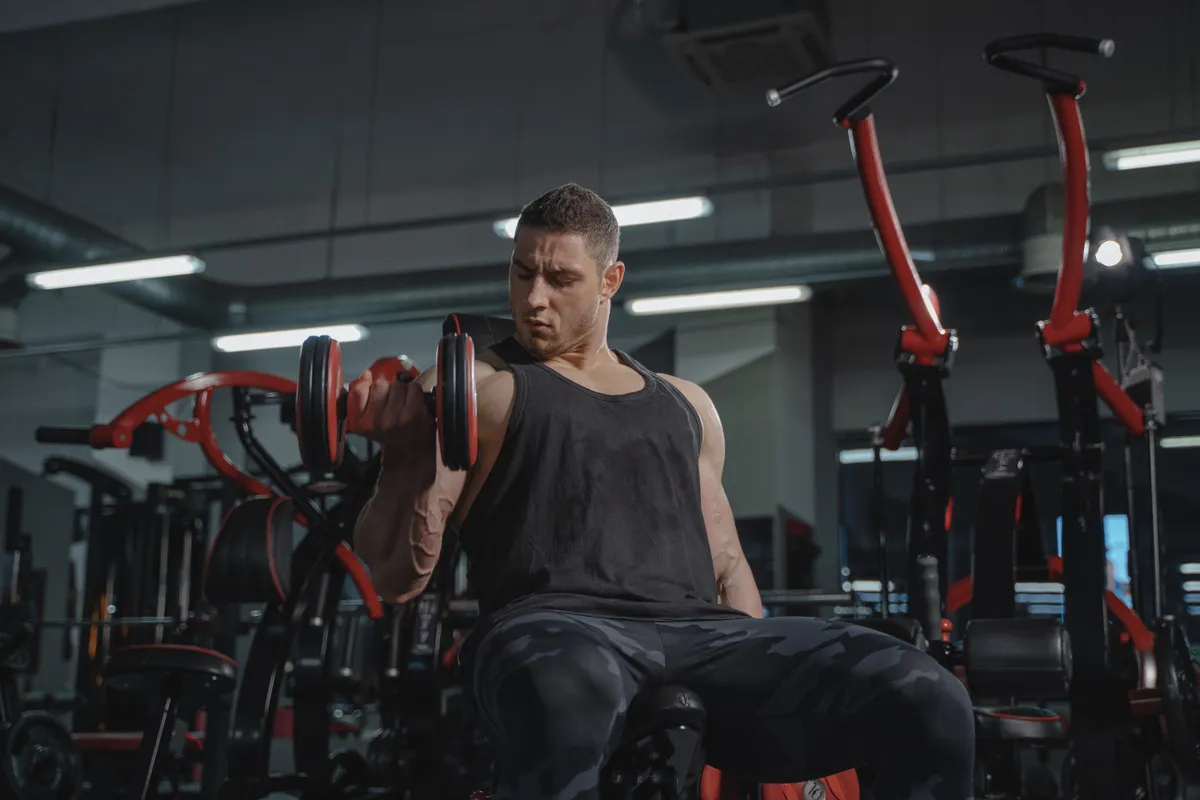
This study measured acute performance, not a training block lasting several months. Its bar-speed results do not establish that adding rows will improve your one-repetition maximum, that a larger lactate response increases hypertrophy, or that longer rest would have made no difference. Participants were trained men using specific bench and prone-pull loads, and the findings cannot automatically be applied to every beginner, athlete or equipment arrangement.
Longer comparisons give a more complicated picture. In one ten-week trial using major upper- and lower-body exercises, supersets reduced training time and led to broadly similar outcomes for body composition and some lifting tests. Yet certain pulling strength measures favored traditional training. That is an important warning against boiling the issue down to a single winner. Saving minutes can be worthwhile even if there are small tradeoffs for particular lifts.
Research combining different superset configurations also suggests that the exact pairing matters. Average hypertrophy results have not established a clear universal advantage for either style, while some pairings create greater acute fatigue or lose training volume. A modest amount of carefully organized work is different from taking every exercise to failure with no rest. When evaluating a program, compare its actual quality sets, total exercise volume and sustainability over weeks.
For muscle-building decisions, the question is whether you can keep doing enough challenging, technically sound work while recovering between sessions. Ten rushed sets are not guaranteed to equal ten high-quality sets with well-chosen intervals. Someone with forty minutes available may make better progress with manageable supersets that consistently happen than with a ninety-minute plan they regularly skip. Someone chasing peak bench strength might reasonably spend more time resting instead.
Equipment Worth Exploring
Explore equipment, accessories and gear from our carefully selected range.

Rubber Hex Dumbbells
Rubber-coated hex dumbbell pairs with a stable shape for home and commercial strength training.


EZ Curl Barbell
Olympic EZ curl bar with angled grips for curls and triceps exercises.

Long Tricep ERGO Ropes
Extended triceps ropes with ergonomic grips for cable pressdowns and overhead extensions.

GymPin D Cuffs
Adjustable wrist cuffs with textured grips for supported cable-machine exercises.


VForce 3IN1
All-in-one rack combining an adjustable Smith machine, functional trainer, and free-weight station.

FID Bench MAX
Adjustable bench offering flat, incline, and decline positions + adjustable headrest.
A realistic bench-and-row session you can modify
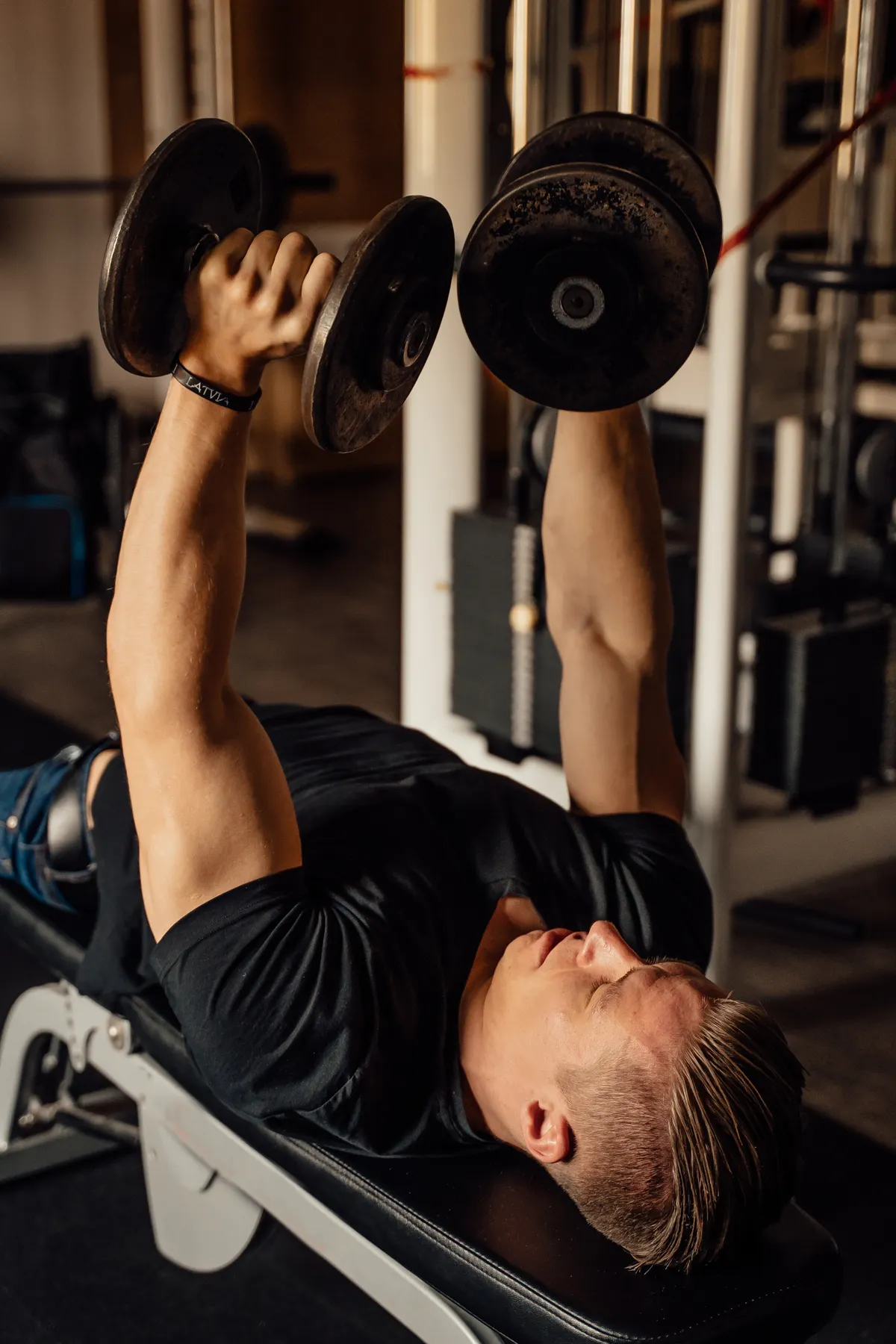
Warm up both patterns before starting the working pairs. Use lighter bench sets, a few controlled pulling repetitions and enough shoulder movement to find a stable press setup. Then choose a bench load you can repeat with clean mechanics. An approachable template is three or four sets of six to eight bench repetitions, followed by four to six controlled chest-supported rows, then a rest interval sufficient for another technically consistent bench set.
This is an illustrative starting template rather than a direct copy of the experimental protocol. The central idea is to put the most important exercise first and keep the following exercise submaximal. If the next bench set loses several planned repetitions, try fewer rows, a lighter pulling load, or longer rest before abandoning the entire approach. A superset succeeds when it provides useful extra training without quietly undermining your primary progression.
Use a short written log. Note the bench load and repetitions, the row effort, and whether any pressing set deteriorated unexpectedly. After a few sessions at the same bench load, compare the pattern with straight sets. If bench progression and comfort remain intact, increase the row demand gradually. If fatigue spills over to your other weekly sessions, reduce total pulling volume instead of adding still more recovery tricks.
You can adapt the concept to accessory work. Curling and triceps extensions are an opposing-muscle combination, while machine chest presses and moderate cable rows may work when equipment is conveniently positioned. Busy gyms require some courtesy: avoid occupying two popular stations for long circuits when others are waiting. Supersets should improve organization for the person training without creating a logistical battle for the entire room.
Bodybuilding Shirts & Workout Gear
Bodybuilding shirts, tanks and gym gear for lifters chasing muscle, size, symmetry and the pump.

Gym Sir Swole of Benchalot Medieval Knight Chest Day Cr T-Shirt
Show some gym-day personality with “Sir Swole of Benchalot Medieval Knight”.


I Love Bench Press Gym | Funny Heart Plate Muscle Shirt Tank Top
Add some lifting attitude to training with “I Love Bench Press”.

Lift Eat Sleep Repeat Hoodie
Make your off-duty look more fun with “Lift Eat Sleep Repeat”.


Off-Season Rest Day Decal Water Bottles & Gear Meme Sticker
Put “Off-Season Rest Day” gym humor on your laptop, bottle, or gym gear.


Shirt – Time – Its O'Clock Meme & Gains T-Shirt
Make gym days more fun with “Gym Time” style.
Who should use this approach, and who should keep straight sets
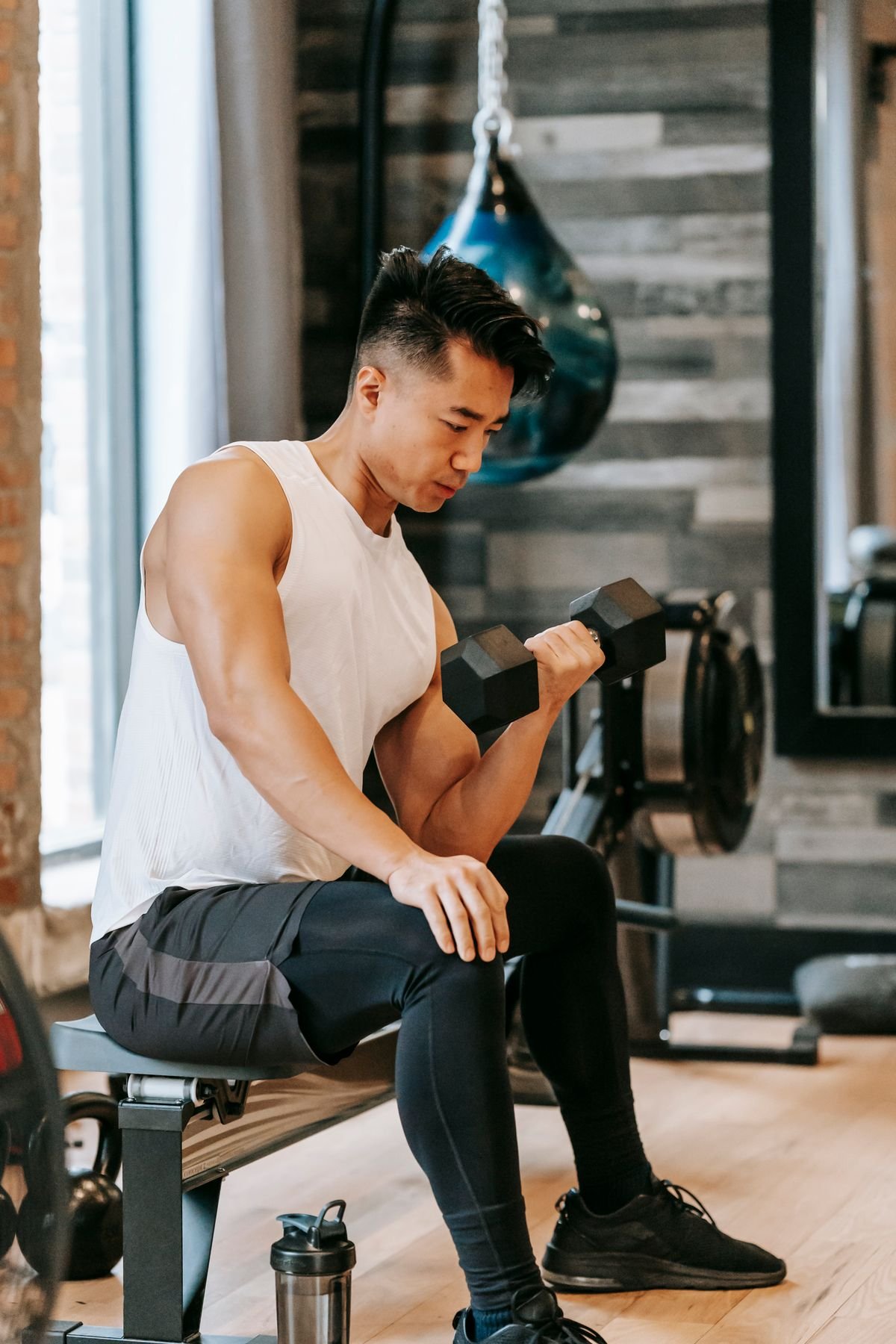
The best candidate is a lifter who values time efficiency, already knows the two exercises and can judge their own technique. A moderate push-pull superset may make it easier to accumulate useful upper-body work without an obvious extra decline in the main lift’s speed. Still, a person learning to bench, returning from shoulder discomfort or preparing to test a maximum should be more conservative about adding fatigue between important sets.
Training goals change how much compromise is acceptable. For someone building muscle, preserving repeatable high-quality work over several weeks may matter more than whether one set feels dramatically difficult. For an athlete practicing power or a powerlifter refining a heavy competition press, longer dedicated rest may be more useful. There is no reason to force every session into one format, and different parts of the same workout can use different rest structures.
The evidence is narrow enough to respect. Fourteen trained men and an acute set of bench-and-row conditions are not proof that every combination, person or rest schedule will respond identically. The experiment is most useful as a starting hypothesis: adding manageable antagonist work can be compatible with stable pressing performance, while harder antagonist work raises at least some physiological demand.
Keep the conclusion simple. Bench first, add a little pulling work, rest sufficiently, and see whether your planned pressing quality survives. If it does, you have a useful time-management tool. If it does not, the solution is not to chase a bigger pump; it is to simplify the pair or return to straight sets. A good superset is a programming choice that protects the outcomes you actually care about.