Advertising disclosure: This page includes affiliate product links that may earn us a commission, as well as products from our own store.
Some product links may be affiliate links. If you shop through them, Mind Muscle Perfection may earn a commission at no extra cost to you.
Should you take creatine before a workout, sip it between sets or save it for after the gym? That question sounds simple until you separate what happens in today’s session from the strength and muscle you build over months. A small crossover experiment in eleven physically active men found an intriguing advantage when creatine was taken before bench presses and squats, but it is not the final answer on supplement timing.
Here is what was actually measured, why the result deserves both attention and skepticism, and how to build a useful daily routine without obsessing over the clock. The key distinction: a higher total load lifted in one session is not the same as proven extra muscle growth.
1. Creatine works through stored muscle energy, not a magic pre-workout buzz
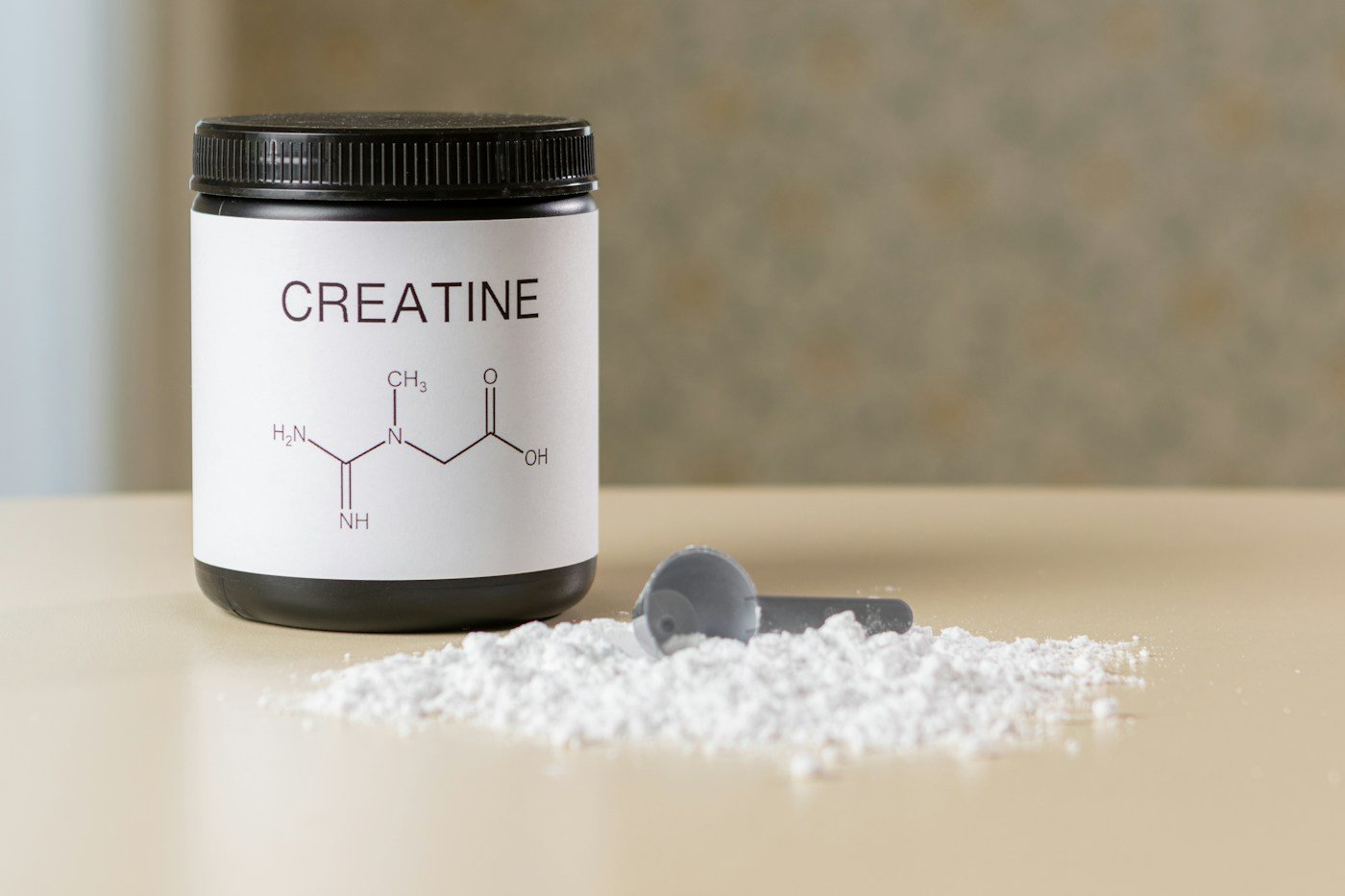
Creatine monohydrate supports the phosphocreatine system, which helps regenerate ATP during hard muscular contractions. That system is especially relevant to short, repeated bursts of effort: heavy sets, sprinting, and exercises where you need to produce force again after limited recovery. The best-established benefits come from building and maintaining muscle creatine stores over time. A single scoop does not function like a fast-acting caffeine hit.
Your body makes some creatine, and meat and fish can contribute additional amounts. Supplementation raises muscle stores when intake is sufficient and consistent. People who start with lower stores may have more room to respond than someone who is already taking creatine daily. That baseline matters enormously when interpreting an experiment that gives a dose before one workout.
A familiar practical routine is three to five grams of creatine monohydrate daily. Some athletes use a short loading phase followed by maintenance, but that is not a requirement for everyone; taking a smaller consistent daily amount raises stores more gradually. The important habit is regular use over weeks, not racing to take a scoop in a narrow twenty-minute window.
When someone asks whether creatine is better before or after the gym, two different questions are hiding inside the sentence. One is whether a single dose changes today’s set performance. The other is whether months of pre-workout dosing build more muscle than the same daily amount taken later. They require different experiments and should not be treated as interchangeable.
2. What an eleven-man timing experiment actually tested

An exploratory crossover experiment recruited eleven physically active men, average age about twenty-six. Rather than assigning separate groups for months, each participant completed workout sessions under five conditions. Creatine was consumed two hours before training, distributed between sets during training, or consumed immediately afterward. The comparison conditions used a pre-training carbohydrate placebo and a separate no-supplement session.
The creatine dose was tied to body weight at 0.1 gram per kilogram, so it was a single experimental dose rather than a recommendation to copy before every lift. Each workout included bench press and back squat work at eighty percent of the participant’s one-repetition maximum. Six sets were programmed for each exercise, making total external load moved during the session the main strength-performance outcome.
That outcome is easy to misunderstand. It is a measure of how much programmed lifting work the men performed in that visit; it is not a direct measurement of new muscle tissue, improved one-rep maximum, or long-term strength adaptation. The participants were tested repeatedly, but the experimental question remained acute exercise performance. A result over one session cannot substitute for observing progressive training over eight or twelve weeks.
Researchers also checked jump performance, perceptions of effort and recovery, muscle soreness, mood, simple cognitive performance, and selected blood markers. Those extra outcomes can help separate a narrow lifting result from a broad claim that one timing strategy is superior for every aspect of training. Importantly, the experiment included men only, so it gives no direct female-specific evidence.

Equipment Worth Exploring
Explore equipment, accessories and gear from our carefully selected range.


FID Bench MAX
Adjustable bench offering flat, incline, and decline positions + adjustable headrest.


3. The bench and squat results are interesting, but selective
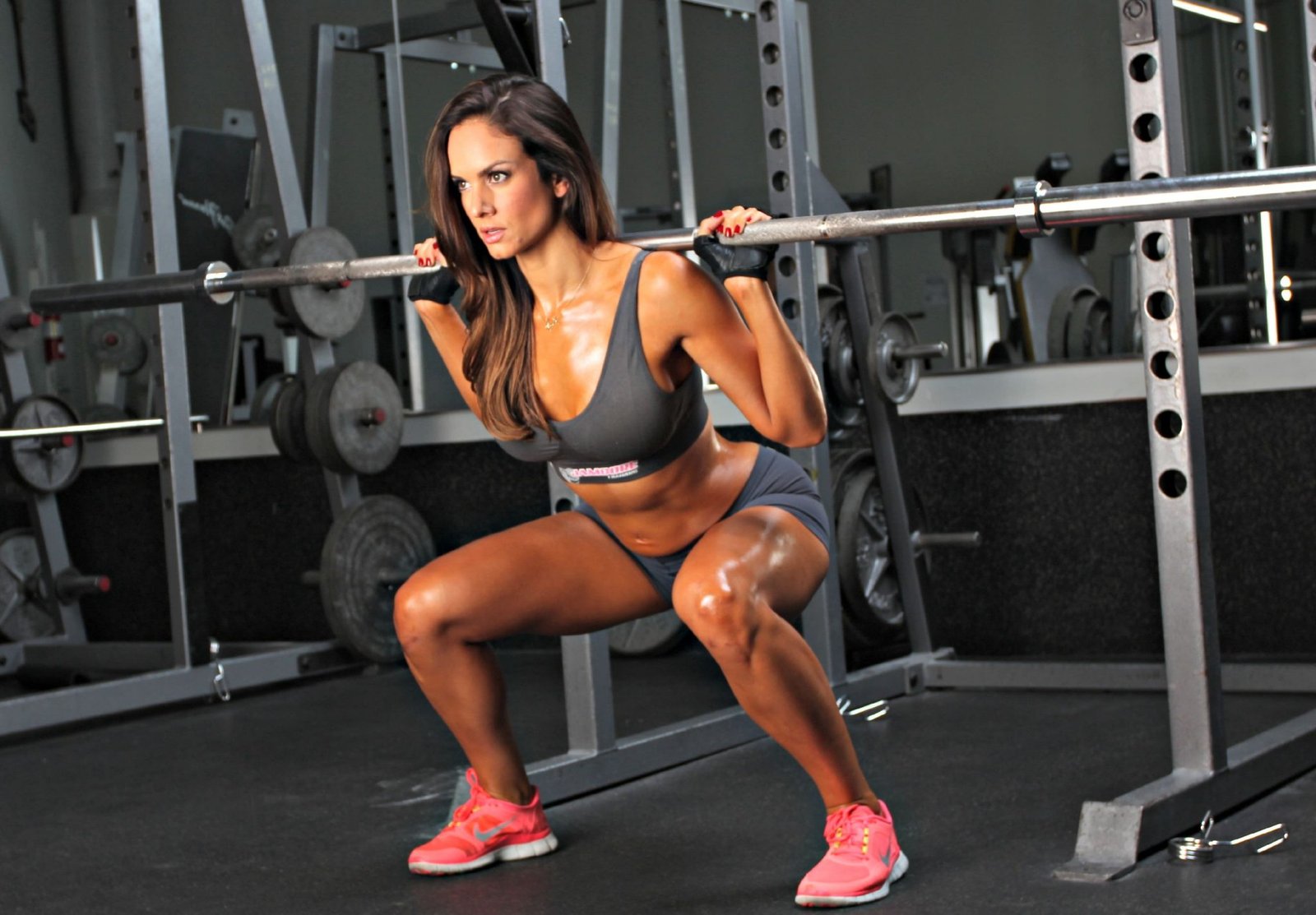
The pre-training creatine condition performed better on bench-press total lifting work than the placebo and no-supplement conditions. On back squat, the pre-training condition exceeded creatine consumed during the session, the placebo, and the no-supplement condition. These comparisons give a legitimate reason to investigate whether timing can affect an individual workout under controlled conditions.
However, the findings are not a clean sweep in favor of taking creatine before every session. During-workout creatine also showed some favorable bench comparisons against placebo, and both during- and post-workout conditions outperformed placebo for squat work in certain comparisons. Some differences emerged between placebo and control even without the proposed timing advantage. That pattern calls for caution before turning an exploratory signal into a rule.
Jump height and jump-power measurements did not show a meaningful timing-related difference. Neither did reported effort, perceived recovery, soreness, mood, or the simple cognitive measure. A supplement schedule that changes one measure of accumulated barbell work in a small sample does not automatically increase explosive power, make training feel easier, or speed up next-day recovery.
The practical interpretation is narrow: under this particular protocol, one pre-training dose was associated with more bench and squat work than certain comparisons. It does not prove that taking creatine after your workout wastes the supplement, and it does not establish that a particular person will add kilograms to their maximum lift by changing the clock. Your actual progress still depends on the work you can recover from and repeat.
4. Why a promising acute result does not settle long-term timing
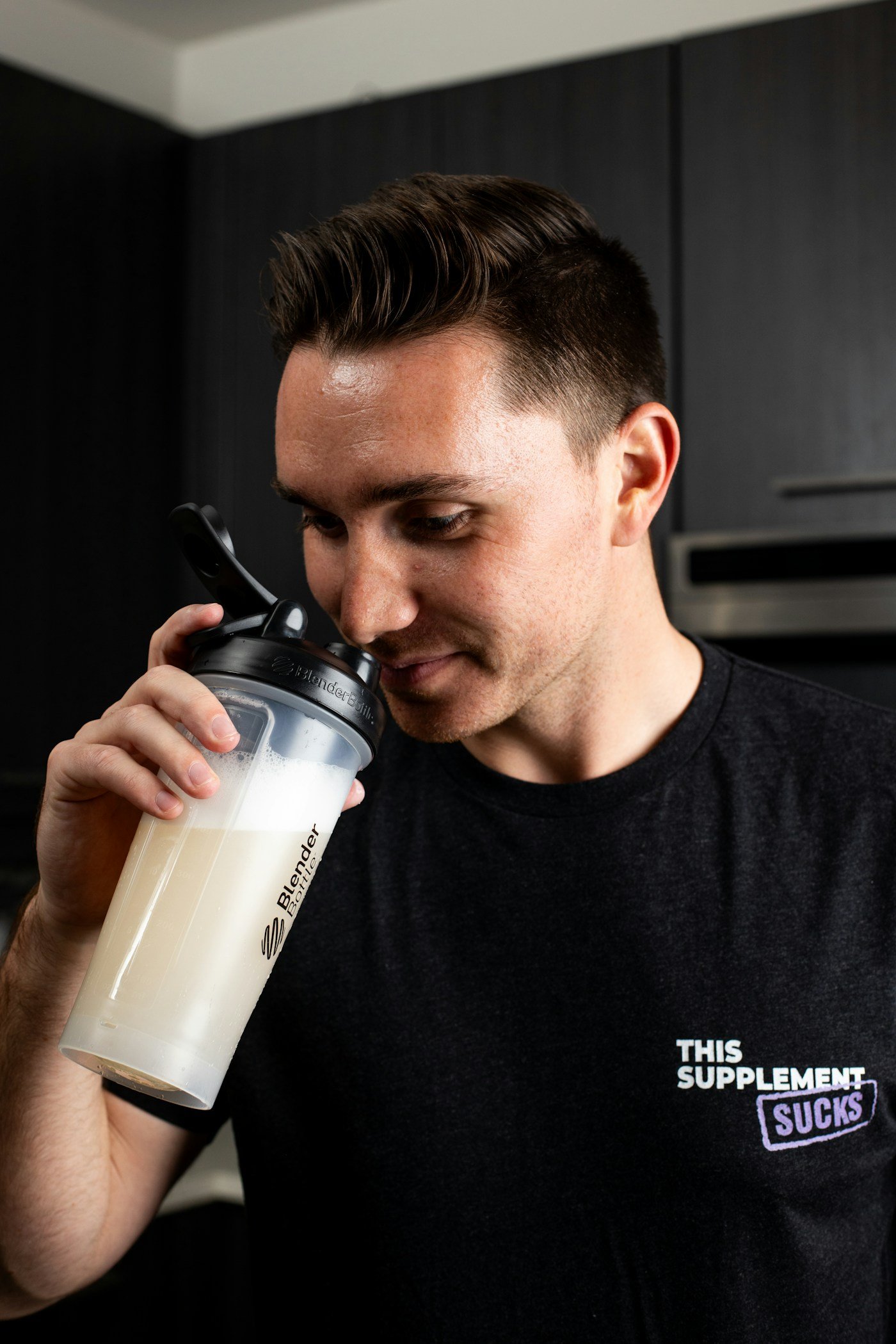
A crossover format is useful because the same person can complete multiple conditions, reducing some of the differences that would exist between separate groups. But eleven participants still leave substantial uncertainty. Day-to-day readiness, diet, sleep, familiarity with the session and previous creatine exposure can influence outcomes. Small trials can generate promising ideas without establishing an effect that repeats across a broad training population.
There is another important design issue. The placebo drink was taken before exercise, while creatine taken during or after exercise necessarily involved different schedules. That means not every comparison had an equally matched placebo at the same time. Participants could also notice their timing condition. Expectations, hydration differences or routine changes might influence behavior during a difficult multi-set session, even if the participants were not told what result to expect.
The physiology adds a second reason to avoid a sweeping conclusion. Supplementing consistently changes muscle creatine stores over days and weeks. Whether the exact hour of a single dose matters once those stores are high is a separate issue. Longer-term training comparisons of pre- and post-workout creatine have not delivered a reliable, universal winner; some small studies differ, and their methods and populations vary.
If you are already taking creatine regularly, it is reasonable to care more about adherence than a rigid clock. You do not need to leave the gym to find a forgotten supplement, or assume a late scoop erases a good session. If you want to experiment with timing, keep the rest of your training comparable and judge performance over several weeks rather than one unusually strong workout.

Bodybuilding Shirts & Workout Gear
Bodybuilding shirts, tanks and gym gear for lifters chasing muscle, size, symmetry and the pump.

Powered By Creatine Breaking Bad Meme Sweater T-Shirt
Keep things casual with a little “Powered By Creatine” attitude.

Creatine Scarface Gym Parody , Bodybuilders, Movie Buff T-Shirt
Make gym days more fun with “Creatine” style.

Funny Sniffing Creatine Gym | Hilarious Gym Meme Muscle Tank Top
Show some personality between sets with “Sniffing Creatine”.

Dashing Through The Snow Shirt Sniffing Creatine T-Shirt
Show some Christmas attitude with a playful “Dashing Through The Snow” tee.

Sprinkling Preworkout – Preworkout Lovers, & Gymbros T-Shirt
Make gym days more fun with “Sprinkling Preworkout” style.

99.1% Pure Pre- Breaking Bad Parody & Fans Hoodie
Make your off-duty look more fun with “99.1% Pure Pre-Workout”.

Spit Preworkout In My Mouth Decal Water Bottles & Sticker
Give your everyday gear a playful “Spit Preworkout In My Mouth” twist.

Pre- Breaking Bad Meme Vest Tank Top
Bring “Pre-Workout” humor to your next lifting session.

Lightning Is My Pre- Thor Hero – , Superhero , Meme T-Shirt
Bring “Lightning Is My Pre-workout Thor Gym Hero” humor to your next gym day.

Lithium Preworkout Tee
Show some metalhead attitude with a playful “Lithium Is My Preworkout Nirvana Grunge” tee.
5. Build a daily routine you will actually follow
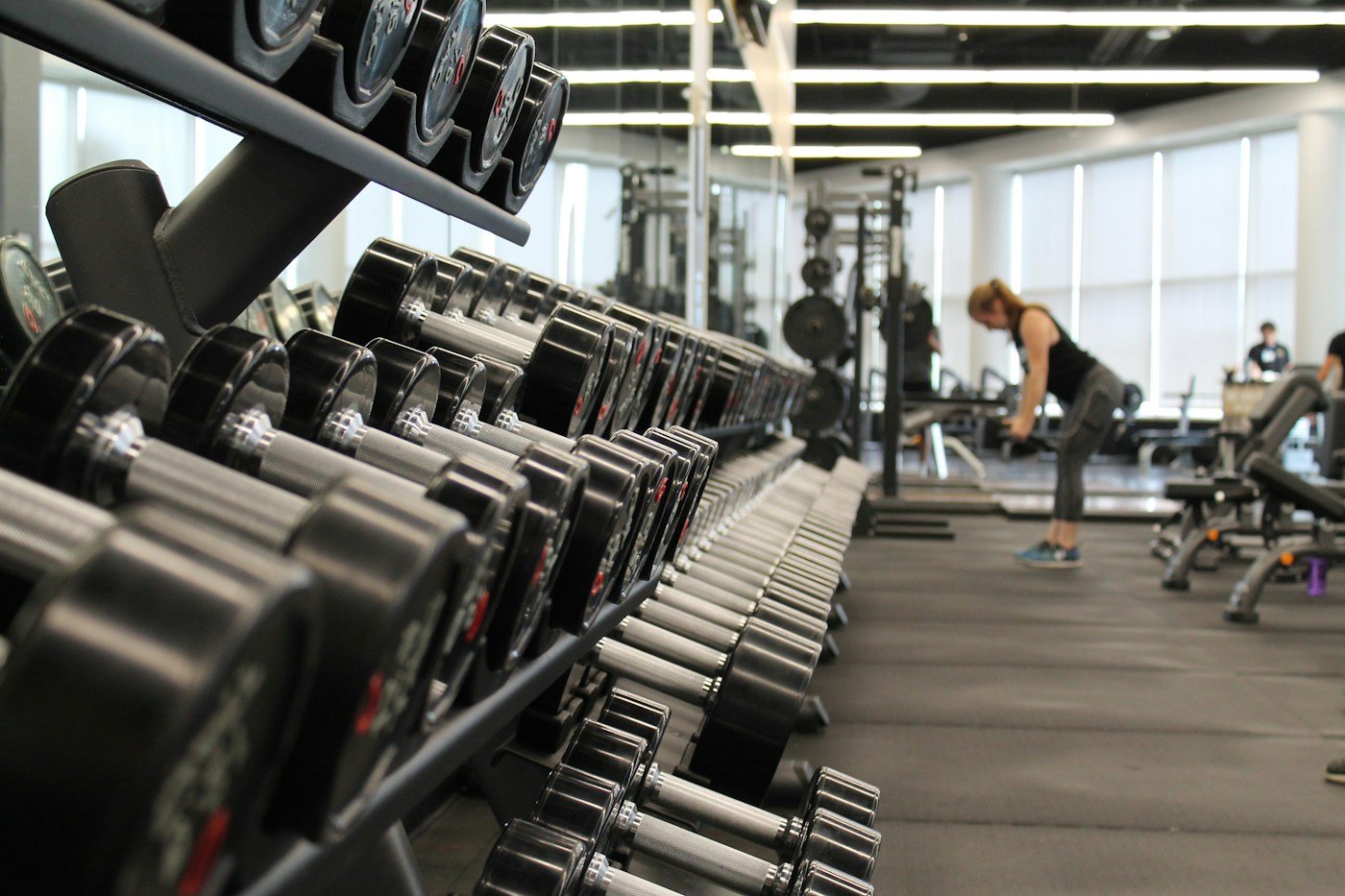
Pick a creatine monohydrate schedule that fits something you do almost every day. Breakfast, an afternoon meal or a post-workout shake all provide simple reminders. On rest days, take the usual amount as part of the same habit. Because the aim is maintaining muscle stores rather than creating a momentary rush, consistency is the more useful first target.
For most healthy adults who choose to supplement, a daily three-to-five-gram maintenance approach is common. The body-weight-adjusted dose used in the acute experiment should not be read as permission to take larger doses repeatedly around workouts. More powder is not guaranteed to make each repetition stronger. Use a clearly labeled product, follow manufacturer instructions, and avoid stacking multiple supplements without checking their ingredients.
Mix creatine in a drink you tolerate comfortably, and maintain ordinary hydration during training. It is fine to split the daily serving if stomach comfort is an issue. Some people gain a little body weight early on because creatine can increase water retained within muscle; do not mistake that initial scale change for newly built tissue. Neither the bathroom scale nor a temporary pump can independently tell you whether a timing strategy improves hypertrophy.
Anyone with kidney disease, relevant medication concerns or a clinician-directed fluid restriction should discuss supplementation with a qualified healthcare professional before starting. The goal here is a sustainable performance habit, not a high-dose challenge. A program can remain productive without supplements when you prioritize sufficient calories and protein, progressive resistance training, and sleep. Supplements should support those fundamentals, not replace them.
6. A sensible two-day bench and squat routine with creatine kept simple

Rather than changing dosage every time you lift, hold your chosen daily creatine routine steady and build a repeatable strength program. For your first training day, warm up with progressively heavier bench press sets, then complete three or four challenging work sets of roughly four to six controlled reps. Follow with a supported row, a moderate incline dumbbell press, and an upper-back accessory. Rest long enough for the next heavy set to remain technically consistent.
On a second day, start with back squats after a thorough warm-up. Complete three or four work sets of five to eight reps at a load that leaves about one to three good repetitions in reserve. Add a Romanian deadlift or leg curl, a single-leg accessory and controlled core work. A nearby spotter, correctly positioned safeties and a sensible range of motion matter more than forcing one additional rep while your technique is deteriorating.
Two sessions like this are examples, not mandatory workouts. Adapt set counts for your experience, available days and recovery. If bench or squat technique is unfamiliar, use an appropriate coached variation and lighter weights. Add repetitions before adding load when necessary. You can use a consistent rep target and record how much you lift without owning a bar-speed sensor or chasing failure on every round.
Keep your daily supplement amount unchanged across both days and rest days so you are not confusing dose variation with training variation. If you prefer taking creatine before lifting because you rarely forget it then, that is a reasonable practical choice. If you reliably remember it with dinner, there is no compelling reason from this small acute comparison to abandon the established routine.
Equipment Worth Exploring
Explore equipment, accessories and gear from our carefully selected range.


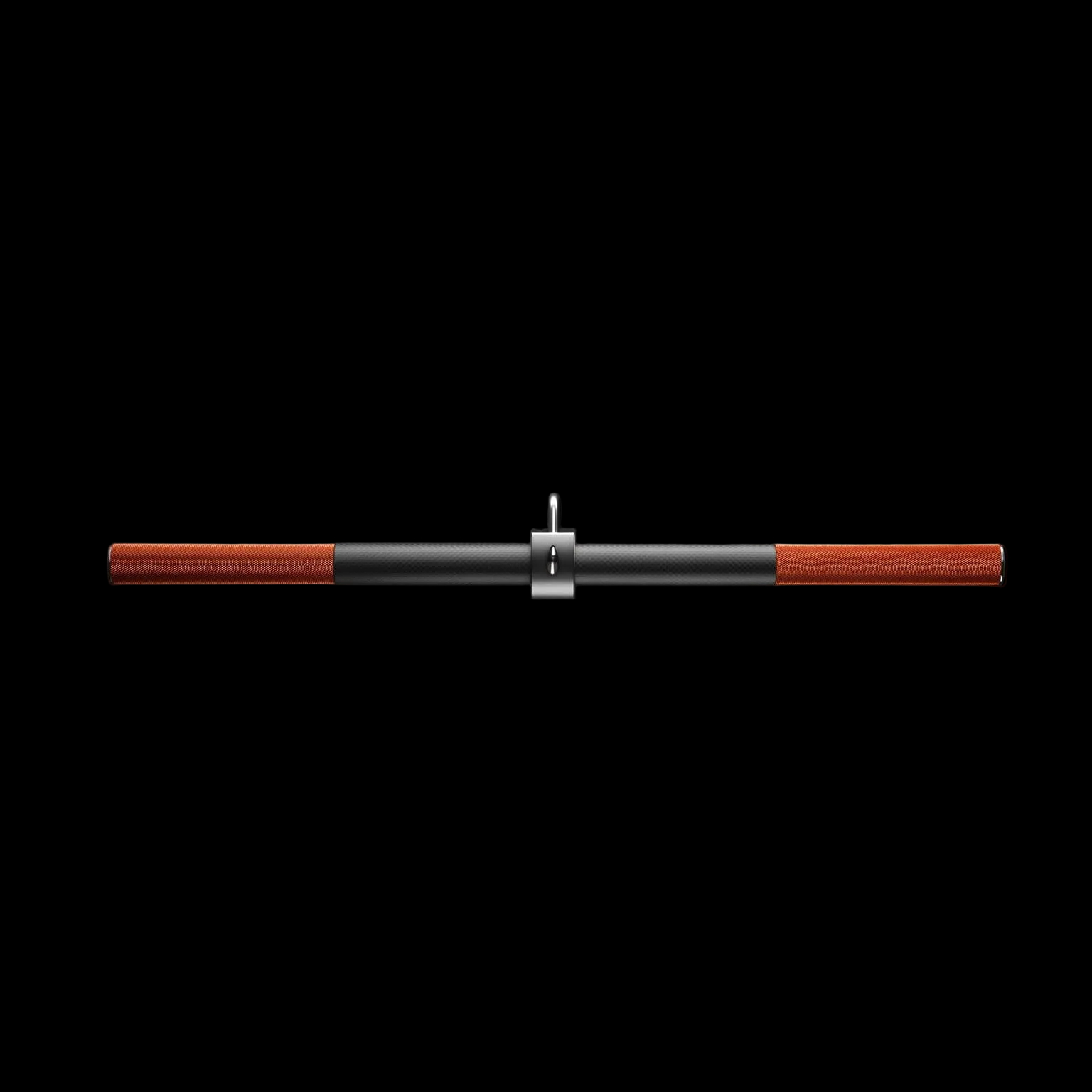
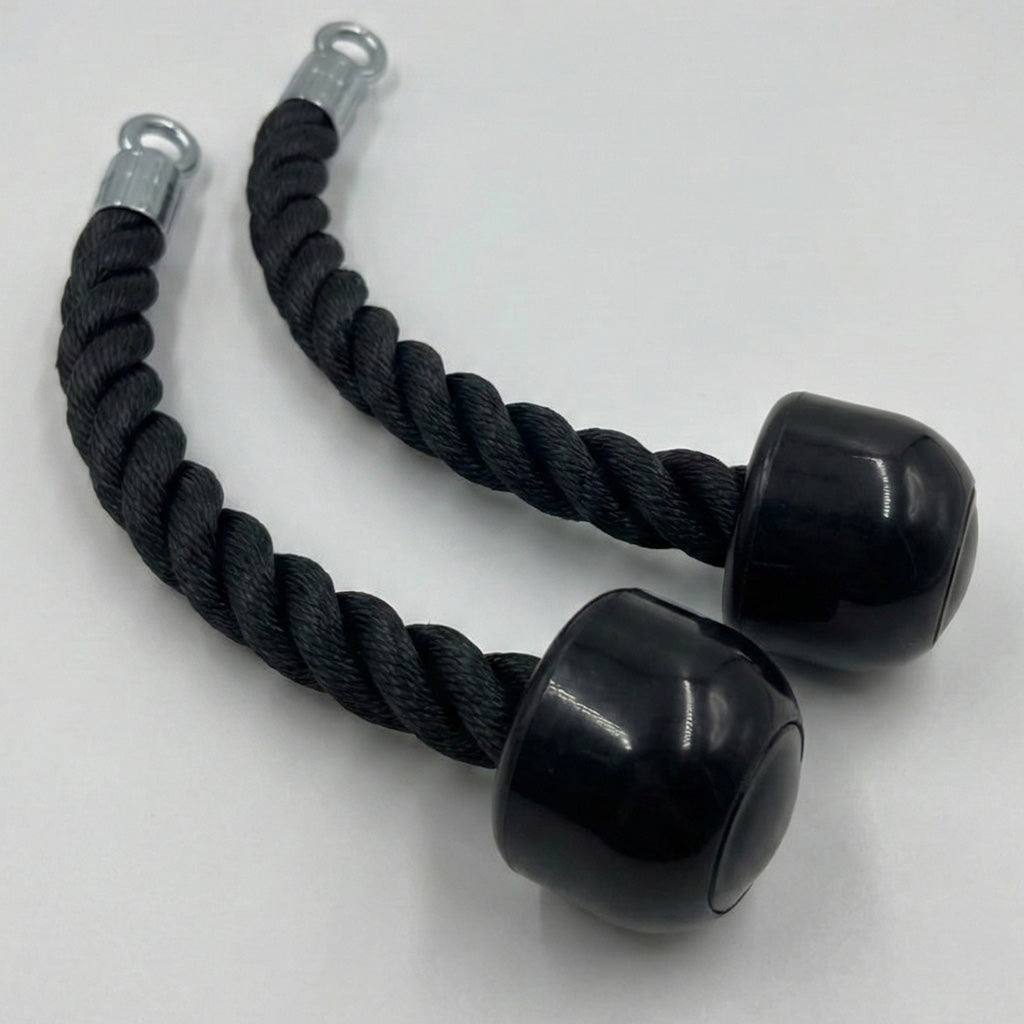
Individual Tricep Ropes
Pair of individual cable ropes for triceps pressdowns and cable hammer curls.
7. Track four weeks of progress and use timing as a minor detail

Before making a change, record your existing bench and squat work weights, completed repetitions, approximate reps in reserve, and how rested you feel. Week one should establish a repeatable baseline with similar warm-up sets and rest periods. Write down your creatine habit, too, but do not mistake simply remembering the supplement for a measured performance improvement.
In week two, aim to improve one variable modestly, such as completing an extra controlled repetition at the same load. In week three, consider adding a small amount of weight when you consistently reach your target rep range. In week four, compare the quality and total volume of your completed work. A real strength trend is more useful than a single surprising top set when your sleep, body weight and gym conditions have changed.
If you want to compare morning versus evening supplementation, do not switch training time, daily dose, caffeine intake, sleep schedule and exercise order simultaneously. Those changes introduce competing explanations. Even a careful personal trial is not controlled research, but one-variable-at-a-time thinking makes your training log more informative and helps you avoid attributing normal good days to an arbitrary supplement window.
The balanced verdict is that pre-exercise creatine produced encouraging acute bench and squat results in eleven men, while the long-term hypertrophy advantage of that timing remains unproven. For most lifters, taking creatine monohydrate reliably, performing enough quality hard sets, eating adequately and progressing patiently are higher priorities. Choose the timing you can repeat, then put your attention back on the barbell.
Powerlifting Shirts & Lifting Gear
Powerlifting shirts and gym gear for squat, bench and deadlift lifters who live for heavy numbers.


I Want You To Break Your PR Patriotic , Gymbros & T-Shirt
Rep “I Want You To Break Your PR Patriotic” humor in and out of the gym.

Three Plates Bench Club – Chest Day & Gains T-Shirt
Make gym days more fun with “Three Plates Bench Club” style.

Shirt: Good Argument But I Bench More Than You – T-Shirt
Make gym days more fun with “: Good Argument But I Bench More Than You” style.

Chest Day Decal Water Bottles & Equipment Meme Sticker
Bring “Chest Day” attitude to your water bottle or laptop.

If You're Reading This Its Chest Day | Drake Album Cove Hoodie
Bring “If You're Reading This Its Chest Day” gym humor to lazy days and post-workout plans.

I Want You To Bench Press Uncle Sam – 4th of July Patri Hoodie
Bring “I Want You To Bench Press Uncle Sam” gym humor to lazy days and post-workout plans.

for Chest Day | I Love Bench Press Muscle Shirt with Pi Tank Top
Add some lifting attitude to training with “for Chest Day”.

45LB Metal Weight Plate Funny Gym T
Show some metalhead attitude with a playful “45LB Metal Weight Plate” tee.

Gym Sir Swole of Benchalot Medieval Knight Chest Day Cr T-Shirt
Show some gym-day personality with “Sir Swole of Benchalot Medieval Knight”.