Advertising disclosure: This page includes affiliate product links that may earn us a commission, as well as products from our own store.
What the New Bench Press Study Actually Measured
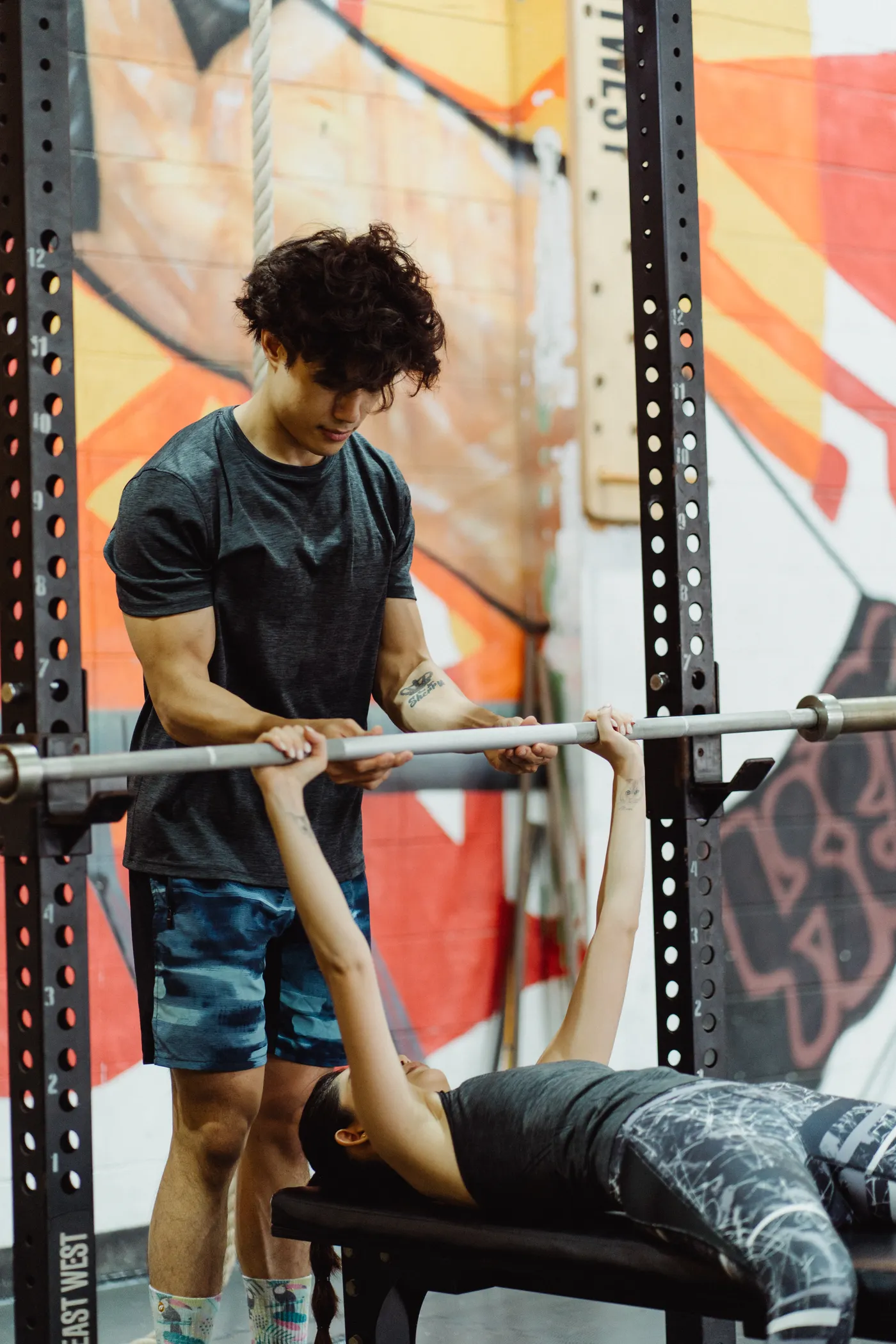
A barbell bench press looks like a simple up-and-down movement. Underneath that familiar bar path, however, the upper arm is moving relative to the shoulder blade in three dimensions. A new 2026 biomechanics study examined what happens to that movement during repeated working sets, and whether the pattern differs between male and female competitive powerlifters. Its central observation was that shoulder-joint motion changed as repetitions accumulated within a set. That is more interesting than a generic warning that bench pressing is dangerous.
Nineteen competitive powerlifters, ten men and nine women, completed three sets of eight barbell bench presses after a standardized warm-up. The working weight averaged 73.9 percent of each athlete’s self-reported one-repetition maximum. A markerless motion-capture system tracked the glenohumeral joint, where the upper-arm bone meets the shoulder socket. The researchers examined three axes: the plane in which the arm was elevated, the amount of elevation, and rotation. These are laboratory measurements of movement, not direct readings of pain, tendon damage or future injury.
That distinction matters for anyone benching in a garage gym. The study did not randomly assign people to competing techniques, follow them for months, or count shoulder injuries. It recorded how experienced lifters moved during a defined fatigue protocol. The findings can inform how we think about consistency, set difficulty and individual technique, but they cannot identify one universally safe grip width or tell you how many repetitions will cause an injury.
The useful question is therefore not whether the bench press should be abandoned. It is whether your final repetitions still resemble the movement you intended to train. If bar position, elbow travel or shoulder comfort changes sharply near the end of a set, that is useful information even before a camera or motion-analysis system enters the picture.
Shoulder Motion Increased Within Sets, Not Across Sets
The clearest result concerned repetition-by-repetition change. From the first to the second-to-last repetition of a set, measured glenohumeral range of motion increased significantly in all three axes. The reported probabilities were p = 0.002 for plane of elevation and below 0.001 for both elevation and rotation. In plain English, the athletes’ shoulders did not move in exactly the same way on the later repetitions as on the early ones.
Crucially, the researchers did not find significant differences between the three sets in the same measures. That does not mean fatigue vanished between sets, or that every repetition looked identical after resting. It means this particular analysis detected changes within sets but not a statistically reliable progression across the separate sets. Rest intervals, warm-up effects, movement variability and the way range of motion was summarized can all influence that distinction.
There are several plausible explanations for within-set change. As pressing becomes harder, lifters may adjust elbow position, bar path, torso tension or shoulder rotation to keep the bar moving. Some adjustments may be normal motor strategies rather than technical errors. Others could signal that the load or repetition target is exceeding the lifter’s ability to preserve the intended pattern. Motion capture can describe the change, but it does not by itself tell us which explanation applies to an individual athlete.
For practical training, watch the final two or three repetitions of challenging sets. Does the bar touch a similar place on the chest? Do both arms extend together? Can you keep your upper back stable rather than shifting around the bench? Video from a consistent side or front angle can reveal trends that are hard to notice while pressing. A few repeatable observations are more useful than obsessing over tiny differences in joint angles that you cannot measure accurately at home.
What the Female and Male Powerlifter Comparison Means
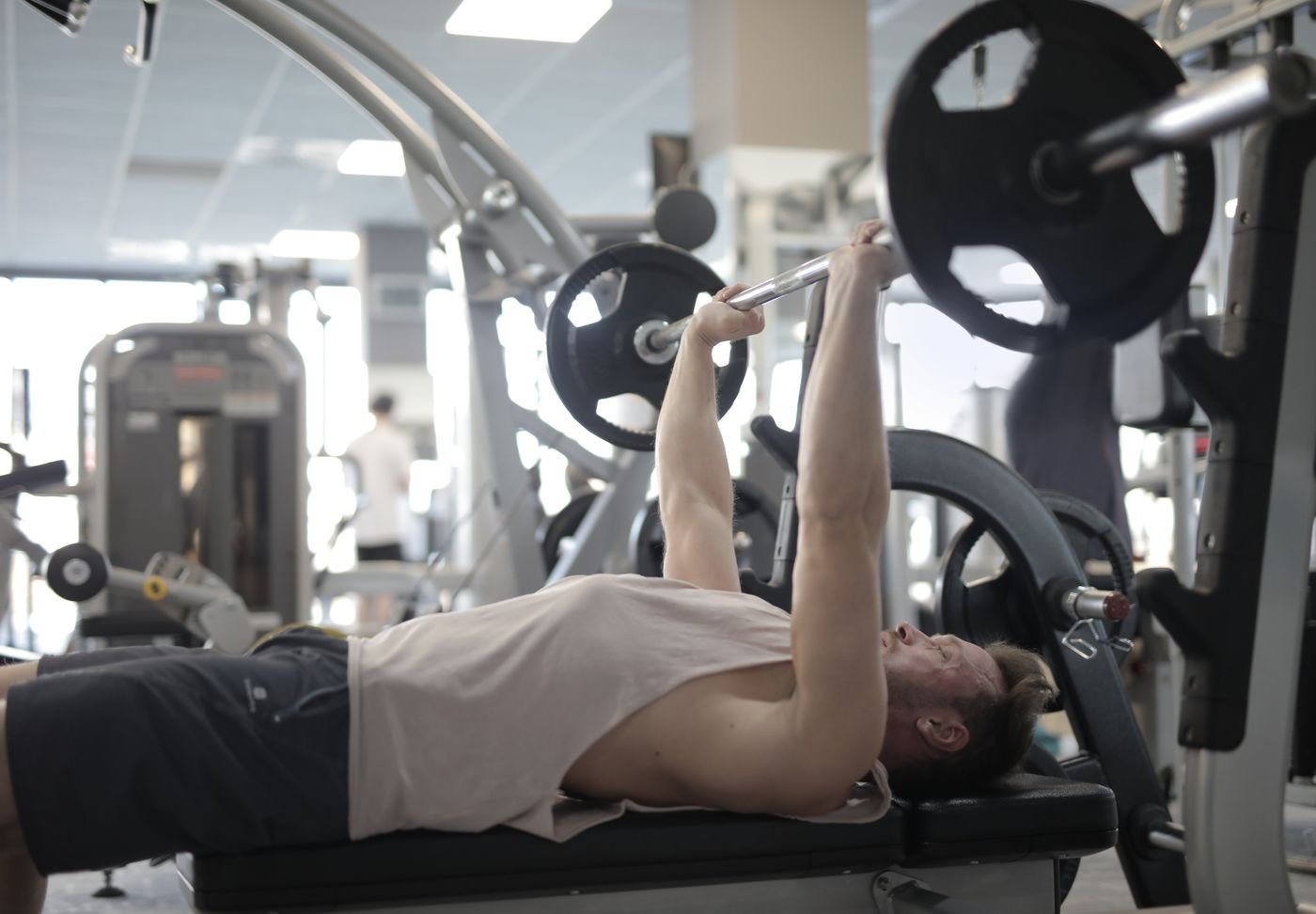
The study also reported a difference in how shoulder motion changed within sets between the two groups. The nine female lifters showed greater increases than the ten male lifters in the plane-of-elevation and elevation axes, with p values of 0.011 and 0.036 respectively. The researchers did not detect a significant sex difference for the rotation axis. These are specific biomechanical observations in a small sample, not a ranking of whose bench press is better.
There is an important temptation to turn this result into a sweeping headline about women having unsafe shoulders or men being naturally protected. Neither conclusion follows. The study did not measure injuries, and a larger change in movement range does not automatically equal harmful loading. The participants were competitive lifters, not a representative sample of everyone who benches. Their absolute loads, body dimensions, lifting experience and preferred technique may have differed in ways a nineteen-person study cannot fully separate.
A related 2026 ultrasound investigation of twenty-four competitive powerlifters examined subacromial space measures during a similar bench protocol. It reported differences between male and female athletes in the shoulder structures and distances it measured. Those findings add a reason to study individual anatomy and technique carefully, but they still do not establish a personalized injury forecast. An imaging ratio or a joint-motion difference is not the same outcome as a diagnosed shoulder problem.
The most useful coaching response is individualization. A lifter with a long reach, a narrow torso or a history of shoulder irritation may find a different grip and touch point comfortable from a teammate of the same sex. Instead of assuming that one group needs an entirely different exercise, begin with a controlled load, observe the bar path and choose a range of motion that is both productive and tolerable. Pain, prior injury and medical advice deserve more weight than population averages from a small laboratory sample.

Equipment Worth Exploring
Explore equipment, accessories and gear from our carefully selected range.

FID Bench MAX
Adjustable bench offering flat, incline, and decline positions + adjustable headrest.


Grip Width, Shoulder Blades and the Limits of Technique Rules

The 2026 motion-capture paper did not test every grip or shoulder-blade position. Other biomechanical research helps explain why those choices still matter. In a 2024 laboratory study, ten experienced strength athletes performed twenty-one bench press variations while researchers modeled forces around the shoulder. Narrower grips below roughly one and a half times bi-acromial width and retracted shoulder blades generally reduced several modeled compression and shear components. The authors suggested that these changes might reduce certain potential injury mechanisms.
That is useful evidence, but the language must remain careful. A modeled joint reaction force is not a real-world injury rate. The study used relatively light loads for controlled comparisons, and it did not show that every narrow grip is safer for every shoulder. In fact, some combinations of very narrow grips and low elbow angles increased other modeled shear components. The sensible conclusion is that grip width and scapular position change the mechanical demands, not that one magic measurement eliminates risk.
Earlier work comparing experienced powerlifters with recreational lifters found that technique, bar path and joint moments differed with training background. Another experiment comparing grip widths found that wider grips tended to shift demands toward shoulder horizontal-adduction muscles, while narrower grips increased some elbow-extensor demands. Those results can help explain why a close-grip bench feels different from a wide-grip competition press, without proving that one variation produces universally superior muscle growth.
Start with a grip that lets your forearms remain reasonably vertical near the bottom, your wrists stay stacked over your elbows and your shoulder blades remain supported against the bench. A stable upper back and repeatable touch point usually matter more than chasing the widest possible grip. Small adjustments are easier to evaluate than a dramatic technique overhaul. If a particular width provokes pain, do not force it because a formula says it should be optimal.

Powerlifting Shirts & Lifting Gear
Powerlifting shirts and gym gear for squat, bench and deadlift lifters who live for heavy numbers.

Ultimate Bench Press Tee
Heavy lifts, good laughs, and a little “Ultimate Bench Press” energy.

5 Plates Bench Club Chest Day Meme & T-Shirt
Show some powerlifting attitude with a playful “5 Plates Bench Club” tee.

I Love Bench Press Valentine'S Day Meme – Chest Day T-Shirt
Make gym days more fun with “I Love Bench Press Funny Valentine's Day” style.

Help I Need A Spotter Shirt Beatles-Inspired , T-Shirt
Rep “Help I Need a Spotter” humor in and out of the gym.


Girl Meme – Let'S Go Girls Top Strong & Gains T-Shirt
Bring “Gym Girl Powerlifting Meme” humor to your next gym day.

Shirt – Weightplate Heartbeat Bros & Meme Lovers T-Shirt
Make gym days more fun with “Weightplate Heartbeat” style.

Flower : Meme Shirt Gains & T-Shirt
Make gym days more fun with “Flower Powerlifting Graphic” style.

Pink Flower Weight Plate Floral Meme & Gymbros T-Shirt
Rep “Pink Flower Weight Plate” humor in and out of the gym.

A Bench Press Setup You Can Repeat in a Home Gym

Good technique starts before the first repetition. Set the bench so the bar is accessible without an awkward shoulder reach, and position your eyes approximately beneath the racked bar. Plant your feet where you can create stable leg drive without sliding on the pad. Pull your shoulder blades together and down enough to create a firm upper-back platform, while keeping your chest position comfortable rather than forcing an extreme arch.
Choose a grip that permits controlled descent and a predictable elbow path. Squeeze the bar, keep your wrists from folding far backward and lower it toward a consistent point around the lower chest or sternum region. The exact touch point depends on your proportions, grip and competition rules. Press back and upward into the rack’s natural bar path, avoiding a sudden forward drift toward your abdomen. The goal is a coordinated movement, not a perfectly vertical line drawn by a ruler.
For safety, use properly positioned rack safeties or a competent spotter whenever the load might trap you. Set the safeties low enough to allow your normal chest contact but high enough to catch a failed repetition when you flatten your torso. Test that arrangement with an empty bar before loading plates. Secure the plates with collars, and make sure the bench does not slide. A reliable bench, bar and rack are more important than adding exotic attachments.
Film one moderate set from the side and one from the front if possible. Compare the first and final repetitions for uneven lockout, unexpected bar travel, shifting shoulder position and a changing touch point. If the last repetition looks dramatically different, reduce the load or stop the set sooner. You can also substitute dumbbell pressing, a neutral-grip specialty bar or a cable chest press if these allow a more comfortable movement, but no alternative should be presented as a guaranteed cure for shoulder symptoms.
A Four-Week Pressing Plan That Manages Fatigue
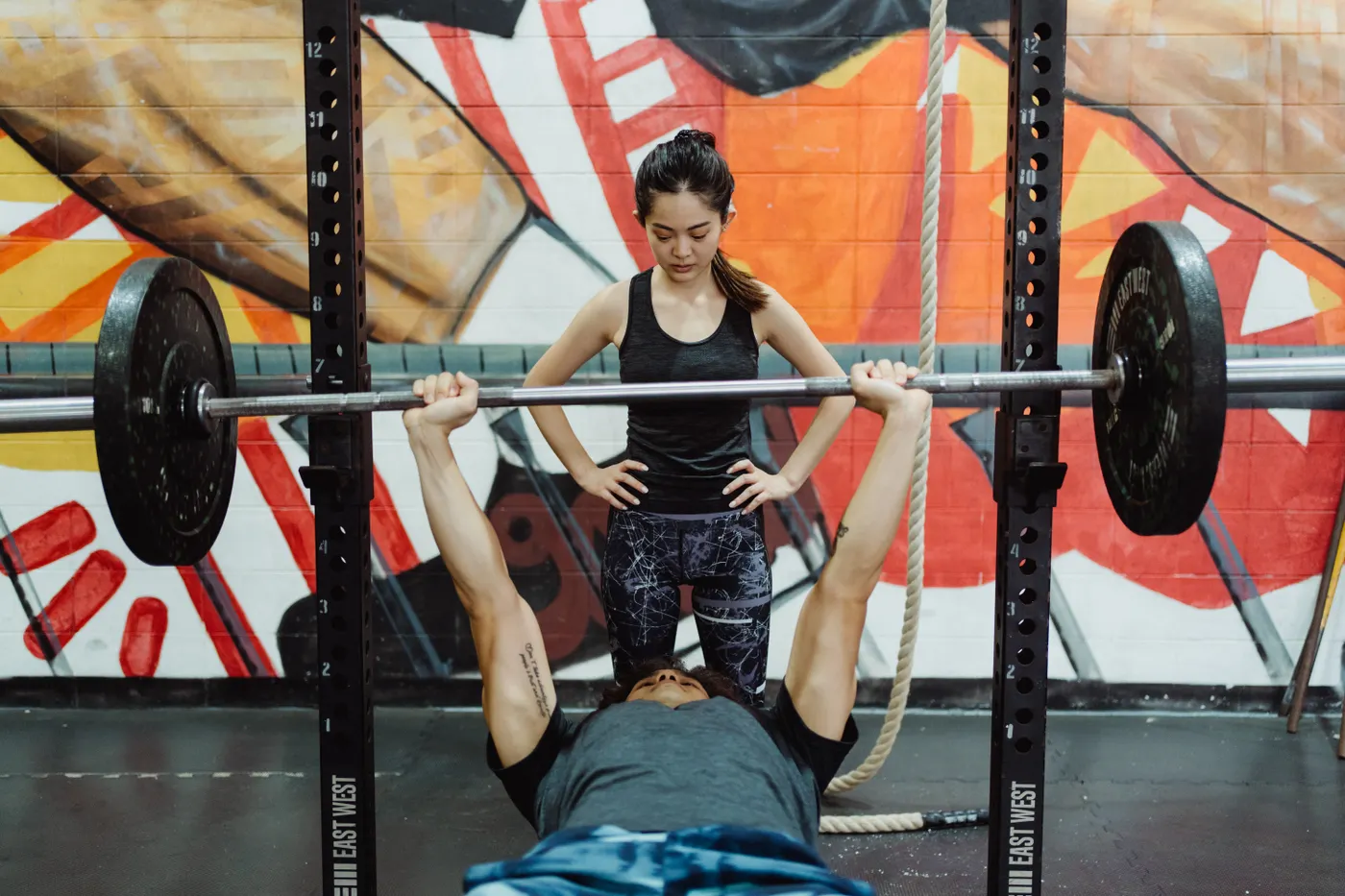
You do not need a motion-capture laboratory to apply the study’s most practical lesson: make repetition quality a variable you actually monitor. The following four-week template suits a generally healthy lifter with some bench experience. Train the bench twice a week with at least forty-eight hours between sessions, and leave roughly two to three repetitions in reserve on most working sets. It is a starting point, not a treatment plan for an injured shoulder.
Session A, strength emphasis: Warm up gradually with the empty bar and two or three lighter sets. Perform three sets of five to six controlled barbell bench presses, resting two to three minutes. Follow with two sets of eight to ten chest-supported rows and two sets of ten to fifteen light rear-delt or external-rotation exercises. The pulling work complements pressing but should not be treated as a proven way to prevent every shoulder injury.
Session B, technique and volume: Perform three sets of eight bench presses at a lighter load, keeping the same touch point and smooth bar path from the first rep to the last. Add two sets of eight to twelve neutral-grip dumbbell presses or cable presses if comfortable, plus two sets of rows or pulldowns. Stop a set if control deteriorates rather than forcing an arbitrary repetition count. You should finish feeling trained, not as though every session was a maximum attempt.
Week 1: Establish repeatable loads and record a short video of the first and last working sets. Week 2: Add one repetition per set only if the movement remains stable. Week 3: Add a small amount of weight, such as 1 to 2.5 kilograms total, when you can complete the upper end of the range without grinding. Week 4: Keep the load steady or reduce total sets if fatigue or discomfort has accumulated, then compare the videos. A lifter who is still progressing comfortably need not deload merely because the calendar says so.
Track load, repetitions, perceived effort, shoulder comfort and the visible consistency of the final reps. Those five data points give you a better decision process than reacting to a single rough workout. A home rack with safeties, adjustable bench and modest weight increments is enough; specialized technology is optional. Consistent practice is the point of the experiment, not proving that you can tolerate the most fatigue.
Equipment Worth Exploring
Explore equipment, accessories and gear from our carefully selected range.
VOLTRA
Compact digital cable trainer with smooth, adjustable resistance.
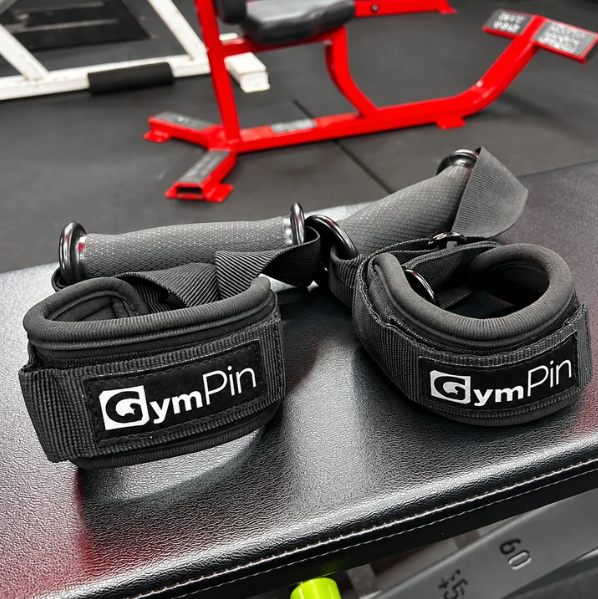
GymPin D Cuffs
Adjustable wrist cuffs with textured grips for supported cable-machine exercises.

GymPin Ergo Handles
Pair of ergonomic cable handles shaped for comfortable triceps and pulling exercises.
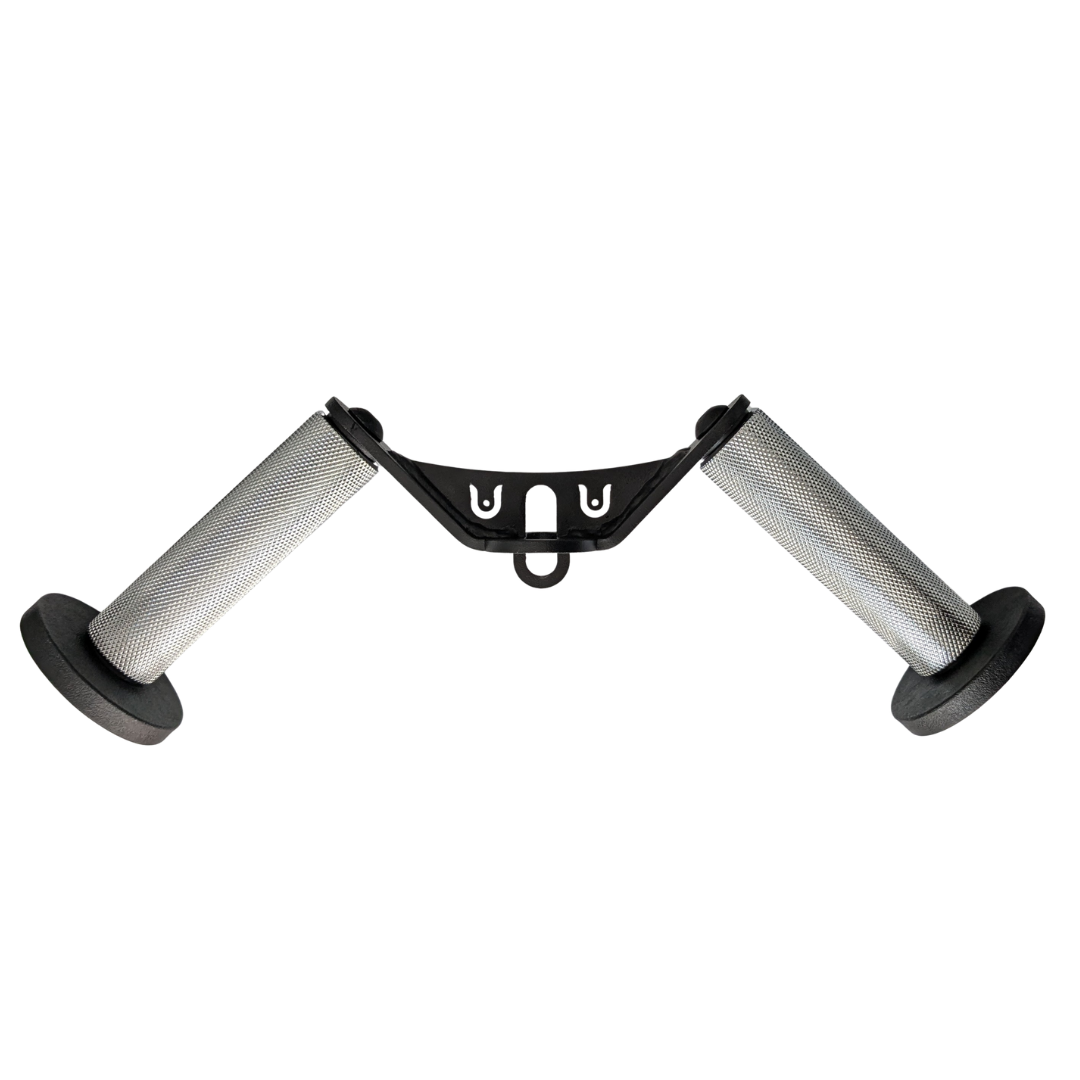
W Grip
Angled cable grip for comfortable rows, pushdowns, and curls.
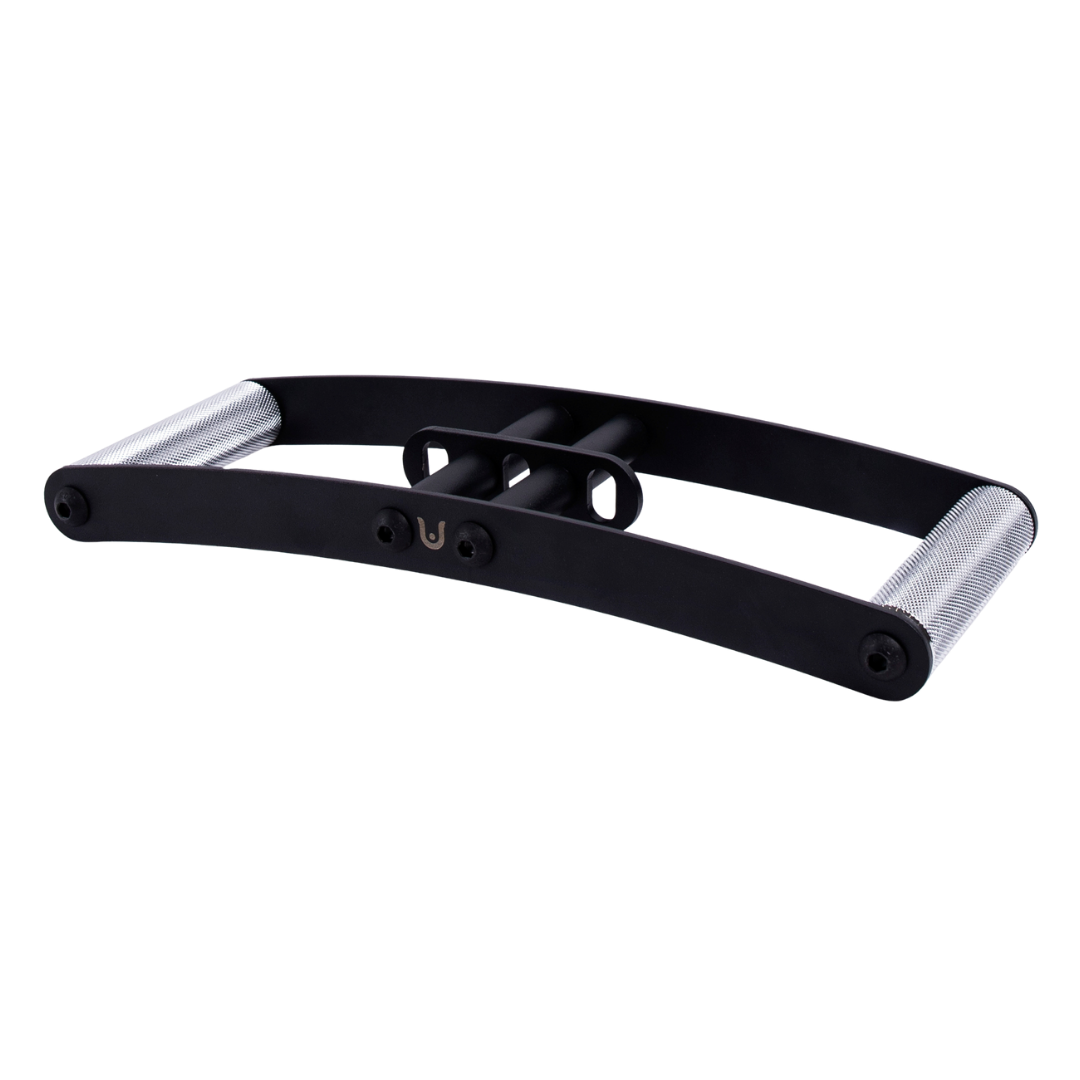
Horizon Grip
Ergonomic V-style cable grip for rows and back training.

Long Tricep ERGO Ropes
Extended triceps ropes with ergonomic grips for cable pressdowns and overhead extensions.


Leather Wrist Grips
Padded leather lifting grips help support the hands and wrists on heavy pulling exercises.
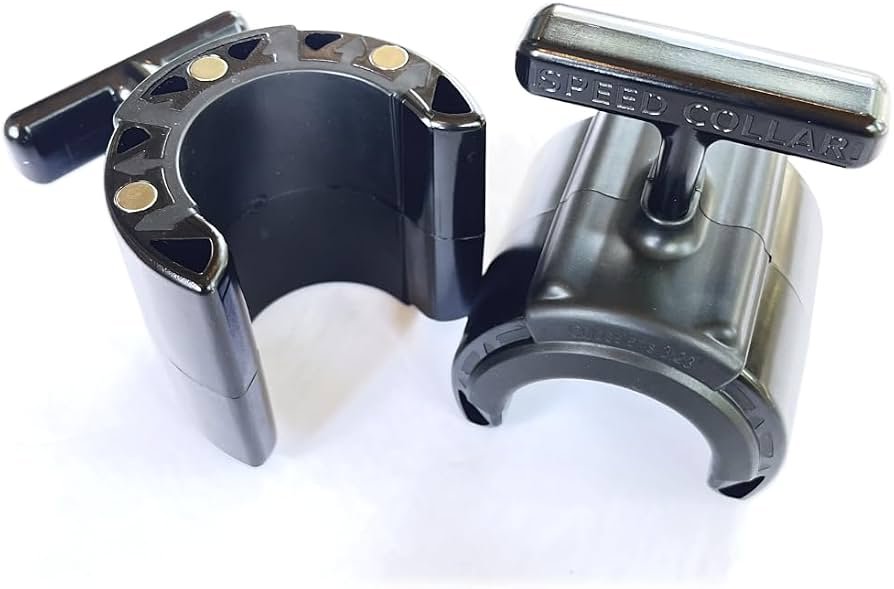
Speed Collar
Quick-release collars designed to secure weight plates on standard two-inch Olympic bars.
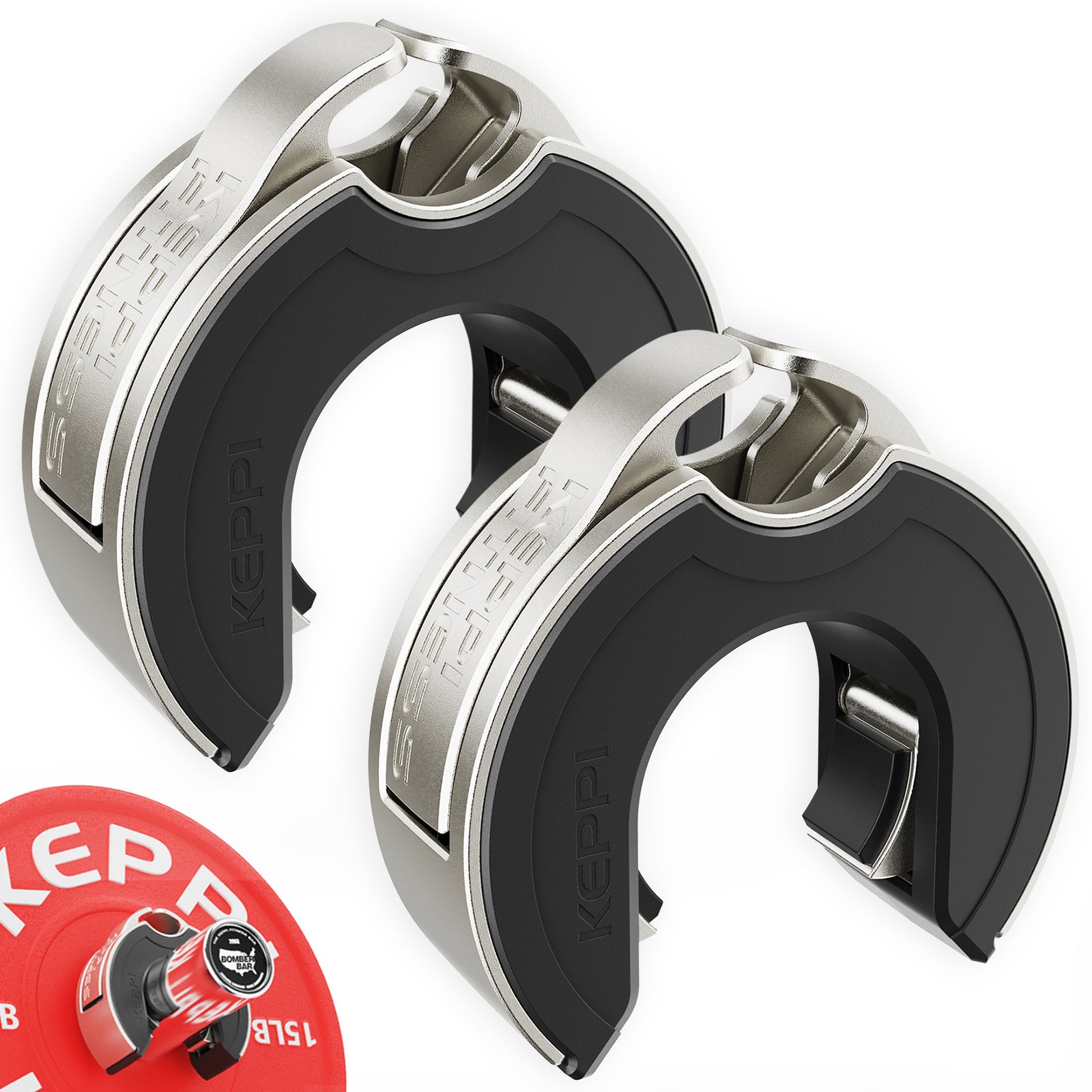
Keppi Open Collars
C-shaped magnetic Olympic barbell collars with a quick-lock mechanism and grippy lining.
When to Modify the Lift and What the Study Cannot Prove
Some movement variation is normal. Your bar path will not be a carbon copy on every repetition, and even experienced lifters make small adjustments as the set becomes difficult. What deserves attention is a recurring pattern of pain, sudden loss of control, an obvious left-right imbalance or a technical change that appears whenever the load becomes challenging. These are reasons to reassess the session rather than reasons to panic over a single imperfect repetition.
First, lower the load and check whether you can press smoothly with a comfortable range of motion. You might experiment with a modestly different grip, a slower descent, a shorter set or a different press variation. If discomfort persists, worsens or follows an acute injury, stop provoking it and seek assessment from an appropriately qualified clinician. Sharp pain, sudden weakness or new neurological symptoms should not be managed by simply pushing through another heavy set.
There are several limits to the new research. Nineteen competitive lifters are a small sample. The protocol used three sets of eight at a percentage of self-reported maximal strength, not a range of heavy singles, high-repetition bodybuilding sets and novice workloads. Markerless motion capture estimates joint movement but does not directly measure every internal tissue force. The reported differences between male and female participants should be investigated in larger groups, ideally with information about individual anatomy, pain history and actual injury outcomes.
Most importantly, an increase in shoulder range of motion within a set is not proof that fatigue caused an injury, nor is a stable-looking set proof of safety. The paper offers a useful observation about how bench technique evolves during repeated effort. Combine that with sensible loading, stable equipment, a repeatable setup and attention to discomfort. The strongest practical takeaway is simple: choose a bench press you can control consistently, then progress it without making every last repetition a fight for survival.
Bodybuilding Shirts & Workout Gear
Bodybuilding shirts, tanks and gym gear for lifters chasing muscle, size, symmetry and the pump.

Chest Day Sweater Bench Press & Meme T-Shirt
Add a playful “Chest Day” touch to your casual rotation.

The Chestfather Arnold Schwarzenegger Meme Hooded Hoodie
Keep it laid-back with a little “The Chestfather” attitude.

My Bench Press Is Stuck Horror Movie Meme Decal Scary Sticker
Give your everyday gear a playful “My Bench Press Is Stuck” twist.

Gymhead Skull Plate Vest Tank Top
Add some powerlifting attitude to training with “Gymhead Skull Plate Funny Powerlifting”.

Meme – "Shhh I'M Doing Plate Math" Hooded Hoodie
Bring “"Shhh I'm Doing Plate Math" Workout Hooded” gym humor to lazy days and post-workout plans.

Platehead Skull Decal Water Bottles & Gear Meme Sticker
A fun “Platehead” touch for bottles, laptops, and lockers.

Shirt: Good Argument But I Bench More Than You – T-Shirt
Make gym days more fun with “: Good Argument But I Bench More Than You” style.

Bench Press and Chill Funny Gym T
Make gym days more fun with “Bench Press and Chill” style.


Meme : Pink Heart Shaped Metal Weight Plate & Gymbros T-Shirt
Rep “: Pink Heart Shaped Metal Weight Plate” humor in and out of the gym.