Advertising disclosure: This page includes affiliate product links that may earn us a commission, as well as products from our own store.
Some product links may be affiliate links, supporting Mind Muscle Perfection at no additional cost to you.
Can fish oil make your muscles grow faster? A 14-week experiment in trained men tested a high omega-3 dose against placebo. Both groups built muscle and gained strength, but the supplement offered no measurable extra advantage. Here is what that means for your training, your diet and your wallet.
1. The 46-man, 14-week experiment behind the headline

Fish oil is often pitched as an easy muscle-building upgrade. A controlled experiment offers a more useful test: if trained lifters already eat enough protein and follow a progressive program, does adding a large amount of omega-3 fat produce noticeably more muscle? In this trial, 46 resistance-trained men, averaging about 28 years old, were randomly assigned to omega-3 supplementation or placebo. The men already consumed at least 1.6 grams of protein per kilogram of body weight per day, with average intake around 1.8 grams per kilogram. That matters because the trial was not testing whether a supplement could rescue a severely under-fueled diet.
The intervention lasted 14 weeks. Participants performed supervised lower-body resistance training twice weekly while the supplement group consumed 6.3 grams per day of long-chain omega-3 fatty acids. That is a substantial experimental dose, not an everyday serving recommendation. The placebo comparison and double-blind design made it harder for expectations alone to explain the results. Supplement adherence exceeded 94 percent and training attendance exceeded 96 percent in both groups, so the absence of an extra advantage cannot simply be dismissed as widespread noncompliance.
The headline finding was that both groups got stronger and grew muscle, but the omega-3 group did not outperform placebo on the measured hypertrophy, strength or anabolic-signaling outcomes. This does not mean fish oil has no legitimate dietary or clinical uses. It means that adding it to adequate protein and competent strength training did not provide an observable extra muscle-building benefit under these specific conditions. The baseline quality of the program is central to the answer.
2. Muscle size, strength and molecular signals: what changed?
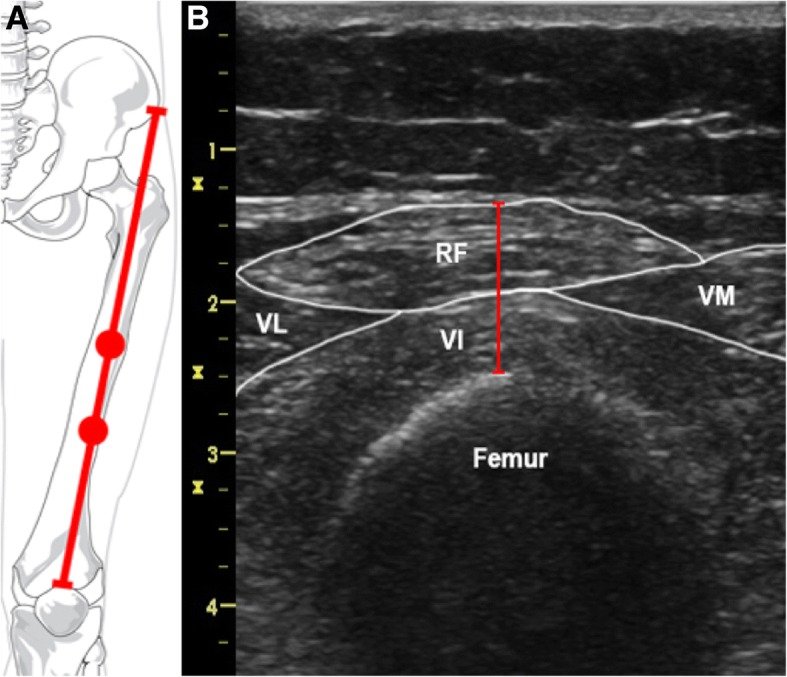
It is important to separate three kinds of evidence. First, the researchers measured longer-term training adaptations, including lean mass, cross-sectional area of the rectus femoris and vastus lateralis, muscle-fiber measurements and one-repetition-maximum strength. Both groups improved on multiple outcomes. For an ordinary lifter, that is a reassuring reminder that consistent lower-body training can work regardless of whether a supplement is in the cupboard.
Second, the researchers looked at the fat composition of muscle tissue. Omega-3 incorporation into muscle was clearly greater in the supplement group. In other words, the biological exposure actually happened. The capsules changed a tissue-level measure, yet that change did not translate into superior muscle growth or strength within the 14-week window. A measurable change in a biomarker is not automatically a meaningful performance improvement.
Third, the experiment examined several proteins involved in anabolic signaling, including mTOR, p70S6K and 4E-BP1, at rest and after exercise. No clear between-group advantage appeared for those measured signals. These snapshots do not capture every pathway or every hour of adaptation, so they should not be treated as a universal explanation for all human muscle growth. But taken together with the longer-term measurements, they make a persuasive practical point: the supplement altered muscle fatty-acid composition without adding a detectable training advantage in this sample.
The researchers did not test every possible supplement dose, every exercise or every population. This was a relatively small study in healthy, already-trained young men performing a specific lower-body program. Do not generalize it directly to older people with low protein intake, people recovering from immobilization, or athletes in an aggressive calorie deficit. Equally, do not claim an invisible benefit just because a workout felt less sore or a blood marker moved.

Equipment Worth Exploring
Explore equipment, accessories and gear from our carefully selected range.


FID Bench MAX
Adjustable bench offering flat, incline, and decline positions + adjustable headrest.




3. Why omega-3 can sound anabolic without producing extra gains
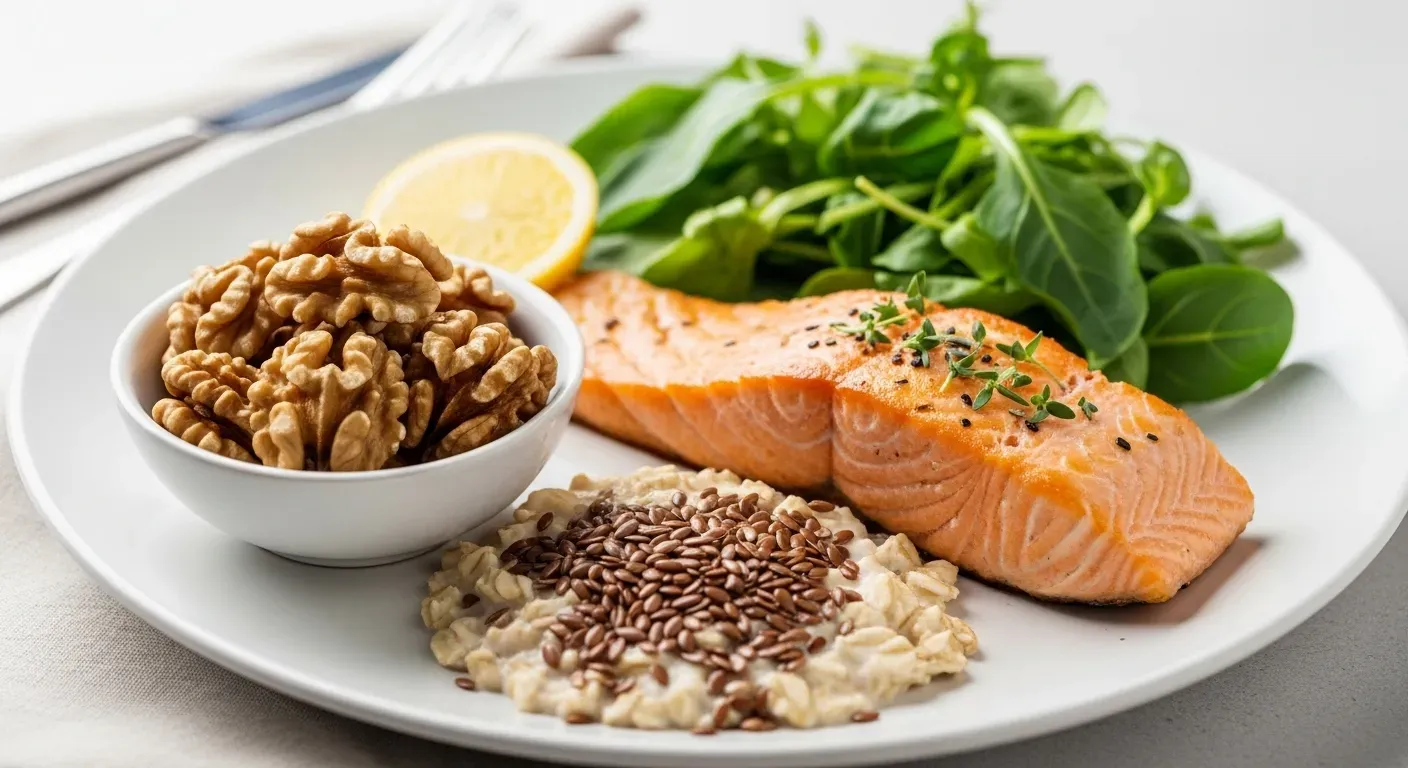
Omega-3 is not one single chemical. The long-chain fatty acids EPA and DHA are found in seafood and many marine-oil supplements; plant foods typically provide more ALA, a different omega-3. These fats become part of cell membranes, and their biology is involved in several processes beyond bodybuilding. That gives researchers plausible reasons to study muscle responses, but plausibility is only the first step. The real-world question is whether consuming more EPA and DHA changes the training results you can measure after weeks or months.
A familiar mistake is to equate lower inflammation, less perceived soreness, or changed cellular signaling with additional hypertrophy. Those outcomes can move in different directions. Soreness is affected by novelty, exercise selection and training stress; it is not a reliable report card for muscle growth. An intervention that makes someone feel more comfortable might still be useful, but that must be evaluated separately from claims about bigger quadriceps or heavier squats.
The training stimulus also matters. If a lifter progressively challenges a muscle and already supplies adequate energy and protein, the remaining room for an additional nutrient to improve growth may be comparatively small. This is not proof of a biological ceiling or an argument against eating fish. It is a reason to rank interventions by credible evidence and opportunity cost. A consistent lifting program, sufficient protein and sleep are easier to connect to measurable results than a single speculative supplement.
When comparing marketing claims, check the exact outcome. Was the experiment about short-term protein synthesis, pain after a damaging workout, grip strength in older adults, or actual muscle size after months? Those questions are not interchangeable. The 14-week experiment is valuable precisely because it measured training adaptation rather than only an acute blood or muscle signal.

Funny Gym Shirts & Workout Gear
Funny gym shirts, tanks, hoodies and workout gear for lifters who like training hard.

Shirt – Aquaman Protein Diet Fish & Seafood Meme – T-Shirt
Heavy lifts, good laughs, and a little “Aquaman Protein Diet Fish & Seafood Meme” energy.

Uncle Sam Eat Your Protein – Patriotic Workout Decal fo Sticker
A fun “Uncle Sam Eat Your Protein” touch for bottles, laptops, and lockers.

Bulking Season – Fast Food Burger & Gains T-Shirt
Show some burger-loving attitude with a playful “Bulking Season” tee.

Wonder Gains Hooded Pullover Gymbro Workout Superhero F Hoodie
Keep it laid-back with a little “Wonder Gains” attitude.

Funny Viking Game Of Gains Gym – Norse Fitness Meme Ves Tank Top
Bring “Viking Game Of Gains” humor to your next lifting session.

Training To Be Batman Gym Funny Workout Crewneck Sweate T-Shirt
Bring “Training To Be Batman” humor to your everyday gym style.

Let It Be Cheat Day – Beatles Fast Food Parody Vest Mus Tank Top
Add some lifting attitude to training with “Let It Be Cheat Day”.

I Work Out So I Can Eat Tacos Muscle Shirt Athletic Ves Tank Top
Train hard, laugh a little, and rep “I Work Out So I Can Eat Tacos”.

Mind Muscle Perfection Embroidered Brain and Biceps Gym Hat
A playful “Mind Muscle Perfection Embroidered Dad” cap for workouts and weekends.

Let It Grow Motivation Meme Athletic Top Tank Top
Show some personality between sets with “Let It Grow”.
4. What broader research says about omega-3 and lifting

The larger evidence base also argues against miracle-gain promises. A 2026 pooled analysis of randomized studies found no clear advantage of omega-3 supplements over placebo for fat-free mass or strength in generally healthy adults. The estimates were uncertain, and the confidence in the available evidence was very low. That combination matters: it does not establish that the true effect is exactly zero, but it does not support promising reliably bigger muscles either.
An earlier synthesis of exercise studies similarly did not find compelling evidence for additional hypertrophy or strength from omega-3 on top of training, even while suggesting possible benefits for aspects of soreness or movement function. Studies involving older adults, clinical conditions and healthy young athletes do not always produce identical signals. Different starting diets, doses, training histories and outcome methods make a single sweeping headline inappropriate.
Look for the distinction between no statistically significant difference and proof that two approaches are identical. A small trial might miss a modest effect. On the other hand, when several well-controlled comparisons fail to show a robust practical advantage, a lifter should not plan a mass-gaining phase around that unproven upside. Supplement marketing often highlights mechanisms and selectively favorable endpoints while ignoring outcomes that did not improve.
A reasonable reading is therefore conditional. Fish and other omega-3 sources can be part of a nutritious diet, and supplements may be useful for selected reasons beyond muscle size. But the claim that extra fish-oil capsules reliably accelerate hypertrophy in a well-fed strength trainee is not established. If your program is improving and your meals are adequate, there is no strong reason to assume you are leaving major gains on the table by not buying a high-dose product.
5. Food-first priorities that make a bigger difference
Before optimizing a supplement shelf, review the inputs that make a training program repeatable. Start with enough total calories to support your goal: a sustained surplus may be helpful during a dedicated muscle-gaining phase, whereas an aggressive deficit raises the challenge of preserving strength and performance. Distribute adequate dietary protein across practical meals and use a repeatable strength plan. A large synthesis of resistance-training trials found that the additional lean-mass benefit from protein supplementation tended to plateau around a total intake of roughly 1.6 grams per kilogram per day, though individual circumstances vary.
For an 80-kilogram lifter, that benchmark is about 128 grams daily. It is not an exact prescription or a guarantee; it is a convenient starting reference. Protein-rich foods can include eggs, dairy, meat, fish, soy, legumes and combinations that fit an individual’s preferences. Carbohydrates help many athletes sustain training performance, especially when weekly volume is high. Dietary fat should not be pushed unnecessarily low simply to make space for more protein.
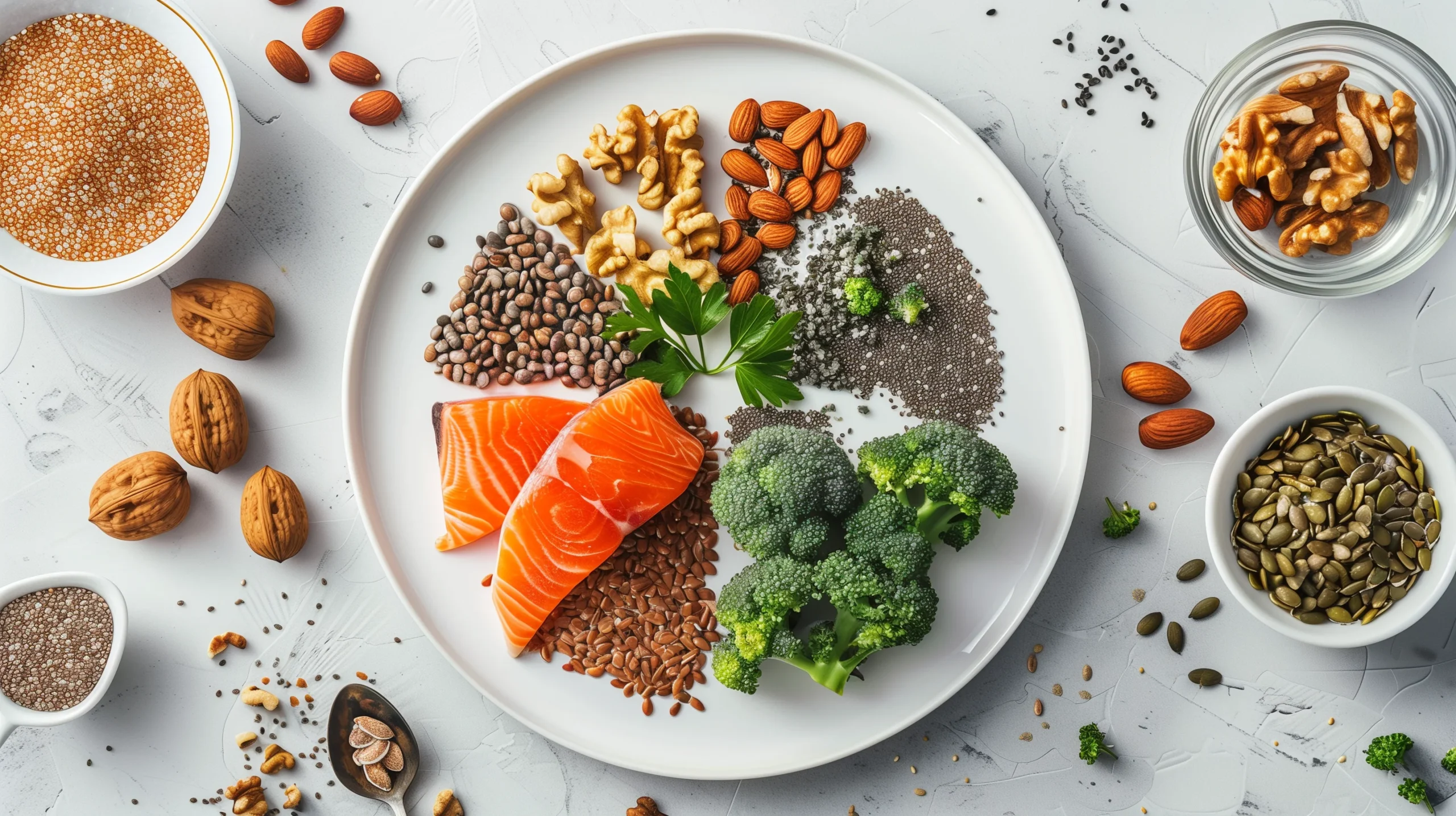
If you enjoy seafood, salmon, sardines, mackerel and herring naturally provide EPA and DHA along with protein and other nutrients. Chia, flaxseed and walnuts provide ALA, but they are not direct gram-for-gram replacements for EPA and DHA. You can choose foods for overall dietary quality without treating each meal as an isolated hypertrophy experiment. Fish oil capsules are an option for particular dietary or health needs, not a mandatory badge of serious lifting.
Compare the full label when evaluating an omega-3 supplement. A bottle that says 1,000 milligrams of fish oil may contain much less than 1,000 milligrams of combined EPA and DHA. The trial’s experimental 6.3-gram daily dose is far above typical consumer amounts and should not be copied casually. Consider your medical history and medications, and speak with a qualified clinician when a high-dose supplement is being considered.
Equipment Worth Exploring
Explore equipment, accessories and gear from our carefully selected range.


Go-Tone Pro
Portable digital cable trainer with up to 66 lb (30 kg) of adjustable resistance.
VOLTRA
Compact digital cable trainer with smooth, adjustable resistance.



Squat Harness
Wearable harness for hands-free cable squats, sled work, and lower-body training.

6. A four-week training audit before buying more supplements
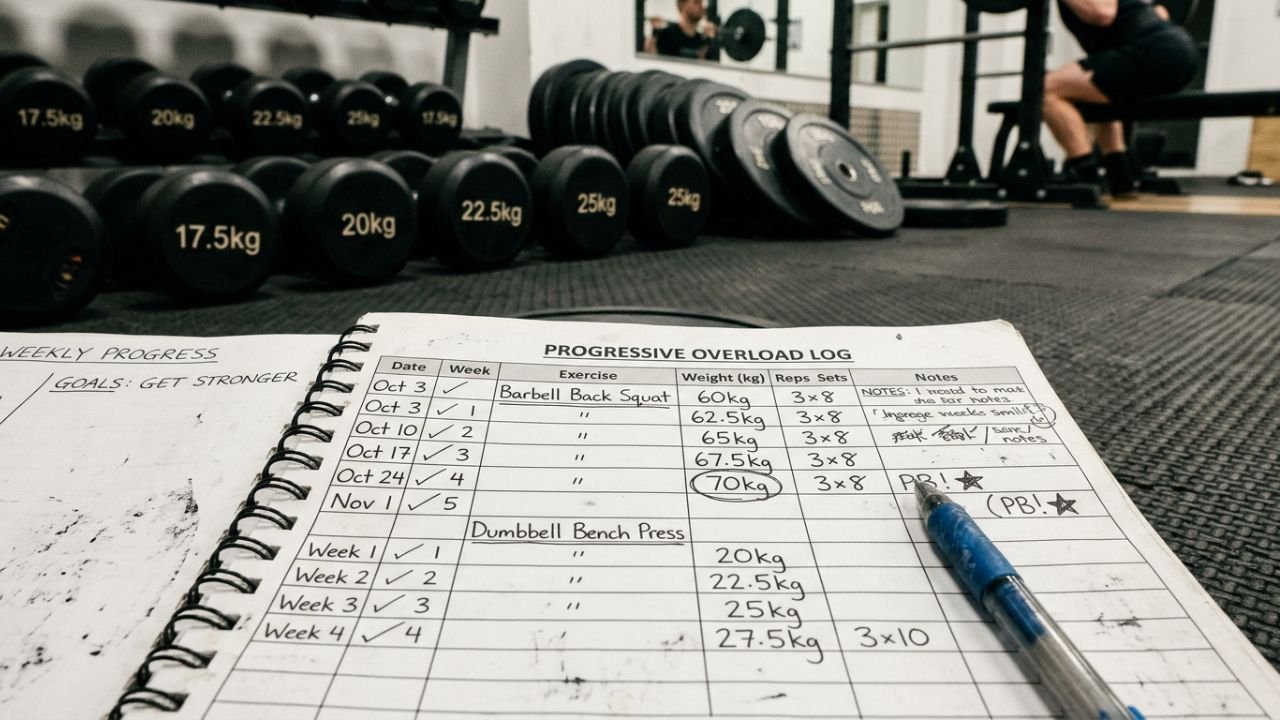
Use a four-week audit to check whether the foundations are moving forward. Choose two or three main lifts and one or two accessories that cover the muscles you care about. For example, train lower body twice per week: on Day A perform three controlled sets of six to ten squats or leg presses, three sets of eight to twelve Romanian deadlifts, and two sets of ten to fifteen calf raises. On Day B use three sets of eight to twelve split squats or machine presses, three sets of ten to fifteen leg curls, and two sets of ten to fifteen leg extensions. Adapt loads and exercise choice to your ability, equipment and joint tolerance.
During week one, record the load, clean repetitions, approximate repetitions in reserve and rest between sets. Use a range of motion you can repeat. During week two, aim for small rep improvements without shortening movement or sacrificing technique. During week three, increase weight slightly on an exercise once the top of its planned repetition range is reliably reached. During week four, compare performance and recovery with week one. If a session becomes unusually demanding, reduce an accessory set rather than forcing an arbitrary progression.
Keep nutrition relatively stable during the audit. Record an approximate daily protein intake and overall energy balance rather than obsessing over minute supplement timing. A log that shows better repeatable performance will tell you more about the training plan than a single post-workout pump. Do not interpret a four-week change in how your muscles look as a controlled measurement of new contractile tissue; hydration, glycogen and lighting also matter.
The purpose is not to recreate a clinical trial. It is to discover whether training quality, sufficient food and recovery are the current bottlenecks. If they are, address those first. If they are already consistent and you have a separate reason to discuss omega-3 intake, keep that decision distinct from a promise of faster muscle growth.
Bodybuilding Shirts & Workout Gear
Bodybuilding shirts, tanks and gym gear for lifters chasing muscle, size, symmetry and the pump.

Heavy Weights And Protein Shakes Meme And Gymbros T-Shirt
Show some powerlifting attitude with a playful “Heavy Weights and Protein Shakes” tee.

Swole DiCaprio Gym | Funny Great Gatsby Protein Shake C Tank Top
Your gym-day look, with a playful “Swole DiCaprio” twist.

Creatine Gym Cosmic Muscle Shirt , Crazy Vest Tank Top
Bring “Creatine” humor to your next lifting session.

Let It Be Heavy – Beatles Parody Vest Muscle Shirt for Tank Top
Train hard, laugh a little, and rep “Let It Be”.

Swole Shady Gym | Funny Rap Parody Muscle Shirt For Bod Tank Top
Your gym-day look, with a playful “Swole Shady” twist.

Hulk Bulk Fast Food Gym Funny Workout Muscle Shirt Athl Tank Top
Bring “Hulk Bulk Fast Food” humor to your next lifting session.


Lift And Shout – Beatles Rock Music Meme Vest Muscle Sh Tank Top
Your gym-day look, with a playful “Lift And Shout” twist.

Alien Weight Plate : Gains Out Of This World T-Shirt
Heavy lifts, good laughs, and a little “Alien Weight Plate” energy.

Meme Installing Muscles & Lifting Shirt Bros & T-Shirt
Bring “Installing Muscles” humor to your next gym day.
7. Should a lifter take fish oil? A measured verdict
The useful conclusion is narrower than either extreme. In a 14-week randomized trial involving 46 trained men with adequate protein intake, taking 6.3 grams per day of omega-3 fats changed the fatty-acid makeup of muscle but did not produce more measured muscle growth, strength or anabolic signaling than placebo. That is evidence against treating high-dose fish oil as a reliable hypertrophy shortcut for similar lifters. It is not a verdict that seafood is unhealthy or that no one should ever supplement omega-3.
Consider your actual diet and goals. If you rarely eat fish, want to improve the omega-3 content of your meals or have been given specific medical advice, the conversation is about nutrition and health rather than an extra centimeter on your thighs. If you regularly eat oily fish, train progressively and already meet your protein target, buying more capsules specifically for muscle growth may add cost without a demonstrated payoff. There is no need to mimic the study’s unusually high experimental dose.
Supplements deserve the same scrutiny as training programs. Check combined EPA and DHA rather than the headline fish-oil weight, look for appropriate quality standards, and consider fish allergies, gastrointestinal effects and interactions with medications. People taking anticoagulants or managing medical conditions should ask a clinician before starting a concentrated product. No general article can determine a personal safe dose.
The practical hierarchy remains straightforward: progressively challenging workouts, enough energy, adequate protein, recovery and adherence. Nutrients matter, but a supplement should earn its place with evidence for the specific outcome you want. For muscle growth in healthy, protein-replete men, the present evidence does not give high-dose fish oil that extra-credit role.