Advertising disclosure: This page includes affiliate product links that may earn us a commission, as well as products from our own store.
Slow negatives can make a set feel brutally hard. But a longer rep is not automatically a better muscle-building rep. Here is how to use tempo as a tool rather than a rule.
What rep tempo actually measures
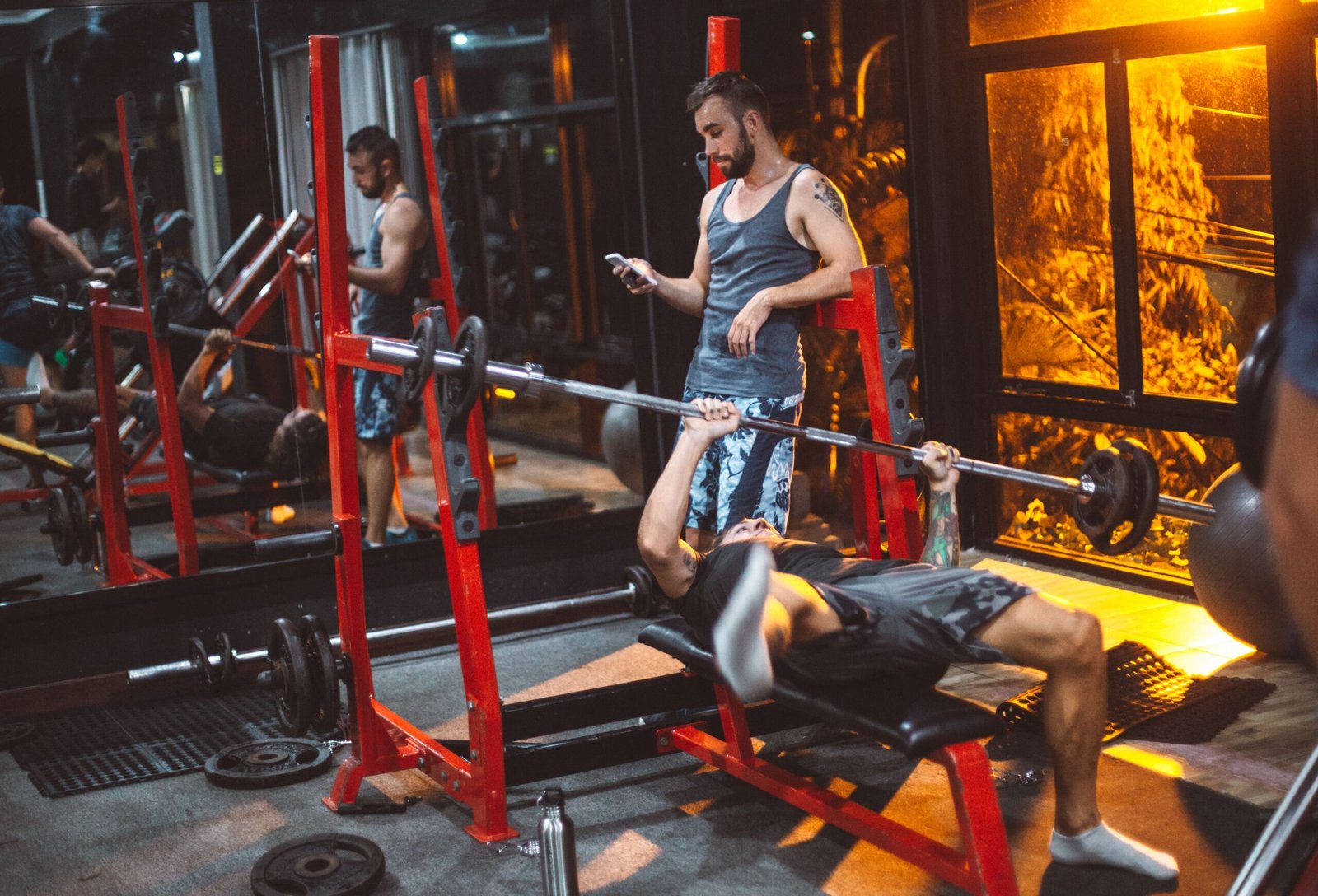
A rep has a lowering phase (eccentric), a transition, a lifting phase (concentric) and sometimes a pause at the top. A 3-0-1-0 prescription means lower for about three seconds, reverse without a deliberate pause, lift in about one second and start the next repetition without waiting. Tempo notation is a cue, not a metronome competition. On a heavy squat the concentric may take longer even when the lifter intends to move quickly. The bar’s actual velocity depends on load and fatigue. For hypertrophy, a repeatable range of motion and meaningful muscular effort are more useful than chasing an exact stopwatch reading. A deliberately controlled descent can prevent bouncing, shorten the chance of losing position and make successive sessions comparable. But slowing every movement excessively can reduce the load or number of hard repetitions a lifter can sustain. Those tradeoffs matter when comparing routines.
Tempo is also easy to misread. In a 3-1-X-1 squat, the first number describes the descent, the second a one-second pause at the bottom, X an explosive upward intent, and the final number a one-second reset before the next repetition. A pause removes some assistance from the stretch-shortening cycle; it is not interchangeable with a slower eccentric. When comparing programs, record pauses and range of motion as well as lowering speed. Videoing one representative set can reveal whether a prescribed three-second negative has quietly become a rushed one-second drop as fatigue rises.
What muscle-growth research actually shows
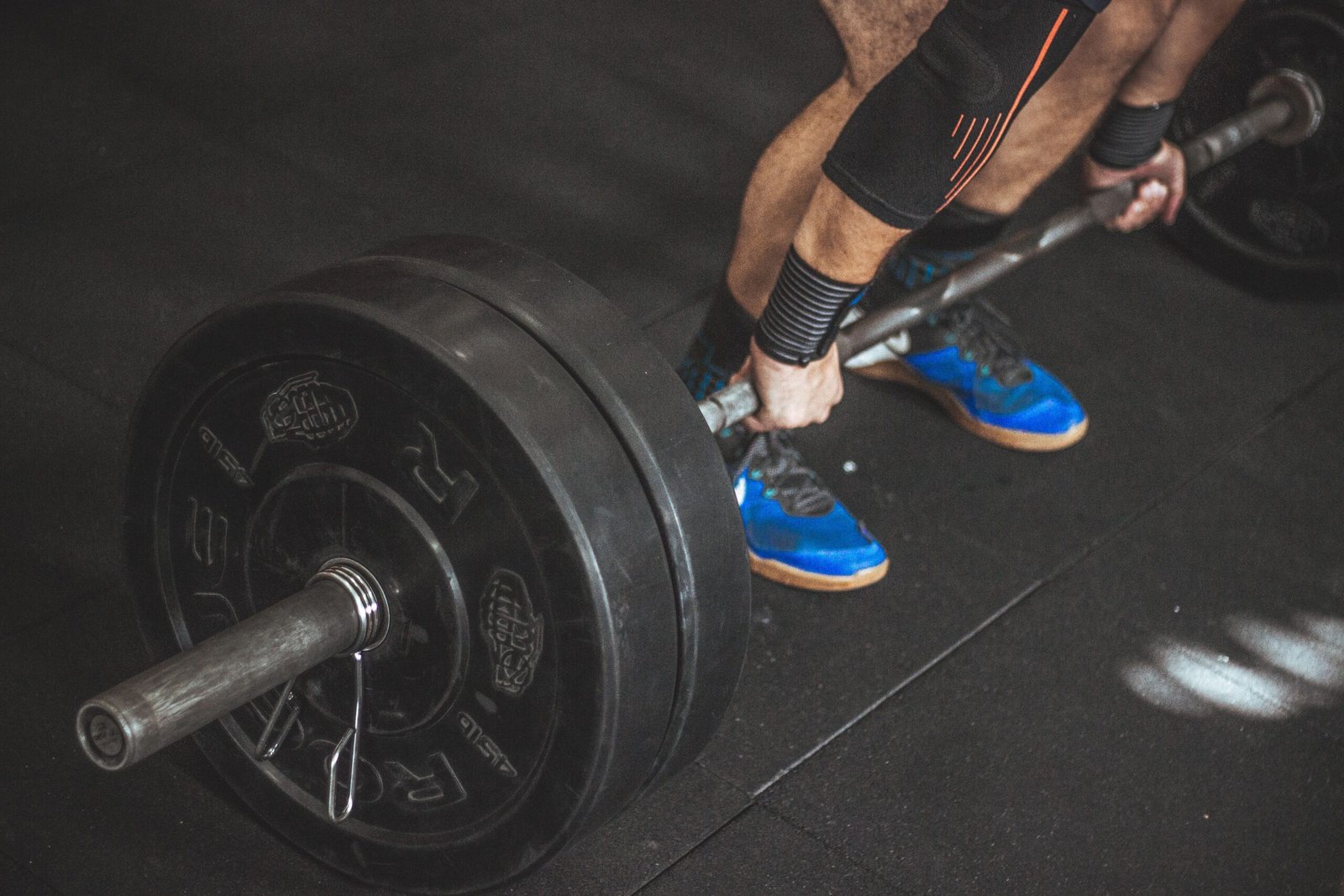
Research comparing repetition durations does not support the simple claim that slower is always better. A systematic review and meta-analysis of eight studies found broadly similar muscle growth across repetition durations spanning approximately half a second to eight seconds. The evidence was not strong enough to identify one universally optimal cadence, and extremely slow repetitions beyond ten seconds may be less effective. These comparisons are limited by differences in exercises, training experience, proximity to failure and how tempo was supervised. Importantly, a set that lasts longer is not automatically a stronger growth stimulus. Muscles respond to tension and sufficiently challenging work, not just elapsed seconds. Tempo changes several variables at once: time under tension, load tolerance, fatigue, total repetitions and sometimes range of motion. When someone reports that four-second negatives transformed their gains, the improvement may partly reflect more consistent technique or greater effort rather than an intrinsic advantage of the four-second count.
These findings should not be stretched into a claim that cadence never matters. A fast repetition performed with poor control can change the exercise and reduce useful loading through part of the range. Conversely, a deliberately slow set may become limited by discomfort or cardiovascular fatigue before the target muscle receives enough challenging work. The studies compare training protocols, not isolated seconds under a microscope. They also cannot establish that every individual, every muscle group and every training history responds identically. The practical conclusion is a flexible range of useful tempos, not permission to abandon technique.

Equipment Worth Exploring
Explore equipment, accessories and gear from our carefully selected range.


VOLTRA
Compact digital cable trainer with smooth, adjustable resistance.

FID Bench MAX
Adjustable bench offering flat, incline, and decline positions + adjustable headrest.


GymPin Ergo Handles
Pair of ergonomic cable handles shaped for comfortable triceps and pulling exercises.


Go-Tone Pro
Portable digital cable trainer with up to 66 lb (30 kg) of adjustable resistance.

Long Tricep ERGO Ropes
Extended triceps ropes with ergonomic grips for cable pressdowns and overhead extensions.

Eccentric tension is not the same as slow lowering
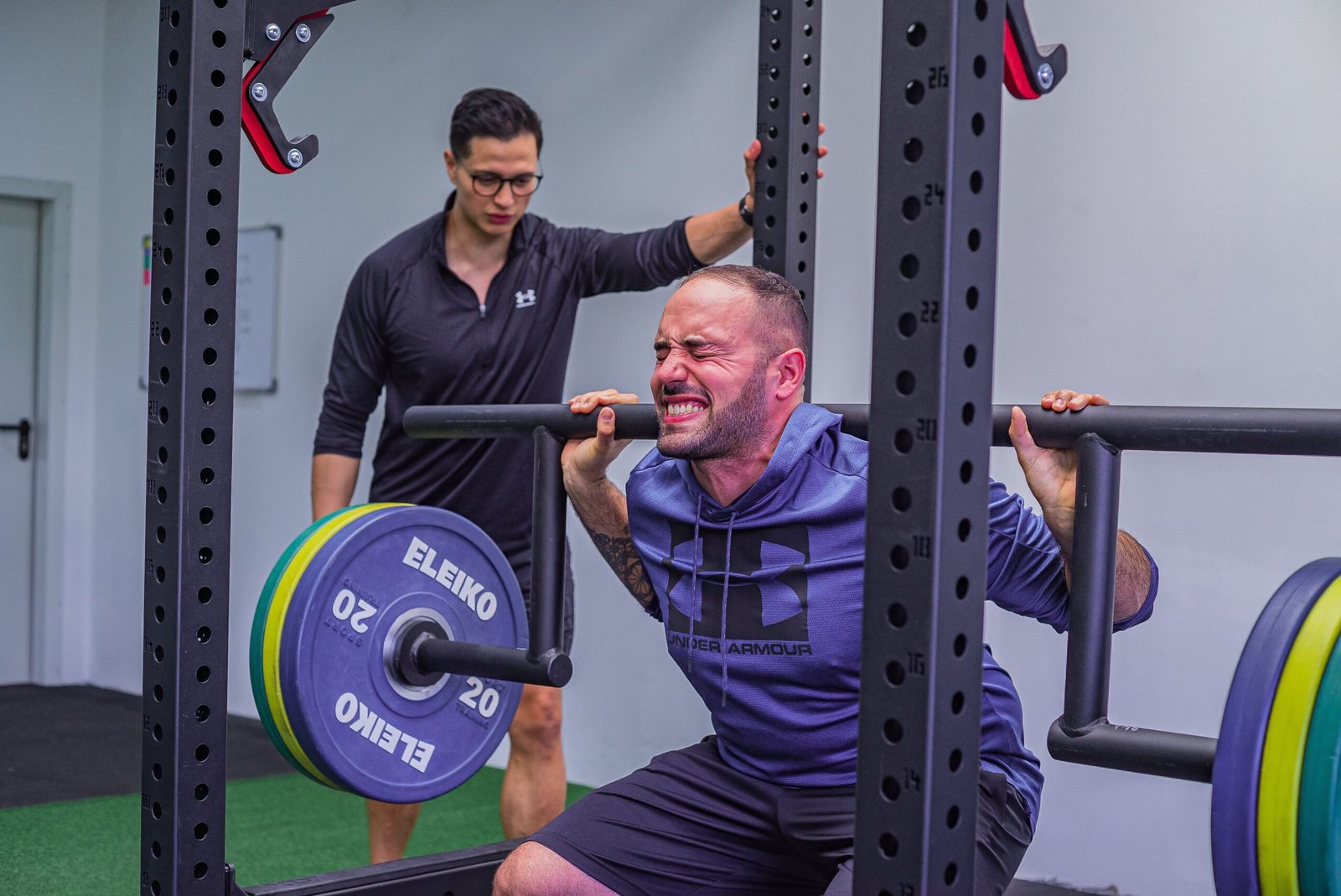
The eccentric phase occurs as a muscle produces force while lengthening, such as the quadriceps during the descent of a squat or the elbow flexors as a curl is lowered. Eccentric actions can handle substantial force and can create a potent training stimulus. That does not establish that extending every lowering phase from two seconds to six seconds creates proportionally more muscle. The useful goal is to keep the target muscles loaded while maintaining position and range. On curls, a two- to three-second descent may help prevent the weight from dropping uncontrolled. On an RDL, lower at a pace that preserves a braced torso and lets the hips travel backward without losing the bar path. The eccentric should be intentional rather than theatrically slow. If the lifter must cut the load dramatically or stops several repetitions earlier because of the clock, the overall training stimulus may not improve.
Think about the difference between a controlled eccentric and an overloaded eccentric. The former simply means resisting gravity through the lowering phase of an ordinary repetition. The latter uses a greater lowering load than the athlete can lift concentrically, usually requiring specialized equipment or assistance. Findings about eccentric overload should not be casually transferred to a normal dumbbell curl performed more slowly. For most home-gym trainees, stable positioning, full comfortable movement and gradual progression are simpler and more repeatable tools than complicated eccentric-only loading schemes.

Funny Gym Shirts & Workout Gear
Funny gym shirts, tanks, hoodies and workout gear for lifters who like training hard.

One More Rep Shirt: Motivational & T-Shirt
Make gym days more fun with “One More Rep” style.

Progressive Overload Milo Tee
Bring “Progressive Overload Milo Bull” humor to your next gym day.

The Only Difference Between Good And Great Is One T-Shirt
Bring “The Only Difference Between Good And Great” humor to your next gym day.

Shirt – I'M Strong Barbell Heartbeat , Gymbro , & T-Shirt
Bring “I'm Strong Barbell Heartbeat” humor to your next gym day.


Bro – Installing Muscles Downloading Gains Meme T-Shirt
Show some lifting attitude with a playful “Gym Bro” tee.

Discipline Stoic Tee
Show some lifting attitude with a playful “Discipline Stoic Sigma Bodybuilder” tee.

No Days Off for Daily Workouts, Lifting, and Fitness Di Hoodie
Keep it laid-back with a little “No Days Off” attitude.

Rep-Tilian Reptile Reptilian Meme Gym Bodybuilding Powe Tank Top
Bring “Rep-Tilian” humor to your next lifting session.

Shirt – Train Hard Gains – Meme , & Workouts T-Shirt
Bring “Train Hard Gains” humor to your next gym day.
Strength, power and the intent to move fast
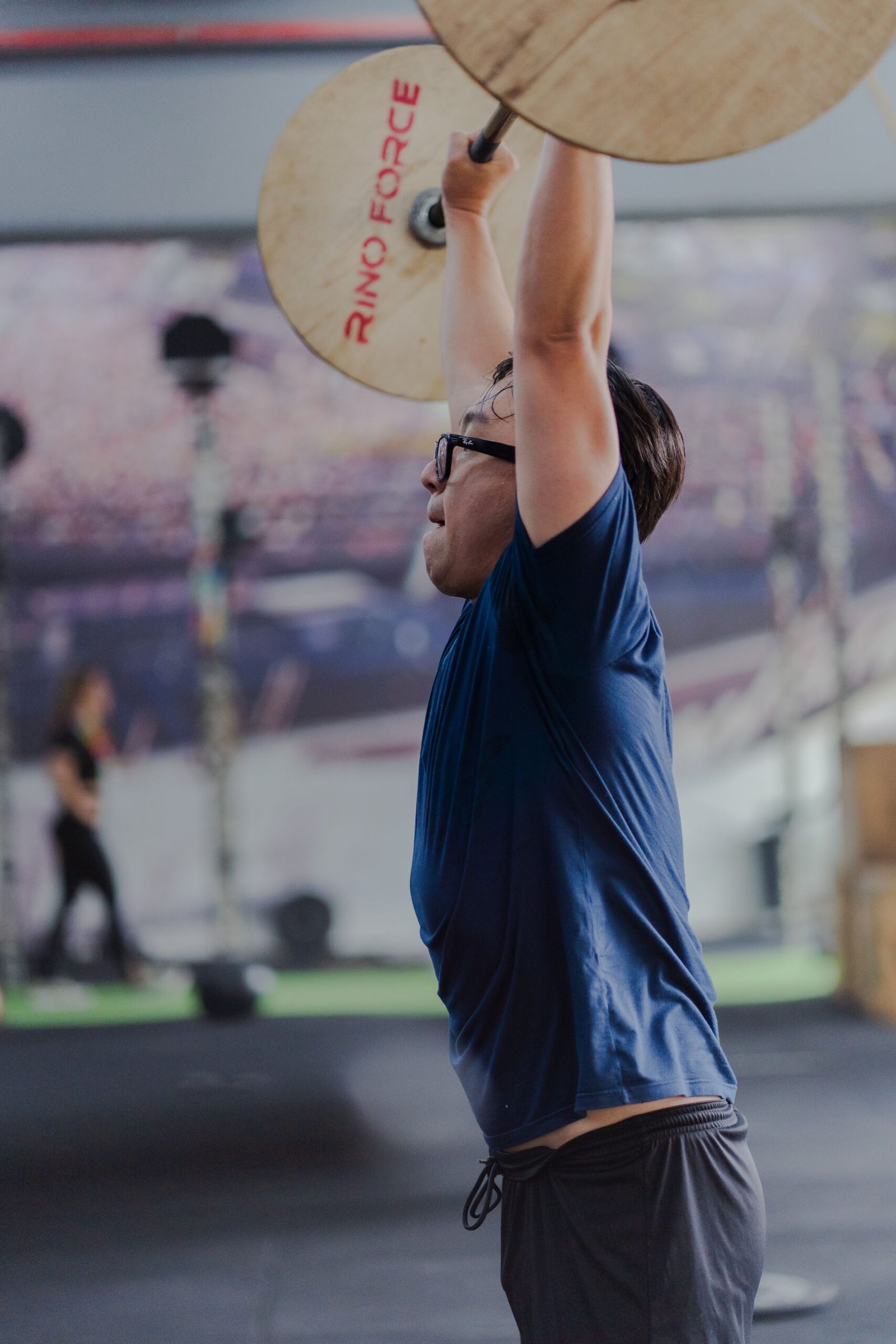
Muscle size and maximal strength overlap, but they are not identical outcomes. Heavy practice and task-specific skill matter greatly for one-repetition maximum performance. Likewise, producing power requires learning to accelerate loads effectively. A deliberately slow concentric on every set may be counterproductive when speed or explosive performance is the priority. During conventional hypertrophy work, an effective compromise is to lower under control and lift with strong intent while retaining good technique. The bar may still move slowly near failure. That is different from voluntarily restricting the lifting phase to a four- or five-second count. On a heavy bench press, avoid bouncing the bar and keep the touch point consistent, then press assertively. For jumps, throws and dedicated speed work, use the technique and loading appropriate to the sport rather than importing a bodybuilding-style slow negative.
Intent and observed speed deserve separate entries in a training log. A challenging final bench repetition may crawl upward even when the lifter pushes as forcefully as possible. That does not make it a deliberately slow concentric. For strength-focused work, maintain the prescribed control on the descent, then practice applying force without letting technique unravel. For rehabilitation or movements that aggravate symptoms, however, an explosive instruction is not automatically appropriate. Choose a tolerable movement and obtain individual professional guidance when pain persists.
Practical tempos for five common lifts
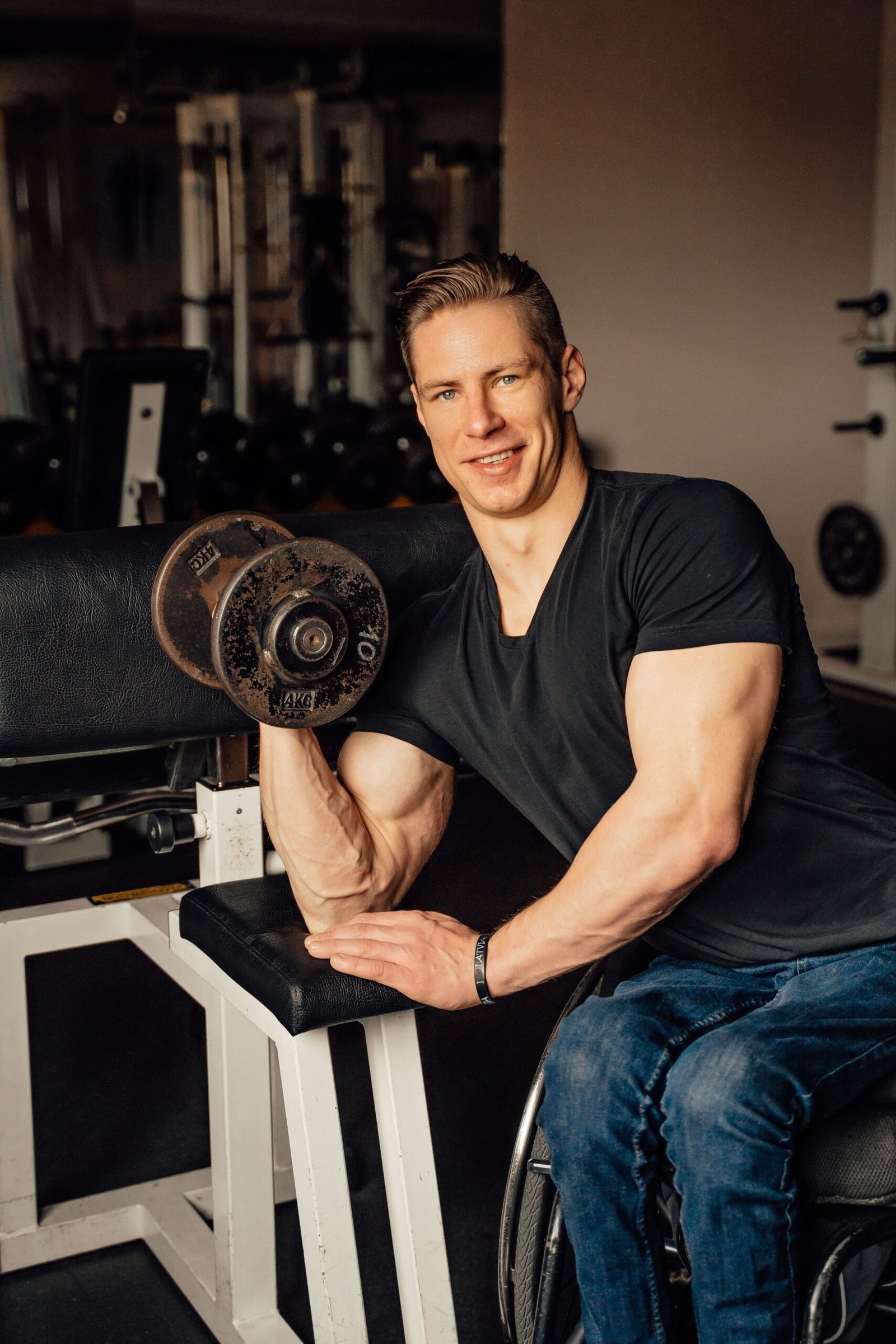
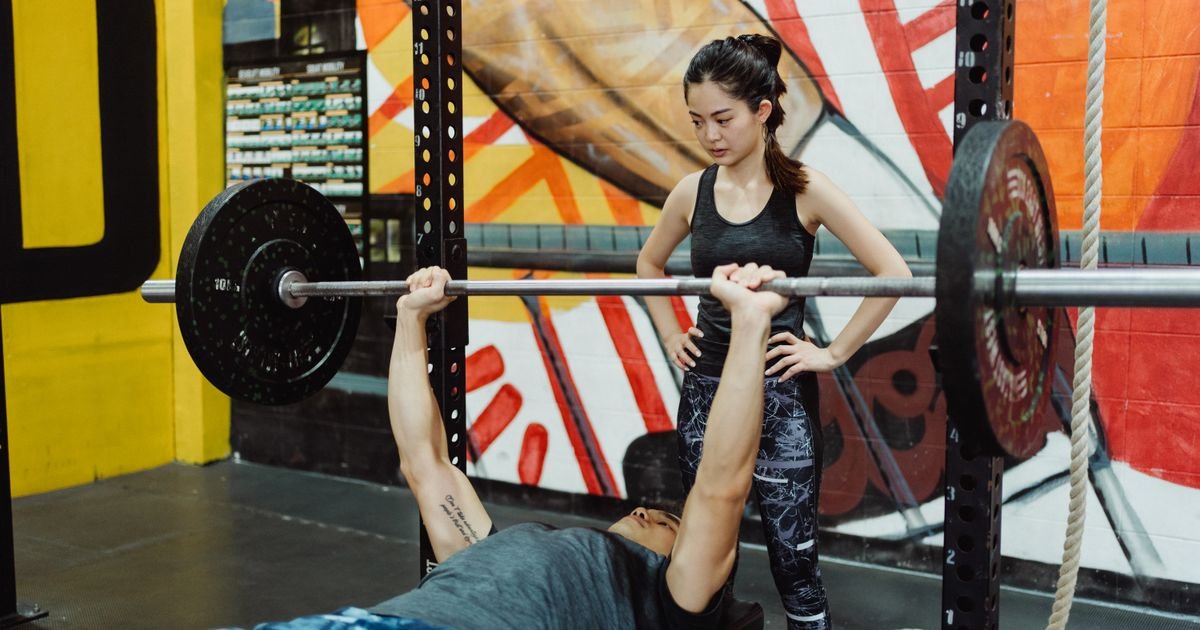
For squats, use a controlled descent of roughly two to three seconds when learning position, then drive up without losing bracing. On bench presses, a one- to three-second lowering phase can improve consistency; avoid crashing the bar onto the chest. For Romanian deadlifts, take enough time to maintain a neutral trunk and feel the hamstrings load, commonly around two to three seconds. For dumbbell curls, a two-second lower can discourage swinging, while the lifting phase remains purposeful. Lateral raises benefit from avoiding a free fall, but excessively slow repetitions may turn the set into a grip or posture battle rather than productive shoulder work. These are starting points, not physiological laws. Beginners often need more deliberate control. Experienced lifters can adjust cadence by exercise, fatigue and intended adaptation. If joint discomfort appears, reassess range, load and technique rather than assuming a slower count is the cure.
A practical default for many bodybuilding movements is approximately two seconds down, no unnecessary pause, and a purposeful upward phase. Adjust rather than worship that number. On a cable lateral raise, consistent resistance and a controlled return may matter more than making each rep last six seconds. On a squat, the bottom position may warrant a brief deliberate pause if the goal is improving control there. On an RDL, do not descend farther merely to satisfy a clock: stop where your hip hinge and back position remain stable. Equipment changes the feel of a repetition too, especially when comparing free weights, selectorized stacks and motorized resistance.
Equipment Worth Exploring
Explore equipment, accessories and gear from our carefully selected range.


Leather Lifting Straps
Padded leather straps support grip during heavy rows, deadlifts and pulling exercises.


GymPin Squat Wedges
Non-slip 15-degree squat wedges help elevate the heels for deeper quad-focused squats.


Progression and effort beat stopwatch obsession
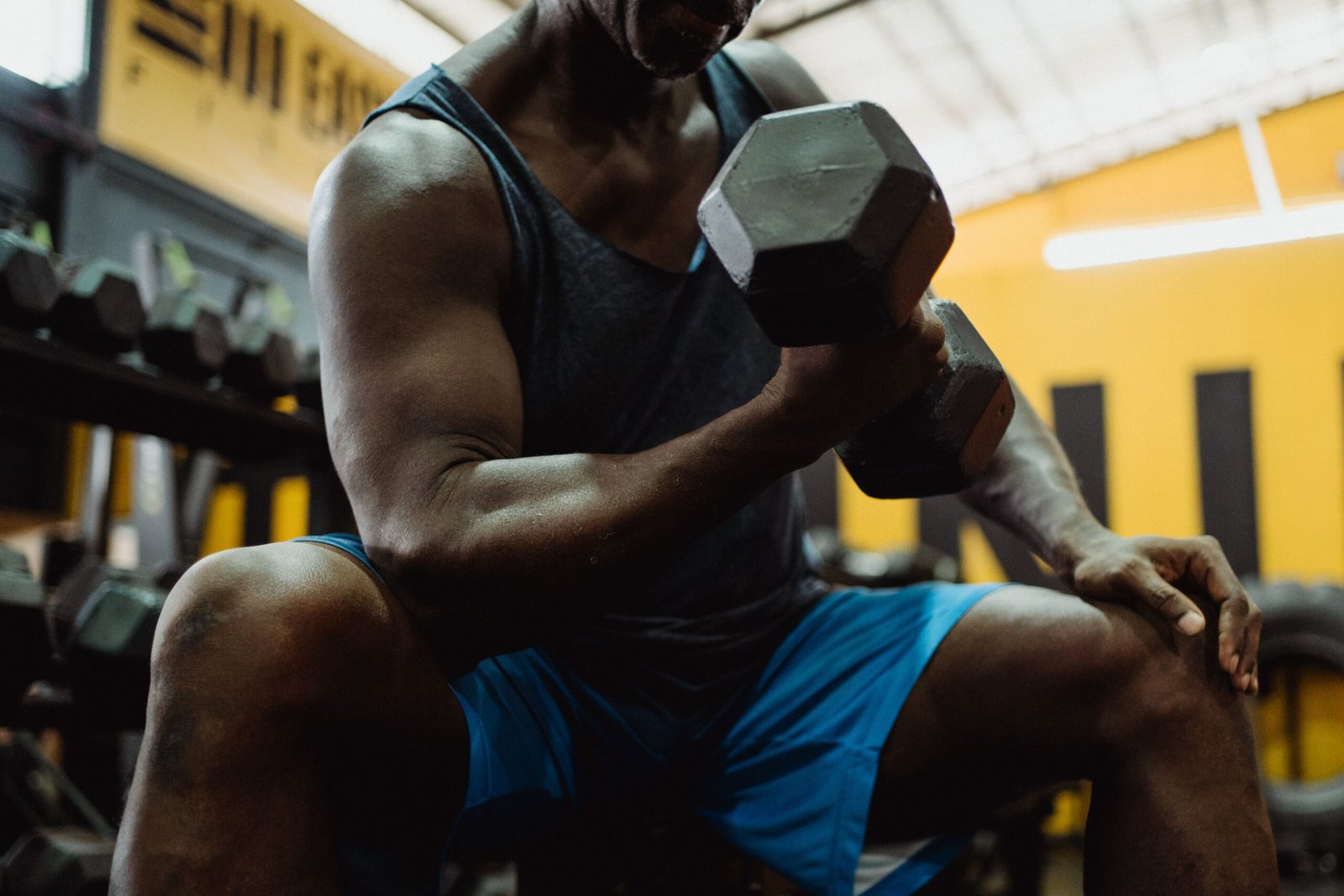
Track the variables that can actually be progressed: load, repetitions, sets, range of motion, technique quality and how close working sets come to failure. Suppose a lifter curls 12 kilograms for three sets of ten with controlled lowering. The next goal might be an eleventh repetition at the same standard, or eventually a heavier dumbbell for the same reps. Switching to a six-second negative and losing four reps does not automatically represent progression. Keep tempo approximately consistent when comparing sessions, because a sudden change in cadence makes performance harder to interpret. Reserve deliberate tempo variations for specific needs: learning a movement, preventing momentum, controlling a painful transition under appropriate guidance, or adding variety during a training block. A few hard, repeatable sets with adequate recovery will usually tell you more about your progress than the total seconds displayed on a workout timer.
One useful way to standardize effort is to note repetitions in reserve alongside the load and rep count. A set stopped with five good reps still available is not equivalent to a set taken close to the limit, even if both last forty seconds. Rest intervals also influence whether the next set can reproduce the intended effort. If you change cadence, avoid simultaneously changing the weight, exercise order, rest and number of sets; otherwise you will not know which adjustment helped. The strongest training plan is the one you can repeat and improve while recovering adequately.
Bodybuilding Shirts & Workout Gear
Bodybuilding shirts, tanks and gym gear for lifters chasing muscle, size, symmetry and the pump.

Hypertrophy Stoic Sigma Greek God Marble Sculpture T-Shirt
Bring “Hypertrophy Stoic Sigma Greek God Marble” humor to your next gym day.

Control Your Gains Stoic Greek God Marble Sculpture T-Shirt
Make gym days more fun with “Control Your Gains Stoic Greek God Marble” style.


Gym Rat Cheese Barbell | Funny Workout & Bodybuilding M Hoodie
Keep it laid-back with a little “Gym Rat Cheese Barbell” attitude.

Bodybuilder Repsody – Queen Rock Music Meme T-Shirt
Make gym days more fun with “Bodybuilder Repsody” style.


No Reps No Glory Viking – Norse & Gymbros – Top T-Shirt
Heavy lifts, good laughs, and a little “No Reps No Glory Viking” energy.

Motivation – Squats & Booty Builder Leg Day – Strong T-Shirt
Bring “Gym Motivation” humor to your next gym day.

Barbell Cross Is My Religion & Bros T-Shirt
Rep “Barbell Cross Gym is My Religion” humor in and out of the gym.

A four-week tempo experiment
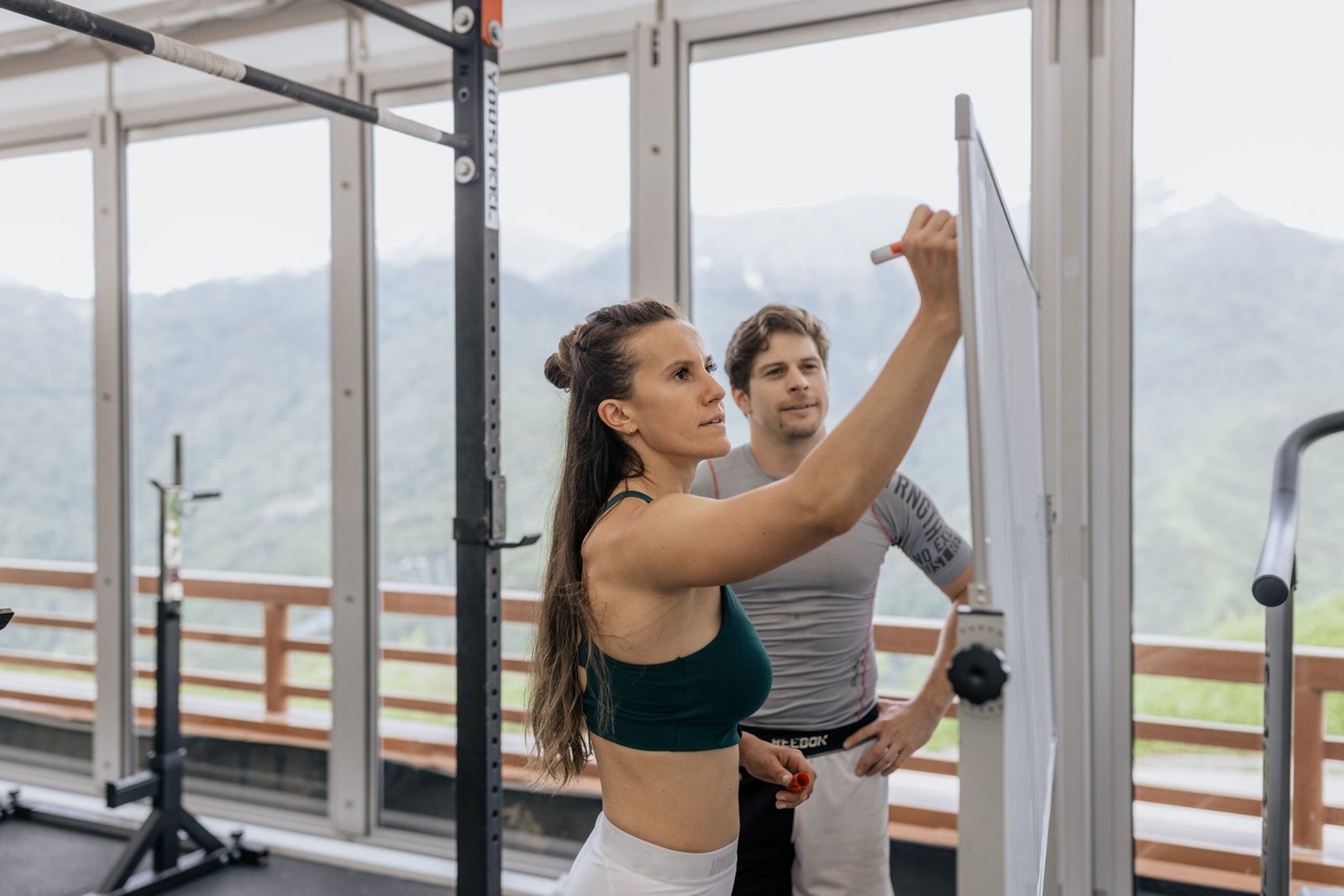
In week one, record your normal working weights, repetitions and approximate lowering speed for two stable exercises such as a machine chest press and a dumbbell curl. In week two, use a consistent two- to three-second eccentric on those lifts while keeping the range of motion and proximity to failure comparable. During week three, try a slightly longer descent on one isolation exercise only; note whether performance, comfort or target-muscle control changes. In week four, return to the most sustainable cadence and attempt a small progression in repetitions or load. Keep other training variables as steady as possible. This is a personal technique audit, not a scientific trial capable of proving which tempo builds more muscle. The decision rule is simple: keep a cadence that preserves control, allows hard productive work and supports progression. Do not confuse a longer burn with a guaranteed better adaptation.
For a cleaner comparison, pick exercises you already perform confidently, keep weekly set counts stable, and avoid testing multiple tempo variants on every lift at once. Log the same range of motion, repetitions in reserve and rest period each week. Rate technique consistency and joint comfort separately from muscle burn. If a slower lowering phase improves your control without sacrificing meaningful work, it may earn a permanent place in your program. If it only makes workouts longer while reducing productive volume, return to a natural controlled descent. Four weeks is too short to establish small hypertrophy differences reliably, but long enough to learn whether a cue is practical.