Advertising disclosure: This page includes affiliate product links that may earn us a commission, as well as products from our own store.
What the Four-Week Trial Really Tested
A vibration platform promises a shortcut: stand on a moving surface, let the oscillations stimulate the legs and perhaps gain some benefits of exercise without traditional lifting. A randomized experiment published in October 2026 tested that idea against familiar alternatives. Forty-four sedentary, healthy women aged 18 to 40 were assigned to whole-body vibration, conventional strengthening, aerobic exercise or a nontraining control. Forty completed the analysis, leaving ten in each group. The active groups trained under supervision three times weekly for four weeks.
The researchers measured muscle thickness with ultrasound, passive muscle stiffness with shear-wave elastography, knee strength with an isokinetic dynamometer and horizontal jump distance. These outcomes describe different capacities. A stronger knee contraction in a laboratory test does not necessarily mean a bigger muscle or a heavier barbell squat. Jumping farther may reflect coordination and rapid force production as well as muscular strength.
No statistically significant group-by-time effects were found for thickness or stiffness. Several strength and jump outcomes did change across groups. Adjusted comparisons with the nontraining control favored different active interventions on particular tests, yet the researchers did not detect adjusted superiority among the three active groups. That does not establish that vibration, lifting and cardio are equivalent. Ten participants per arm and four weeks of exposure limit the conclusions.
The interesting question is therefore not whether vibration is a miracle or a scam. It is what improved, what was actually measured and whether those short-term changes matter for the training goal you care about.
How Vibration Differs From Lifting Weights
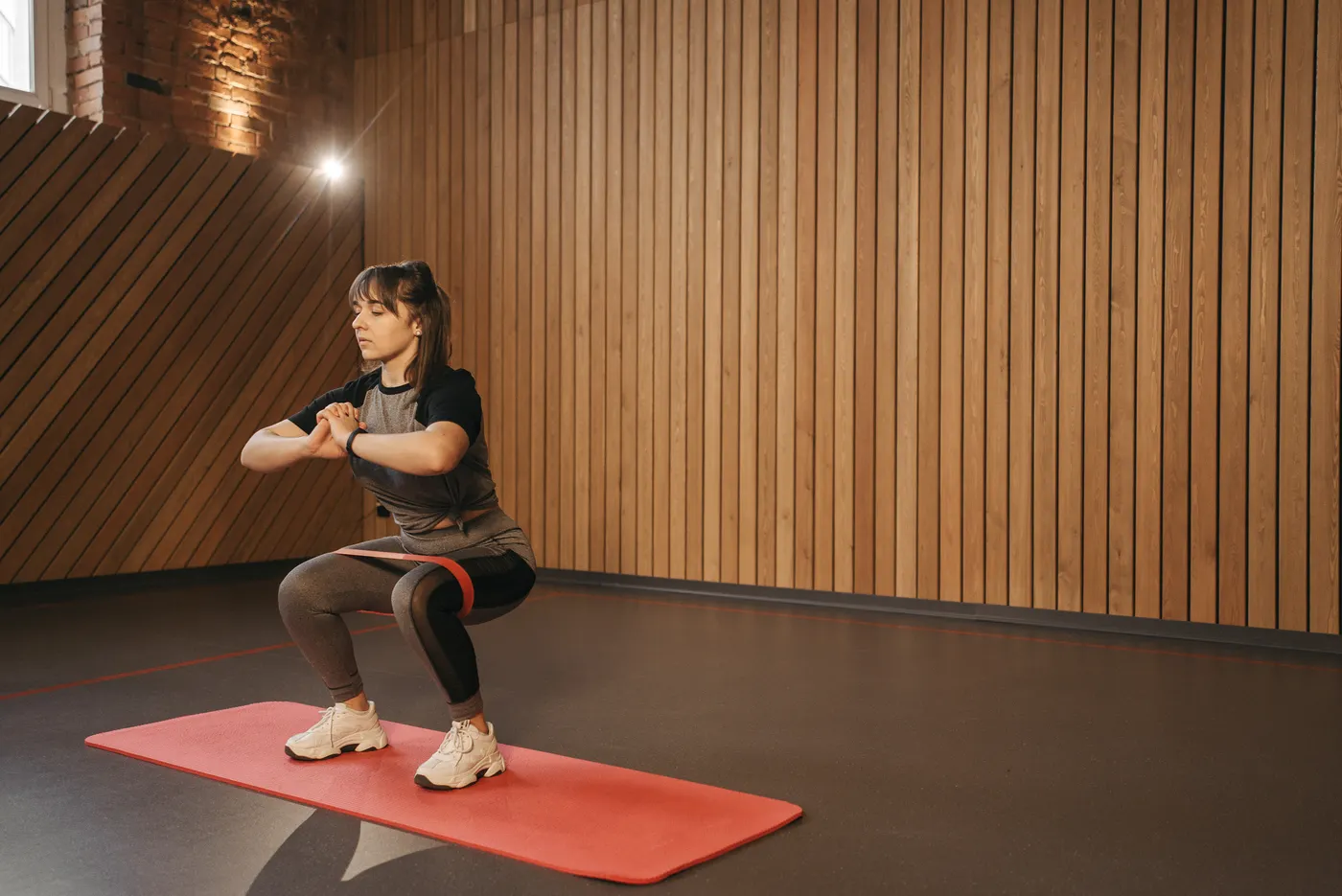
Whole-body vibration transfers rapid oscillations from a platform through the feet and legs. The muscles respond as the user maintains a stance or performs simple movements. Frequency, amplitude, exposure time and knee angle all influence the stimulus. A supported shallow squat on a vibrating platform is not the same exercise as a progressively loaded squat, even though both recruit lower-body muscles.
Conventional resistance training creates force against a weight, machine, cable, band or body weight. Its challenge is straightforward to track: increase resistance, complete more repetitions or improve control through a consistent range of motion. Vibration settings cannot be converted directly into kilograms lifted. A platform that feels intense is not automatically supplying the same mechanical tension or progression as heavy strength training.
Broader research gives a mixed picture. A review of 34 randomized trials involving older adults found improvements in certain lower-body strength measures compared with inactivity. However, methodological limitations were common and consistent superiority over other exercise approaches was not established. Those participants and protocols differ from the women in the new trial, so the findings should inform expectations rather than be treated as interchangeable.
Vibration may be an accessible supplement in selected supervised settings. That is a different claim from replacing a progressive lifting program. Before buying a device, define whether the target is general movement, balance, a particular strength test or muscle growth. Different outcomes require different evidence, and the feeling of effort alone cannot settle the question.

Equipment Worth Exploring
Explore equipment, accessories and gear from our carefully selected range.
VOLTRA
Compact digital cable trainer with smooth, adjustable resistance.

Go-Tone Pro
Portable digital cable trainer with up to 66 lb (30 kg) of adjustable resistance.


FID Bench MAX
Adjustable bench offering flat, incline, and decline positions + adjustable headrest.



What Improved in Strength and Jumping?
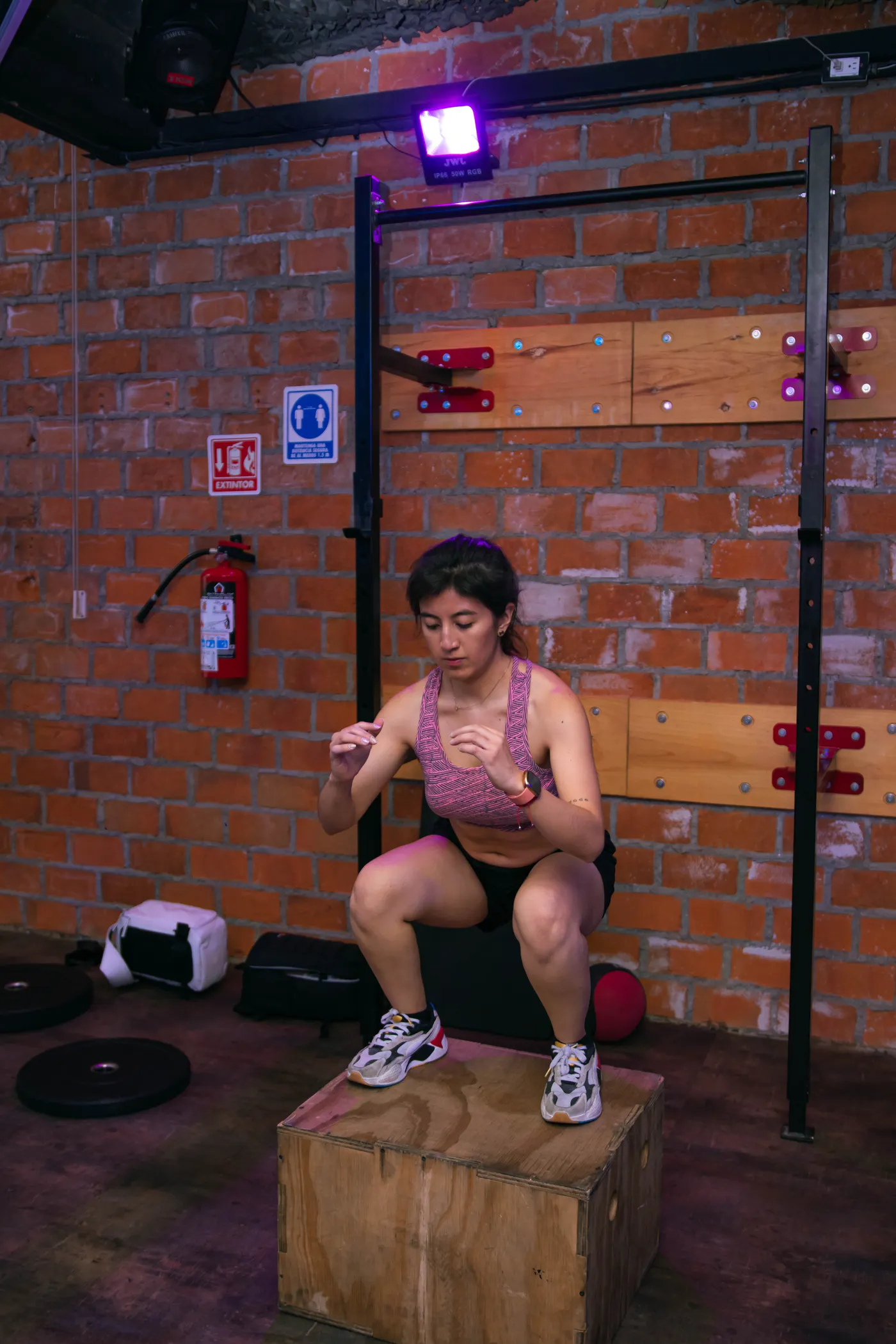
The detailed results are more informative than a headline. In adjusted comparisons, concentric hamstring strength was higher than control in all three active groups. Eccentric quadriceps strength was higher than control after vibration and strengthening. Eccentric hamstring strength showed an adjusted advantage after vibration. Horizontal jump performance was higher than control in the vibration and strengthening groups.
These are specific outcomes from specific tests. They do not prove that vibration is better for every hamstring exercise, that aerobic exercise replaces heavy squats or that a better jump means the participant built visibly larger legs. Beginners can improve coordination and recruitment of muscle fibers before large changes in muscle thickness are detectable. A dynamometer also imposes a prescribed joint movement and speed unlike a multi-joint barbell lift.
There were no detected adjusted pairwise differences among the active groups. A study designed to establish equivalence would need predefined equivalence margins and enough participants to rule out practically important differences. This experiment was not designed to make that guarantee. Small samples and a short training period can miss differences that appear after longer progression.
Exercise selection should therefore follow the target. For stronger squats, practice squatting and gradually increase resistance. For jumping, establish basic strength and introduce safe, low-volume jump drills when appropriate. For someone previously inactive, a manageable exercise routine that gets repeated is more useful than an impressive device used only occasionally.

Leg Day Shirts & Workout Gear
Leg-day gym shirts and workout gear for lifters who never skip squats, lunges and lower-body punishment.

Girl – Bootybuilder Leg Day- Squats & Meme – T-Shirt
Rep “Gym Girl” humor in and out of the gym.


Adventure Girl Booty Builder Leg Day Meme Hooded Hoodie
Stay casual and show some leg-day attitude with “Adventure Girl”.

Booty Building Mode Sweater Leg Day & Squats Meme T-Shirt
Add a playful “Booty Building Mode” touch to your casual rotation.

Never Skip Leg Day Squats & Deadlifts Meme , Top T-Shirt
Show some leg-day attitude with a playful “Never Skip Leg Day” tee.


Shirt Squat Queen Leg Day Bros & Meme Gains T-Shirt
Bring “for Squat Queen” humor to your next gym day.


Why the Cardio Group Also Improved a Strength Test
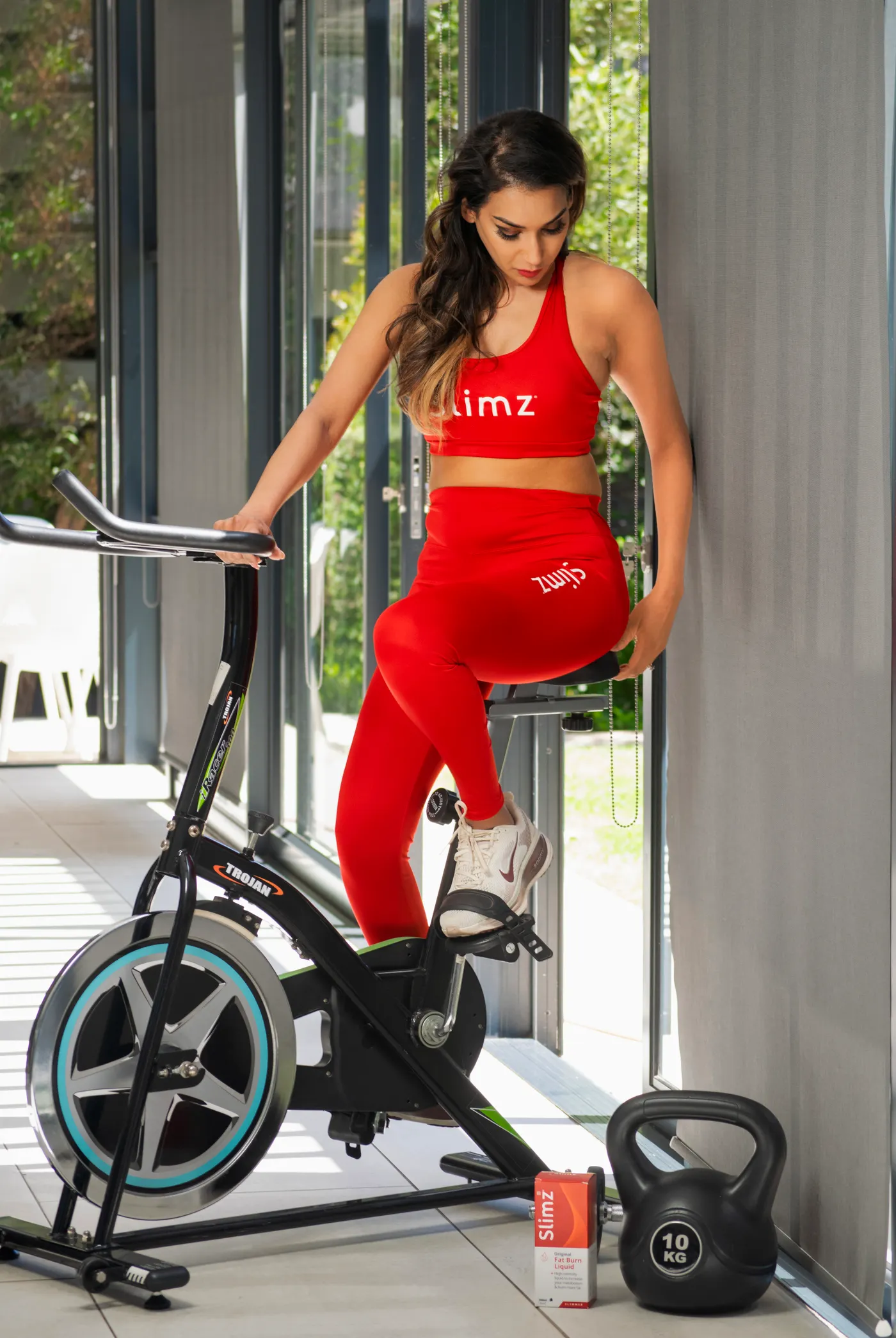
The aerobic group improved concentric hamstring strength compared with the nontraining control. That may seem surprising if cardio and strength are treated as unrelated categories. But sedentary people can improve physical performance through many new movement exposures. Repeated leg contractions, growing tolerance for effort and better coordination can all contribute to early progress.
Measurement specificity matters. The study assessed knee strength on an isokinetic dynamometer, not a maximal squat, Romanian deadlift or sprint. An improvement in one controlled task does not transfer equally to every athletic movement. It would be misleading to conclude that cycling or another aerobic activity is an equivalent replacement for progressive resistance training across all strength goals.
There is no need to choose only one form of exercise. Aerobic work supports cardiovascular capacity and general activity tolerance. Strength training directly challenges muscles through adjustable resistance. A beginner might combine two strength sessions with two moderate aerobic sessions each week, adjusting effort to fitness and recovery. That schedule is a practical example rather than a claim that the original experiment tested this exact combination.
If intense cardio leaves your legs too tired for the next lifting session, reduce its intensity or move it to another day. If strength work causes excessive soreness, begin with fewer sets. A productive routine is challenging enough to adapt to, but manageable enough to repeat consistently. The best results rarely come from making every session maximally exhausting.
Muscle Stiffness Is Not Muscle Growth
Muscle stiffness sounds like a simple health score, but it is not. Shear-wave elastography estimates how tissue responds to mechanical waves under standardized conditions. Joint angle, measurement location and the state of the tissue influence interpretation. Higher stiffness is not automatically stronger or healthier, and lower stiffness is not automatically safer or more flexible. It is also different from the temporary feeling of tightness after a workout.
Ultrasound thickness is a structural measurement at a particular site. When methods are standardized, it can help assess hypertrophy, but four weeks is a short window for detecting substantial changes in muscle size, particularly in groups of ten. The trial did not demonstrate a significant group-by-time difference for thickness. That does not mean every individual remained unchanged or that longer-term differences are impossible.
Another review of vibration exercise in older adults found no statistically significant pooled benefit for lean mass in the available studies. That evidence concerns a different population and should not be substituted directly for the new experiment. It does reinforce the need to separate temporary effort, selected strength improvements and measurable muscle growth.
For hypertrophy, prioritize consistent progressive resistance training over months, adequate food and protein, and enough recovery to train again. Track repeatable performance and longer-term trends rather than judging progress by how intensely a platform shakes. A device can feel demanding without supplying the stimulus needed for substantial muscle development.
Equipment Worth Exploring
Explore equipment, accessories and gear from our carefully selected range.


GymPin Squat Wedges
Non-slip 15-degree squat wedges help elevate the heels for deeper quad-focused squats.




Safety Squat Handles
Barbell squat handles that reduce shoulder positioning demands during high-bar squats.
A Four-Week Training Plan With Clear Progression
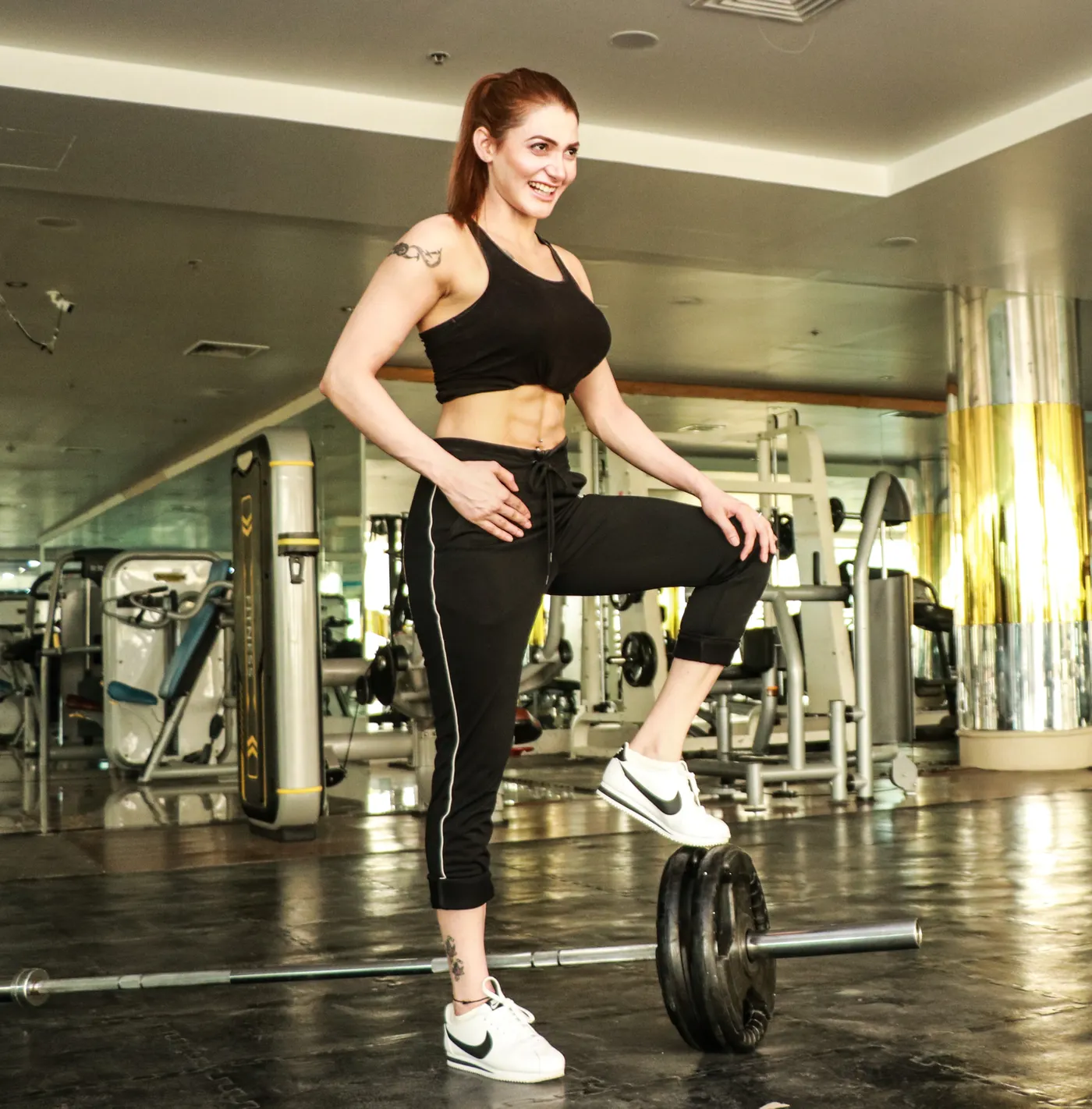
The practical lesson is that several forms of exercise can improve performance in previously sedentary adults. Start with two full-body strength sessions per week separated by a recovery day. Choose loads that permit controlled repetitions with approximately two or three repetitions left in reserve. Beginners should prioritize learning the movements before increasing intensity.
Day A: perform three sets of eight to twelve goblet squats, three sets of eight to twelve supported rows, two sets of eight to twelve bench or floor presses and two sets of twelve to fifteen calf raises. Rest roughly ninety seconds to two minutes between demanding sets, or longer when technique needs it. A controlled chair sit-to-stand can substitute for a squat when a simpler starting point is necessary.
Day B: perform three sets of eight to ten Romanian deadlifts, two sets of eight supported split squats per leg, three sets of ten to twelve pulldowns or band rows and two sets of eight to twelve shoulder presses if comfortable. Use a manageable range of motion. Stop or modify movements that cause sharp pain, and seek qualified advice for persistent symptoms.
Week 1: learn the exercises and record weights, repetitions and effort. Week 2: add one repetition where control remains steady. Week 3: once every set reaches the top of its repetition range, raise resistance slightly and return to the lower end. Week 4: repeat the exercises and compare performance without forcing maximum attempts.
On two other days, add twenty to thirty minutes of moderate cycling or brisk walking if recovery allows. More experienced participants can introduce a few low-volume jumps after a warm-up when landing mechanics and joint tolerance are appropriate. This plan is an application of general training principles, not a reproduction of the research protocol.
Gym Girl Shirts & Workout Gear
Gym shirts, tanks and workout gear for women who lift, train hard and live the gym lifestyle.

Muscle Mommy Pink Gym Girl Pullover for Women, Lifters, Hoodie
Keep it laid-back with a little “Muscle Mommy” attitude.

Break the Stereotype Tee
Show some gym-girl attitude with a playful “Break The Stereotype Gym Girl” tee.

Lifterbell Fairy Girl Meme Gains & T-Shirt
Heavy lifts, good laughs, and a little “Lifterbell Gym Fairy” energy.

Powerpump Girls Decal Water Bottles & Gear Meme Sticker
Stick a little “Powerpump Girls” humor on your favorite gear.

Lifterella Princess Female Meme Hooded Hoodie
Make your off-duty look more fun with “Lifterella”.

Hello Lifty Cute & Cats Meme Athletic Shirt Tank Top
Add some lifting attitude to training with “Hello Lifty”.


Motivation – Squats & Booty Builder Leg Day – Strong T-Shirt
Bring “Gym Motivation” humor to your next gym day.

Motivation – Barbell Meme Strong , Leg Day Squats & T-Shirt
Make gym days more fun with “Gym Motivation” style.

Bunny Squats & Booty Motivation Leg Day T-Shirt
Bring “Gym Bunny” humor to your next gym day.
Should a Vibration Plate Be Part of Your Training?
Before buying a vibration platform, decide what problem it should solve. Is it an introduction to movement, a supervised balance challenge, a warm-up accessory or a substitute for loaded exercise? Those goals demand different evidence. The four-week trial supports selected short-term performance gains compared with inactivity, not a sweeping claim that vibration beats conventional exercise.
Choose an outcome you can measure consistently, such as performance on a repeatable functional task. Check the platform’s frequency, amplitude, stability, maximum user weight and manufacturer instructions. Compare its cost and practical usefulness with equipment that supports measurable progressive resistance. Finally, consider whether you will use it regularly after the novelty fades.
Safety matters. Vibration is not suitable for every person or health condition. People with recent injuries, significant balance problems, implanted devices, pregnancy-related concerns or other medical issues should obtain individualized professional guidance before use. Avoid unstable positions and do not hold heavy weights on a vibrating platform merely to make it feel harder.
The balanced conclusion is that whole-body vibration may be useful as an optional supplement. This experiment did not demonstrate superior muscle-thickness or stiffness changes, and it did not show that vibration outperformed the other active methods overall. Progressive resistance training remains a versatile foundation for developing strength and muscle. Choose additional methods because they solve a specific training problem, not because a small trial produced a few encouraging measurements.