Advertising disclosure: This page includes affiliate product links that may earn us a commission, as well as products from our own store.
When a lift gets stronger, what happens to the tendon transmitting that force? A September 2026 research review asked whether strength and tendon stiffness change by similar proportions during repeated mechanical loading. Its headline averages look surprising: strength increased by about 16%, while measured tendon stiffness increased by about 24%.
Those numbers are not evidence that every tendon adapts faster than every muscle, or that a particular lifter has a safer or more injury-resistant tendon. They are pooled, within-group changes from a specific set of research comparisons. The controlled-study analysis made the difference less certain.
What the 57-report review actually measured
The researchers identified 57 reports from 50 cohorts. For their main comparison, they paired strength and tendon-stiffness outcomes from the same training samples, yielding 70 matched units from 62 participant samples and 37 analytic cohorts. That paired design matters: it avoids comparing a strength study involving one population with a completely separate tendon study involving another.
Average strength increased 16.12%, while stiffness increased 24.06%. The contrast favored stiffness, but it was a within-group change rather than a clean training-versus-control effect. When the authors restricted the evidence to controlled designs, the confidence interval for the contrast included no difference. An additional control-adjusted analysis covered only 11 cohorts and was explicitly exploratory.
In practical terms, the paper supports the idea that both force-producing and force-transmitting tissues can respond to training. It does not establish a universal timetable, a mandatory stiffness target, or a way to diagnose your own tendon condition from a new personal record.
Tendon stiffness is not the same thing as feeling tight
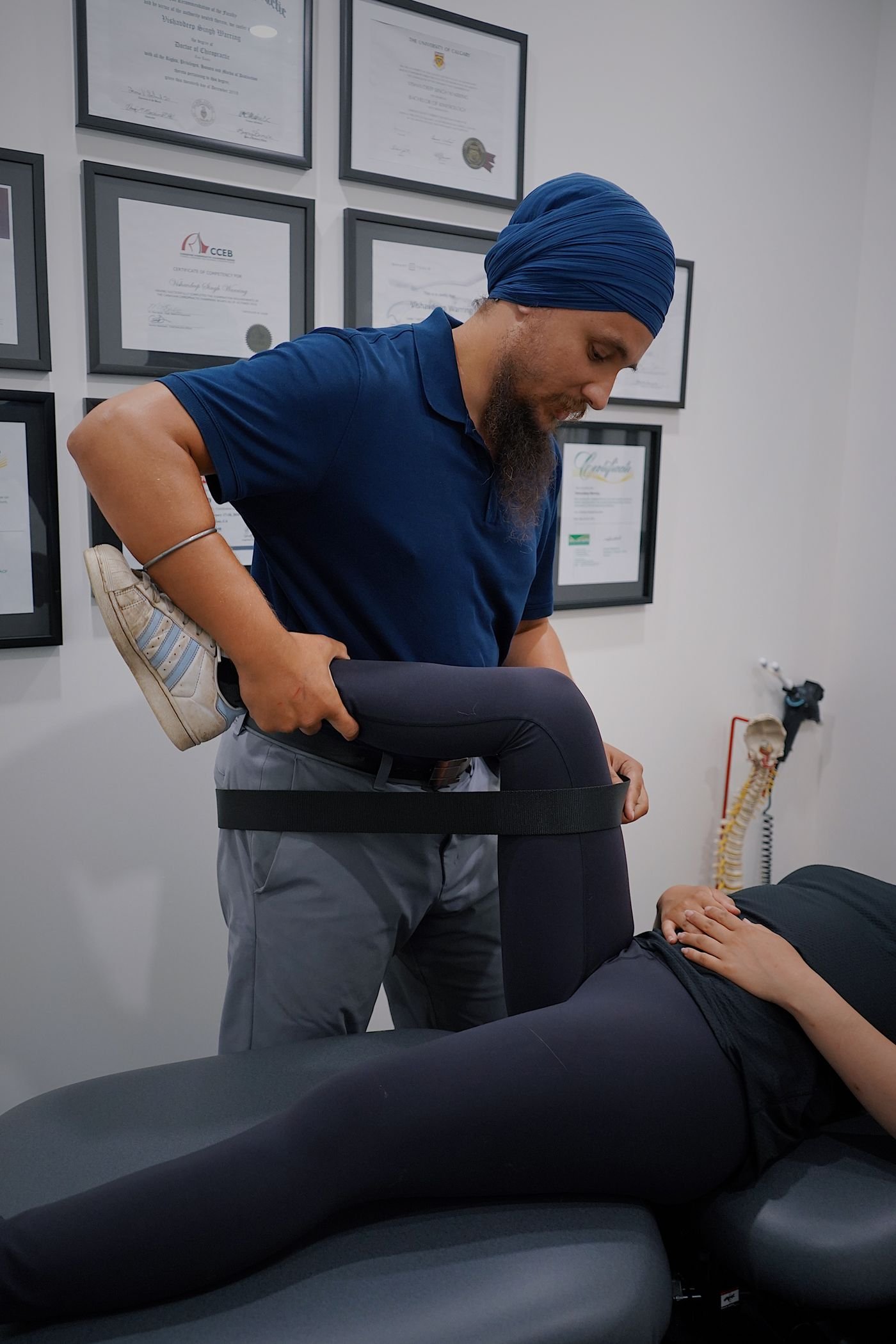
In biomechanics, tendon stiffness describes how much force is required to produce a given amount of tendon elongation. A stiffer tendon stretches less under the same applied force. That is different from the sensation of muscular tightness, the range of motion available at a joint, or the presence of pain. A person can feel stiff after sitting all day without that telling us the mechanical stiffness of their Achilles or patellar tendon.
Muscle strength also comes from several sources: neural coordination, muscle architecture, hypertrophy, technique and the specificity of the test. Tendon measurements depend on ultrasound tracking, estimated tendon force, moment arms and the portion of the force–elongation curve being analyzed. Neither variable is a single perfect proxy for the whole muscle–tendon system.
It is tempting to interpret the review’s 24% versus 16% averages as a neat race between two tissues. That misses the central caution: a proportional difference is not automatically a physiological imbalance. The authors did not identify a validated threshold beyond which a mismatch causes injury or reduces performance.
Even maximal tendon strain, examined in a stricter secondary analysis, did not show a clear average change. The estimated change was approximately −4.8%, with uncertainty spanning both a decrease and a small increase. Different outcome definitions can tell different stories, so claims that a tendon has become “bulletproof” from a training block are not justified.

Equipment Worth Exploring
Explore equipment, accessories and gear from our carefully selected range.


GymPin Squat Wedges
Non-slip 15-degree squat wedges help elevate the heels for deeper quad-focused squats.

FID Bench MAX
Adjustable bench offering flat, incline, and decline positions + adjustable headrest.
VOLTRA
Compact digital cable trainer with smooth, adjustable resistance.

Go-Tone Pro
Portable digital cable trainer with up to 66 lb (30 kg) of adjustable resistance.

Safety Squat Handles
Barbell squat handles that reduce shoulder positioning demands during high-bar squats.
Why progressive loading matters more than chasing a magic exercise
Other evidence helps place the new review in context. A 2022 synthesis of 61 studies found that mechanical loading can increase tendon stiffness and material properties, with resistance training producing particularly consistent changes. Its meta-regression suggested that improvements in tendon material properties, rather than tendon size alone, accounted for much of the stiffness response.
A separate 2026 network meta-analysis examined 49 studies of Achilles tendon morphology and mechanics, with 31 contributing to network comparisons. Its existence reinforces an important point: the details of the intervention, the tendon examined and the measured outcome all influence conclusions. It is not sound to assume that a jump-rope session, heavy squat and rehabilitation drill produce interchangeable adaptations.
High-strain resistance protocols tended to outperform lower-strain approaches for tendon stiffness in the earlier synthesis. But high strain is a research description, not an instruction to lift through pain. You cannot infer tendon strain precisely from a barbell percentage or from how hard a set feels. Anatomy, technique, speed and tendon-specific leverage matter.
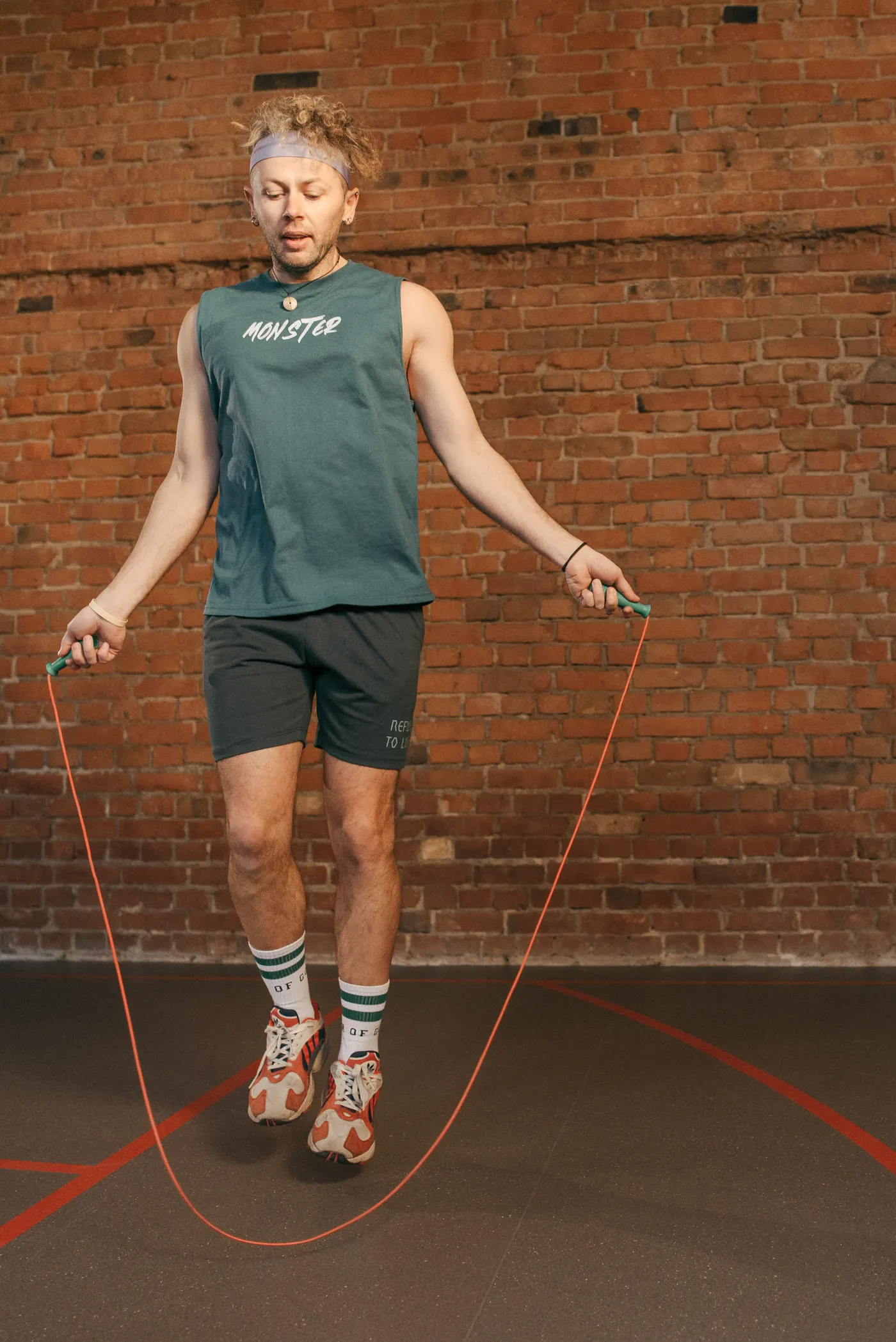
Jumping and sprinting place rapid demands on the muscle–tendon unit and may be valuable for sport. They are not automatically substitutes for progressive strength work, and they add impact and recovery costs. For most healthy lifters, the sensible starting point is consistent, controlled resistance training rather than collecting increasingly extreme tendon exercises.

Leg Day Shirts & Workout Gear
Leg-day gym shirts and workout gear for lifters who never skip squats, lunges and lower-body punishment.

Deadlift Skull Pink Heavy Metal Gym Shirt for Powerlift T-Shirt
Make gym days more fun with “Deadlift Skull” style.

Heavy Metal Deadlift – Skeleton Gym Crewneck for Powerl T-Shirt
Add a playful “Heavy Metal Deadlift” touch to your casual rotation.

Skip Leg Day Meme Leg Day No Thanks Deadlifts Hoodie
Show off your leg-day humor in a laid-back “Skip Leg Day” hoodie.

I Love Squats – Valentine's Day Leg Day Meme Decal for Sticker
Put “I Love Squats” gym humor on your laptop, bottle, or gym gear.

I Love Deadlifts Gym | Valentine's Day Funny Workout Fo Hoodie
Keep it laid-back with a little “I Love Deadlifts” attitude.

2 Plates Deadlift Club Motivational Meme & Ultimate T-Shirt
Rep “2 Plates Deadlift Club” humor in and out of the gym.

Never Skip Leg Day – NSLD Fried Chicken Meme Vest Muscl Tank Top
Your gym-day look, with a playful “Never Skip Leg Day” twist.

Skeleton Deadlift Powerlifters & Deadlift Lovers Tank Top
Add some deadlift attitude to training with “Skeleton Deadlift”.

Leg Day Gains | LEGO Inspired Workout Sweater For Squat T-Shirt
Add a playful “Leg Day Gains” touch to your casual rotation.

Anti Leg Day Leg Day Club Decal Water Bottles & Sticker
Give your everyday gear a playful “Anti Leg Day Leg Day Club” twist.
Building lower-body strength without ignoring tendon load
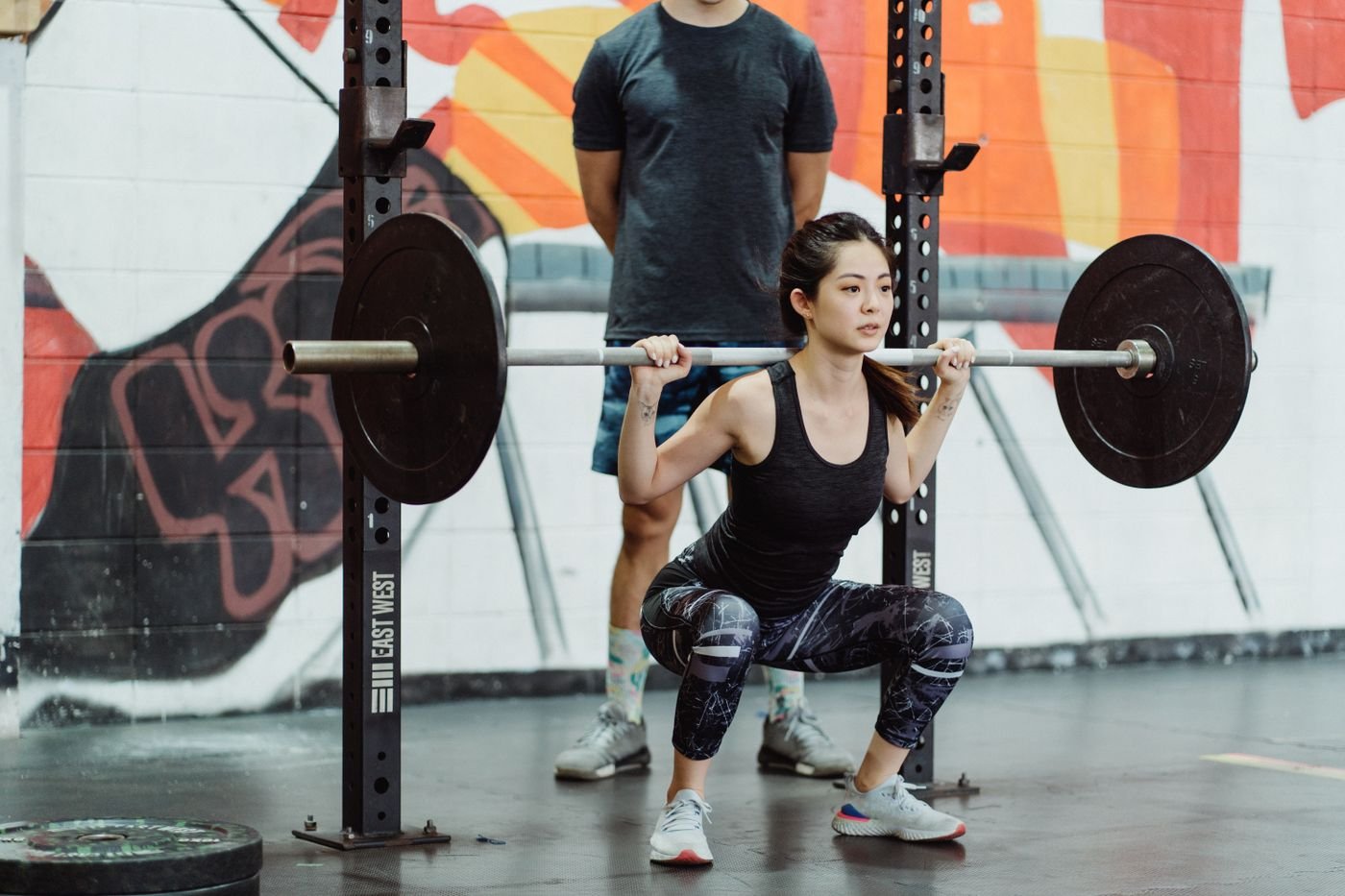
For healthy people already accustomed to lifting, lower-body sessions can cover the major patterns that load the knee and ankle extensors: a squat or leg press, a hip hinge, and a calf-raise variation. Each movement loads different tissues and joint angles. The patellar tendon transmits quadriceps force around the knee; the Achilles tendon transmits calf-muscle force at the ankle. A deadlift is not a direct replacement for targeted calf work.
Use exercises you can repeat with stable technique. For a squat or leg press, select a range of motion you can control and gradually increase the challenge. For calf raises, avoid bouncing at the bottom to manufacture extra repetitions. Move through a comfortable range, pause briefly, and use both straight-knee and bent-knee variations when they fit your program.
One randomized trial involving patellar-tendon measurements used 14 weeks of high-load knee-extensor training three times per week. Both the supplement and placebo groups increased tendon stiffness by roughly one-fifth; the supplement did not create a significant between-group stiffness advantage. This illustrates that training itself can be a potent stimulus, without proving that one exact load or frequency is optimal for everyone.
Track the loads, repetitions, movement quality and recovery you can actually observe. A smooth progression over months matters more than any isolated heavy day. There is no practical home-gym test that tells you a tendon has become 24% stiffer, so do not pretend the research average is a personal progress metric.
Pain, tendinopathy and return-to-training are different questions
The September review focused on healthy humans exposed to repeated loading. It was not a trial of treatment for Achilles tendinopathy, patellar tendon pain or recent injury. A tendon that hurts is not necessarily “too soft,” and a painful tendon cannot be classified as safe or unsafe from a stiffness estimate alone.
If a movement produces persistent or worsening pain, reduce the provoking demand and seek a qualified assessment, particularly if symptoms change your gait or daily activity. Sudden severe pain, a pop, substantial swelling or loss of function requires prompt medical evaluation. Do not use an online training plan to test whether an injured tendon can withstand maximal loading.
Recovery decisions are individual. A physiotherapist may use isometrics, slower resistance, graded range of motion or sport-specific drills depending on the diagnosis and the person’s response. Those choices belong to a rehabilitation assessment, not to a blanket rule extracted from healthy-lifter meta-analysis.
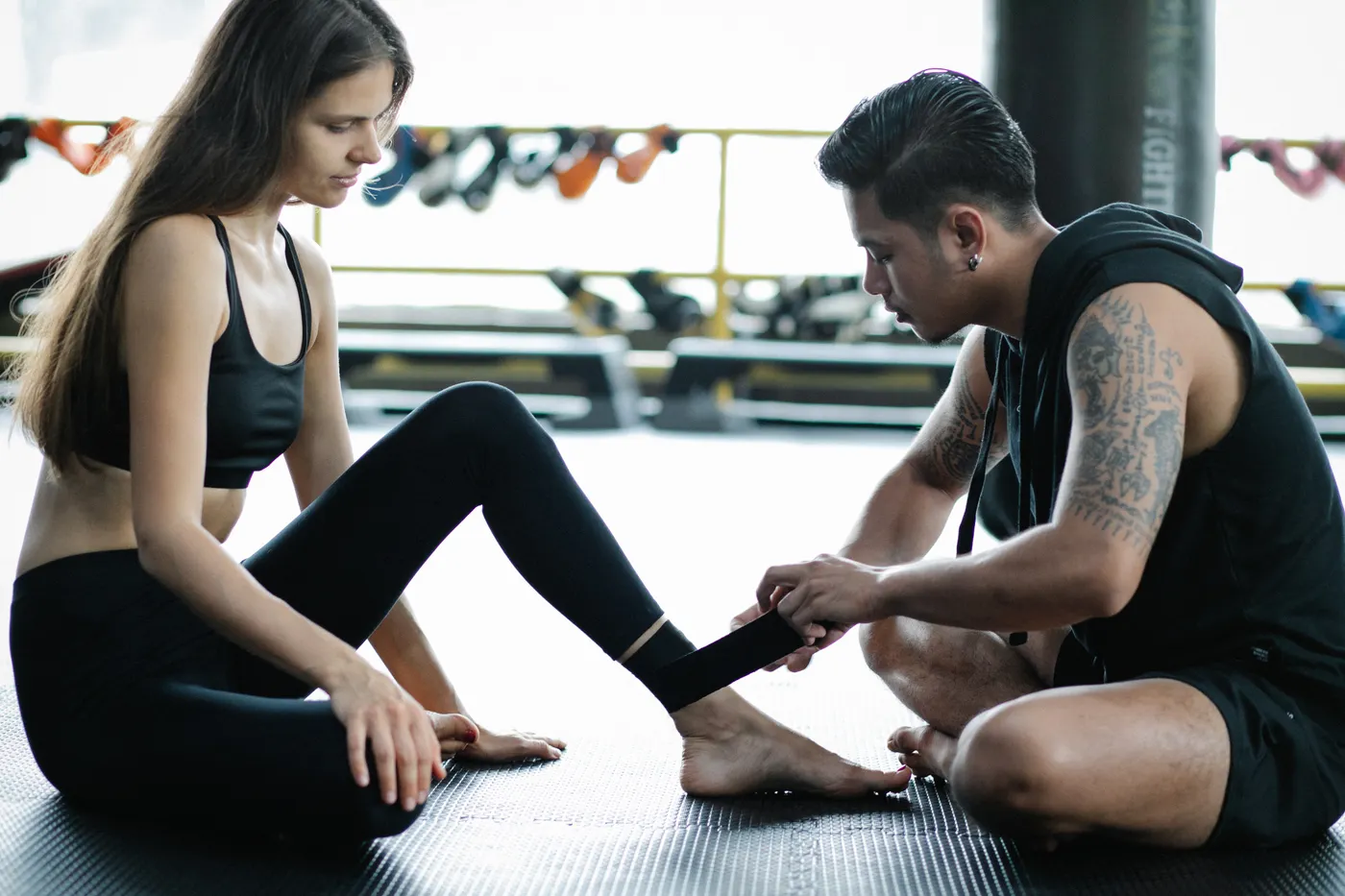
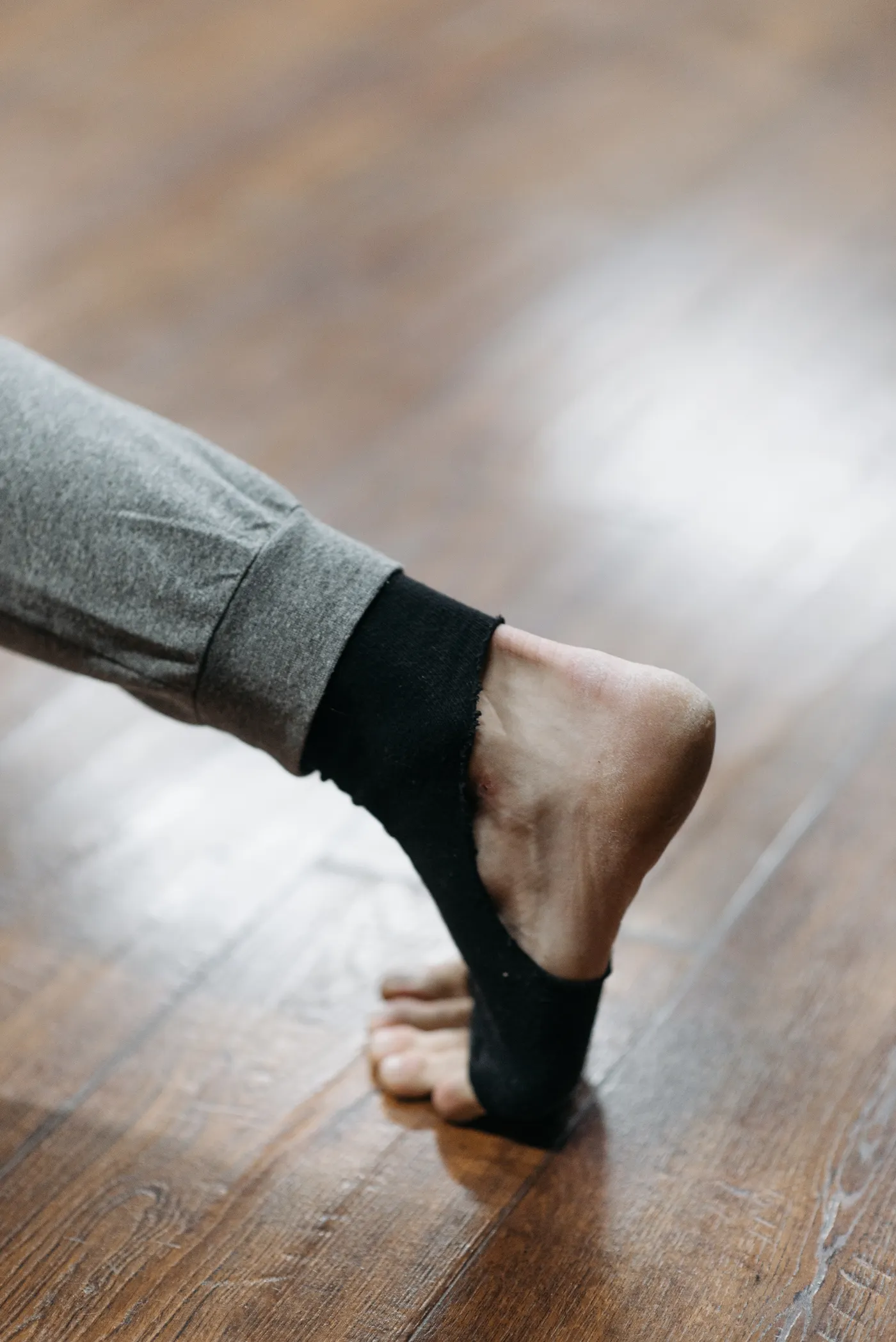
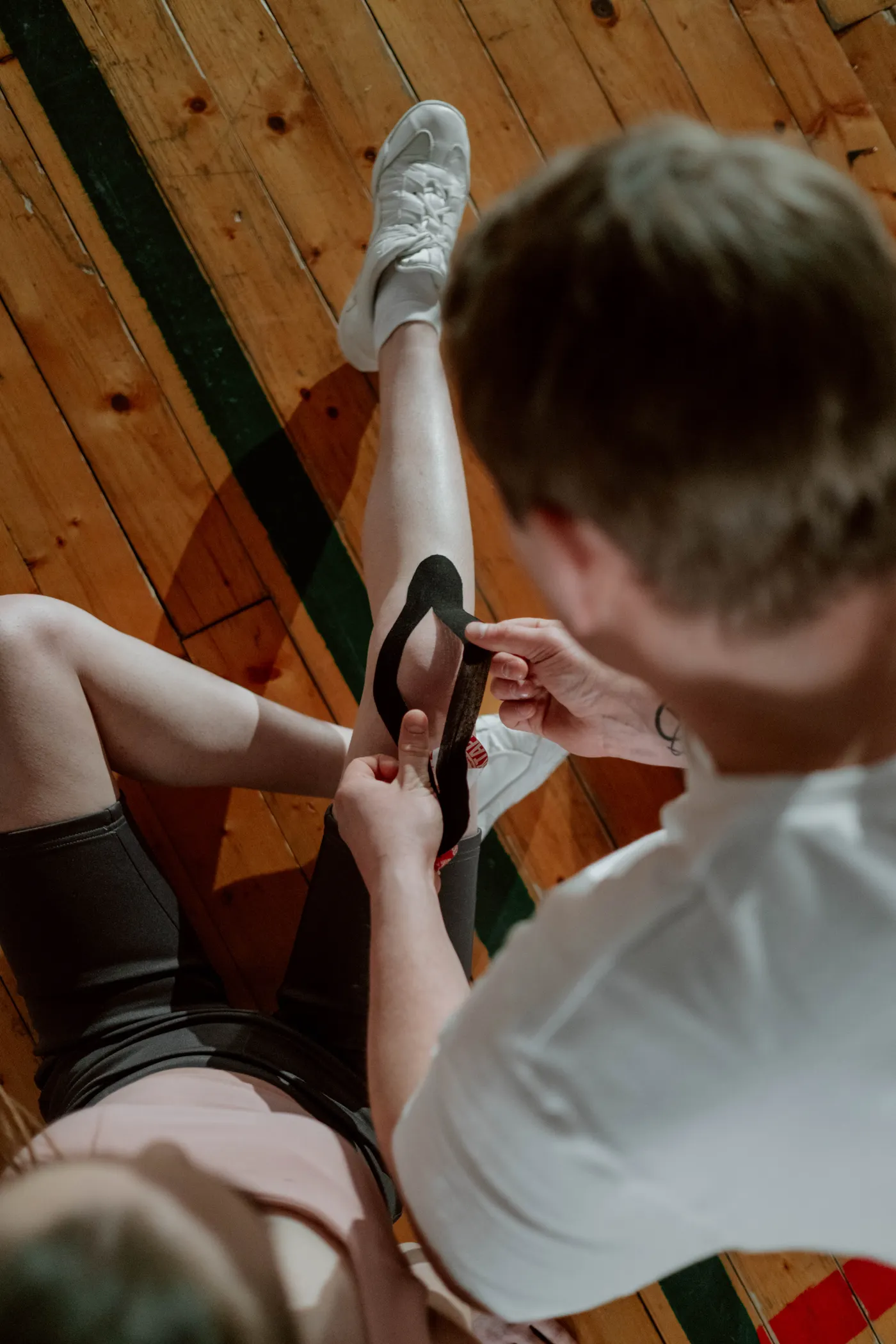
Likewise, wrapping an ankle or applying tape does not itself demonstrate improved tendon stiffness or structural adaptation. Supportive accessories can have a role for comfort or activity management, but the evidence here concerns changes from training exposure, not the appearance of a support product.
The useful distinction is between building capacity in a healthy training program and treating symptoms. The first can be planned with general progressive-overload principles. The second deserves attention to pain behavior, clinical history and functional testing.
Equipment Worth Exploring
Explore equipment, accessories and gear from our carefully selected range.


Belt Squat Collar
Heavy-duty collar adapter for compatible belt-squat and landmine bar setups.



Squat Harness
Wearable harness for hands-free cable squats, sled work, and lower-body training.

HUSLA Leg Extension Pad
Pad attachment designed to increase usable range of motion on compatible leg-extension machines.
A practical six-week progression for healthy lifters
This is a conservative example for someone who already tolerates resistance exercise. It is not the protocol used in the review and is not a tendon-rehabilitation prescription. Train the lower body twice per week with at least one easier day between sessions. Keep familiar movements rather than changing every exercise to chase a new sensation.
Day A — knee emphasis: squat or leg press for three sets of six to ten controlled repetitions; Romanian deadlift for two sets of eight to ten; standing calf raise for three sets of eight to twelve; optional light single-leg balance work for two short rounds. Day B — mixed lower body: split squat for two sets of eight to ten per leg; hip hinge or deadlift variation for two to three sets of five to eight; bent-knee calf raise for three sets of ten to fifteen; easy mobility to finish.
Weeks 1–2: choose manageable loads and leave approximately three repetitions in reserve on most working sets. Learn the rhythm and record your numbers. Weeks 3–4: add a repetition where technique remains consistent, or make a small load increase once the top of a range feels repeatable. Weeks 5–6: continue only if recovery and movement quality are stable; otherwise hold the load or reduce volume temporarily.
Rest long enough to preserve controlled repetitions, usually around two to three minutes after harder compound sets and somewhat less for easier accessories. The goal is a repeatable stimulus, not soreness or a dramatic failure set. Add running, jumping or sport practice according to total weekly demand rather than treating every session as an isolated challenge.
Monitor performance, fatigue, pain and next-day function. A new strength record is useful evidence that your lifting improved; it is not direct proof of a particular change in tendon structure.
Powerlifting Shirts & Lifting Gear
Powerlifting shirts and gym gear for squat, bench and deadlift lifters who live for heavy numbers.

My Therapist Says Lift More – Gym Therapy Meme Hooded P Hoodie
Show off your powerlifting humor in a laid-back “My Therapist Says Lift More” hoodie.

Funny Lift Time Gym | Muscle Shirt For Gym Bros & Bodyb Tank Top
Train hard, laugh a little, and rep “Lift Time”.

Listen Heavy Lift Heavy Shirt | Heavy Metal Lifting Sku T-Shirt
Bring “Listen Heavy Lift” humor to your next gym day.

Lifting Skull Hardcore Gym | Heavy Metal Workout Sweate T-Shirt
Keep things casual with a little “Lifting Skull Hardcore” attitude.

Lift Heavy Lift Hard No Misses Cobra Kai Meme – T-Shirt
Show some lifting attitude with a playful “Lift Heavy Lift Hard No Misses Cobra Kai” tee.

Lift Heavy – Hardcore Heavy Metal Gym Crewneck for Powe T-Shirt
Show some gym-day personality with “Lift Heavy”.

Shirt – I Want You To Lift Heavy Uncle Sam – T-Shirt
Heavy lifts, good laughs, and a little “I Want You to Lift Heavy Uncle Sam” energy.

Die Hard Lift Harder Graphic | Shirt & Workout for Body T-Shirt
Make gym days more fun with “Die Hard Lift Harder Graphic” style.

With Rock Star Lift Jokes – Hooded Pullover Workout Top Hoodie
Keep it laid-back with a little “With Rock Star Lift Jokes” attitude.

Can't Stop Lifting – RHCP Inspired Crewneck Pullover fo T-Shirt
Add a playful “Can't Stop Lifting” touch to your casual rotation.
What the review changes—and what it does not
The main contribution of the 2026 synthesis is methodological: it paired strength and tendon measurements within the same training samples instead of comparing unrelated bodies of research. The average within-group increases were substantial for both outcomes, and the point estimate favored tendon stiffness. Yet the contrast weakened in controlled designs, making a universal claim about which tissue adapts “faster” inappropriate.
There are additional limits. Studies measured different tendons, used different strength tests, prescribed different loading programs and estimated tendon mechanics in different ways. A pooled percentage is not a guarantee for an individual athlete, an older adult or someone returning from an injury. Neither a change in stiffness nor an absence of measured change translates automatically into a known injury risk.
For a lifter, three conclusions are useful. First, progressive resistance training can challenge the whole muscle–tendon unit rather than muscle alone. Second, specific movements and loading histories matter; calf, knee and hip patterns should be selected for the demands you want to meet. Third, consistency and recoverability are more defensible priorities than an unverified “tendon hack.”
Build strength patiently, keep a few movements measurable, and adjust when recovery or symptoms demand it. The research supports adaptation with loading, not a shortcut that removes the need for sound programming. The best plan is one you can repeat, evaluate and progress without pretending that laboratory stiffness measurements are visible in the mirror.