Drop sets have a reputation for turning ordinary arm training into a brutal pump. But do they actually build more muscle than regular straight sets, or do they simply compress a lot of fatigue into a few minutes? Here is what the research shows, which exercises suit the method and how to test it without wrecking your main lifts.
Some product links may be affiliate links, which can support Mind Muscle Perfection at no additional cost to you.
1. What a drop set actually does to a working set
A normal straight set has a defined load, a number of repetitions and a rest period before the next set. A drop set changes the final step. You perform a hard set, reduce the load promptly and continue with more controlled repetitions. You may reduce the load again once or twice. Instead of resting until the muscle recovers, you keep the target muscle working with a resistance it can still move.
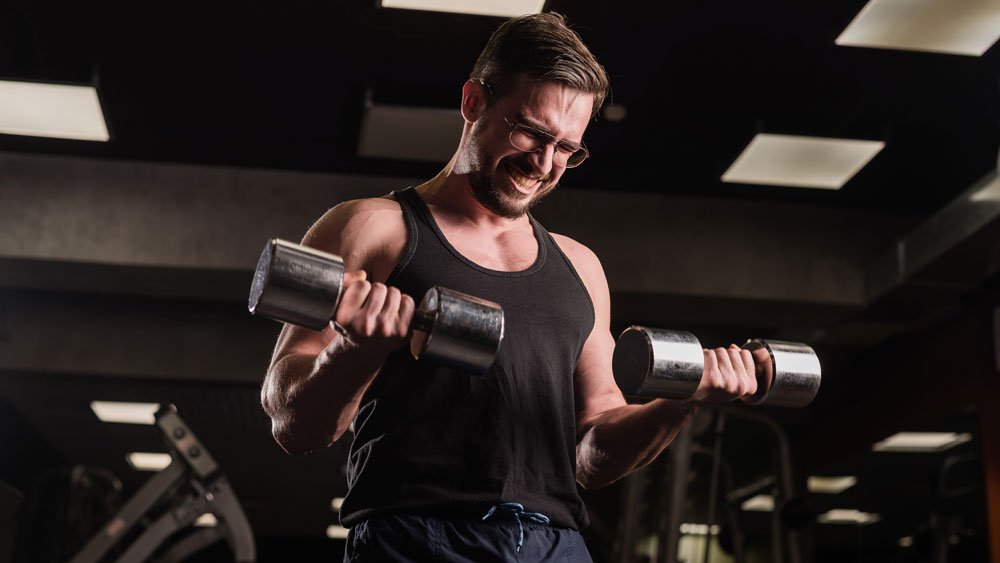
Imagine curling 20 kg dumbbells for nine strict repetitions, then immediately switching to 15 kg for six more, and finally 12 kg for another five. The load falls but the difficulty does not disappear. You have accumulated fatigue, so the lighter dumbbells can feel surprisingly heavy. This is why a drop set is not simply a warm-up performed in reverse.
The useful distinction is between a drop and an entirely new working set. If you rest two minutes after reducing the weight, you are doing another straight set. If you cheat with your hips, bounce through the bottom or shorten every repetition, you are changing the movement as well as the load. Keep the same technique and an honest stopping point.
Drop sets are an intensity technique, not a mandatory ingredient for growth. Their appeal is time efficiency: a short series of load reductions can provide challenging repetitions without the usual between-set rest. The question is whether the extra fatigue is worth it for the exercise and the rest of your program.
2. What the muscle-growth studies actually show
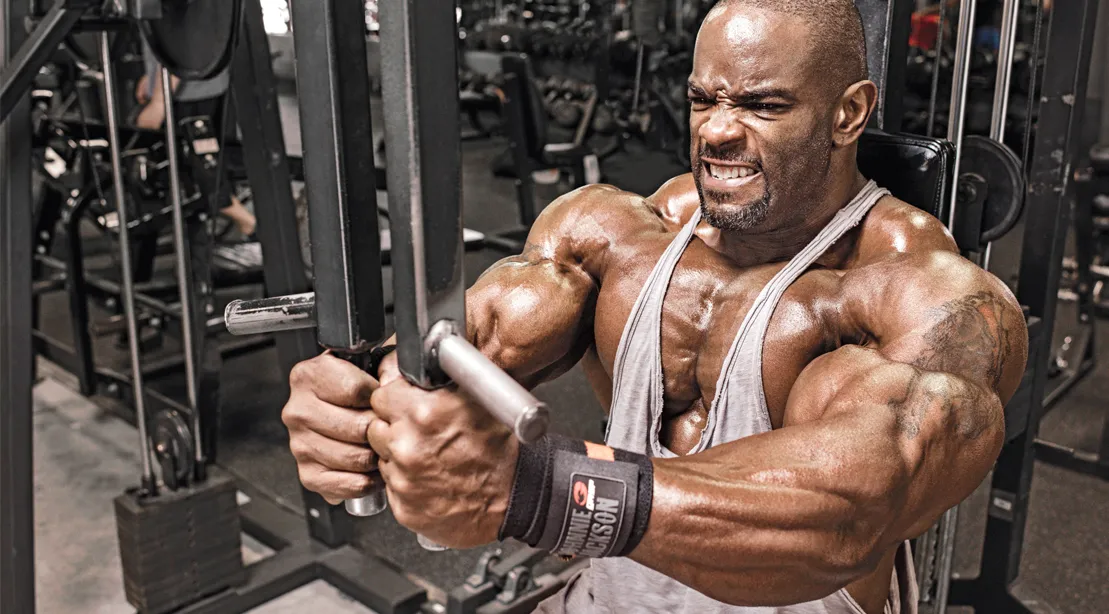
A 2023 research synthesis combined six eligible studies with 142 participants, mostly young adults, and quantitatively pooled five of those studies. Both drop-set and traditional training improved measured muscle size. The pooled comparison did not establish a statistically significant hypertrophy advantage for drop sets. That is a much more useful finding than either extreme claim that drop sets are magical or that they do nothing.
Time is where the method can shine. In two studies that recorded session duration, drop-set approaches took roughly one-half to one-third as long as the conventional protocols being compared. Those figures describe specific exercise protocols, not an entire gym session. You still need warm-ups, equipment setup and recovery between different exercises.
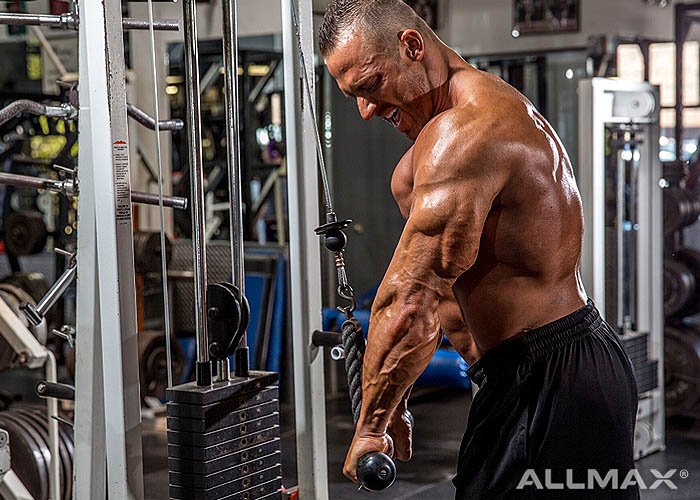
Individual trials have produced interesting results. In one eight-week leg-extension comparison, 16 men trained one leg using drop sets and the other using conventional sets; some measured regions of the quadriceps favored the drop-set condition, while other regions grew similarly. A six-week triceps-pushdown experiment in 16 men also found promising arm-growth results from a single extended drop set. Other curl and compound-lift comparisons showed similar gains between methods.
These studies are small, vary in the number of sets, use different loads and sometimes compare unequal training work. A regional muscle-thickness difference is not proof that every lifter will grow more from drop sets. Treat the evidence as permission to use the technique intelligently, not as a reason to replace every ordinary set.
Most importantly, the target is meaningful tension and progressive training over weeks. A spectacular burn is an immediate sensation; hypertrophy is a long-term adaptation. A regular set that you can repeat and improve may be more productive than an elaborate drop sequence that ruins the rest of your workout.

Equipment Worth Exploring
Explore equipment, accessories and gear from our carefully selected range.
VOLTRA
Compact digital cable trainer with smooth, adjustable resistance.

Go-Tone Pro
Portable digital cable trainer with up to 66 lb (30 kg) of adjustable resistance.

Original GymPin
Adds Olympic plates to compatible cable-machine weight stacks for extra resistance.
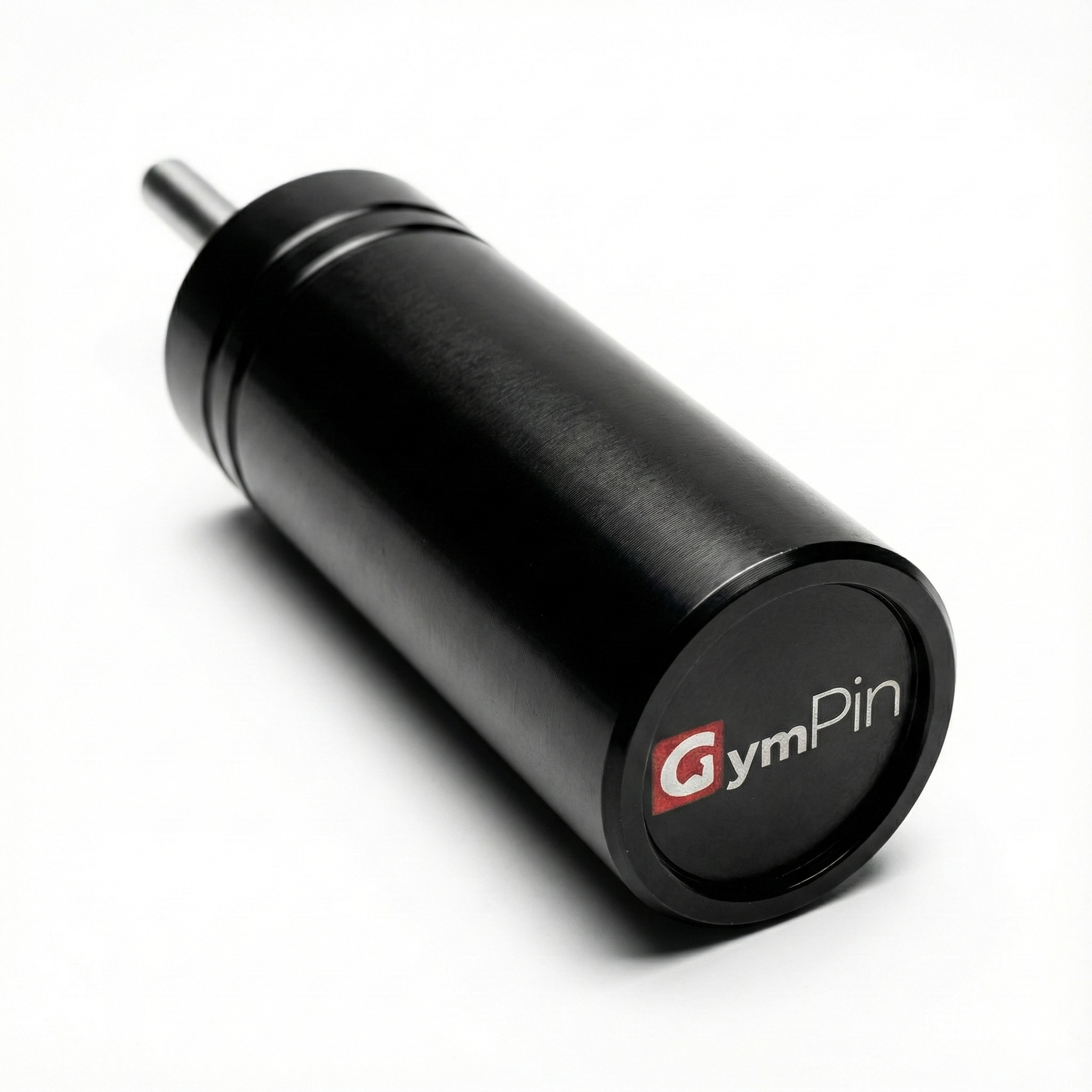
Original GymPin Black
Black-finish GymPin weight-stack extender for adding Olympic plates to compatible cable machines.
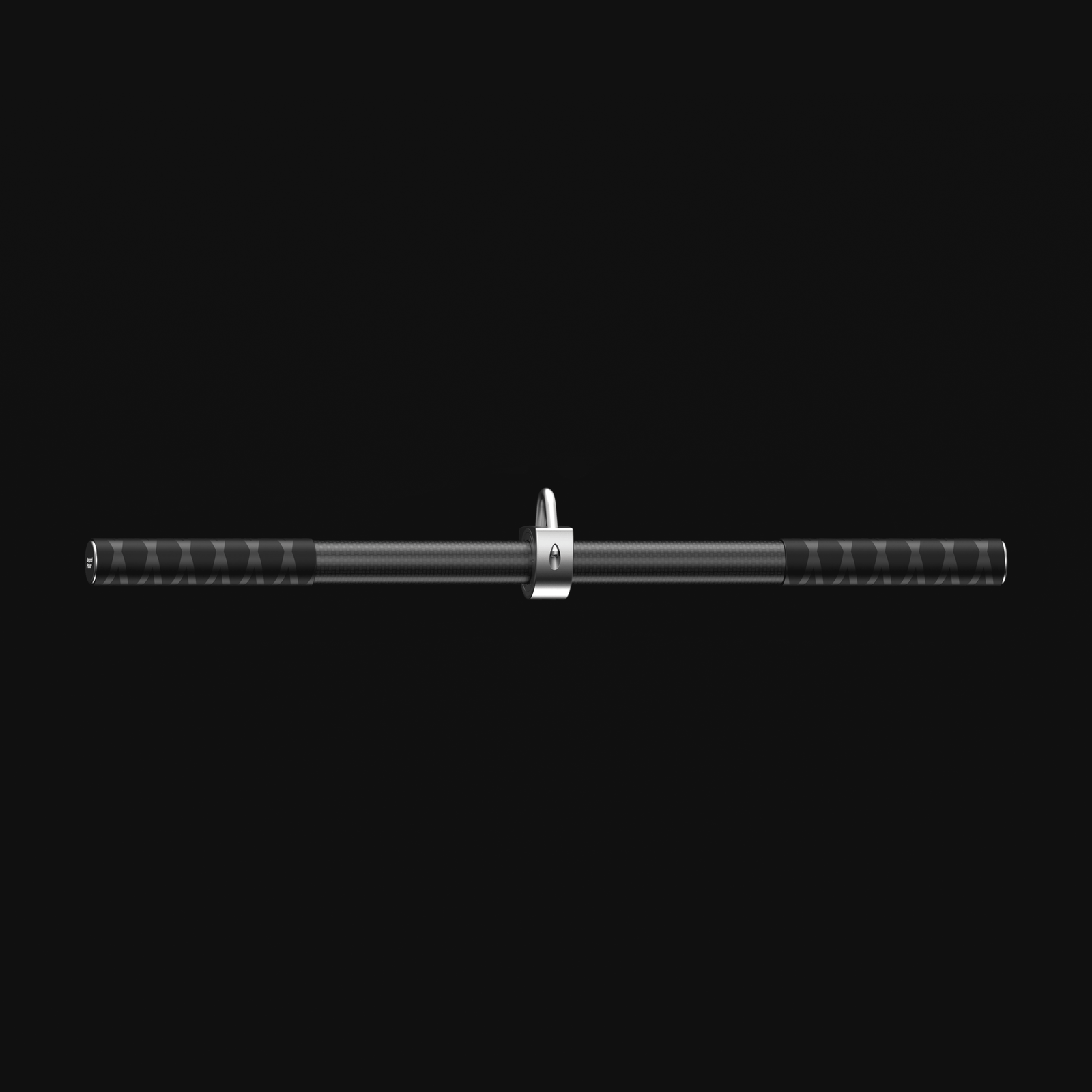



Long Tricep ERGO Ropes
Extended triceps ropes with ergonomic grips for cable pressdowns and overhead extensions.
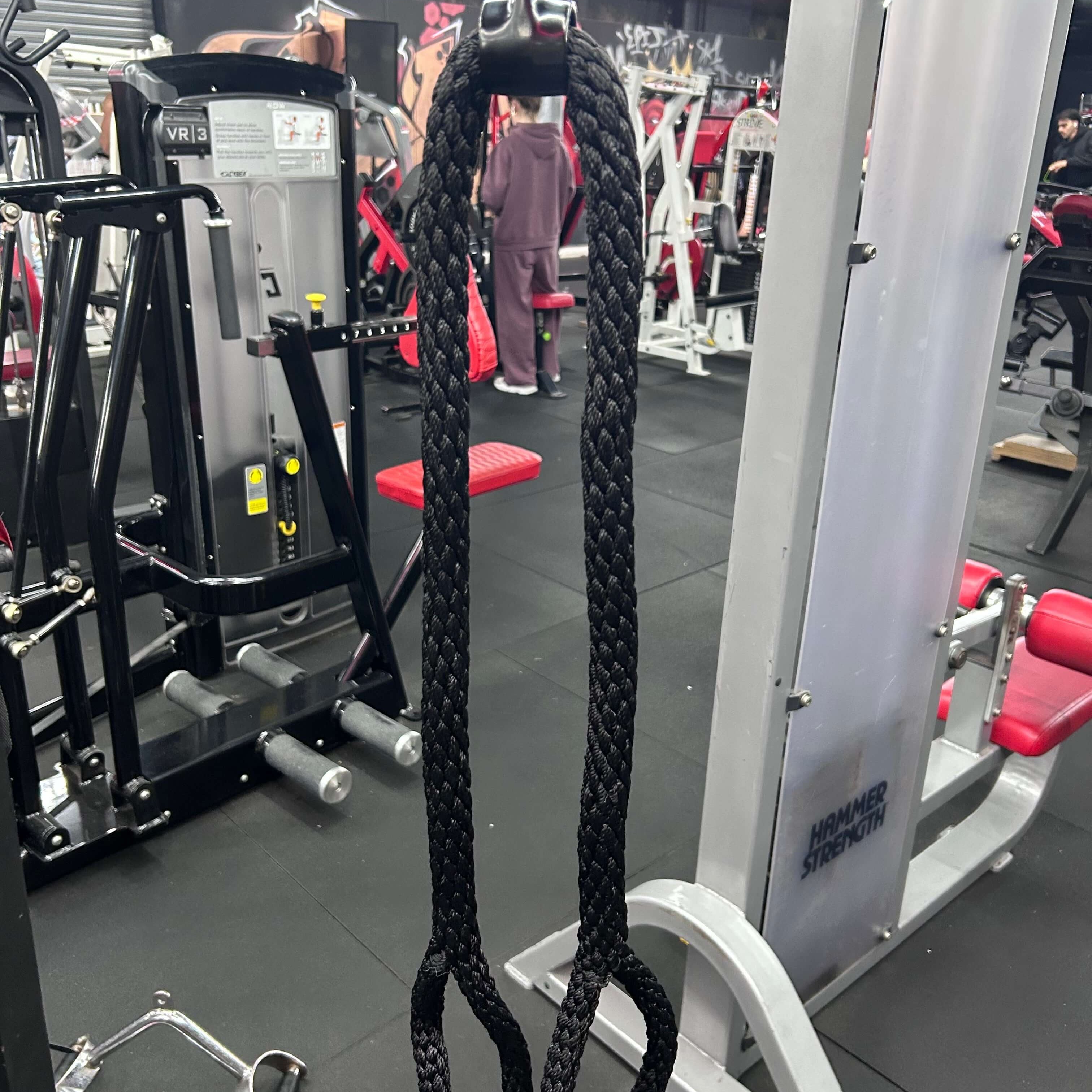
Super Long Tricep Rope
Extra-long looped cable rope for triceps pressdowns and overhead extensions.

3. The fatigue trade-off: why harder is not always better
Drop sets extend effort past the point where the original load becomes too heavy. That often raises perceived exertion and produces a strong local burn. A 2026 synthesis of 12 studies involving 274 participants found higher ratings of effort and higher lactate responses with drop-set protocols. Acute fatigue is real, but it is not a direct measurement of future muscle growth.
A separate 2026 review of advanced training methods found that drop sets generally produced muscle and strength adaptations comparable with traditional sets when work and effort were matched. That is a practical warning against mistaking soreness, sweat or an impressive pump for superior results. More suffering is not automatically more stimulus.
Fatigue matters because every hard repetition has an opportunity cost. If a triceps drop set leaves you unable to perform your next pressing movement with stable technique, the added work may have displaced better work. If a leg-extension drop set happens after your squats and leg presses, the cost is easier to contain. The order of exercises changes the equation.
Recovery also depends on how often you train a muscle. Someone hitting biceps twice weekly may handle a single finishing drop set easily. Someone already performing high-volume pull sessions, heavy rows and direct arm work may have little room for more near-failure effort. Watch performance across the next two sessions, not just how your arms look in the mirror afterward.
Use technical failure as the boundary: stop when another full-range repetition with the intended form is not available. Do not force ugly reps merely to extend the set. The goal is productive muscle loading, not a competition to see how badly a cable stack can punish you.

Bodybuilding Shirts & Workout Gear
Bodybuilding shirts, tanks and gym gear for lifters chasing muscle, size, symmetry and the pump.

Mike Mentzer Heavy Duty High Intensity Bodybuilding Hoodie
Make your off-duty look more fun with “Mike Mentzer Heavy Duty”.

Bodybuilding Meme – Light Weight Baby Muscle Shirt for Tank Top
Bring “Bodybuilding Meme” humor to your next lifting session.

Intensity Stoic Bodybuilder Greek God Marble T-Shirt
Make gym days more fun with “Intensity Stoic Bodybuilder Greek God” style.

OnlyGains Big Biceps Tee
Rep “OnlyGains Only Gains Big Biceps” humor in and out of the gym.

Shirt – Micro Biceps Club President – Gymbros, & T-Shirt
Rep “Micro Biceps Club President” humor in and out of the gym.


Shirt Pull Day – Back & Biceps Meme Top T-Shirt
Heavy lifts, good laughs, and a little “Pull Day Graphic” energy.

Anti Muscle Muscle Club Shirt Meme & Gymbros T-Shirt
Rep “Anti Muscle Muscle Club” humor in and out of the gym.

Every Day Is Arm Day
Make gym days more fun with “Every Day is Arm Day Octopus Gym Meme” style.

4. Best exercises for drop sets, and which lifts to avoid
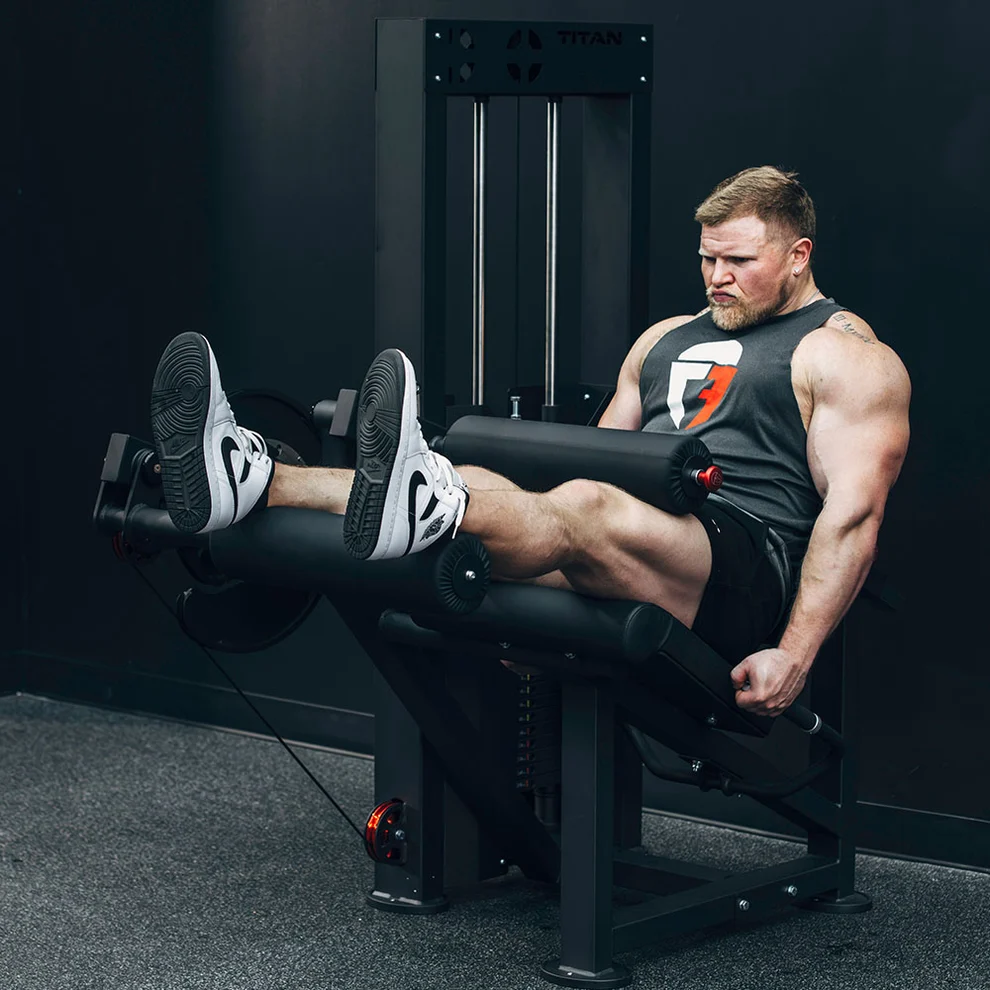
Drop sets fit exercises where changing the load is fast and technique remains predictable under fatigue. Selectorized leg extensions, hamstring curls, pec-deck flyes, cable lateral raises, cable curls and triceps pushdowns are excellent candidates. Moving a weight-stack pin takes seconds, and a stable machine reduces the balance and coordination demands of the final reps.
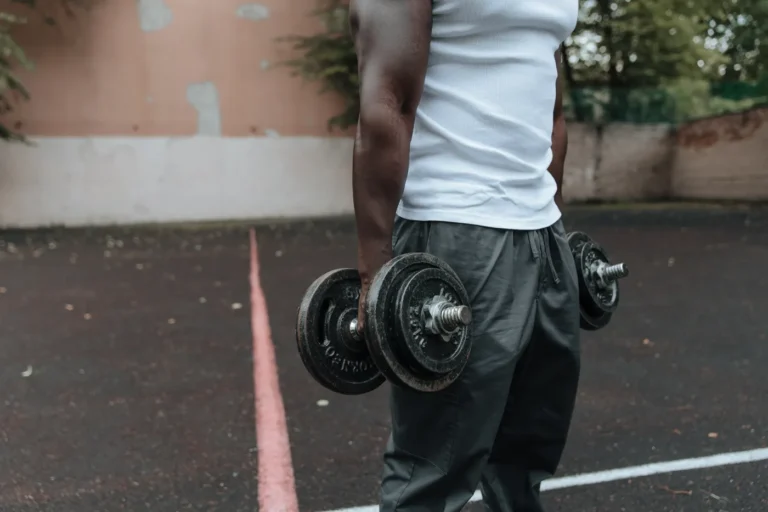
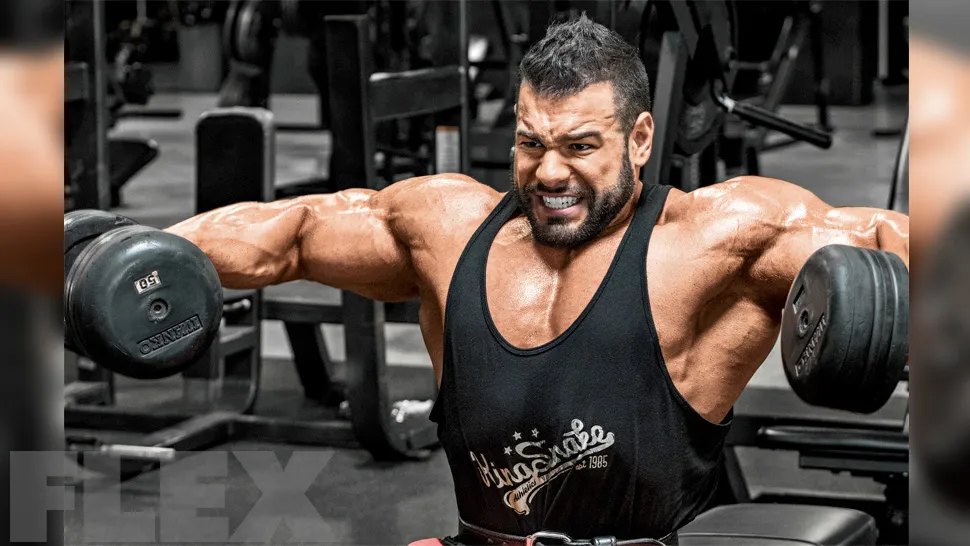
Dumbbells can work just as well when lighter pairs are already available. Lateral raises, curls and chest flyes are common examples. Set the weights in a safe, accessible spot before starting. Do not monopolize an entire dumbbell rack in a crowded gym. If you cannot switch weights promptly, a single drop is still useful; there is no requirement to perform three or four reductions.
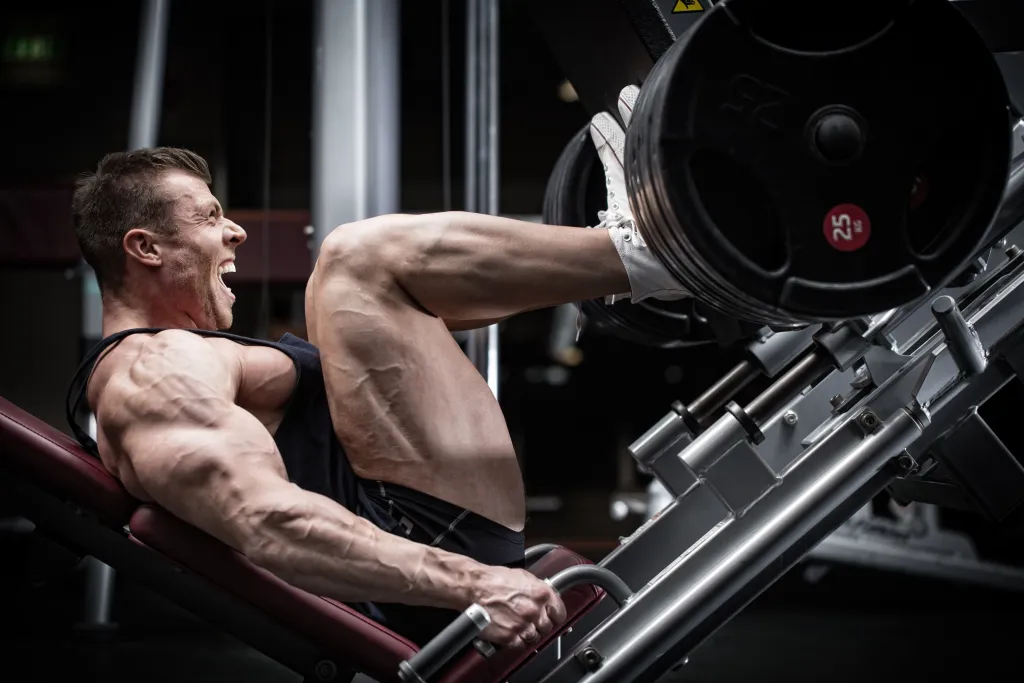
Compound movements deserve more caution. A leg press can accommodate a controlled load reduction when its safeties are set and a partner can help remove plates safely, but a long, exhausting leg-press sequence is not the same as a light isolation finisher. The extra systemic fatigue may be hard to justify. Never unload a plate-loaded machine while the sled is unsecured.
Heavy free-weight squats, deadlifts and technically demanding barbell presses are poor choices for aggressive failure-based drop sets. The quality of bracing, balance and movement coordination tends to matter more as fatigue rises. Keep those lifts in a normal set-and-rest structure where load progression and technique can be monitored. If you want a drop-set effect for the same muscles, choose a more stable accessory afterward.
One sensible rule is to reserve drop sets for the last set of an exercise, particularly a machine or cable accessory. This lets you keep your most important heavy sets intact while using a small dose of additional effort at the end.
5. How to build a drop set without guessing
Start with a weight you can lift for approximately eight to twelve clean repetitions. Finish the first segment when another repetition would require a major form change. Reduce the load by about 15-25%, switch quickly and continue until technical failure again. If you are experienced and still have a clear purpose, make one additional reduction of roughly the same size. Two drops are plenty for most lifters.
For a cable curl, that could mean 30 kg for ten controlled reps, 24 kg for another six to eight, and 19 kg for five to eight more. These are examples, not fixed prescriptions. Stack ratios and cable friction differ, so a printed number is not always comparable across machines. The correct load is the one that allows meaningful full-range repetitions.
Do not turn the last phase into tiny partials unless partial-range work is intentionally part of a separate plan. Keep your shoulders and elbows in their normal positions, control the lowering phase and stop if the target joint starts hurting. A brief transition of five to fifteen seconds is usually enough to change a pin or grab a nearby dumbbell. Longer rests change the training stimulus.
Log the starting weight, clean reps and every drop. If you start with 30 kg for ten reps and later achieve twelve at the same technique and effort, that is measurable progress. The total number of repetitions across the drops is secondary: your first segment is a better anchor for load progression than a wildly variable final burnout.
Rest normally before the next exercise. A drop set may save time within an exercise, but it does not eliminate the need for recovery. If performance on subsequent exercises collapses, reduce the number of drops or move the technique to the end of the session.
Equipment Worth Exploring
Explore equipment, accessories and gear from our carefully selected range.


FID Bench MAX
Adjustable bench offering flat, incline, and decline positions + adjustable headrest.

W Grip
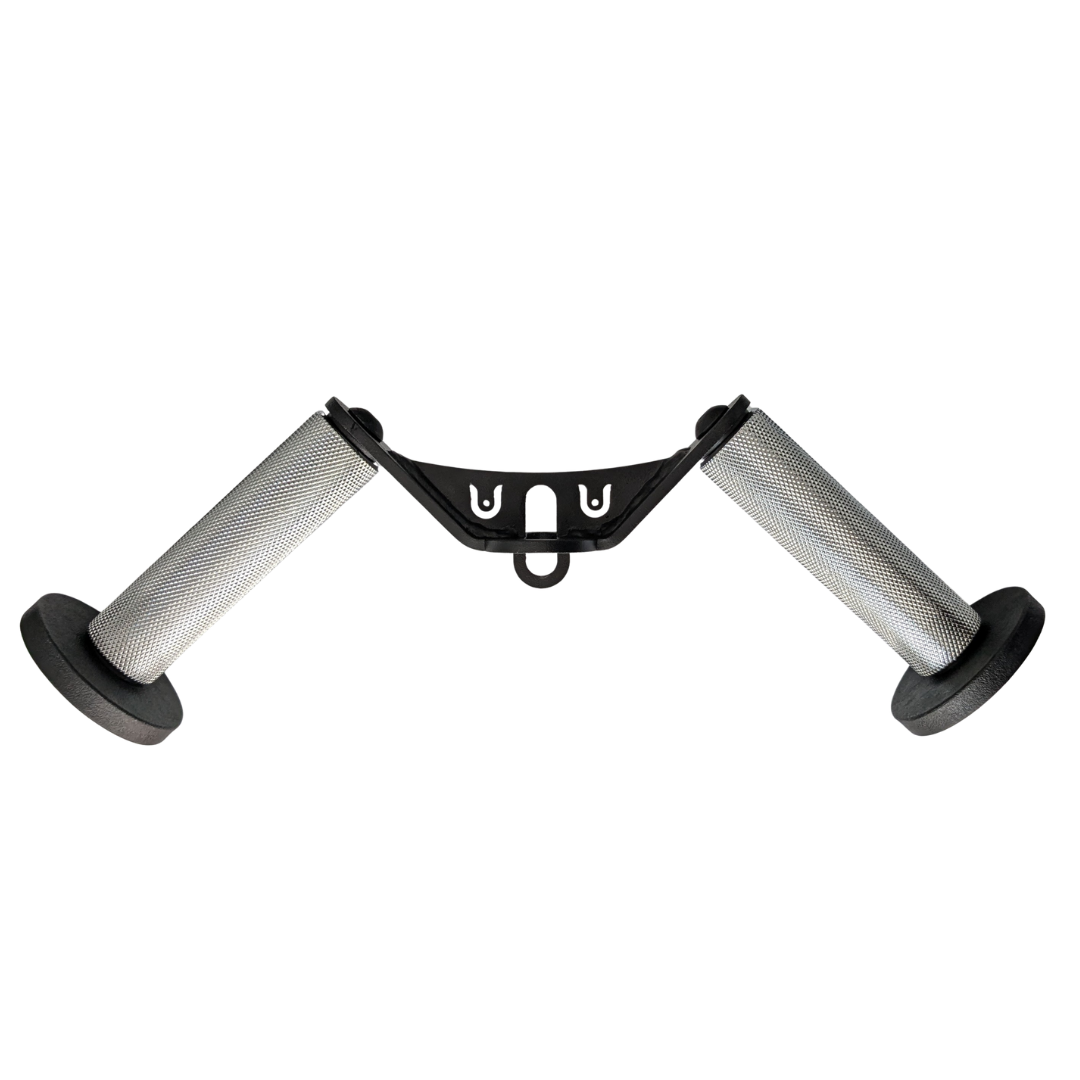
Angled cable grip for comfortable rows, pushdowns, and curls.
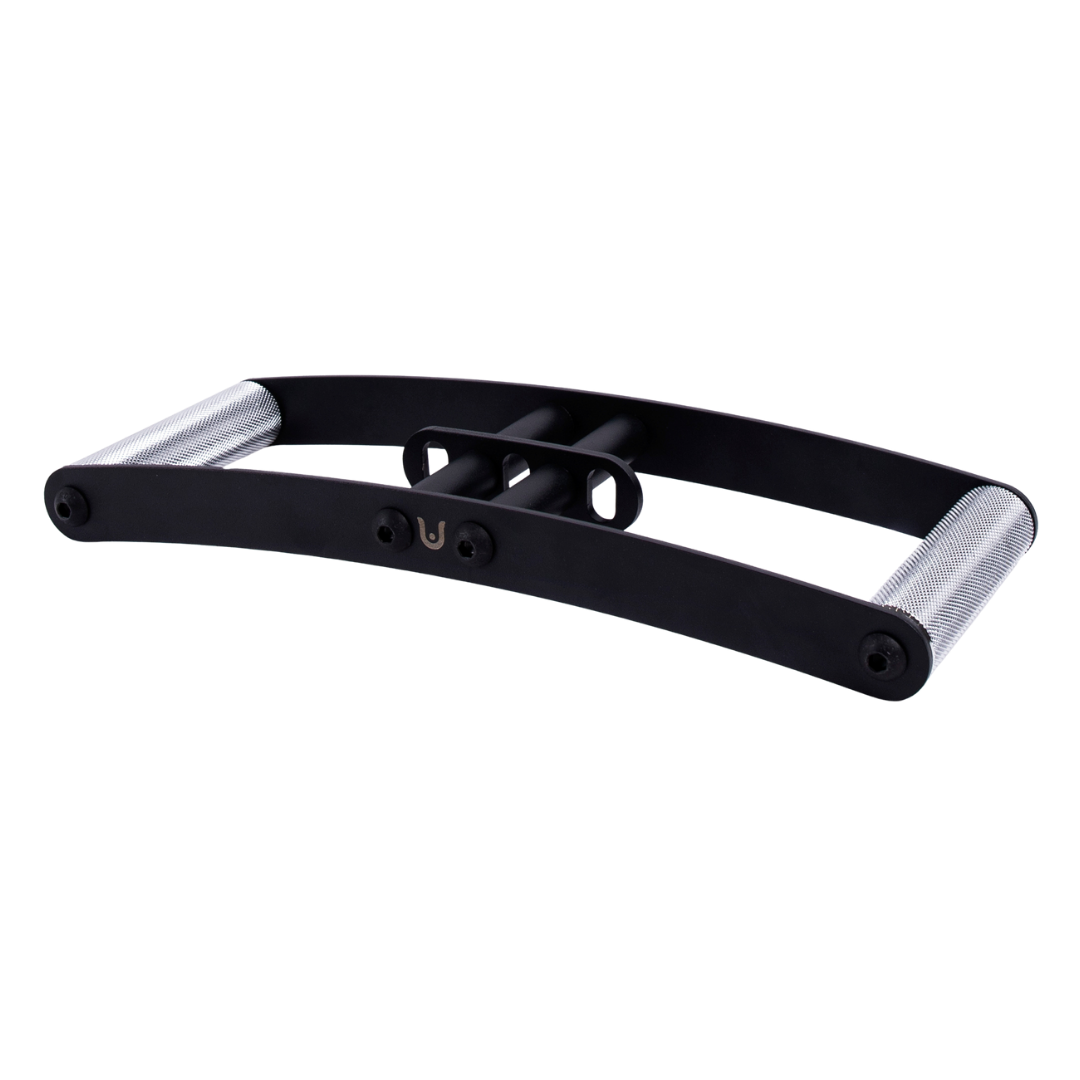
Horizon Grip
Ergonomic V-style cable grip for rows and back training.


GymPin Ergo Handles
Pair of ergonomic cable handles shaped for comfortable triceps and pulling exercises.
6. Where drop sets belong in a bodybuilding program
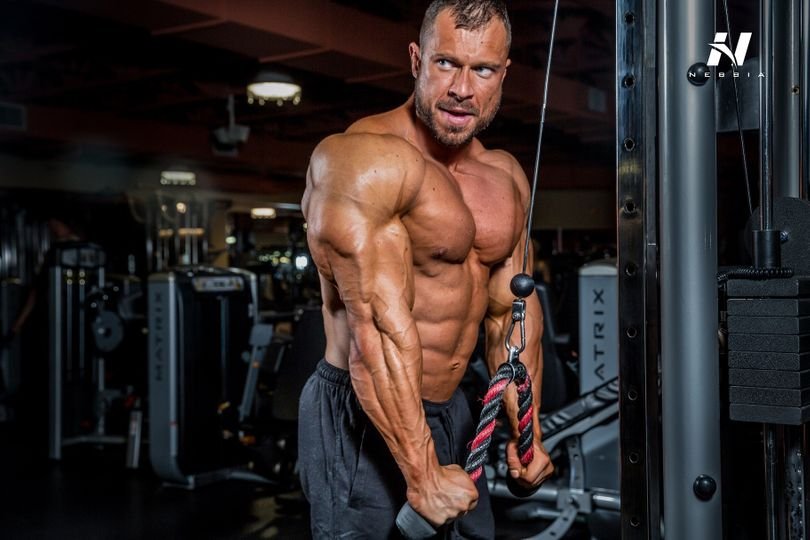
Think of drop sets as a replacement for some accessory work, not a bonus punishment added to every exercise. On an upper-body day, you might bench and row with conventional sets, then finish with a cable flye drop set and a triceps pushdown drop set. On a lower-body day, you might squat normally and finish with one leg-extension drop set. This preserves your strongest movements while putting the technique where it is easiest to control.
A practical weekly layout is simple. Upper A: compound presses and rows, followed by one biceps-curl drop set. Lower A: squats or hinges, then one leg-extension drop set. Upper B: ordinary pressing and pulling, then one lateral-raise or triceps drop set. Lower B: conventional lower-body work with no drop set unless recovery is excellent. This is an example for an intermediate lifter, not a universal requirement.
Keep the rest of your weekly hard sets steady when you first introduce the method. If you normally perform three straight sets of cable curls, try two straight sets plus one drop set rather than three straight sets plus a giant burnout. Compare your next-week performance, soreness and session time. If the new arrangement takes less time while preserving strength and progression, it is doing its job.
Do not force drop sets into a strength-focused block that depends on high-quality heavy repetitions. For powerlifting, they can still appear on accessory curls or extensions, but the squat, bench and deadlift remain the priority. Similarly, beginners should first learn how to judge a challenging normal set before layering multiple failure points into one sequence.
Historical high-intensity bodybuilding approaches often emphasized exceptionally hard sets. Their popularity does not establish that every set must reach failure. The useful lesson is to be deliberate about effort and track results, not to confuse a dramatic training philosophy with a controlled comparison.
Funny Gym Shirts & Workout Gear
Funny gym shirts, tanks, hoodies and workout gear for lifters who like training hard.

Bear Wheynie Pump , Meme Shirt Bros & T-Shirt
Make gym days more fun with “Gym Bear” style.

Is My Happy Place Top & Gymbros Meme Shirt T-Shirt
Bring “Gym Is My Happy Place” humor to your next gym day.

Pre-Workout Skull Hardcore Muscle Shirt for Bodybuildin Tank Top
Bring “Pre-Workout Skull” humor to your next lifting session.


Shirt – My Therapist Says Lift More – Is My Therapy T-Shirt
Show some powerlifting attitude with a playful “My Therapist Says Lift More” tee.

Lift Heavy Sh*T – Essential & Gymbros T-Shirt
Show some powerlifting attitude with a playful “Lift Heavy Sh*t” tee.

Is My Therapy Cool , Gymbro & Meme Shirt T-Shirt
Heavy lifts, good laughs, and a little “Gym Is My Therapy” energy.

7. A six-week experiment to find your own sweet spot
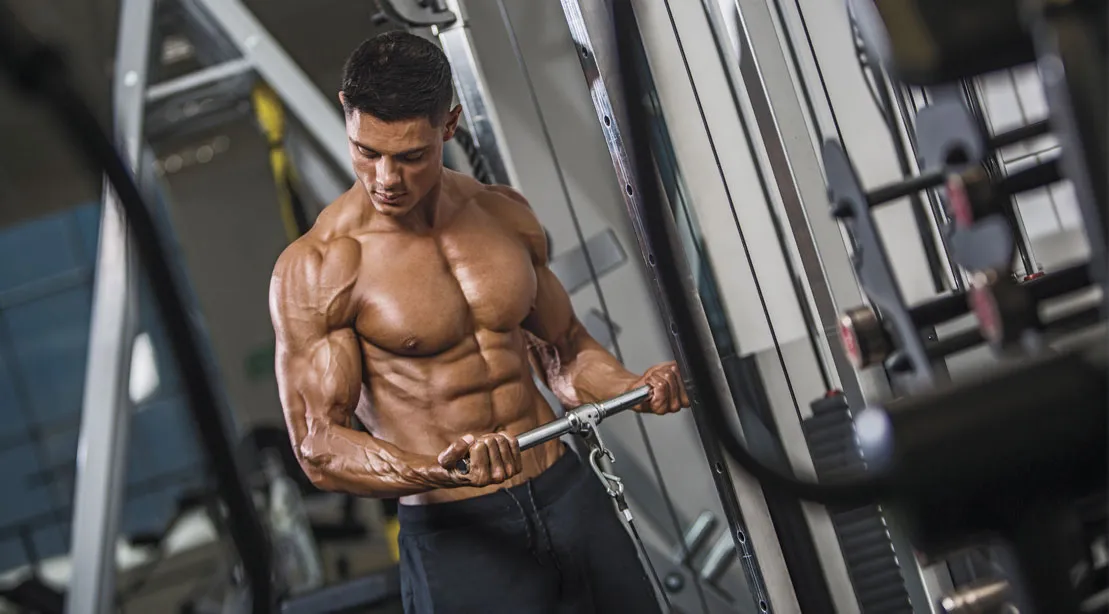
Weeks 1-2: establish a baseline. Pick two stable accessories, such as cable curls and leg extensions. Perform your usual straight sets, record the starting loads, reps, total session time and how recovered you feel at the next workout. Keep other exercises, sleep and protein intake reasonably consistent. This gives you something real to compare against.
Weeks 3-4: substitute, do not pile on. Replace the final straight set of each chosen accessory with one drop set using a 15-25% load reduction. Keep the first segment at the same rep target as before. Do not add drop sets to your squat, deadlift or other heavy technical lifts. Note whether your later exercises and next session are affected.
Weeks 5-6: refine the dose. If the single drop is productive and recovery remains good, try a second reduction on just one of the two accessories. If your first-set reps stagnate, your elbows or knees complain, or fatigue carries into the next workout, return to one drop or to straight sets. There is no medal for completing the longest set.
At the end, compare three outcomes: whether your first working-set performance improved, whether your total session time fell and whether you can recover reliably enough to repeat the workout. A method that saves ten minutes while maintaining progression may be valuable. A method that creates an enormous pump but reduces your next workout’s quality may not be.
The verdict: drop sets can be a time-efficient way to build muscle, but current evidence does not show that they universally beat traditional sets. Use them selectively on stable accessories, keep the important lifts measurable and let several weeks of performance determine whether the technique earns a permanent place in your program.