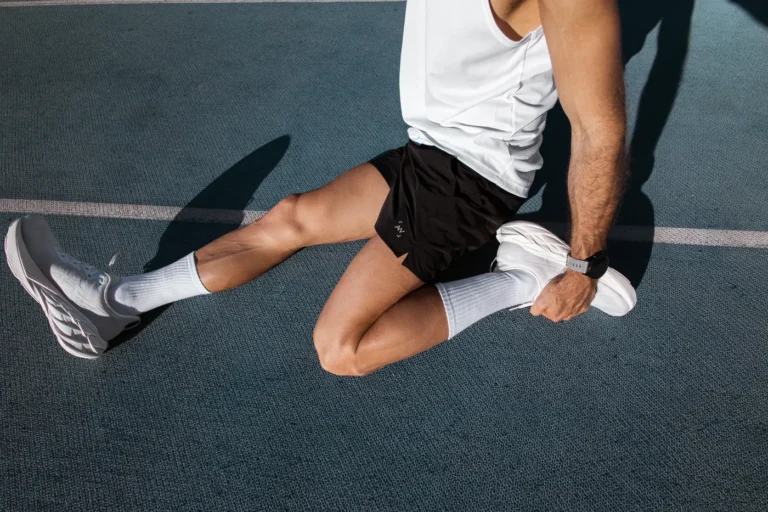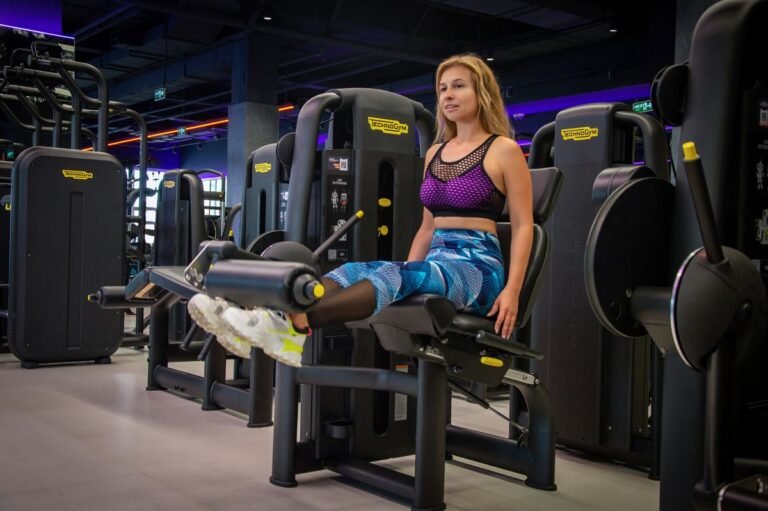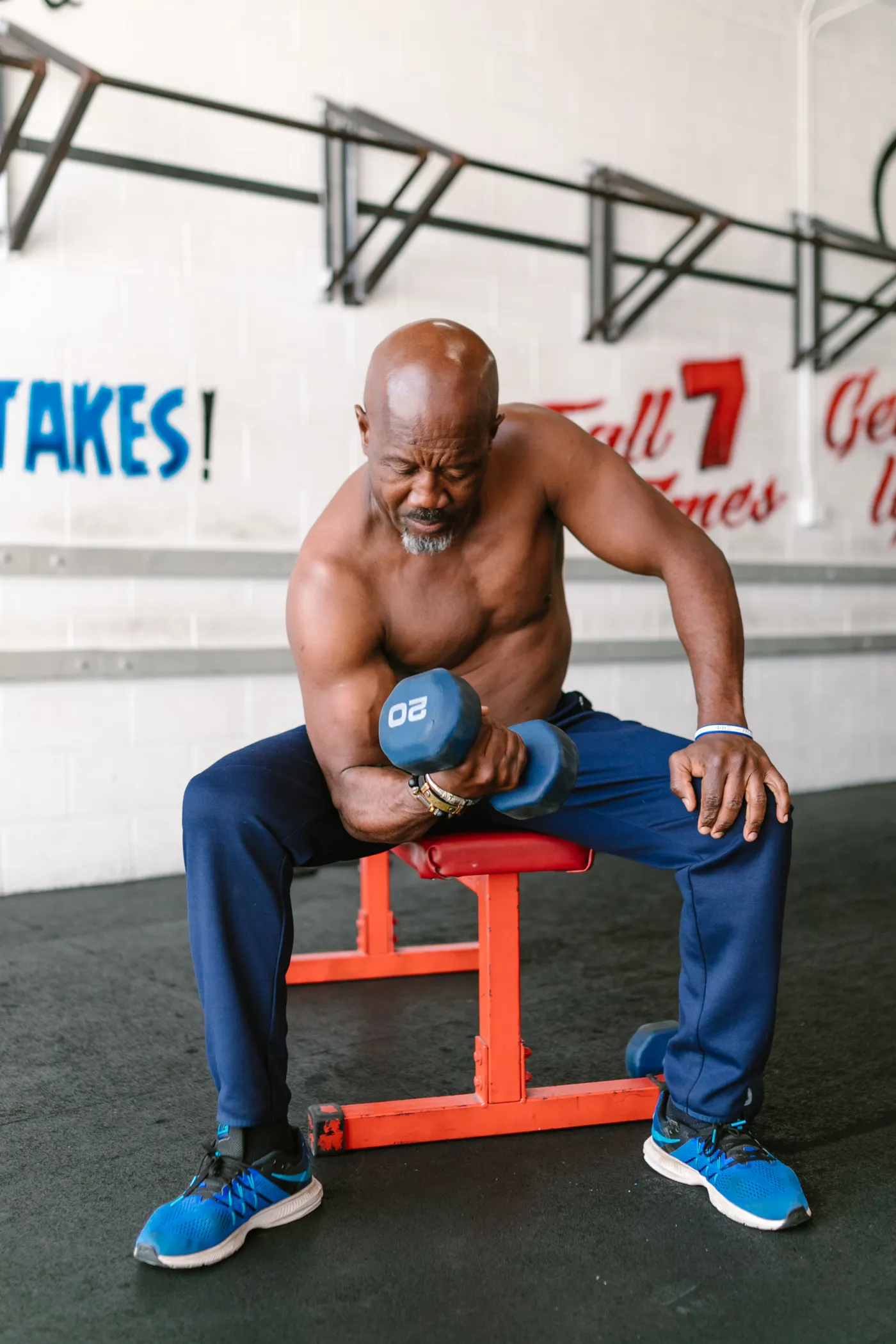
The 12-Week Trial: Two Very Different Ways to Train
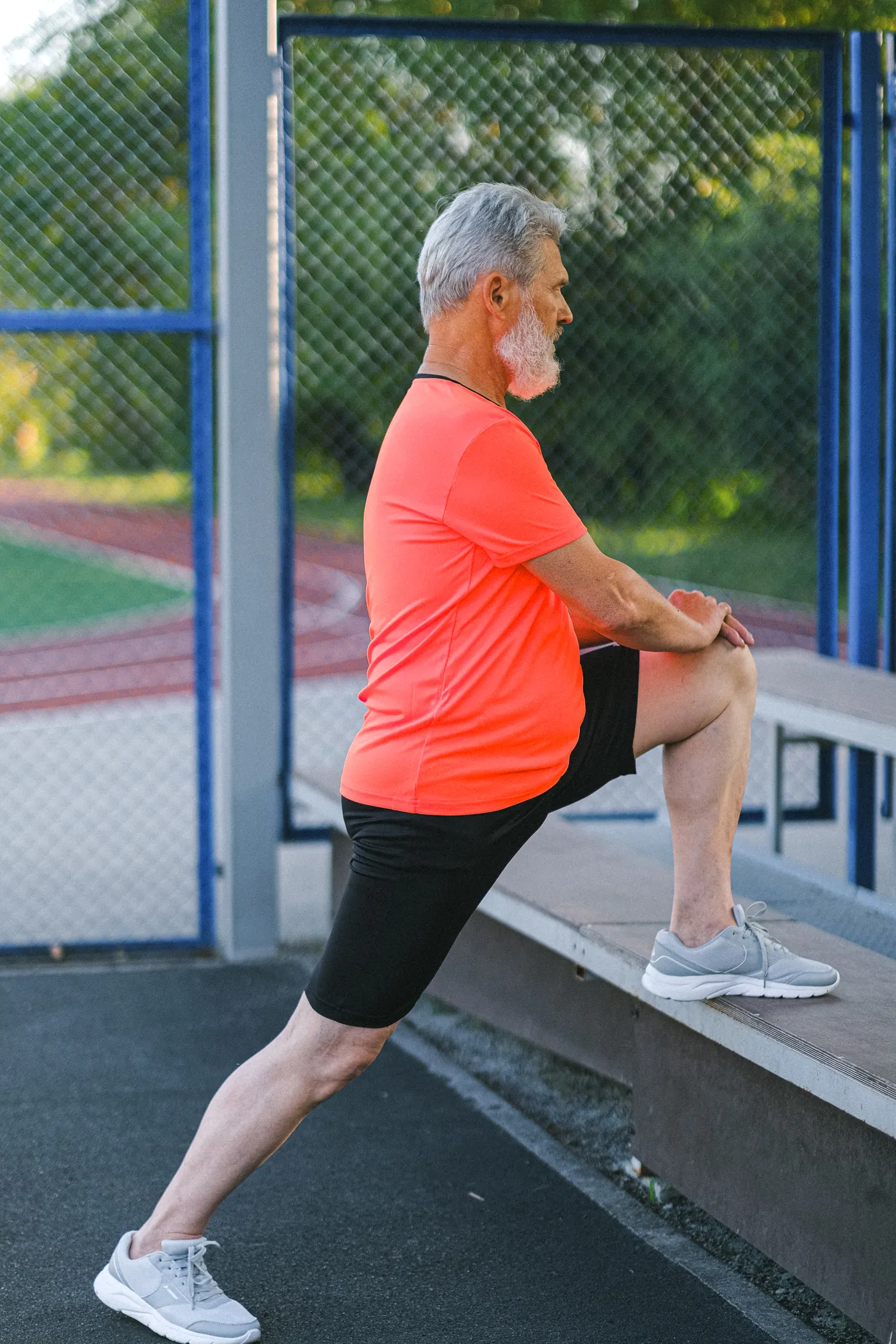
Heavy lifting and blood flow restriction training can both improve strength, but they challenge the body in different ways. A randomized 2026 trial assigned 63 older men to one of three groups: conventional high-intensity resistance training with occasional eccentric-only sessions, lower-load blood flow restriction training, or a non-exercising control. The experiment ran for 12 weeks and focused on the lower body. That makes it more useful than a single-session comparison, although it still cannot tell us what would happen over several years.
The heavy-training group generally worked at 80% of its one-repetition maximum. Periodically, it performed eccentric-only repetitions at 120% of conventional 1RM, with those sessions appearing in a one-to-three ratio alongside regular training. The blood flow restriction group used approximately 40% of 1RM with professionally applied restriction. Those percentages describe supervised research interventions, not instructions for an unsupervised home workout.
The study measured leg-extension and leg-press strength, perceived effort, soreness, lactate, creatine kinase and reported adverse events. It therefore compared both adaptations and the immediate cost of producing them. This distinction matters: two programs may make people stronger while producing different discomfort, recovery demands and practical barriers.
Older adults are not a uniform population. Training history, medication, vascular health, mobility and tolerance for loading can alter what is appropriate. The participants were older men; the findings should not automatically be generalized to women, frail patients or people with cardiovascular disease. The useful question is not which method wins every contest, but which stimulus can be applied consistently and safely to a particular person.
Strength Results: Both Worked, but Heavy Training Led on Some Lifts
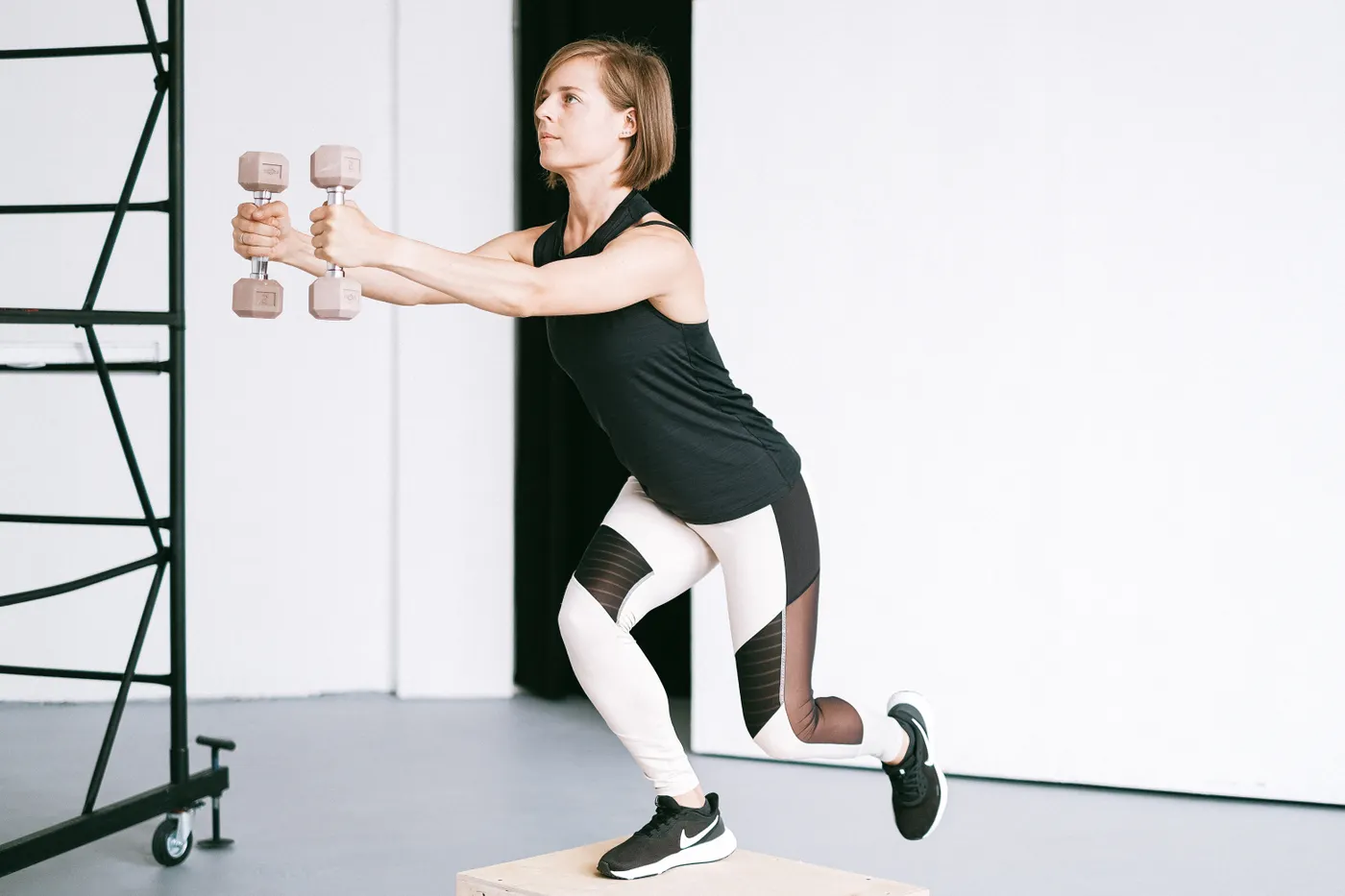
Both exercise groups improved one-repetition-maximum strength compared with the non-exercising control. The heavy-training program produced greater gains in the tested leg extension and leg press than the blood flow restriction program. That is a meaningful finding for people prioritizing maximum force, but it is not evidence that low-load restriction is ineffective.
One reason to expect a difference is specificity. Repeated exposure to heavy resistance trains the ability to coordinate force under heavy loads. A lighter session with restricted blood flow can generate substantial fatigue and metabolic stress without reproducing exactly the same external loading demand. Those are different inputs, and a maximal strength test may favor the group that practices higher forces more often.
Importantly, the heavy group was not simply a standard strength program. Its occasional eccentric-only sessions used a load exceeding the participants’ usual concentric maximum. Such repetitions require specialized handling and are not interchangeable with ordinary slow lowering in a squat or leg press. We cannot separate every effect of heavier loading, the eccentric component and differences in fatigue from this three-arm design.
For a home-gym lifter, the practical translation is less dramatic: if heavy strength is the goal and loading is tolerated, conventional progressive resistance remains a sensible foundation. If heavy loads are poorly tolerated, lighter resistance may still be productive, and supervised restriction is one possible clinical or specialist option. The study does not establish that everyone should combine both approaches or buy specialized cuffs.

Equipment Worth Exploring
Explore equipment, accessories and gear from our carefully selected range.

GymPin Squat Wedges
Non-slip 15-degree squat wedges help elevate the heels for deeper quad-focused squats.

Squat Harness
Wearable harness for hands-free cable squats, sled work, and lower-body training.


Safety Squat Handles
Barbell squat handles that reduce shoulder positioning demands during high-bar squats.

Belt Squat Collar
Heavy-duty collar adapter for compatible belt-squat and landmine bar setups.



FID Bench MAX
Adjustable bench offering flat, incline, and decline positions + adjustable headrest.
Soreness, Lactate and Muscle-Damage Markers Tell Another Story
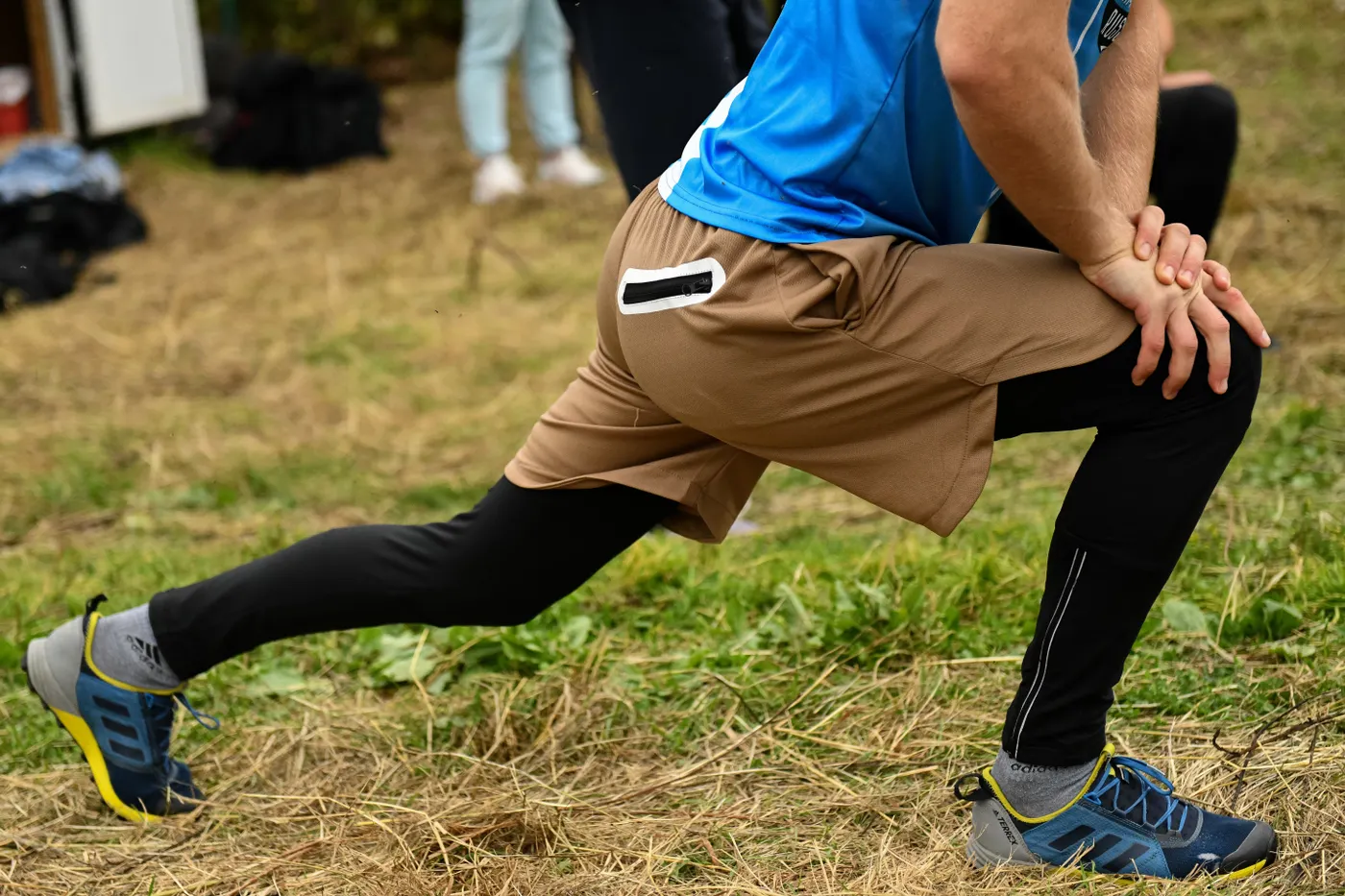
Strength gains are only one part of the training equation. In the trial, blood flow restriction sessions were associated with higher ratings of perceived exertion, more frequent training to failure and greater lactate responses. A relatively light weight can therefore feel extremely demanding when the local muscular environment is altered. Low load should not be confused with low effort.
The periodic eccentric-only sessions produced more delayed-onset muscle soreness and higher creatine kinase responses. Creatine kinase is a blood marker that can rise after demanding exercise; a higher reading is not by itself a diagnosis of injury. Soreness likewise tells us that the stimulus was unfamiliar or stressful, not that muscle growth is guaranteed. It can be a cost of training without being the desired outcome.
These contrasts make recovery planning more nuanced. A trainee might prefer lighter external loads because joints or confidence limit heavy lifting, yet still find restriction training unpleasant. Another person may tolerate conventional heavy sets well but struggle with the soreness from unusual eccentric overload. Neither response is a character flaw or proof that the program is working better.
For most recreational lifters, productive training should leave enough capacity to complete the next planned session. Persistent loss of performance, unusually severe soreness or escalating pain deserves attention rather than automatic load increases. Track repetitions, technique and the ability to repeat useful work, not just the sensation of having been exhausted.

Powerlifting Shirts & Lifting Gear
Powerlifting shirts and gym gear for squat, bench and deadlift lifters who live for heavy numbers.

Deadlifts & Gains Meme – Essential T-Shirt
Heavy lifts, good laughs, and a little “Deadlifts & Gains” energy.

Six Plates Deadlift Club Motivational T-Shirt
Heavy lifts, good laughs, and a little “Six Plates Deadlift Club” energy.

Shirt – Squat Bench Deads Gains T-Shirt
Heavy lifts, good laughs, and a little “Squat Bench Deads” energy.

5 Plates Squat Club Meme – Top T-Shirt
Bring “5 Plates Squat Club” humor to your next gym day.

4 Plates Deadlift Club – Motivational & Gymbros T-Shirt
Make gym days more fun with “4 Plates Deadlift Club” style.

Leg Day Is Calling You Squats & Deadlifts Meme Vest Tank Top
Your gym-day look, with a playful “Leg Day Is Calling You” twist.

Never Skip Leg Day Chicken Legs Meme & Bros Tank Top
Bring “Never Skip Leg Day” humor to your next lifting session.

Legendary Leg Day – Squat Meme Hooded Pullover Hoodie
Keep it laid-back with a little “Legendary Leg Day” attitude.


Leg Day Squats Deadlifts Decal Meme Vinyl Sticker
Give your everyday gear a playful “Leg Day” twist.
The Safety Signals Are Important, Not a Footnote
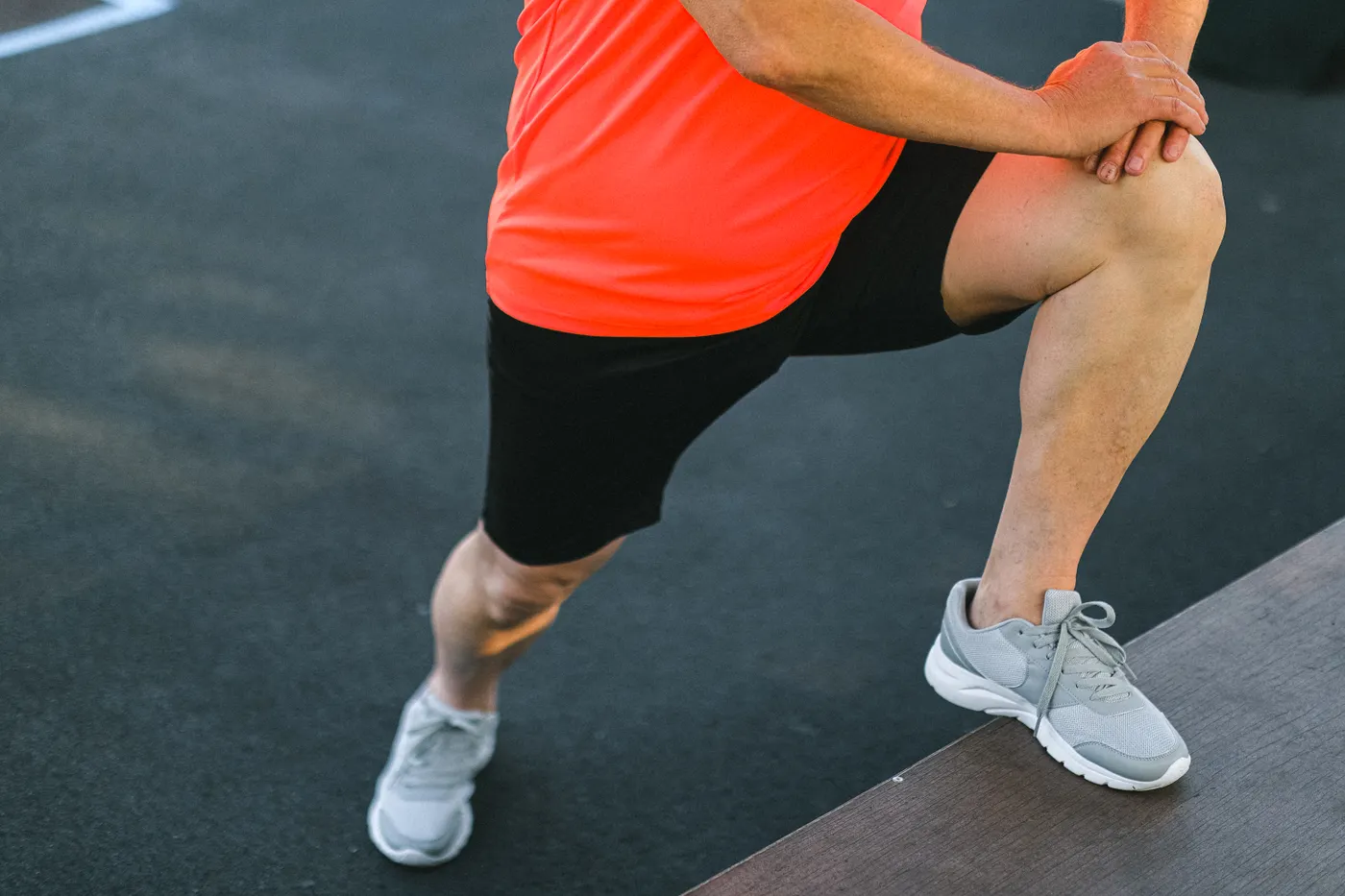
The researchers reported elevated blood pressure in one participant and headaches in two participants assigned to blood flow restriction training. Two participants in the heavy-training group reported knee pain. These counts are small, and a 63-person trial is not powered to detect rare complications. Still, adverse-event reporting matters because a training method is only useful when its risks and requirements are understood.
Blood flow restriction is not the same as tying an elastic band tightly around a limb. Proper protocols use equipment and individualized pressure assessment, screening for contraindications and monitoring during exercise. People with relevant vascular or clotting conditions, uncontrolled blood pressure or other medical concerns should not experiment independently. A qualified clinician or appropriately trained professional is the right starting point when restriction is being considered.
Heavy eccentric-only work also demands more than determination. Lowering a load that exceeds the amount someone can lift back up requires a controlled way to return or remove that load, suitable equipment, and competent supervision. Improvised overload using an ordinary home rack, without a reliable unloading method, introduces avoidable hazards.
The more conservative alternative is ordinary resistance training with a controlled lowering phase and a load that can be lifted safely through the intended range. You can train the eccentric portion of a movement without copying the study’s 120%-of-1RM protocol. If pain, unusual swelling, faintness, chest symptoms or concerning neurological symptoms occur, stop exercising and seek appropriate medical assessment. This article is educational, not an individual treatment prescription.
What This Trial Can and Cannot Say About Aging Muscles
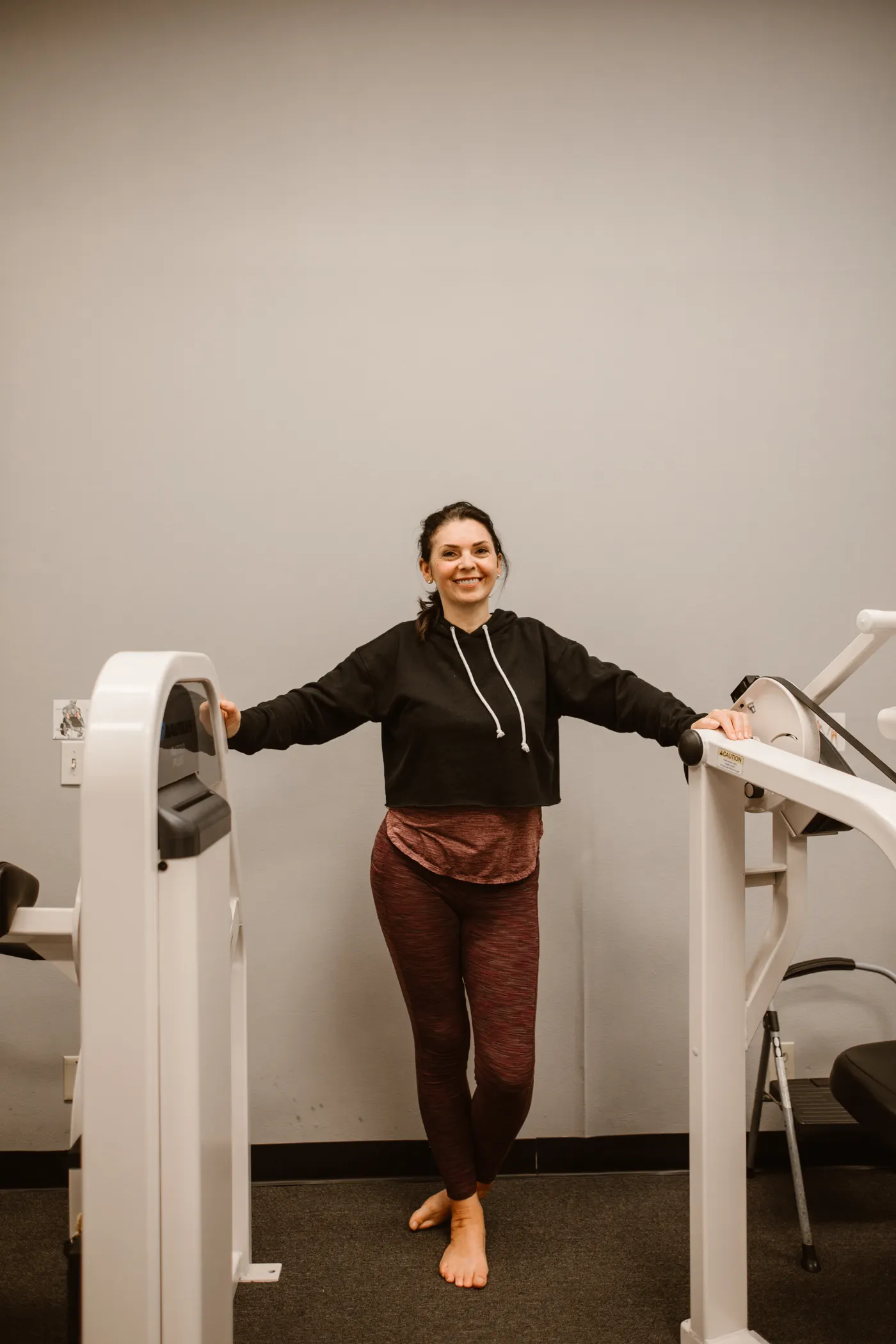
Maintaining strength with age supports everyday tasks such as rising from a chair, climbing stairs and carrying groceries. But a stronger leg press in a supervised laboratory does not automatically establish better balance, fewer falls or long-term independence. Those outcomes require their own measurements and follow-up. The 2026 trial primarily examined strength and physiological responses over 12 weeks.
Related research on older men has compared tendon responses to high-intensity and blood-flow-restricted training. It suggests that muscle and tendon adaptations may not follow identical patterns. A separate synthesis of low-load restriction studies in older adults also reported changes in markers associated with muscle anabolism, but biomarkers are not substitutes for measured long-term strength or functional outcomes.
Participants’ baseline fitness, access to supervision and the chosen exercises matter. A beginner who has never followed a structured program may improve with modest loads. A trained older lifter may need a different stimulus to continue progressing. People recovering from surgery or living with complex medical conditions may have additional constraints that make a specialist program appropriate.
Rather than treating a study’s group average as a universal prescription, use it to refine questions. Can the person perform the movement safely? Is the load sufficiently challenging without creating unacceptable symptoms? Can progress be measured over several weeks? Can the schedule be maintained? Those questions usually matter more than whether the method has the most dramatic name.
Equipment Worth Exploring
Explore equipment, accessories and gear from our carefully selected range.
VOLTRA
Compact digital cable trainer with smooth, adjustable resistance.

Go-Tone Pro
Portable digital cable trainer with up to 66 lb (30 kg) of adjustable resistance.


A Practical Two-Day Lower-Body Plan Without Extreme Protocols
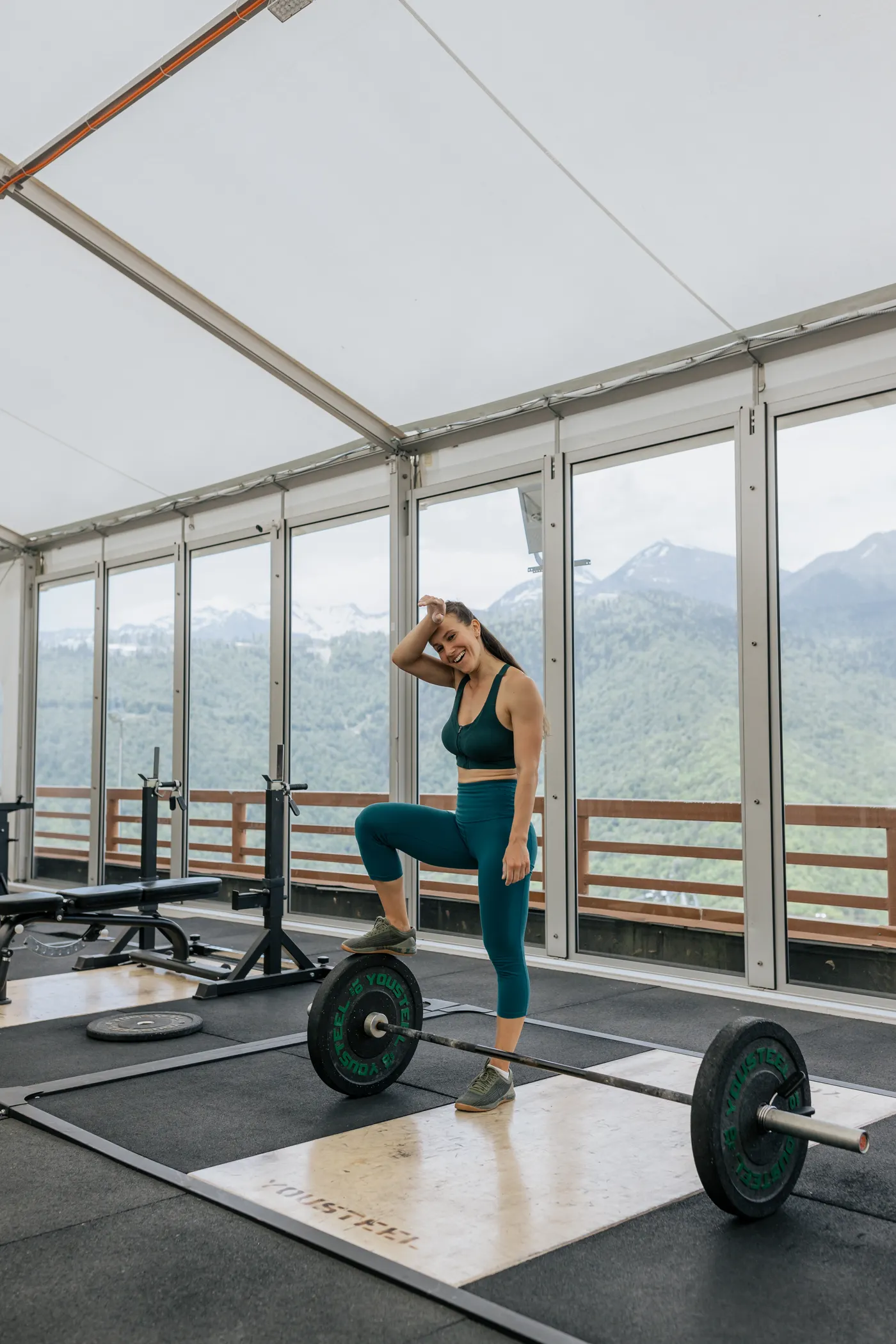
Most home-gym readers do not need either occlusion cuffs or supramaximal eccentric equipment to apply the useful lesson. A repeatable two-day plan can train the same broad movement patterns with ordinary resistance. Begin with loads that permit controlled repetitions and roughly two or three repetitions in reserve. Adjust for experience, health status and medical guidance.
Day A, squat emphasis: supported squat or goblet squat, three sets of six to ten; Romanian deadlift, two sets of eight to twelve; supported calf raise, two sets of ten to fifteen; and an easy carry or short walk. Rest long enough to preserve technique. If balance is limited, use a sturdy support and choose an exercise variation that does not require risky transitions.
Day B, hip and unilateral emphasis: step-up to a low stable platform or split squat with support, three sets of six to ten per side; hip bridge, two sets of eight to twelve; seated or standing calf raise, two sets of ten to fifteen; and a comfortable upper-body pull. Leave at least one recovery day between lower-body sessions when starting out.
In week one, establish a baseline and record loads, repetitions and any symptoms. In week two, add one repetition where technique remains stable. In week three, increase load slightly only when all sets reach the upper end of the range without compensation. In week four, review whether the added work was tolerable and whether recovery was adequate. This is an editorial example, not a tested replication of the 63-man trial.
Use a controlled eccentric on each repetition, but do not turn it into an artificially slow endurance contest. If the exercise becomes painful or unsteady, reduce the challenge or choose another movement. The goal is repeated quality exposure, not copying laboratory extremes.
Bodybuilding Shirts & Workout Gear
Bodybuilding shirts, tanks and gym gear for lifters chasing muscle, size, symmetry and the pump.

Leg Day No Thanks – Skip Legday Meme , Squats & T-Shirt
Heavy lifts, good laughs, and a little “Leg Day No Thanks” energy.

Shirt Never Skip Leg Day Flamingo Meme – Gymbros, & T-Shirt
Rep “Never Skip Leg Day Flamingo Meme” humor in and out of the gym.

Everyday Is Leg Day Octopus Meme & Top T-Shirt
Show some leg-day attitude with a playful “Everyday Is Leg Day Funny Octopus” tee.


Hardcore Gains Meme – – Fire Top & T-Shirt
Bring “Hardcore Gains Gym Meme” humor to your next gym day.


Squat Here | Edgy Muscle Shirt | Gym Humor Meme Workout Tank Top
Show some personality between sets with “Squat Here”.

Be Stronger Than Your Excuses Motivational Workout Pull Hoodie
Make your off-duty look more fun with “Be Stronger Than Your Excuses”.

Leg Day No Thanks Skip Leg Day Meme Sweater Squats T-Shirt
Show some gym-day personality with “Leg Day No Thanks”.

Don'T Fart Squats Decal Water Bottles & Weight Sticker
Give your everyday gear a playful “Don't Fart Squats” twist.
The Four-Week Audit: Progress Without Chasing Soreness
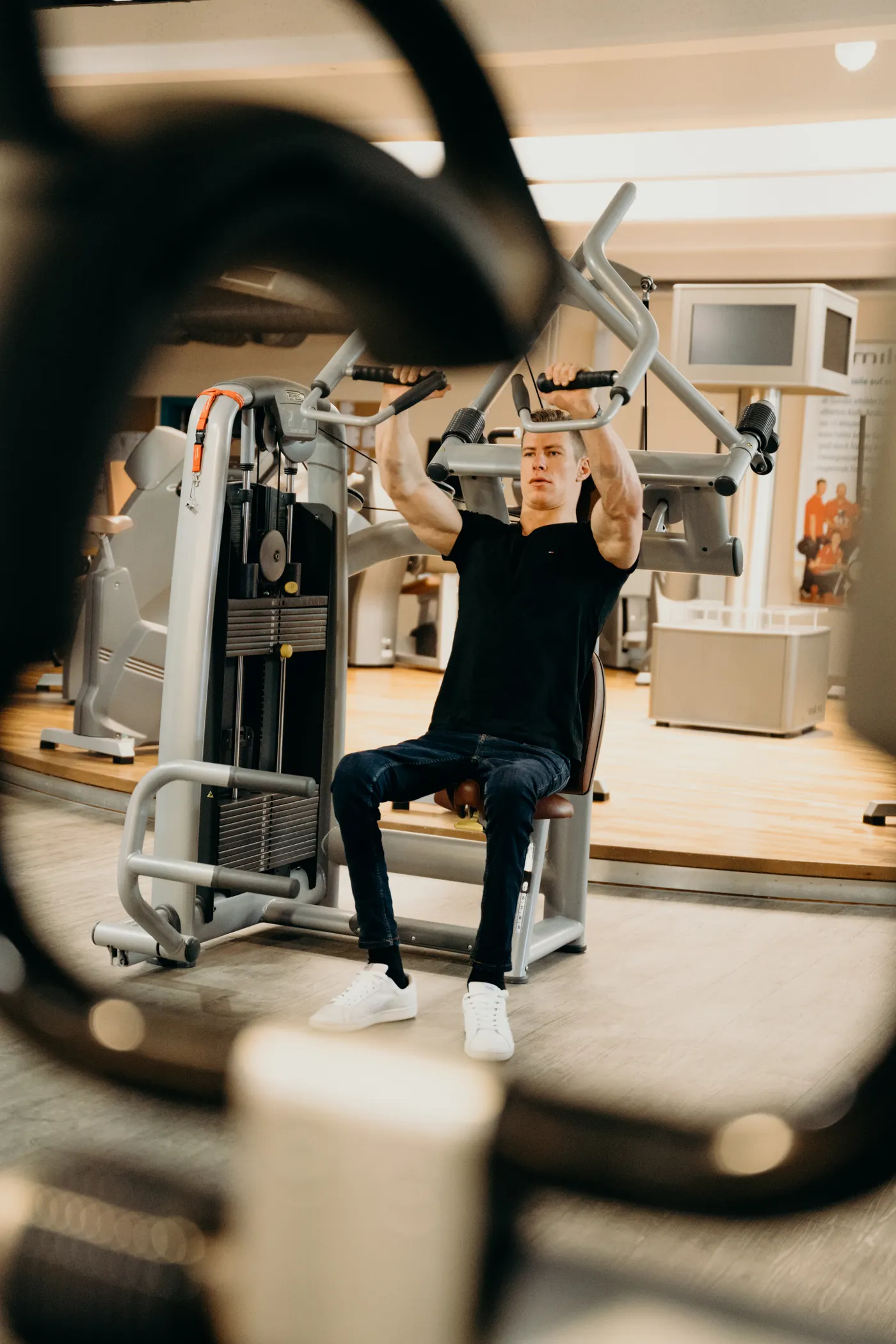
At the end of four weeks, review more than the heaviest number in your training log. Compare a few consistent indicators: the load and repetitions achieved at a similar effort, the quality of movement, soreness duration, sleep, confidence, and whether the next session could be completed. A small gain with reliable recovery is often more useful than a spectacular workout followed by several missed sessions.
Keep the exercise setup consistent when comparing results. A shorter squat depth or an extra push from the supporting hand can create the appearance of progress. Note any changes in equipment, stance, assistance and range of motion. For older lifters, practical milestones such as rising from a chair with better control may be motivating, but they should not be described as outcomes measured by this particular experiment.
There is no reason to add blood flow restriction merely because lighter weights feel easy. First check whether conventional loading can be progressed through additional repetitions, small weight increments or an appropriate exercise variation. If a professional recommends restriction for a specific rehabilitation or loading problem, ask how pressure is determined, how adverse symptoms are monitored and how the plan will transition back toward ordinary training.
Likewise, do not interpret a study of periodic 120%-of-1RM lowering as a mandate to exceed your normal maximum. Controlled eccentric work already exists in standard squats, hinges, rows and presses. More specialized methods belong in environments that can manage them properly.
The takeaway: both supervised approaches improved strength in older men, with greater gains on some maximal tests in the heavy-training group and different discomfort and recovery profiles across methods. The best training method is not necessarily the one that feels hardest. It is the one that provides a sufficient stimulus, fits the person’s circumstances and can be repeated safely over time.
General fitness education only. People with cardiovascular, vascular, neurological or orthopedic conditions should seek individualized advice before using blood flow restriction or unusually heavy eccentric training.