A ten-minute workout can be a sensible way to begin strength training after 60, particularly when travel, confidence or a crowded gym is the biggest obstacle. A recent trainer-designed home circuit uses three simple movements: chair squats, wall push-ups and standing knee-to-elbow raises. It needs no weights and almost no floor space.
That is a useful starting point, not a complete lifetime training prescription. Three rounds can practice standing, pushing and trunk control, but they cannot automatically replace progressive resistance training, pulling exercises, balance practice and regular aerobic movement. The most effective version is one that matches your current ability and becomes slightly more challenging when it feels easy.
Why ten minutes can be a useful starting dose
The circuit is straightforward: perform ten chair squats, ten wall push-ups and ten standing knee-to-elbow repetitions on each side. Rest briefly, then repeat for up to three rounds. Depending on pace, transitions and rest, the whole session may take around ten minutes. There is no requirement to race the clock, and taking fifteen or twenty minutes is not failure.
For someone who has been inactive, completing one round with comfortable technique is already a meaningful first session. Repeating that session on two or three nonconsecutive days can establish a routine before volume increases. People who already train regularly may use it as a light movement break, not their only strength stimulus.
Major physical activity guidance for older adults calls for muscle-strengthening work on at least two days each week, alongside aerobic activity and balance-focused movement. Ten minutes of bodyweight exercise can contribute to that goal, but it does not automatically satisfy every component. Think of it as an accessible doorway into a broader plan.
The central principle is repeatability. A short routine you can complete comfortably for months is more valuable than an ambitious schedule abandoned after three days. Track how many controlled repetitions you perform, whether you use your hands for support and how challenging the final repetitions feel. Those simple observations create a basis for progression.
Chair squats: make standing up a trainable skill
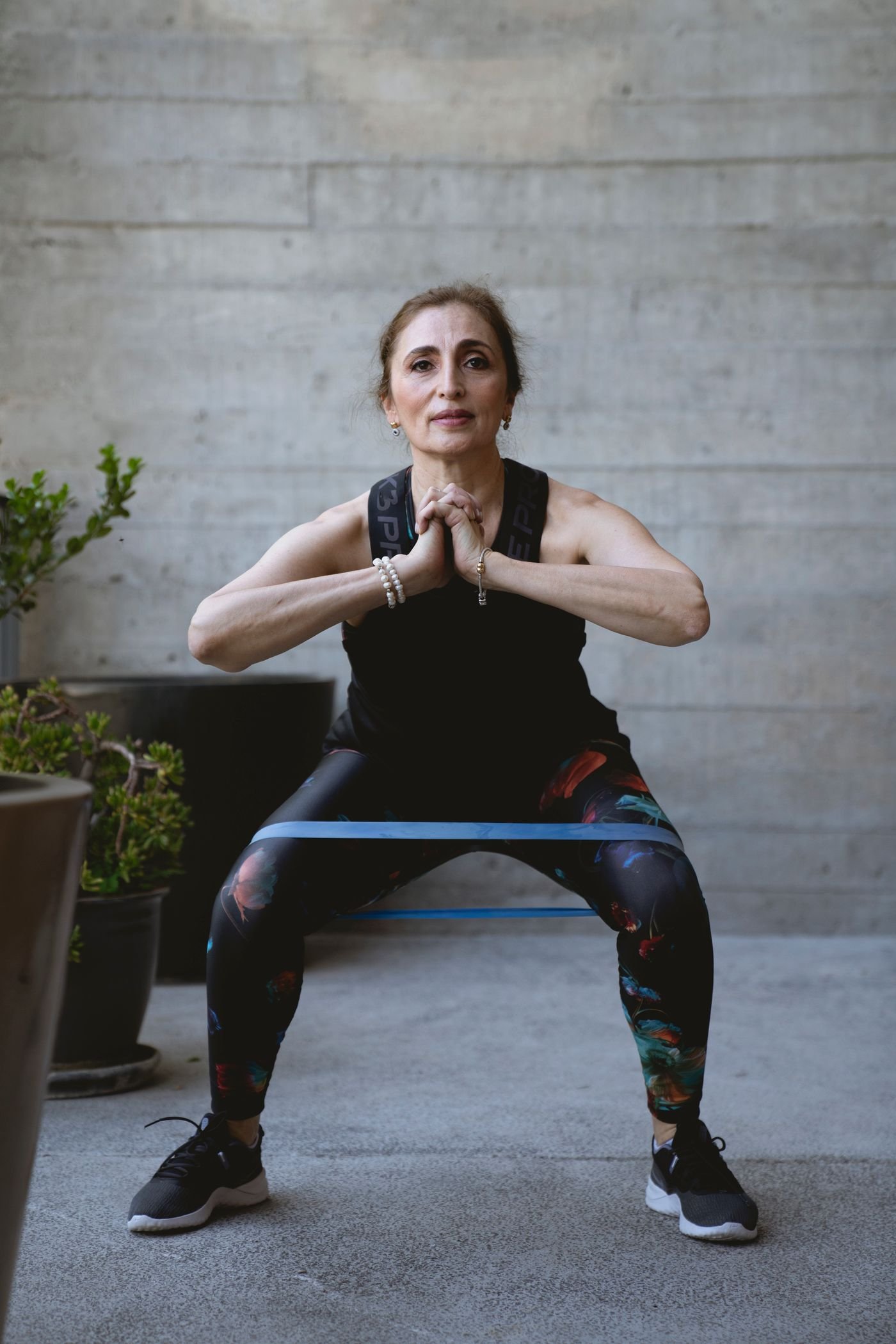
Start with a stable chair against a wall so it cannot slide. Stand with your feet approximately hip- to shoulder-width apart and place your arms forward for balance. Bend at the hips and knees, lower toward the seat under control, touch it lightly or sit fully, then push through your feet to stand. The aim is a smooth movement without dropping into the chair or jerking yourself upright.
If ten repetitions are difficult, use a slightly higher chair or place your hands on the armrests. If standing without assistance is not yet possible, a qualified professional can help select a safer assisted variation. A person with significant dizziness, recent falls or new joint pain should not force unsupported repetitions simply to match a video.
As the exercise becomes easier, first reduce the amount of help from your hands. Next, use a slower lowering phase or a brief pause above the seat. Only then consider holding a light weight close to your chest. Lowering the chair height can also increase difficulty, but only if your knees, hips and balance tolerate the deeper range.
Chair rises are particularly practical because getting up from a seat is a daily activity, not a gym-specific trick. Research on progressive resistance exercise in older adults has found improvements in strength and physical tasks such as rising from a chair and climbing steps. That does not mean this exact ten-minute circuit has been proven to produce a specific percentage improvement; it means the movement fits a well-supported training goal.
A useful cue is to keep your whole foot in contact with the ground and let your torso lean forward naturally as you stand. There is no single perfect stance for everyone. Use the position that allows controlled movement and does not provoke symptoms.

Equipment Worth Exploring
Explore equipment, accessories and gear from our carefully selected range.


Power Tower
Freestanding pull-up and dip station with adjustable handles for bodyweight training.


GymPin Squat Wedges
Non-slip 15-degree squat wedges help elevate the heels for deeper quad-focused squats.

Wall push-ups: train pushing without going to the floor
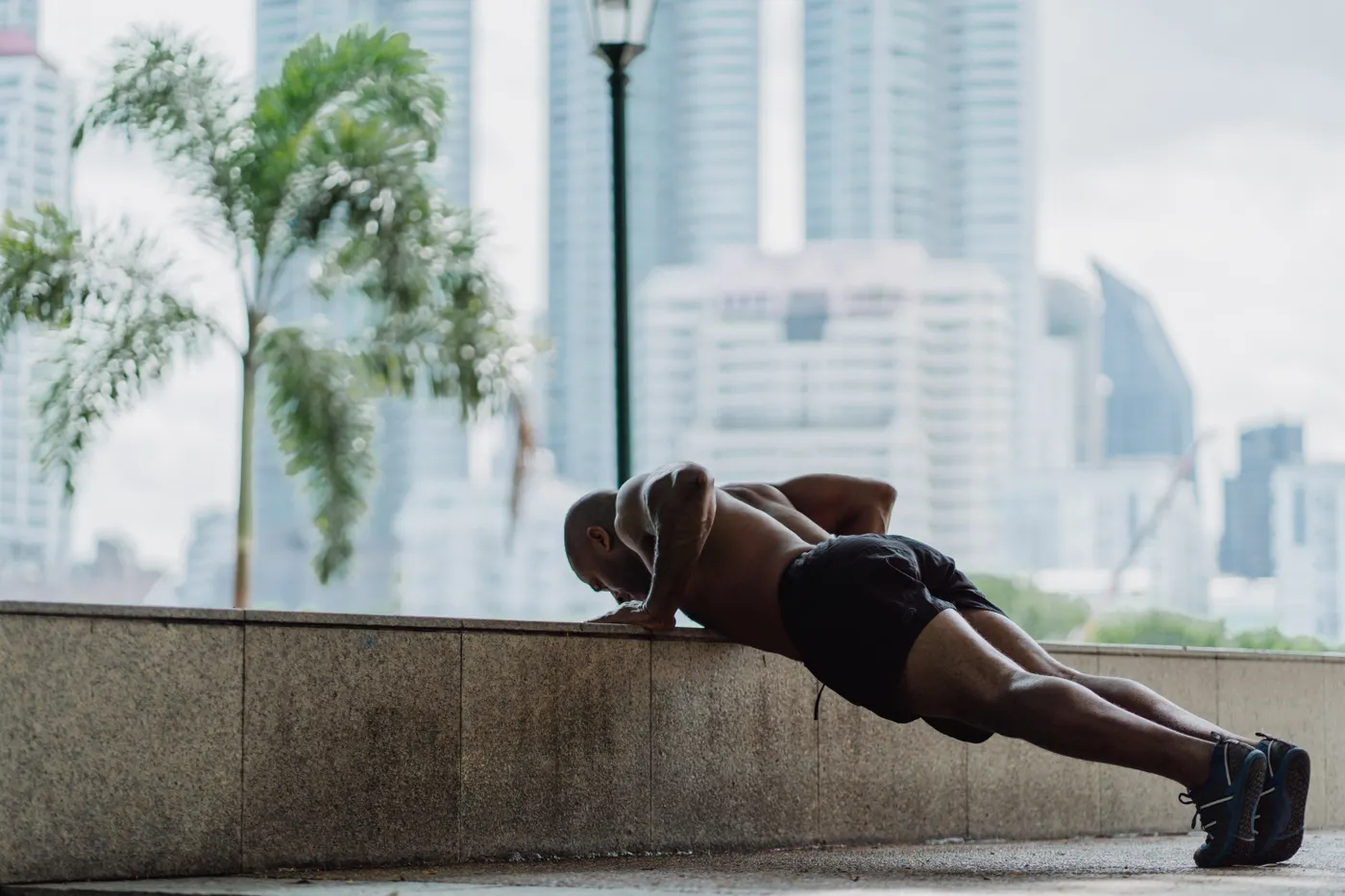
Face a solid wall and place your hands around chest height, slightly wider than shoulder width. Walk your feet back until your body leans toward the wall. Keep your trunk reasonably straight, bend your elbows and bring your chest toward the wall, then press away without holding your breath. Begin with a shallow range if your shoulders or wrists need time to adapt.
Moving your feet closer to the wall makes the exercise easier; stepping farther away increases the challenge. When you can complete three controlled sets of ten with room to spare, a sturdy countertop may provide the next level. A lower, immovable support increases resistance further. Do not use a rolling chair, loose table or other unstable object as a push-up station.
Wall push-ups train a horizontal pushing pattern through the chest, shoulders and triceps. They do not directly train the upper-back pulling muscles to the same extent. For a more rounded program, later add a supported dumbbell row, resistance-band row anchored safely, or an appropriate cable row. This is a meaningful omission in the three-move circuit, not a reason to discard the routine.
Joint comfort matters more than reaching an arbitrary hand position. If wrist extension is uncomfortable, experiment with hand height or an appropriate handle after checking stability. If you experience sharp pain, numbness, chest pressure or unusual breathlessness, stop and seek suitable medical advice rather than pushing through.
The goal is to finish with a few technically sound repetitions still possible. For a beginner, consistent effort at a manageable level is more useful than repeated all-out attempts that leave the arms too sore to train again.

Calisthenics Shirts & Street Workout Gear
Calisthenics and bodyweight-training gear for pull-ups, dips, handstands and street-workout athletes.

Be Stronger Than Your Excuses – Motivational T-Shirt
Rep “Be Stronger Than Your Excuses” humor in and out of the gym.


Pull Up Or Shut Up Crewneck Pullover Sweater for Calist T-Shirt
Keep things casual with a little “Pull Up Or Shut Up” attitude.

Calisthenics Evolution Sweatshirt
Keep things casual with a little “Calisthenics Evolution” attitude.

Funny Calisthenics Gym Hooded Pullover for Bodyweight W Hoodie
Stay casual and show some lifting attitude with “Calisthenics”.

Funny Calisthenics Gym Hooded Pullover for Bodyweight L Hoodie
Bring “Calisthenics” gym humor to lazy days and post-workout plans.

Calisthenics Muscle Shirt Athletic Vest for Bodyweight Tank Top
Your gym-day look, with a playful “Calisthenics” twist.

Calisthenics Evolution Decal for Water Bottles Laptops Sticker
Put “Calisthenics Evolution” gym humor on your laptop, bottle, or gym gear.

Calisthenics Hanging Out Decal for Water Bottles Laptop Sticker
A fun “Calisthenics Hanging Out” touch for bottles, laptops, and lockers.

Calisthenics Heartbeat Decal for Water Bottles Laptops Sticker
Put “Calisthenics Heartbeat” gym humor on your laptop, bottle, or gym gear.
Standing knee-to-elbow: coordination before crunches
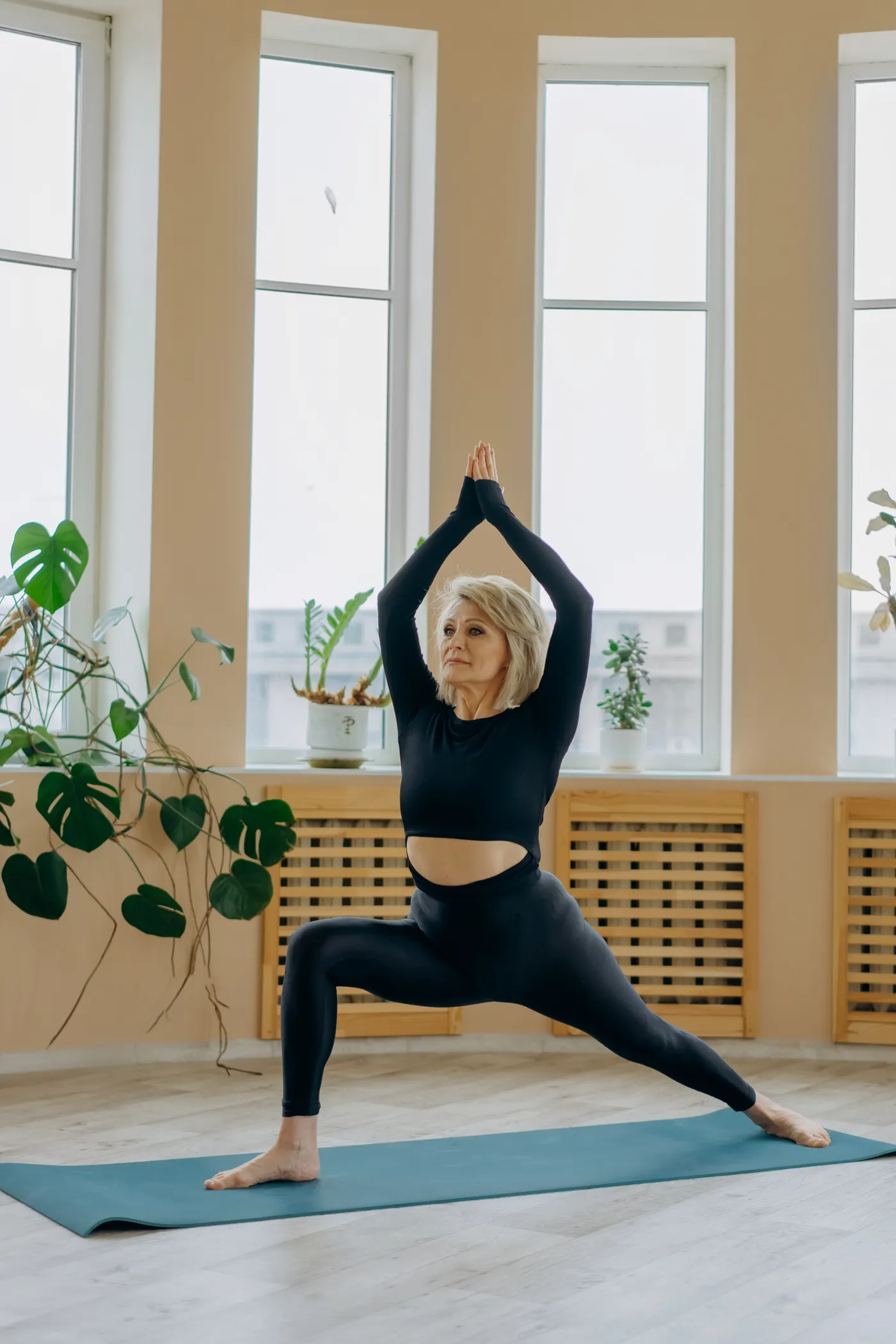
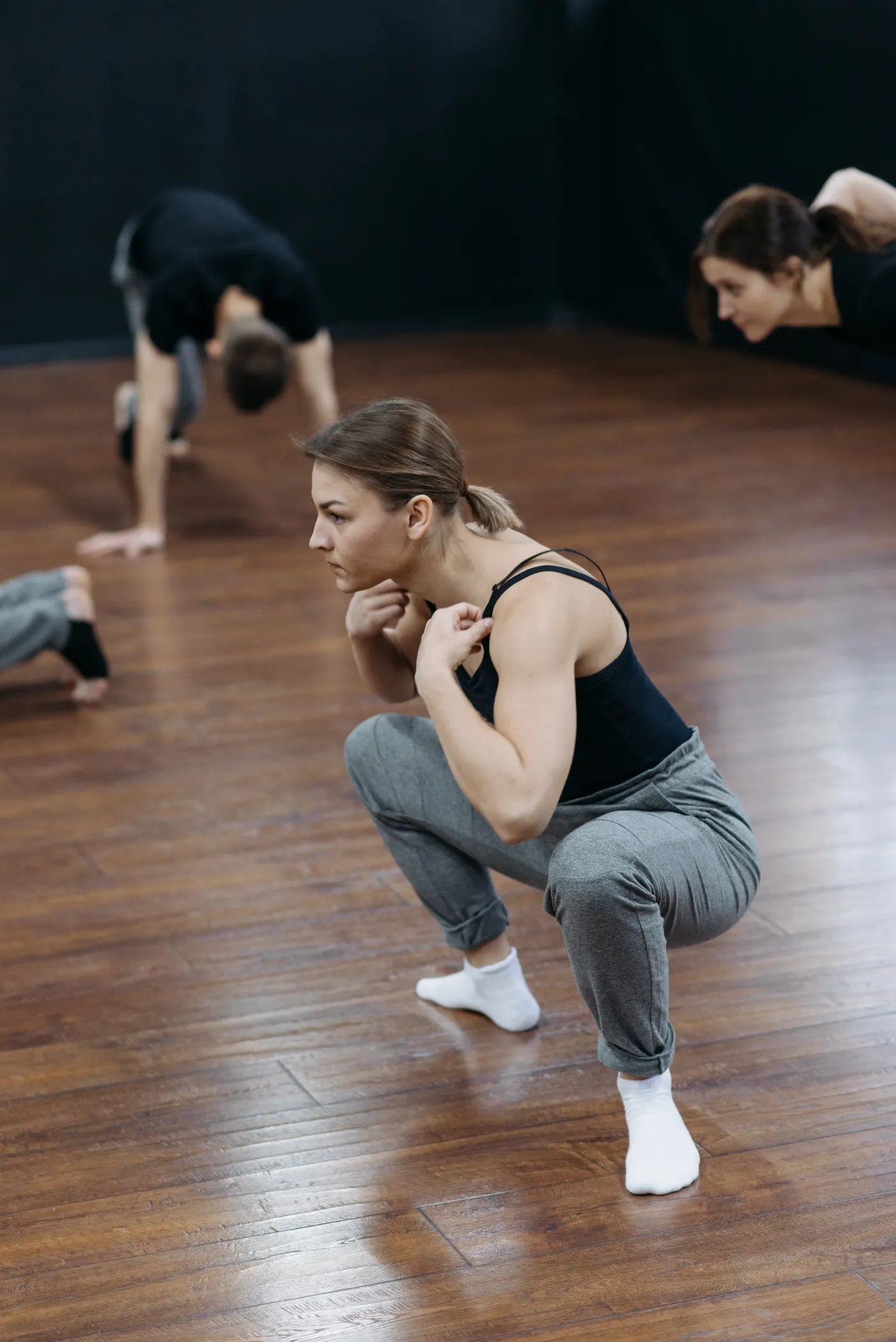
Stand upright with your feet comfortably apart. Slowly lift one knee while rotating your trunk slightly toward it, then lower the foot and switch sides. You do not need to touch the elbow to the knee. The challenge is controlled weight transfer, upright posture and steady breathing rather than aggressive twisting or speed.
For people with limited balance, hold a countertop or sturdy chair with one hand and raise the knee without trying to reach across the body. Another option is a supported standing march. Those versions still practice hip flexion and control while reducing the chance of losing balance. Keep the movement within a comfortable range if your back or hips are sensitive.
Unlike chair squats and wall push-ups, this move is not a major progressive loading exercise for building substantial muscle. Its main role is to introduce coordination, trunk engagement and a little balance challenge. If you can easily complete twenty alternating lifts, moving faster is not automatically better. Slow the lowering phase, pause at the top or change the support level while staying safe.
Balance training deserves dedicated attention. Older-adult guidelines emphasize varied activities that challenge balance and strength several days each week, especially when fall risk is a concern. Standing knee raises can be one small part of that work, but more complete programs may include supported single-leg stands, heel-to-toe walking or professional balance exercises tailored to the individual.
A practical test is whether you can maintain the same movement quality on the final repetition as on the first. If your trunk starts lurching, your feet slap the floor or you need to grab furniture unexpectedly, shorten the set or increase support.
What the three-move circuit misses
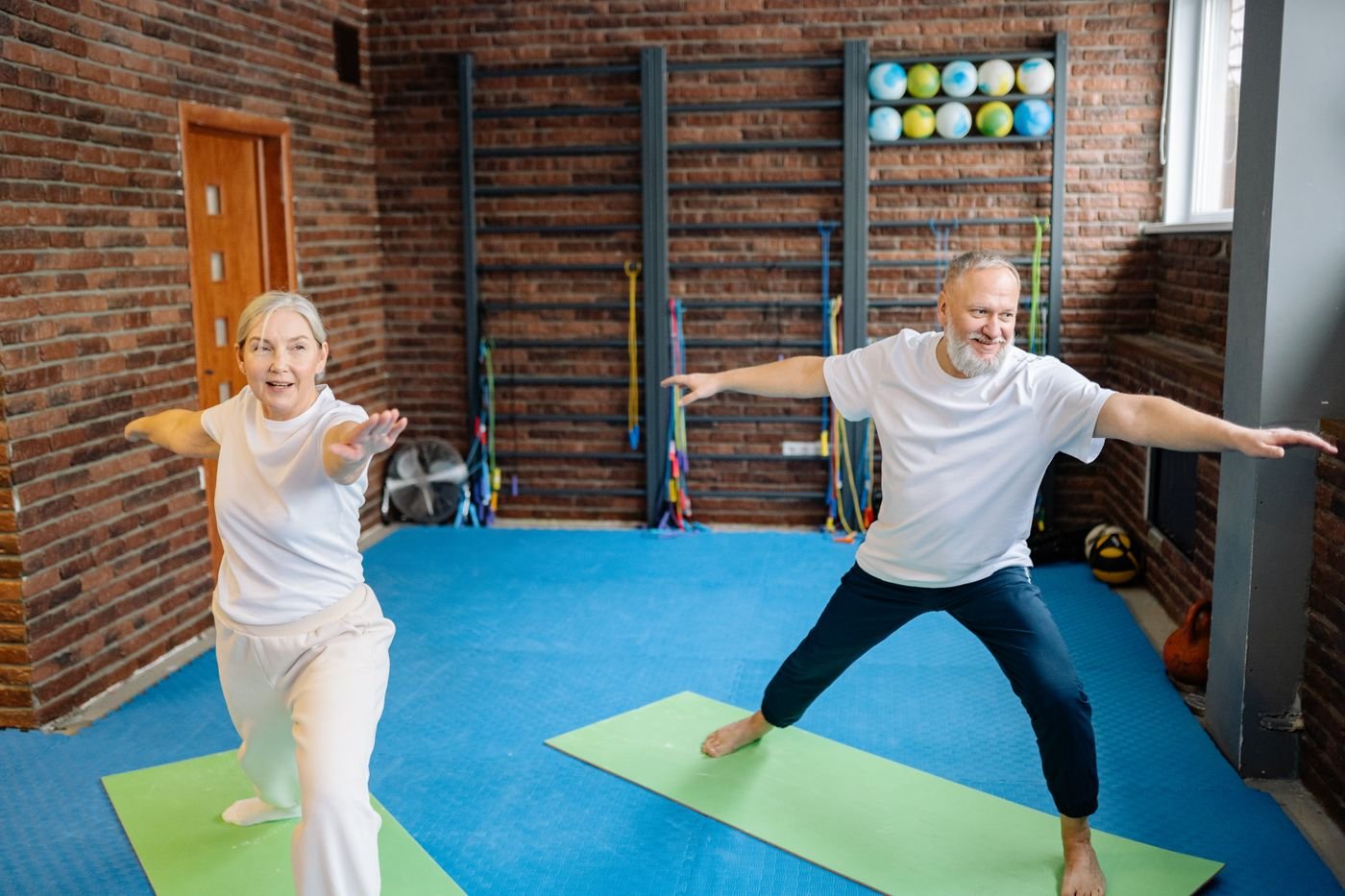
The simplicity of a ten-minute circuit is its advantage and its limitation. It covers a knee-dominant lower-body pattern, a push and a basic standing coordination drill. It does not offer much deliberate hip-hinge training, pulling strength or sustained aerobic activity. Nor does it guarantee enough resistance to continue building strength once the beginner versions become easy.
For a more balanced week, add a supported hip hinge, such as a gentle standing reach with your hips moving backward, and a pulling movement such as a band or cable row. A short walk can cover aerobic movement, while supported balance practice addresses a different physical quality. None of these additions must fit into the same ten-minute block; spreading them across the week is perfectly reasonable.
A review of functional training in community-dwelling older adults found improvements in daily activities, but it did not show that functional exercises were consistently superior to other training approaches for balance or mobility. That is a useful warning against marketing any particular three-exercise routine as uniquely protective or as a substitute for all other exercise.
Likewise, a broad 2026 resistance-training evidence review supports flexible programming that improves strength and muscle function. A workout does not need one magical rep range or a complex machine to be useful, but it should eventually provide enough challenge. For some people, bodyweight is plenty. Others will need adjustable dumbbells, cables or heavier resistance to keep progressing.
When energy or time is limited, prioritize completing the basic session rather than adding every possible movement immediately. Once consistency is established, introduce one missing movement at a time. The best progression is the one that leaves you able to recover and repeat the work.
Equipment Worth Exploring
Explore equipment, accessories and gear from our carefully selected range.


FID Bench MAX
Adjustable bench offering flat, incline, and decline positions + adjustable headrest.
VOLTRA
Compact digital cable trainer with smooth, adjustable resistance.

Go-Tone Pro
Portable digital cable trainer with up to 66 lb (30 kg) of adjustable resistance.


Squat Harness
Wearable harness for hands-free cable squats, sled work, and lower-body training.

GymPin Ergo Handles
Pair of ergonomic cable handles shaped for comfortable triceps and pulling exercises.


A four-week progression that keeps the workout manageable
Week one: On two nonconsecutive days, complete one or two rounds of chair squats, wall push-ups and supported standing knee raises. Start with six to ten repetitions of the first two movements and six to ten per side of the third. Rest whenever needed. Record whether you used the chair arms, how far you stood from the wall and whether you needed support during the knee raises.
Week two: If recovery is comfortable, work toward two rounds of eight to ten repetitions. Add a third day only if the earlier sessions leave you feeling ready. Keep the exercise versions stable so you can judge whether the same movements feel easier. A short, comfortable walk on other days can complement the strength sessions.
Week three: Move toward three rounds on two days, or keep two rounds and make one movement slightly harder. Examples include a gentler chair touch instead of a full sit, moving the feet a little farther from the wall, or holding the top of a supported knee raise for two seconds. Change one variable at a time; there is no prize for increasing everything simultaneously.
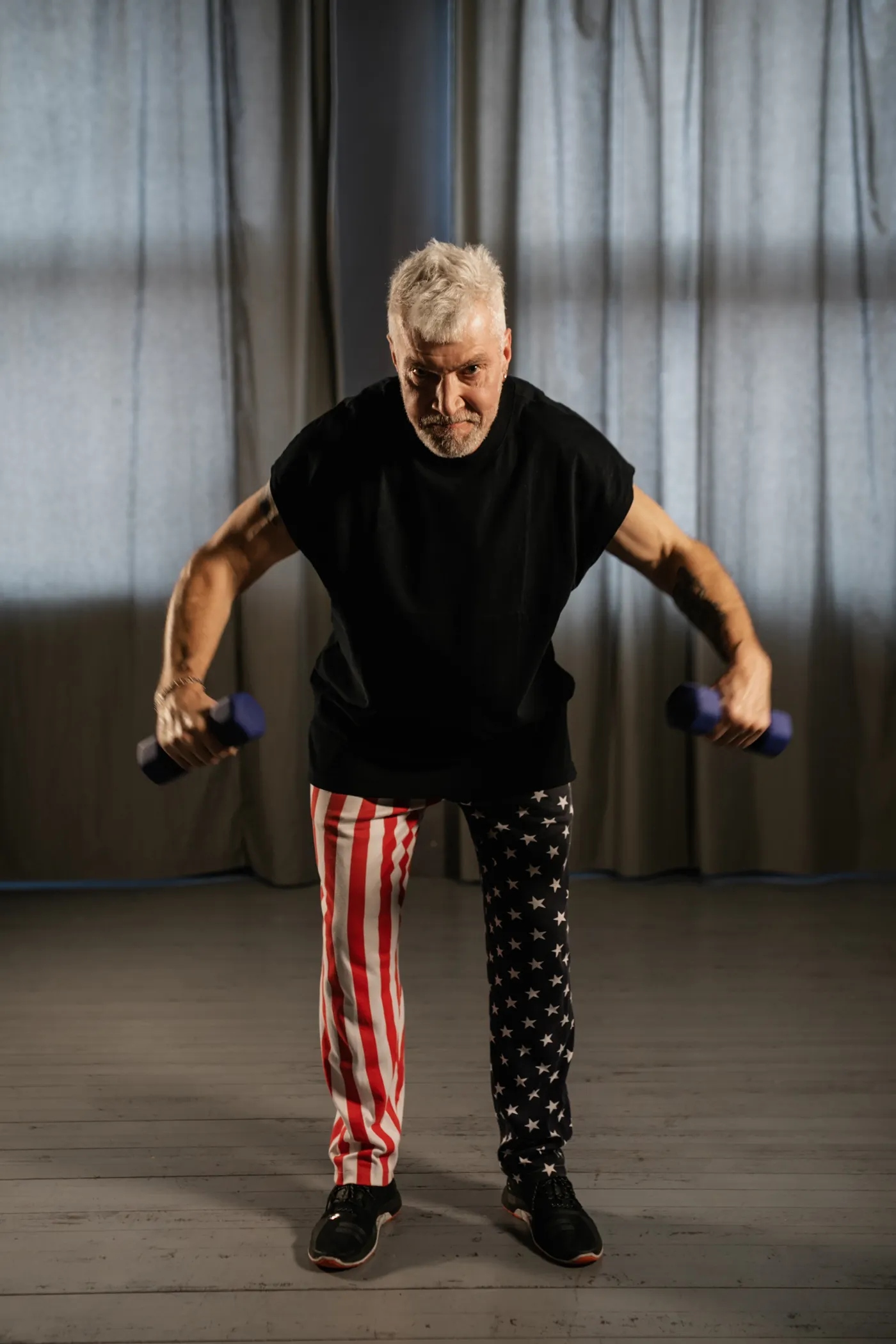
Week four: Maintain two or three sessions, then add one supported pulling or hip-hinge exercise if the routine is becoming easy. A light dumbbell row with the free hand supported on a sturdy surface is one option. A gentle hip hinge holding a countertop is another. If strength work is already challenging, stay with the current version and focus on better control.
Progress does not have to mean more repetitions forever. You can add modest resistance, use a more demanding variation or improve range of motion without pain. If a week brings illness, poor sleep or unusually high fatigue, reduce the workload. This is a flexible introductory plan, not a clinical rehabilitation protocol.
Funny Gym Shirts & Workout Gear
Funny gym shirts, tanks, hoodies and workout gear for lifters who like training hard.

Fitness Is My Therapy – Lifting Bodybuilding Powerlifti T-Shirt
Rep “Fitness Is My Therapy” humor in and out of the gym.

Home Is Where The Gym Is Tee
Heavy lifts, good laughs, and a little “Home Is Where The Gym Is Funny Home” energy.

Home Gym Built Not Bought Crewneck Pullover Sweater for T-Shirt
Bring “Home Gym Built Not Bought” humor to your everyday gym style.

Funny Home Gym Gym Crewneck Pullover Sweater for Garage T-Shirt
For laid-back days and lifting humor: “Funny Home Gym Gym Sweatshirt Crewneck”.

Home Gym Nerd Hooded Pullover for Garage Gym Lifters Wo Hoodie
Make your off-duty look more fun with “Home Gym Nerd”.


Funny Home Gym Gym Muscle Shirt Athletic Vest for Garag Tank Top
Add some lifting attitude to training with “Funny Home Gym Gym Tank Top Muscle Shirt”.

Basement Gym Club Muscle Shirt Athletic Vest for Baseme Tank Top
Add some lifting attitude to training with “Basement Gym Club”.

No Cars Allowed In My Garage Gym Muscle Shirt Vest for Tank Top
Train hard, laugh a little, and rep “No Cars Allowed In My Garage”.

Basement Gym Club Decal for Water Bottles Laptops Garag Sticker
Put “Basement Gym Club” gym humor on your laptop, bottle, or gym gear.
How to make short sessions safe, useful and sustainable
Begin each workout with a minute or two of easy marching, comfortable shoulder movement and a few practice repetitions. Clear the floor, wear stable footwear if needed and place a solid support within reach. Use a chair that does not roll, tip or slide. If you take medications that affect balance, have recent falls, or live with heart, joint or neurological conditions, seek individualized advice before adding challenging exercise.
Monitor effort rather than treating ten minutes as a strict speed target. A useful beginner session may take longer because transitions and breathing breaks are necessary. If you can speak in short sentences and maintain control, the pace is probably more appropriate than a rushed circuit that makes you dizzy. Stop for chest discomfort, faintness, unusual shortness of breath or sharp pain.
Do not judge success by soreness. The most useful signs are steadier chair rises, more controlled wall push-ups, improved confidence in supported movements and the ability to train regularly. If you want to measure progress, count clean repetitions at the same chair height and wall distance every couple of weeks. Avoid turning the test into an exhausting competition.
Remember that ten minutes of strength practice is only one piece of healthy aging. Walking, balance practice, sufficient food and recovery, and appropriate medical care all contribute. The aim is not to prove that every older adult needs the same three exercises. It is to make starting easy and progressing sensible.
The takeaway: Chair squats, wall push-ups and standing knee raises form a practical, low-equipment introduction to movement after 60. Start at the level you can control, repeat consistently, and gradually fill the gaps with pulling, hinging and balance work. A small workout becomes valuable when it grows with the person doing it.