Skull crushers are an accessory, not a strength contest
The skull crusher sounds more dangerous than it needs to be. In practice it is a lying triceps extension: hold a dumbbell, EZ bar or cable handle over the upper body, bend the elbows to lower the resistance, then straighten them under control. For lifters who already bench press and overhead press, the movement provides direct elbow-extension work without another heavy compound lift. It can be performed in a compact gym with an adjustable bench and a single pair of dumbbells.
The triceps has three heads, all involved in straightening the elbow. Its long head also crosses the shoulder, so shoulder position changes the length at which that portion works. Presses involve the triceps alongside the chest and shoulders, while a lying extension shifts more of the exercise toward elbow extension. That makes skull crushers a useful complement to pressing, not a replacement for it.
No single triceps exercise is mandatory. A comfortable cable pushdown, overhead extension or close-grip press can all have a place depending on the lifter and equipment. The value of skull crushers is that they are easy to repeat and measure. Start with a few high-quality sets, track performance over weeks and add more only if recovery allows.
The exercise name should never dictate the bar path. Lower the weight behind the head or along a controlled path that clears the face. Use a resistance you could stop at any point, particularly when training alone. The target is muscular tension and progressive practice, not proving how much weight can be lowered toward your forehead.
A safer setup starts with the bench, wrists and bar path
Lie on a stable flat bench with feet planted and the upper back supported. Begin with light dumbbells or an unloaded EZ bar. Bring the hands above the upper chest, then angle the upper arms slightly back toward the head. This creates room for the resistance to descend behind the crown rather than directly toward the face. Keep the trunk braced without turning the movement into a dramatic back arch.
Slowly bend the elbows and let the forearms travel while the upper arms remain approximately stable. Some natural shoulder movement is fine, but excessive swinging turns a focused extension into a pullover. Stop where you can maintain control and a comfortable range, then extend the elbows without bouncing or jerking. Avoid locking into a forced elbow position that causes discomfort.
Try two sets of 10 to 12 repetitions with about three repetitions left in reserve. Rest 90 to 150 seconds between sets. A neutral dumbbell grip often lets each arm follow its own comfortable path. With an EZ bar, choose the angled grip that keeps the wrists relatively straight. Neither variation is inherently safer for everyone; comfort and control determine the choice.
Do a side-view video check. Does the bar clear the head? Do the wrists stay steady? Does the final repetition use the same range as the first? Can you lower the weight without assistance or panic? If any answer is no, reduce the load and practice again. A consistent setup is more valuable than an impressive but unrepeatable weight.
If you cannot safely get heavy dumbbells into or out of position, do not force the exercise. Use lighter weights, a cable station or a different triceps movement. The setup and exit are part of technique, especially in a home gym without a spotter.

Equipment Worth Exploring
Explore equipment, accessories and gear from our carefully selected range.

FID Bench MAX
Adjustable bench offering flat, incline, and decline positions + adjustable headrest.




VOLTRA
Compact digital cable trainer with smooth, adjustable resistance.
Dumbbell, EZ-bar and cable skull crushers are not interchangeable
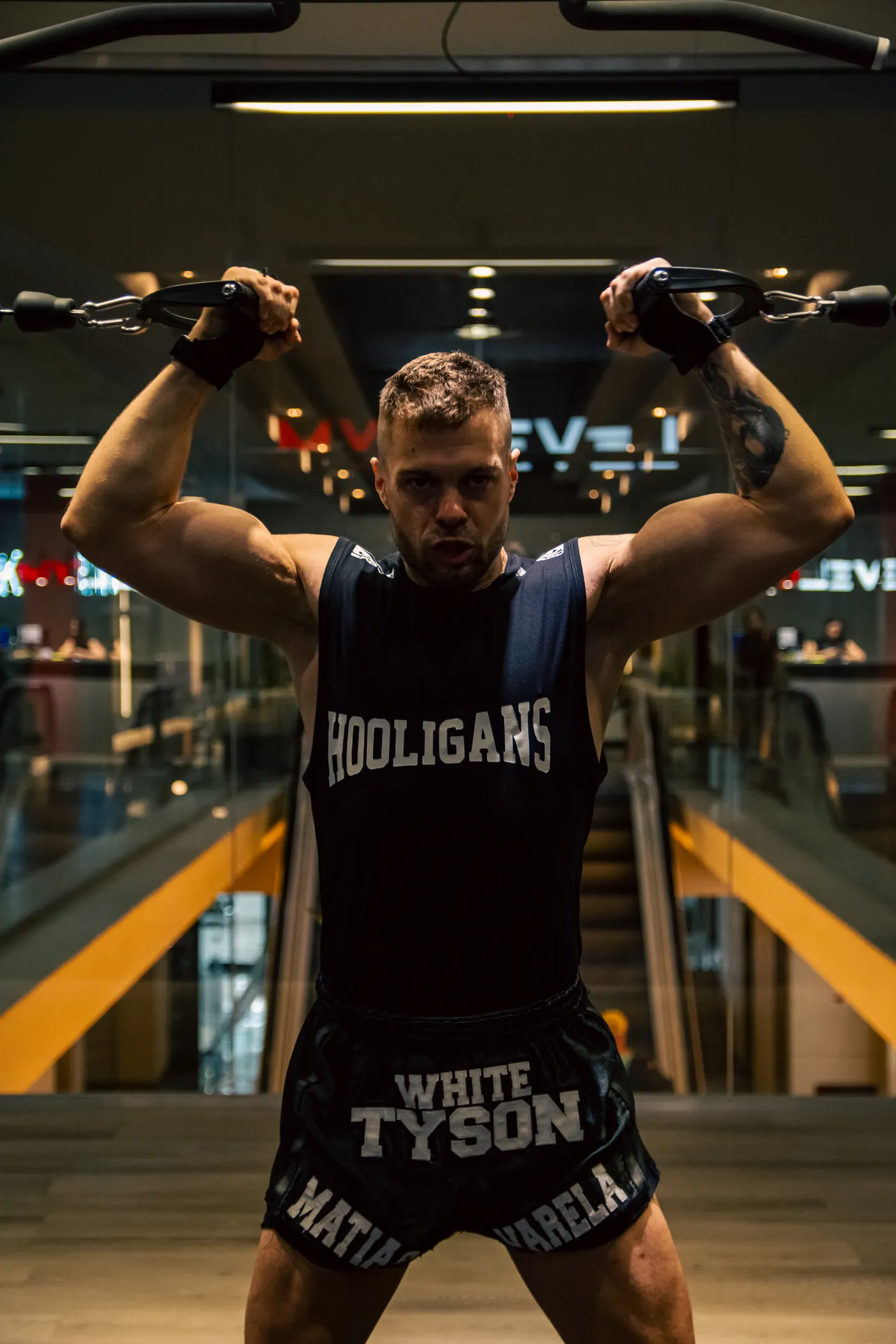
Dumbbells allow independent arm paths and a neutral grip. They are convenient for beginners and compact spaces, particularly when adjustable pairs provide small loading increments. Their disadvantage is stability and setup at heavier weights. Keep both bells moving under control rather than letting one arm drift or compensate for the other.
An EZ bar can make the exercise feel steadier and lets both arms share a single load. Its angled grips may reduce wrist discomfort for some lifters, but the fixed hand spacing may not suit every elbow. A straight bar is not required. When fatigue rises, avoid converting the final repetitions into close-grip presses by dropping the elbows and pushing from the shoulders.
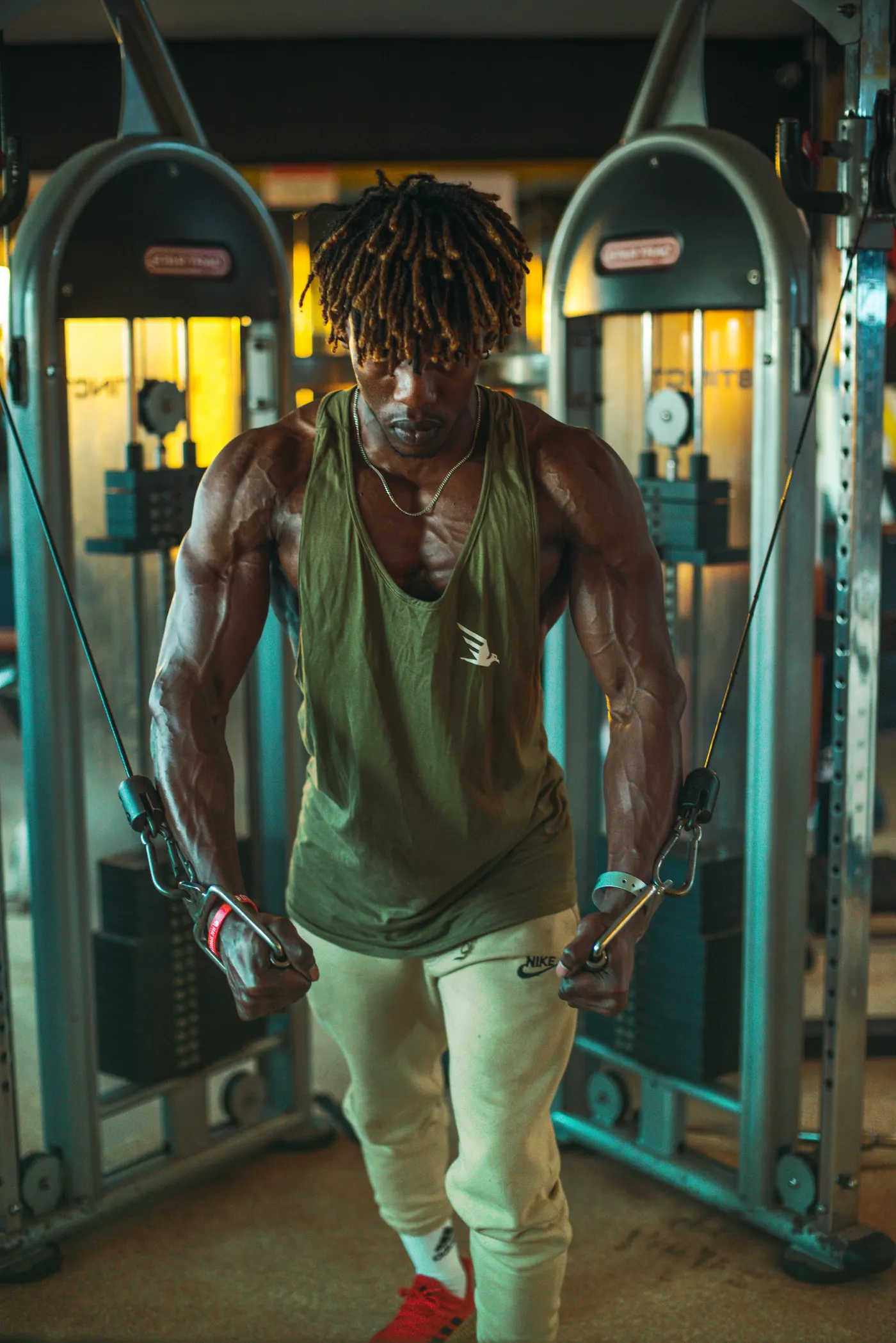
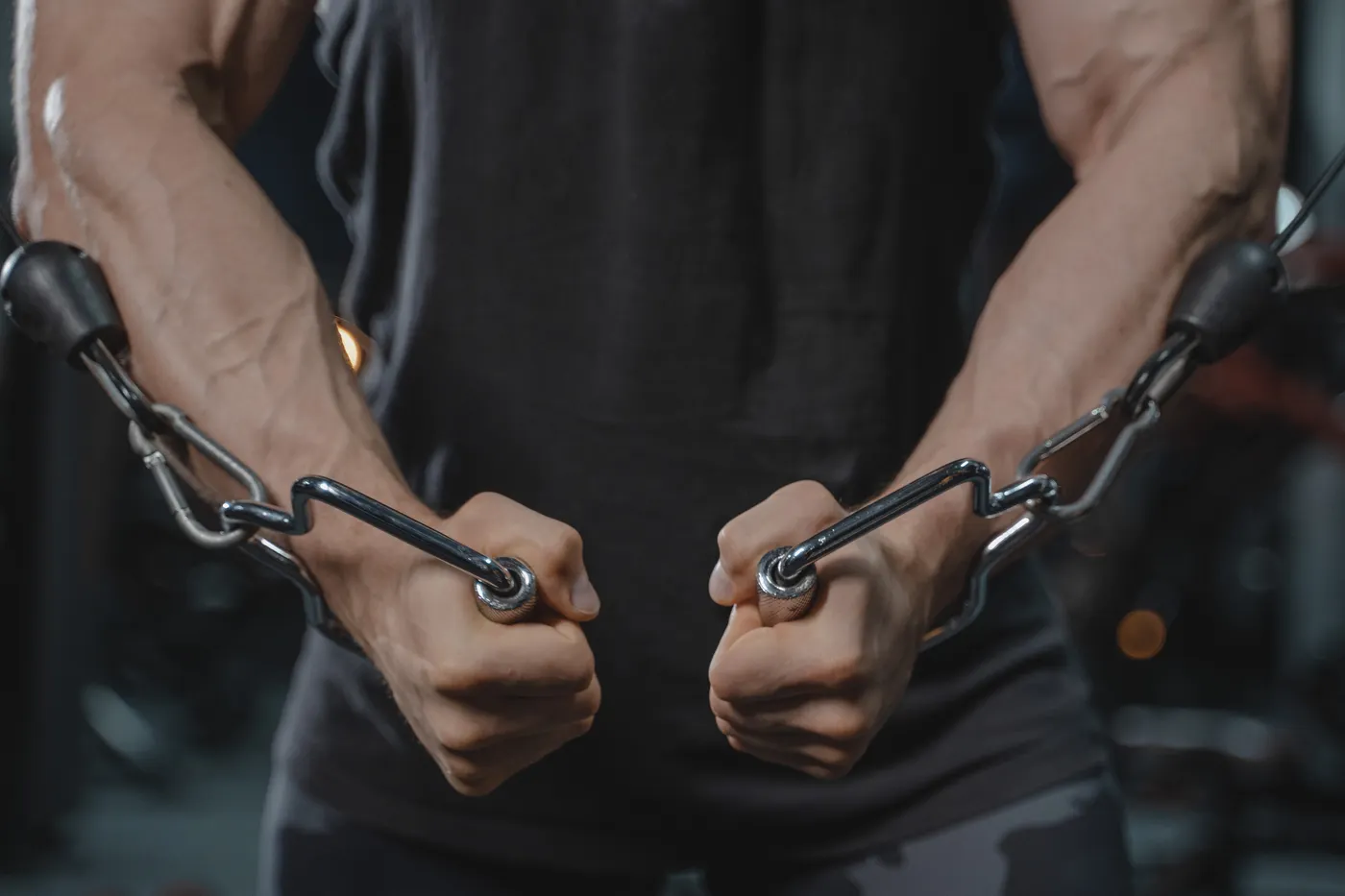
A cable version uses a low pulley behind the bench, with a rope or two independent handles. Check that the cable clears the bench and head throughout the entire range, and test the line of pull with very light resistance. Cable tension changes across the movement differently from free weights. That can feel smoother, but it does not remove the need to manage elbow loading.
Standing overhead cable extensions are another option when lying versions feel awkward. The shoulder is more elevated, so the long head operates at a different length. This can be productive, but an extreme overhead stretch is not a prerequisite for growth. Use the position you can train through comfortably and consistently.
Keep each variation in its own training log. Ten repetitions with one cable angle do not equal ten with a dumbbell, even if the displayed weight is similar. Equipment friction, lever arms, attachment length and body position all change the actual challenge. Compare progress within the same exercise setup.
What the overhead triceps study does and does not show
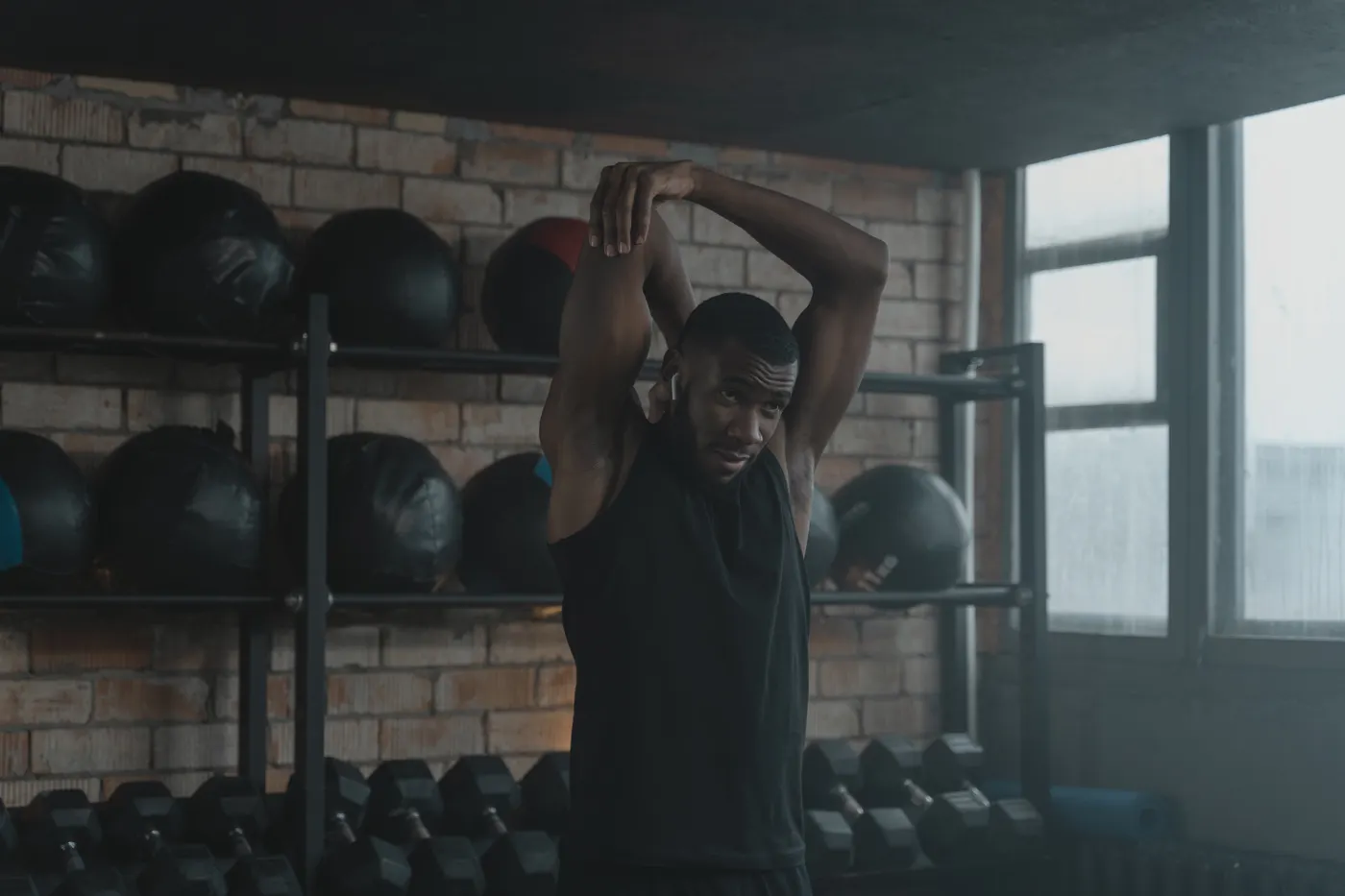
In a controlled 12-week trial, 21 young adults trained one arm with overhead cable extensions and the other with the upper arm near the side. Both conditions increased triceps size. MRI measurements showed approximately 19.9% growth in whole-triceps volume for the overhead condition versus 13.9% for the neutral-arm condition, even though the overhead condition used lower absolute loads.
That result is relevant because the triceps long head crosses the shoulder and is lengthened when the arm is raised. It supports considering a long-length elbow-extension exercise in a hypertrophy program. However, the trial was conducted with specific cable movements in previously untrained adults. It did not directly compare lying skull crushers, every possible cable attachment, or different exercise orders.
Research reviews of training at longer muscle lengths suggest possible benefits in some contexts, but the overall evidence is mixed. A regional-hypertrophy meta-analysis reported generally small differences across measurement sites. The practical lesson is not to chase the deepest stretch at any cost; it is to choose a movement that challenges the triceps over a comfortable, repeatable range.
If overhead work bothers the shoulder, a lying dumbbell extension or pushdown can still provide meaningful training. If overhead work feels good, it may be useful as one of two weekly triceps exercises. Muscle size changes reflect repeated training, adequate recovery and progressive effort over months, not a single perfect elbow angle.
Do not confuse greater muscle activation in one position with guaranteed long-term growth. Short-term sensation, soreness and a dramatic pump are not substitutes for controlled training studies or a consistent record of progress.

Funny Gym Shirts & Workout Gear
Funny gym shirts, tanks, hoodies and workout gear for lifters who like training hard.


Every Day Is Arm Day
Make gym days more fun with “Every Day is Arm Day Octopus Gym Meme” style.

Girls Just Wanna Have Guns Shirt Huge Arms & Gains T-Shirt
Show some lifting attitude with a playful “Girls Just Wanna Have Guns” tee.

Muscle Mommy Lifting Club for Gym Girls, Lifting, Fitne Tank Top
Show some personality between sets with “Muscle Mommy Lifting Club”.


Four Plates Bench Club Tee
Show some powerlifting attitude with a playful “4 Plates Bench Club” tee.


Manage elbow discomfort before adding volume
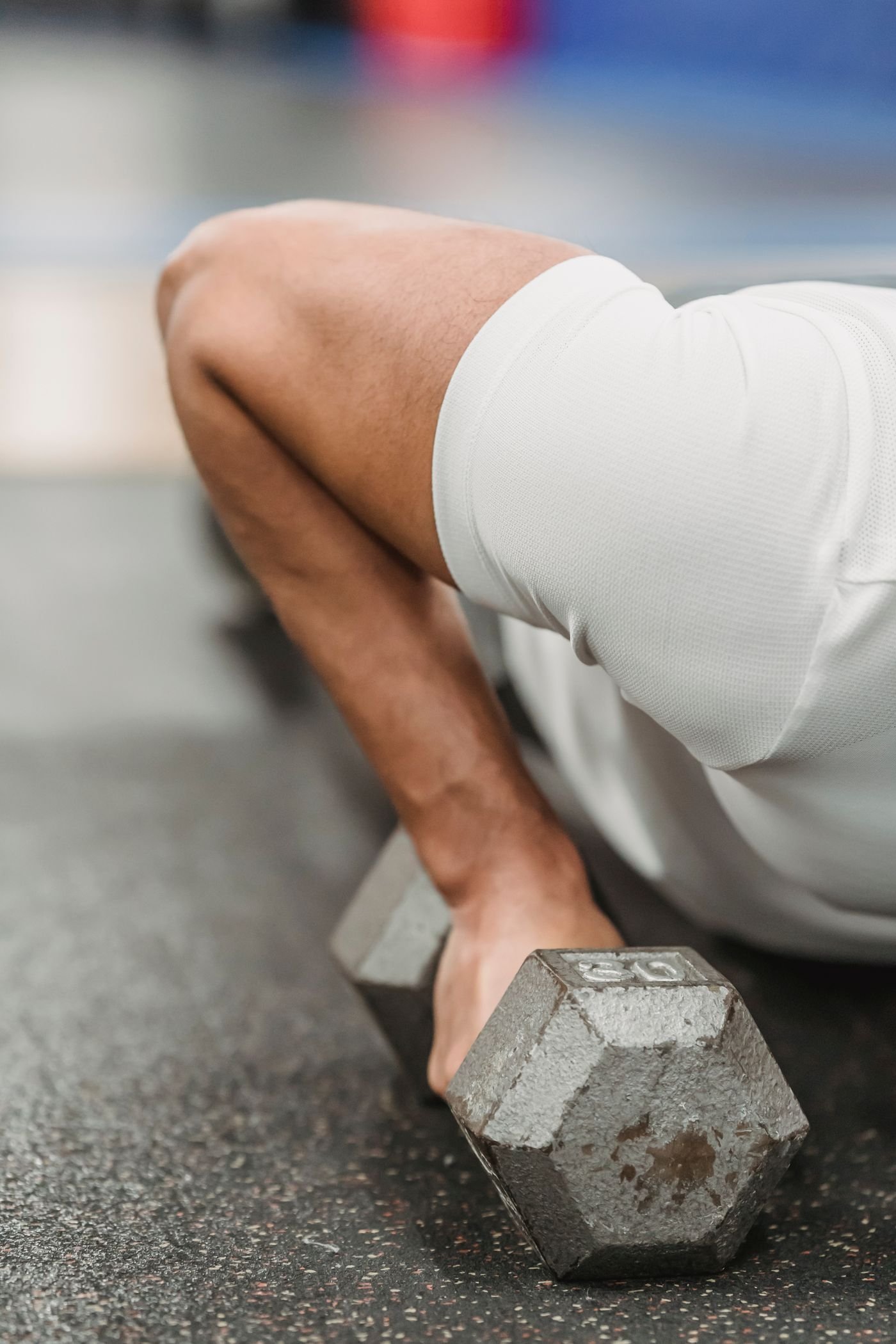
Skull crushers can become irritating when a lifter adds too much direct elbow-extension work on top of heavy pressing. Abrupt load increases, grinding repetitions, uncomfortable fixed grips and a range that forces the elbow into pain can all reduce the usefulness of the exercise. Sharp pain is not a training goal, and pushing through it does not prove the triceps is working harder.
First reduce the resistance. Then experiment with a neutral dumbbell grip, a rope attachment or a slightly shorter range that remains comfortable. Warm up with light extensions before the working sets. Keep the upper arms steady without forcing the elbows into a rigid, unnatural tuck. These are practical adjustments, not guarantees or medical treatment.
If lying extensions repeatedly cause symptoms, substitute a tolerated pushdown or overhead cable movement for a few weeks. Review the whole program: heavy dips, close-grip presses, overhead pressing and direct triceps isolation all contribute to workload. Changing the attachment is unlikely to solve an abrupt jump in total weekly training stress.
Persistent or worsening pain, swelling, numbness, reduced function or symptoms after an acute injury should be evaluated by a qualified clinician. This article cannot diagnose elbow conditions or prescribe rehabilitation. For a healthy lifter, the immediate decision is simpler: choose a movement that can be repeated without escalating discomfort.
Finish sets before technique becomes unrecognizable. If the shoulders start swinging, the wrists collapse or the load drifts toward the face, the useful set is over. A slightly lighter weight that allows another month of productive training is more valuable than one forced personal record.
Two upper-body sessions for a compact home gym
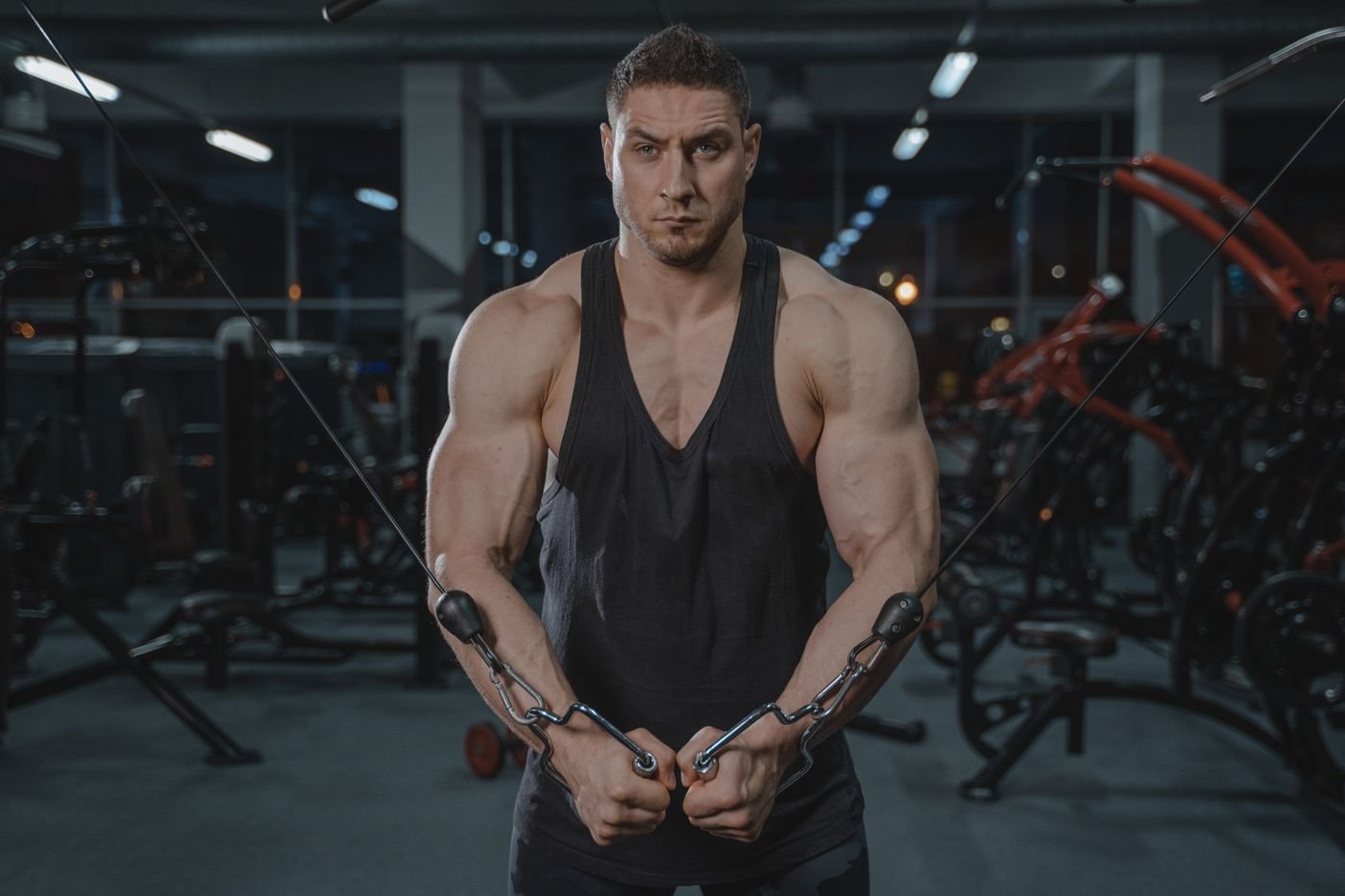
A practical starting point is four to six direct triceps sets per week alongside normal pressing. More may be useful for experienced lifters, but there is no reason to add a dozen sets immediately. Monitor elbow comfort, pressing performance and recovery before increasing the workload. The following two-day example assumes other lower-body training is scheduled separately.
Upper-body day A: perform a bench press or dumbbell press for three sets of six to ten repetitions, a chest-supported row for three sets of eight to twelve, lying skull crushers for two sets of ten to fifteen, and lateral raises for two sets of twelve to twenty. Rest two to three minutes after the compound lifts and about 90 seconds after the isolation work. Keep one or two repetitions in reserve on most sets.
Upper-body day B: perform an incline dumbbell press for three sets of eight to twelve, a pulldown or pull-up for three sets of six to twelve, an overhead cable triceps extension or pushdown for two sets of ten to fifteen, and rear-delt raises for two sets of twelve to twenty. Space the sessions by at least a day when possible. Avoid scheduling maximal pressing tests immediately after unusually hard triceps work.
The whole accessory block fits into a small room with a bench, adjustable dumbbells and one cable station. A rope, two simple handles and an EZ bar offer useful alternatives, but none is essential. A cable station can also serve rows and pulldowns, helping a compact setup cover both upper-body days.
If you use full-body sessions instead, place one direct triceps movement near the end of two separate workouts. Compare skull crushers against prior skull crushers, not against pushdowns with a different pulley and resistance curve. A stable technique and consistent proximity to failure make progress easier to interpret.
Equipment Worth Exploring
Explore equipment, accessories and gear from our carefully selected range.

Go-Tone Pro
Portable digital cable trainer with up to 66 lb (30 kg) of adjustable resistance.

Long Tricep ERGO Ropes
Extended triceps ropes with ergonomic grips for cable pressdowns and overhead extensions.

GymPin Ergo Handles
Pair of ergonomic cable handles shaped for comfortable triceps and pulling exercises.
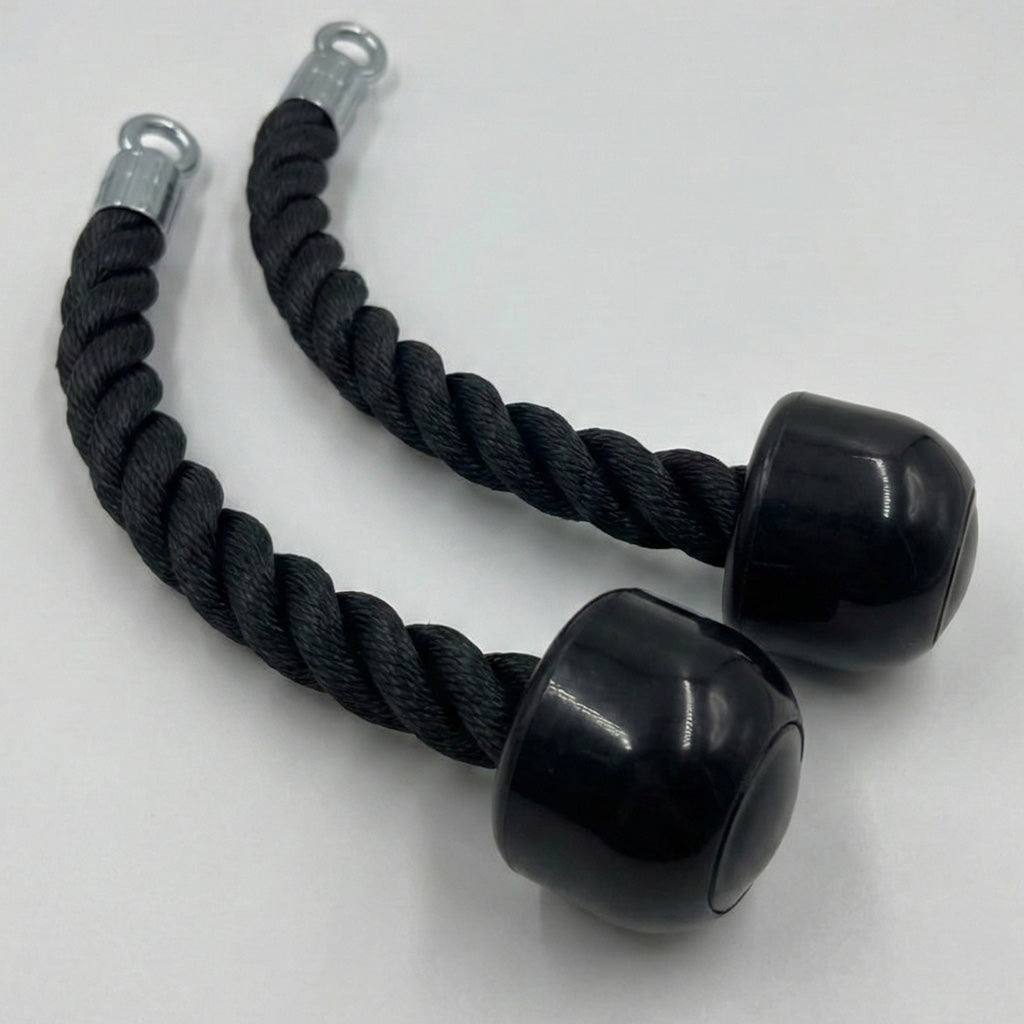
Individual Tricep Ropes
Pair of individual cable ropes for triceps pressdowns and cable hammer curls.
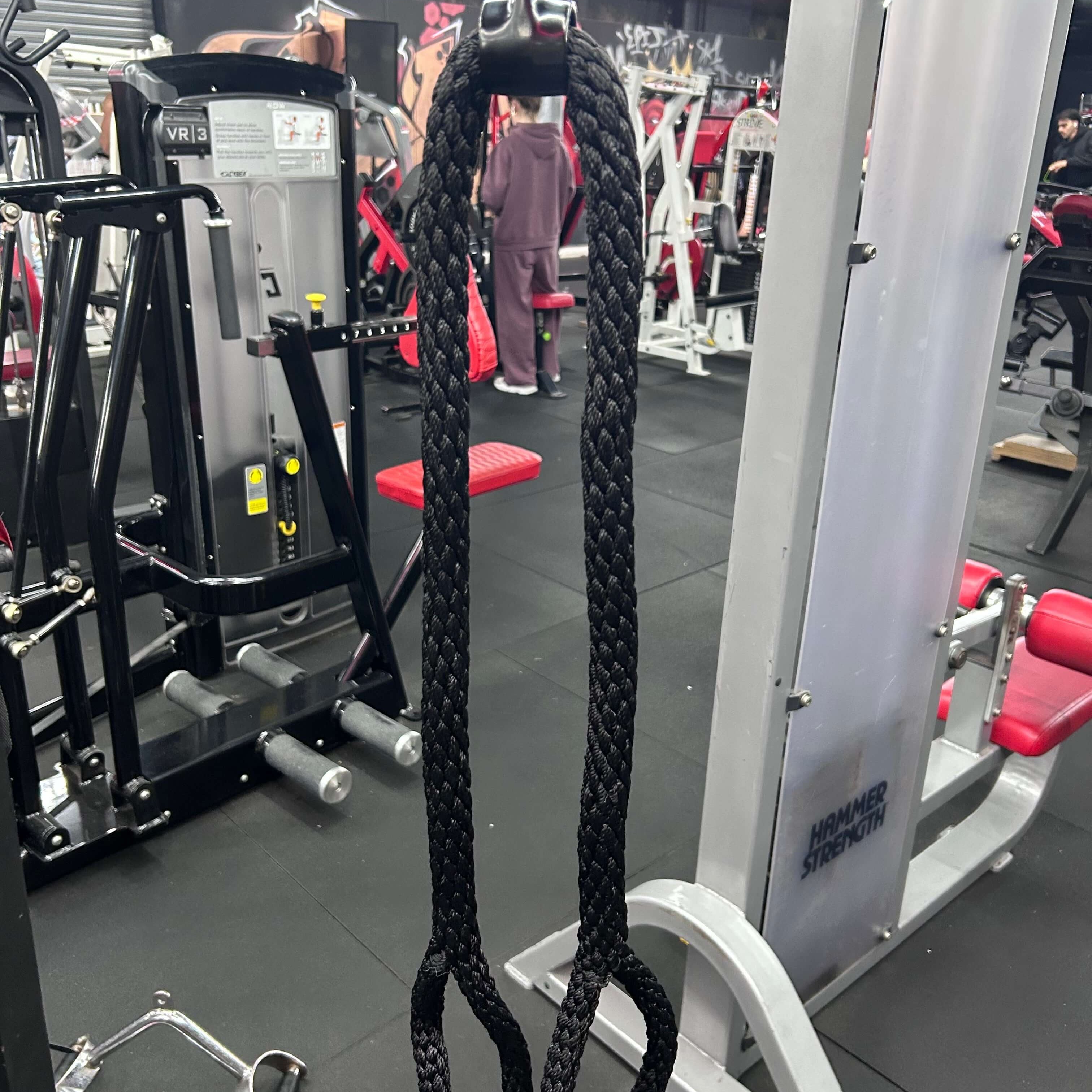
Super Long Tricep Rope
Extra-long looped cable rope for triceps pressdowns and overhead extensions.
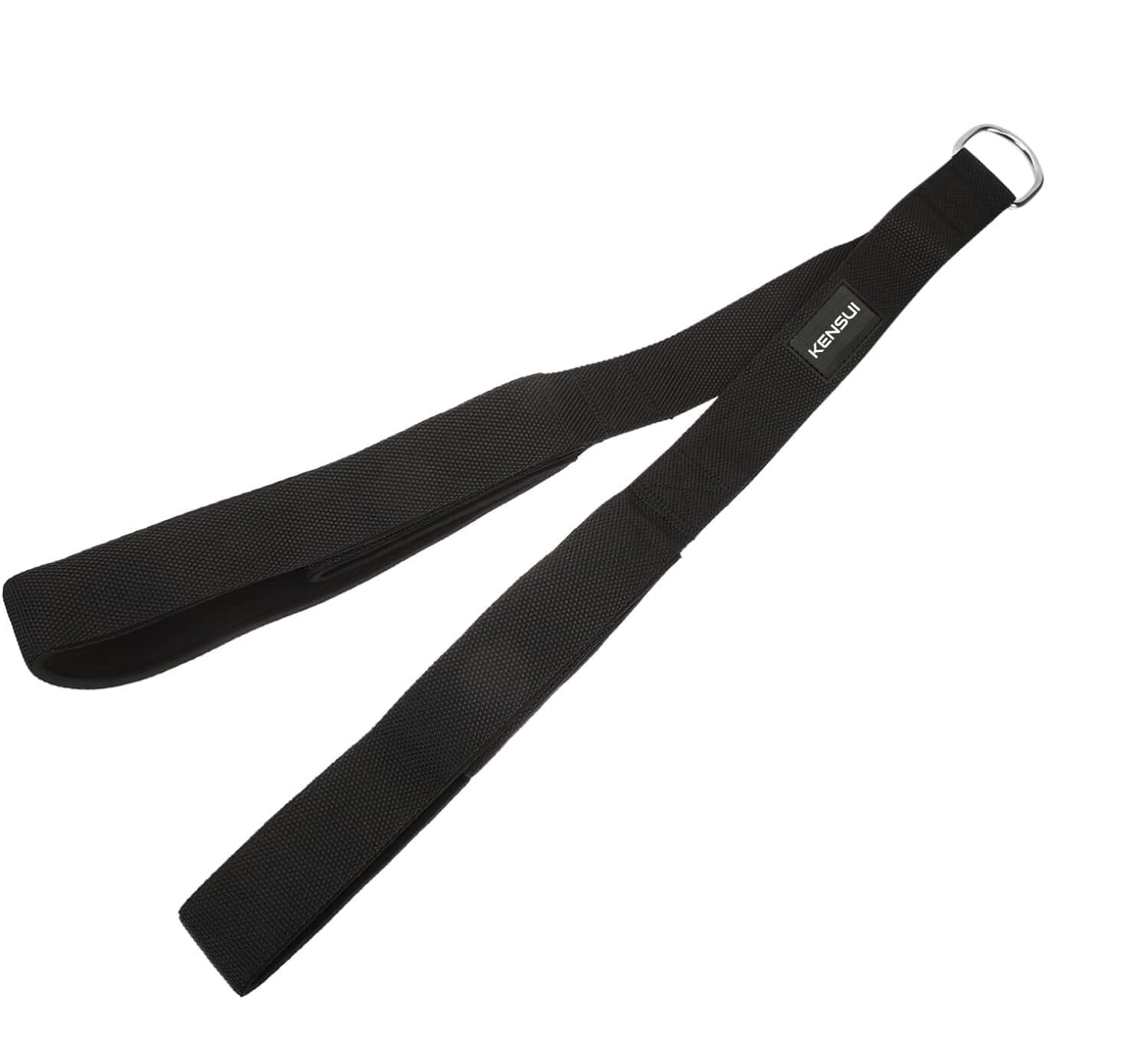
Multi-Length Tricep Strap
Adjustable-length cable strap for triceps, biceps and upper-body cable exercises.
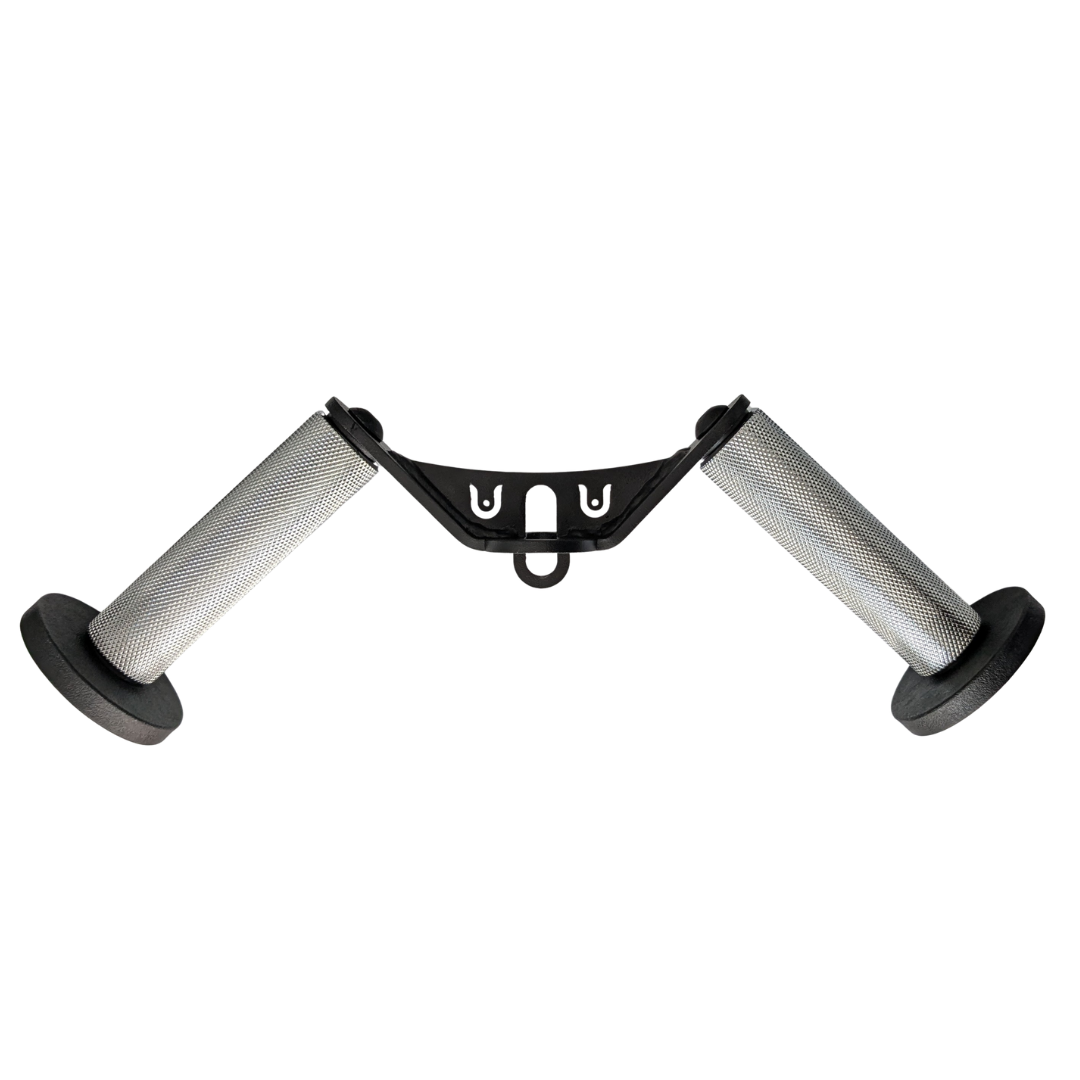
W Grip
Angled cable grip for comfortable rows, pushdowns, and curls.

GymPin D Cuffs
Adjustable wrist cuffs with textured grips for supported cable-machine exercises.
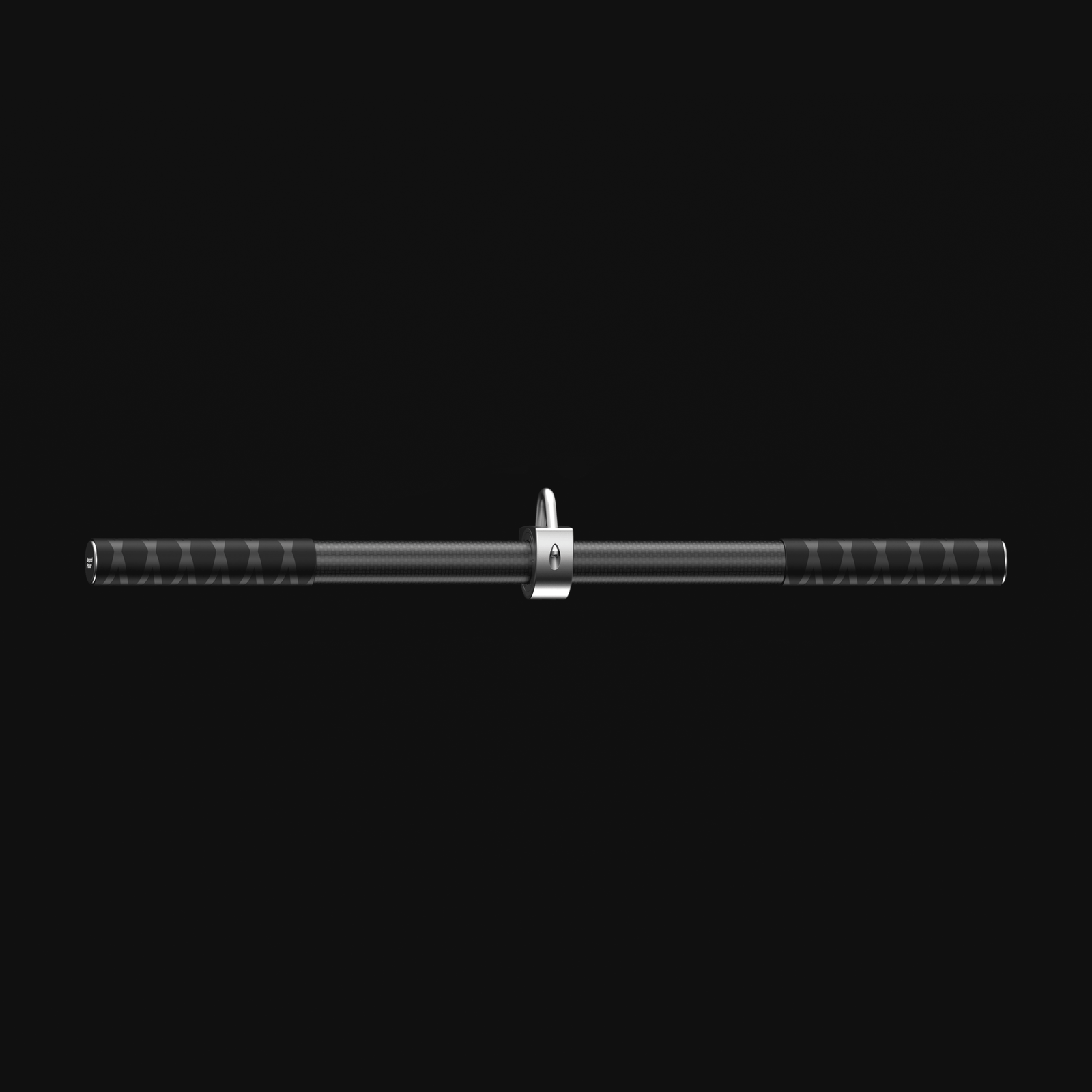
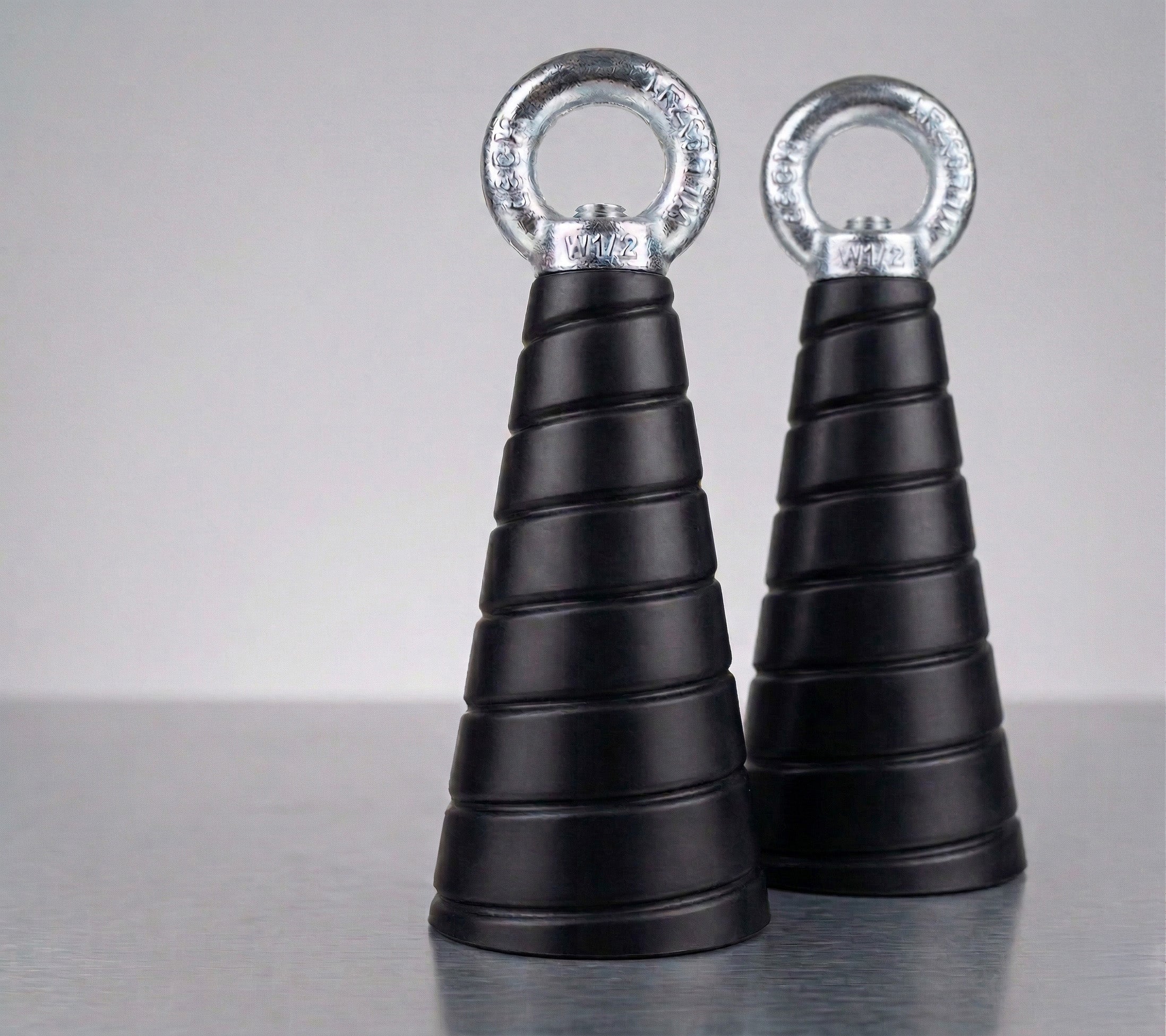
Tapered Tricep Cone
Tapered rubber cable grip for triceps extensions, face pulls and hammer curls.
A four-week progression based on clean repetitions
Week one is the baseline. Choose one lying-extension variation and complete two sets of 10 to 12 repetitions twice in the week, leaving roughly three repetitions in reserve. Record load, grip, bench angle, bottom position and any elbow or shoulder discomfort. If the setup feels unstable, use less resistance before considering more repetitions.
In week two, keep the load unchanged and aim for one extra clean repetition per set while staying in a 10-to-15-repetition range. Do not change the attachment, bench angle and load together. A rep counts only if the elbows and upper arms follow the intended path without a sudden shoulder swing.
In week three, increase the load by the smallest practical increment only after reaching the top of the repetition range with controlled technique and no unusual discomfort. Return toward the lower end of the range and build again. If the current weight is still challenging, there is nothing wrong with repeating it for another week.
Week four is an audit rather than an automatic escalation. Compare the first and fourth weeks at the same setup. Are there more clean repetitions or slightly more resistance? Is the elbow comfortable the next day? Is pressing performance stable? If yes, continue the progression. If fatigue is accumulating, reduce one accessory set or take an easier week.
Arm measurements and photographs may help over months but are noisy across four weeks. The early signals are adherence, steady technique, tolerable joints and gradual performance gains. Skull crushers are one tool for stronger triceps. A repeatable training plan matters more than a dramatic exercise name.
Bodybuilding Shirts & Workout Gear
Bodybuilding shirts, tanks and gym gear for lifters chasing muscle, size, symmetry and the pump.


Chest Day Sweater Bench Press & Meme T-Shirt
Add a playful “Chest Day” touch to your casual rotation.

Bench Press and Chill Funny Gym T
Make gym days more fun with “Bench Press and Chill” style.

Gym Sir Swole of Benchalot Medieval Knight Bench Press Sticker
Give your everyday gear a playful “Sir Swole of Benchalot Medieval Knight” twist.

Dost Thou Even Curl Tank
Bring “Dost Thou Even Curl Medieval Knight Bicep” humor to your next lifting session.


Welcome to the Gun Show for Big Biceps Lifters | Rock W T-Shirt
For laid-back days and metalhead humor: “Welcome to the Gun Show”.

I Love Bench Press | Heart Weight Plate Hooded For Ches Hoodie
Keep it laid-back with a little “I Love Bench Press” attitude.