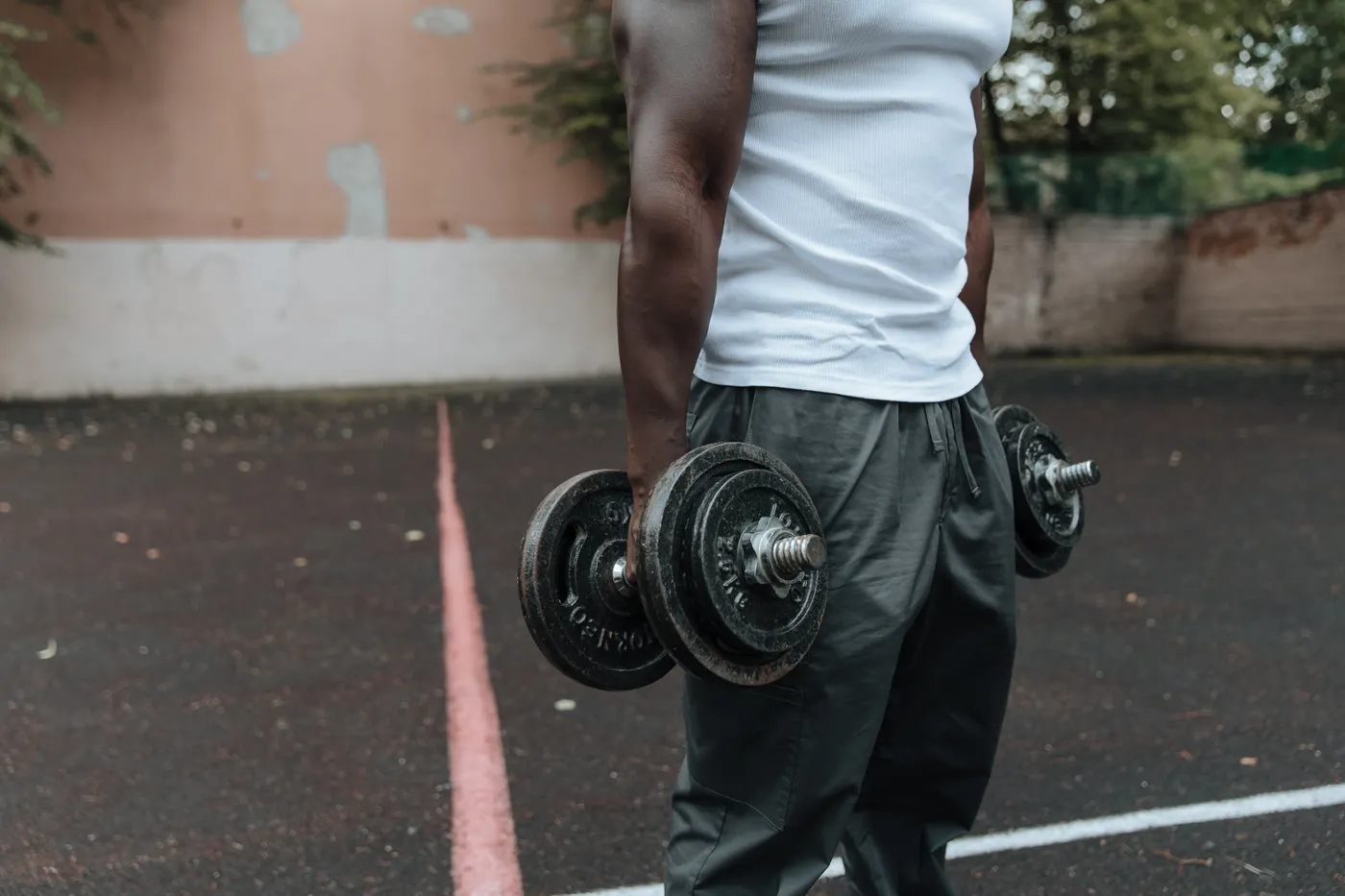
A deadlift asks you to lift a heavy object and finish standing. A farmer’s walk asks you to pick up a heavy object, stay standing and travel with it. Those sound similar until the first few steps expose your grip, breathing, balance and ability to keep your torso organized. A biomechanical experiment involving six experienced strongman athletes provides a useful comparison, but it is important to separate the forces measured in a laboratory from the training results you might eventually achieve.
1. What the six-strongman comparison actually measured
Six experienced male strongman competitors performed a farmer’s lift and walk and a conventional deadlift under controlled testing conditions. The load used in the comparison was tied to 70% of each athlete’s one-repetition-maximum deadlift. Researchers analyzed the initial lift and the subsequent loaded walking phase, including joint positions, ground reaction forces and stride mechanics. This was a biomechanical snapshot, not a multiweek training intervention.
The farmer’s lift began with handles at the athlete’s sides rather than a bar positioned in front of the shins. At comparable test loads, the farmer’s lift involved a more upright trunk and different knee and ankle angles. Mean vertical and forward-directed forces were greater in the farmer’s lift during the measured phase. When the athletes walked with the implements, they generally took quicker, shorter steps than during unloaded walking and produced higher peak forces.
Those observations describe how skilled competitors moved in a particular test. They do not show that farmer’s walks cause more hypertrophy than deadlifts, that the lower back is automatically safer, or that 70% of a deadlift maximum is an appropriate farmer’s-walk prescription for beginners. Six highly trained men cannot represent every lifter, and a single session cannot establish injury rates or long-term strength gains.
The practical takeaway is specificity: picking a load up, resisting sway and carrying it are related but distinct tasks. You can use both in a program because each demands something the other does not fully reproduce.
2. Why the pick-up feels different from a barbell deadlift
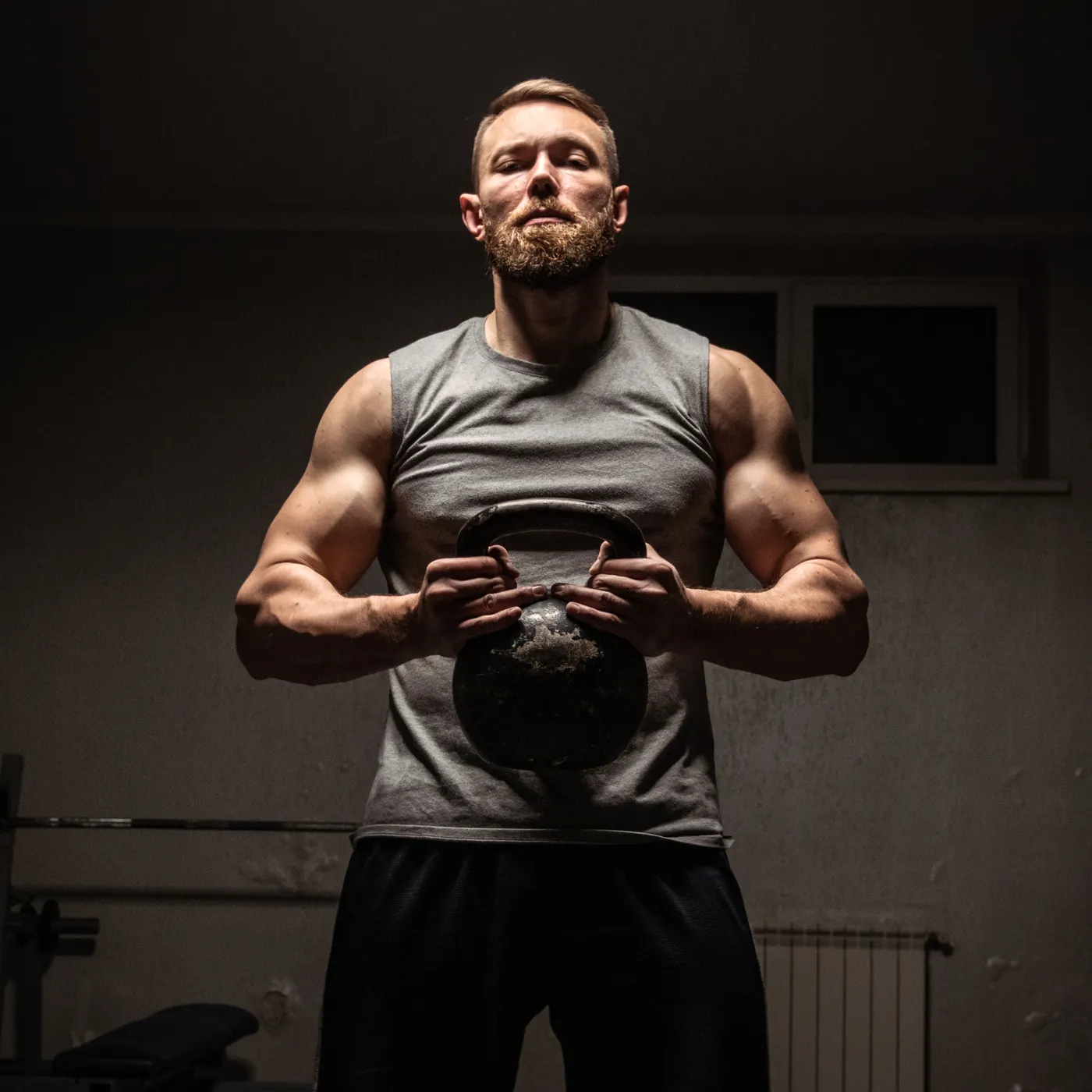
With a conventional barbell deadlift, the bar starts in front of the body and has to travel close to the legs. The athlete coordinates ankle, knee and hip extension while controlling the bar’s position relative to the midfoot. The grip secures the bar, but the task ends when the athlete reaches a stable lockout. A farmer’s implement, by contrast, is typically gripped beside the thighs, and the load may sit closer to the body’s side-to-side centerline.
That different geometry helps explain the more upright trunk reported during the farmer’s lift. It does not make the movement effortless or remove spinal loading. Heavy carries still impose substantial compression and demand coordinated trunk stiffness. A short, nearly vertical torso is not a guarantee of a harmless exercise, just as a forward-leaning deadlift is not automatically dangerous.
Start a carry by approaching the handles with feet stable and room to stand. Brace, drive through the floor, and rise without yanking the load off balance. Once upright, settle the shoulders, maintain a comfortable neck position and begin walking only after the load stops swinging. If the implement forces an awkward reach or twist, lower the weight and reset the setup.
For a useful comparison, keep the deadlift as your primary heavy hinge when maximal barbell strength is the goal. Use carries to practice holding and transporting load after the initial lift. A trap bar can bridge the two patterns, but its handle height, frame and balance are not identical to dedicated farmer’s handles.

Equipment Worth Exploring
Explore equipment, accessories and gear from our carefully selected range.


Leather Wrist Grips
Padded leather lifting grips help support the hands and wrists on heavy pulling exercises.


Leather Lifting Straps
Padded leather straps support grip during heavy rows, deadlifts and pulling exercises.
3. The walking phase: shorter steps, more demand
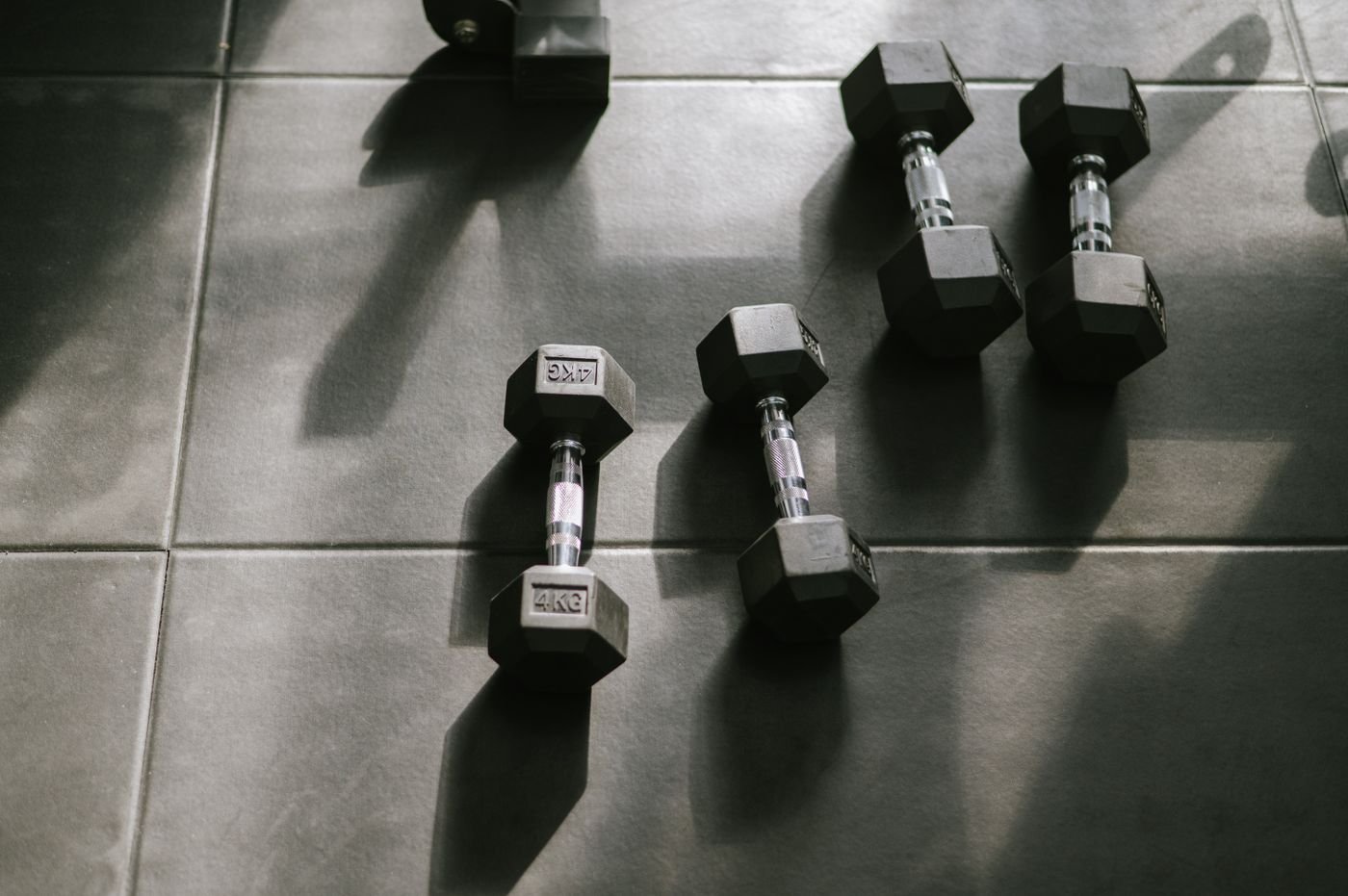
The distinctive part of the farmer’s walk happens after lockout. Every step shifts body weight onto one leg while the hands continue supporting external load. The trunk must resist unwanted side-bending and rotation, the hips stabilize the pelvis, and the feet repeatedly absorb and redirect force. The original experiment found a different stride pattern from unloaded walking, with shorter steps and a higher step rate.
Do not interpret that as an instruction to sprint with heavy dumbbells. The athletes were experienced strongman competitors, and faster movement under heavy load requires coordination that ordinary gym-goers may not possess. For general strength and conditioning, smooth controlled steps are a sensible starting point. Accelerate only when the load remains quiet, the path is clear and your posture is consistent.
Set up a short unobstructed lane, such as 10–20 meters, or use a measured duration when distance is inconvenient. Turn slowly; a tight turn with swinging weights can challenge the grip and spine more than the straight section. If space is limited, a stationary loaded hold or deliberate march can train some of the grip and bracing demands, but neither duplicates the walking mechanics of a full carry.
One practical cue is to keep the ribs stacked over the pelvis rather than leaning back to counterbalance the weights. Breathe in short controlled cycles instead of holding one breath for an entire long carry. A rep ends when you can no longer maintain your intended gait, not only when the handles fall out of your hands.

Powerlifting Shirts & Lifting Gear
Powerlifting shirts and gym gear for squat, bench and deadlift lifters who live for heavy numbers.

4 Plates Deadlift Club – Motivational & Deadlifts Top T-Shirt
Show some deadlift attitude with a playful “4 Plates Deadlift Club” tee.


Defy Gravity Shirt Old School Weight Strongman Meme T-Shirt
Bring “Defy Gravity” humor to your next gym day.


Deadlift Snake Skull – Hardcore Powerlifting Crewneck f T-Shirt
Show some gym-day personality with “Deadlift Snake Skull”.

Lift Heavy – Hardcore Heavy Metal Powerlifting for Seri Hoodie
Show off your metalhead humor in a laid-back “Lift Heavy” hoodie.
Heavy Metal Deadlift – Skeleton Gym Shirt for Powerlift T-Shirt
A t-shirt featuring the Heavy Metal Deadlift – Skeleton Gym Shirt for Powerlifters and Leg Day Lifters artwork, bringing lifting-inspired humor and distinctive gym graphics to your everyday gear.

Deadlift Frozen Skull Gym Pullover for Powerlifters, Ha Hoodie
Bring “Deadlift” gym humor to lazy days and post-workout plans.

Listen Heavy Lift Heavy Gym | Heavy Metal Lifting Skull Sticker
Stick a little “Listen Heavy Lift” humor on your favorite gear.

I’m Strong Barbell Heartbeat Muscle Shirt for Powerlift Tank Top
Show some personality between sets with “I’m Strong Barbell Heartbeat”.
4. Farmer’s carry, suitcase carry and front-loaded carry are not interchangeable
In a bilateral farmer’s walk, weight is distributed across both hands. A suitcase carry loads one hand and leaves the opposite side free. That asymmetry increases the need to resist leaning toward the load and changes the muscular demands around the trunk and hips. It is tempting to label one variation universally superior for the core, but the right choice depends on the task you want to improve and how much load you can control.
Laboratory comparisons of strongman events have shown that different carrying styles produce different trunk activation, stiffness and loading patterns. These findings are useful for selecting exercises, not for predicting exactly which variation will prevent injuries or build the most visible abdominal muscle. Muscle activation during one repetition is not the same outcome as months of adaptation.
Front-rack carries position the load near the shoulders and shift the breathing and upper-back challenge. Overhead carries add shoulder stability and mobility requirements. Those variations may be useful for experienced lifters, but they are poor first choices if overhead positioning causes pain or if the person cannot keep a neutral, controlled torso under a light load.
Choose the bilateral carry first if you want a straightforward loaded-walking task. Add suitcase carries when you can walk without twisting or hiking one hip. Consider front-loaded or overhead versions only after their positions are comfortable and technically repeatable. This is a progression of skills, not a ranking of which variation makes someone tougher.
5. Grip can be the limiting factor without being the only target
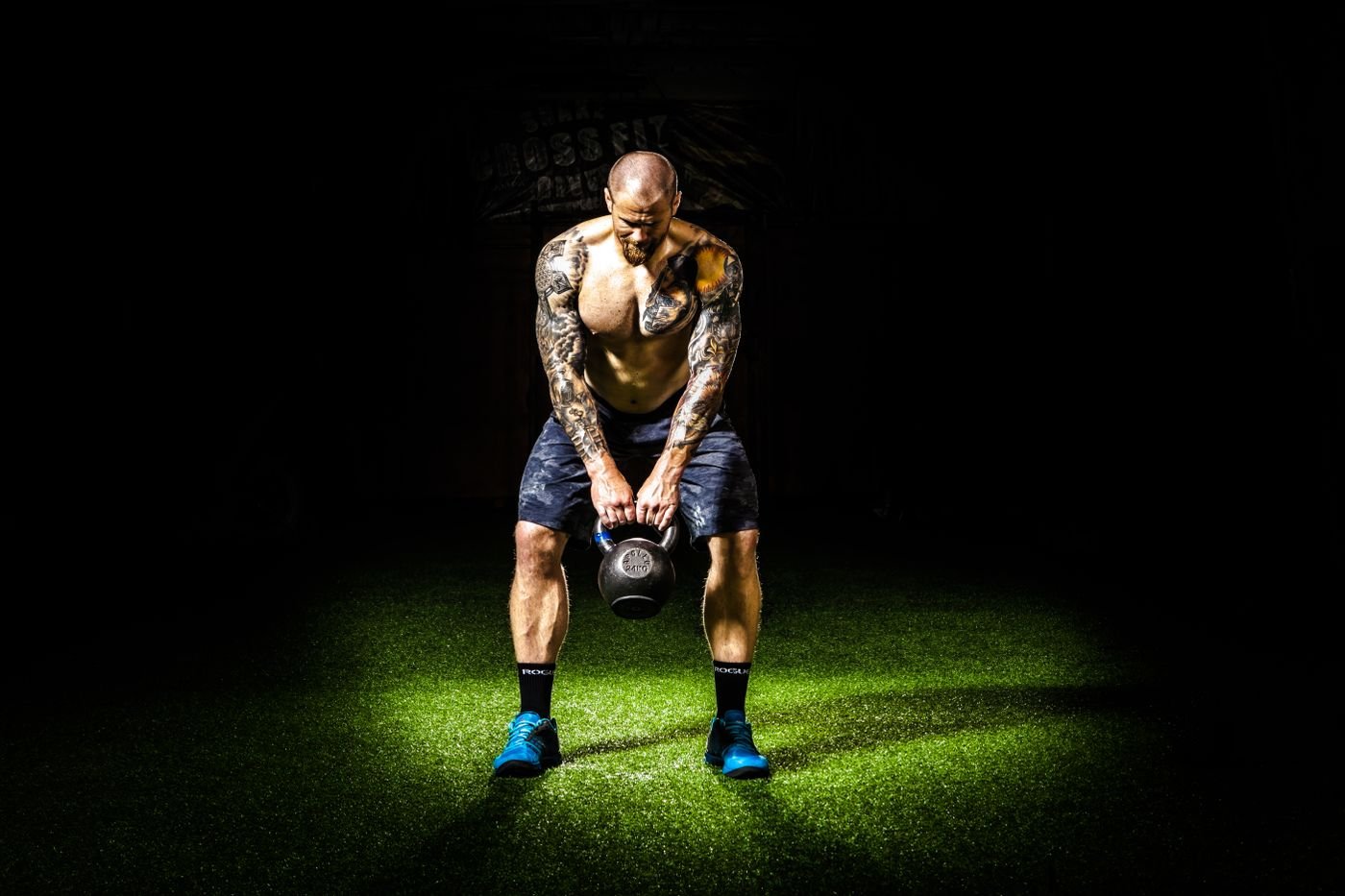
For many lifters, the hands fail before the legs or cardiovascular system. A farmer’s walk can train sustained support grip while the body moves, which is different from squeezing a hand gripper once or performing short barbell repetitions. The forearms must keep the handles from opening the fingers, and small changes in handle thickness, surface texture or implement balance can dramatically alter difficulty.
If your goal is grip endurance, begin with a weight that lets you finish a controlled 20–30-second carry. Increase time or distance before making every session a maximal-weight challenge. If your goal is heavier carries, use shorter trips and longer rests. Do not compare the kilograms of two different handles as if they represent identical difficulty: thick handles and swinging implements can make a lighter load feel much harder.
Straps have a place when you are deliberately training legs, upper back or work capacity and do not want grip to stop the session. They are less useful for a set intended specifically to improve unaided holding strength. Alternating strapped and unstrapped work can make sense, but be explicit about the purpose of each set so the progression log stays meaningful.
Other grip options include dead hangs, static dumbbell holds, thick-grip holds and ordinary rows without straps. Those exercises may complement carries, but they do not replace the loaded gait component. Treat sharp hand pain, numbness or persistent elbow symptoms as a reason to reduce loading and reassess rather than simply adding more grip volume.
Equipment Worth Exploring
Explore equipment, accessories and gear from our carefully selected range.




FID Bench MAX
Adjustable bench offering flat, incline, and decline positions + adjustable headrest.
VOLTRA
Compact digital cable trainer with smooth, adjustable resistance.

Go-Tone Pro
Portable digital cable trainer with up to 66 lb (30 kg) of adjustable resistance.

6. A two-day program that pairs hinges with carries
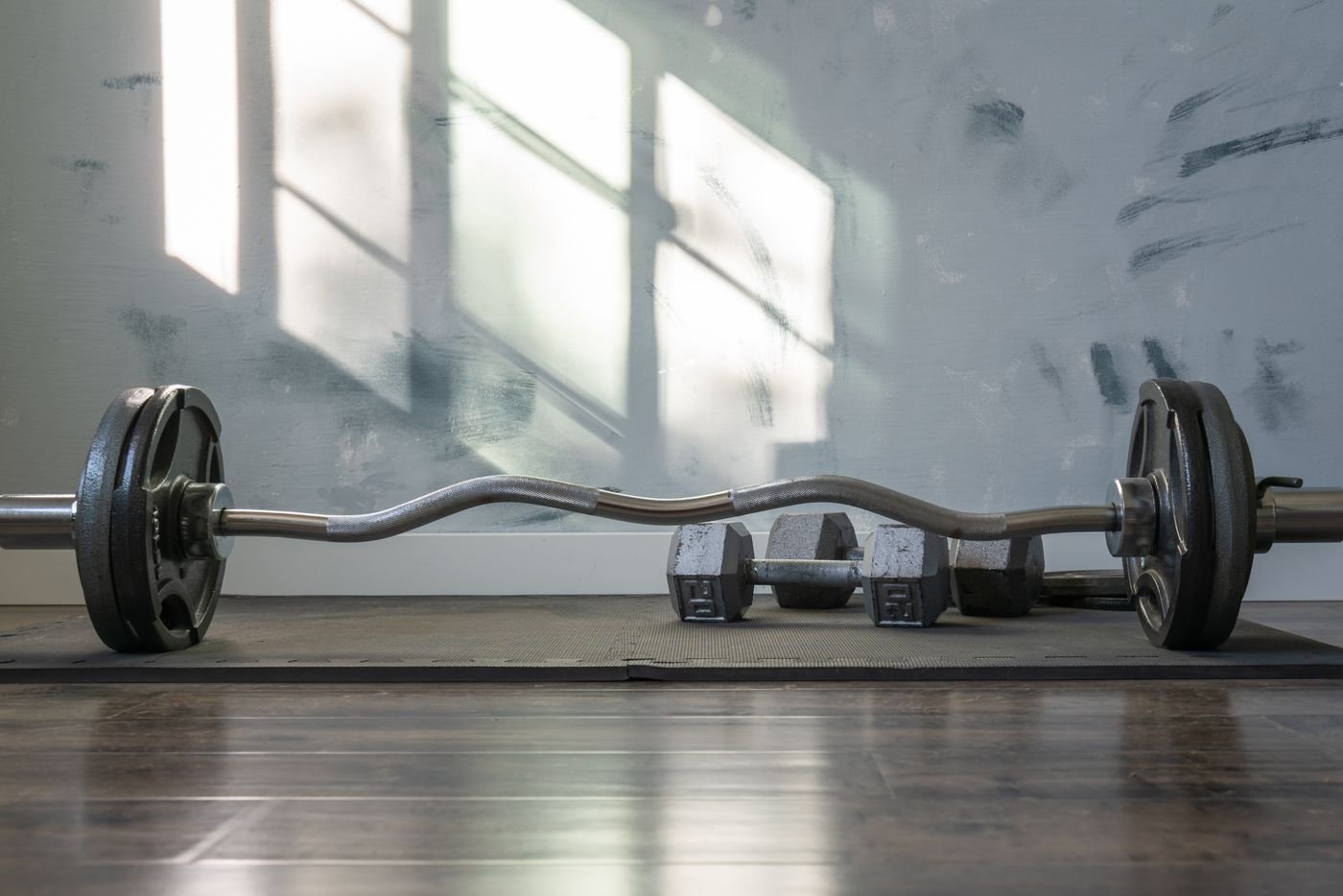
A simple two-day template works well for a lifter who already trains two or more times per week. The example below is a starting framework, not a tested protocol from the six-athlete experiment. Begin conservatively and adjust around your existing squat, running and sport workload.
Day A — hinge strength: warm up with several lighter hinge sets, then perform three sets of four to six deadlift repetitions at a technically controlled effort. Follow with two sets of eight to ten rows and two or three bilateral farmer’s carries of 15–25 meters. Rest long enough that the next trip begins with a reliable grip and stable posture. The deadlift is first because heavy barbell technique is easier to maintain before grip fatigue.
Day B — carry capacity: begin with three rounds of 20–30-second bilateral carries using a lighter load than Day A. Follow with two sets of six to eight Romanian deadlifts or another hinge accessory, then two sets of 15–20-second suitcase carries per side. If the walking lane is short, use several controlled straight lengths with deliberate turns rather than trying to race around obstacles.
Leave at least a day between the sessions when possible. On a week with hard sport practices, reduce carry rounds or substitute light static holds. When a carry becomes easy, add a small amount of weight or distance, not both at once. Record the load per hand, handle type, total distance, rest period and whether the last few steps were still controlled. That makes progress more interpretable than simply writing ‘farmer walk, three sets.’
Functional Fitness Shirts & Workout Gear
Functional-fitness shirts, tanks and workout gear for athletes who train strength, conditioning and everything in between.


Happy Kettlebell Emoji Smiley Kettlebell Graphic Who Lo T-Shirt
Make gym days more fun with “Happy Kettlebell Emoji” style.

Break the Stereotype Tee
Show some gym-girl attitude with a playful “Break The Stereotype Gym Girl” tee.

For Whom the Bell Curls Tee
Show some metalhead attitude with a playful “For Whom The Bell Curls Kettlebell” tee.


Gym Equation Makes Me Happy Kettlebell Meme Graphic Fit T-Shirt
Heavy lifts, good laughs, and a little “Gym Equation” energy.


Atlas Kettlebell Earth Meme Greek God Top T-Shirt
Make gym days more fun with “Atlas Kettlebell Earth Lifter” style.

Blue Macaroon Kettlebell – Whimsical Fitness Meme Decal Sticker
Put “Blue Macaroon Kettlebell” gym humor on your laptop, bottle, or gym gear.
7. Four weeks of progression—and what the evidence cannot promise
Week 1: find loads that permit upright, smooth walking without the handles banging against the legs. Film a short straight trip from the front or side if possible, and note whether the shoulders tilt or the steps become hurried. Establish repeatable distances before chasing a personal record.
Week 2: keep the same load and add a modest amount of distance or five seconds per set if technique stays stable. If the grip gives out first, that is useful information. You can train it deliberately rather than interpreting every failed carry as a whole-body conditioning failure.
Week 3: increase load slightly on the shorter carry day while maintaining the longer, lighter session. Avoid simultaneously increasing heavy deadlift volume, sprint work and loaded carries if recovery is already tight. Hands, forearms and trunk can become sore even when the session looks short on paper.
Week 4: repeat a standardized carry from Week 1: same handles, same load, same route and similar rest. Compare completion time, posture, perceived effort and whether you can finish without putting the weights down. You may find better tolerance without a dramatic change in maximum deadlift strength; those are different outcomes.
The strongest conclusion from the biomechanical comparison is that the farmer’s lift and loaded walk create distinct movement and force demands. It did not measure muscle growth, long-term back pain or injury prevention, and the sample was small. If you want a stronger deadlift, keep deadlifting. If you want to carry heavy objects more competently, practice carrying them. Combining both with sensible progression is a more defensible plan than declaring either exercise the winner.