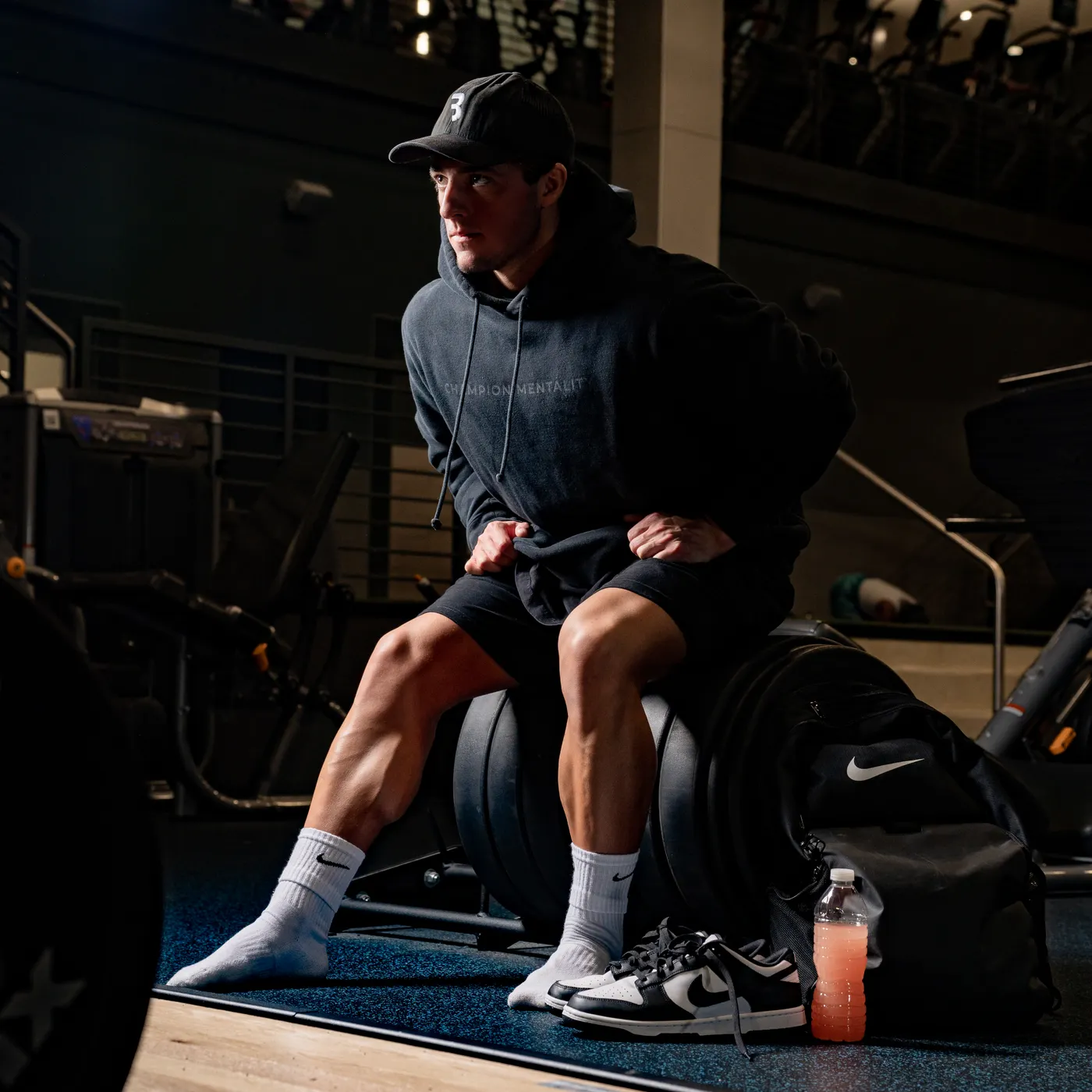
Winter gym clothing has two jobs that seem to conflict: keep you comfortable before training and release heat and moisture once the workout becomes demanding. A hoodie that feels ideal on the way to the gym can become a sweat trap during squats. A thin T-shirt that works in summer may leave you shivering between sets in an unheated room. The answer is not simply thicker clothing. It is a system of removable layers, fabrics that manage moisture, unrestricted movement and a warm-up that prepares you for the work.
This guide covers heated weight rooms, chilly garages and outdoor conditioning. It separates the practical benefits of warmth from exaggerated claims that particular clothes increase muscle growth. The best outfit depends on the room, your effort, the weather and how quickly you sweat.
Cold-weather lifting is a heat-and-sweat problem
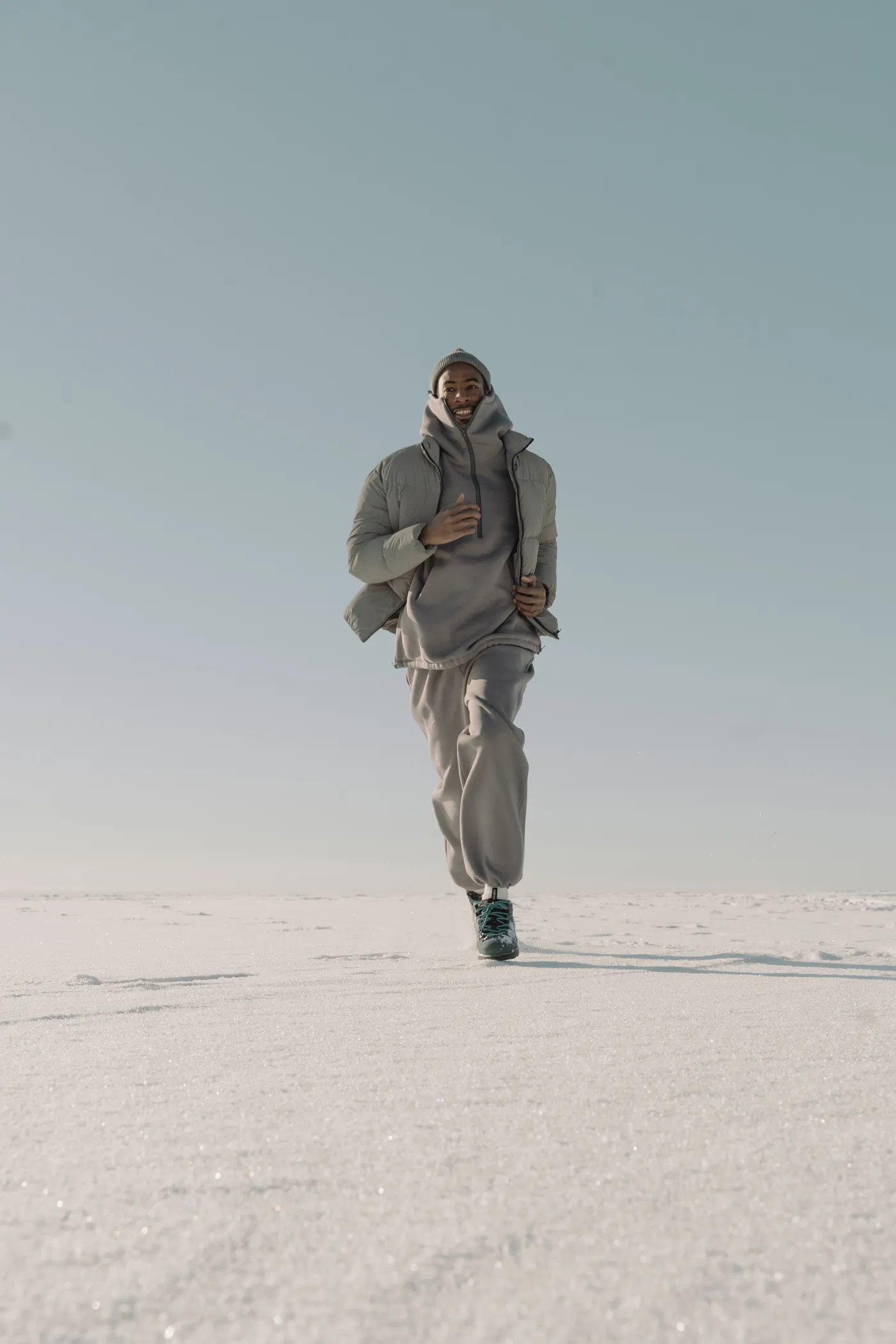
At rest, your body produces relatively little heat. Hard exercise generates considerably more, while long rests between heavy sets allow heat production to fall again. This is why a single thick top can feel too cold before training, too hot during the work and damp afterward. Wind, rain and wet clothing increase the problem outdoors, because moisture can accelerate heat loss.
First distinguish a cold commute from a cold training space. A heated commercial gym may require only an outer layer for the journey and a light sweatshirt during the first warm-up sets. An unheated garage may justify a warmer middle layer, long trousers and more time moving before loading the bar. Outdoor intervals require protection from wind and precipitation as well as the ability to vent heat. Humidity, airflow, intensity and individual tolerance matter more than a universal temperature cutoff.
Warmer muscles can produce force more effectively than cold muscles, but that is not evidence that a thick hoodie builds extra muscle. The reliable intervention is an active warm-up. Clothing helps maintain comfort and reduce unnecessary cooling during pauses. A useful test is whether you can start comfortably, move freely and remove insulation before becoming soaked with sweat. You should not finish the session with a wet shirt trapped beneath a heavy coat.
Warm up the movement, not just your clothing
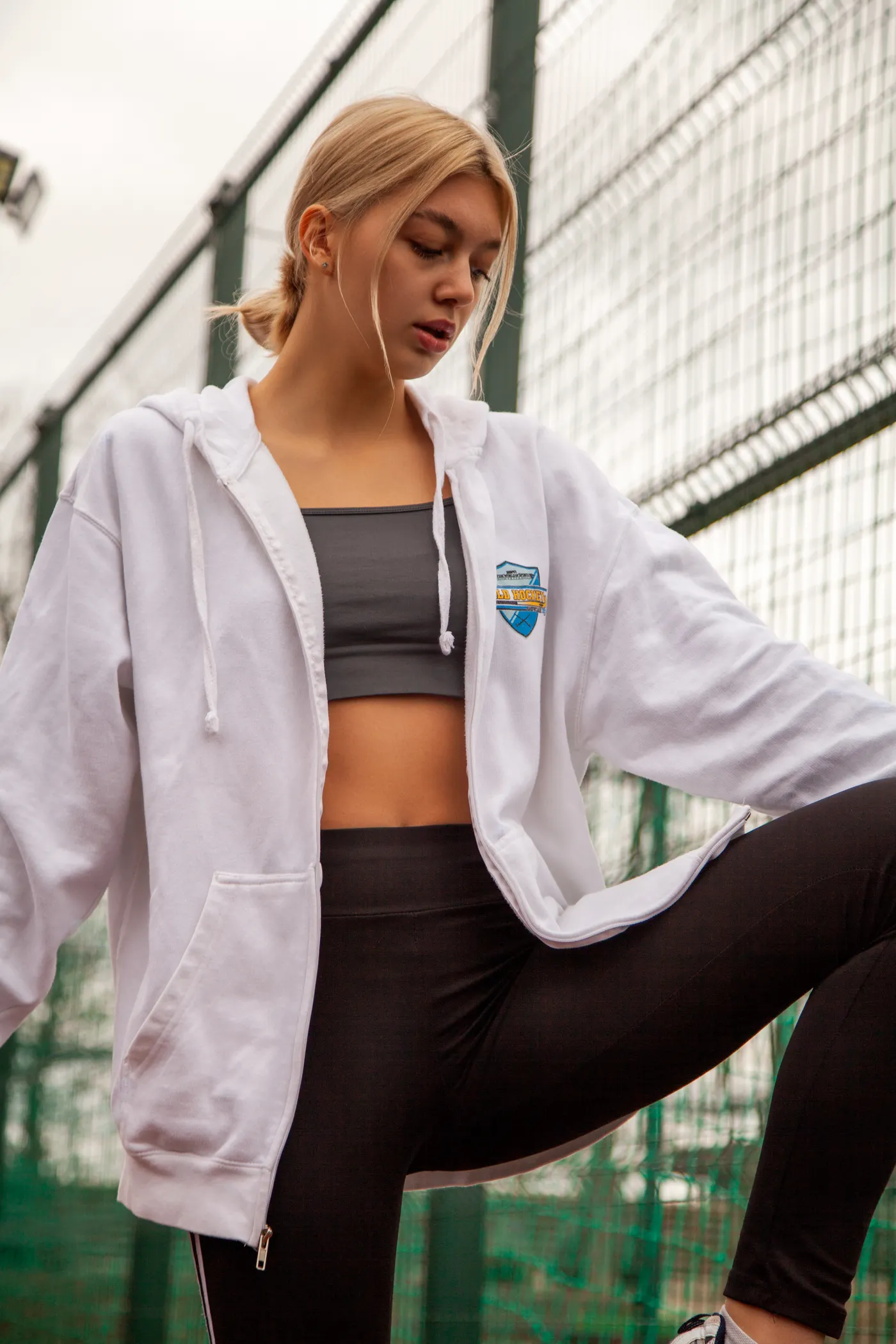
Begin with five to eight minutes of easy movement that gradually raises breathing and body temperature. Brisk walking, light cycling, gentle rowing or unloaded squats all work. Then rehearse the actual lift with progressively heavier warm-up sets. For squats, try bodyweight repetitions, an empty bar and two or three increasing sets before the working weight. The goal is readiness, not fatigue.
In a cold room, allow extra time if your hands feel stiff or the first sets are unusually slow. Make the warm-up specific: heavy deadlifts benefit from hip-hinge rehearsal and increasingly loaded pulls more than an unrelated long jog. Pressing benefits from shoulder movement and lighter presses. A thin layer can stay on during this phase, but remove it if it restricts your shoulders, changes bar position or causes excessive sweating.
Research on maintaining warmth between an active warm-up and performance suggests possible peak-power benefits for trained athletes, although the evidence is limited. It does not establish a universal strength or hypertrophy advantage from wearing a hoodie. Avoid becoming chilled during long waits, but do not chase heat at all costs. If you become dizzy, overheated or unusually breathless, stop and reassess rather than treating discomfort as a training challenge.

Equipment Worth Exploring
Explore equipment, accessories and gear from our carefully selected range.

Leather Lifting Straps
Padded leather straps support grip during heavy rows, deadlifts and pulling exercises.

Leather Wrist Grips
Padded leather lifting grips help support the hands and wrists on heavy pulling exercises.

GymPin Ergo Handles
Pair of ergonomic cable handles shaped for comfortable triceps and pulling exercises.


Angles 90 Grips
Flexible grip attachments that allow natural wrist movement during pulling exercises.

Safety Squat Handles
Barbell squat handles that reduce shoulder positioning demands during high-bar squats.


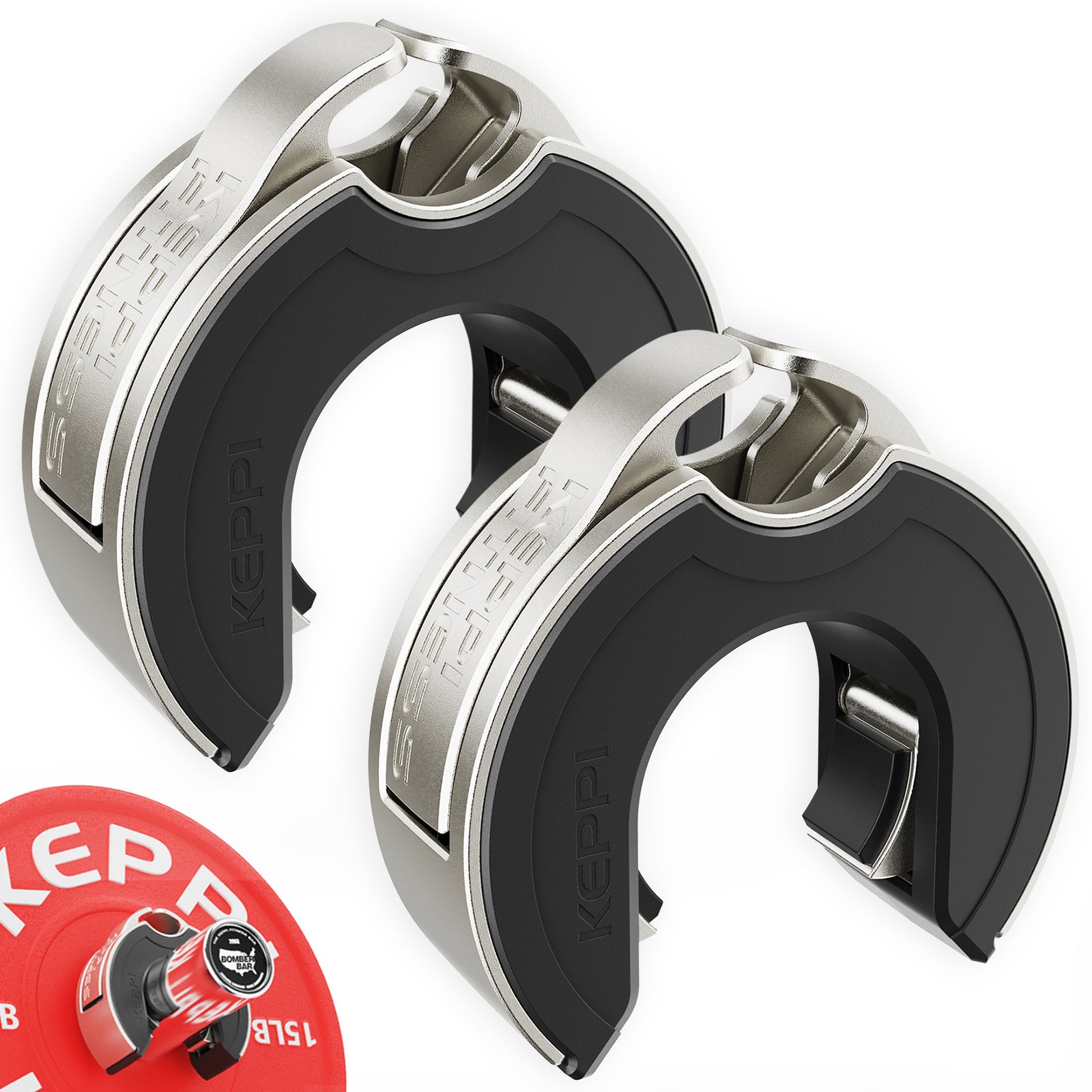
Keppi Open Collars
C-shaped magnetic Olympic barbell collars with a quick-lock mechanism and grippy lining.
Build the outfit from the skin outward
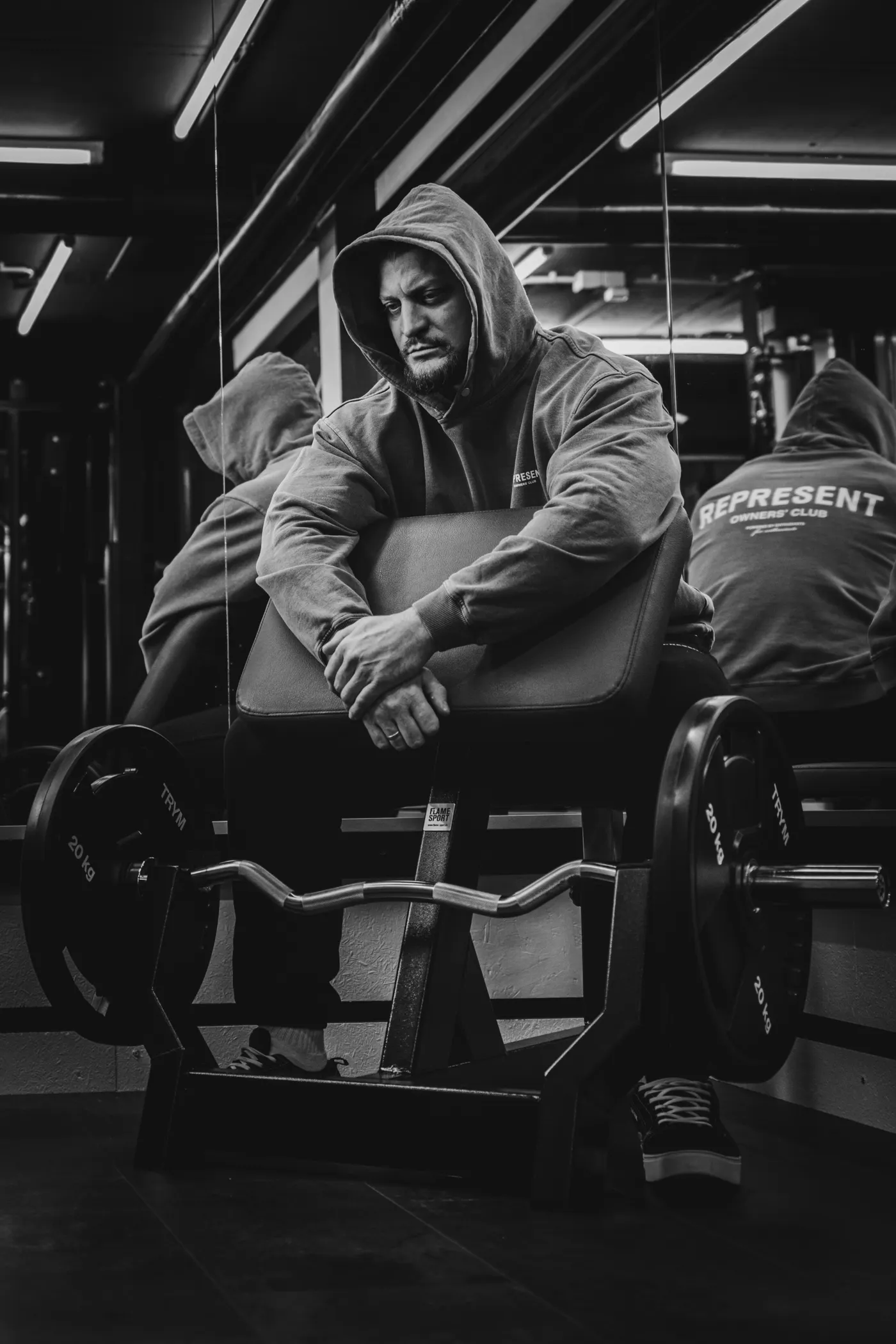
The base layer manages moisture. Choose a fitted but nonrestrictive synthetic or suitable wool-blend fabric that dries quickly and moves sweat away from the skin. Cotton can feel pleasant when dry but absorbs moisture and may remain damp after a hard session. In a warm gym, a normal training T-shirt may be enough. In a cold room, a lightweight long-sleeve base can make the transition from rest to activity more comfortable without adding bulk.
The middle layer supplies adjustable insulation. A breathable sweatshirt, half-zip or hoodie works before training, during lighter work and between long sets. A full zip is convenient because you can open it without removing it. A pullover is fine if you have somewhere clean and dry to place it. Avoid oversized sleeves that brush the bar, catch on equipment or obscure your grip. Test an overhead reach, squat and hinge before deciding that a garment fits well.
The outer layer protects you from weather rather than necessarily from the gym. A wind-resistant or water-resistant jacket makes sense for a cold walk or outdoor conditioning, but usually belongs in your bag after entering a heated weight room. Remove insulation before heavy sweating begins, then put a dry layer back on afterward. There is no reason to wear all three layers throughout every workout. The objective is adaptable warmth, not maximum insulation.

Gym Sweatshirts
Gym sweatshirts for lifters who want warm layers without leaving the training mindset behind.

I Love Pre- Bro Weightlifting Meme T-Shirt
Show some gym-day personality with “I Love Pre-workout Gym Bro Fitness”.

Tough Cookie Gingerbread Weightlifting Jumper & Bros T-Shirt
Show some gym-day personality with “Tough Cookie”.

I So I Can Eat Cookies Jumper T-Shirt
Keep things casual with a little “I Workout So I Can Eat Cookies” attitude.

Extra Fries Mishearings Sweater Meme Top T-Shirt
Keep things casual with a little “Extra Fries” attitude.

GymRat Ingredients Label Meme T-Shirt
Bring “GymRat Ingredients Label” humor to your everyday gym style.


No Days Off for Lifting, Bodybuilding, Powerlifting and T-Shirt
For laid-back days and powerlifting humor: “No Days Off”.


Fit, footwear and grip matter more than appearance
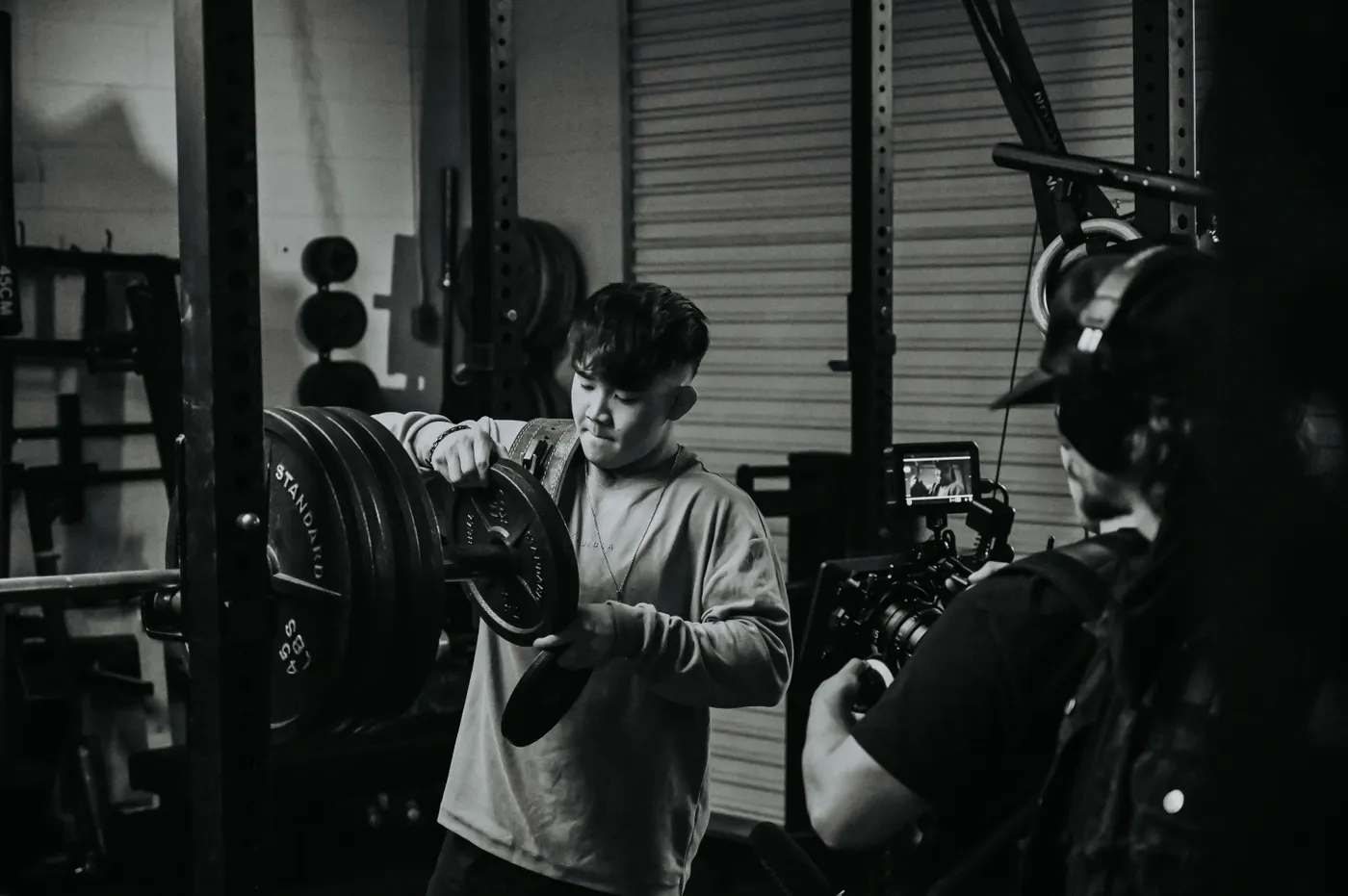
A garment can look athletic and still interfere with a lift. Test it with the movements you actually perform. Raise both arms overhead, reach forward for a row, hinge to the bottom of a Romanian deadlift and squat through your normal range. If the top rides up, the waistband folds or the fabric restricts a position, try another cut or size. Four-way stretch is useful, but enough shoulder room and a sensible pattern matter just as much.
Joggers should allow knee and hip flexion without pulling across the seat or bunching at the ankles. Zipped pockets can stop items falling out during conditioning, although a bulky phone may still interfere with squats. Choose shoes that provide secure footing and a sole suited to the exercise. Thick soft winter boots are not a good substitute for stable training shoes under a heavy barbell. Change footwear after arriving through snow or rain, and keep the lifting surface dry.
Cold fingers can make the first grip awkward. Warm them gradually, dry the bar and use appropriate chalk or lifting grips where helpful. Avoid bulky outdoor gloves that prevent a secure hold. A beanie or hood can help before training, but remove anything that obstructs vision, hearing or safe equipment setup. Comfort matters because it preserves control and consistency, not because it looks good in a photograph.
Heated gym, chilly garage or outdoor conditioning?
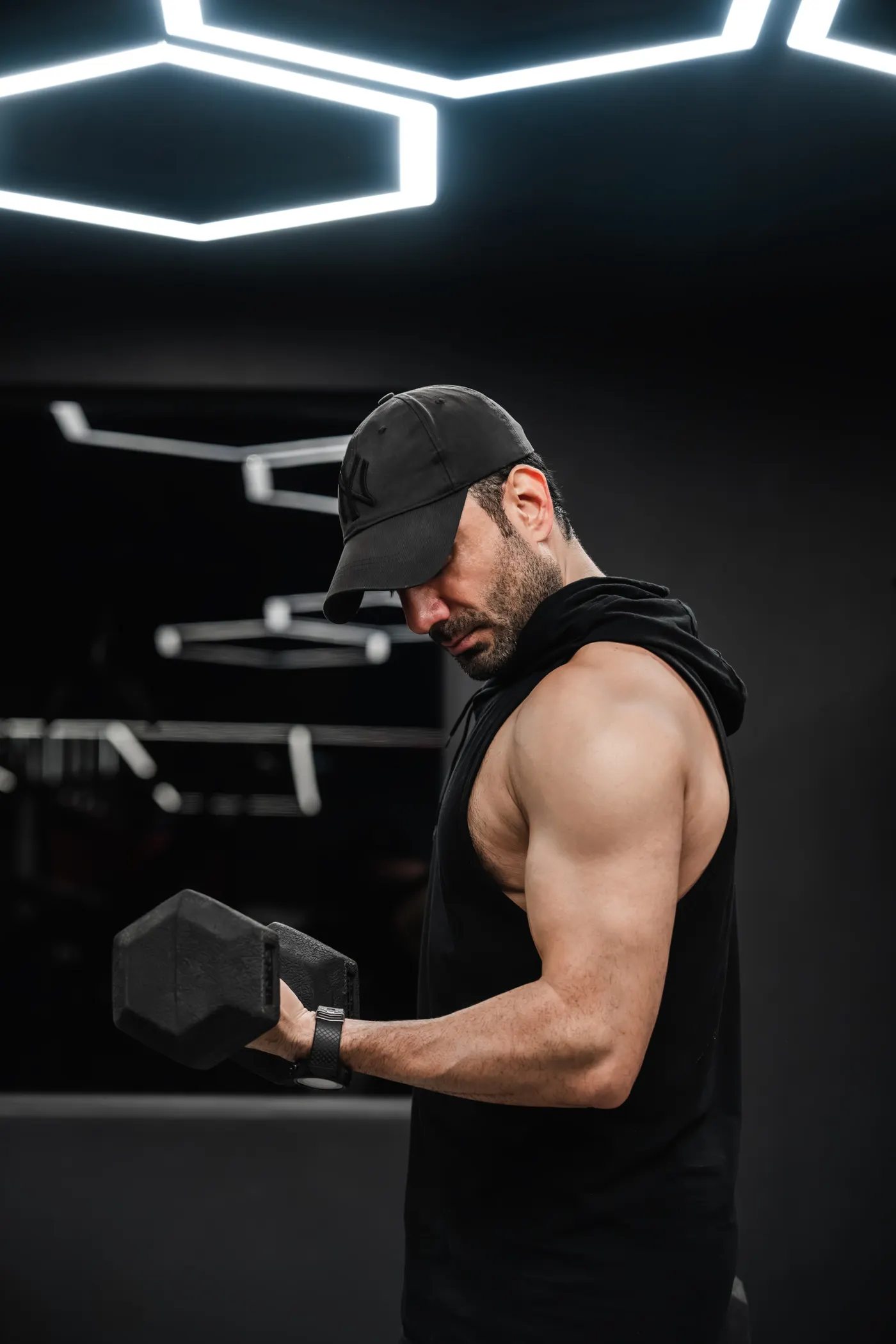
In a heated gym, keep the setup simple: breathable base, flexible shorts or joggers, stable training shoes and a light removable top for the commute. After several warm-up sets, many lifters will be comfortable without the middle layer. A towel and a dry shirt for afterward are often more useful than an extra heavy garment. The room may feel cool on arrival but warm quickly once you start working.
In an unheated garage or basement, add a warmer middle layer and long trousers. Prioritize a longer active warm-up over standing beside a heater in heavy clothes. Protect equipment from condensation and wet shoes, especially steel bars and electrical components. If the room is extremely cold or you cannot maintain normal hand function and body temperature, move the session to a warmer space. Training discipline does not require ignoring environmental risk.
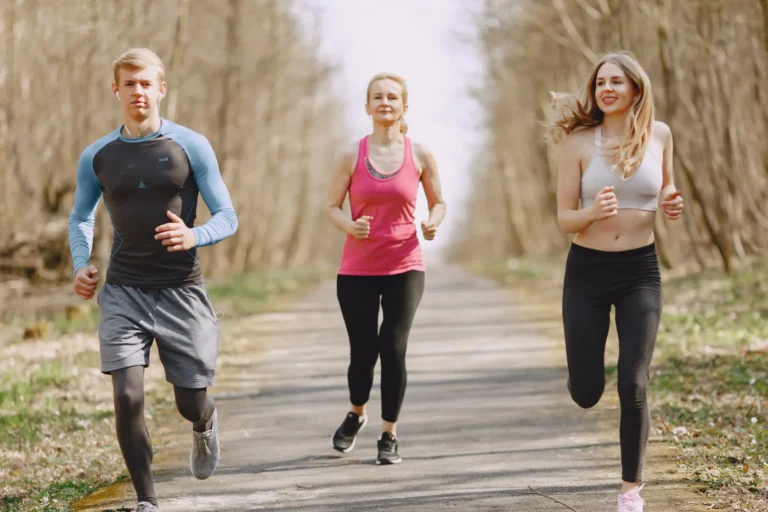
For outdoor sled pushes, hill intervals or running, use a moisture-managing base, insulation when needed and a breathable shell suited to the conditions. Recovery walks may require more protection than the work intervals. Carry a dry layer if the session ends far from shelter. Check wind, precipitation, traction and visibility, not only the temperature. Slippery ground changes the risk of an exercise regardless of what you wear.
Equipment Worth Exploring
Explore equipment, accessories and gear from our carefully selected range.




FID Bench MAX
Adjustable bench offering flat, incline, and decline positions + adjustable headrest.


VOLTRA
Compact digital cable trainer with smooth, adjustable resistance.

Go-Tone Pro
Portable digital cable trainer with up to 66 lb (30 kg) of adjustable resistance.


Three winter gym outfit templates you can adapt
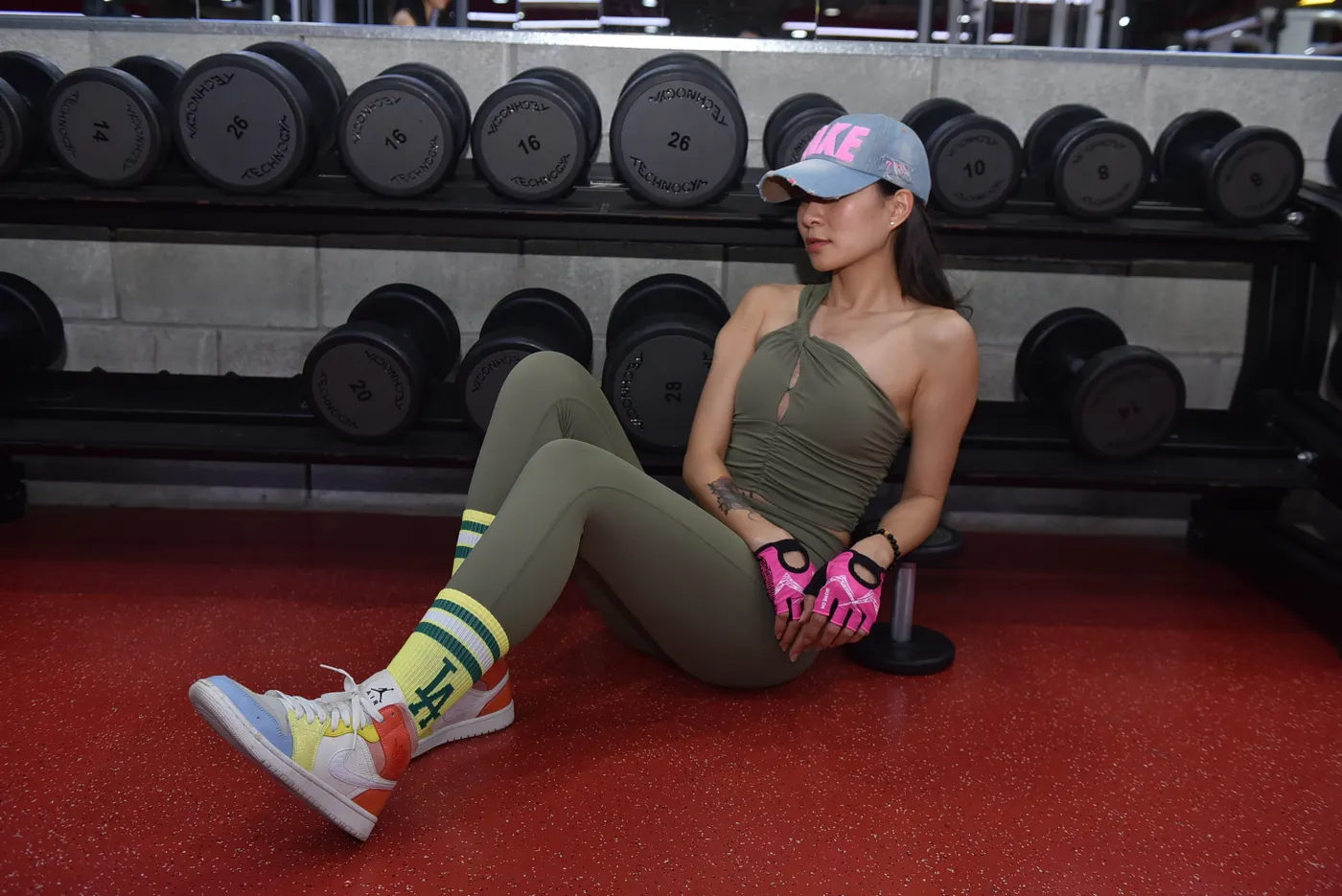
Heated weight room: Start with a quick-drying T-shirt, flexible joggers or shorts, stable shoes and a lightweight hoodie for the trip. Remove the hoodie when the warm-up becomes comfortable. This is the most versatile setup for reliable heating and long strength sessions. Pack a dry shirt if you sweat heavily or face a cold commute afterward. Do not keep a jacket on merely because the weather outside is freezing.
Cool garage strength session: Wear a thin long-sleeve base, breathable sweatshirt, flexible joggers and dry training shoes. Keep a warmer jacket nearby for entering and leaving the room rather than lifting in it. Begin with brisk movement and lighter sets. During long rests between heavy attempts, a dry removable layer can help prevent chilling. If your sweatshirt becomes soaked, change it rather than trapping moisture against your skin.
Outdoor conditioning: Choose a sweat-wicking base, light insulation, weather-resistant shell, tights or joggers and footwear with traction appropriate to the surface. Add head and hand coverage as needed. Start slightly cool instead of excessively bundled, because intervals generate heat quickly. If rain, wind or poor visibility makes the route unsafe, change the workout or move indoors. These templates are examples rather than temperature prescriptions; adjust to your effort and tolerance.
Gym Hoodies
Gym hoodies for warm-ups, cold garages, rest days and lifters who live in training gear.


– Dost Thou Even Hoist Sir? Hooded & Top Hoodie
Keep it laid-back with a little “Dost Thou Even Hoist Sir? Workout Hooded” attitude.

Everything Hurts And I'M Hungry Motivation Hooded Hoodie
Bring “Everything Hurts And I'm Hungry” gym humor to lazy days and post-workout plans.

Grip Training Get A Grip Hoodie
Show off your lifting humor in a laid-back “Grip Training” hoodie.

Gymhub & Meme Fans Hooded Hoodie
Bring “Gymhub” gym humor to lazy days and post-workout plans.


I Have Abs-Olutely No Idea Meme Hooded Newbies & Hoodie
Keep it laid-back with a little “I Have Abs-olutely No Idea” attitude.

Booty Building Mode Leg Day & Squats Meme Hooded Hoodie
Stay casual and show some leg-day attitude with “Booty Building Mode”.

Massquatch Bigfoot Sasquatch & Meme Jumper Hoodie
Make your off-duty look more fun with “Massquatch Bigfoot”.

Abolish Sleevery Abraham Lincoln Huge Arms Meme Hoodie
Stay casual and show some bodybuilding attitude with “Abolish Sleevery”.
Care, safety and a two-week clothing audit
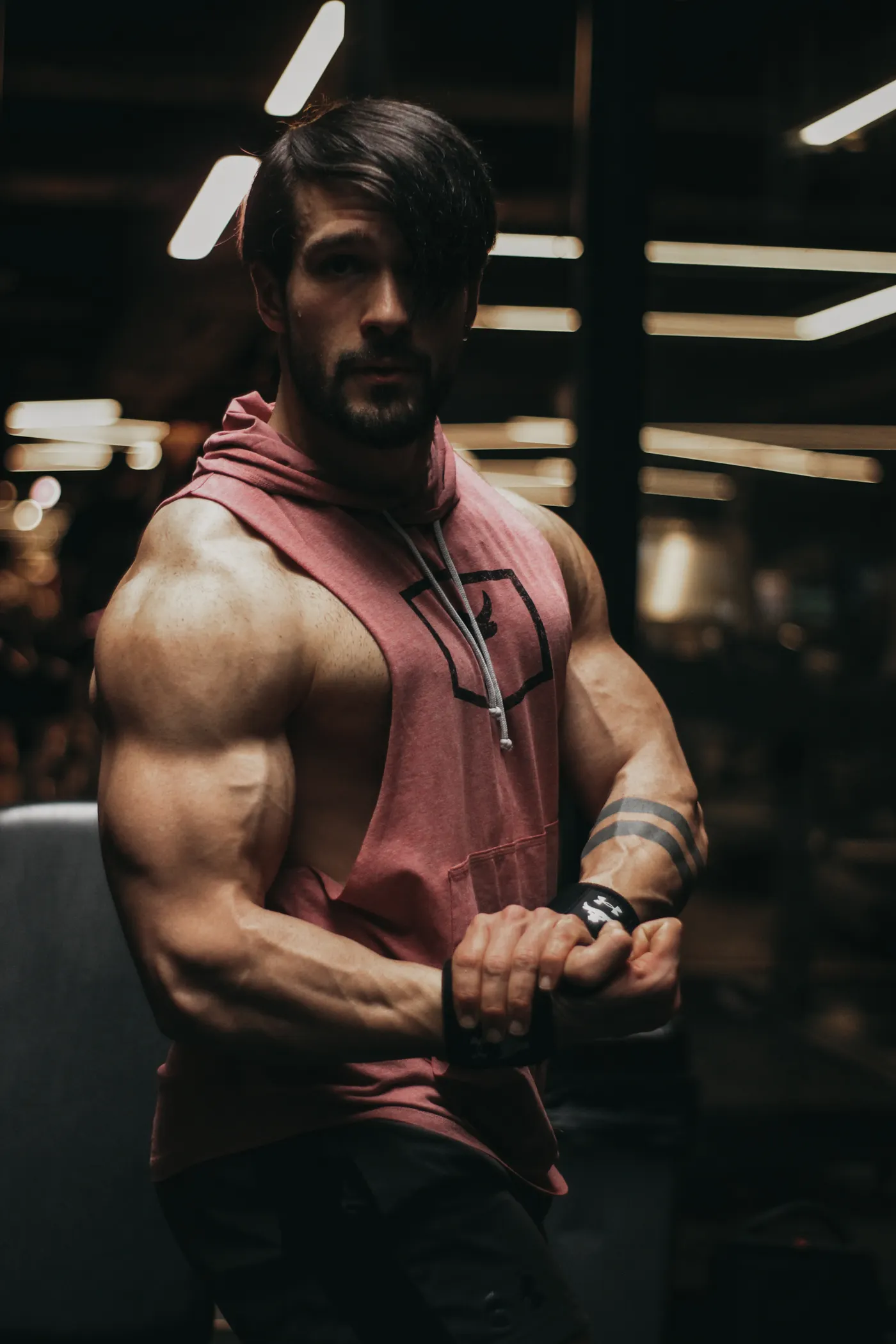
Moisture management continues after the final set. Remove damp clothing promptly, dry footwear and follow each garment’s care label. Do not assume every synthetic fabric tolerates high dryer heat or fabric softener. Excess heat can damage elastic fibers, and some softeners may impair moisture management. Turn printed apparel inside out when the label recommends it. Allow everything to dry fully before storing it in a closed gym bag.
For two weeks, record three observations after each session: how cold you felt during the first ten minutes, whether you overheated during the hardest work and whether your clothes were damp when you left. Note movement restrictions or slipping as well. If you repeatedly overheat, reduce insulation or use a zipper. If you finish cold and wet, improve moisture management and bring a dry top. If you cannot squat or press comfortably, change the garment’s cut rather than blaming your mobility.
Cold-weather safety is not a contest. Persistent shivering, confusion, clumsiness or unusual exhaustion after cold exposure can signal a serious problem; get into warmth and seek medical attention when indicated. Wet clothes, wind and prolonged inactivity can create risk even when the air is above freezing. The best winter outfit is not the heaviest or most expensive. It is the one that lets you move normally, regulate temperature and leave dry enough to recover comfortably.