Does lifting at your strongest hour create more muscle? An unusually personalized 2026 trial compared training at each older adult’s best and worst performance times. Its findings challenge the idea of a universal magic workout hour. A stronger afternoon set and better long-term muscle growth are not the same thing.
This guide examines what the experiment tested, what it can and cannot prove, and how to build a schedule that works around real life. The participants were aged 60 to 80, so the result is not a direct experiment on elite lifters or younger adults.
Why a Stronger Session Does Not Guarantee More Gains
Strength can vary across the day. Body temperature, alertness, sleep, food intake, movement and fatigue all influence how heavy a familiar weight feels. Group averages often favor afternoon performance, but individuals differ and some show little daily variation.
Imagine one session after poor sleep and a hurried commute, and another after a meal and a relaxed walk. More repetitions in the second session do not isolate a biological clock effect. Preparation and familiarity can explain some of the difference.
Long-term gains depend on repeated training, gradual overload, sufficient recovery and consistent nutrition. One exceptional workout does not automatically outweigh a month of reliable sessions at another time. The most valuable training window is often the one you can protect consistently.
Some product links may be affiliate links that support Mind Muscle Perfection at no additional cost to you.
How Researchers Identified Each Person’s Peak Hour
The trial randomized 108 adults aged 60 to 80, with an average age of about 67; approximately 41 percent were women. Ninety-three participants contributed to the outcome analyses. Each participant underwent standardized strength assessments at 8 AM, noon, 4 PM and 8 PM across separate days. Those tests identified an individual strongest and weakest time.
Participants were allocated to training at their personal peak, training at their trough, or continuing their usual lifestyle without the supervised program. The intervention lasted twelve weeks, including two weeks of familiarization and ten weeks of progressive exercise.
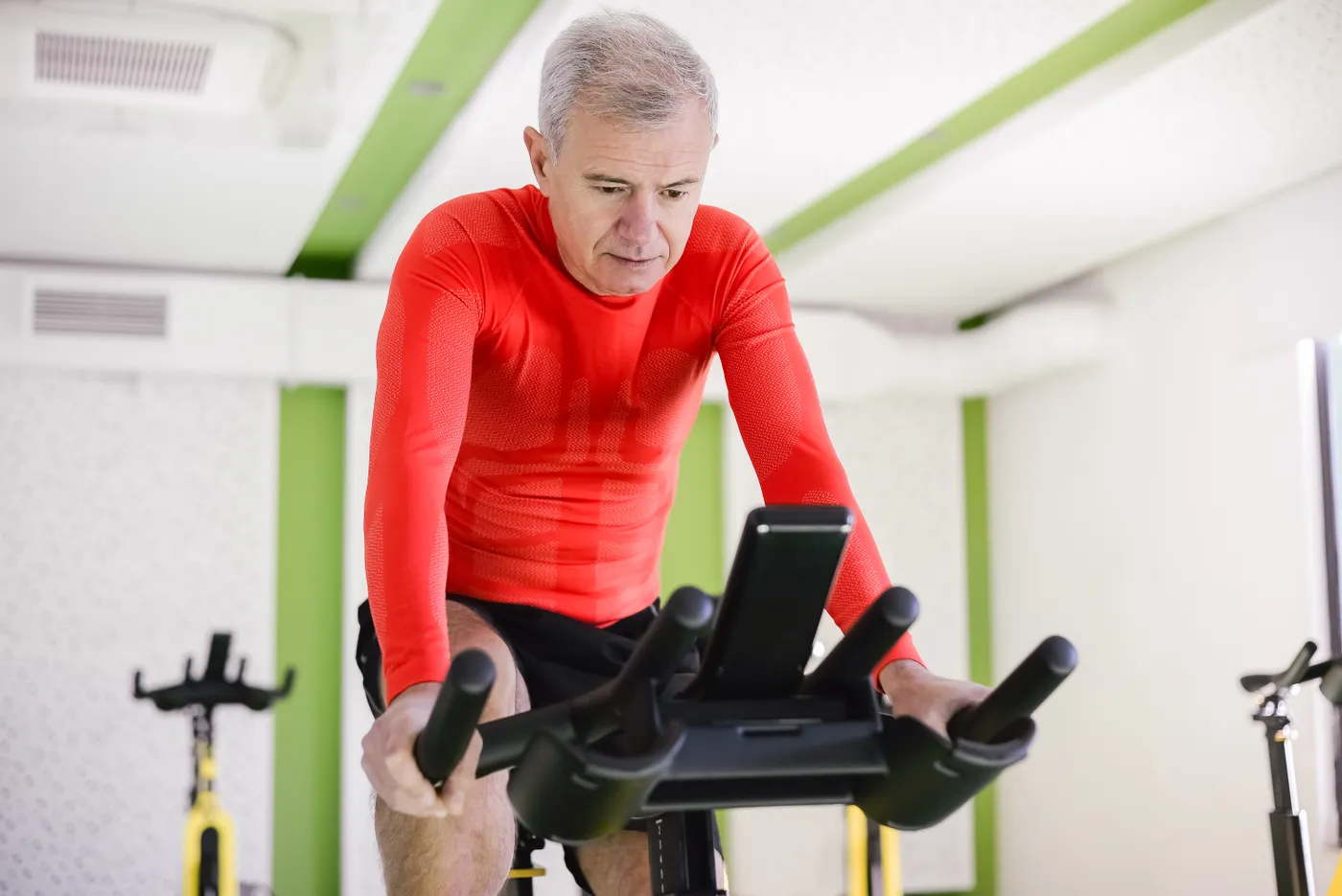
The two active groups completed two supervised whole-body lifting sessions weekly and one moderate cycling session of thirty minutes. Each resistance session used five exercises for three sets, with a target range of roughly eight to fifteen repetitions after familiarization. Loads were adjusted to keep the training stimulus appropriate.
The primary outcome was maximal isometric mid-thigh pull strength, not a traditional one-repetition maximum squat. Handgrip strength and DXA-derived appendicular lean mass index were additional outcomes. These measures reflect different physical qualities and should not be described as interchangeable.
This design went beyond simply comparing people who preferred mornings with people who preferred evenings. It tested whether personalized timing, based on actual strength measurements, improved adaptation under a structured program.

Equipment Worth Exploring
Explore equipment, accessories and gear from our carefully selected range.


FID Bench MAX
Adjustable bench offering flat, incline, and decline positions + adjustable headrest.



VOLTRA
Compact digital cable trainer with smooth, adjustable resistance.
The Twelve-Week Result: No Clear Peak-Time Advantage
Training at each person’s strongest hour did not produce a clear advantage over training at their weakest hour in the main outcome. The adjusted difference in relative mid-thigh pull strength was 0.06 newtons per kilogram, with a 95 percent confidence interval from minus 0.76 to plus 0.88. Estimated differences in handgrip strength and appendicular lean mass index were also small, with confidence intervals crossing zero.
This is not proof that every person responds identically at every hour. Rather, the trial did not detect a clear group-level benefit from matching sessions to the hour when participants initially performed best. A non-significant difference does not demonstrate perfect equivalence, and the uncertainty range matters.
Earlier research often observes stronger acute performance later in the day, while longer training comparisons frequently show similar strength and muscle-size improvements from morning and evening programs. Testing at the hour you habitually train can also influence the measured result without proving more muscle growth.
The practical interpretation is flexibility. If you can reliably lift before work, there is no strong evidence from this experiment that you must rearrange your life around an afternoon peak. If evening sessions feel better and fit your schedule, that is also a reasonable choice.
No intervention-related serious adverse events were reported, but that does not guarantee every training plan is safe for every person. Exercise selection, health status and supervision still matter.

Funny Gym Shirts & Workout Gear
Funny gym shirts, tanks, hoodies and workout gear for lifters who like training hard.


Gym O'Clock | Funny Workout & Fitness Meme Fans | Hoode Hoodie
Keep it laid-back with a little “Gym O'Clock” attitude.

Gym Is My Happy Place Happy Weights Smiley Face Weight T-Shirt
Show some gym-day personality with “Gym Is My Happy Place”.

My Therapist Says Lift More – Gym Therapy Meme Vest Mus Tank Top
Bring “My Therapist Says Lift More” humor to your next lifting session.

Coffee and Weights for Coffee Lovers, Lifters and Gym G Sticker
Give your everyday gear a playful “Coffee and Weights” twist.

Matcha and Weights for Green Tea Lovers, Lifters and Fi T-Shirt
Show some gym-day personality with “Matcha and Weights”.

Old School Weight Strongman – Meme Shirt & Top T-Shirt
Show some powerlifting attitude with a playful “Old School Weight Lifter Strongman Graphic” tee.

Progressive Overload Milo Tee
Bring “Progressive Overload Milo Bull” humor to your next gym day.

Lift Heavy Be Happy Meme Bros & Gains Top T-Shirt
Show some powerlifting attitude with a playful “Lift Heavy Be Happy” tee.

Just Lift It Shirt – Meme & Gymbros Top T-Shirt
Make gym days more fun with “Just Lift It” style.
What the Experiment Cannot Settle
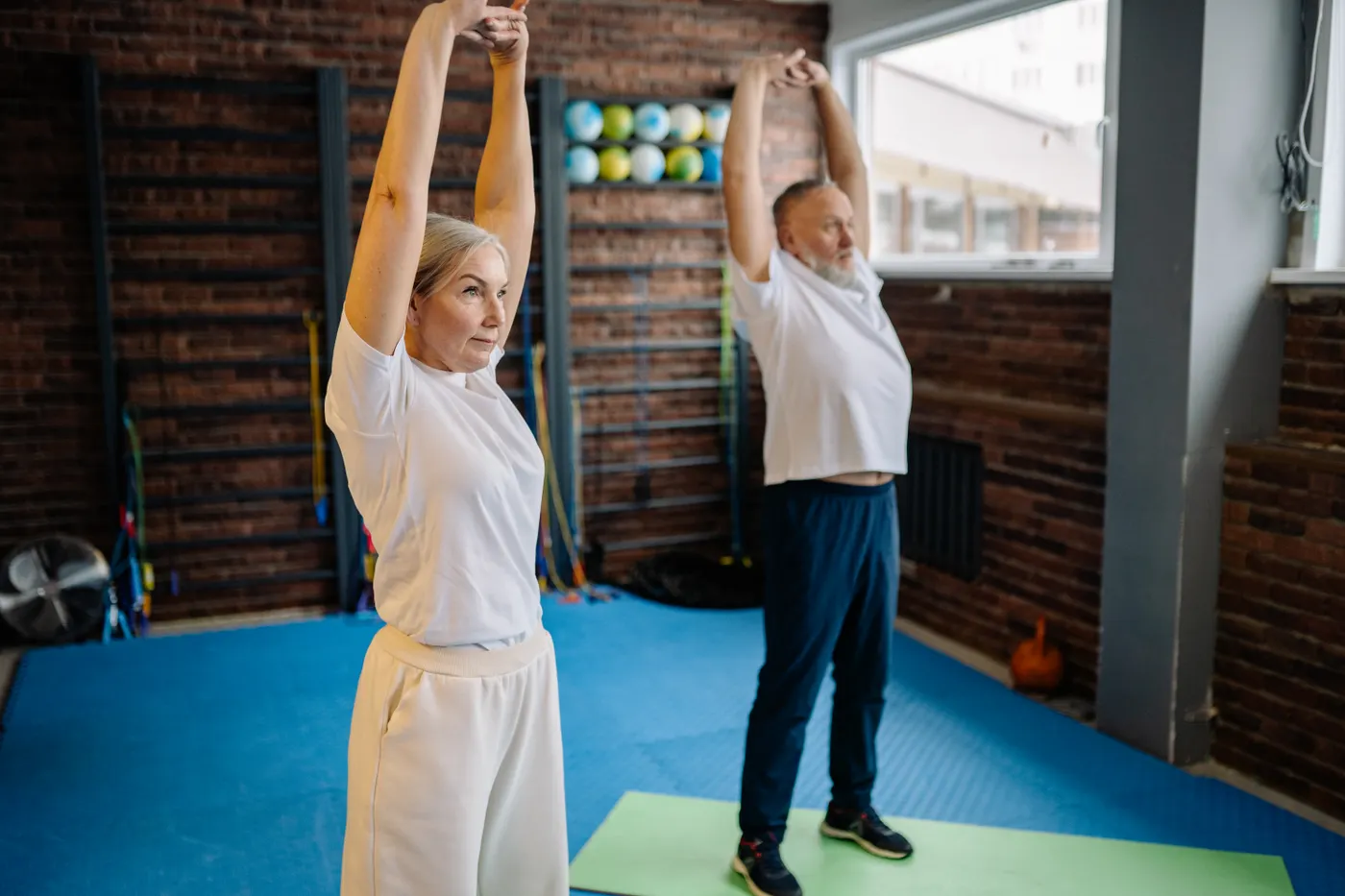
The participants were generally healthy older adults performing a moderate weekly program. Results cannot automatically be extended to competitive powerlifters, shift workers, teenagers or athletes training six times per week. Their sleep schedules, fatigue and total workloads can differ substantially.
Twelve weeks is long enough to observe useful early changes but not to settle questions about years of training. Fifteen randomized participants were not included in the outcome analyses. A larger sample could narrow uncertainty or identify smaller effects and subgroups that this trial could not resolve.
An isometric pull is not a full-range squat or deadlift. DXA-derived lean mass is a practical body-composition measure, not a direct measurement of individual muscle fibers. Functional outcomes such as carrying groceries, climbing stairs and maintaining balance may not follow the same pattern as laboratory strength tests.
The study also does not show that sleep, meals or workout timing are irrelevant. An evening session that consistently pushes bedtime later may be a poor choice for one person; a morning workout requiring chronic sleep deprivation may be equally unsuitable.
The careful conclusion is that personalized peak-hour training did not show a clear additional benefit in this particular program, not that the clock can never matter.
Choose a Training Window You Can Actually Repeat
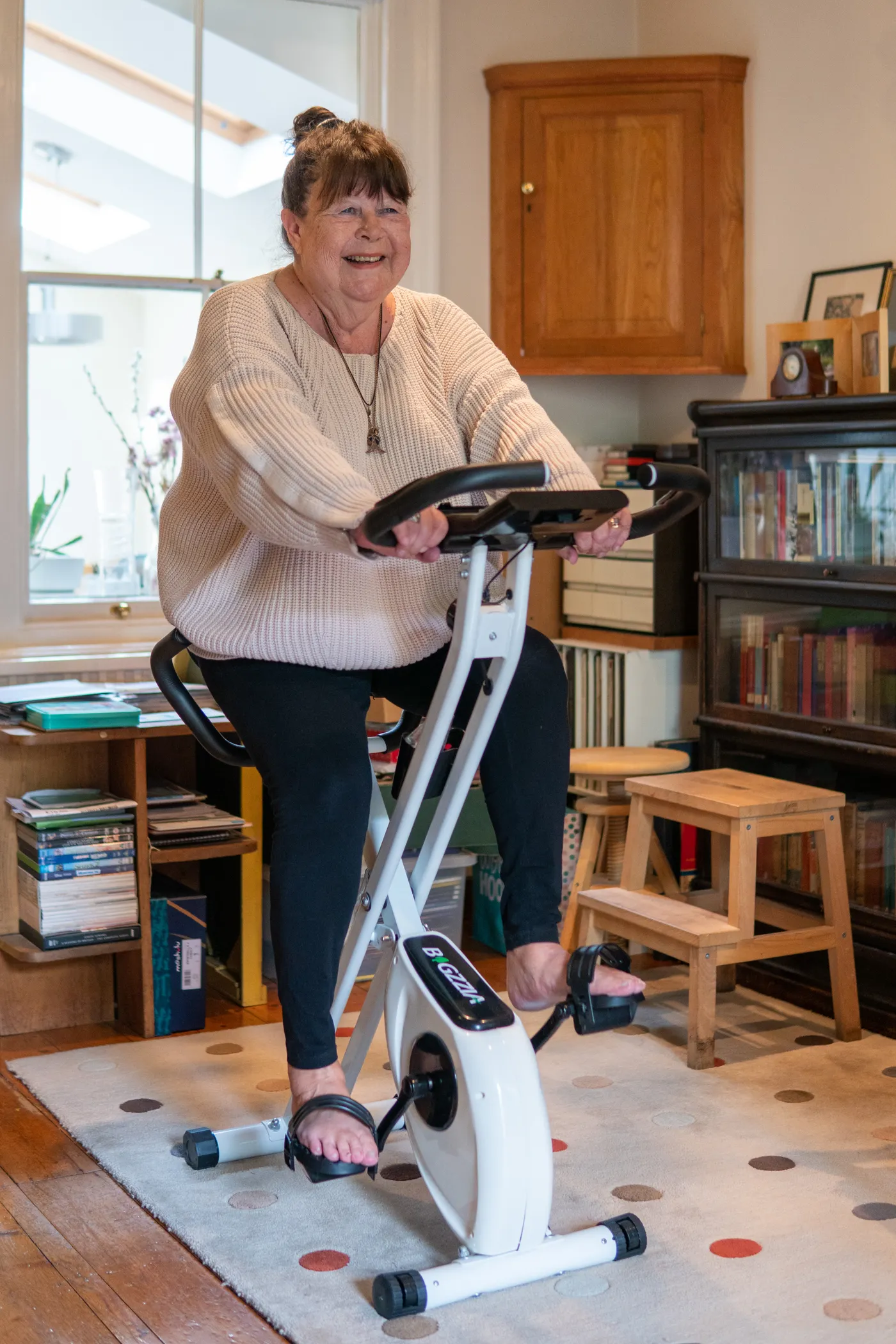
Begin with attendance. Identify two weekly slots you can protect most reliably. If mornings succeed four weeks out of five while evenings repeatedly disappear into work and family obligations, the morning schedule has a practical advantage that a theoretical performance peak cannot erase.
Standardize preparation next. Begin with comfortable movement and one or two lighter sets before the first demanding exercise. Early lifters may appreciate a longer warm-up. Late lifters should leave enough time to eat, wind down and sleep normally. Consistent exercise order makes progress easier to interpret.
Adjust food and hydration to personal tolerance. Some people train comfortably before breakfast, while others prefer a small snack. If your workout quality repeatedly drops when fasted, test a light meal instead of assuming mornings are inherently inferior. Avoid escalating caffeine to compensate for chronic fatigue.
Track weights, repetitions, effort and sleep across several sessions. Do not change your preferred hour after one bad workout. A useful slot should support repeatable training and recovery, not merely an occasional record-setting set.
For older adults, a balanced weekly plan also includes aerobic and balance-focused activity. Strengthening major muscle groups at least twice weekly is a foundation; movement quality and everyday function deserve attention too.
Equipment Worth Exploring
Explore equipment, accessories and gear from our carefully selected range.



A Two-Day Full-Body Plan for Morning or Evening
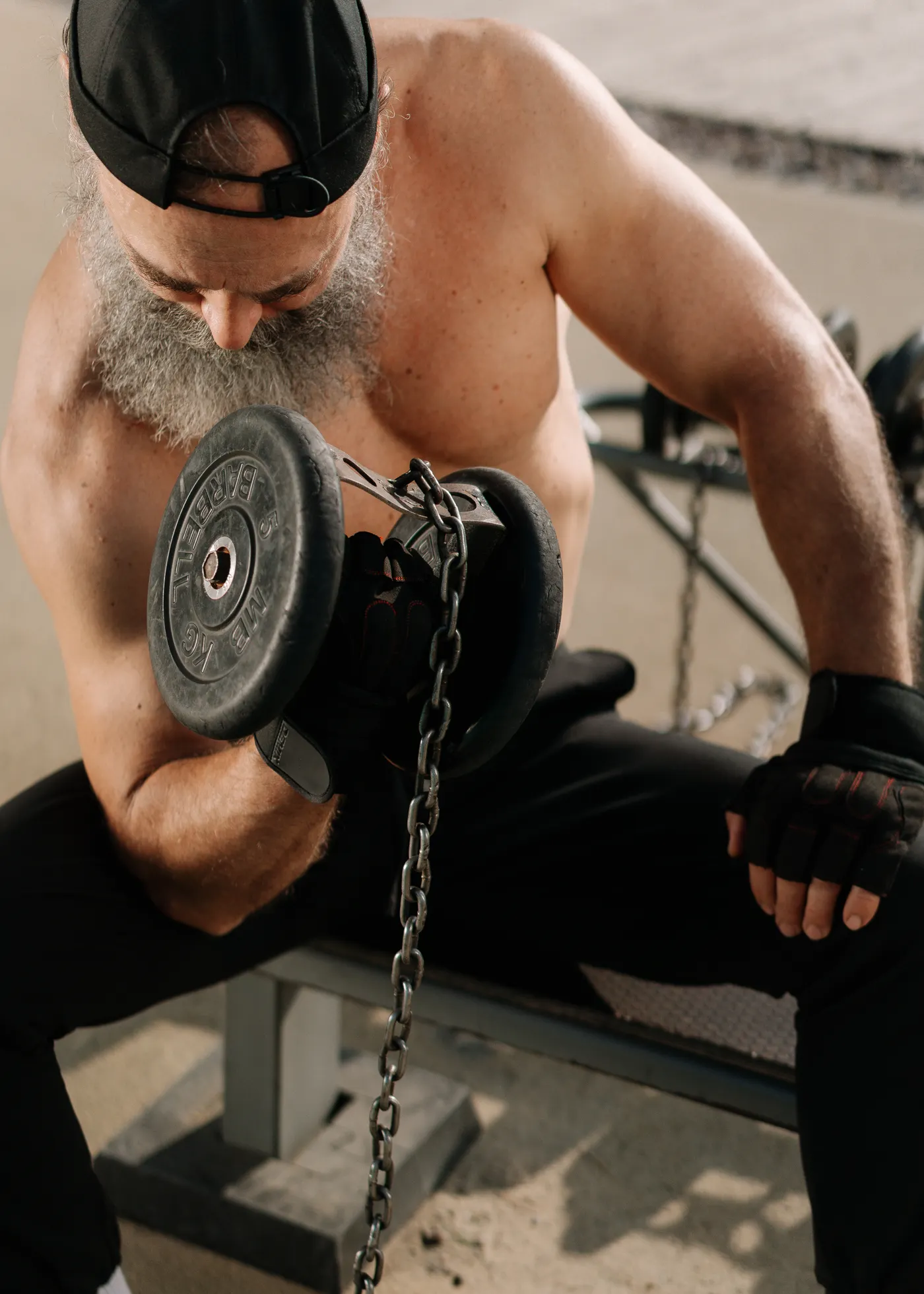
Two nonconsecutive strength sessions are a manageable starting point for many people. Choose exercises you can perform with control and use loads that initially leave two or three repetitions in reserve. Beginners and people with significant medical or balance limitations may need professional guidance and modifications.
Day A: perform a comfortable squat or controlled sit-to-stand for two to three sets of eight to twelve repetitions. Add a supported row for two to three sets, a dumbbell or machine chest press for two sets, and a short loaded carry or standing calf raise. Rest enough to maintain technique rather than rushing between sets.
Day B: perform a light hip hinge or Romanian deadlift for two to three sets of eight to twelve. Follow with a supported step-up or split squat, a pulldown or assisted pull, and an incline push-up or shoulder press. Add a short balance drill near a stable support if appropriate.
On other days, walking, cycling or enjoyable aerobic work can support general fitness. This plan is not a challenge to train to failure, and painful movements should be adjusted rather than forced. Good recovery makes the next session possible.
When all prescribed repetitions are controlled, increase resistance by a small step. If your available weights jump too far, add a repetition first. Gradual progression works at 7 AM and 7 PM; the important part is repeating it.
Leg Day Shirts & Workout Gear
Leg-day gym shirts and workout gear for lifters who never skip squats, lunges and lower-body punishment.

Deadlift Military Skull Crewneck for Powerlifters, Hard T-Shirt
For laid-back days and deadlift humor: “Deadlift”.

Never Skip Leg Day Chicken Legs Meme Sweater & Bros T-Shirt
Show some gym-day personality with “Never Skip Leg Day”.

Leg Day Is Calling You Squats & Deadlifts Meme Hoodie
Stay casual and show some leg-day attitude with “Leg Day Is Calling You”.

Quadzilla Massive Quads Leg Day Squatting Meme Tank Top
Train hard, laugh a little, and rep “Quadzilla”.

Legendary Leg Day – Squat Meme Vest Muscle Shirt For At Tank Top
Add some leg-day attitude to training with “Legendary Leg Day”.

My Leg Hurts Leg Day Decal Water Bottles & Gear Meme Sticker
Stick a little “My Leg Hurts” humor on your favorite gear.

Deadlift Skull Gym Gold Heavy Metal Pullover for Powerl Hoodie
Show off your metalhead humor in a laid-back “Deadlift Skull” hoodie.

Gym Thou Art Not Yet Ripped Medieval Knight Deadlift Wo T-Shirt
Make gym days more fun with “Thou Art Not Yet Ripped Medieval Knight” style.

Squats R Us Shirt – Leg Day Gains & T-Shirt
Heavy lifts, good laughs, and a little “Squats R Us” energy.

I Love Squats – Valentine's Day Leg Day Meme Decal for Sticker
Put “I Love Squats” gym humor on your laptop, bottle, or gym gear.
A Four-Week Workout Timing Audit
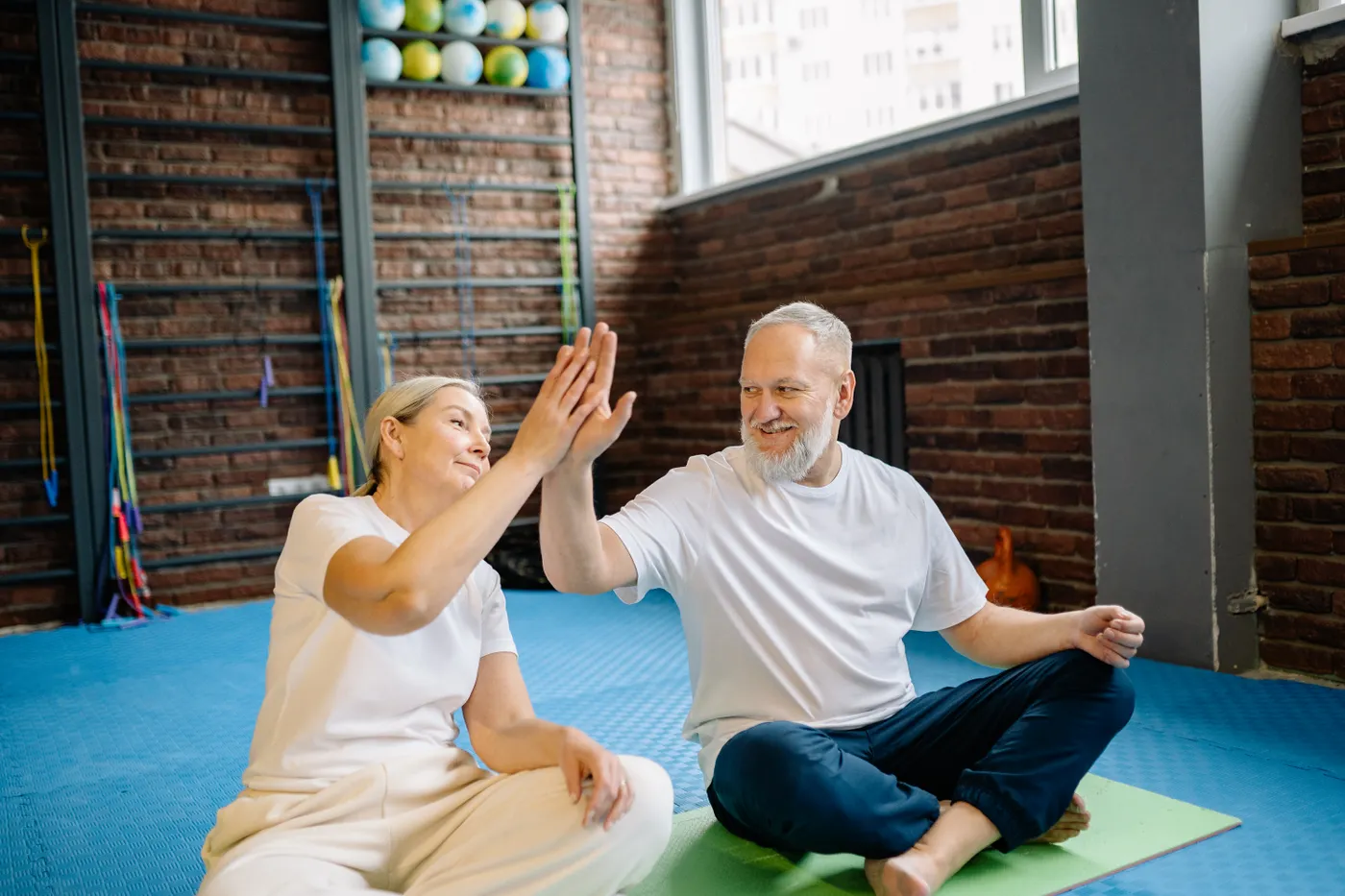
You do not need laboratory testing at four daily times to make a useful scheduling decision. A four-week audit can reveal which slot supports attendance, training quality and recovery.
Week 1: establish a baseline. Choose two reliable lifting days. Record start time, sleep duration, warm-up, working loads and repetitions for two main movements, and overall session effort. Avoid maximal attempts and unfamiliar exercises that would distort the comparison.
Week 2: improve preparation. Keep the same sessions but change one controllable factor, such as arriving less rushed, extending the warm-up or eating a modest snack. Do not change every variable at once, or you will not know what helped.
Week 3: test flexibility. If practical, move one session to another reasonable hour while keeping the exercise selection and approximate effort similar. Note whether attendance, performance, fatigue or sleep changes. One surprising result is a data point, not a verdict.
Week 4: review the trend. Compare sessions completed, repetitions gained, perceived effort, next-day fatigue and scheduling friction. If both slots work, keep both available. If one consistently fits your life better, make it the default.
The biggest lesson is that strength comes from training you can repeat and progress. The 2026 trial found no clear extra adaptation from matching older adults’ sessions to their individually strongest hour. Use that freedom to protect consistency rather than chasing a perfect clock.