Seven workouts are not enough to remake a human physique. Yet a new laboratory experiment suggests that the biological response to lifting can start well before a bathroom scale notices anything. After just seven resistance-style sessions, obese mice showed changes in the fat surrounding their intestines, including smaller fat cells and stronger molecular signals involved in mobilizing stored triglycerides. Their overall body weight had not fallen.
The headline is exciting, but the distinction matters: this was a mouse experiment, not evidence that seven gym sessions melt human belly fat. The useful question is what the experiment actually measured, how its findings compare with human resistance-training research, and what a realistic person should do while waiting for visible progress.
What happened in the seven-day experiment?
Researchers first used a high-fat diet over fourteen weeks to create an obese mouse model. The experiment included a standard-diet comparison and obese animals that either remained sedentary or performed resistance-style exercise. The obese groups continued on the same high-fat diet, which helped separate the training intervention from a deliberate change in food intake.
Instead of squats or dumbbells, the mice climbed a roughly 70-centimeter staircase with a load attached to their tails. The protocol used about 70% of each animal’s assessed carrying capacity, with twenty climbs and approximately 60 to 90 seconds of rest between efforts. They completed seven sessions. That is a demanding laboratory protocol, not a seven-day training prescription for beginners.
Investigators then studied mesenteric adipose tissue, the fat deposit associated with the intestines. They measured tissue mass, the size of individual adipocytes, and molecular features of lipid metabolism. The exercised obese mice had less of this specific fat tissue and smaller adipocytes than sedentary obese mice. Total body weight did not change significantly.
This is a narrow but important finding. The researchers observed a change in one internal fat depot in male mice under tightly controlled conditions. They did not establish how quickly a person’s waist, total body fat or long-term metabolic health would respond to an equivalent workout.
How lifting may switch on fat-cell machinery
Fat cells are not passive storage bags. They respond to hormones, energy demands and signaling from other tissues. When the body needs to mobilize stored triglycerides, a coordinated group of proteins helps release fatty acids. The mouse study focused on a pathway involving perilipin-1, or PLIN1, the co-activator ABHD5 and adipose triglyceride lipase, known as ATGL.
In simplified terms, PLIN1 helps regulate access to stored lipid droplets. Its phosphorylation can help free ABHD5 to work with ATGL, an enzyme involved in the initial step of triglyceride breakdown. In the obese sedentary animals, parts of this regulatory system were impaired. Following training, ABHD5 gene expression and protein abundance increased, alongside markers such as phosphorylated PLIN1 and hormone-sensitive lipase.
The investigators also examined SCD1, an enzyme associated with fatty-acid composition, and tissue-remodeling markers including MMP2 and MMP9. These measures suggested a shift away from the dysfunctional lipid-storage environment seen in the sedentary obese mice. But a changed protein signal is not identical to directly measuring every gram of fat oxidized, and a short experiment cannot tell us whether the response persists for months.
It is also easy to confuse lipolysis with net fat loss. Releasing fatty acids from a cell does not guarantee they will be permanently removed from the body’s energy stores; some can be re-esterified. The more convincing aspect here was the combination of molecular changes with a measured reduction in the studied fat depot. Even that observation remains animal-specific until human studies test the mechanism.
Why the scale can stay still while tissues change
A bathroom scale combines everything: muscle, fat, water, food and fluid in the digestive tract. It cannot reveal whether a small internal fat depot is changing. In a short window, ordinary water shifts can be much larger than the fat-mass changes a person might reasonably expect from training. This is why one unchanged weigh-in is a poor verdict on a new program.
Resistance exercise also creates temporary fluctuations. Hard sessions can increase local muscle inflammation and water retention, especially when the movement is unfamiliar. Glycogen stored with water may rise as training and eating patterns change. None of these processes means that fat loss has stopped. Conversely, a rapid drop on the scale may largely reflect fluid rather than meaningful fat loss.
In the mouse experiment, the absence of a change in total body mass was useful because it allowed the investigators to examine tissue-level adaptation before obvious whole-body weight loss. It does not mean that resistance training somehow bypasses energy balance or produces unlimited fat loss without dietary considerations. The animals were still consuming a controlled high-fat diet, and only a particular deposit was examined.
For a human lifter, better evidence comes from several signals considered together: a consistent waist-measurement method, a weekly average of morning weigh-ins if weight tracking is appropriate, progressive strength performance and how clothes fit. A single number is noisy. The trend over four to eight weeks is much more informative than day-to-day fluctuations.

Equipment Worth Exploring
Explore equipment, accessories and gear from our carefully selected range.


FID Bench MAX
Adjustable bench offering flat, incline, and decline positions + adjustable headrest.



What human studies actually say about lifting and fat
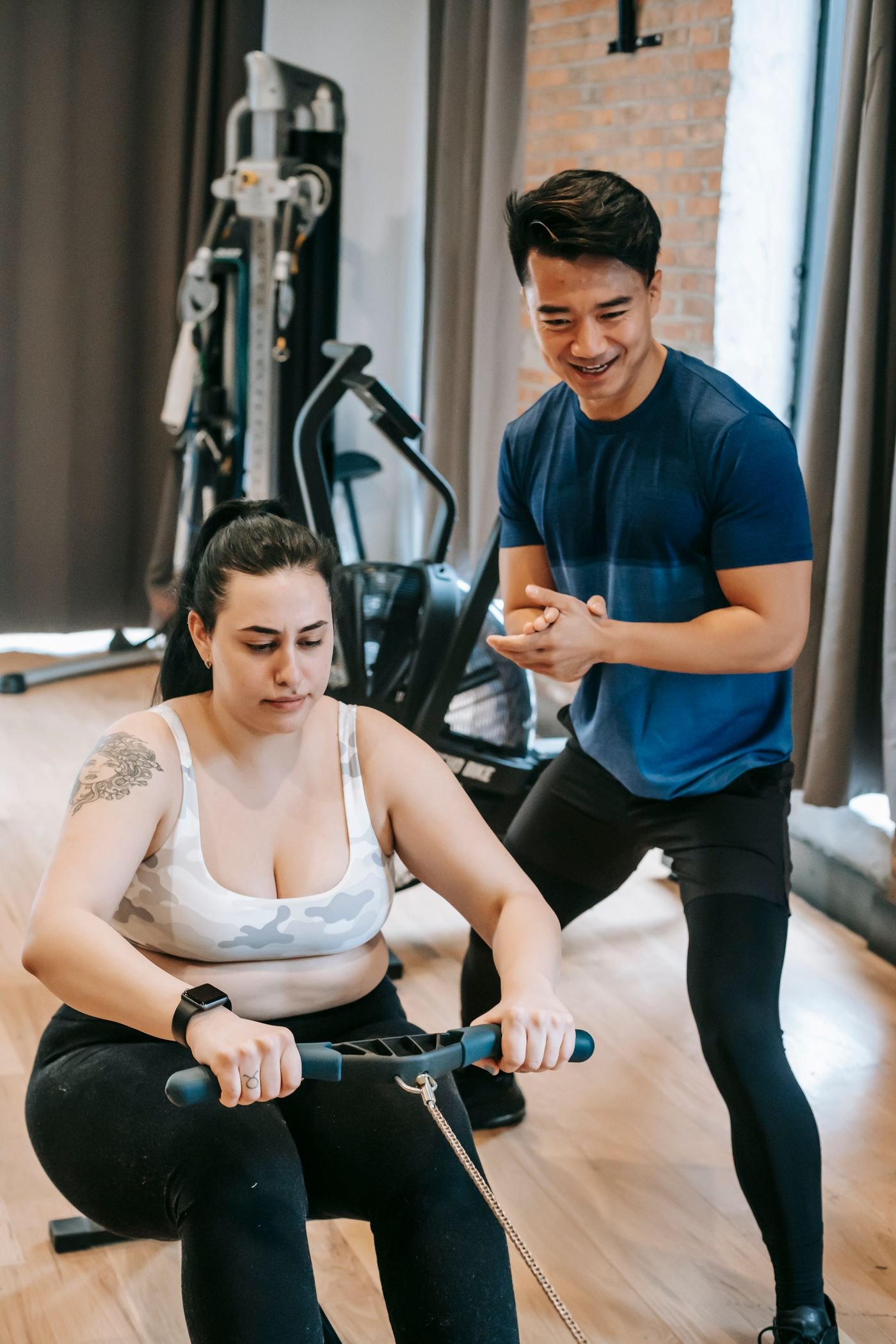
Fortunately, we do not need to extrapolate from mice to know that resistance training can improve body composition in people. A meta-analysis of randomized trials in generally healthy adults included 58 studies, 54 of which contributed to quantitative analysis. Compared with no-exercise controls, resistance training was associated with an average reduction of roughly 0.55 kilograms of fat mass, a decrease in body-fat percentage and a modest improvement in visceral-fat measures. Those are results from interventions lasting at least four weeks, not seven days.
Another broad synthesis of 114 randomized trials involving 4,184 participants with overweight or obesity found that resistance training alone reduced fat mass while helping increase lean mass. Programs that combined resistance training with dietary energy restriction produced larger average fat-mass reductions, and combined aerobic and resistance exercise also had benefits. The groups, training periods and methods varied, so the pooled figures are not guarantees for an individual.
A separate analysis of 65 trials in adults with overweight or obesity likewise reported average improvements in fat and lean mass following resistance-based programs. These human findings support a practical conclusion: lifting is useful for more than making muscles bigger, particularly when paired with a sustainable nutrition plan. They do not prove that the same PLIN1-ABHD5-ATGL sequence explains every observed human outcome.
Other mechanisms may contribute. Muscle contractions release signaling molecules, and one randomized human experiment found that blocking IL-6 signaling prevented the visceral-fat reduction otherwise seen with a twelve-week cycling intervention. That experiment concerned aerobic exercise and a specific signaling pathway, so it should not be presented as direct confirmation of the new mouse strength-training results.
The strongest evidence is therefore layered: a short animal experiment reveals a plausible mechanism; human trials show that longer resistance-training programs can reduce fat and preserve or build muscle; and future studies must connect the two.

Bodybuilding Shirts & Workout Gear
Bodybuilding shirts, tanks and gym gear for lifters chasing muscle, size, symmetry and the pump.

Commitment To Gains Stoic Greek God Marble Sculpture T-Shirt
Make gym days more fun with “Commitment to Gains Stoic Greek God Marble” style.

Science Based Lifting Rick And Morty Sweater Bros & T-Shirt
Keep things casual with a little “Science Based Lifting” attitude.

Big Biceps Theory & Weightlifting Bro Science Hoodie
Stay casual and show some lifting attitude with “Big Biceps Theory”.

The Big Flex Theory Gym | Science Based Lifting Muscle Tank Top
Add some lifting attitude to training with “The Big Flex Theory”.

Pencilneck Science Based Lifting Gym | Funny Workout De Sticker
Stick a little “Pencilneck Science Based Lifting” humor on your favorite gear.

Bro Science Swole Scientist | Bodybuilding & Powerlifti Sticker
Stick a little “Bro Science Swole Scientist” humor on your favorite gear.

Broscientology Crewneck Pullover Sweater Bro Science Gy T-Shirt
Show some gym-day personality with “Broscientology”.

Physical Mass Albert Einstein Science Based Lifting Bro T-Shirt
For laid-back days and bodybuilding humor: “Physical Mass”.
E=mclift Albert Einstein Science Based Lifting Bro Scie T-Shirt
A t-shirt featuring the E=mclift Albert Einstein Science Based Lifting Bro Science Workout Graphic Gym Shirt artwork, bringing lifting-inspired humor and distinctive gym graphics to your everyday gear.

E = mc² Energy Muscle Confidence Albert Einstein Scienc Hoodie
Keep it laid-back with a little “E = mc² Energy Muscle Confidence” attitude.
What this study does not prove about belly fat
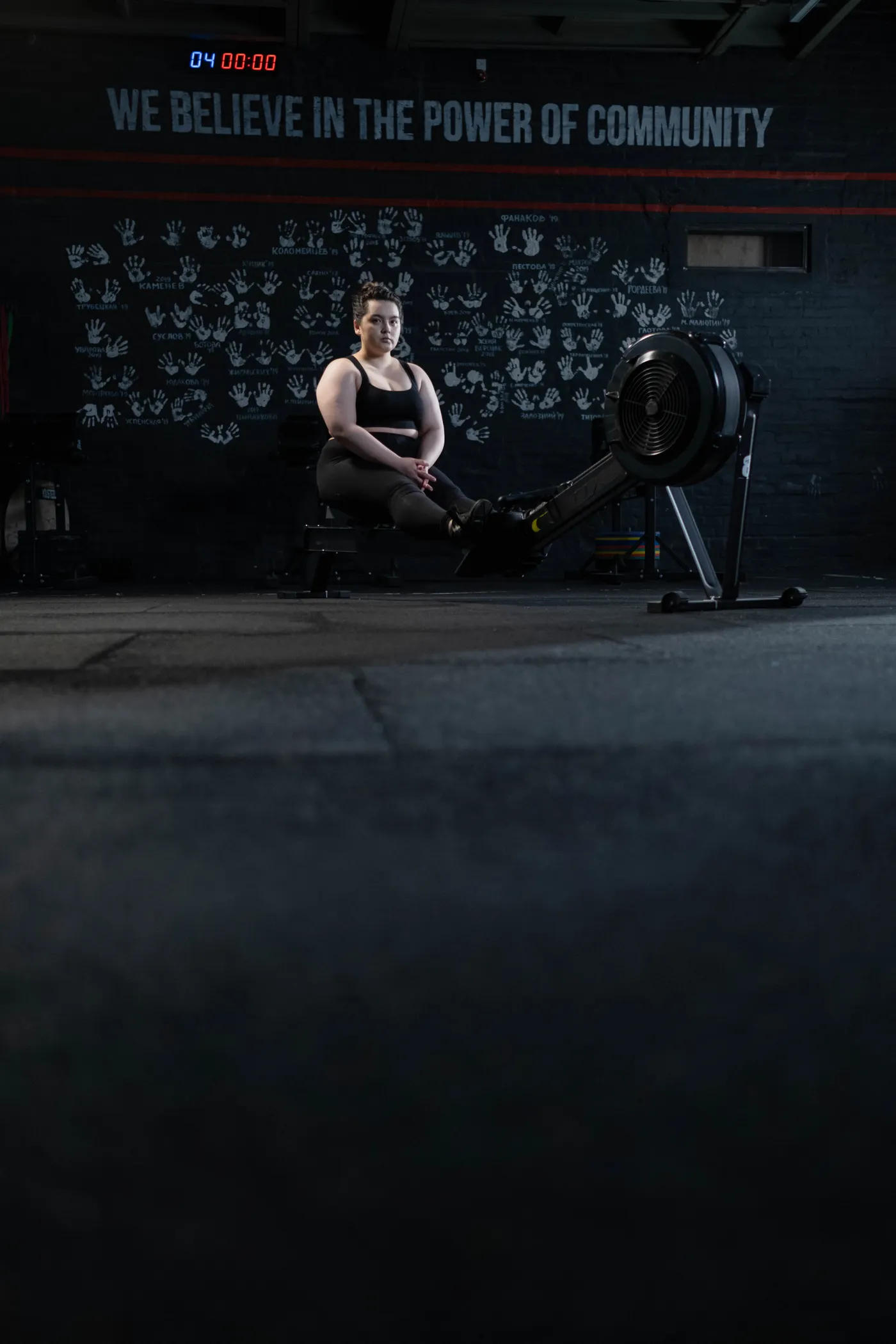
The phrase “fat cells shrank after seven days” can sound like a promise of visible abdominal definition. It is not. The study involved male Swiss mice made obese through a high-fat diet, not a mixed group of human lifters. The researchers examined mesenteric fat, not every abdominal fat compartment, and did not report a human-equivalent change in waist circumference or appearance.
Nor does the experiment establish spot reduction. Squats, rows and presses recruit particular muscles, but the body’s fat distribution is influenced by genetics, hormones, age and overall energy balance. Training the abs is valuable for strength and function; it does not give those muscles exclusive access to nearby fat stores.
There are also questions of duration and dose. Seven consecutive laboratory sessions do not tell us whether three weekly workouts would produce the same molecular response, how much recovery is optimal, or what happens after several months. The 70% carrying-load protocol is not directly interchangeable with 70% of a human one-rep maximum. The biological and mechanical demands are different.
Finally, an altered biomarker is not a clinical outcome. Smaller adipocytes and more active lipolysis-related proteins may be promising, but this study did not measure heart attacks, diabetes incidence, mortality or long-term human weight management. A careful reading can appreciate the finding without inflating its significance.
The realistic takeaway is that an early workout can matter even when the scale is quiet, while measurable physique changes usually demand repeated training, appropriate eating and patience. That is less dramatic than a one-week transformation claim, but far more useful.
A practical four-week home-gym starting plan
You do not need a staircase for mice or seven consecutive maximal sessions. For a beginner or someone returning after a break, three full-body workouts each week provide a manageable way to practice the movements, accumulate quality work and recover. A rack, adjustable dumbbells, a cable machine or even a few basic free weights can support the program.
Workout A: squat or goblet squat, horizontal push such as a dumbbell bench press or elevated push-up, cable or dumbbell row, and a short loaded carry. Start with two sets of six to twelve controlled repetitions per movement. For carries, begin with two comfortable 20- to 40-second bouts.
Workout B: Romanian deadlift or another hip hinge, overhead or incline press, pulldown or assisted pull-up, and a split squat or step-up. Again, use two sets per movement. Alternate A and B across Monday, Wednesday and Friday, leaving at least a day between demanding sessions. Walking or gentle cycling on other days can improve activity without adding another exhausting strength workout.
During week one, choose loads that leave about three repetitions in reserve and learn a repeatable range of motion. In week two, add a repetition to each set where technique stays sound. In week three, move to three sets for one or two priority lifts if recovery is good. In week four, increase resistance slightly only after reaching the top of the chosen repetition range with clean form. Do not chase failure on every set.
For people with cardiovascular disease, major joint problems, recent surgery or other medical restrictions, exercise selection and intensity may need professional adjustment. Pain that changes your movement is a reason to modify the exercise, not a badge of effort. The goal is a repeatable training habit, not to imitate an animal-study dose.
Nutrition still matters. Adequate protein helps support lean tissue, while a moderate, sustainable energy deficit is generally needed when the specific goal is reducing total body fat. Pair lifting with activity you enjoy rather than treating every session as a punishment for eating.
Equipment Worth Exploring
Explore equipment, accessories and gear from our carefully selected range.


Power Tower
Freestanding pull-up and dip station with adjustable handles for bodyweight training.


GymPin Squat Wedges
Non-slip 15-degree squat wedges help elevate the heels for deeper quad-focused squats.


How to judge progress without a seven-day miracle
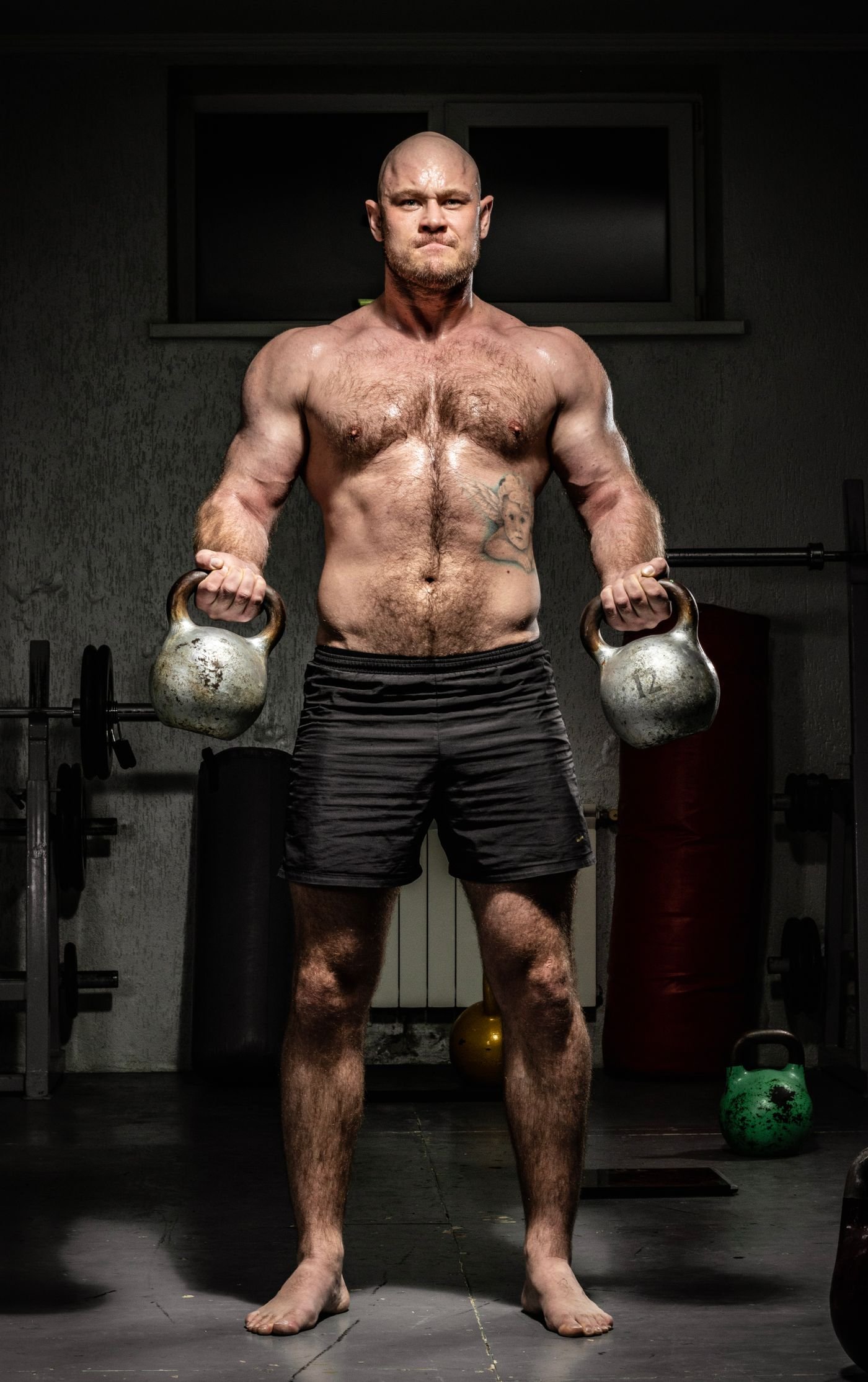
Start with performance, because it is measurable without a body scan. Record the exercise, load, repetitions and a rough effort rating. If you can perform more controlled repetitions with the same weight, or the same repetitions with slightly more weight, your training is producing a useful adaptation. Progress can occur before a mirror shows much difference.
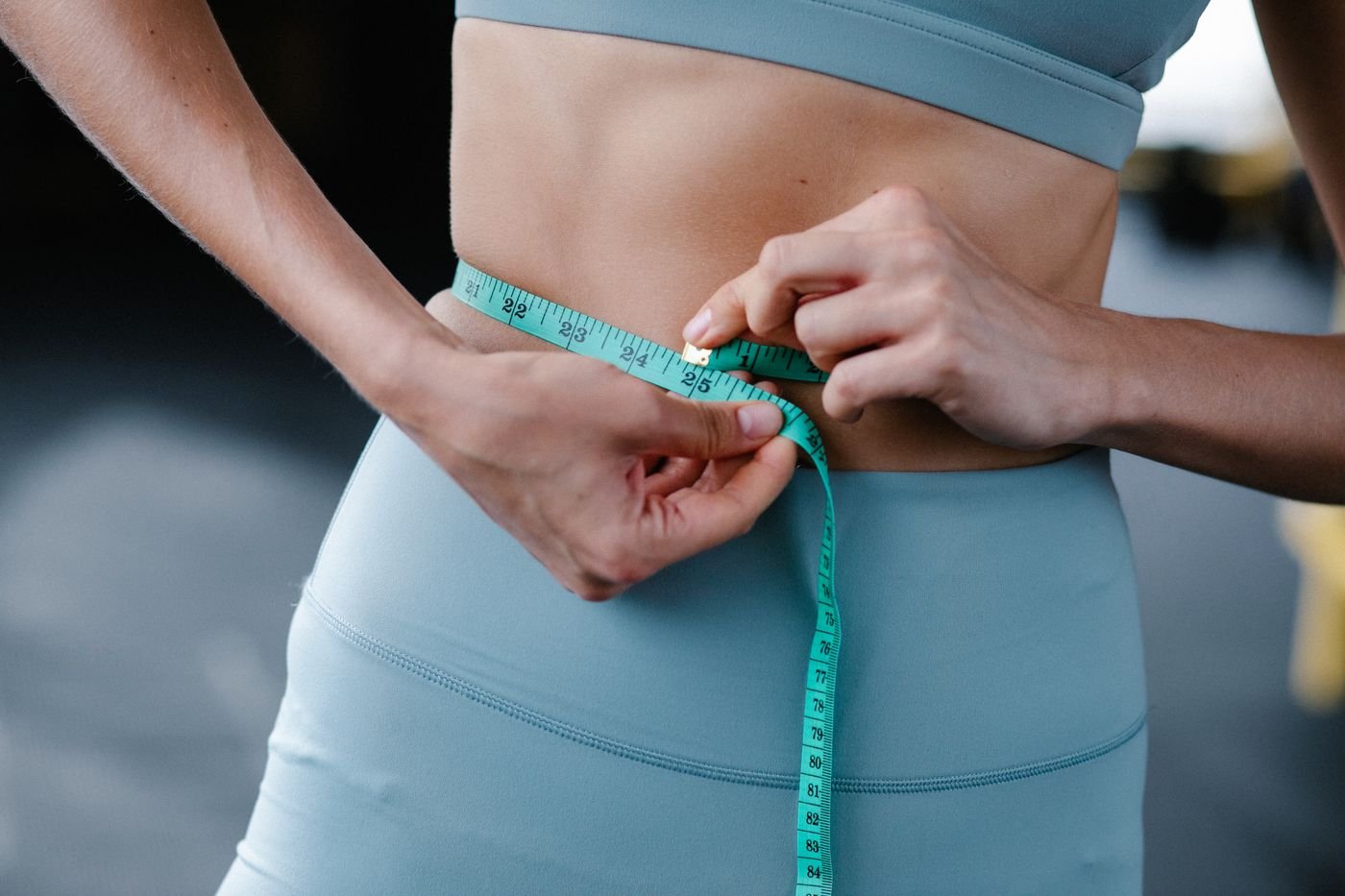
Next, use a small set of health and body-composition measures rather than collecting every possible metric. If fat loss is a goal and weighing yourself is helpful, compare weekly averages under similar conditions. Measure waist circumference at the same landmark and time of day every two to four weeks. Photos taken with consistent lighting and posture may show changes that daily inspection misses. Consumer smart scales can be convenient, but their estimated muscle and fat percentages fluctuate with hydration and should not be treated as precise tissue measurements.
Watch the less glamorous signals too: sleep quality, soreness, energy, hunger and willingness to return for the next session. A program that makes you stronger but leaves you chronically exhausted is not necessarily well designed. For many people, consistency over twelve weeks matters more than a perfect first week.
By the end of four weeks, a useful result might be better exercise technique, higher training volume, improved walking capacity or a small shift in waist measurement. Some people will see little visual change. That is normal, not proof that the training was pointless. The new mouse experiment is a reminder that biological adaptation can precede obvious outward results; it is not a stopwatch for human fat loss.
Bottom line: seven strength sessions altered a specific visceral-fat depot and its lipid-metabolism signals in obese mice. Human research supports longer-term body-composition benefits from lifting. The bridge between those findings is promising but incomplete, so train progressively, eat sustainably and judge your results over weeks and months rather than seven days.
Funny Gym Shirts & Workout Gear
Funny gym shirts, tanks, hoodies and workout gear for lifters who like training hard.

I Wanna Lift Heavy Metal Twisted Sister Meme Top T-Shirt
Make gym days more fun with “I Wanna Lift Heavy Metal” style.

Train Hard Geek Harder Wizard Fantasy Swoleplaying T-Shirt
Show some gaming attitude with a playful “Train Hard Geek Harder Gym Wizard” tee.

Listen Heavy Lift Heavy Shirt | Heavy Metal Lifting Sku T-Shirt
Bring “Listen Heavy Lift” humor to your next gym day.

Lift Heavy – Hardcore Heavy Metal Gym Decal for Powerli Sticker
Give your everyday gear a playful “Lift Heavy” twist.

I Want You To Do One More Rep – Uncle Sam Patriotic Wor Sticker
Give your everyday gear a playful “I Want You To Do One More Rep” twist.

Funny Uncle Sam Gym | I Want You To Lift Heavy Patrioti Tank Top
Your gym-day look, with a playful “Uncle Sam” twist.

Pride – LGBTQ+ Progress Flag & Weight Plate Meme T-Shirt
Show some lifting attitude with a playful “Gym Pride” tee.

Flaming Skull Crewneck Gym Wear Strength Gift Uplift Ir T-Shirt
Keep things casual with a little “Sweatshirt Flaming Skull” attitude.

Viking Gym – Funny Norse Workout Pullover & Strength Wa T-Shirt
Show some gym-day personality with “Viking”.

No Days Off for Daily Workouts, Lifting, and Fitness Di Hoodie
Keep it laid-back with a little “No Days Off” attitude.