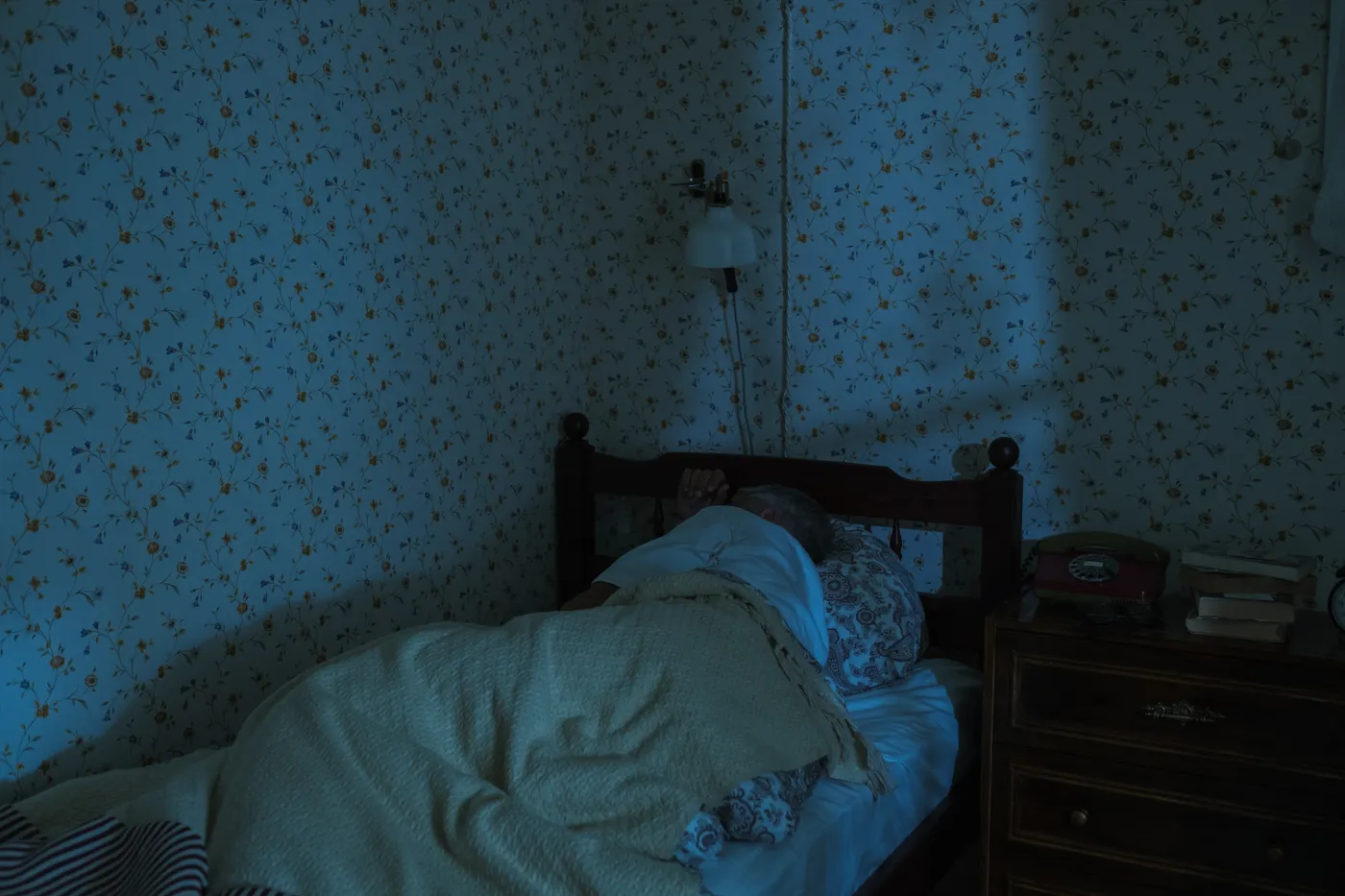
How long should you sleep if you care about long-term health and your next workout? A large 2026 analysis linked unusually short and unusually long sleep with less favorable estimates of biological aging across several body systems. The lowest values on different aging measures appeared at self-reported durations ranging from 6.4 to 7.8 hours. That sounds precise, but it is not a prescription. The study observed people rather than assigning sleep schedules; it did not prove that shortening an eight-hour night to seven hours slows aging.
For active adults, the more useful question is how population evidence fits with personal sleep need, training load, alertness and recovery. Here is what the clocks measured, why the apparent sweet spot can mislead, and how to make practical changes without turning sleep into another number to chase.
Some equipment links may be affiliate links, supporting our independent work at no additional cost to you.
What biological aging clocks really measure
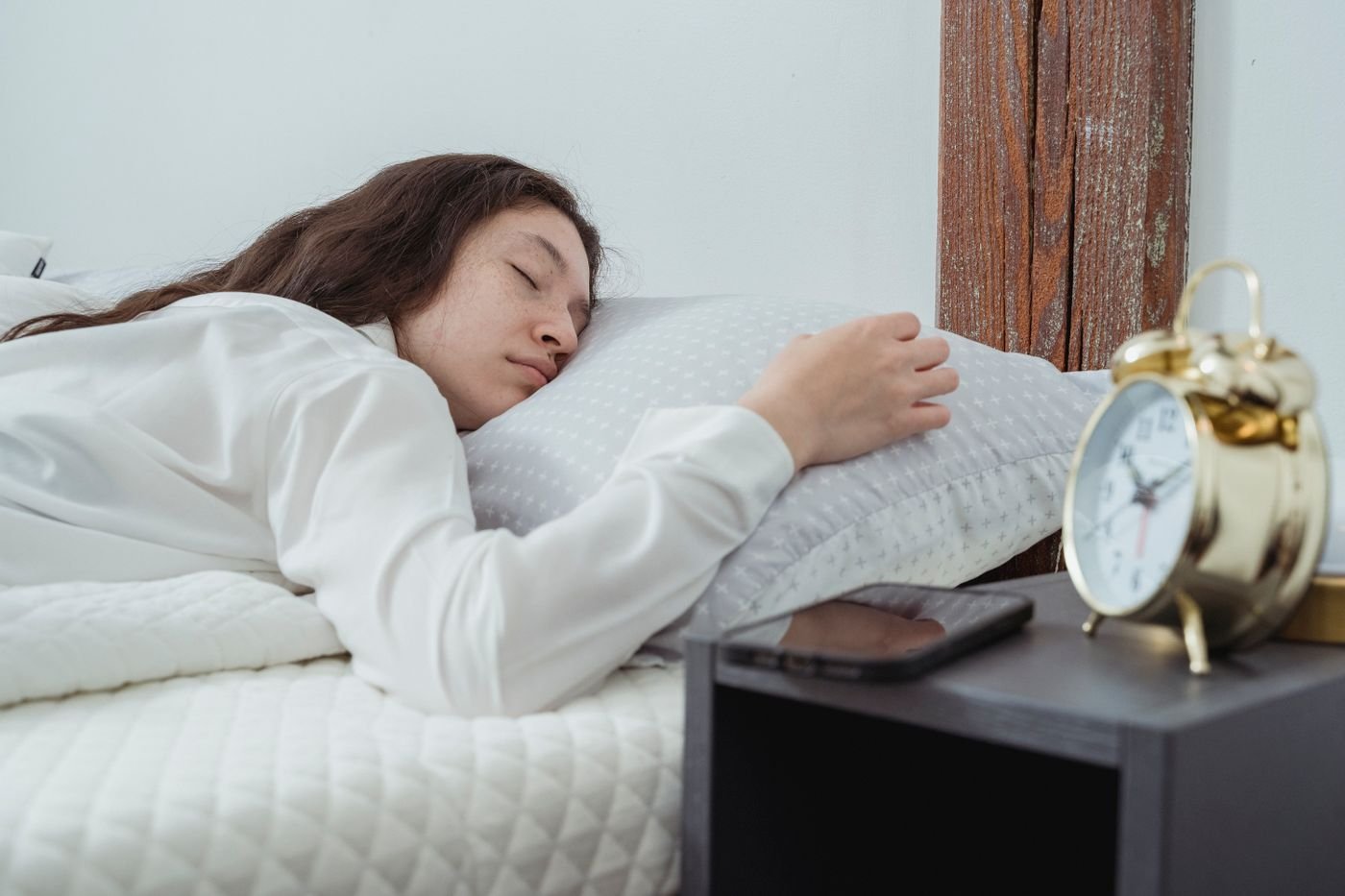
Chronological age counts birthdays. Biological age estimates how a particular tissue or system compares with patterns seen in a reference population. Two people can be 50 years old yet have measurements that resemble those more common among younger or older people. This is a statistical comparison, not a literal countdown of how many years remain.
The 2026 analysis examined 23 aging clocks derived from three broad sources: medical imaging, proteins in blood and metabolites associated with biological processes. The clocks represented multiple organs and systems. Researchers compared the estimated age with chronological age to calculate an age gap. A higher gap suggests that the measurement looks older than expected for someone’s age, while a lower gap suggests the opposite.
Using several types of data is valuable because an association recurring across different measurements is harder to dismiss as an artifact of one test. But clocks are still models. Their accuracy depends on the population, the biological variables selected and the way they were trained. They cannot directly diagnose a disease or prove that a specific bedtime will extend life.
The analysis used information from adults aged 37 to 84. Usual sleep duration, including naps, was self-reported. The study did not continuously measure every night in a sleep laboratory, nor did it randomly assign people to six-, seven- or nine-hour schedules. People can misestimate their typical sleep, especially when nights are inconsistent. Those limitations matter before applying a seemingly precise range to an individual.
Why the relationship looks U-shaped
Imagine plotting sleep hours along the horizontal axis and estimated biological-age gap on the vertical axis. A U-shaped curve means values look less favorable at both ends than somewhere in the middle. Across different clocks, the lowest estimated gaps clustered between roughly 6.4 and 7.8 reported hours. The precise minimum varied by organ and sex, rather than landing at one universal number.
For some disease and mortality comparisons, researchers used broader groups: fewer than six hours, six to eight hours and more than eight hours. Both extremes were associated with higher risks for certain outcomes compared with the middle category. Not every organ clock or health outcome behaved identically. The headline range summarizes several fitted relationships, not a sharp threshold that every person must hit.
Association is not intervention. Someone sleeping five hours might be managing shift work, caregiving, chronic stress or insomnia. Someone sleeping nine or ten might be repaying sleep debt, recovering from illness or living with a condition that increases fatigue. Those circumstances can affect health independently of sleep. Statistical adjustments help, but cannot eliminate every unmeasured influence.
Consider two adults who each report eight hours. One sleeps soundly on a stable schedule and wakes refreshed. The other spends ten hours in bed, wakes repeatedly and struggles through the day. Their stated duration may be similar even though the quality and underlying circumstances differ. A population curve cannot tell either person what to change without additional context.

Equipment Worth Exploring
Explore equipment, accessories and gear from our carefully selected range.

Apple Watch Ultra 3
Rugged 49 mm smartwatch with cellular connectivity, GPS and fitness tracking.

Powerbeats Fit
Secure-fit wireless workout earbuds with active noise cancellation and a charging case.


Does this mean eight hours is too much?
No. The easiest error is to treat 7.8 hours as a cliff beyond which sleep becomes harmful. The research did not establish such a boundary. It did not demonstrate that restricting a healthy eight-hour sleeper to seven hours improves aging outcomes. The values are fitted population estimates, not a clinical prescription.
Established adult guidance generally recommends at least seven hours of sleep regularly. Many adults function well around seven to nine hours, while needs differ by age, health, sleep debt and circumstances. Young adults and people recovering from lost sleep or illness may reasonably need more. Someone who consistently wakes refreshed after eight and a half hours should not assume that amount is suddenly dangerous.
Long sleep is especially complicated to interpret. It may reflect an underlying health condition rather than cause one. Persistent fatigue, mood changes, medications, sleep-disordered breathing and chronic disease can alter time in bed. Short sleep can reflect constrained opportunity rather than a simple preference for less rest. Observational and genetic analyses cannot fully settle which direction a particular association runs.
The practical takeaway is to notice unusual changes, not to shorten a successful routine. If your schedule provides adequate rest, alertness and consistent training, protect it. A sudden need for much more or much less sleep deserves more attention than being slightly above the lowest point on a statistical curve. Sleep should be judged partly by how you function, not by decimal places.

Funny Gym Shirts & Workout Gear
Funny gym shirts, tanks, hoodies and workout gear for lifters who like training hard.

More Rest More Test Meme Testosterone Bro T-Shirt
For laid-back days and lifting humor: “More Rest More Test”.


Everything Hurts And I'M Tired Duck Meme Decal Sticker
Bring “Everything Hurts And I'm Tired” attitude to your water bottle or laptop.

Crazy Coffee Meme : Hellraiser Caffeine Shirt T-Shirt
Bring “Crazy Coffee Gym Meme” humor to your next gym day.

Off-Season Rest Day Sweater & Bros Meme T-Shirt
For laid-back days and powerlifting humor: “Off-Season Rest Day”.

Weights Breakfast Pancake Weight Plates Morning T-Shirt
Bring “Weights For Breakfast” humor to your next gym day.

Grateful Weights Caffeine Tee
Show some metalhead attitude with a playful “Grateful Weights” tee.

Rest Day Sloth – Essential T-Shirt
Show some bodybuilding attitude with a playful “Rest Day Sloth” tee.

Swole Siren Starbucks Coffee And Gains Meme T-Shirt
Make gym days more fun with “Swole Siren Starbucks Coffee and Gains” style.
What sleep means for lifting and recovery
The aging-clock analysis was not a resistance-training trial. It did not compare hypertrophy, one-repetition maximums or muscle recovery among lifters assigned to different sleep durations. It would be incorrect to convert its associations into a claim that exactly seven hours maximizes muscle growth or that nine hours reduces gains.
Sleep influences attention, reaction time, mood and perceived effort. After a short night, an ordinary workout may feel unusually difficult. Repeatedly inadequate sleep can make consistent training and recovery harder. Yet one imperfect night does not erase weeks of progress. Response depends on the person’s history, the type of session and the broader workload.
When recovery feels poor, examine more than sleep duration. Did weekly training volume jump? Did the workout finish late? Are calories or carbohydrates inadequate? Has stress increased? Is soreness higher because an exercise is new? A low readiness score from a watch can be a prompt to investigate, but it should not automatically overrule symptoms or force a hard session when you feel unwell.
Use several signals together: recent sleep, daytime alertness, persistent soreness, warm-up performance and training load. If you slept poorly but feel fine after warming up, a normal or slightly reduced session may be reasonable. If you are repeatedly exhausted or losing performance, reduce intensity or volume temporarily and address the underlying sleep problem. This is sensible fatigue management, not an attempt to diagnose disease from a wearable metric.
Quality and regularity matter alongside hours
Eight hours can mean one fairly continuous night or a fragmented night with many awakenings. The biological-clock analysis focused on reported duration, so it cannot establish that those experiences are equivalent. Sleep timing, regularity and quality give meaning to the total.
Begin with a repeatable wake time that fits work, family and training. Allow enough opportunity for sleep by moving bedtime earlier when necessary, rather than relying entirely on weekend catch-up. Morning daylight and daytime movement can help anchor the routine. In the evening, reduce avoidable stimulation if it keeps you awake. A cool, dark and quiet room can help, though preferences differ.
Caffeine is particularly relevant for athletes. A strong late pre-workout may improve the session while delaying sleep onset. The useful experiment is not necessarily banning caffeine; it is moving the last dose earlier and watching whether sleep improves. Alcohol may fragment sleep even if it initially makes someone drowsy. Travel, heavy late meals and shift schedules may require individualized solutions rather than a perfect checklist.
Wearables can reveal repeated patterns in bedtimes and approximate duration. Their sleep-stage and recovery estimates deserve caution. Consumer sensors do not replace clinical sleep testing, and small daily changes may be measurement noise. If tracking increases anxiety, use a simple log of sleep opportunity, morning energy and training readiness. The goal is better functioning, not a flawless dashboard.
Equipment Worth Exploring
Explore equipment, accessories and gear from our carefully selected range.
VOLTRA
Compact digital cable trainer with smooth, adjustable resistance.

Go-Tone Pro
Portable digital cable trainer with up to 66 lb (30 kg) of adjustable resistance.


FID Bench MAX
Adjustable bench offering flat, incline, and decline positions + adjustable headrest.


Power Tower
Freestanding pull-up and dip station with adjustable handles for bodyweight training.
A four-week experiment for active adults
Instead of chasing a supposed 7.8-hour ceiling, test whether greater consistency improves how you feel. Keep your training program broadly stable while changing one sleep-related habit at a time. That makes patterns easier to interpret, although this is still personal observation rather than a controlled trial.
Week 1: establish your baseline. Record approximate time in bed, estimated hours asleep, remembered awakenings, morning alertness on a one-to-five scale and the day’s training. Do not optimize everything yet. If you sleep less than seven hours, note whether the problem is insufficient time available or difficulty sleeping despite enough opportunity.
Week 2: protect sleep opportunity. Choose a realistic wake time and allow enough time in bed for your likely needs. If your nights are chronically short, move bedtime earlier by 15 to 30 minutes instead of making a dramatic change. Keep a consistent wind-down routine and avoid increasing training volume simultaneously.
Week 3: remove one obstacle. Try an earlier caffeine cutoff, a darker room, less late-night screen stimulation or a steadier schedule. Select the factor most relevant to your baseline. Compare several nights, not one exceptional result. A good night does not prove a cause, and occasional variation is normal.
Week 4: evaluate the whole picture. Review average sleep, poor nights, morning energy, training adherence and whether warm-ups feel easier. Keep changes that improve functioning without creating excessive rigidity. If results remain unclear, maintain the simplest helpful habit and observe longer. Do not deliberately shorten restorative sleep just because a model identified a lower numerical optimum.
Maintain a manageable mix of resistance work and cardiovascular activity. When sleep is repeatedly poor, avoid combining maximal training stress with aggressive dietary restriction. People with medical sleep conditions should use appropriate professional care rather than relying on a self-experiment.
Bodybuilding Shirts & Workout Gear
Bodybuilding shirts, tanks and gym gear for lifters chasing muscle, size, symmetry and the pump.

Sleeping Booty Bootybuilding Meme Princess Tank Top
Show some personality between sets with “Sleeping Booty”.


A Hard Gain'S Night , Beatles Rock Music Meme T-Shirt
Bring “A Hard Gain's Night” humor to your next gym day.

Crazy Preworkout Energy Skull & Flames Meme Top T-Shirt
Heavy lifts, good laughs, and a little “Crazy Preworkout Energy Graphic” energy.

Everything Hurts and I'm Tired Tee
Make gym days more fun with “Everything Hurts And I'm Tired” style.

Protein Monster Gym Hoodie for Protein Lovers
Bring “Protein Monster” gym humor to lazy days and post-workout plans.


Iron Knight Motivational Bodybuilders & Hooded Hoodie
Show off your medieval humor in a laid-back “Iron Knight” hoodie.

What to track and when to get help
The best outcome is not a particular number. It is waking reasonably refreshed, remaining alert through the day, performing ordinary tasks safely and recovering well enough to train consistently. Review trends over weeks rather than reacting to a single night or readiness score.
Useful signals include a stable sleep schedule, enough opportunity to rest, fewer nights of prolonged wakefulness and less persistent daytime fatigue. Training performance offers additional context, but nutrition, motivation and exercise selection affect it too. A strong workout does not prove that sleep is ideal, just as a weak workout does not establish a sleep disorder.
Some patterns deserve medical assessment. Loud snoring with witnessed pauses in breathing, waking gasping, significant daytime sleepiness, drowsy driving, persistent insomnia or a sudden unexplained increase in sleep need are not problems to solve solely with a better bedtime checklist. People with chronic conditions or medications affecting sleep should discuss changes with their clinician.
The 2026 findings add an interesting view of how sleep duration relates to measurements across the body. They do not overturn the foundation: obtain enough sleep for your circumstances, keep the schedule sustainable and pay attention to quality and functioning. For lifters, sleep supports the training process. It is not a contest to land on a mathematically perfect number. If you already sleep well and feel well, protecting that habit is more useful than optimizing it down to the minute.