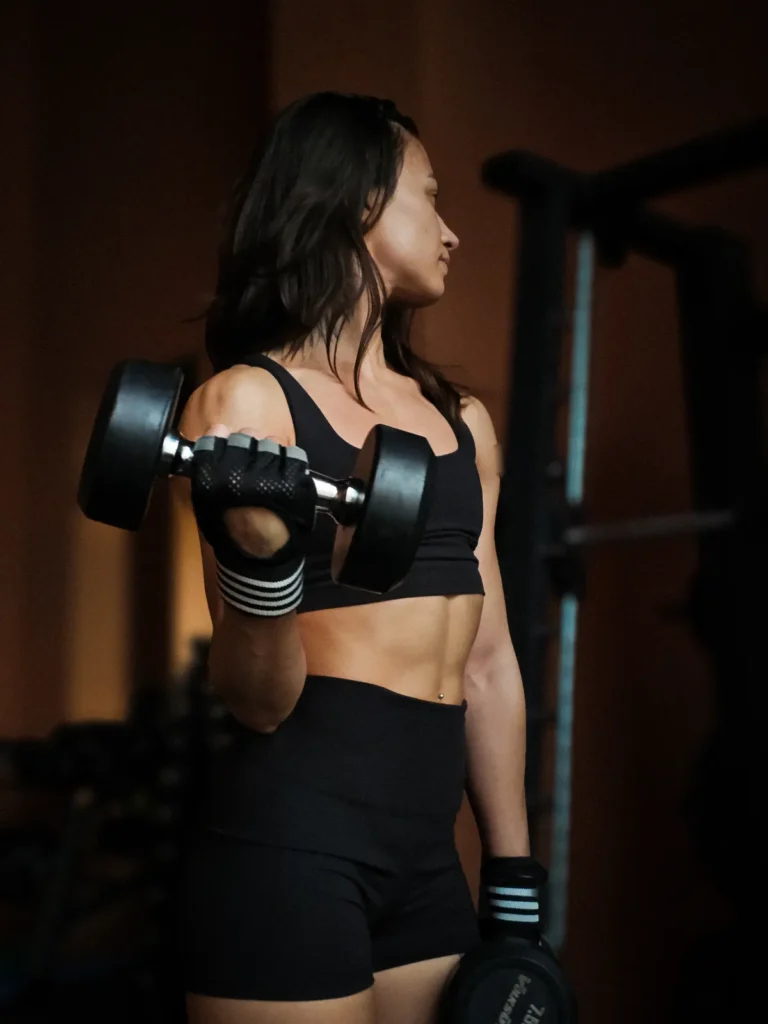
Two lifters can follow the same program and experience very different changes inside their muscles. A September 2026 experiment offers a closer look at why. Rather than treating a muscle biopsy as one blended sample, investigators examined proteins separately in slow-twitch and fast-twitch fibers, then compared how those fibers responded to eight weeks of lifting.
The headline finding is intriguing: fast-twitch, or type II, fibers showed much broader changes in their protein machinery than type I fibers. The team also identified a mechanically responsive protein called CSRP3 and explored its possible contribution to growth in mice. Neither result means that one fiber type is the only one worth training, that women need a secret workout, or that manipulating a single protein will transform human physiques. The practical story is about how muscle adapts, what measurements establish, and which familiar training habits remain sensible.
What the eight-week strength experiment tested

The human portion involved 24 previously untrained adults: 12 women and 12 men. Participants completed supervised resistance training three times weekly for eight weeks. Researchers collected samples from the vastus lateralis, a quadriceps muscle, before training and three days after the final session. They also assessed leg lean mass and one-repetition-maximum leg-press strength.
Both groups improved leg strength and leg lean mass. Importantly, the experiment did not report a difference between men and women in those overall training outcomes. A molecular difference is not automatically a meaningful difference in the amount of muscle or strength someone can gain.
The distinctive method came after the biopsies. Individual fibers were sorted into type I and type II groups, then analyzed with technology capable of surveying thousands of proteins. Pooling fibers by type made it possible to detect changes that might be hidden if all tissue were blended together. The researchers were examining the proteome: the proteins present in muscle and their relative abundance, not merely the genes carried by a participant.
Eight weeks is enough to observe early adaptations, but cannot describe years of training. All volunteers began without recent resistance-training experience. A quadriceps biopsy cannot establish that the same changes occur identically in every muscle. These are group-level findings, not a test that tells an individual which workout is optimal.
Type I and type II fibers: different jobs, shared potential
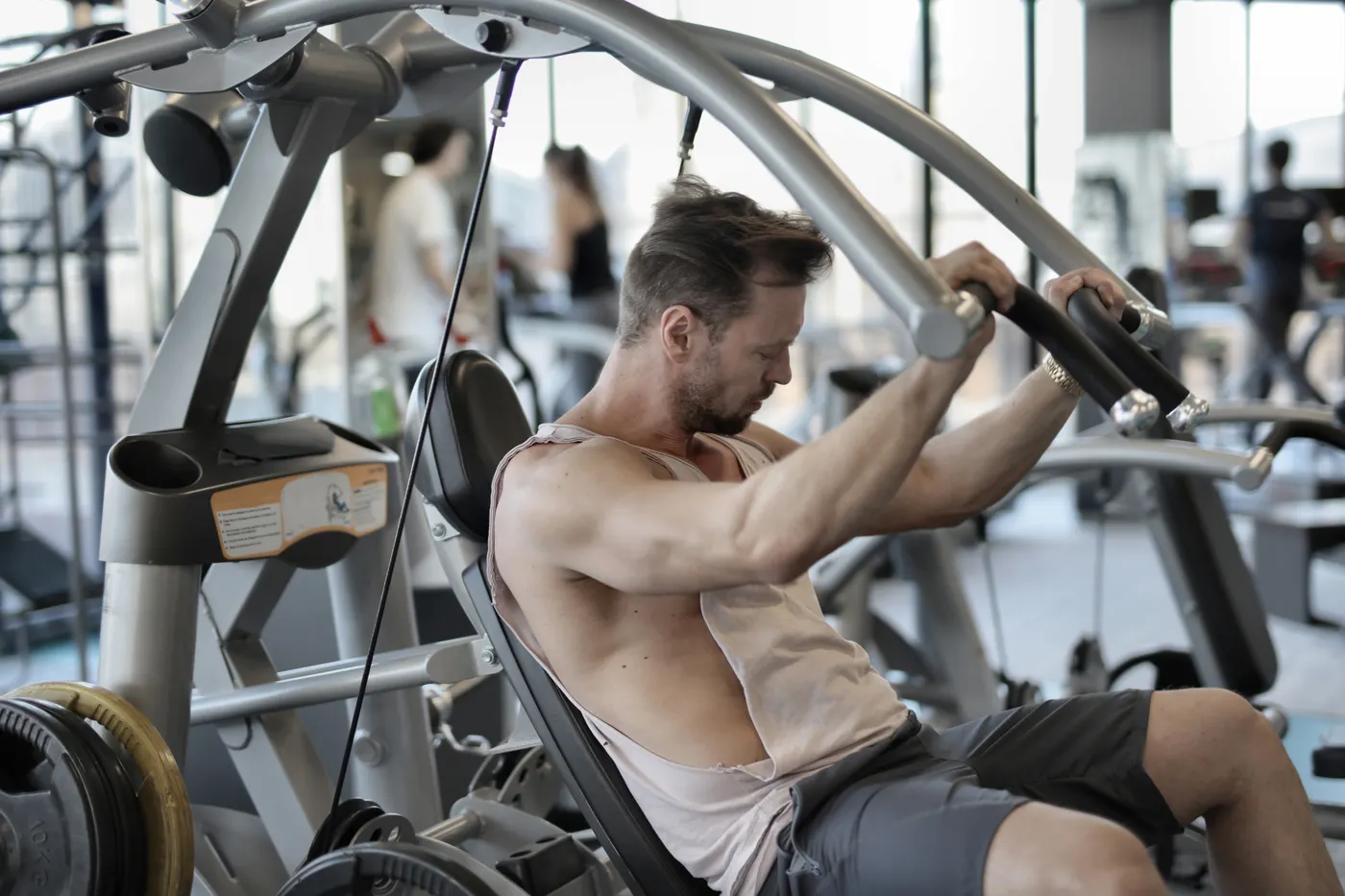
Type I fibers are often described as slow-twitch because they generally sustain lower-force activity efficiently and resist fatigue well. Type II fibers generally produce force faster and contribute substantially when demand rises, including during hard lifting and explosive efforts. Most working muscles contain a mixture. Proportions and properties vary between people and muscles, and a single exercise rarely recruits just one type.
In the 2026 experiment, protein remodeling after training was substantially more extensive in type II fibers in both sexes. That is a finding about the breadth of detectable molecular changes. It is not proof that every type II fiber grew by a particular percentage, or that type I fibers were inactive. The investigators also observed changes in protein groups involved in processes beyond contractile growth, making the distinction especially important.
During a challenging set, the nervous system recruits motor units according to force requirements and fatigue. A light load carried sufficiently close to failure can eventually demand substantial motor-unit recruitment, while heavier loads recruit high-force units earlier. Neither observation gives a reason to abandon a comfortable range of loads in favor of only maximal singles or only very high repetitions.
For programming, it is more useful to distinguish the training stimulus from the fiber label. Sets need enough effort and appropriate volume, exercises must load the intended muscle, and the program should allow recovery. A leg press, squat, split squat and knee extension can all contribute to quadriceps training through different mechanics and practical constraints. The paper supports the idea that fibers adapt in distinct ways; it does not identify one magic rep range that selectively grows fast-twitch muscle.
Being a fast sprinter or strong squatter does not let you accurately infer your exact fiber distribution. Questionnaires promising a customized plan based on a simplistic fast-twitch versus slow-twitch label should be treated skeptically.

Equipment Worth Exploring
Explore equipment, accessories and gear from our carefully selected range.


FID Bench MAX
Adjustable bench offering flat, incline, and decline positions + adjustable headrest.


GymPin Squat Wedges
Non-slip 15-degree squat wedges help elevate the heels for deeper quad-focused squats.

CSRP3: a promising growth signal, not a workout hack
One of the proteins that drew attention was CSRP3, also associated with muscle LIM protein. It participates in structures and signaling processes related to mechanical stress. In the human biopsies, its abundance rose preferentially in type II fibers after training. That association made it a candidate worth investigating rather than a confirmed master switch for growth.
The researchers performed a separate experiment in nine mice. They used a viral delivery method to increase CSRP3 expression in muscle on one side, while the other side received a comparison vector. Increasing the protein was associated with greater muscle mass in treated tissue. That provides experimental evidence that CSRP3 can influence muscle size under those conditions, but it does not establish that ordinary human training works entirely through CSRP3.
Mouse muscle, viral overexpression and human resistance exercise are very different settings. Raising one protein beyond its normal regulation is not the same as the gradual adaptations of a lifter who adds a few repetitions or kilograms over months. The experiment did not test a supplement, consumer device, training technique or human therapy. It also did not fully resolve the downstream steps by which CSRP3 affects growth.
The useful conceptual insight is that mechanical loading is translated into cellular signals. Muscles respond to tension through interconnected systems involving structural proteins, protein synthesis, repair and remodeling. There is no need to chase an obscure biomarker at the expense of a coherent training plan.
Keep a stable exercise selection long enough to measure performance, use a repeatable range of motion, and progress when technique and recovery permit. Those habits create a reliable stimulus without claiming to control CSRP3 directly.

Bodybuilding Shirts & Workout Gear
Bodybuilding shirts, tanks and gym gear for lifters chasing muscle, size, symmetry and the pump.

I Love Squats | Valentine's Leg Day Muscle Shirt Tank Top
Add some leg-day attitude to training with “I Love Squats”.

Brains Beauty Booty Focused On Glute Gains & Memes Tank Top
Add some lifting attitude to training with “Brains Beauty Booty”.

Big Ass Energy & Meme Fans Athletic Shirt Tank Top
Your gym-day look, with a playful “Big Ass Energy” twist.

Shirt & – The Real Alps Muscle Mountain , Gymbros & T-Shirt
Rep “Funny Gym Shirt & Pump” humor in and out of the gym.

Don't Skip Mop Day Tee
Show some powerlifting attitude with a playful “Don't Skip Mop Day Anatoly” tee.

Spread Cheeks Not Hate Leg Day & Glutes Gains Meme Hoodie
Show off your leg-day humor in a laid-back “Spread Cheeks Not Hate” hoodie.

Princess Peach Leg Day – Meme & Gains T-Shirt
Show some leg-day attitude with a playful “Princess Peach Leg Day” tee.


Big Heart Bigger Ass & Leg Day Meme Hoodie
Make your off-duty look more fun with “Big Heart Bigger Ass”.

Deadlifts And Dragons Shirt Fantasy Swoleplaying T-Shirt
Rep “Deadlifts and Dragons” humor in and out of the gym.
Did women and men respond differently?
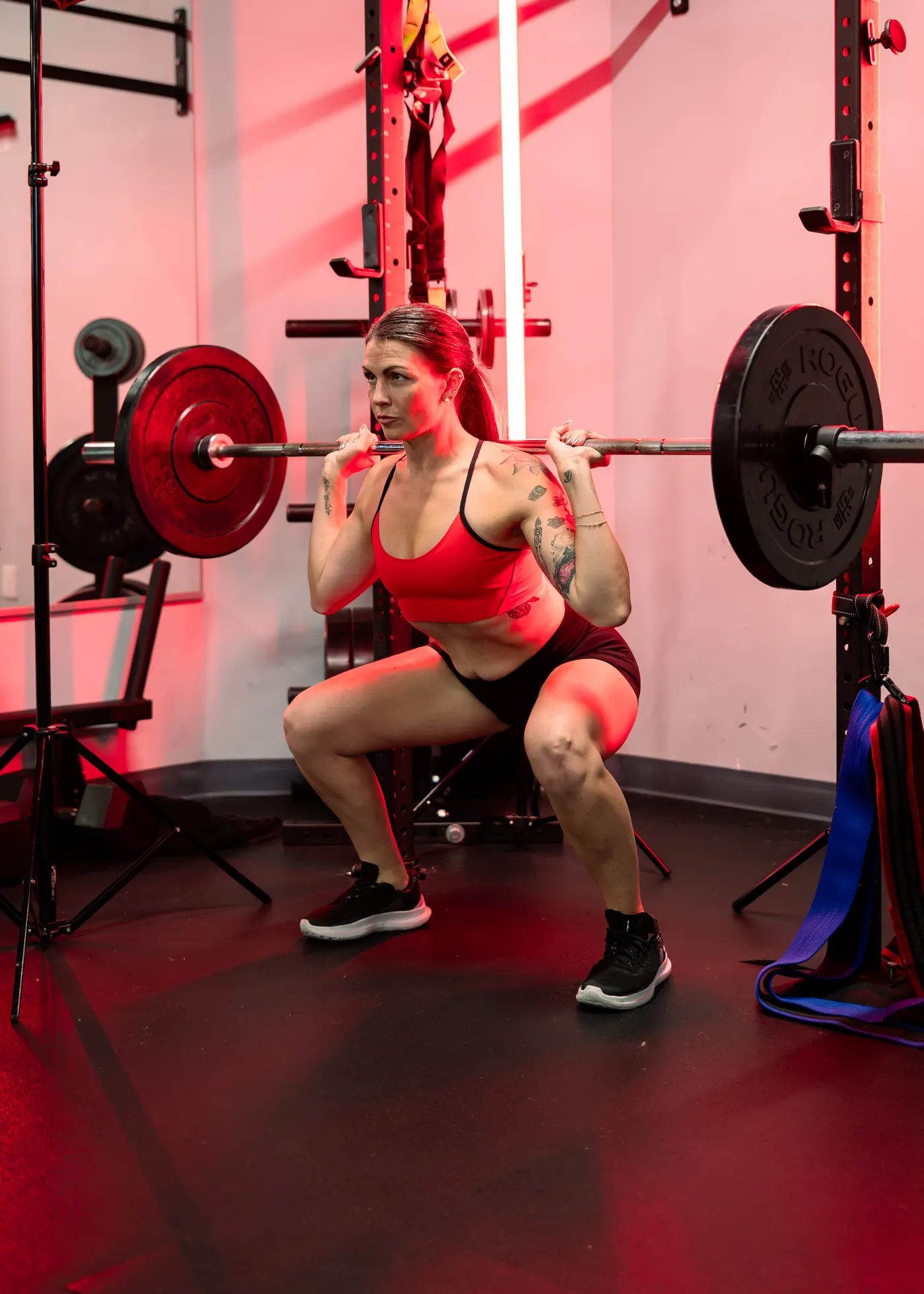
The researchers detected sex-related differences in parts of the muscle proteome. A notable pattern involved intermediate filament proteins, which help maintain cellular structure and transmit forces within muscle tissue. Some of those proteins showed greater remodeling in female samples. That is biologically interesting, but its functional consequence is not yet established.
It would be a mistake to turn these data into a rule that women must train lighter, men must train explosively, or one sex has an inherently superior response to lifting. Both sexes improved leg-press strength and leg lean mass in this small intervention. Molecular patterns describe how tissues changed, not a winner in a bodybuilding competition.
Broader evidence adds context. A synthesis of 29 training studies in healthy adults found that absolute muscle-size gains slightly favored men, while relative percentage gains were broadly similar between sexes. A person beginning with more muscle can add more total tissue while another makes a comparable proportional improvement. The same synthesis found type II fiber growth responses were similar between sexes, although estimates for specific fiber subtypes remain uncertain.
Training history, starting strength, technique, sleep, energy intake, adherence and individual variation all matter. The biopsy experiment was not designed to compare competing male and female programs. Its sample was small and included previously untrained participants. Even a reproducible molecular sex difference does not by itself justify separate commercial training systems.
Individualize from performance rather than assumptions. If two people recover from the same weekly volume and progress steadily, their programs may look similar. If one needs more rest, fewer sets or different exercise choices, adjust for the observed response rather than assigning a rule based on sex alone.
Why bigger muscle, stronger legs and changed proteins differ
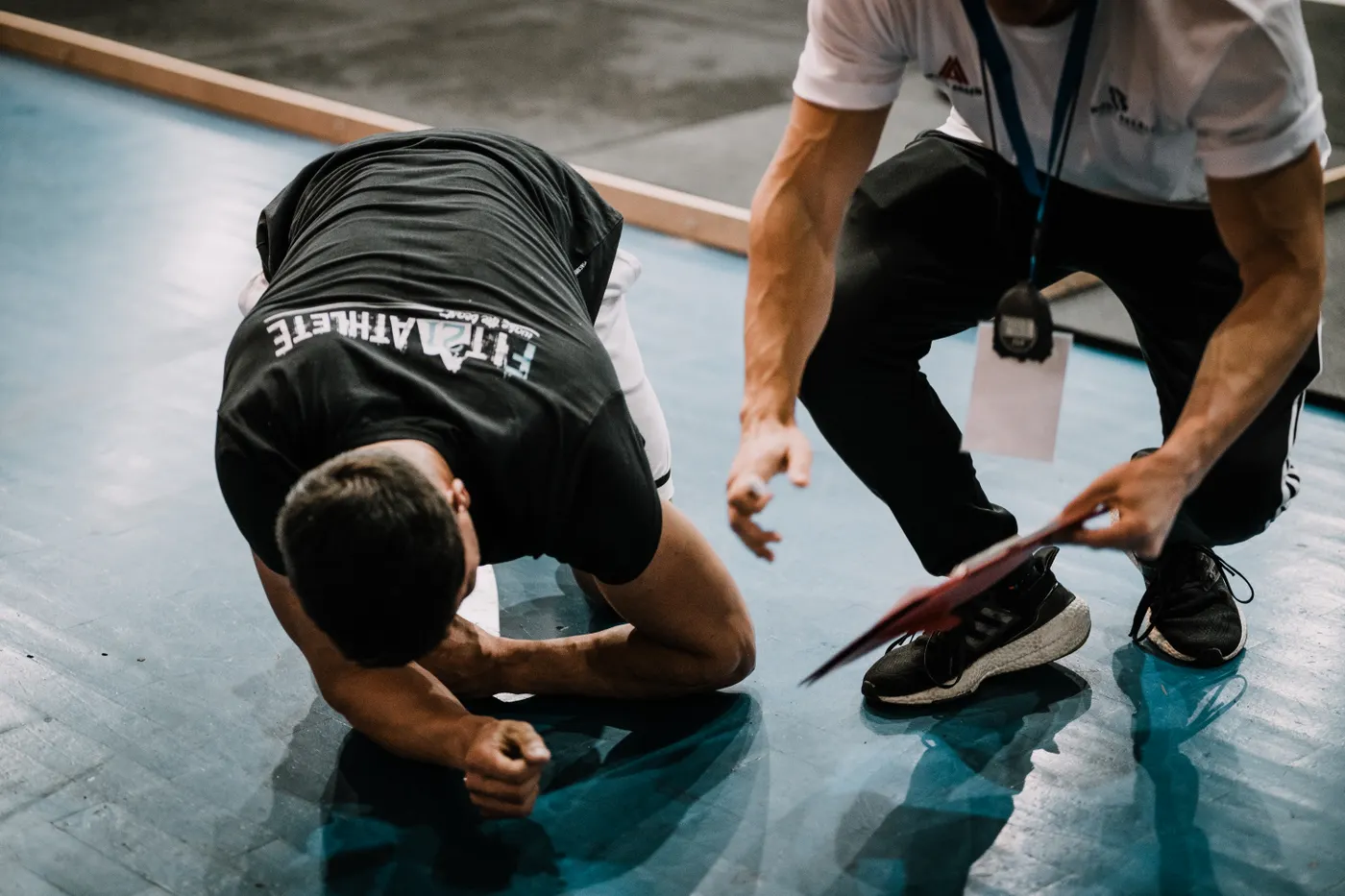
Fitness headlines often compress several measurements into one phrase: muscle growth. In reality, the experiment’s endpoints answer different questions. Leg-press one-repetition maximum reflects the ability to produce force in a practiced movement. It can improve through technique, coordination and confidence as well as muscular adaptation. Leg lean mass captures lean tissue in the leg, but does not isolate contractile protein in a single muscle.
Muscle-fiber cross-sectional area, when measured directly, can provide a closer view of local fiber size. Protein abundance reveals cellular remodeling, but a protein increasing in a sample does not prove the whole muscle has become larger. An acute increase in muscle thickness after a session can reflect fluid movement rather than permanent growth. These measures are complementary, not interchangeable.
A larger set of regulated proteins in type II fibers does not mean type I fibers are irrelevant to hypertrophy. It means the measured response was more pronounced at the protein level in these conditions. Training recommendations should be based on multiple outcomes and replicated interventions, not one molecular marker.
The same caution applies to personal tracking. A strength log is useful because it shows whether you can perform more repetitions or handle more weight with consistent form. Tape measurements and photographs taken under similar conditions can help track physique change over months. Body-composition devices add information but are affected by hydration, food intake and measurement variability.
Use several indicators together. If your leg press rises while body measurements remain steady, you may still have improved skill and strength. If measurements rise while performance falls, examine recovery and consistency before assuming progress. Good interpretation is less exciting than a single number, but more useful.
Equipment Worth Exploring
Explore equipment, accessories and gear from our carefully selected range.
VOLTRA
Compact digital cable trainer with smooth, adjustable resistance.

Go-Tone Pro
Portable digital cable trainer with up to 66 lb (30 kg) of adjustable resistance.


HUSLA Leg Extension Pad
Pad attachment designed to increase usable range of motion on compatible leg-extension machines.


Safety Squat Handles
Barbell squat handles that reduce shoulder positioning demands during high-bar squats.

How to train for growth without hacking fiber types

A sensible hypertrophy program does not require a fiber-type test. Start with exercises that train major movement patterns and let you apply meaningful effort safely. For the lower body, a squat or leg press can anchor knee-dominant work, while a hip hinge covers another important pattern. Add unilateral work and isolation movements when useful. For the upper body, pair presses and pulls, then add direct arm or shoulder work according to priorities.
For a beginner or someone returning after time away, three full-body sessions per week can provide a manageable starting point. Use two or three challenging working sets per exercise, leaving roughly one to three repetitions in reserve for most sets. Choose a load that permits controlled repetitions. The last reps should demand attention without turning every set into technical breakdown.
A practical double-progression method is simple. Suppose the target is three sets of eight to twelve on a leg press. Keep the load constant while you build toward twelve controlled repetitions across all three sets. Once you achieve the top end with stable technique, increase the load modestly and work back up through the range. This changes the stimulus over time without requiring a particular percentage of your one-repetition maximum.
Spread demanding leg sessions far enough apart to restore performance, especially when soreness is high. Hard training can produce temporary discomfort, but joint or tendon pain is not a sign that desired fibers are being recruited. If an exercise consistently causes pain, adjust range, load or movement and seek qualified assessment when necessary.
Nutrition supports the process rather than replacing it. Consistent daily protein intake, adequate energy and sleep matter more than claims about activating one protein. Many active adults aiming to gain or maintain muscle can use a daily protein range around 1.4–2.0 grams per kilogram as a planning reference, adjusted for individual needs. No food or supplement was shown in this experiment to selectively activate CSRP3 for extra human muscle growth.
Leg Day Shirts & Workout Gear
Leg-day gym shirts and workout gear for lifters who never skip squats, lunges and lower-body punishment.

Nice Try Gravity Astronaut Muscle | Funny Space Workout Tank Top
Show some personality between sets with “Nice Try Gravity Astronaut”.

Funny Legday of Legends Gym | League of Legends Meme Mu Tank Top
Bring “Legday of Legends” humor to your next lifting session.

I Love Booty – Valentine's Day Peach Meme Vest Muscle S Tank Top
Your gym-day look, with a playful “I Love Booty” twist.

Dadlift Dad Decal Water Bottles & Gear Meme Sticker
Bring “Dadlift” attitude to your water bottle or laptop.

I Look Better Bent Over Decal Water Bottles & Sticker
Put “I Look Better Bent Over” gym humor on your laptop, bottle, or gym gear.

OnlyGains Hooded Leg Day & Booty Gains Meme Top Hoodie
Bring “OnlyGains” gym humor to lazy days and post-workout plans.

Juicy Booty Booty Builder Big Booty Gains & Fans Hoodie
Bring “Juicy Booty” gym humor to lazy days and post-workout plans.

Booty Out Of This World Gym | Funny Alien Meme Workout Hoodie
Bring “Booty Out Of This World” gym humor to lazy days and post-workout plans.

Rep God Swole Shady Gym Meme | Funny Rap Music Workout T-Shirt
Add a playful “Rep God Swole Shady Gym Meme” touch to your casual rotation.

Rep God The Real Swole Shady Gym | Funny Workout & Rap Sticker
Bring “Rep God The Real Swole Shady” attitude to your water bottle or laptop.
A four-week plan and the real takeaways for lifters
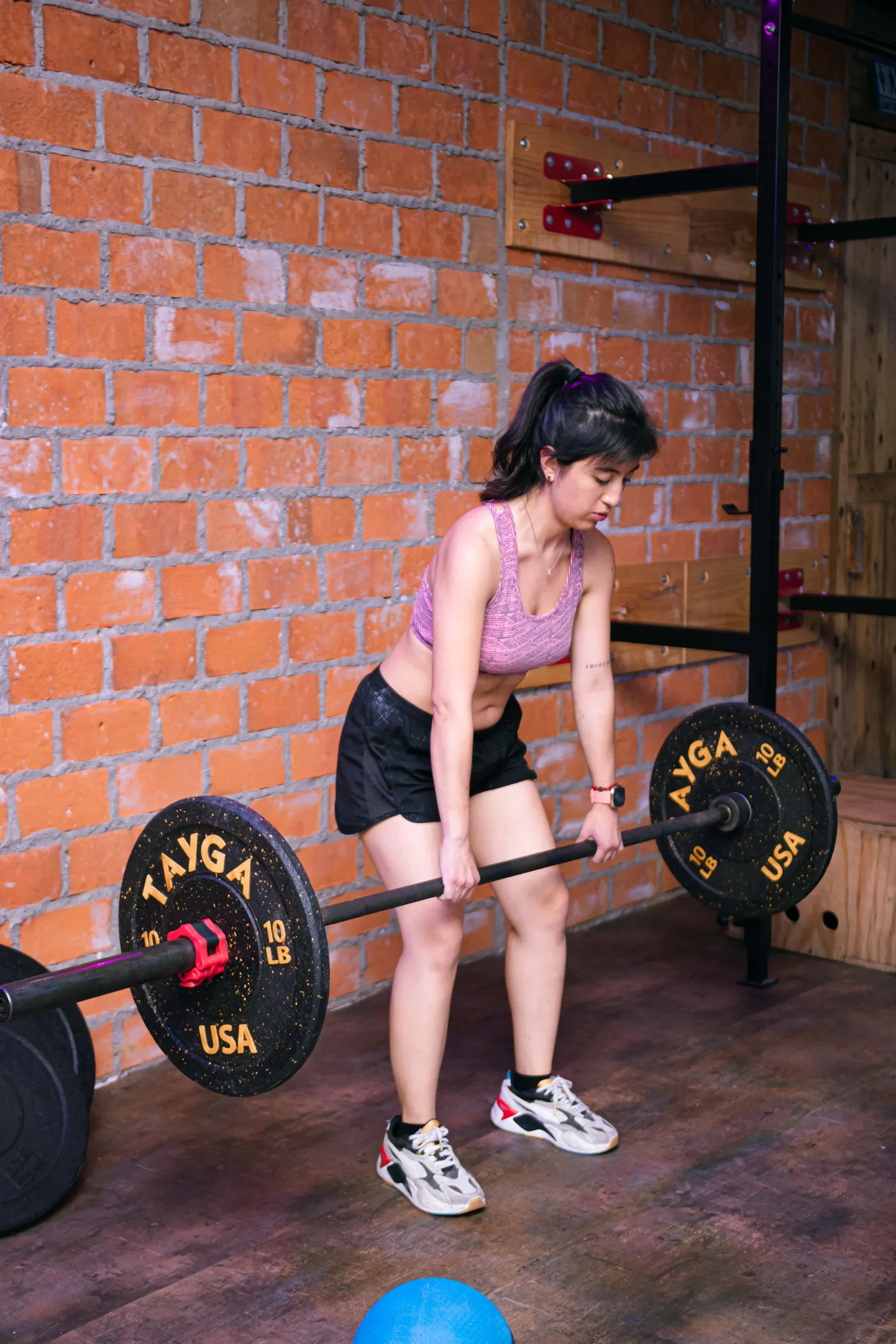
Here is a straightforward four-week framework based on general resistance-training principles, not a protocol tested by the molecular study. Train on three nonconsecutive days. Each session includes one knee-dominant lower-body lift, one hinge or hip-dominant lift, one push, one pull and one optional accessory. Alternate variations across sessions when comfort calls for it, but keep main movements stable enough to track.
Week 1: Establish repeatable loads. Perform two working sets for each main movement, mostly in the eight-to-twelve-repetition range, with approximately three repetitions in reserve. Record load, reps, range of motion and how each set felt. Leave room to recover rather than trying to create maximal soreness.
Week 2: Keep the same core exercises and add repetitions where possible. If every set reaches the upper end of the range with sound technique, make a small load increase. Maintain at least one or two reps in reserve on most work. A progression of one rep is still progression.
Week 3: If recovery and technique are good, add a third set to one or two priority exercises, such as the squat or leg press and a row. Do not add sets indiscriminately to every exercise. Evaluate the next session: more work is useful only if you can sustain its quality.
Week 4: Consolidate. Improve performance on the same movements without changing everything at once. If fatigue accumulates, keep the exercise pattern but reduce volume temporarily. Review the four-week log for a consistent trend in reps, loads and technique rather than relying on the sensation of a single workout.
Muscle is not one uniform tissue. Fast-twitch and slow-twitch fibers have distinct properties, and this experiment showed especially extensive molecular remodeling in type II fibers after supervised lifting. CSRP3 is a promising mechanistic lead, not a shortcut. Men and women both adapted, and molecular differences do not invalidate training principles that work across populations. The best next step is still an achievable program, progressive effort and enough recovery to repeat it.