What the eight-week trial actually tested
Can two inexpensive tools improve athletic movement without turning every session into another exhausting workout? An eight-week randomized trial offers a useful, tightly defined answer. Twenty-four male basketball players, about nine years old on average, were divided into two groups of twelve. Both groups continued basketball activity, while one added two weekly sessions combining jump-rope drills and elastic-band exercises. The comparison group continued its usual training.
Researchers measured several qualities that matter on court: standing balance, reach-based dynamic balance, a change-of-direction T-test, five- and ten-meter sprint times, squat jumps and countermovement jumps. The combined-training group improved across these measures relative to the active control. Its static balance scores rose by roughly twenty percent, T-test time fell by about 3.6 percent, five-meter sprint time improved about 4.3 percent, and squat-jump performance increased about 13.5 percent.
Those numbers are encouraging, but the population is crucial. These were young, trained boys, not adult gym-goers, and the groups were small. Because jump rope and bands were introduced together, the experiment cannot identify which component caused each improvement. It also did not establish that the program grows more muscle, improves maximal squat strength or prevents ankle injuries. The useful conclusion is narrower: brief, structured coordination and resistance work can complement regular sport practice and improve measured athletic skills over several weeks.
Why rope jumps and bands may complement each other
Jump rope is repetitive, but not simple. Each repetition asks the feet to leave the ground, land, stabilize and time the next takeoff with a moving rope. At modest intensity, that trains rhythm and repeated low-amplitude contacts. As skill develops, athletes can change cadence, alternate feet or introduce short bursts without needing a large training area. A jump rope is therefore both a conditioning tool and a coordination task.
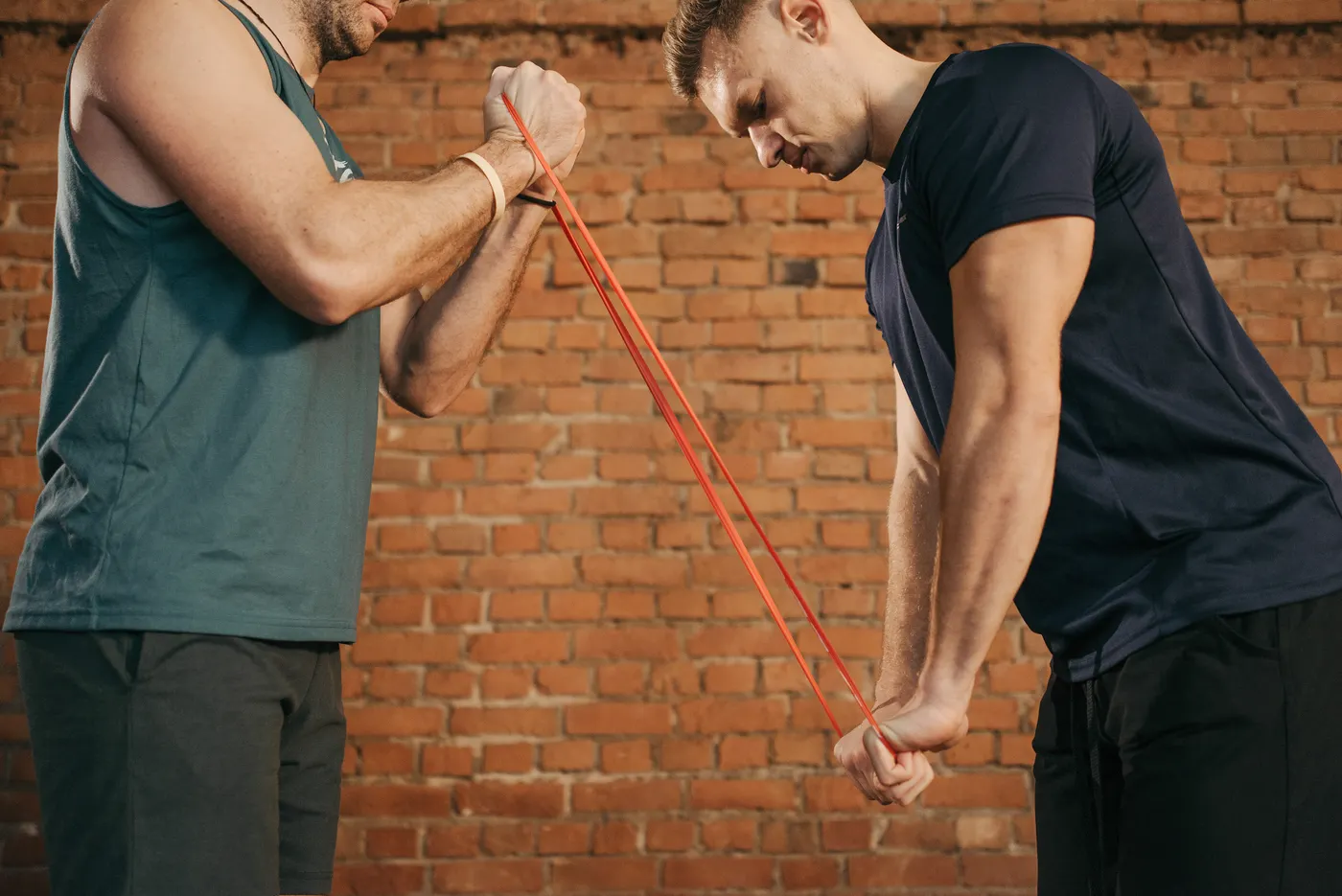
Elastic bands challenge movement differently. Their resistance typically rises as the band stretches, which can make squats, lateral steps, rows and resisted accelerations feel different from a fixed-weight exercise. Bands are useful for teaching controlled positions and adding load where a full barbell setup would be unnecessary. They do not replicate the precise force curve of every sport movement, however, and thicker bands are not automatically better.
Combining the two provides contrasting demands: quick contacts and rhythm from rope work, then deliberate force and posture from resistance drills. That is a plausible reason to test them together, not proof of a unique physiological synergy. A broader body of youth-sport research also supports well-programmed plyometric training for jumping and change-of-direction ability, while supervised resistance work can develop foundational strength and movement skill.
For a practical session, alternate a technically easy rope interval with a band movement rather than racing through everything without rest. The goal is clean repetitions. If feet begin slapping the floor, knees collapse inward or the band pulls the body out of position, reduce the pace or tension. Skillful contacts are more useful than chasing a dramatic heart-rate spike.

Equipment Worth Exploring
Explore equipment, accessories and gear from our carefully selected range.


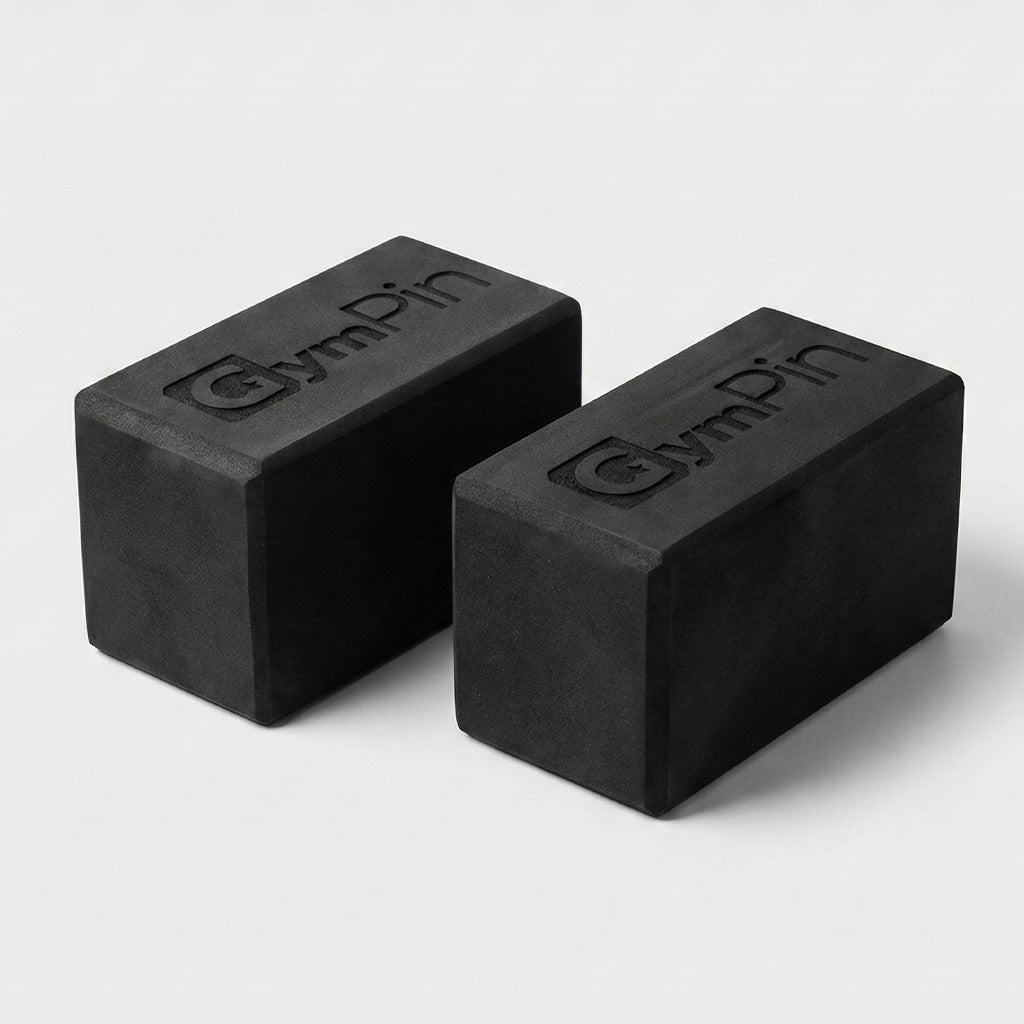
GymPin Starting Blocks
Portable high-density foam blocks for adjusting machine starting positions and range of motion.


Apple Watch Ultra 3
Rugged 49 mm smartwatch with cellular connectivity, GPS and fitness tracking.

Powerbeats Fit
Secure-fit wireless workout earbuds with active noise cancellation and a charging case.
Balance and cutting: the changes worth noticing
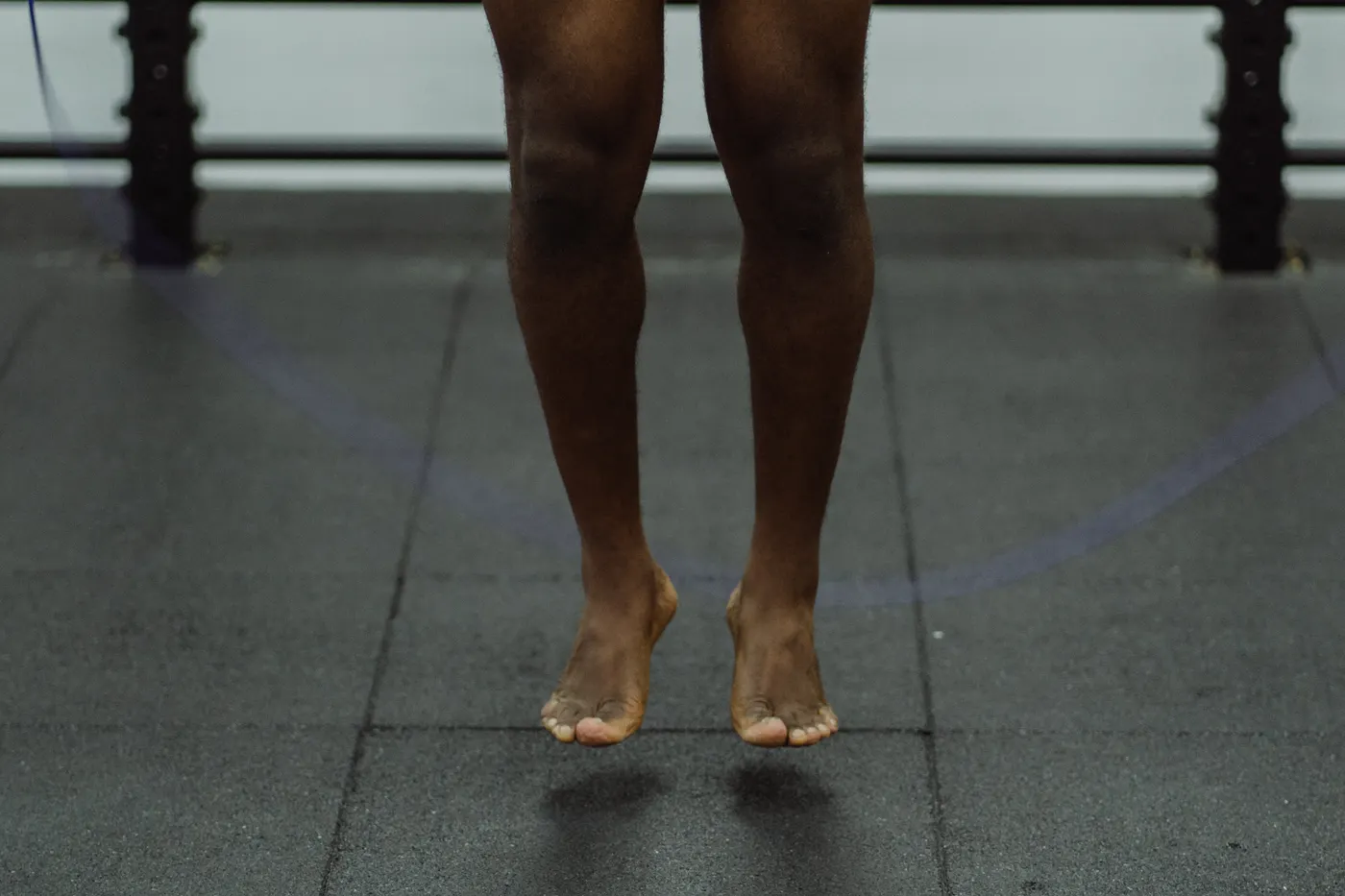
The most striking result was not a spectacular jump. In the intervention group, single-leg static balance improved about twenty to twenty-two percent, while reach distances on a dynamic balance test improved by smaller but measurable percentages. Change-of-direction performance also improved. Those are distinct abilities: standing still on one leg is not the same task as decelerating, planting a foot and accelerating away.
For basketball, better control may help an athlete organize a landing or a change of direction. Yet a balance test is not an injury forecast. The trial did not follow players long enough or include enough participants to show fewer sprains or other injuries. Claims that jump rope and bands make knees injury-proof would be an overreach.
A sensible progression begins with a quiet two-foot landing, then alternating-foot rope steps, then short lateral steps and controlled single-leg balance. Add a gentle band-resisted side step only after the athlete can keep the pelvis level and the knee tracking comfortably. In a sport session, reactive cutting drills can come later, with ample space and coaching. The skill is to decelerate under control, not merely to move feet as fast as possible.
Measure changes consistently. Use the same footwear, floor and warm-up before retesting, and record both sides rather than reporting only the better one. A few familiarization attempts reduce the chance of mistaking learning the test for a large physical adaptation. Improvement is valuable, but the test should guide training rather than become the entire program.

Functional Fitness Shirts & Workout Gear
Functional-fitness shirts, tanks and workout gear for athletes who train strength, conditioning and everything in between.

Vive La Resistance Bands Painting Meme – Resistance Ban Hoodie
Stay casual and show some lifting attitude with “Vive La Resistance Bands”.

HYROX High Rocks Functional & CrossFit Tank Top
Your gym-day look, with a playful “HYROX High Rocks” twist.


Hybrid Athlete – Strength & Endurance Crewneck for Func T-Shirt
For laid-back days and lifting humor: “Hybrid Athlete”.

Viva La Resistance Bands , Meme Shirt, Top T-Shirt
Make gym days more fun with “Viva La Resistance Bands” style.

Gym Dost Thou Even Pedal Medieval Air Bike Humor for Cr Tank Top
Bring “Dost Thou Even Pedal Medieval Air Bike” humor to your next lifting session.


High Rocks HYROX Decal Water Bottles, Laptops & Sticker
A fun “High Rocks” touch for bottles, laptops, and lockers.

Vive La Resistance Bands – Resistance Bands Warmup Mobi T-Shirt
Rep “Vive La Resistance Bands” humor in and out of the gym.

What improved in sprinting and jumping
The trial reported faster short sprints and higher jump-test results after the combined program. Five-meter sprint time decreased about 4.3 percent, ten-meter time about 3.8 percent, squat-jump performance increased roughly 13.5 percent and countermovement-jump performance around 6.1 percent. These are group-level results over eight weeks, not guaranteed gains for every athlete.
Short sprinting depends heavily on the first few steps: projecting the body forward, applying force in the right direction and coordinating rapid contacts. Jump tests emphasize different qualities. A squat jump starts from a held position, while a countermovement jump includes a quick dip before takeoff. Improvement in one does not automatically mean the same improvement in the other.
Jump rope can build a rhythm of repeated contacts, but a tiny vertical bounce is not the same as a maximal rebound or a powerful first sprint step. Bands may offer an accessible strength stimulus, but the study did not isolate whether rope work, band work or simply extra supervised practice contributed most. It would also be misleading to assume the findings apply unchanged to experienced adult sprinters.
If speed is the goal, keep actual acceleration practice in the plan. After a thorough warm-up, use a handful of short, high-quality starts with generous rest rather than endless fatigued sprints. If jumping is the goal, use a few crisp jumps and track landing quality. Rope intervals and bands can support those sessions, but should not crowd out the sport-specific work they are meant to complement.
A practical 20-minute rope-and-band session
The trial used twice-weekly combined training alongside normal basketball practice. The following template is a conservative coaching example inspired by the training principles, not a claim to reproduce the researchers’ exact exercise list. Adjust contact volume, band tension and work duration to age, experience and recent training load. Children should have qualified supervision and a playful, technique-first approach.
Minutes 0–4: prepare. Walk or jog easily, perform ankle circles, controlled squats and a few low pogo hops. Test that the rope clears the feet without excessive shoulder movement. Minutes 4–9: rope skill. Complete five rounds of twenty to thirty seconds of relaxed skipping, separated by comfortable recovery. Beginners can replace rope turns with step-overs or imaginary-rope hops until timing improves.
Minutes 9–16: band strength. Perform two controlled rounds of six to ten band squats, eight to twelve lateral steps each way and eight to twelve standing rows. Choose tension that allows the same posture from first repetition to last. For a young athlete, coordination and enjoyment matter more than maximizing fatigue. Minutes 16–20: movement quality. Practice two or three short accelerations or a simple cone pattern with full recovery, then finish with easy walking.
For adults already lifting, this can be a brief conditioning-and-coordination supplement on a lighter day. For youth teams, reduce complexity and keep games and sport skills central. Stop or modify an exercise when discomfort, repeated tripping or poor landing control appears. More jumps and thicker bands are not automatically a better dose.
Equipment Worth Exploring
Explore equipment, accessories and gear from our carefully selected range.
VOLTRA
Compact digital cable trainer with smooth, adjustable resistance.

Go-Tone Pro
Portable digital cable trainer with up to 66 lb (30 kg) of adjustable resistance.


GymPin Squat Wedges
Non-slip 15-degree squat wedges help elevate the heels for deeper quad-focused squats.


FID Bench MAX
Adjustable bench offering flat, incline, and decline positions + adjustable headrest.

Squat Harness
Wearable harness for hands-free cable squats, sled work, and lower-body training.

How to progress across eight weeks without overdoing it
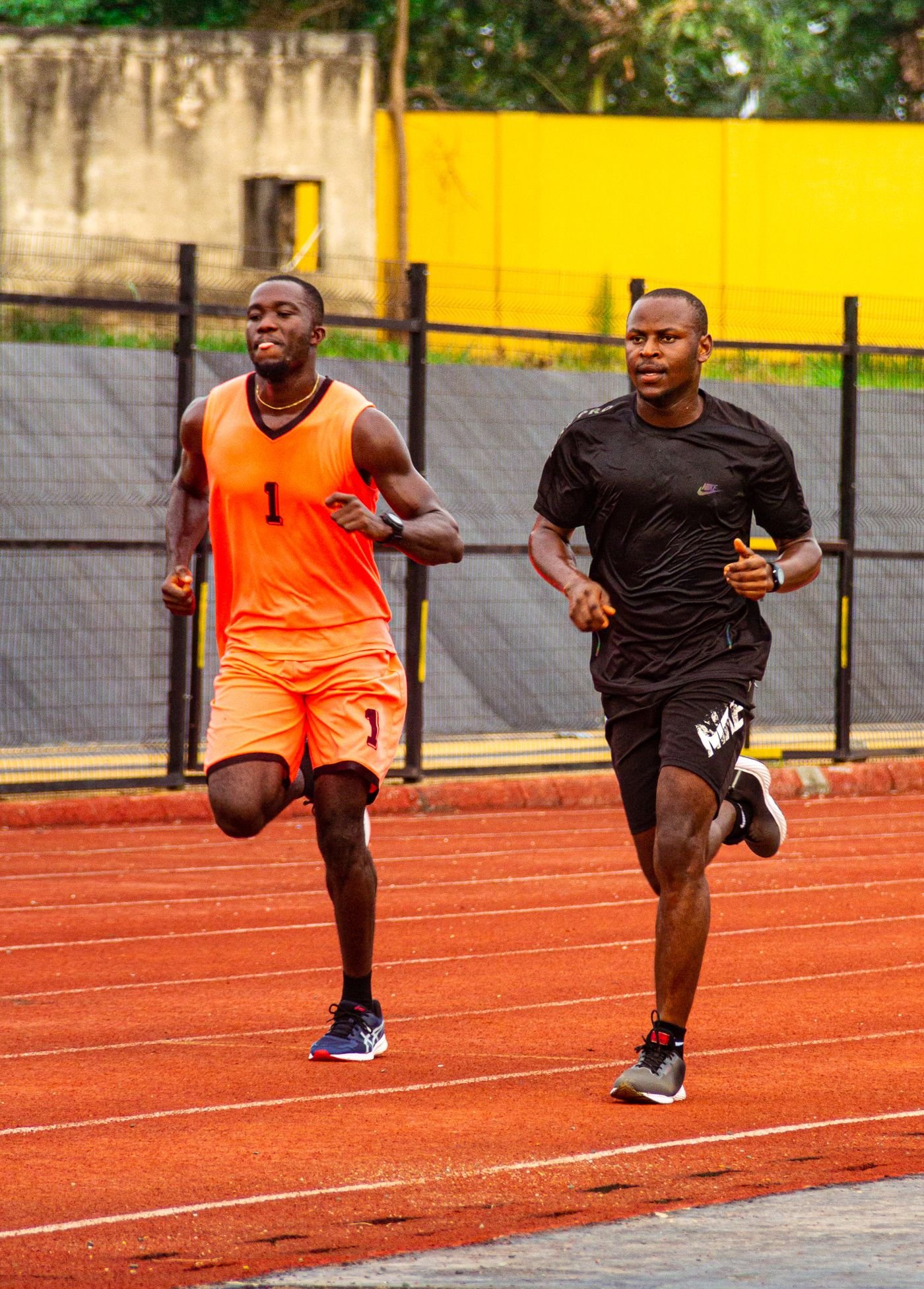
Progression should change one variable at a time. In weeks one and two, learn a relaxed two-foot rhythm, use a light band and keep work intervals short. In weeks three and four, gradually increase total successful rope contacts or add a second easy variation, such as alternating-foot steps. In weeks five and six, introduce slightly faster intervals or a modestly harder band only if technique stays consistent. In weeks seven and eight, consolidate the best drills and retest a small set of performance measures.
Twice per week is a reasonable starting schedule for this example because it mirrors the trial frequency, not because every athlete requires exactly two sessions. Leave recovery between harder jump sessions and consider the total contacts already accumulated through basketball, running or other sports. An athlete who has played a demanding game may need less extra jumping than someone who has had a quiet week.
Track three practical indicators: the number of clean rope contacts before a mistake, the quality of a controlled single-leg balance hold and a repeatable short shuttle or jump test. Write down the surface, footwear and warm-up conditions. For sprint or jump tests, avoid testing while exhausted and do not compare times from different distances or timing methods.
The program should feel progressively more skillful, not simply more punishing. Persistent soreness, reduced bounce or deteriorating coordination are reasons to reduce volume. For growing athletes, a coach should also account for growth spurts, maturity and individual comfort. The most productive session is often the one that leaves enough energy for the next sport practice.
Cardio Shirts & Workout Gear
Cardio and conditioning gym gear for runners, endurance athletes and anyone who earns the sweat.

Anti Jump Rope Club Shirt Cardio Meme Top & Gymbros T-Shirt
Rep “Anti Jump Rope Club” humor in and out of the gym.

Cardio Is Calling Decline Decal Water Bottles Meme Sticker
A fun “Cardio Is Calling” touch for bottles, laptops, and lockers.

Cardio Sucks Negative Review 1 Star Hooded Hoodie
Show off your cardio humor in a laid-back “Cardio Sucks” hoodie.

Cardio Is Hardio – Workout Meme Vest Muscle Shirt For S Tank Top
Add some cardio attitude to training with “Cardio Is Hardio”.


Hybrid Athlete – HYROX Training Crewneck for Strength & T-Shirt
Show some gym-day personality with “Hybrid Athlete”.

Funny Uncle Sam Gym – I Want You To Do Cardio Patriotic Tank Top
Train hard, laugh a little, and rep “Uncle Sam”.

Death By Cardio Shirt Meme & Top T-Shirt
Bring “Death By Cardio” humor to your next gym day.

Exercise Your Demons | Cardio Workout From Hell Muscle Tank Top
Add some cardio attitude to training with “Exercise Your Demons”.

Anti Cardio Cardio Club Shirt Meme & Top T-Shirt
Bring “Anti Cardio Cardio Club” humor to your next gym day.
What this means for adult lifters and youth coaches
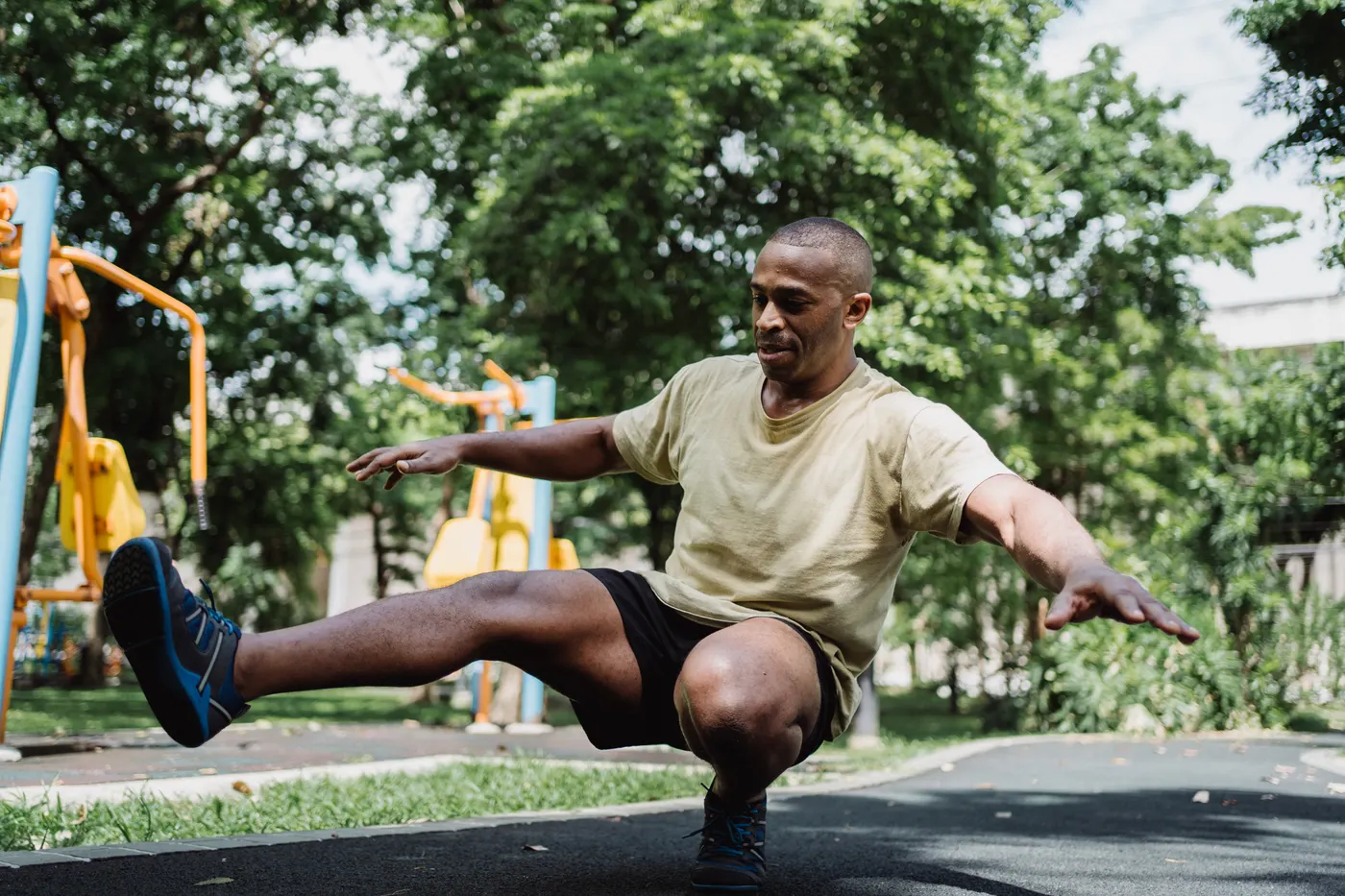
The central distinction is between improving movement performance and building maximum muscle. A rope-and-band circuit can train timing, balance, lower-body coordination and some muscular endurance. It is not a substitute for progressive heavy resistance training when the objective is a larger squat, greater maximal strength or substantial hypertrophy. Likewise, a few minutes of skipping do not replace a carefully planned sprint or jumping program for a competitive athlete.
The 2026 trial was promising because it compared a structured additional program with an active control and measured several concrete outcomes. It was limited by its small sample, very young male participants and combined intervention. There was no rope-only group, no band-only group and no adult group. Familiarity with the tests, maturation and additional coaching may have contributed to the observed improvements. Even statistically significant group changes should not be translated into guaranteed personal results.
For coaches, the practical lesson is to use affordable equipment as a way to broaden movement experiences without overwhelming young athletes. Supervision, appropriate progressions and enjoyment matter. For adult lifters, the same tools can provide a short warm-up or conditioning option that does not demand another large machine. Start with low contacts, comfortable bands and sensible recovery, then assess whether the extra work improves the abilities you actually care about.
Ultimately, training quality is not measured by the number of tools used. It is measured by whether the exercise matches the goal, the athlete can perform it well and progress remains sustainable. Rope and bands can earn a place in that system without being sold as a shortcut to every fitness outcome.